In the contemporary landscape of construction materials, the quality of cement is paramount, directly influencing the durability, strength, and workability of concrete structures. At the heart of this quality lies the concept of specific surface area (SSA), often measured in cm²/g or m²/kg (typically via the Blaine method). A high specific surface area in cement clinker signifies finer particles, which translates to a higher rate of hydration. This accelerated chemical reaction is the key to achieving rapid early strength development, enhanced long-term structural integrity, and superior overall cement performance. However, the pursuit of extreme fineness is a double-edged sword; it requires significantly more energy and advanced processing technology to achieve without compromising throughput or profitability.
Traditional ball mills, while reliable, are notorious for their high energy consumption and lower grinding efficiency when targeting fineness levels required for high-performance cement. The industry is constantly seeking innovative equipment solutions that can deliver high specific surface area results while optimizing operational costs. This article explores the critical processing equipment designed to boost grinding efficiency and product quality, focusing on technologies that enable cement producers to refine clinker into a premium product with the desired particle size distribution and SSA.
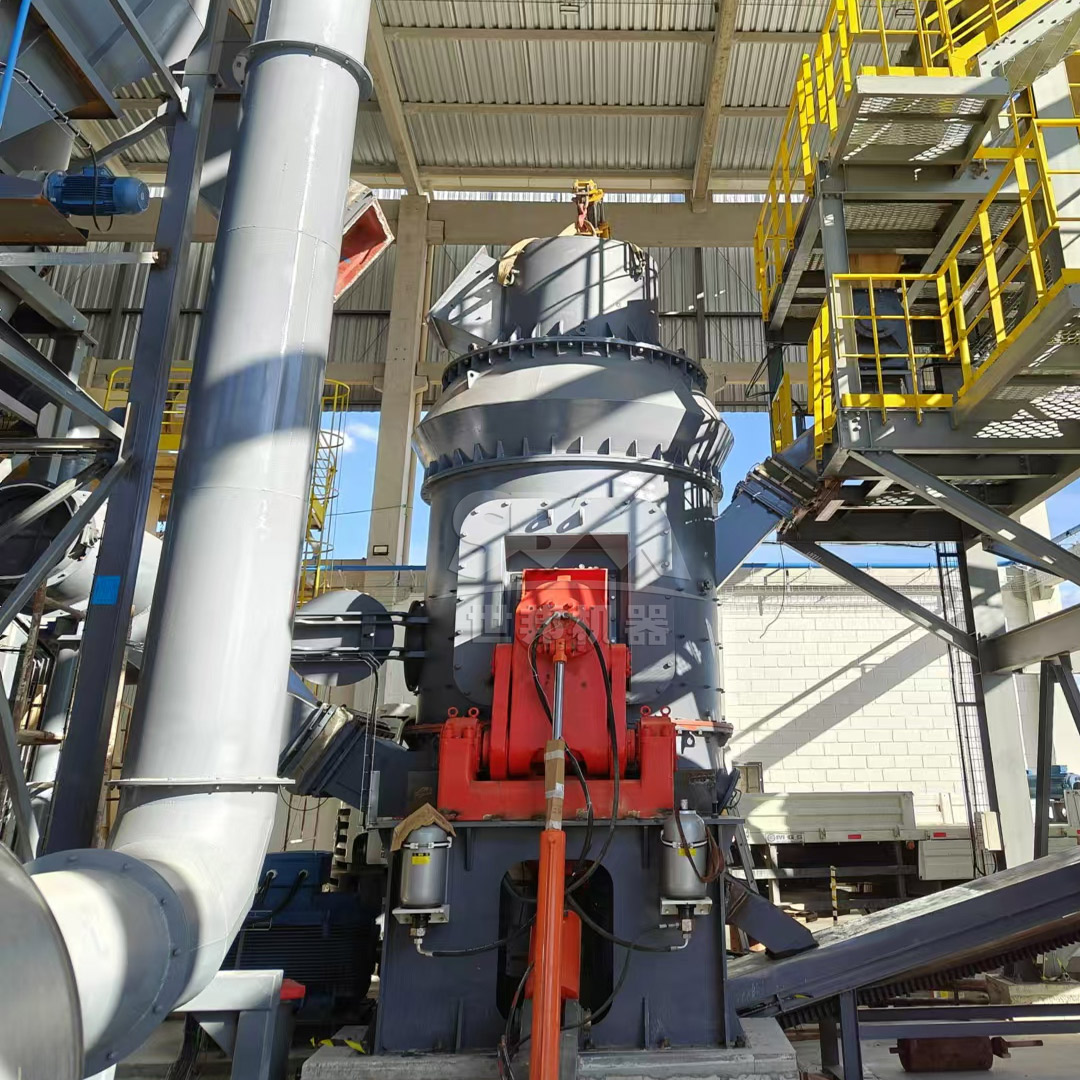
Comminution is inherently energy-intensive, and the process of increasing the specific surface area of cement clinker is one of the most power-hungry operations in the mineral processing industry. Conventional methods often dissipate over 95% of the input energy as heat and noise, rather than utilizing it for particle fracturing. To achieve the desired fineness (typically 325-400 m²/kg for OPC, and higher for special applications), the industry has shifted towards bed compression grinding technologies. Unlike impact grinding in a ball mill, a high-pressure roller mill or a vertical roller mill (VRM) crushes the material layer-to-layer. This principle is far more energy-efficient, reducing power consumption by 30-50% compared to traditional tumbling mills, while concurrently producing a more uniform particle size distribution. This uniformity is critical for achieving a high specific surface area without an excess of ultrafine dust, which can negatively affect cement workability and water demand.
Creating the desired specific surface area is not solely about the grinding pressure; it is equally dependent on the classification system. A mill that grinds for too long creates a wide particle size distribution, including excessive ultrafine particles. To boost efficiency, modern systems integrate high-precision dynamic classifiers. These systems instantly separate fine particles (which meet the SSA requirements) from coarse fractions, which are returned to the grinding zone. This prevents over-grinding, saves energy, and allows the mill to operate at its optimal capacity. The precision of the classifier determines the top cut of the particle size, ensuring that the final cement has a consistently high Blaine value without a tail of large, non-reactive particles.
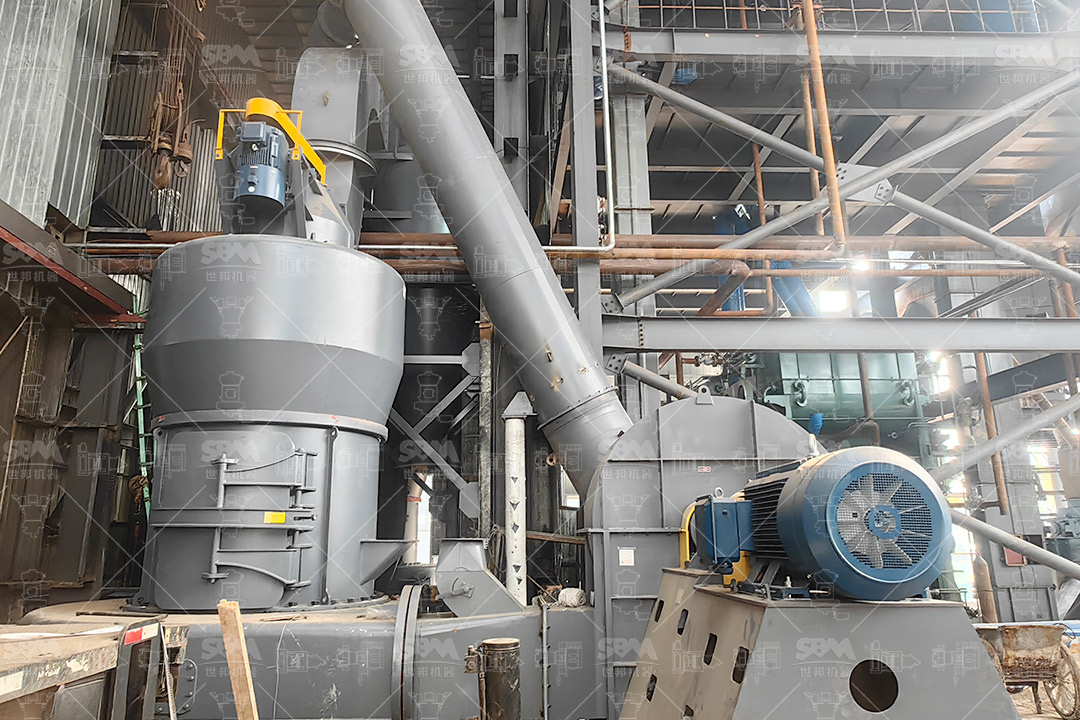
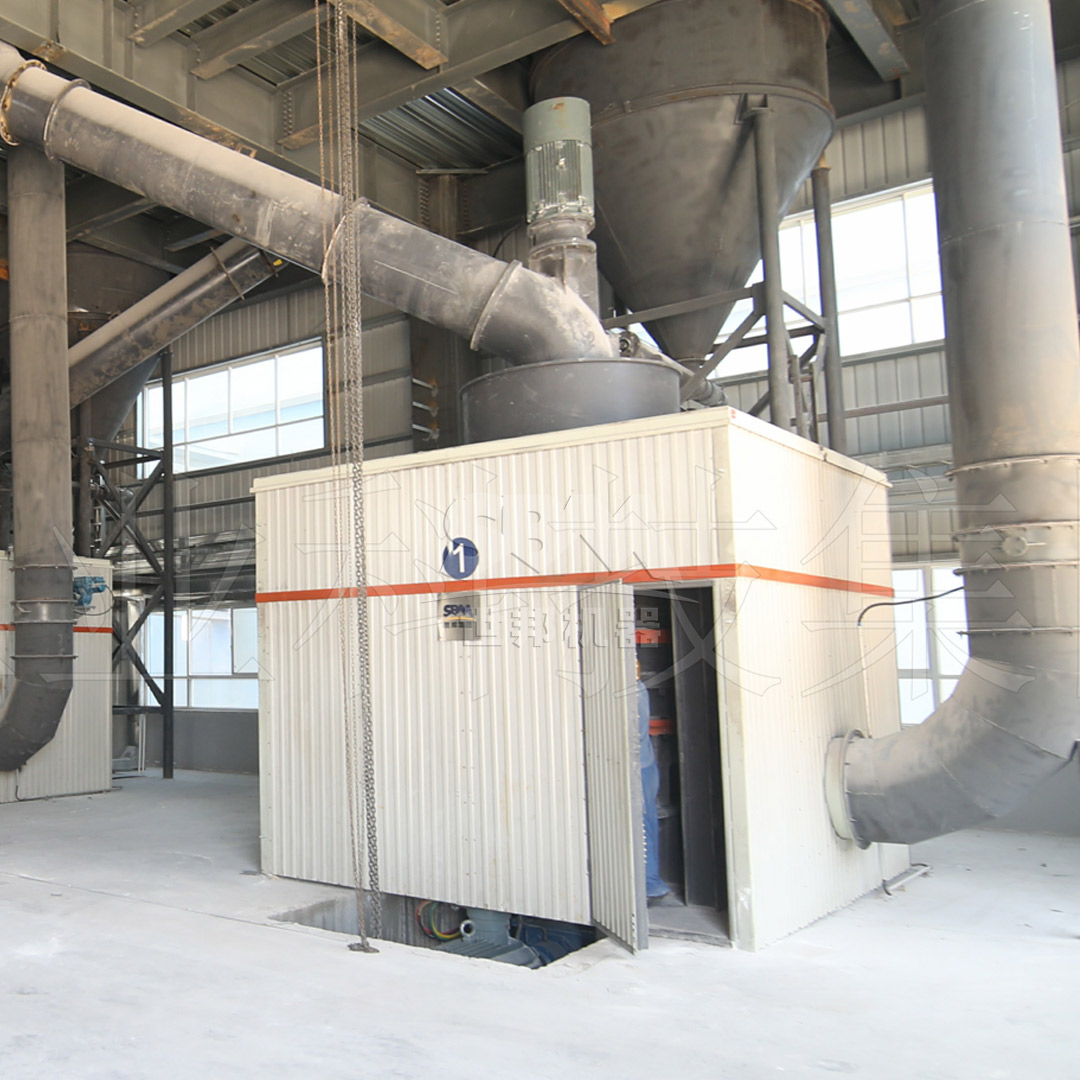
When the production target shifts to Ultra-High Performance Concrete (UHPC) or specialized grouts requiring a specific surface area that exceeds 600 m²/kg (or fineness of 325-2500 mesh), standard equipment often struggles. This is where the SCM Series Ultrafine Mill emerges as the industry benchmark. Engineered for the most demanding grinding tasks, the SCM mill is designed to produce micro-powders with exceptional efficiency. Our SCM series operates on a principle of layer-by-layer grinding using multiple grinding rings and rollers. This mechanism ensures uniform stress on the material, yielding a high specific surface area with minimal energy waste. Compared to jet mills, which use high-speed compressed air, the SCM mill offers double the capacity while consuming 30% less energy. This efficiency is a game-changer for plants looking to expand their high-value product lines without exploding their power budget. Furthermore, the intelligent automatic feedback system adjusts the classifier speed in real-time to guarantee the finished product’s granularity, ensuring that the specific surface area remains constant regardless of minor fluctuations in feed hardness.
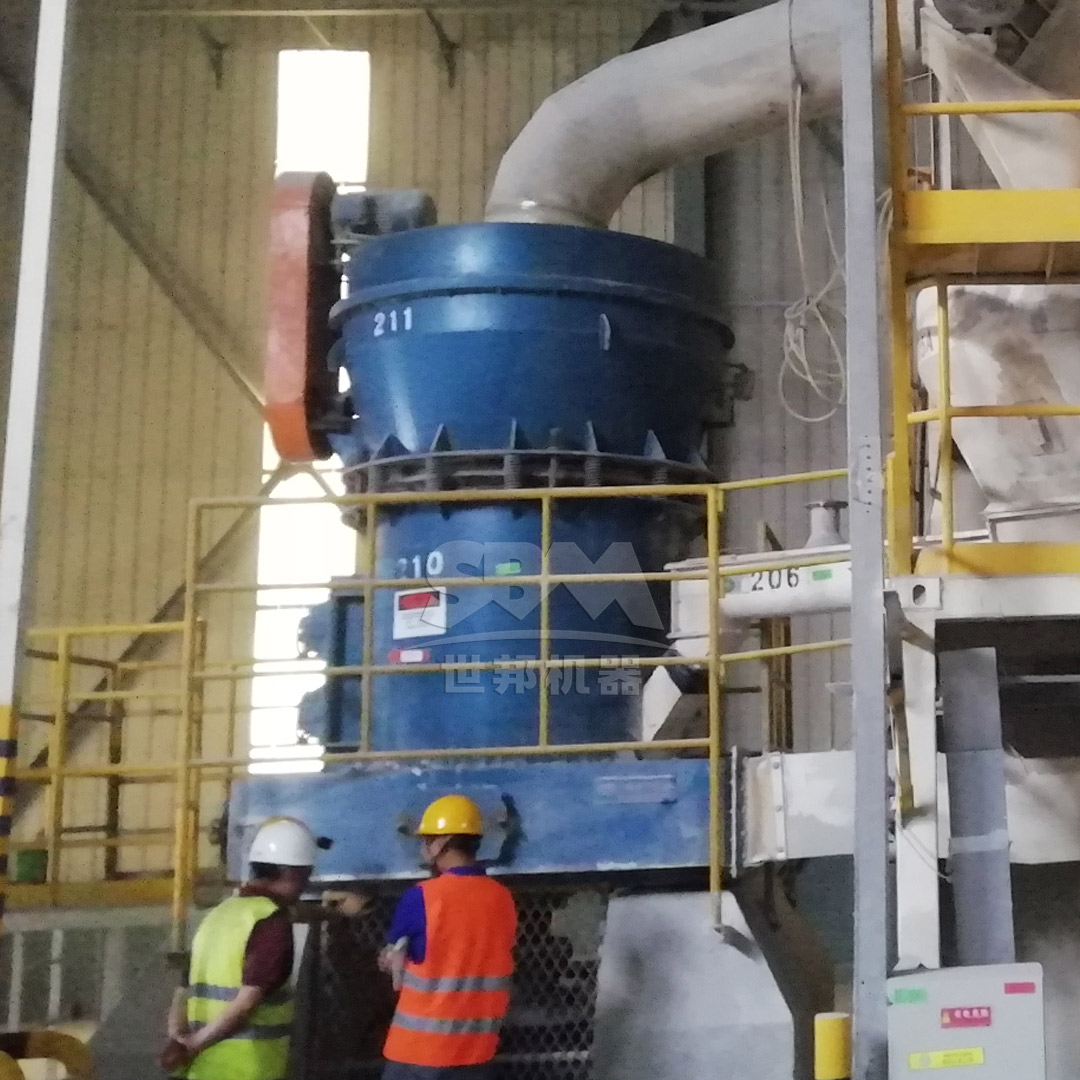
For cement manufacturers focusing on high daily throughput with a product fineness of 10-325 mesh (yielding a SSA of roughly 300-450 m²/kg), the MTW Series European Trapezium Mill offers the optimal balance of efficiency, durability, and capacity. This flagship product incorporates several patented technologies designed to boost grinding efficiency. The integral bevel gear drive reduces energy loss, achieving transmission efficiency up to 98%, ensuring that almost all motor power is converted into grinding force. The optimized arc air duct design reduces airflow resistance, which directly lowers the power consumption of the induced draft fan. This model is exceptionally robust. Its anti-wear shovel design and volute structure with non-resistance flow characteristics not only protect the machine internals but also ensure a stable grinding environment. This stability is essential for producing a consistent specific surface area. If your project demands high capacity (up to 45 t/h) with reliable, low-maintenance operation to meet standard cement fineness requirements, the MTW mill, including our high-capacity models like the MTW215G, is the definitive choice.
| Processing Parameter | SCM Ultrafine Mill | MTW Trapezium Mill |
|---|---|---|
| Product Fineness | 325 – 2500 mesh (5-45 μm) | 30 – 325 mesh (45-600 μm) |
| Specific Surface Area | Exceptionally High (upwards of 600 m²/kg) | High (approx. 350 – 450 m²/kg) |
| Key Application | UHPC, Micro-Silica/Clinker blending | OPC, Portland Cement, Large Volume Production |
| Energy Efficiency | 30% lower energy vs. jet mills | High Efficiency, 98% Transmission |
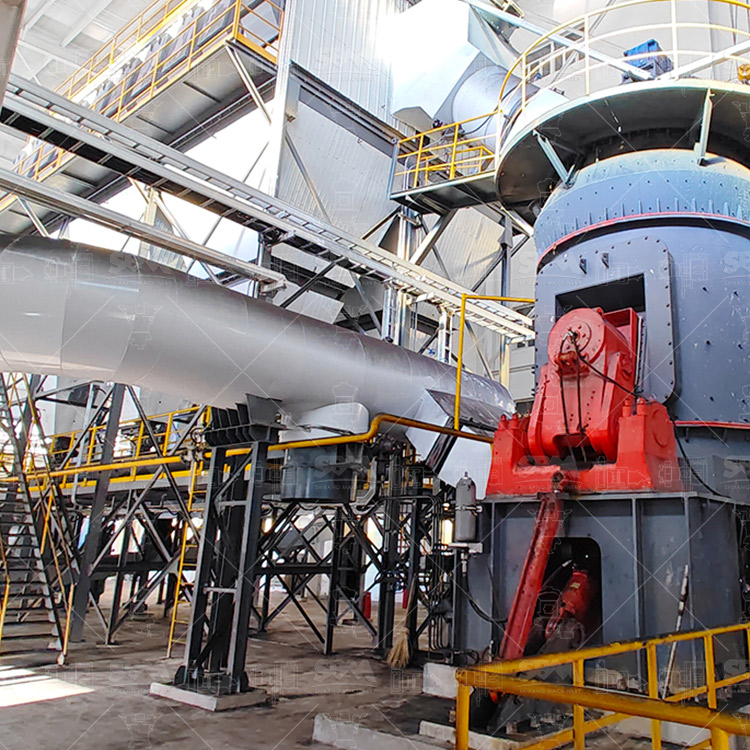
In the era of massive cement complexes and centralized grinding stations, capacity is the primary driver. The LM Series Vertical Roller Mill stands out as the ultimate solution for large-scale clinker processing. With capacities ranging from 3 to an astounding 250 tons per hour, the LM series is purpose-built to handle the toughest ores and clinker. The vertical roller mill uses a dynamic, multi-stage adjusting classifier which can be fine-tuned to produce a highly consistent Blaine specific surface area. The system integrates drying, grinding, and classifying in one unit. Because the rollers and millstone do not come into direct contact, wear and tear is minimized, leading to a threefold increase in wear part lifespan. The operating cost is significantly lower than that of a ball mill system, making it an incredibly attractive investment for any plant looking to lower its cost-per-ton of cement produced. For high SSA requirements, the LM series also includes the LMX-GX models, which are adapted specifically for fine powder production in the 325-600 mesh range, proving the architecture’s adaptability to the demands of high specific surface area.
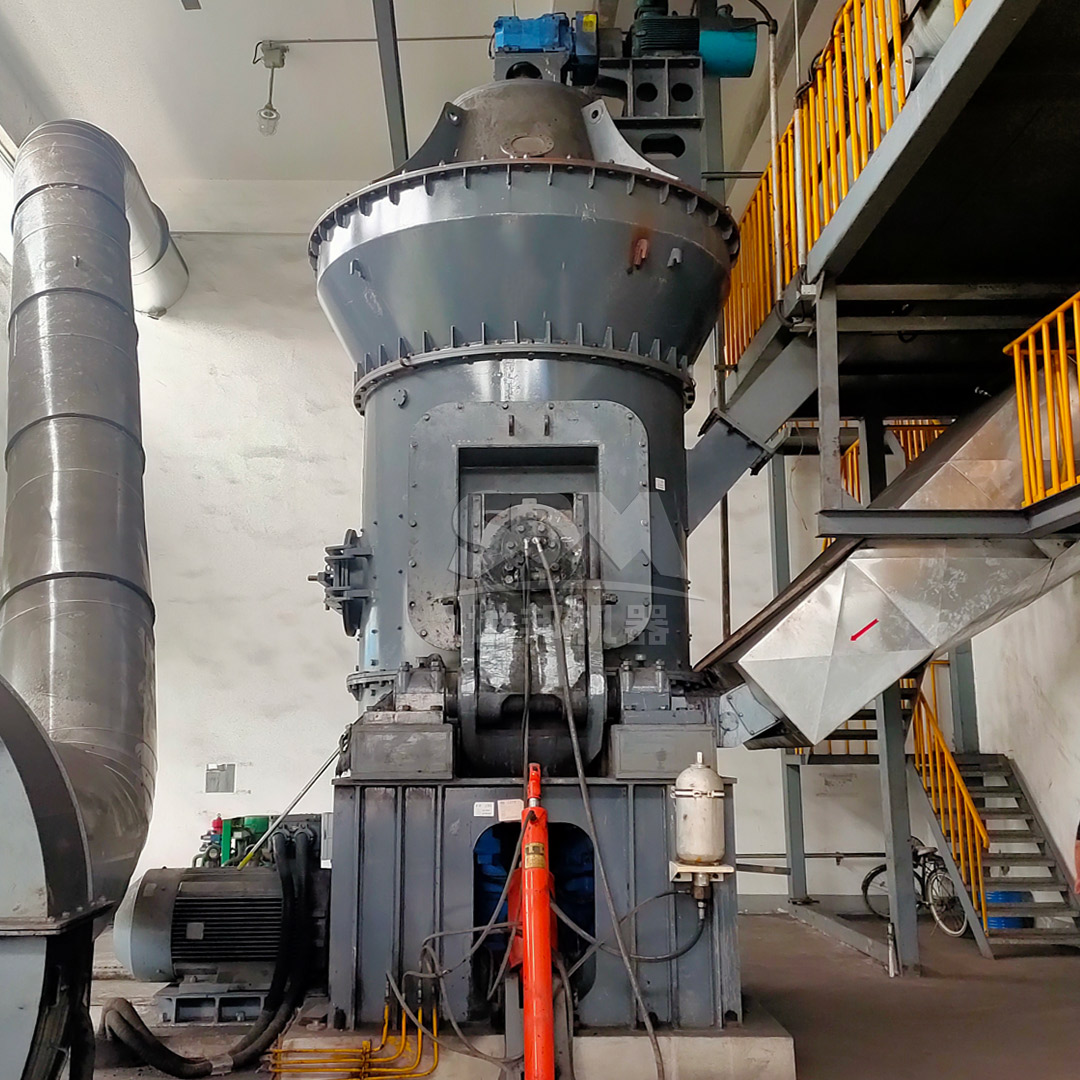
A common barrier to achieving high specific surface area is the downtime caused by grinding media and liner wear. As the SSA increases, the pressure and grinding time required often accelerate the wear rate of components, leading to contamination of the product with metallic particles. Our processing equipment is engineered to combat this. Both the MTW and SCM mills feature grinding rollers and rings composed of special high-alloy materials. In the case of the MTW, the curved shovel design extends the service life significantly, while the LM series uses a modular grinding roller assembly that allows for a quick change-over system. This focus on metallurgy and design ensures that the machinery maintains its grinding profile for longer, thereby retaining the high specific surface area of the output throughout the shift. The vertical shaft-less screw grinding chamber in the SCM models ensures stabilized operation, preventing the vibration that often plagues fine grinding operations.
Maintaining a strict specific surface area tolerance manually is a challenge. Modern high SSA cement production relies on expert-level automatic control systems. Our mills are equipped with PLC-based systems that monitor motor load in real-time and adjust the feeding speed and classifier rotation accordingly. If the SSA begins to drop, the system automatically increases the classifier speed to intercept more particles, ensuring homogeneity. Furthermore, high SSA grinding generates a lot of dust. We tackle this with a fully sealed, negative pressure operating environment coupled with pulse dust collectors. The soundproof room design and vibration damping technology (like the double-damping springs in our MTM series) ensure that the equipment complies with the strictest environmental regulations, allowing you to increase your specific surface area without increasing your carbon or noise footprint.
In conclusion, achieving a high specific surface area in cement clinker is a technical marathon, not a sprint. It requires precision engineering and equipment that can balance energy consumption, throughput, and product quality. Whether you are producing grey cement for skyscrapers or white cement for architectural wonders, the grinding equipment is the deciding factor in your product’s efficacy. For the production of supplementary cementitious materials or premium micro-powders, the SCM Series Ultrafine Mill leads the pack. For high-throughput, high-efficiency standard production, the MTW Series European Trapezium Mill provides unmatched reliability.
We understand that every cement plant has unique feedstock and product targets. Our team is dedicated to assisting you in selecting and configuring the right system to maximize your return on investment. We encourage you to contact us to discuss your specific production needs for high specific surface area cement clinker. Let us engineer your grinding process for peak performance.