Attapulgite, a naturally occurring hydrated magnesium aluminum silicate clay, has emerged as a versatile and cost-effective filler material in the papermaking industry. Its unique needle-like crystal structure, high surface area, and excellent adsorption properties make it ideal for improving paper opacity, printability, and ink retention. As paper manufacturers seek to reduce production costs while maintaining quality, the demand for finely ground attapulgite filler has surged. However, the key to unlocking its full potential lies in selecting the right grinding mill for your production line.
This article provides a comprehensive guide to choosing the optimal grinding equipment for papermaking attapulgite filler processing, covering fineness requirements, capacity considerations, energy efficiency, and maintenance. We will also highlight two of our most advanced solutions—the SCM Series Ultrafine Mill and the MTW Series European Trapezium Mill—that are specifically engineered to meet the demands of this industry.
Before selecting a grinding mill, it is essential to understand the specific requirements of attapulgite as a paper filler:
Paper fillers typically require a fineness ranging from 200 to 1250 mesh (approximately 74 to 10 microns). For high-quality coated paper and specialty grades, ultrafine grinding down to 2500 mesh (5 microns) may be necessary. Uniform particle size distribution is critical to ensure consistent paper properties and avoid defects such as pinholes or streaks.
Production lines vary from small-scale specialty paper mills to large integrated plants. A grinding mill must be able to match your required throughput—from a few tons per hour to over 25 tons per hour—without compromising fineness.
Grinding is an energy-intensive process. The mill’s power consumption, wear part life, and maintenance requirements directly impact operational costs. Choosing an energy-efficient model can reduce electricity expenses by 30% or more.
Attapulgite for papermaking must be free from iron and other contaminants that could affect paper brightness or cause discoloration. The grinding mill should be designed with wear-resistant materials and dust collection systems to prevent contamination.
Dust emissions and noise levels must comply with strict environmental regulations. A modern mill with pulse dust collection and soundproofing is essential for sustainable operations.
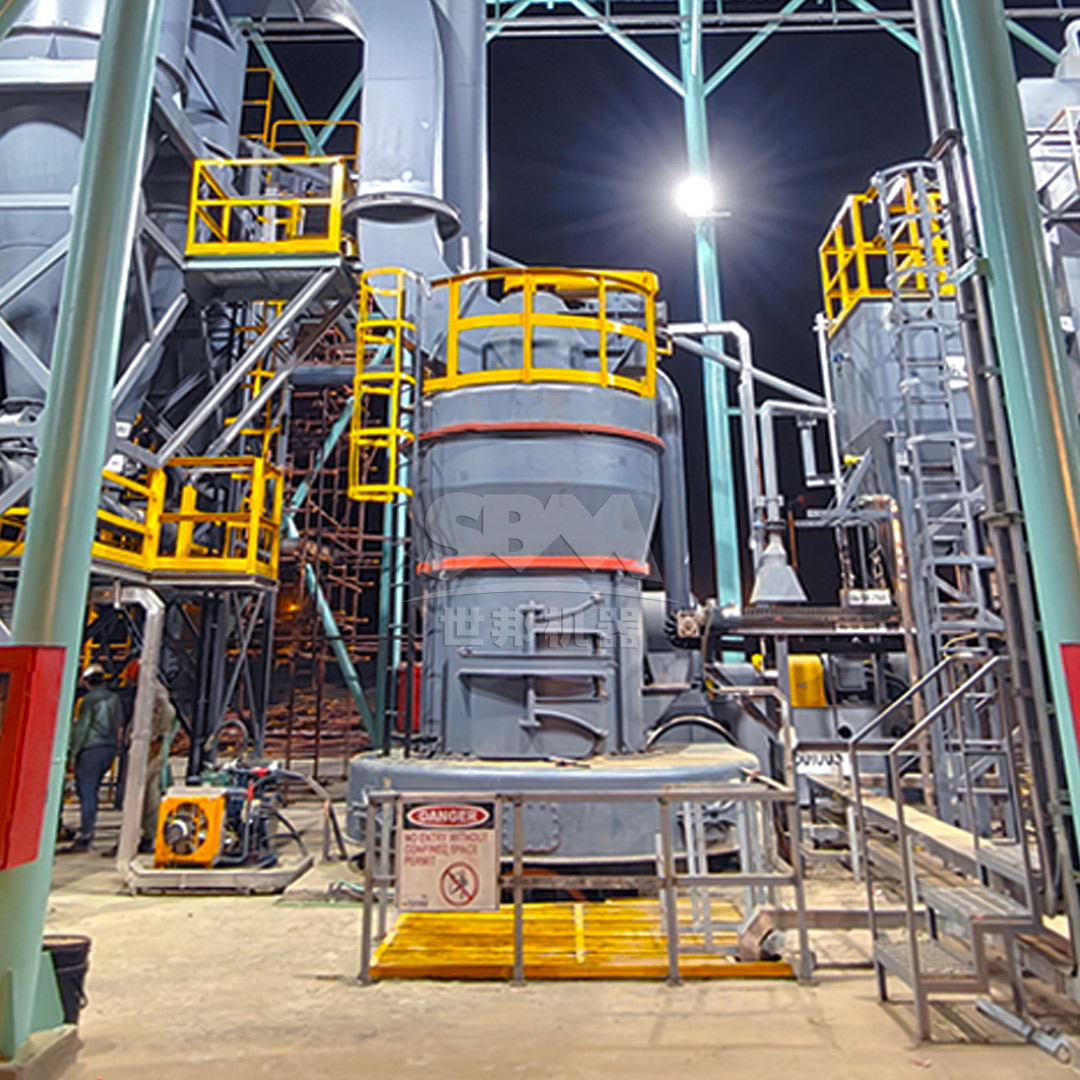
If your target fineness is between 325 and 2500 mesh, an ultrafine mill such as the SCM Series is ideal. For coarser fillers (30–325 mesh), the MTW Series European Trapezium Mill offers high capacity and efficiency.
Calculate your hourly demand for ground attapulgite. Consider future expansion. For small to medium lines (0.5–14 t/h), the SCM800 or SCM900 models are suitable. For large-scale operations (up to 45 t/h), the MTW215G or SCM1680 can handle the load.
Compare specific energy consumption (kWh per ton) of different mills. The SCM Series, for example, consumes 30% less energy than jet mills while delivering twice the capacity. The MTW Series features an integral bevel gear drive with 98% transmission efficiency.
Look for mills with long-lasting wear parts. The SCM Series uses special material rollers and rings that extend service life several times over. The MTW Series offers combined shovel blades and curved grinding rollers to reduce maintenance costs.
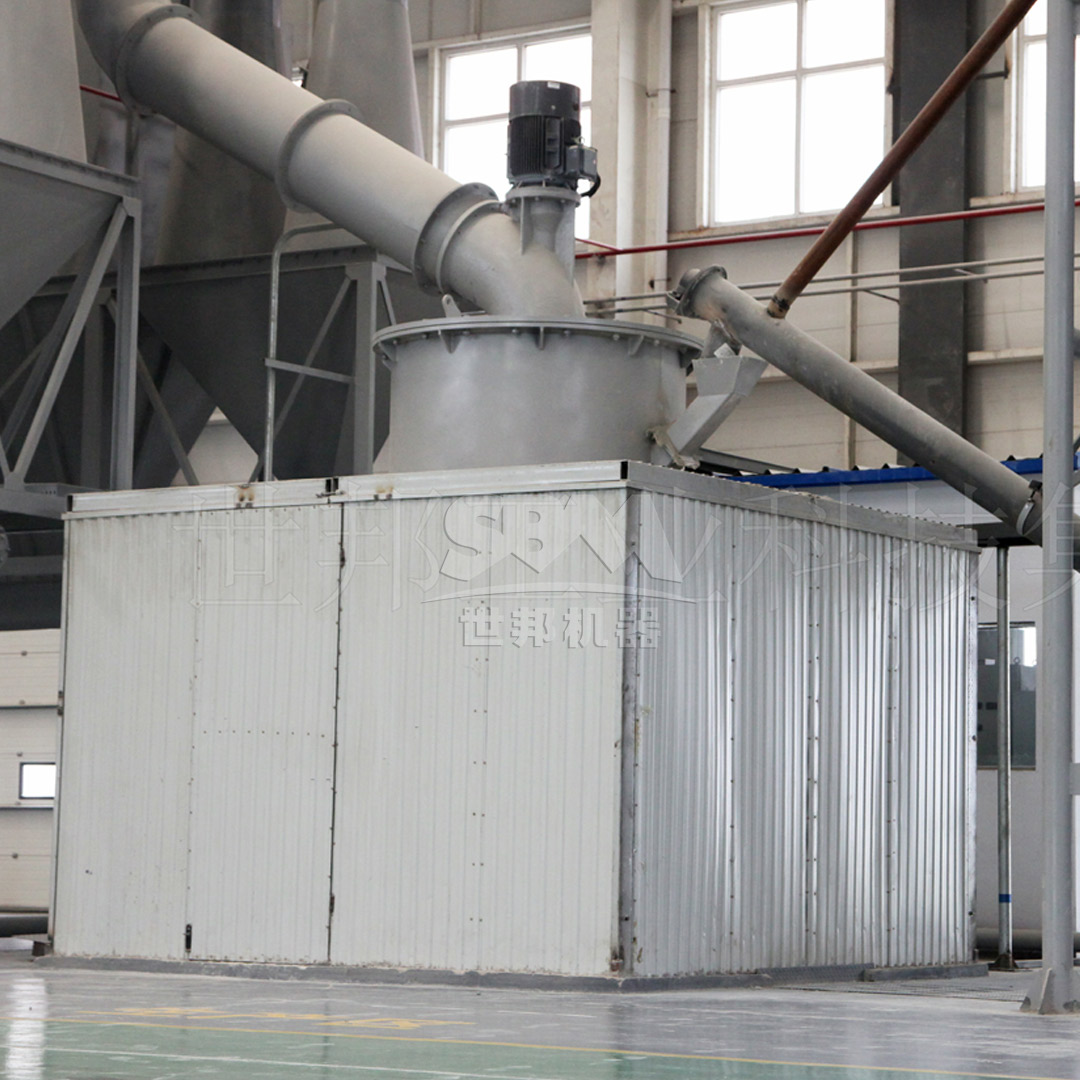
Ensure the mill is equipped with pulse dust collection (efficiency >99.9%) and noise reduction. The SCM Series includes a soundproof room design, while the MTW Series offers multi-stage dust collection options.
The SCM Series Ultrafine Mill is our flagship product for producing ultrafine attapulgite filler. With an output fineness of 325–2500 mesh and capacity up to 25 t/h, it is perfectly suited for paper mills requiring top-tier filler quality.
Key Advantages:
Model Spotlight: SCM1250 – Capacity: 2.5–14 t/h, Main Power: 185 kW, Fineness: 325–2500 mesh. This model is ideal for medium to large paper mills seeking a balance between capacity and ultrafine grinding.
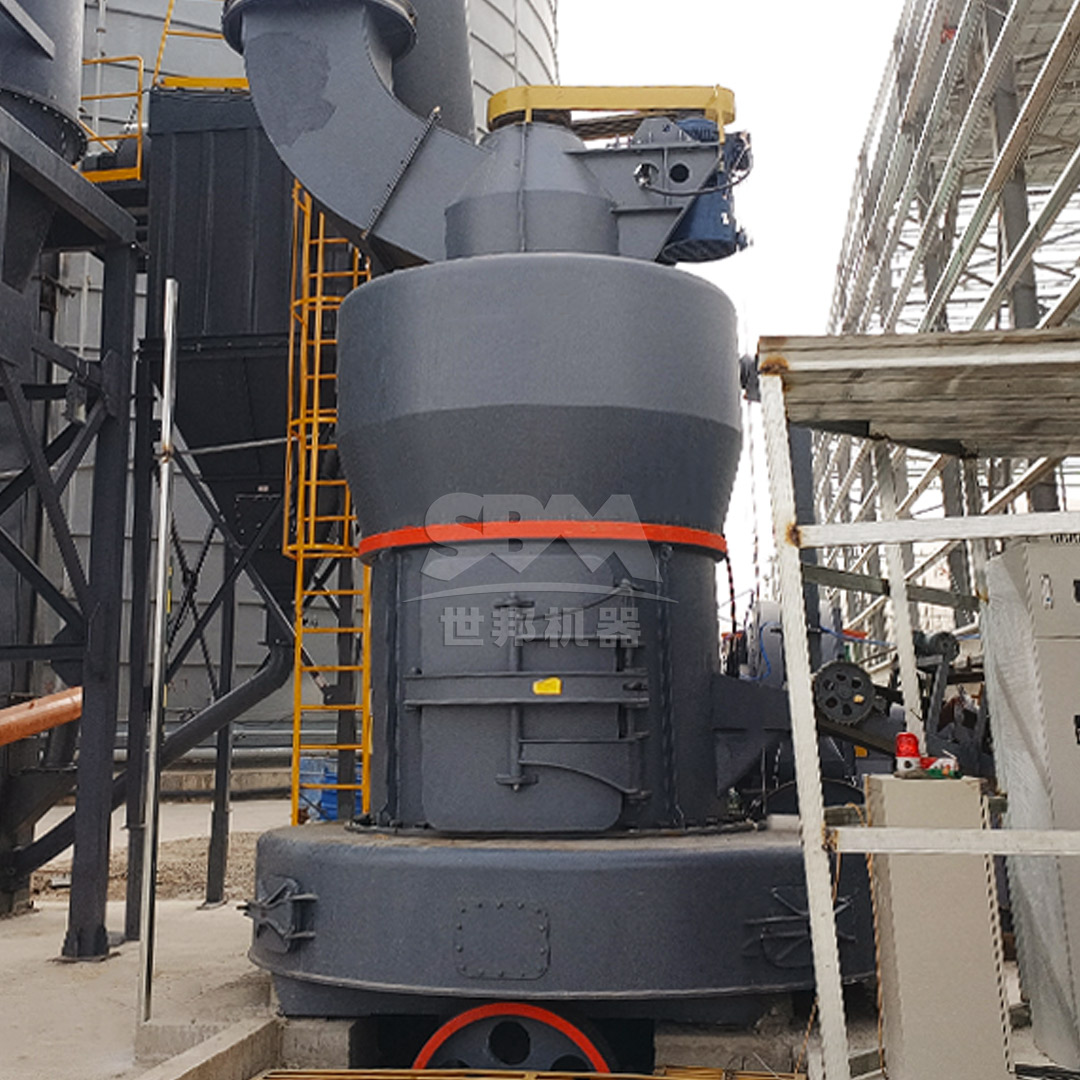
For papermakers requiring fillers in the 30–325 mesh range, the MTW Series European Trapezium Mill is an excellent choice. It combines high capacity (up to 45 t/h) with efficient grinding and low maintenance.
Key Advantages:
Model Spotlight: MTW175G – Capacity: 9.5–25 t/h, Main Power: 160 kW, Fineness: 10–325 mesh. This model is well-suited for large paper mills that need a reliable, high-capacity grinder for standard filler grades.
| Model | Capacity (t/h) | Main Power (kW) | Fineness (mesh) | Application |
|---|---|---|---|---|
| SCM800 | 0.5–4.5 | 75 | 325–2500 | Small to medium lines |
| SCM1250 | 2.5–14 | 185 | 325–2500 | Medium to large lines |
| MTW110 | 3–9 | 55 | 10–325 | Small to medium lines |
| MTW175G | 9.5–25 | 160 | 10–325 | Large lines |
To maximize the performance of your grinding mill, consider the following:
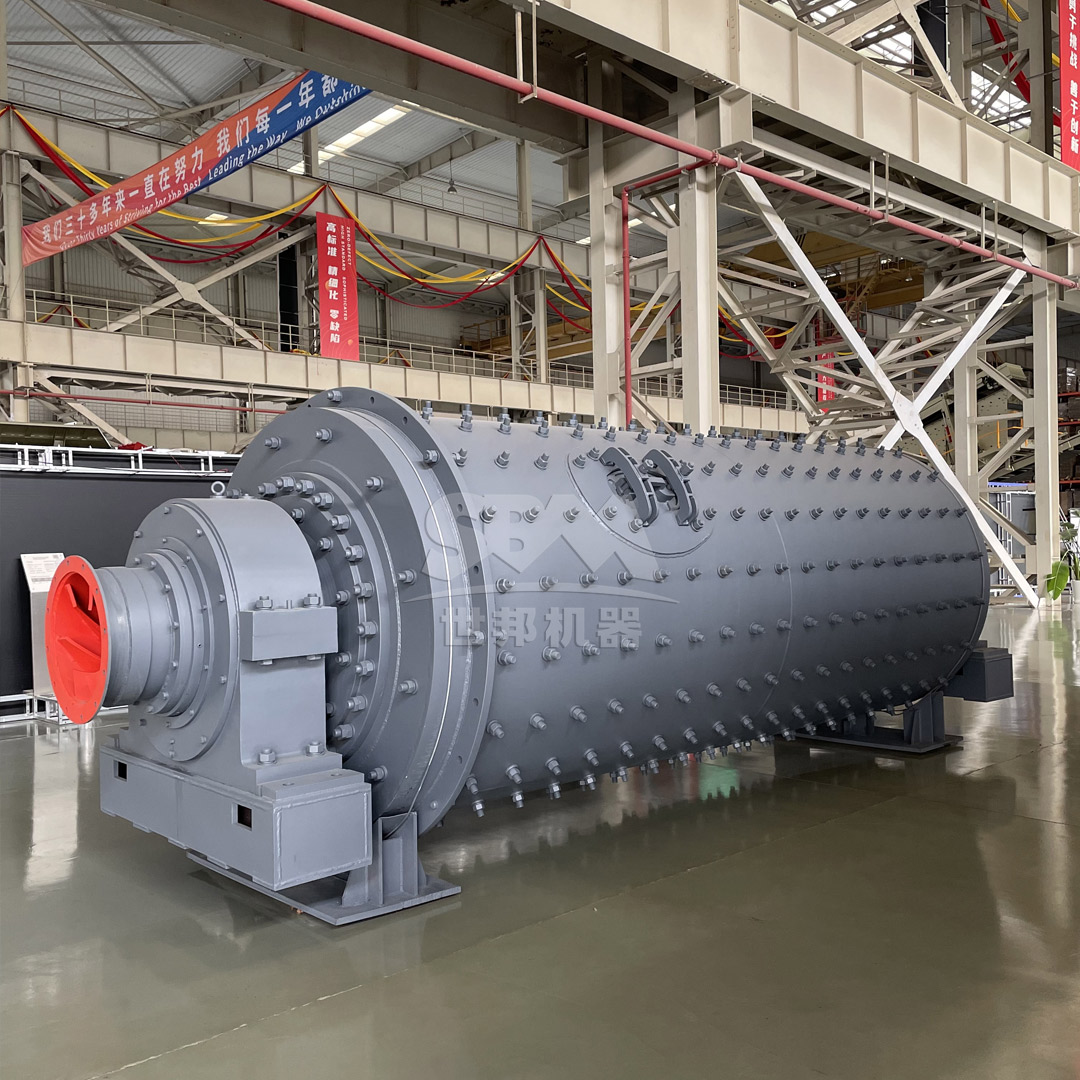
A leading specialty paper manufacturer in Southeast Asia integrated an SCM1250 ultrafine mill into its attapulgite filler line. The mill produces 8 t/h of 1250 mesh filler, which is used in high-quality coated paper. The result: a 15% reduction in filler cost, improved paper opacity, and lower energy consumption compared to the previous ball mill system.
Another paper mill in Europe replaced an old Raymond mill with an MTW175G for producing 200 mesh attapulgite filler. The new mill increased capacity from 12 t/h to 22 t/h while reducing maintenance downtime by 40%.
Selecting the right grinding mill for papermaking attapulgite filler is a strategic decision that affects product quality, operating costs, and environmental compliance. The SCM Series Ultrafine Mill and MTW Series European Trapezium Mill represent the state of the art in grinding technology, offering high efficiency, precise classification, and durable design.
Whether you need ultrafine filler for premium paper grades or high-capacity production for standard fillers, our team can help you choose the optimal model. Contact us today to discuss your specific requirements and receive a customized solution.