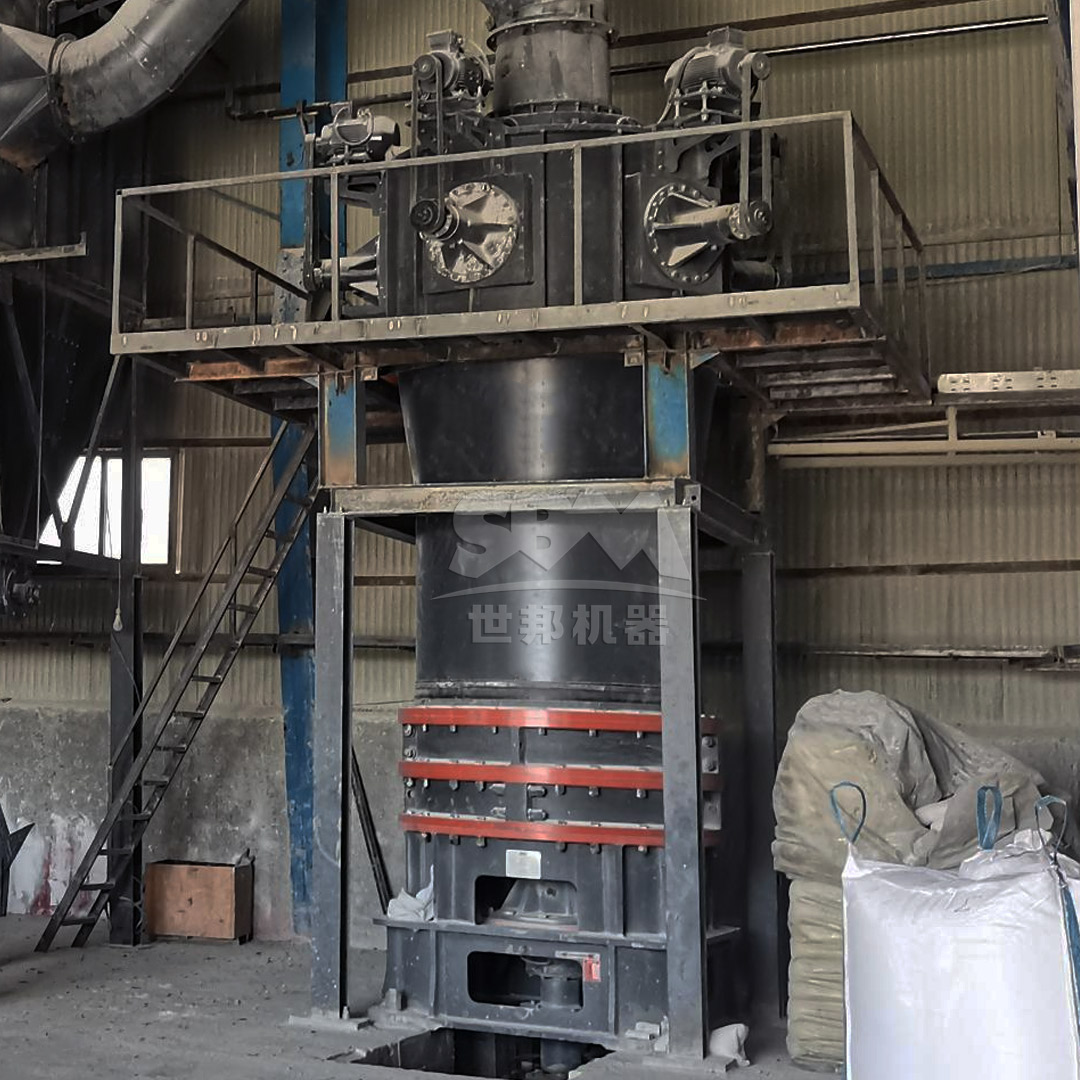
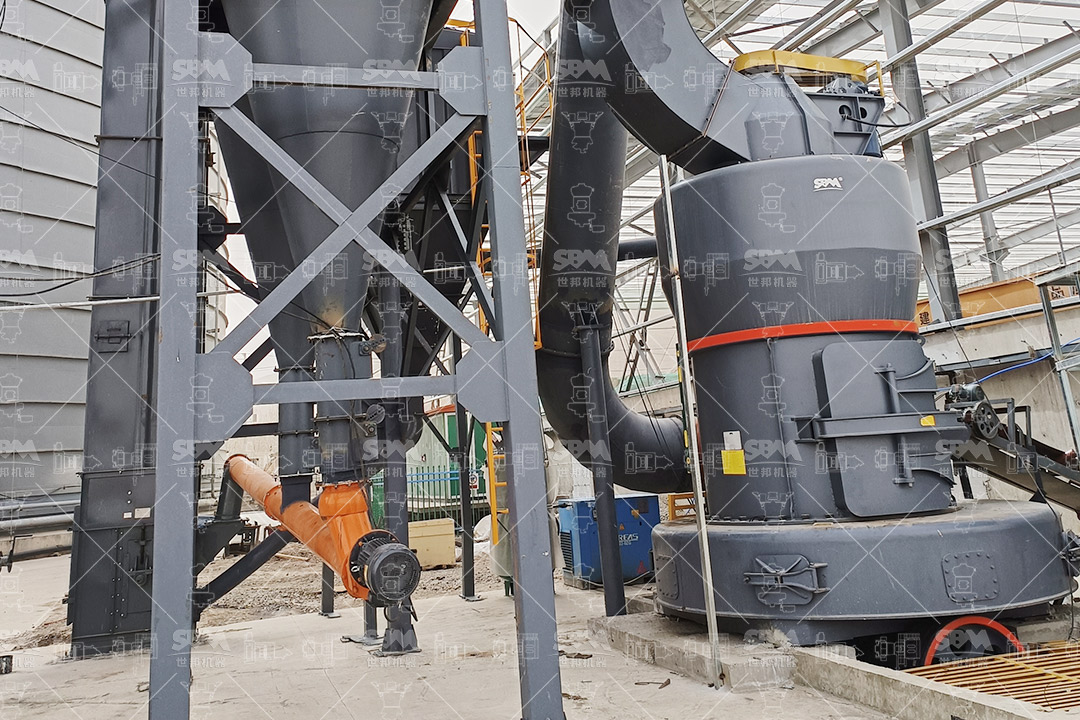
Attapulgite clay, also known as palygorskite, is a unique hydrated magnesium aluminum silicate mineral with a distinctive needle-like crystal structure. This fibrous morphology gives attapulgite exceptional colloidal, adsorptive, and thixotropic properties that make it invaluable in the detergent industry. As a key functional additive, attapulgite clay enhances detergent performance through multiple mechanisms: it serves as a superior adsorbent for oils and surfactants, acts as a rheology modifier to control viscosity, functions as a builder to soften water, and provides anti-caking properties in powder formulations.
The global detergent additives market continues to expand, driven by increasing demand for high-performance cleaning products across residential and industrial sectors. To meet these demands, manufacturers must carefully select processing equipment capable of transforming raw attapulgite clay into precisely specified powder products. This comprehensive buyer’s guide examines the essential equipment required for processing attapulgite clay for detergent additives, providing technical specifications, operational considerations, and selection criteria to facilitate informed purchasing decisions.
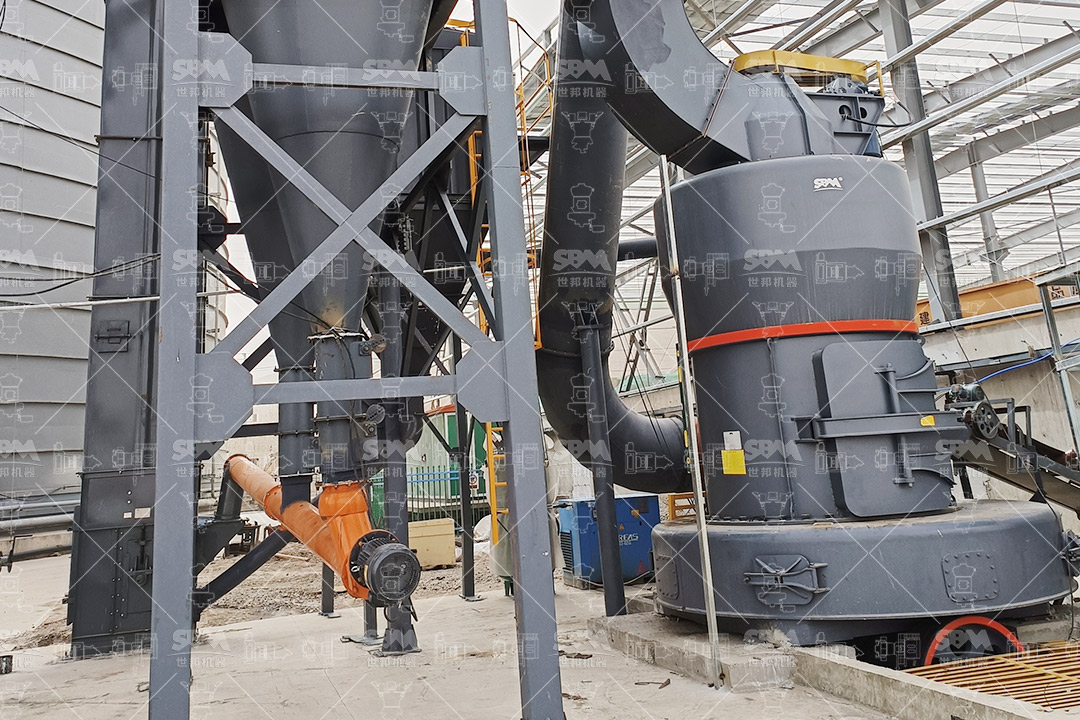
Raw attapulgite clay extracted from quarries typically arrives in large lumps ranging from 50mm to over 300mm in diameter. The first processing stage involves primary crushing to reduce material size for subsequent grinding operations. Hammer mills represent the optimal choice for this application, offering high reduction ratios and reliable performance with fibrous materials. Our Hammer Mill series delivers exceptional crushing performance with feed sizes up to 40mm and output sizes of 0-3mm, making it an ideal primary crusher for attapulgite processing lines.
The PC4008-75 model, with its 75kW motor and 8-15 t/h capacity, suits smaller operations, while the PC4015-132 provides 40-70 t/h throughput for large-scale production facilities. High manganese steel liners ensure extended service life even when processing abrasive clay materials.
Attapulgite clay typically contains 15-30% moisture content as mined. Effective drying before grinding is critical because excessive moisture causes material agglomeration, reduces mill efficiency, and can damage grinding equipment. Depending on production scale and product specifications, either rotary dryers or integrated drying-grinding systems may be employed. For large-scale operations, vertical roller mills with integrated drying capabilities offer significant advantages by combining drying and grinding in a single unit.
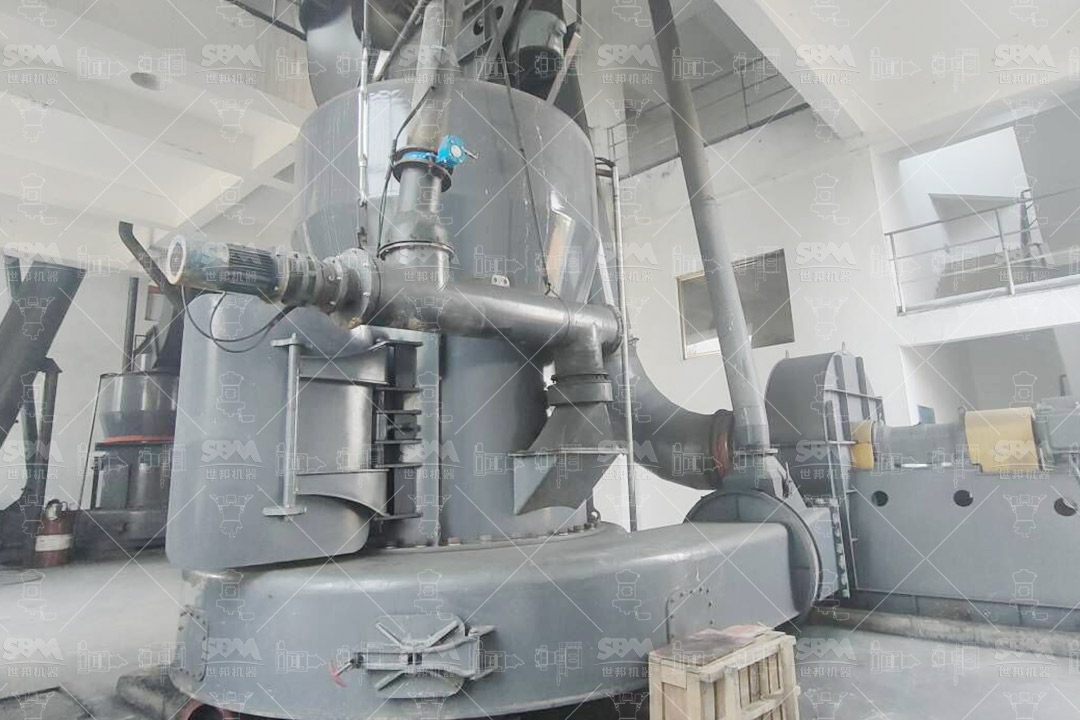
The grinding stage represents the most critical processing step determining final product quality, particle size distribution, and production efficiency. Detergent additive applications typically require attapulgite powders with fineness ranging from 200 to 1250 mesh (approximately 74 to 10 microns), depending on the specific formulation requirements. Several mill types offer viable solutions, each with distinct advantages for different production scales and product specifications.
For manufacturers targeting high-value detergent additive markets, the SCM Series Ultrafine Mill delivers exceptional performance with output fineness ranging from 325 to 2500 mesh. This equipment is particularly recommended for producing attapulgite powder for premium liquid detergents and specialized cleaning formulations where consistent particle size distribution is paramount.
Key advantages of the SCM Series for attapulgite processing:
The intelligent control system with automatic finished product granularity feedback makes the SCM Series particularly suitable for maintaining consistent quality when processing natural minerals with inherent variability like attapulgite clay.
| Model | Capacity (t/h) | Main Power (kW) | Feed Size (mm) | Fineness (mesh) |
|---|---|---|---|---|
| SCM800 | 0.5-4.5 | 75 | 0-20 | 325-2500 |
| SCM900 | 0.8-6.5 | 90 | 0-20 | 325-2500 |
| SCM1000 | 1.0-8.5 | 132 | 0-20 | 325-2500 |
| SCM1250 | 2.5-14 | 185 | 0-20 | 325-2500 |
| SCM1680 | 5.0-25 | 315 | 0-20 | 325-2500 |
The MTW Series European Trapezium Mill offers an excellent balance of capacity and fineness control, making it suitable for medium to large-scale attapulgite processing operations. With output fineness adjustable from 30 to 325 mesh and capacities reaching 45 t/h, this mill type provides the flexibility required for producing various grades of detergent additive products.
Technical highlights relevant to attapulgite processing:
For attapulgite clay processing, the MTW215G model with 15-45 t/h capacity and the MRN218 with similar throughput offer robust solutions for high-volume production facilities. Both models handle feed sizes up to 50mm, accommodating the output from primary crushing operations directly.
| Model | Capacity (t/h) | Main Power (kW) | Feed Size (mm) | Fineness (mesh) |
|---|---|---|---|---|
| MTW110 | 3-9 | 55 | <30 | 10-325 |
| MTW138Z | 6-17 | 90 | <35 | 10-325 |
| MTW175G | 9.5-25 | 160 | <40 | 10-325 |
| MTW215G | 15-45 | 280 | <50 | 10-325 |
| MRN198 | 12-33 | 220 | <45 | 10-325 |
| MRN218 | 15-45 | 280 | <50 | 10-325 |
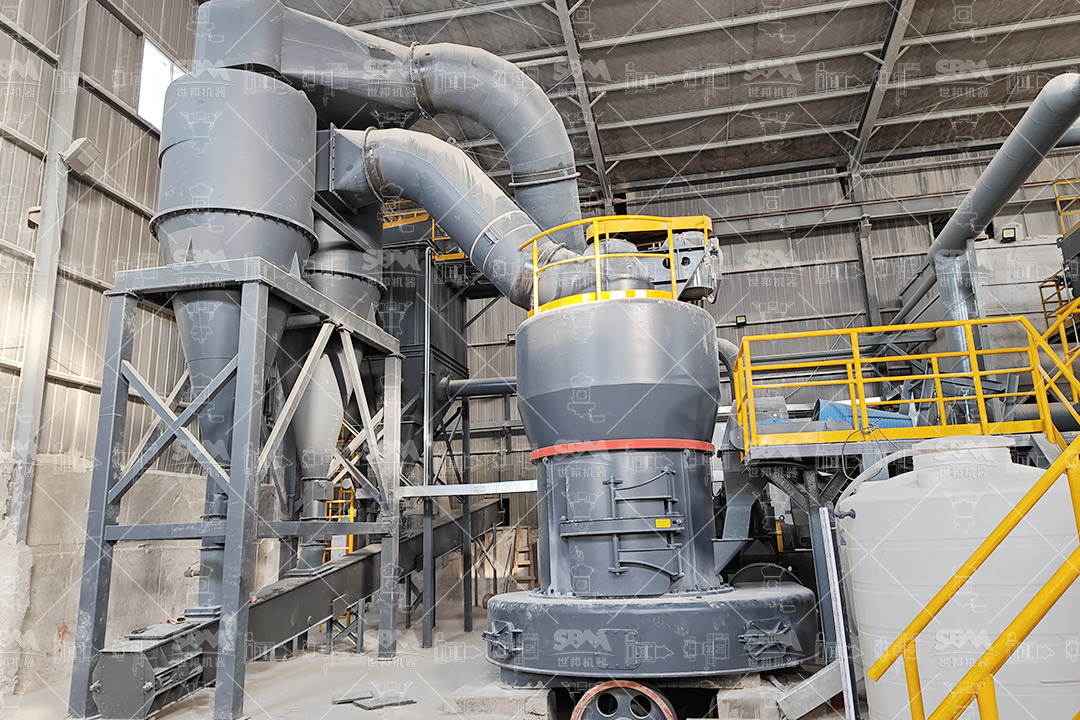
For manufacturers requiring very high production capacities, the LM Series Vertical Roller Mill represents the optimal choice. With capacities ranging from 3 to 250 t/h depending on model and application, this equipment enables economical production of attapulgite powders at industrial scale.
The LM Series offers several advantages particularly relevant to attapulgite clay processing:
Integrated Design: The system integrates crushing, grinding, and selection functions, reducing floor space by 50% compared to traditional grinding circuits. Outdoor installation is possible, reducing infrastructure costs by 40%.
Low Operating Cost: The non-contact design between rollers and table means wear part life is increased by 3 times compared to conventional mills. Energy consumption is 30-40% lower than ball mill systems, significantly reducing operational expenses for high-volume production.
Intelligent Control: Expert-level auto-control system supports remote and local switching with real-time parameter monitoring, reducing manual intervention requirements and ensuring consistent product quality.
Environmental Compliance: Fully sealed negative pressure operation ensures dust emissions remain within regulatory limits, while operating noise is minimized for improved workplace conditions.
For attapulgite processing, the LM170K through LM280K models offer appropriate capacity ranges for detergent additive production, with the LM220K providing 36-105 t/h and the LM280K reaching 50-170 t/h for the largest operations.
Achieving precise particle size distribution requires effective classification equipment following the grinding stage. Air classifiers, either integrated into the mill design or as standalone units, separate fine product from coarse material that requires further grinding. Modern classifier designs enable precise cut points with sharp separation curves, ensuring consistent product quality essential for detergent applications.
Cyclone collectors and pulse dust removal systems complete the processing circuit, recovering finished product while maintaining environmental compliance. The efficiency of these systems directly impacts product yield and operational costs.
Many detergent additive applications benefit from surface modification or activation of attapulgite clay to enhance specific properties. Thermal activation equipment, including rotary kilns or flash calciners, may be required to optimize the clay’s adsorption characteristics. For organic modification, mixing and reaction vessels with precise temperature control enable consistent surface treatment.
These additional processing steps, while not always required, can substantially increase product value by tailoring attapulgite properties to specific detergent formulation needs.
Attapulgite clay varies significantly in composition, moisture content, hardness, and fibrous structure depending on deposit location. Thorough characterization of feedstock material is essential before equipment selection. Key parameters include:
Detergent additive specifications determine required fineness, particle size distribution, and surface characteristics. Premium applications may require ultrafine grinding to below 10 microns with narrow size distribution, while standard applications may accept coarser products with wider distribution curves.
Equipment selection must balance initial capital investment against operational costs, considering the specific specification requirements of target markets. The SCM Series Ultrafine Mill offers the highest precision for premium products, while the MTW and LM Series provide efficient production of standard grades.
Accurate capacity planning requires consideration of both current market demand and projected growth. Equipment should be sized to accommodate expected production volumes while maintaining reasonable operating margins during periods of lower demand. Modular designs that allow capacity expansion through additional units or upgrades provide valuable flexibility.
Modern processing facilities must meet stringent environmental standards for dust emissions, noise levels, and energy efficiency. Equipment selection should prioritize designs incorporating effective dust collection, sound attenuation, and energy-efficient operation. The SCM, MTW, and LM Series mills all feature advanced environmental controls meeting international standards.
Processing attapulgite clay for detergent additives requires careful equipment selection to achieve required product specifications while maintaining efficient, profitable operations. The optimal processing line typically includes primary crushing, drying (if required), fine grinding, classification, and product collection stages.
For manufacturers seeking to enter or expand in this market, we recommend considering the following equipment configurations based on production scale:
Small to Medium Scale (0.5-25 t/h): The SCM Series Ultrafine Mill offers exceptional flexibility and precision, enabling production of premium-grade attapulgite powders for high-value detergent applications. The intelligent control system ensures consistent quality even with variable feedstock.
Medium to Large Scale (3-45 t/h): The MTW Series European Trapezium Mill provides excellent capacity with reliable operation and low maintenance requirements, making it ideal for producing standard grades of attapulgite additives at competitive costs.
Large Scale (30-170 t/h): The LM Series Vertical Roller Mill delivers maximum capacity with lowest operating costs, suitable for serving multiple detergent manufacturers or producing multiple product grades in a single facility.
Regardless of selected equipment, thorough testing with representative feedstock samples is essential before finalizing equipment specifications. Our technical team is available to assist with material testing, process design, and equipment selection to ensure optimal results for your specific attapulgite processing requirements.
For more information about our grinding equipment or to discuss your attapulgite processing needs, please contact our technical sales team.