Agricultural superphosphate remains one of the most widely used phosphorus fertilizers in modern agriculture. Whether you are producing single superphosphate (SSP), triple superphosphate (TSP), or enriched superphosphate, the grinding stage is pivotal to achieving the desired particle size distribution, reactivity, and agronomic efficiency of the final product.
The choice of grinding mill directly impacts your production capacity, energy consumption, product quality, and long-term operational costs. With a broad range of milling technologies available — from ultra-fine mills to vertical roller mills and traditional ball mills — selecting the right equipment requires a systematic evaluation of your raw materials, target fineness, throughput requirements, and budget.
This article provides a comprehensive guide to choosing the optimal grinding mill for your superphosphate fertilizer production line, with detailed comparisons of the most effective milling solutions available today.
Superphosphate is typically produced by reacting phosphate rock with sulfuric acid (for SSP) or phosphoric acid (for TSP). The resulting product is a grayish, granular or powdery substance with moderate hardness (Mohs 2–4) and a tendency to absorb moisture. These characteristics influence the choice of grinding equipment:
Before selecting a grinding mill, establish the following parameters:
| Parameter | Typical Range | Impact on Selection |
|---|---|---|
| Target Fineness | 80–325 mesh | Determines mill type (ultrafine vs. standard) |
| Capacity | 1–50 t/h | Affects mill size and power |
| Feed Moisture | <5% | May require drying or drying-grinding integration |
| Feed Size | <30 mm | Pre-crushing may be needed |
| Energy Cost | Variable | Favors high-efficiency mills |
When producing premium-grade superphosphate fertilizers or specialty foliar products, ultrafine grinding is essential. The SCM Series Ultrafine Mill is an excellent choice for this application.
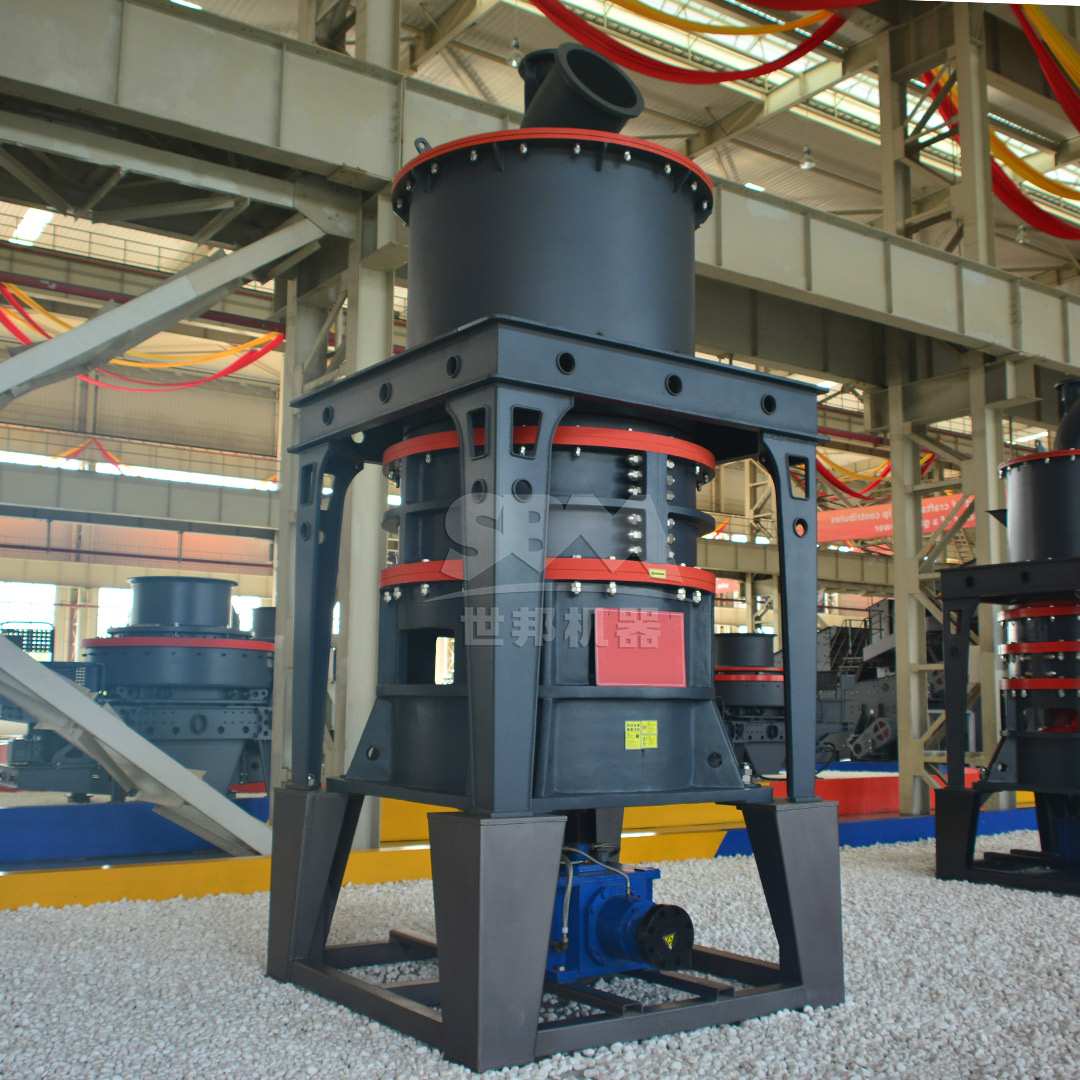
SCM Series Ultrafine Mill (45–5 μm)
Core Parameters:
Technical Advantages:
Models & Specifications:
| Model | Capacity (t/h) | Main Power (kW) | Feed Size (mm) | Fineness (mesh) |
|---|---|---|---|---|
| SCM800 | 0.5–4.5 | 75 | 0–20 | 325–2500 |
| SCM900 | 0.8–6.5 | 90 | 0–20 | 325–2500 |
| SCM1000 | 1.0–8.5 | 132 | 0–20 | 325–2500 |
| SCM1250 | 2.5–14 | 185 | 0–20 | 325–2500 |
| SCM1680 | 5.0–25 | 315 | 0–20 | 325–2500 |
For superphosphate production, the SCM1680 model is particularly suitable for large-scale operations requiring high fineness and throughput up to 25 t/h.
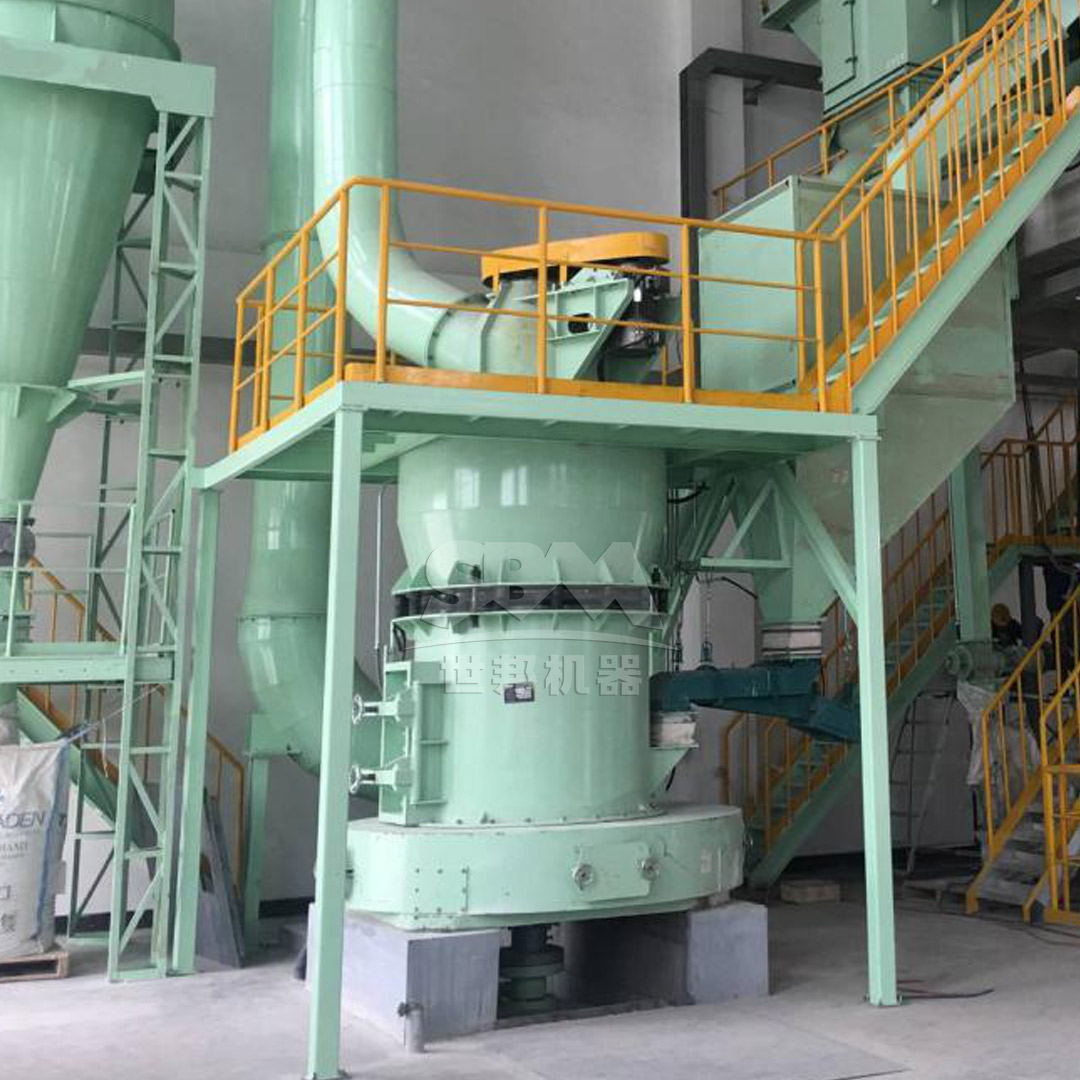
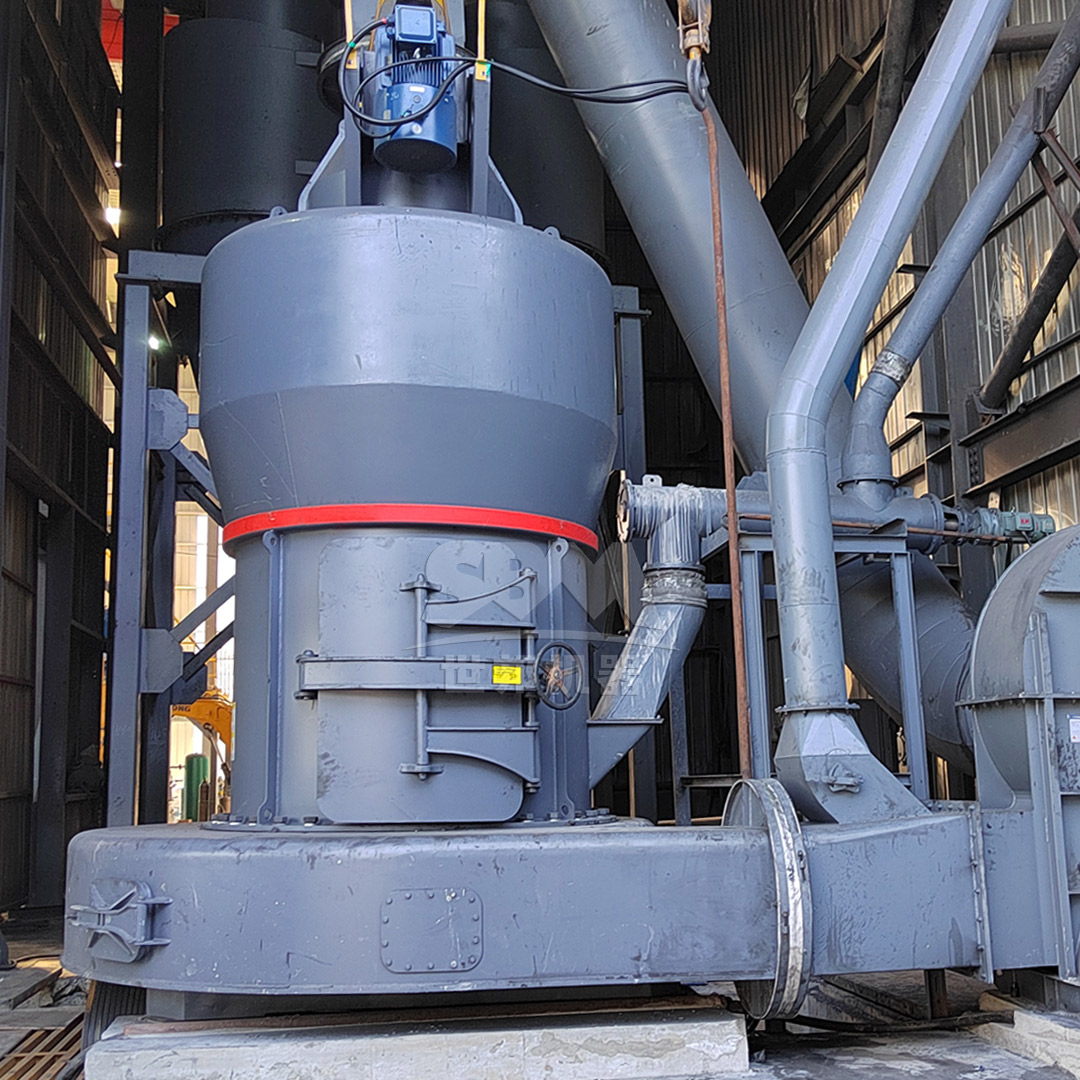
For standard agricultural superphosphate production (80–325 mesh), the MTW Series European Trapezium Mill offers an optimal balance of capacity, efficiency, and cost-effectiveness.
MTW Series European Trapezium Mill (600–45 μm)
Core Parameters:
Technical Advantages:
Models & Specifications:
| Model | Capacity (t/h) | Main Power (kW) | Feed Size (mm) | Fineness (mesh) |
|---|---|---|---|---|
| MTW110 | 3–9 | 55 | <30 | 10–325 |
| MTW138Z | 6–17 | 90 | <35 | 10–325 |
| MTW175G | 9.5–25 | 160 | <40 | 10–325 |
| MTW215G | 15–45 | 280 | <50 | 10–325 |
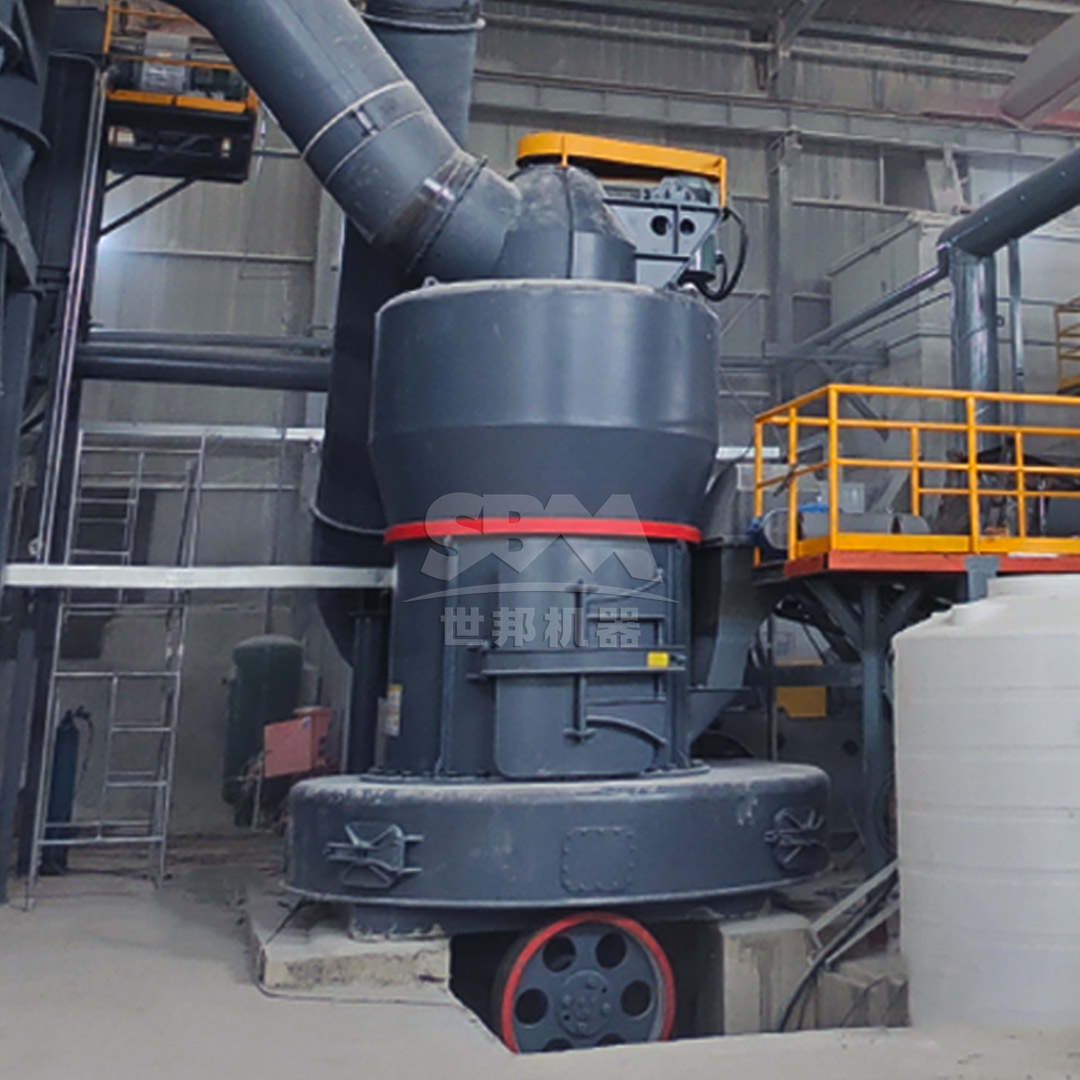
The MTW215G is ideal for large fertilizer plants, delivering up to 45 t/h at 325 mesh — perfect for high-volume superphosphate production.
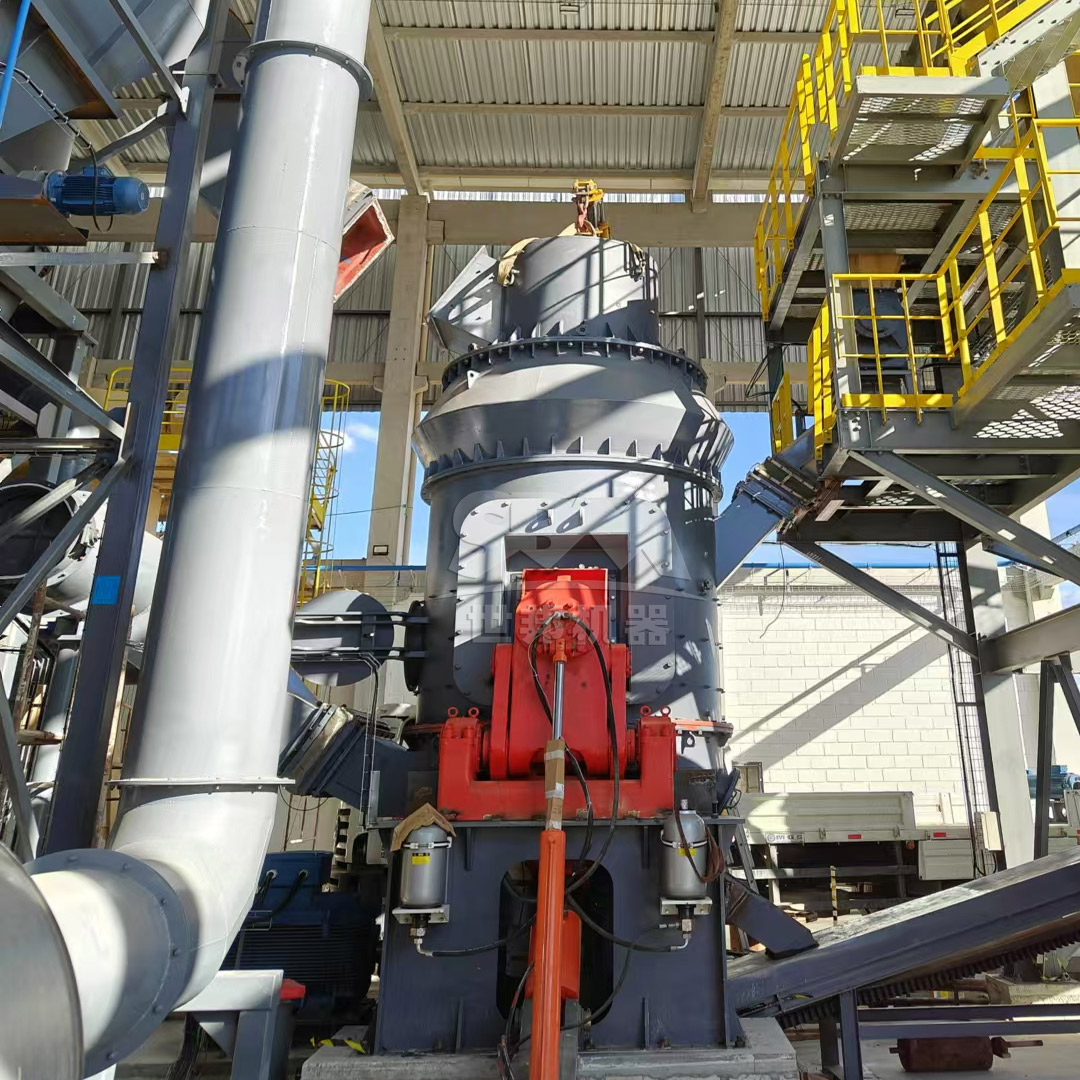
When your superphosphate raw materials contain higher moisture or when you require simultaneous grinding and drying, the LM Series Vertical Roller Mill is the preferred solution.
LM Series Vertical Roller Mill (600–45μm)
Core Parameters:
Technical Advantages:
Recommended Models for Superphosphate:
| Model | Table Diameter (mm) | Capacity (t/h) | Fineness (μm) | Power (kW) |
|---|---|---|---|---|
| LM130K | 1300 | 10–28 | 170–40 | 200 |
| LM150K | 1500 | 13–38 | 170–40 | 280 |
| LM170K | 1700 | 18–48 | 170–40 | 400 |
| LM190K | 1900 | 23–68 | 170–40 | 500 |
For medium-scale superphosphate lines (10–30 t/h), the LM150K offers an excellent combination of capacity and efficiency.
| Criteria | SCM Ultrafine Mill | MTW Trapezium Mill | LM Vertical Mill | Ball Mill |
|---|---|---|---|---|
| Fineness Range | 325–2500 mesh | 30–325 mesh | 30–325 mesh | 0.074–0.8 mm |
| Capacity | 0.5–25 t/h | 3–45 t/h | 3–250 t/h | 0.65–450 t/h |
| Energy Efficiency | High | High | Very High | Moderate |
| Drying Capability | No | Limited | Yes (integrated) | No |
| Footprint | Small | Medium | Small | Large |
| Best For | Specialty fine grades | General SSP/TSP | High-capacity, wet feed | Coarse grinding |
Your mill’s capacity must match your overall production line throughput. Undersized mills become bottlenecks; oversized mills waste energy and capital. For a typical SSP plant producing 50,000 tons per year (approximately 7 t/h), an MTW138Z or LM150K would be appropriate.
Agricultural superphosphate typically requires 80–200 mesh for optimal phosphorus availability. However, some specialty products demand finer grinding (300+ mesh). If your product portfolio includes both standard and fine grades, the SCM Series offers the flexibility to produce ultrafine powders when needed.
Superphosphate raw materials and intermediates often contain 3–8% moisture. While ball mills and trapezium mills can handle moderate moisture, they may require pre-drying. Vertical roller mills excel here, as they integrate hot air drying within the grinding chamber.
Grinding is one of the most energy-intensive steps in fertilizer production. Vertical roller mills consume 30–40% less energy than ball mills for the same output. Ultrafine mills, while more efficient than jet mills, are best reserved for high-value products where the energy cost is justified by the premium product price.
Superphosphate is mildly abrasive. Mills with wear-resistant materials (such as the SCM’s special material rollers and rings, or the MTW’s anti-wear shovel design) reduce downtime and maintenance costs. The LM Series’ non-contact roller-table design further extends wear part life by 3x compared to traditional mills.
Modern fertilizer plants must meet strict dust emission standards. All recommended mills — SCM, MTW, and LM — feature advanced pulse dust collection systems and negative pressure operation to ensure compliance. The SCM Series additionally offers soundproof room design for noise reduction.
| Production Scale | Capacity Range | Recommended Mill | Key Model |
|---|---|---|---|
| Small (pilot to 5 t/h) | 0.5–5 t/h | SCM Series | SCM800/SCM900 |
| Medium (5–20 t/h) | 5–20 t/h | MTW Series or LM Series | MTW138Z / LM150K |
| Large (20–50 t/h) | 20–50 t/h | MTW Series or LM Series | MTW215G / LM170K |
| Very Large (>50 t/h) | >50 t/h | LM Series | LM220K / LM280K |
Selecting the right grinding mill for your agricultural superphosphate production line is a decision that balances technical requirements, operational costs, and product quality. The SCM Series Ultrafine Mill excels in producing high-value, fine-grade superphosphates with exceptional efficiency. The MTW Series European Trapezium Mill provides a versatile, cost-effective solution for standard SSP and TSP production. And the LM Series Vertical Roller Mill is unmatched for high-capacity lines requiring integrated drying and grinding.
By carefully evaluating your feed characteristics, target fineness, capacity needs, and energy budget, you can choose the mill that maximizes your return on investment while delivering consistent, high-quality fertilizer products to your customers.
For a personalized recommendation based on your specific superphosphate formulation and production targets, our engineering team is ready to assist you in designing the optimal grinding circuit for your fertilizer plant.