Biological grade superphosphate is a specialized phosphate fertilizer that serves as both a phosphorus source and a carrier for beneficial microbial communities. Unlike conventional chemical phosphate fertilizers, biological grade superphosphate must retain specific physical and chemical characteristics that support the survival and activity of phosphate-solubilizing bacteria, mycorrhizal fungi, and other beneficial microorganisms. This dual functionality places unique demands on every stage of the processing chain—particularly the grinding stage, where particle size distribution, temperature control, and contamination prevention are critical to preserving microbial viability.
In microbial fertilizer production, the grinding mill is not merely a size-reduction device. It is a precision instrument that determines the final product’s efficacy, stability, and commercial value. Selecting the wrong mill can destroy microbial cultures through excessive heat generation, produce inconsistent particle sizes that lead to poor field performance, or introduce metallic contamination that compromises biological activity. This article provides a comprehensive framework for choosing the right grinding equipment for biological grade superphosphate processing, drawing on proven industrial milling technologies and real-world performance data.
Before evaluating grinding equipment, it is essential to understand the physical properties of the material being processed. Biological grade superphosphate typically exhibits the following characteristics:
These characteristics immediately rule out certain types of grinding equipment. High-speed impact mills that generate significant heat, ball mills that introduce heavy metal wear contamination, and hammer mills that produce excessive fines are generally unsuitable for biological grade superphosphate processing. The ideal grinding solution must deliver precise particle size control, low operating temperatures, and minimal contamination risk.
The single most important factor in selecting a grinding mill for biological grade superphosphate is the mill’s heat generation profile. Microbial additives begin to lose viability at temperatures above 50–60°C, and sustained exposure to elevated temperatures can reduce microbial counts by several orders of magnitude. Grinding mills that rely on high-speed impact or attrition mechanisms tend to generate substantial heat. In contrast, mills that use compression and shear forces at lower speeds—such as vertical roller mills and trapezium mills—operate at significantly lower temperatures.
When evaluating a mill, ask the manufacturer for temperature rise data under typical operating conditions. A well-designed mill for biological applications should keep the material temperature below 45°C throughout the grinding process, ideally without requiring additional cooling systems.
Microbial fertilizers require a specific particle size distribution to ensure uniform application and optimal microbial colonization. If the grind is too coarse, the surface area available for microbial attachment is insufficient. If the grind is too fine, the material becomes dusty, difficult to handle, and prone to caking.
Look for a grinding mill with an integrated high-precision classifier that allows real-time adjustment of the finished product fineness. The ability to switch between different product grades—for example, 80 mesh for granulated products and 200 mesh for powder formulations—without significant downtime is a major operational advantage.
The grinding chamber, liners, and grinding elements must be made from materials that do not introduce harmful contaminants. For biological applications, stainless steel or specially coated wear parts are preferred. The lubrication system must also be designed to prevent oil or grease from entering the grinding chamber. Mills with internal oil lubrication systems that are completely sealed from the grinding zone are ideal.
Microbial fertilizer production is often a lower-margin operation compared to commodity chemical fertilizer production. Energy consumption is a major operating cost, and inefficient grinding equipment can erode profitability. Mills that consume 30–40% less energy than traditional ball mills provide a significant competitive advantage. Additionally, wear part life directly impacts maintenance costs and downtime. Mills with extended wear part life—achieved through advanced materials and designs—reduce both replacement costs and production interruptions.
Dust is not only an environmental and health hazard but also a source of product loss. Biological grade superphosphate dust contains valuable microbial cultures and nutrients. A grinding system with an efficient pulse dust collection system captures these fines and returns them to the product stream, improving yield while meeting environmental regulations. Look for mills with dust collection efficiency that exceeds international standards.
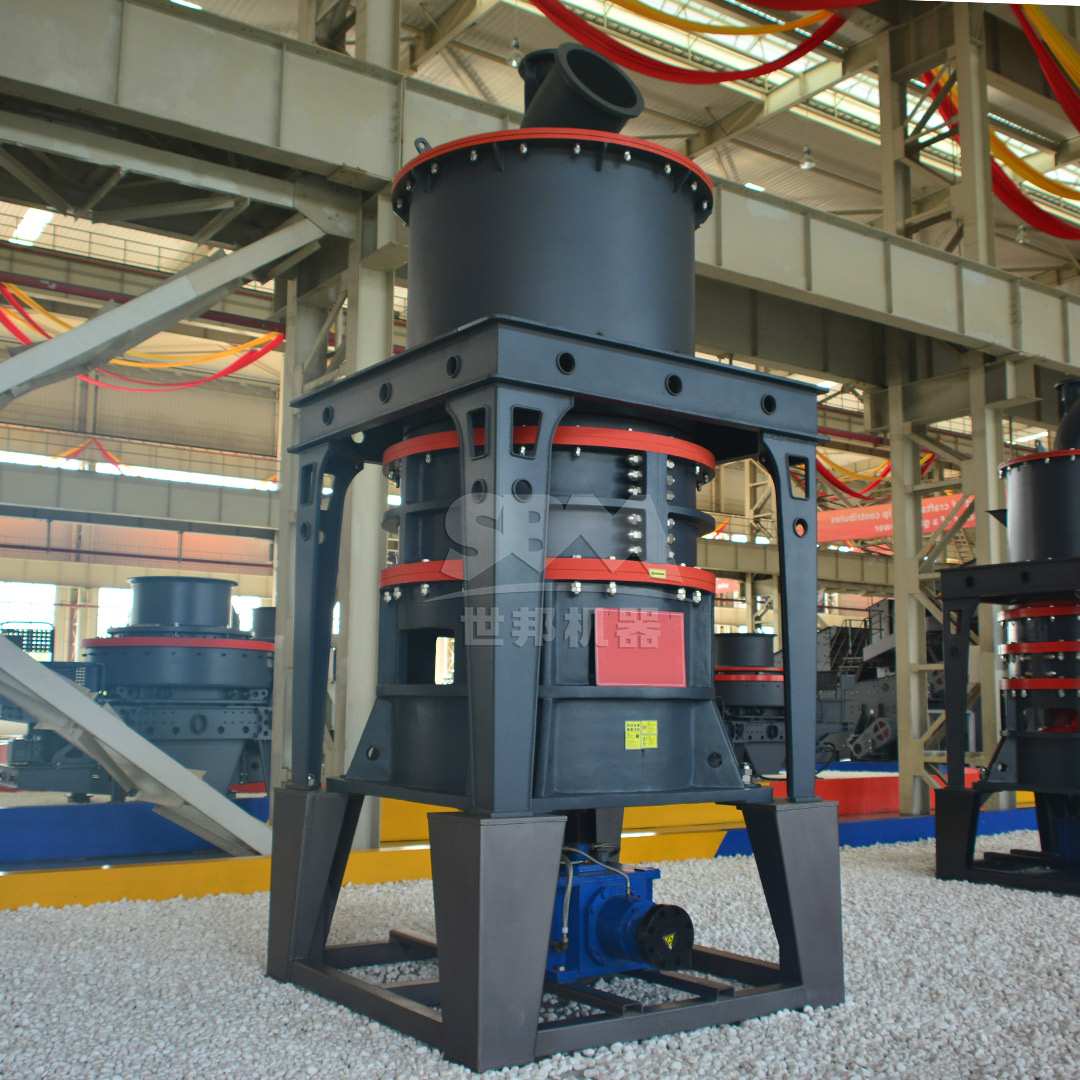
For manufacturers producing premium microbial fertilizers that require ultrafine grinding (down to 2500 mesh), the SCM Series Ultrafine Mill represents an exceptional choice. This mill combines high-capacity output with precise particle size control, making it ideal for processing biological grade superphosphate where consistency and microbial viability are paramount.
Key advantages of the SCM Series for biological grade superphosphate processing include:
With models ranging from SCM800 (0.5–4.5 t/h) to SCM1680 (5.0–25 t/h), the SCM Series can accommodate pilot-scale and full-production requirements. The fineness range of 325–2500 mesh provides the flexibility to produce both standard microbial fertilizer grades and specialized ultrafine formulations.
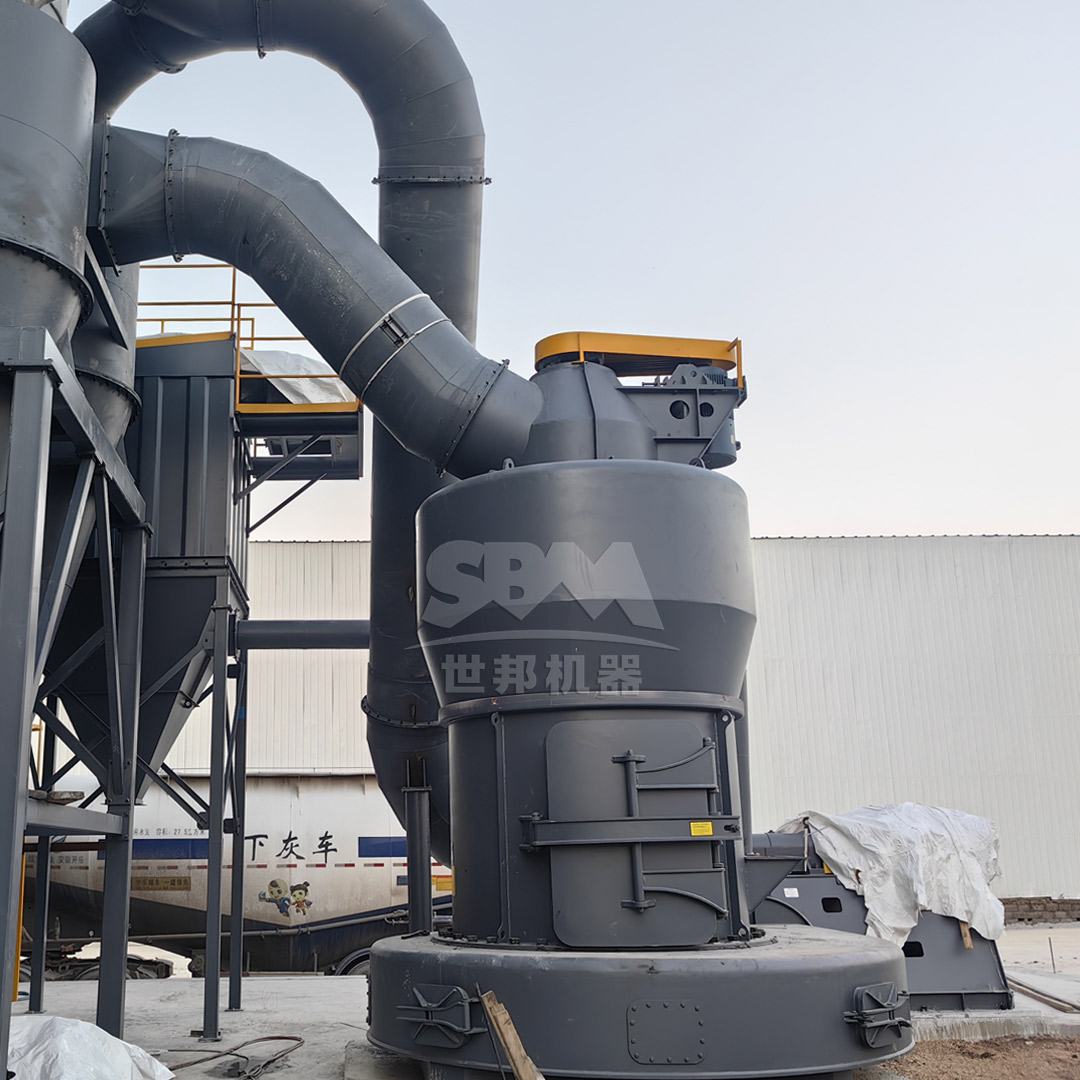
For manufacturers seeking a versatile, reliable grinding solution for biological grade superphosphate with moderate fineness requirements (30–325 mesh), the MTW Series European Trapezium Mill offers an excellent balance of performance, efficiency, and cost-effectiveness.
Key advantages of the MTW Series for microbial fertilizer production include:
Available in models from MTW110 (3–9 t/h) to MTW215G (15–45 t/h), the MTW Series can scale to meet virtually any production requirement. The fineness range of 30–325 mesh covers the full spectrum of particle sizes used in microbial fertilizer formulations.
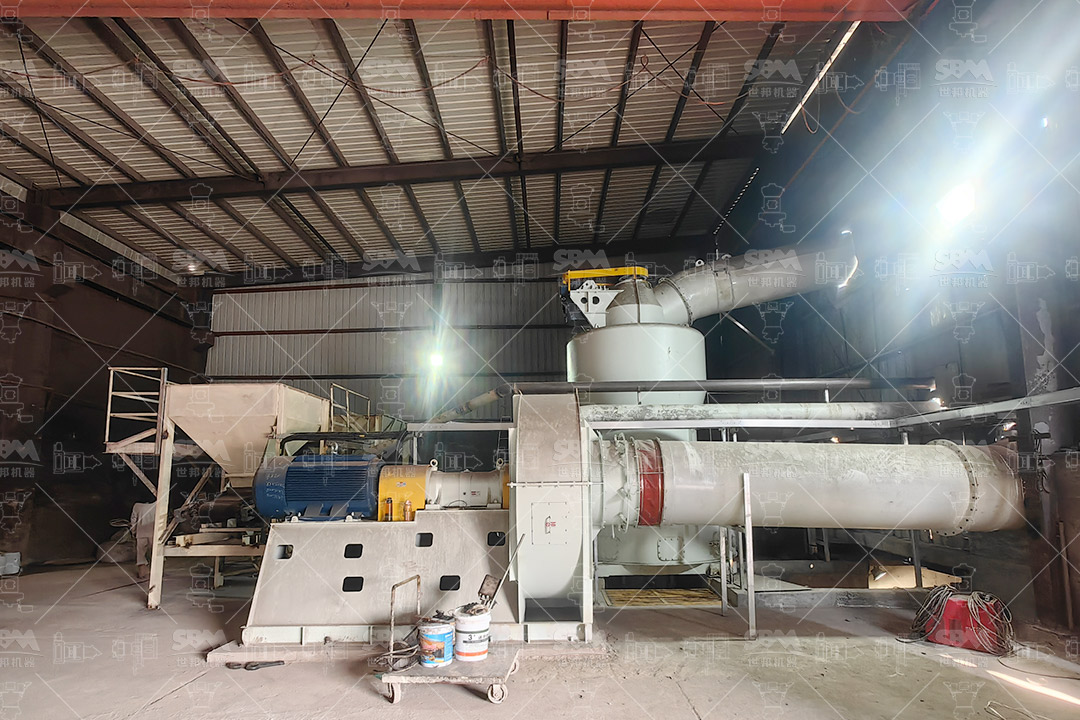
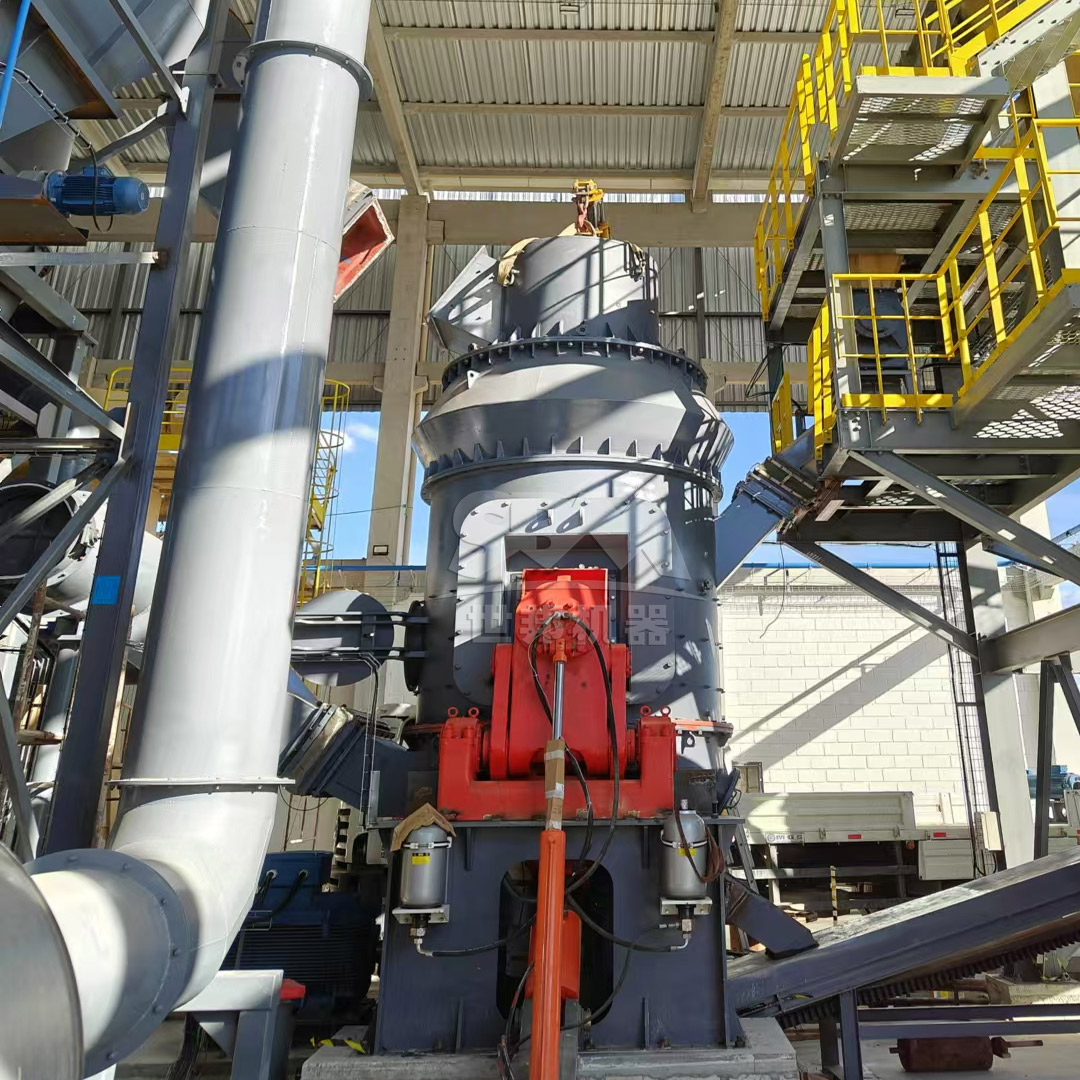
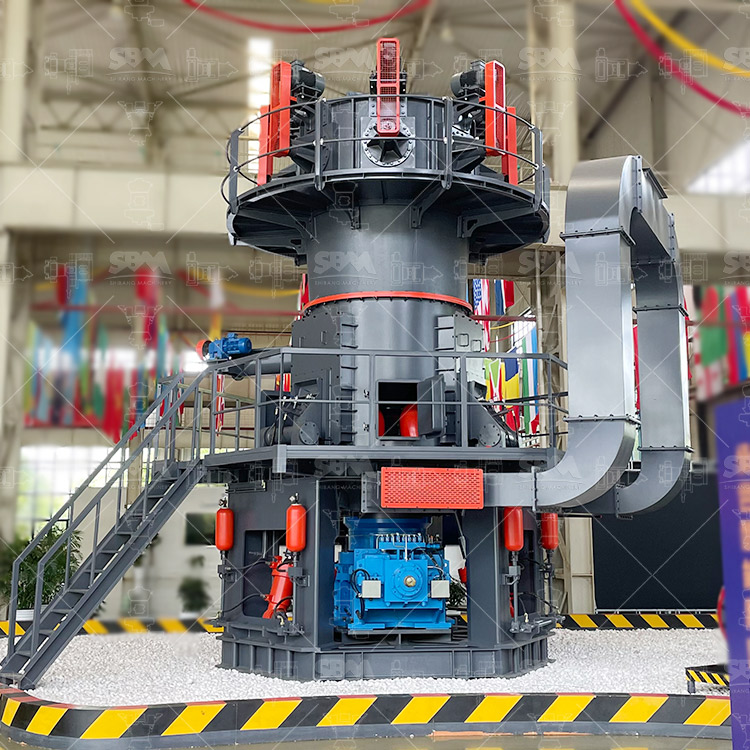
To assist in the selection process, the following table compares the key parameters of the recommended mills for biological grade superphosphate processing:
| Parameter | SCM Series Ultrafine Mill | MTW Series European Trapezium Mill | LM Series Vertical Roller Mill |
|---|---|---|---|
| Input Size | ≤20mm | ≤50mm | ≤50mm |
| Output Fineness | 325–2500 mesh | 30–325 mesh | 30–325 mesh |
| Capacity Range | 0.5–25 t/h | 3–45 t/h | 3–250 t/h |
| Energy Consumption | Very Low (30% lower than jet mills) | Low | Very Low (30–40% lower than ball mills) |
| Temperature Rise | Minimal | Low | Low |
| Contamination Risk | Very Low | Low | Low |
| Footprint | Compact | Moderate | Small (integrated design) |
| Best Application | Ultrafine microbial fertilizers | Standard microbial fertilizers | Large-scale microbial fertilizer production |
Selecting the right grinding mill is only the first step. Proper installation and operation are equally important for achieving optimal results in biological grade superphosphate processing.
Ensure that the raw material is properly dried and free of foreign objects before grinding. Excessive moisture can cause clogging and reduce grinding efficiency. A hammer mill or similar pre-crushing equipment may be used to reduce large agglomerates to the mill’s feed size specification.
Install temperature sensors at the mill outlet and in the product collection system. Continuous monitoring allows operators to detect and address any temperature excursions before they can damage the microbial content. If necessary, ambient air cooling or chilled water systems can be integrated to maintain optimal temperatures.
Establish a preventive maintenance schedule that includes regular inspection of wear parts, lubrication systems, and dust collection filters. Worn grinding elements can lead to inconsistent particle size and increased energy consumption. Prompt replacement of wear parts ensures consistent product quality and extends equipment life.
Implement a routine quality control program that includes particle size analysis, microbial viability testing, and moisture content measurement. This data provides valuable feedback for optimizing mill settings and identifying potential issues before they affect the final product.
The choice of grinding mill for biological grade superphosphate processing is a critical decision that directly impacts product quality, microbial viability, and production economics. By prioritizing temperature control, particle size precision, contamination prevention, and energy efficiency, manufacturers can select equipment that not only meets their immediate production requirements but also positions them for long-term success in the growing microbial fertilizer market.
The SCM Series Ultrafine Mill and MTW Series European Trapezium Mill represent two proven, high-performance solutions that address the unique challenges of biological grade superphosphate grinding. Whether producing ultrafine specialty fertilizers or standard microbial products, these mills deliver the precision, reliability, and efficiency that modern microbial fertilizer production demands.
As the global demand for sustainable agricultural solutions continues to grow, investing in the right grinding technology is not just a production decision—it is a strategic investment in the future of sustainable agriculture.