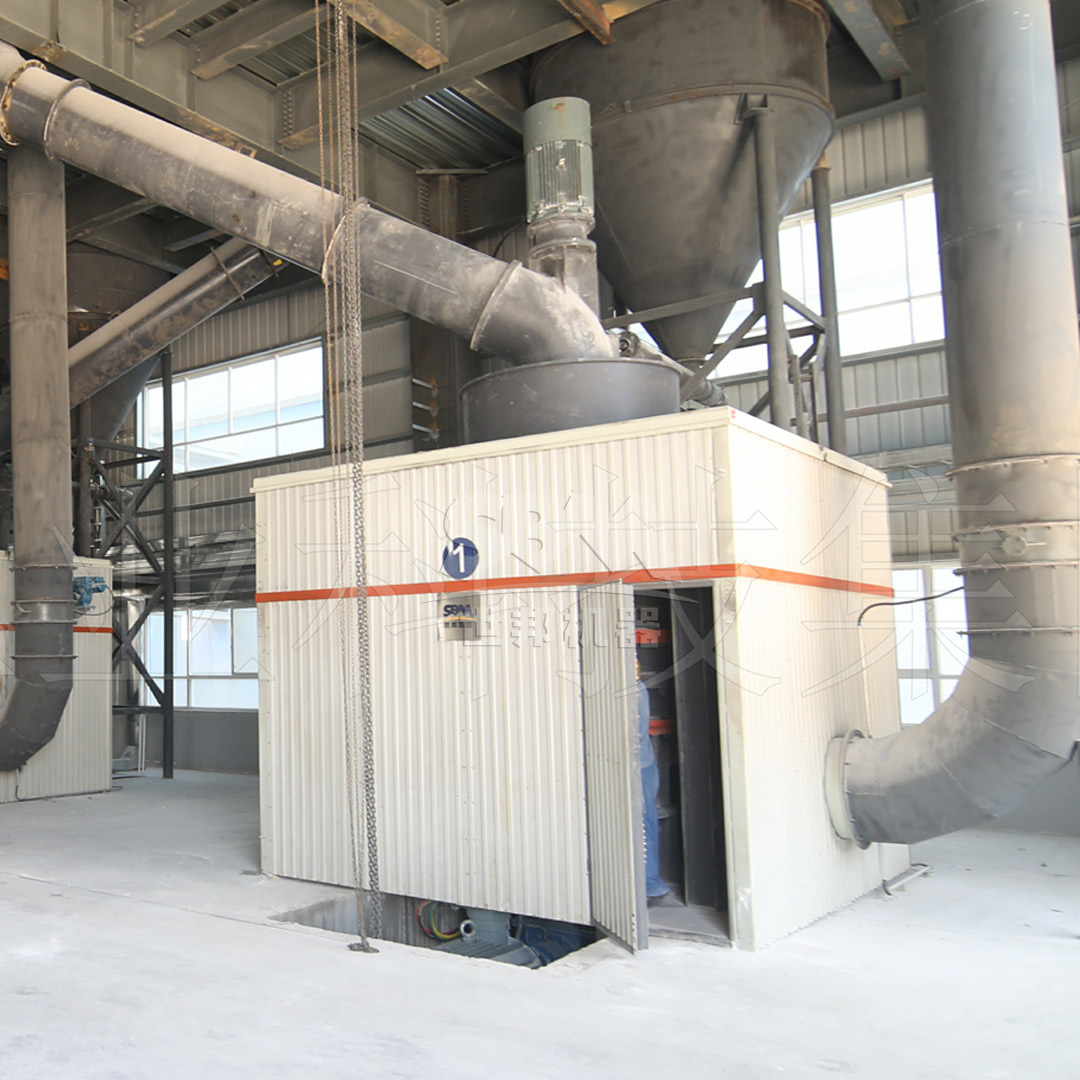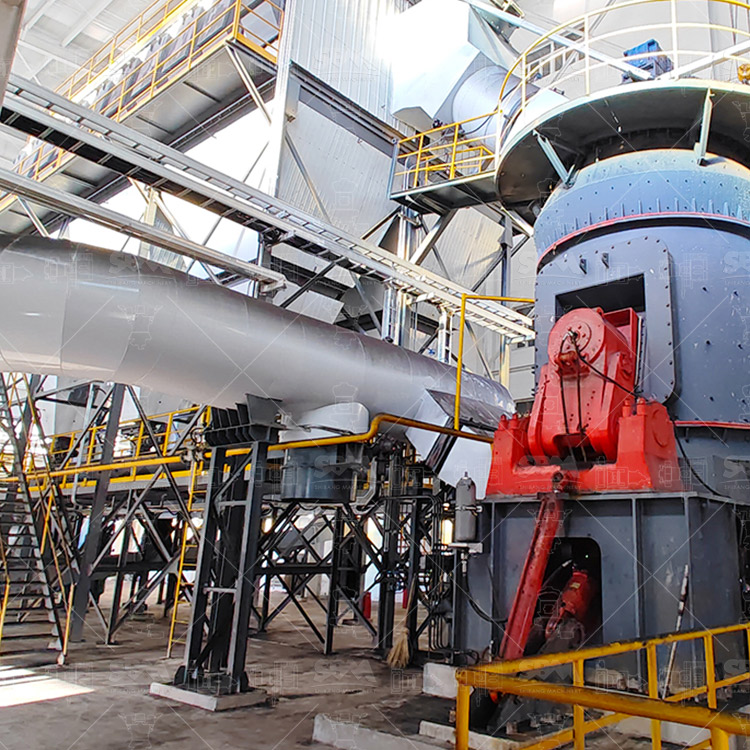
Cobalt-based alloys are indispensable in modern manufacturing, particularly as powder alloy binders for cemented carbides, diamond tools, and wear-resistant coatings. The performance of these binders hinges on precise particle size distribution, morphology, and purity. Selecting the appropriate milling equipment is therefore critical to achieving consistent product quality, operational efficiency, and cost control. This article examines the key considerations for cobalt powder processing and introduces two robust milling solutions from our portfolio—the SCM Series Ultrafine Mill and the MTW Series European Trapezium Mill—that excel in delivering fine and ultra-fine cobalt powders.
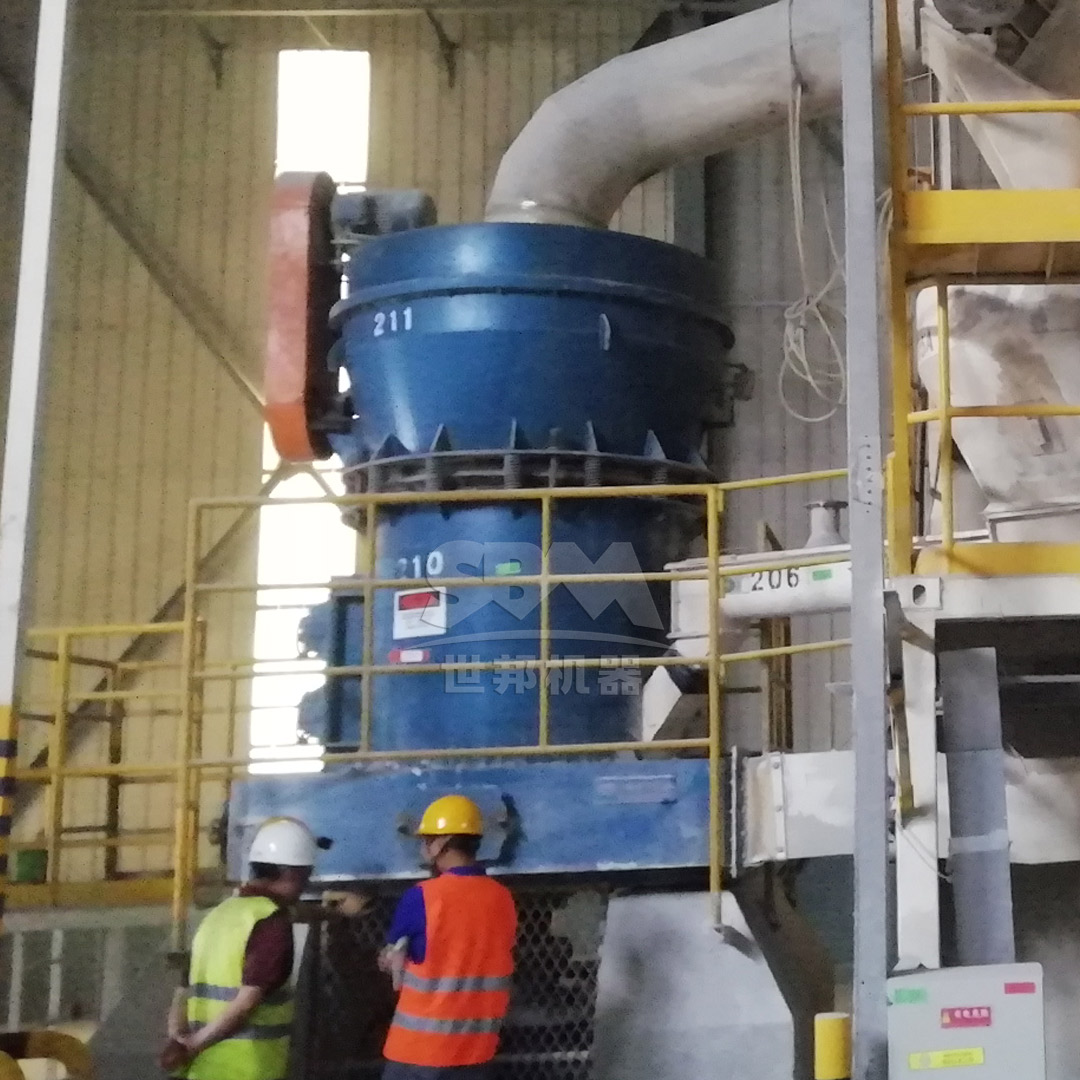
Cobalt provides excellent wettability to tungsten carbide grains, enhances toughness, and improves corrosion resistance in cemented carbides. For diamond tools, cobalt-based matrices hold diamonds firmly while allowing controlled wear. To fulfill these roles, cobalt powder must typically meet stringent specifications: particle size often between 1 and 10 μm, narrow size distribution, low oxygen content, and controlled morphology (often spherical or irregular). Achieving these targets requires milling technologies capable of fine grinding, precise classification, and minimal contamination.
Cobalt binders often demand fineness in the range of 325 to 2500 mesh (45 to 5 μm). Equipment must deliver consistent fineness with a narrow distribution to avoid coarse particles that can act as stress concentrators.
Production scale varies from small batch to continuous tonnage. Mills should offer flexible capacities to match growth projections without frequent equipment changes.
Iron and other metallic contamination can degrade binder performance. Wear-resistant materials and closed-loop designs are essential.
Cobalt is a high-value material; energy consumption directly impacts operating cost. Mills with high grinding efficiency and low power draw per ton are preferred.
Cobalt dust requires effective collection. Pulse dust removal and negative pressure operation ensure worker safety and environmental compliance.
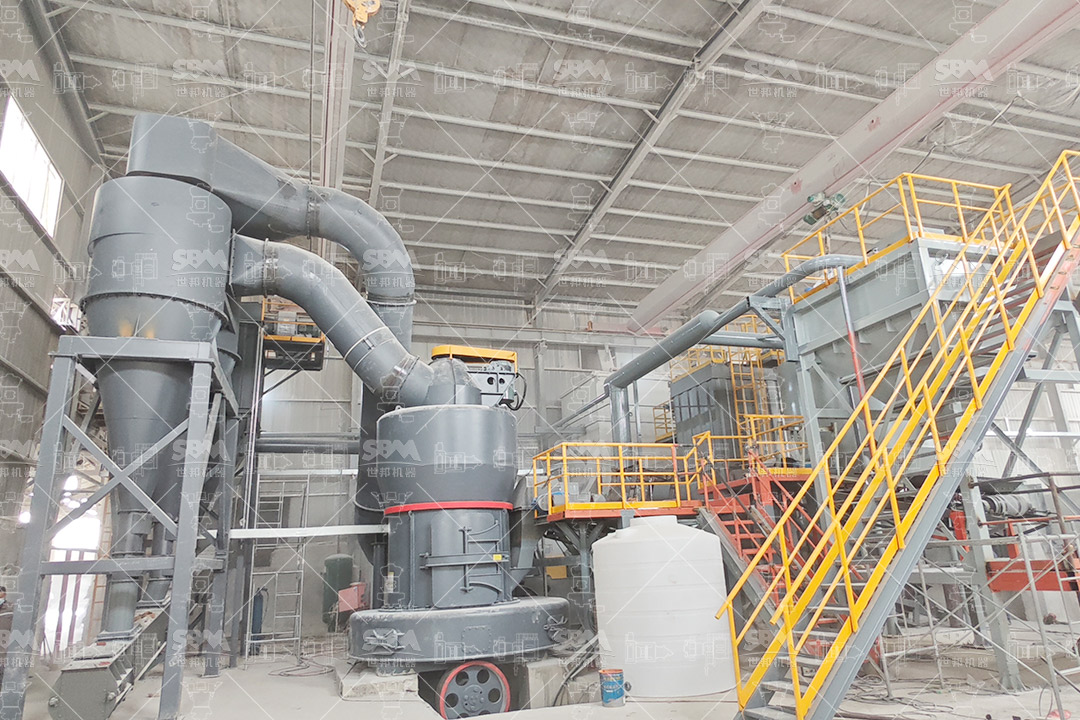
The SCM Series Ultrafine Mill is specifically engineered for fine and ultra-fine grinding of brittle materials, making it an ideal choice for cobalt powder production. With an output fineness adjustable from 325 to 2500 mesh (45–5 μm), it meets the typical specifications for cobalt binders. Capacities range from 0.5 to 25 t/h depending on model, accommodating both pilot and large-scale operations.
High Efficiency & Energy Saving: The SCM mill offers twice the capacity of jet mills while consuming 30% less energy. This translates to significant cost savings when processing high-value cobalt. Intelligent control with automatic finished product granularity feedback ensures stable operation.
High-Precision Classification: A vertical turbine classifier achieves precise particle size cutting, preventing coarse powder mixing and ensuring uniform finished products—critical for consistent binder performance.
Durable Design: Special material rollers and rings extend service life, reducing maintenance downtime. The shaftless screw grinding chamber ensures stable operation even with abrasive cobalt powders.
Eco-friendly & Low Noise: Pulse dust collection efficiency exceeds international standards, and soundproof room design keeps noise levels low.
For cobalt powder production, the SCM800 model (capacity 0.5–4.5 t/h, main power 75 kW) suits small-to-medium lines, while the SCM1250 (2.5–14 t/h, 185 kW) or SCM1680 (5–25 t/h, 315 kW) support large-scale manufacturing. All models accept feed sizes up to 20 mm and deliver fineness down to 5 μm.
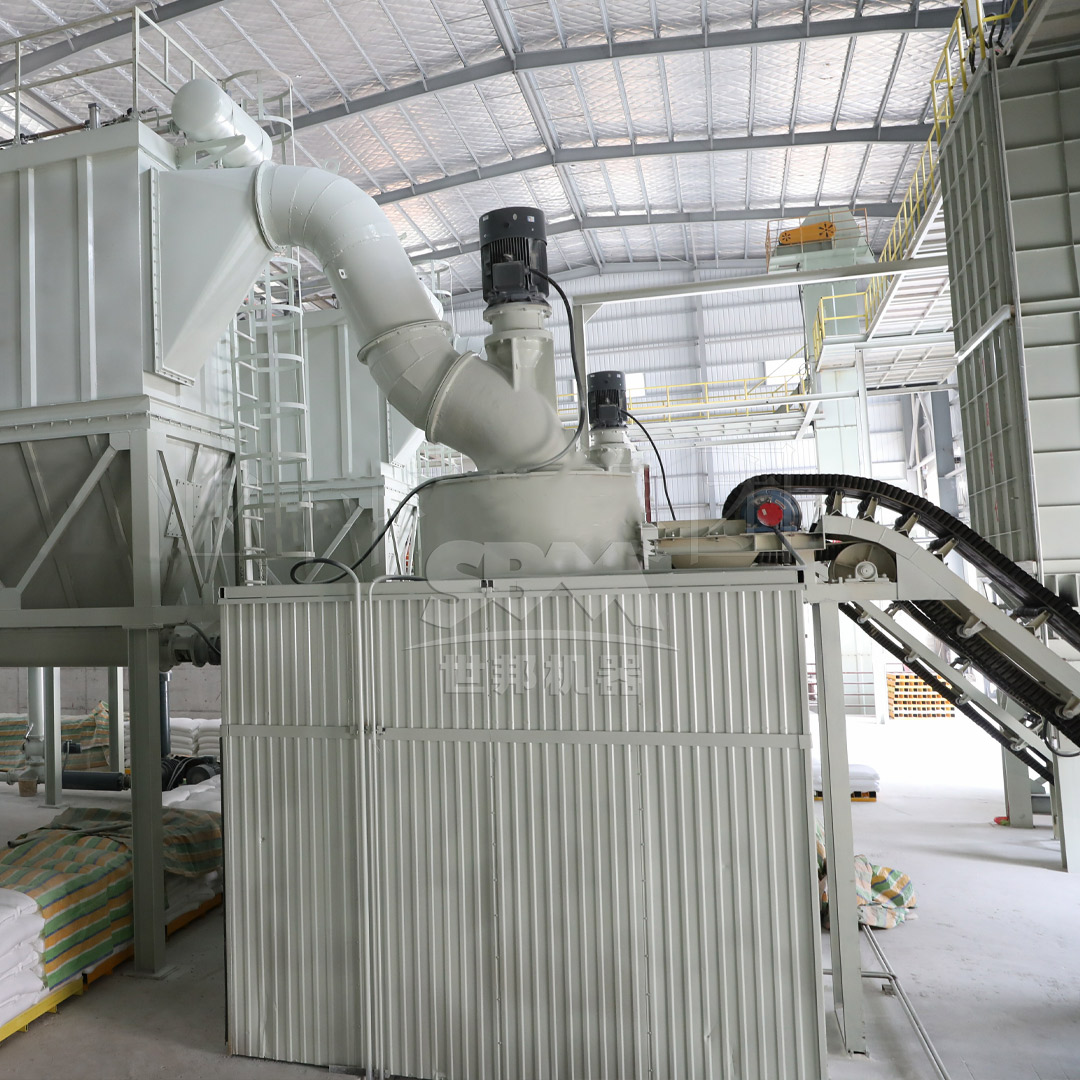
For operations requiring coarser or medium-fine cobalt powders (e.g., 30–325 mesh), the MTW Series European Trapezium Mill offers an economical and reliable alternative. With capacities from 3 to 45 t/h and fineness down to 0.038 mm (325 mesh), it is well-suited for pre-grinding or applications where ultra-fine particles are not mandatory.
Anti-wear Shovel Design: Combined shovel blades with a curved profile reduce maintenance costs and extend grinding roller life—beneficial when handling abrasive cobalt.
Optimized Arc Air Duct: Reduces airflow energy loss and improves transmission efficiency, contributing to lower power consumption.
Integral Bevel Gear Drive: Transmission efficiency up to 98%, saving space and reducing installation costs.
Wear-resistant Volute Structure: Non-resistance flow design improves air selection efficiency and reduces maintenance costs by 30%.
Model options include the MTW110 (3–9 t/h, 55 kW) for small-scale production, the MTW138Z (6–17 t/h, 90 kW) for mid-range, and the MTW215G (15–45 t/h, 280 kW) for high-capacity lines. The MTW mill’s robust construction and efficient classification make it a dependable workhorse for cobalt powder preparation.
When choosing between the SCM and MTW series, consider the target fineness and capacity. For ultra-fine cobalt powders (below 45 μm) at high capacities, the SCM Series is superior due to its high-precision classifier and energy efficiency. For medium-fine powders (45–325 μm) or pre-grinding before ultra-fine milling, the MTW Series offers a cost-effective solution with lower capital investment. Both mills feature reliable dust collection and can be integrated into closed-loop systems to minimize contamination.
Selecting the right milling solution for cobalt powder alloy binders requires careful evaluation of fineness requirements, production scale, contamination risks, and operating costs. Our SCM Series Ultrafine Mill and MTW Series European Trapezium Mill provide proven, high-performance options that meet the demanding specifications of the cobalt industry. By leveraging these advanced milling technologies, manufacturers can achieve consistent binder quality, optimize energy use, and maintain a competitive edge in the powder metallurgy market.