In the modern cement industry, the efficient processing of blast furnace slag is critical for producing high-quality blended cements and reducing environmental impact. Water-quenched blast furnace slag, a byproduct of iron production, must be ground to a fine powder to unleash its latent hydraulic properties. Selecting the right grinding mill for this task is not merely a matter of capacity; it involves a careful analysis of material characteristics, required fineness, energy efficiency, and overall operational costs. This article provides a professional guide to choosing the optimal grinding mill for blast furnace slag, with a focus on equipment that delivers superior performance and reliability.
Blast furnace slag is a glassy, granular material with a Mohs hardness typically between 6 and 7. Its grindability is generally poorer than that of cement clinker, and it often contains moisture (up to 10-15% in granulated form). The required fineness for slag powder used in cement is usually in the range of 420-450 m²/kg (Blaine), corresponding to a 45μm sieve residue of less than 1%. These properties demand a grinding mill that can handle high moisture, resist abrasion, and achieve consistent ultrafine grinding while minimizing energy consumption.
The mill must be sized to match the required production output and the target fineness. For slag, the capacity is often lower than for clinker due to its harder nature. Mills with high grinding efficiency and precise classification are essential to avoid over-grinding and ensure a uniform product.
Grinding is an energy-intensive process, and slag grinding is particularly demanding. Vertical roller mills (VRMs) are known for their low specific energy consumption compared to ball mills, often saving 30-40% in power. This makes them a preferred choice for large-scale slag grinding.
The abrasive nature of slag requires mills with wear-resistant components. Rollers and tables made from special alloys, as well as replaceable wear liners, extend service life and reduce maintenance downtime.
Since slag can contain significant moisture, the mill should be capable of drying the material during grinding. This is typically achieved by introducing hot gas into the mill, making VRMs with integrated drying systems ideal.
Compliance with strict dust emission regulations is mandatory. Mills equipped with high-efficiency pulse-jet dust collectors and soundproofing enclosures ensure a clean and quiet operation.
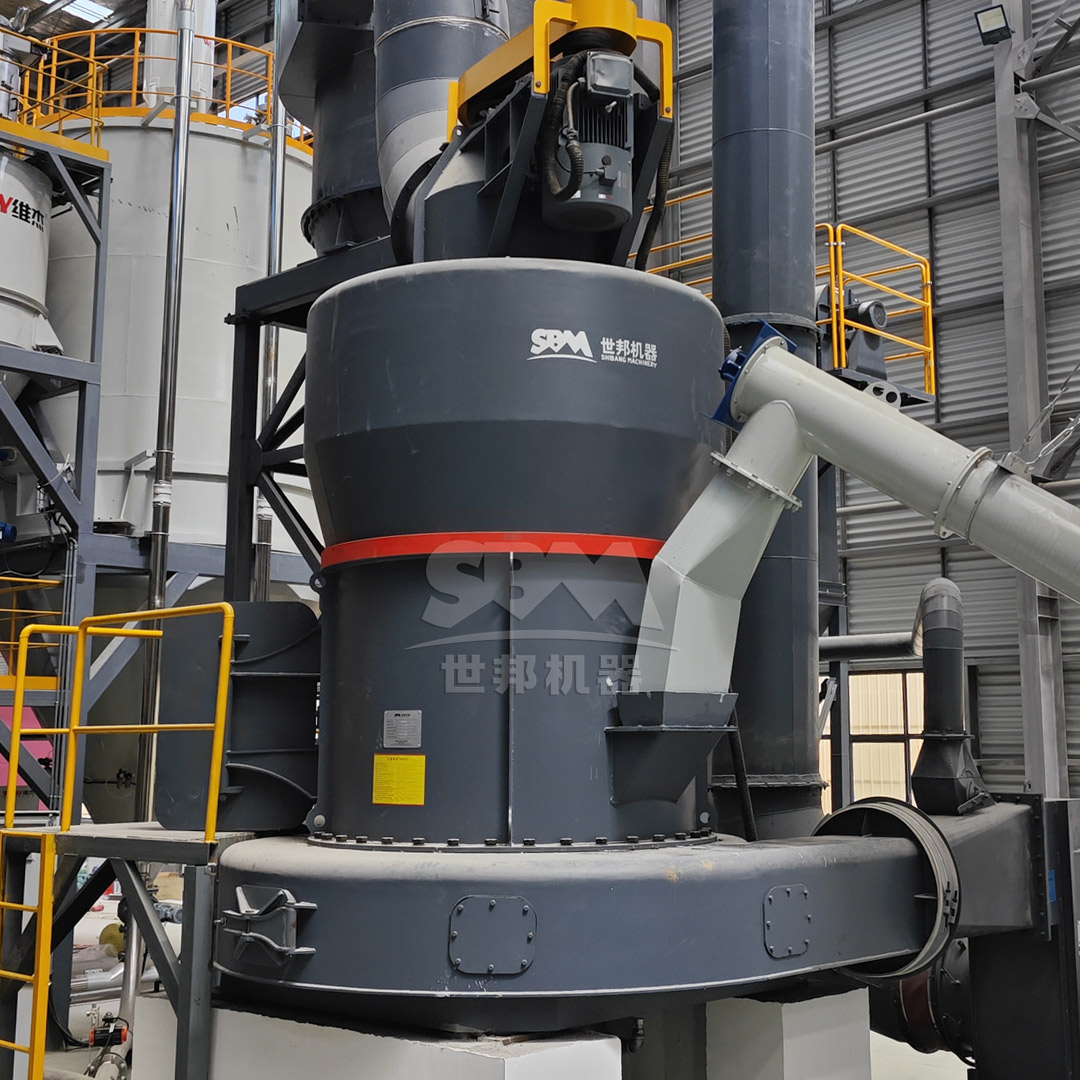
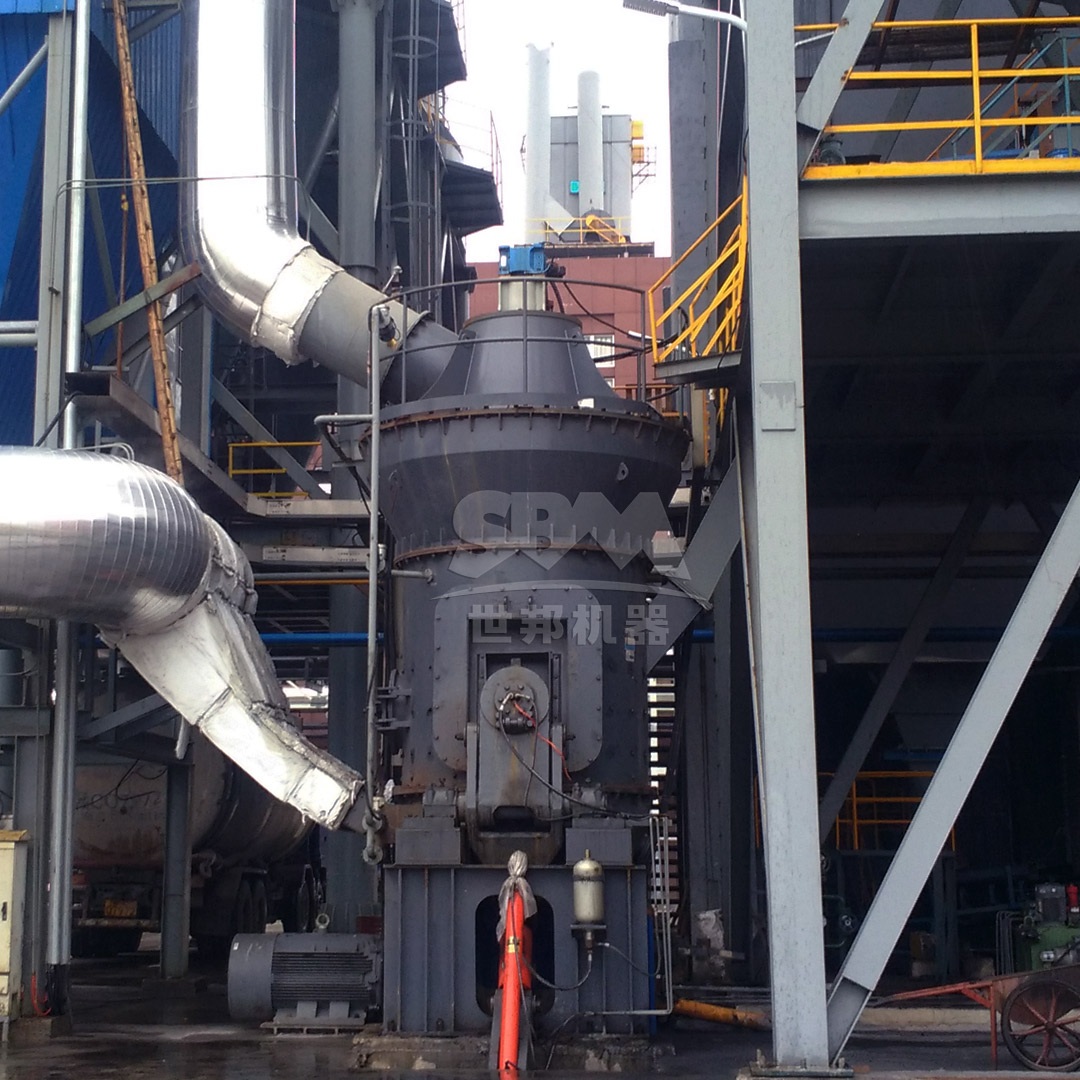
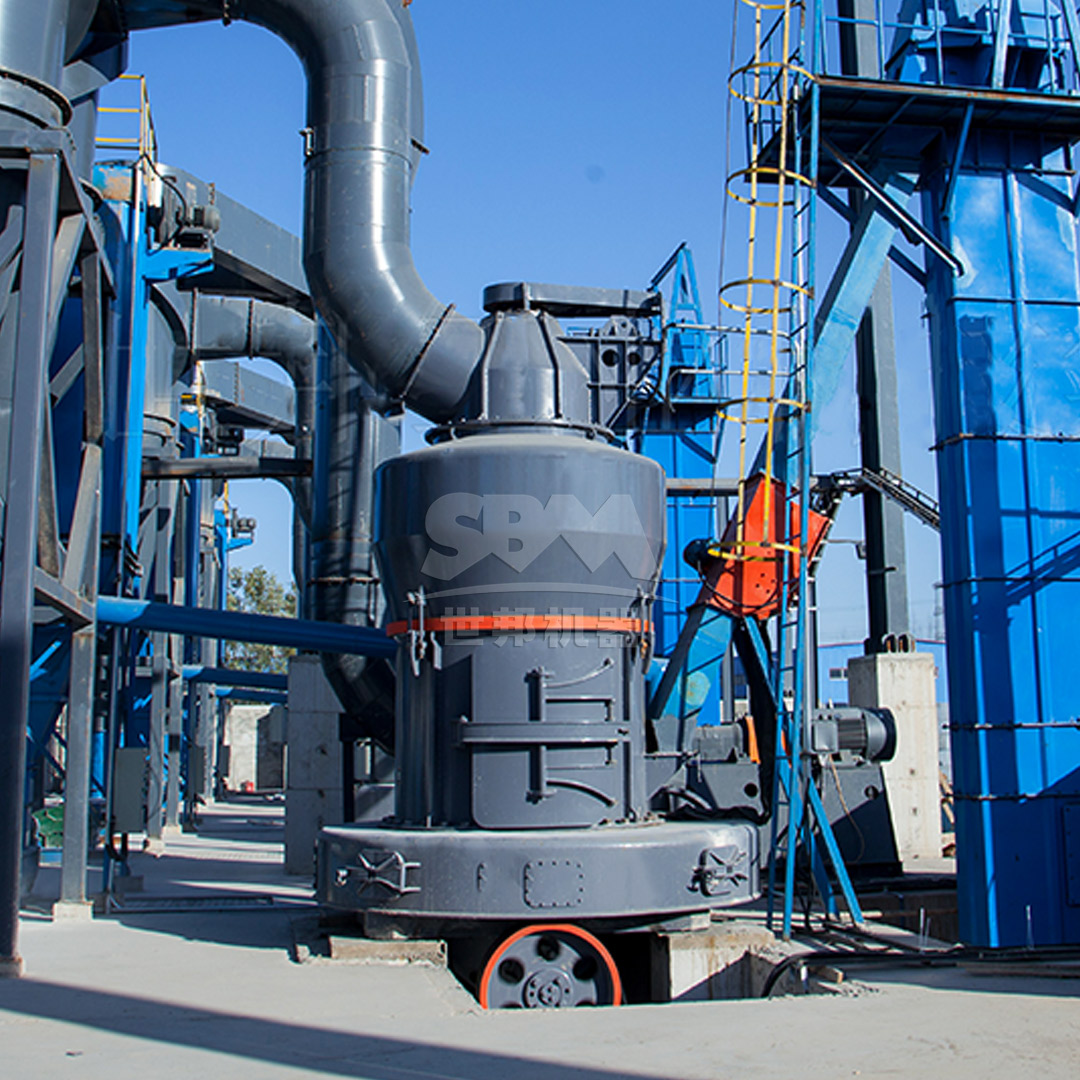
Based on these criteria, we recommend two of our flagship products that excel in slag processing: the LM Series Vertical Roller Mill and the MTW Series European Trapezium Mill. Both are engineered to deliver high performance, reliability, and cost-efficiency.
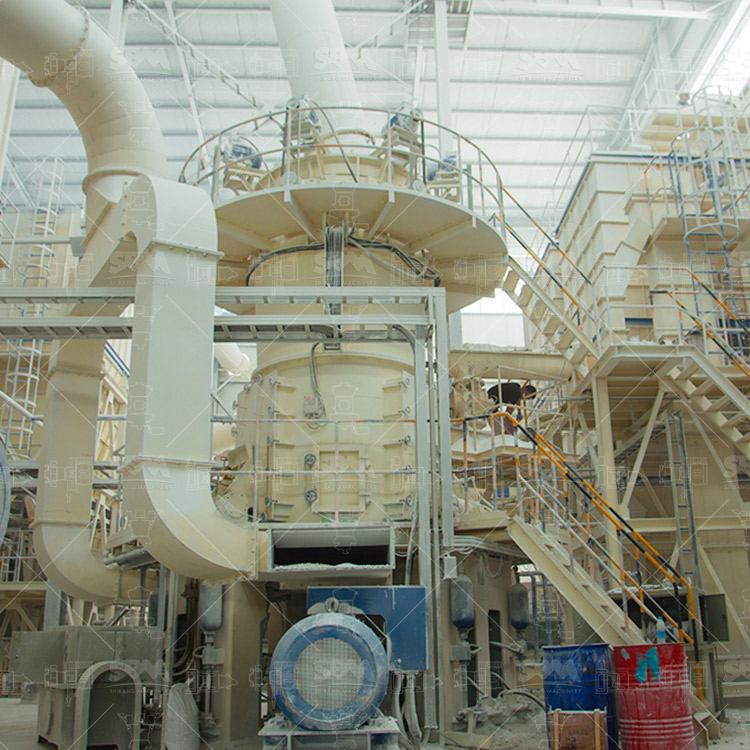
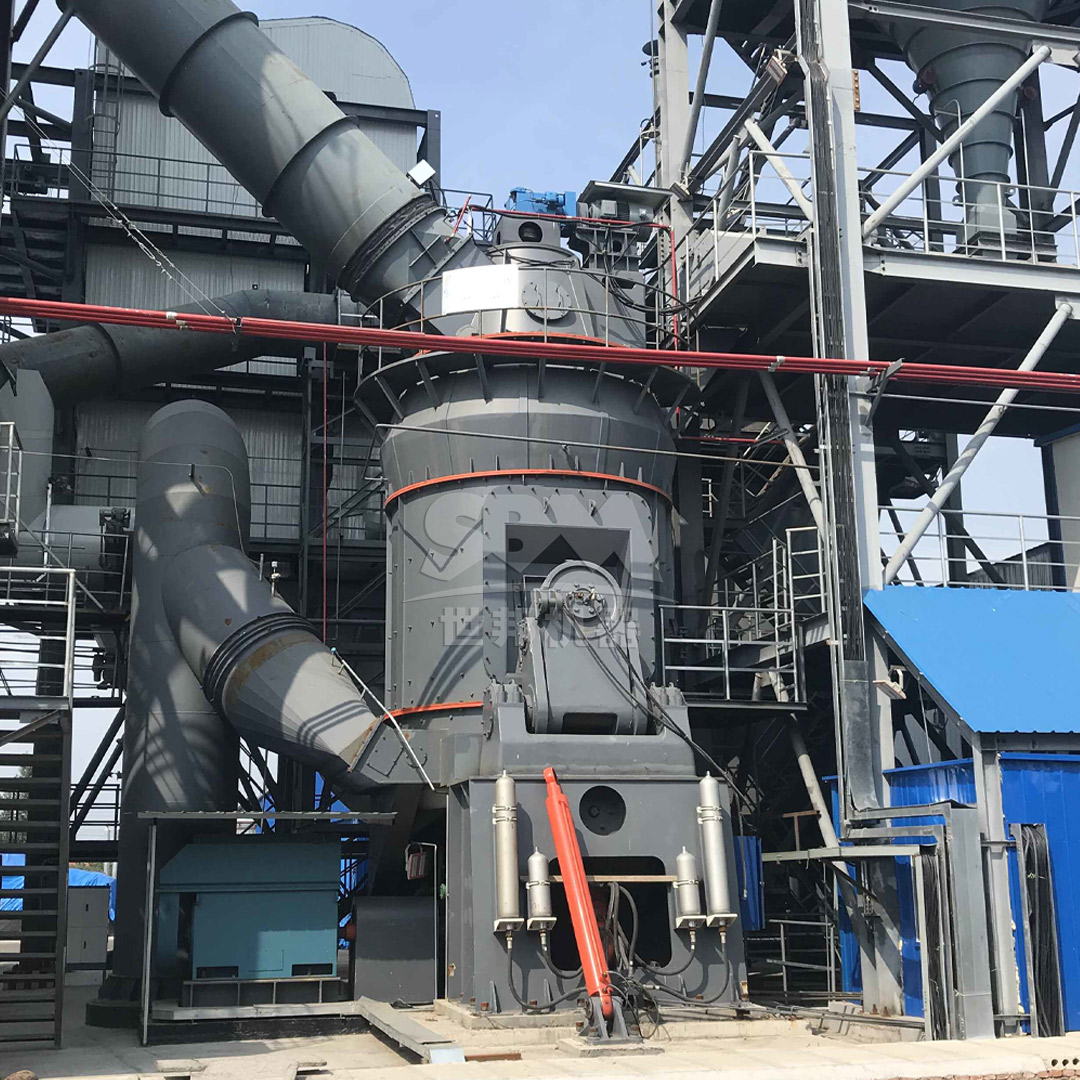
The LM Series is a proven solution for slag grinding, offering capacities from 4 to 110 t/h (slag-specific models like LM130N to LM370N). Its integrated design combines crushing, grinding, drying, and classification, reducing floor space by 50% and infrastructure costs by 40%. The non-contact grinding principle between rollers and table minimizes wear, extending part life by up to three times. Energy consumption is 30-40% lower than ball mill systems, and the advanced intelligent control system ensures stable operation with minimal manual intervention. The LM Series is particularly suited for large-scale slag grinding plants.
For medium-scale operations or when ultrafine grinding is required, the MTW Series offers an excellent alternative. With output fineness adjustable from 30 to 325 mesh (down to 0.038mm) and capacities up to 45 t/h, it provides flexibility. The patented anti-wear shovel design and curved grinding rollers reduce maintenance costs, while the integral bevel gear drive ensures transmission efficiency up to 98%. The MTW mill is equipped with an efficient pulse dust collection system, meeting stringent environmental standards. Its compact footprint and low installation cost make it a cost-effective choice for slag processing.
| Feature | LM Vertical Roller Mill | MTW Trapezium Mill |
|---|---|---|
| Capacity Range | 4-110 t/h (slag-specific) | 3-45 t/h |
| Fineness | Specific surface area up to 420-450 m²/kg | 30-325 mesh (down to 0.038mm) |
| Energy Consumption | 30-40% lower than ball mill | Optimized airflow design reduces energy loss |
| Drying Capability | Integrated hot gas drying | Can be equipped with hot air system |
| Wear Parts Life | 3x longer due to non-contact design | Enhanced by anti-wear shovel and curved rollers |
| Footprint | 50% smaller than ball mill systems | Compact, low installation cost |
| Environmental | Fully sealed negative pressure, dust emission <10mg/m³ | Pulse dust collector, emissions exceed standards |
Choosing the right grinding mill for blast furnace slag requires a balanced consideration of technical and economic factors. The LM Series Vertical Roller Mill stands out for large-scale, high-efficiency slag grinding with minimal environmental impact, while the MTW Series European Trapezium Mill offers a versatile and cost-effective solution for medium capacities and finer products. Both mills incorporate advanced technology and durable materials to ensure long-term reliability and low operating costs. By selecting from our proven range, cement producers can enhance their slag processing capabilities, improve product quality, and achieve sustainable operations.
For further information on these products and to discuss your specific requirements, please contact our technical team.