The production of non-fired bricks from fly ash is a well-established route to sustainable construction materials. Unlike fired clay bricks, non-fired bricks rely on cementitious reactions or chemical activation, which makes the entire process highly dependent on the quality and consistency of raw material preparation. Among the key steps in a fly ash non-fired brick production line—raw material batching, mixing, forming, curing, and packaging—the grinding stage plays a decisive role. It determines the reactivity of the fly ash, the uniformity of the mix, and ultimately the strength and durability of the final brick. Choosing the right processing equipment is therefore not simply a matter of capacity; it requires a careful match between material characteristics, target fineness, production scale, and operational efficiency.
This article provides a practical guide to selecting equipment for fly ash non-fired brick production lines, focusing on the grinding and classification machinery that precede the mixing and forming stages. We will examine the key selection criteria, compare different mill types, and highlight two products from our portfolio that are particularly well-suited to this application: the SCM Series Ultrafine Mill and the MTW Series European Trapezium Mill.
Fly ash is a pozzolanic material. Its reactivity depends largely on particle size distribution: finer particles expose more surface area for reaction with calcium hydroxide, accelerating strength development and improving the density and water resistance of the final brick. In many non-fired brick formulations, fly ash is blended with cement, lime, gypsum, and aggregates. If the fly ash is too coarse or unevenly ground, the mix may exhibit poor workability, low green strength, and inconsistent curing behavior.
Grinding also serves to homogenize the raw materials and break down agglomerates that form during storage and transport. For high-volume production lines, the grinding system must deliver a stable, controllable output fineness—typically in the range of 325 to 600 mesh (approximately 45 to 20 microns) for high-performance non-fired bricks, depending on the formulation and the desired reactivity. In some cases, ultrafine grinding below 20 microns is beneficial for high-strength bricks or for blends with low cement content.
Consequently, the grinding equipment must offer precise classification, low energy consumption, reliable continuous operation, and easy maintenance. It should also be compatible with the upstream feeding system and the downstream mixing and forming equipment, ensuring a smooth material flow with minimal dust and downtime.
When evaluating equipment for a fly ash non-fired brick production line, several factors should be considered:
Several types of mills are commonly used in fly ash processing:
Ball Mills are traditional and robust, capable of grinding to fine sizes, but they are energy-intensive and have a large footprint. They are often used in small to medium lines where investment cost is a primary concern, but their low efficiency and high wear rates make them less attractive for large-scale, continuous production.
Hammer Mills are suitable for coarse crushing (0–3 mm) and can be used as pre-grinding equipment. They are not designed for fine grinding and cannot achieve the fineness required for high-reactivity fly ash.
Vertical Roller Mills (such as the LM series) offer high capacity and energy efficiency, and they can grind and classify in one unit. They are widely used in cement and slag grinding and are increasingly adopted for fly ash processing in large lines. However, their capital cost is relatively high, and they are best suited for very high throughputs.
Trapezium Mills and Ultrafine Mills provide a balance between capacity, fineness, and energy consumption. They are particularly suitable for medium to large brick production lines that require consistent fineness in the 325–2500 mesh range. Among these, our SCM Series Ultrafine Mill and MTW Series European Trapezium Mill stand out for their performance and reliability.
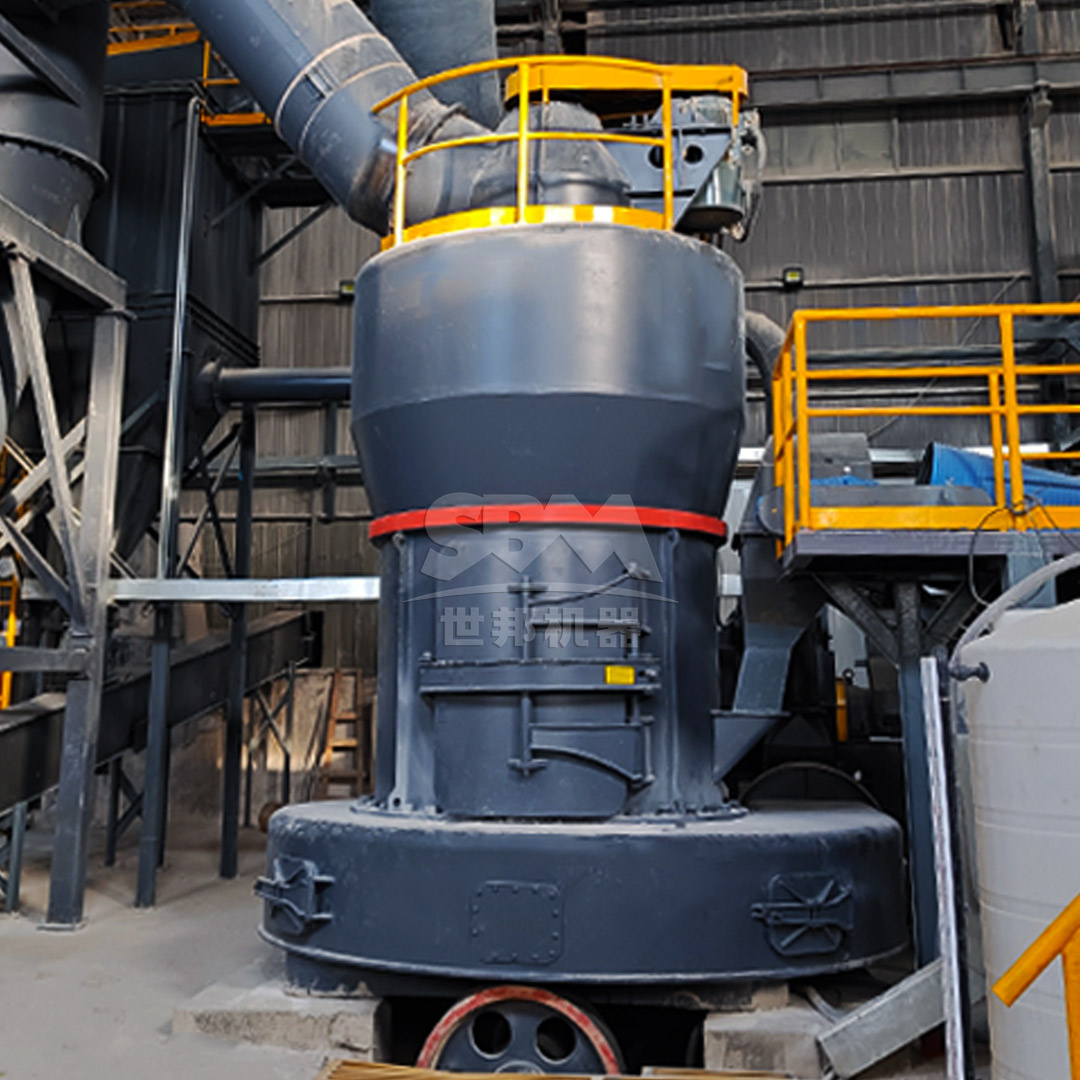
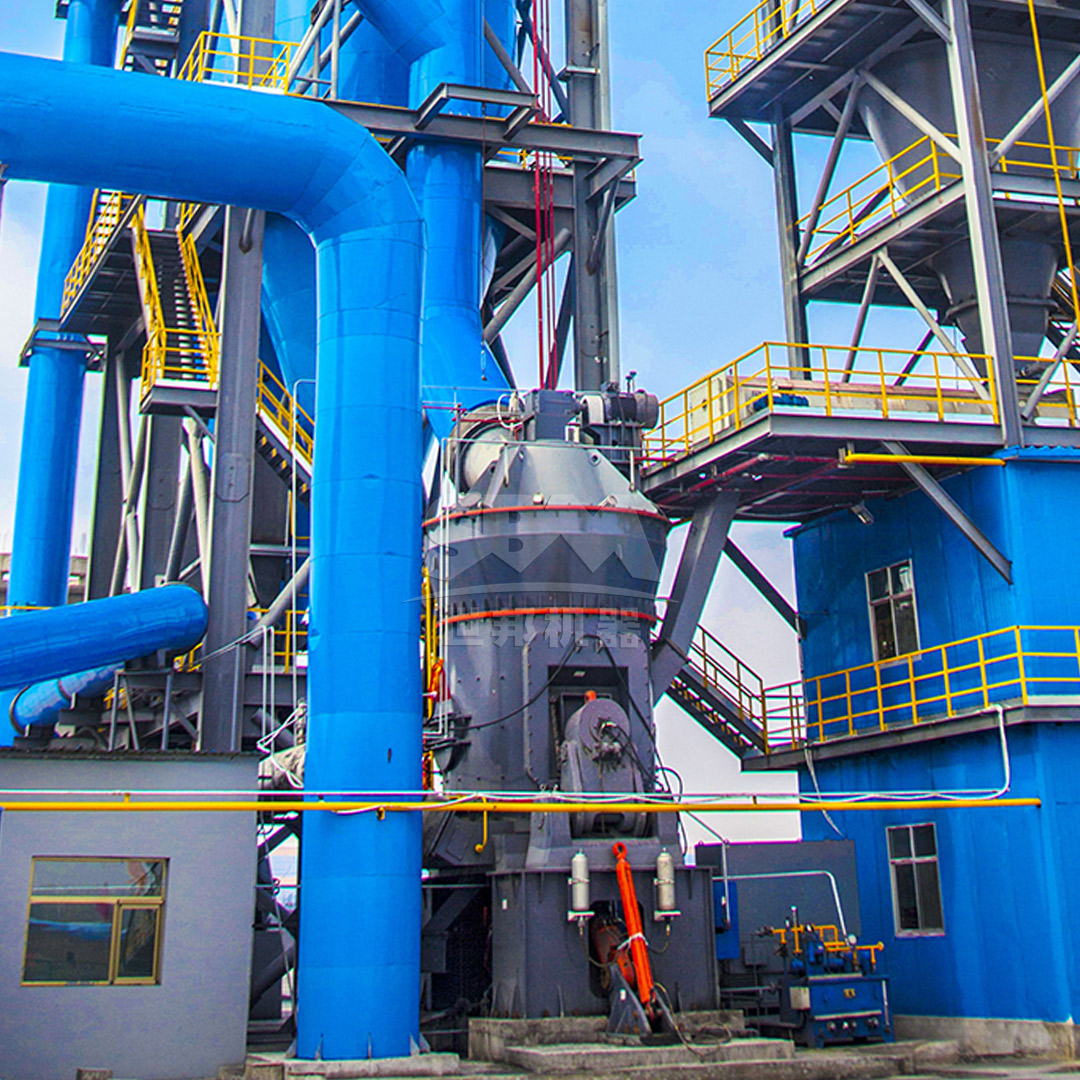
Figure 1: Typical grinding and classification system layout for fly ash non-fired brick production.
The SCM Series Ultrafine Mill is an excellent choice for fly ash non-fired brick production lines that require high fineness and precise particle size control. With an input size of ≤20 mm and an output fineness adjustable from 325 to 2500 mesh, this mill can produce fly ash powder with a narrow particle size distribution, enhancing reactivity and ensuring uniform brick quality.
Key advantages of the SCM series include:
The SCM series is available in several models, from the SCM800 with a capacity of 0.5–4.5 t/h to the SCM1680 with a capacity of 5.0–25 t/h. For a typical fly ash non-fired brick line producing 100,000–300,000 m³ per year, the SCM1000 or SCM1250 models are often suitable, depending on the required fineness and operating schedule. The SCM1250, with a capacity of 2.5–14 t/h and a main power of 185 kW, offers a good balance of capacity and energy efficiency for medium-scale production.
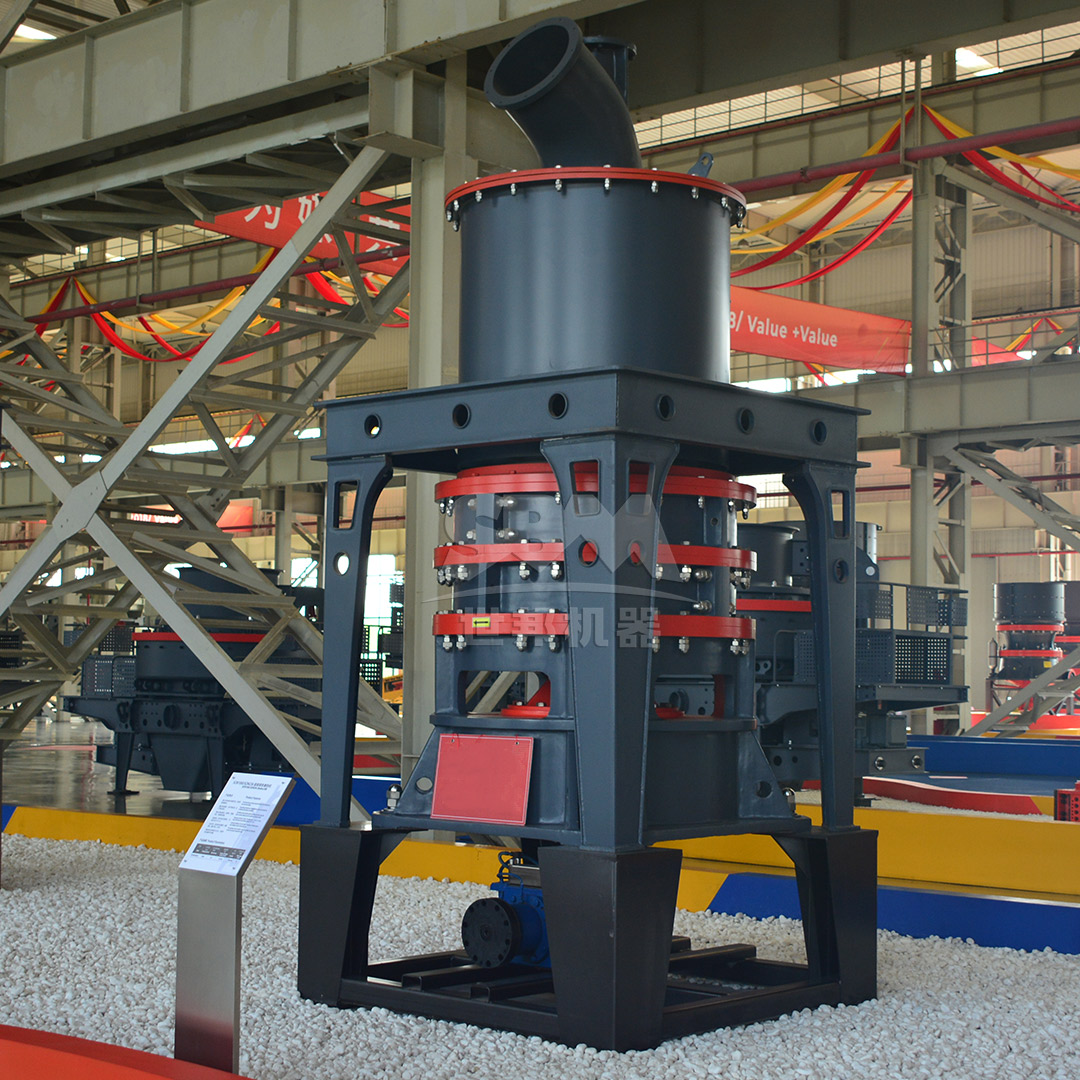
Figure 2: SCM Series Ultrafine Mill, ideal for high-fineness fly ash grinding.
For brick production lines that require a slightly coarser fineness—typically in the 30–325 mesh range—or that need higher capacity with lower capital investment, the MTW Series European Trapezium Mill is a strong candidate. With an input size of ≤50 mm and an output fineness adjustable from 30 to 325 mesh (down to 0.038 mm), the MTW mill can efficiently process fly ash and blends with other raw materials.
Technical highlights of the MTW series include:
The MTW series offers models from the MTW110 with a capacity of 3–9 t/h to the MTW215G with a capacity of 15–45 t/h. For a fly ash non-fired brick line with a capacity of 200,000–500,000 m³ per year, the MTW138Z or MTW175G models provide ample capacity and reliable performance. The MTW175G, with a capacity of 9.5–25 t/h and a main power of 160 kW, is particularly well-suited for continuous operation in medium to large brick plants.
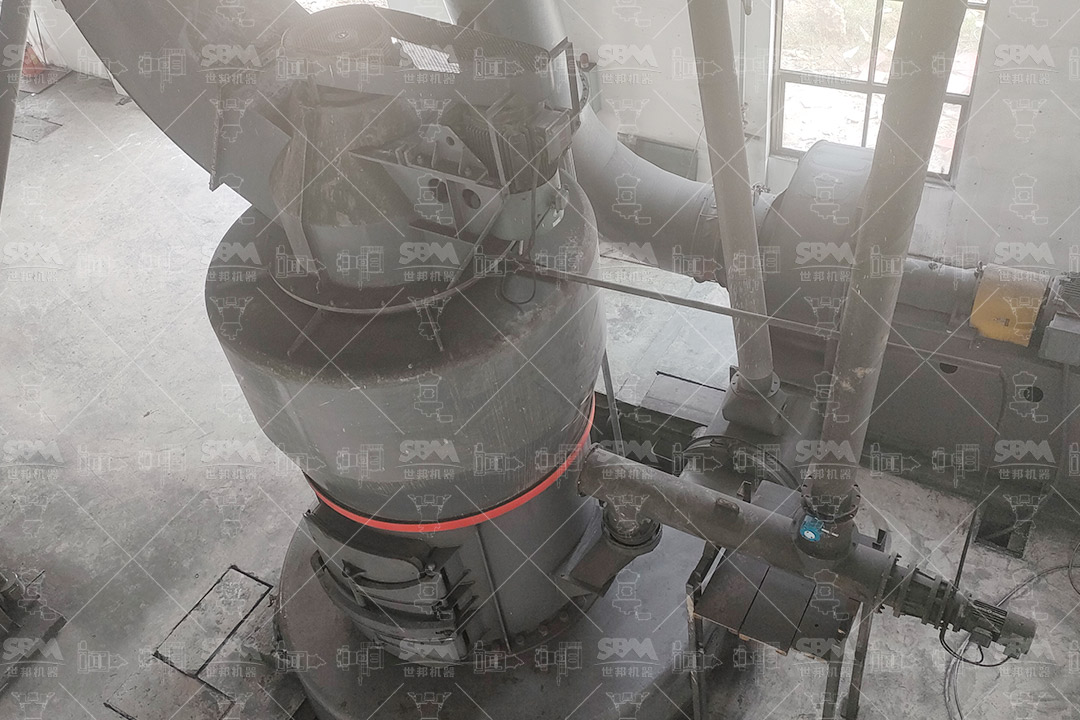
Figure 3: MTW Series European Trapezium Mill, suitable for medium-fineness fly ash grinding.
Selecting the right mill is only part of the equation. The grinding system must be integrated with the rest of the production line to ensure smooth operation. Key considerations include:
By carefully integrating the grinding system with these downstream processes, brick producers can achieve consistent product quality, high production efficiency, and low operating costs.
Choosing the right processing equipment for a fly ash non-fired brick production line is a strategic decision that impacts product quality, energy consumption, and overall profitability. The grinding stage, in particular, deserves careful attention. The SCM Series Ultrafine Mill and MTW Series European Trapezium Mill offer complementary solutions: the SCM for high-fineness, high-reactivity applications, and the MTW for medium-fineness, high-capacity applications. Both are designed with energy efficiency, precise classification, durability, and environmental performance in mind.
When selecting equipment, consider your target fineness, production capacity, feed material characteristics, and integration requirements. We recommend consulting with our technical team to conduct a thorough assessment of your specific needs and to design a customized grinding solution that fits seamlessly into your fly ash non-fired brick production line. With the right equipment and proper integration, you can achieve sustainable, high-quality brick production that meets both market demands and environmental standards.