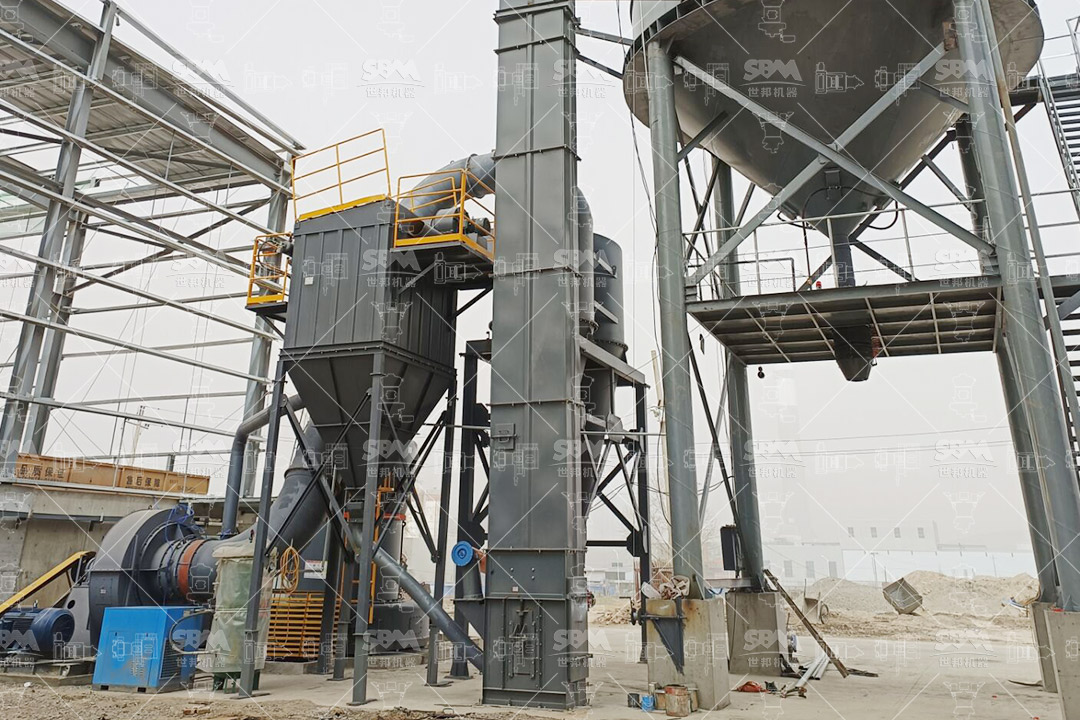
Fly ash, a byproduct of coal combustion in power plants, has become an indispensable raw material in the production of aerated concrete (AAC). Its pozzolanic properties, low cost, and environmental benefits make it a preferred alternative to traditional cementitious materials. However, to fully exploit its potential, fly ash must be processed to the appropriate fineness and uniformity. This is where advanced milling equipment plays a critical role. In this comprehensive guide, we explore the milling solutions offered by our company for fly ash processing in aerated concrete production, detailing the working principles, technical advantages, and model specifications of our key equipment. We also highlight two flagship products—the SCM Series Ultrafine Mill and the MTW Series European Trapezium Mill—that are particularly suited for this application.
Fly ash particles typically range from a few microns to over 100 microns. For aerated concrete, a finer particle size (usually below 45 μm) is essential to ensure proper reactivity, uniform cellular structure, and sufficient strength development. Grinding increases the specific surface area, accelerates the pozzolanic reaction, and improves the workability of the slurry. Moreover, consistent fineness is critical for maintaining stable production quality. Therefore, selecting the right milling equipment is a key decision for any AAC manufacturer.
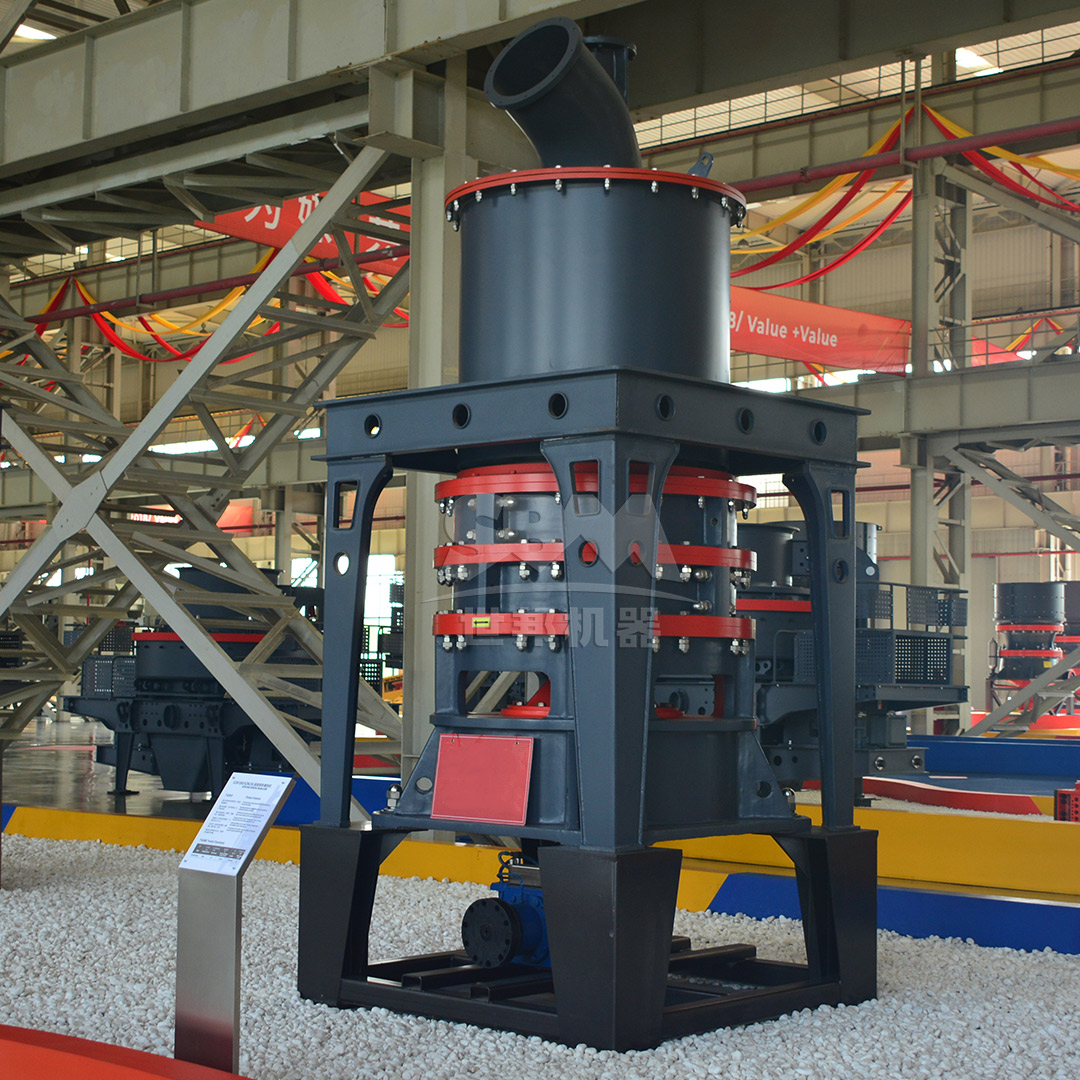
The SCM Series Ultrafine Mill is a state-of-the-art solution for producing ultrafine fly ash. With an output fineness ranging from 325 to 2500 mesh (45-5μm), it can meet the most stringent requirements of aerated concrete production. Its capacity ranges from 0.5 to 25 tons per hour, depending on the model, making it suitable for both small and large-scale operations.
High Efficiency & Energy Saving: The SCM mill offers twice the capacity of a jet mill while consuming 30% less energy. Its intelligent control system provides automatic feedback on finished product granularity, ensuring consistent quality.
High-Precision Classification: The vertical turbine classifier achieves precise particle size cutting, preventing coarse powder from mixing into the final product. This results in a uniform product with excellent reactivity.
Durable Design: Special material rollers and rings extend service life several times over. The shaftless screw grinding chamber ensures stable operation even under continuous heavy loads.
Eco-friendly & Low Noise: The pulse dust collection system exceeds international standards, and the soundproof room design keeps noise levels low, creating a safer and cleaner working environment.
The main motor drives three layers of grinding rings to rotate. Materials are dispersed into the grinding path by centrifugal force, crushed by roller pressure, and ground layer by layer. Finally, powder collection is completed by a cyclone collector and a pulse dust removal system.
| Model | Capacity (t/h) | Main Power (kW) | Feed Size (mm) | Fineness (mesh) |
|---|---|---|---|---|
| SCM800 | 0.5-4.5 | 75 | 0-20 | 325-2500 |
| SCM900 | 0.8-6.5 | 90 | 0-20 | 325-2500 |
| SCM1000 | 1.0-8.5 | 132 | 0-20 | 325-2500 |
| SCM1250 | 2.5-14 | 185 | 0-20 | 325-2500 |
| SCM1680 | 5.0-25 | 315 | 0-20 | 325-2500 |
Recommended Product: For ultrafine fly ash processing in AAC, the SCM1250 model offers an excellent balance of capacity (2.5-14 t/h) and power (185 kW), making it ideal for medium to large production lines.
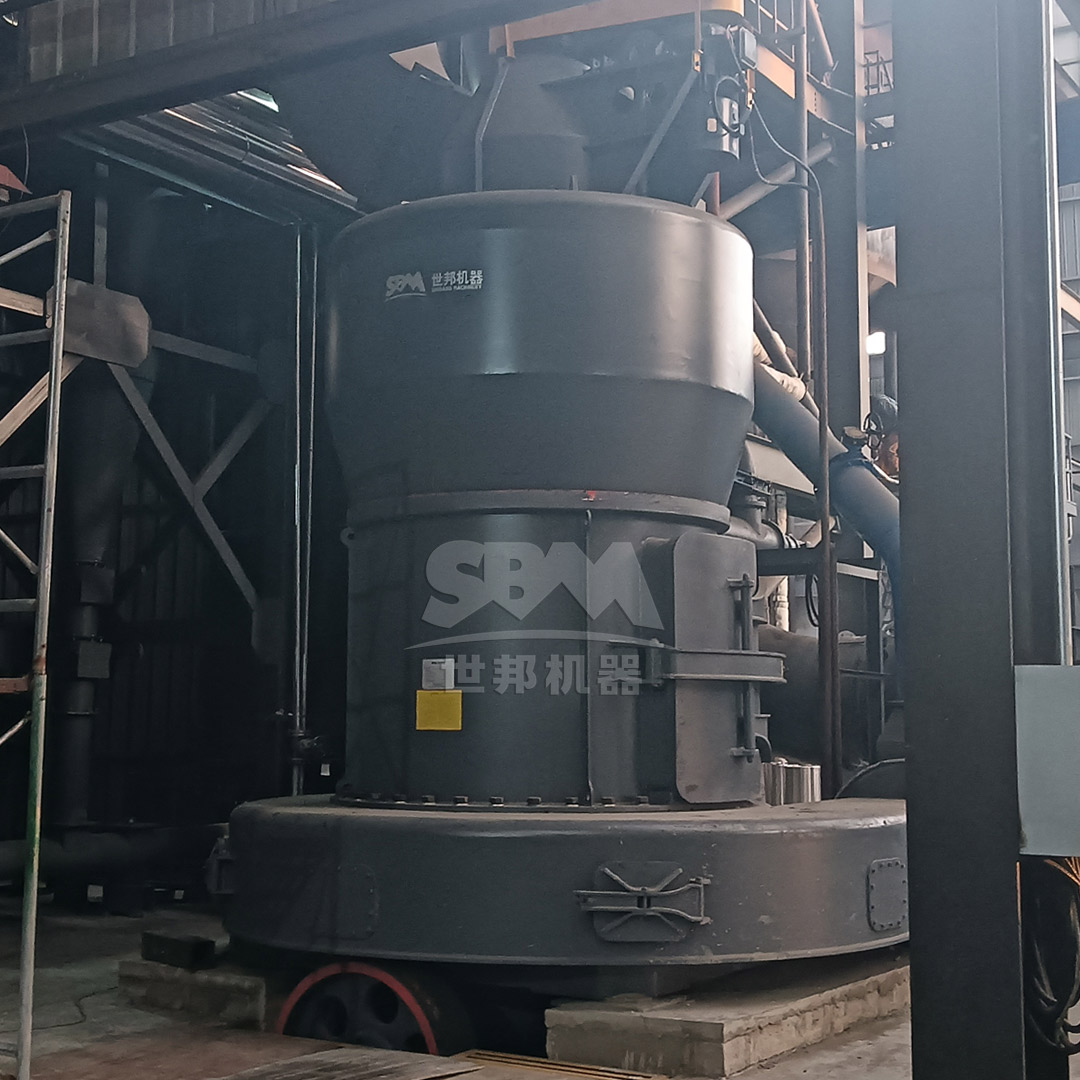
The MTW Series European Trapezium Mill is another versatile solution for fly ash grinding. With an output fineness of 30-325 mesh (down to 0.038mm) and capacities from 3 to 45 tons per hour, it is well-suited for producing fine fly ash for aerated concrete. Its robust design and advanced features ensure reliable performance and low maintenance.
Anti-wear Shovel Design: Combined shovel blades reduce maintenance costs, and the curved design extends grinding roller life.
Optimized Arc Air Duct: Reduces airflow energy loss and improves transmission efficiency. High-strength guard plates protect the air duct working surface.
Integral Bevel Gear Drive: Transmission efficiency up to 98%, saving space and reducing installation costs.
Wear-resistant Volute Structure: Non-resistance flow design improves air selection efficiency, and maintenance costs are reduced by 30%.
The main motor drives the grinding rollers to revolve around the central axis while self-rotating to generate centrifugal force. Shovels throw materials between the ring and rollers to form a material layer, achieving efficient crushing through extrusion. The classification system precisely controls the finished product size.
| Model | Capacity (t/h) | Main Power (kW) | Feed Size (mm) | Fineness (mesh) |
|---|---|---|---|---|
| MTW110 | 3-9 | 55 | <30 | 10-325 |
| MTW110Z | 3-10 | 55 | <30 | 10-325 |
| MTW138Z | 6-17 | 90 | <35 | 10-325 |
| MTW175G | 9.5-25 | 160 | <40 | 10-325 |
| MTW215G | 15-45 | 280 | <50 | 10-325 |
Recommended Product: The MTW175G is a popular choice for fly ash processing in AAC plants, offering a capacity of 9.5-25 t/h and a main power of 160 kW, with fineness easily adjustable to meet AAC requirements.
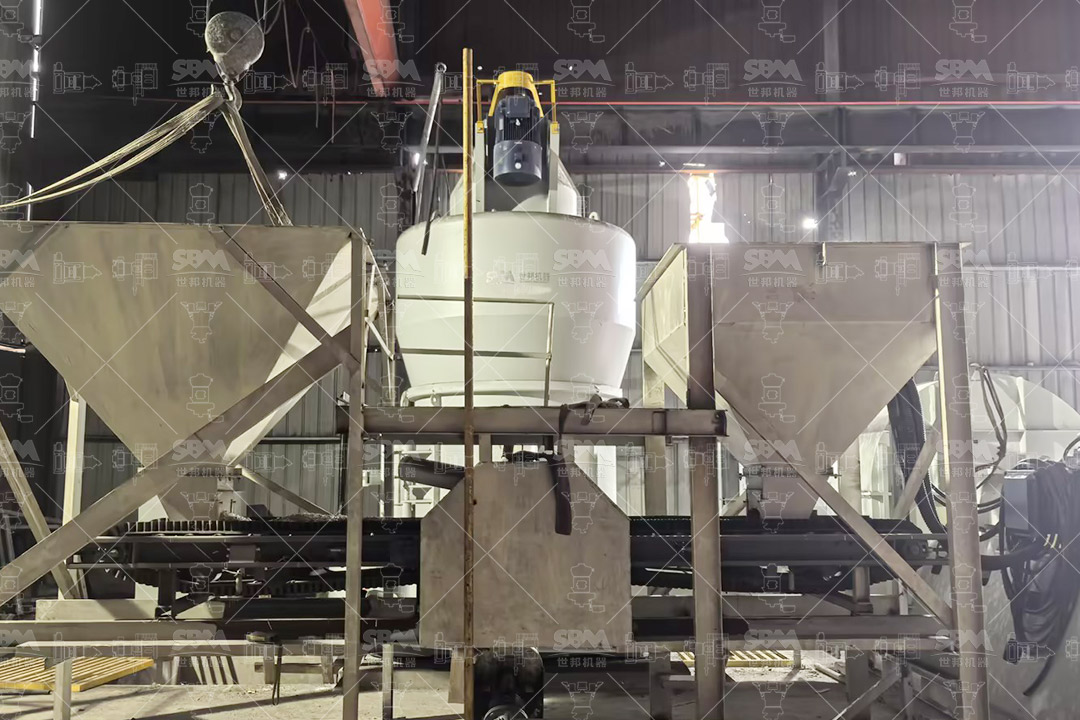
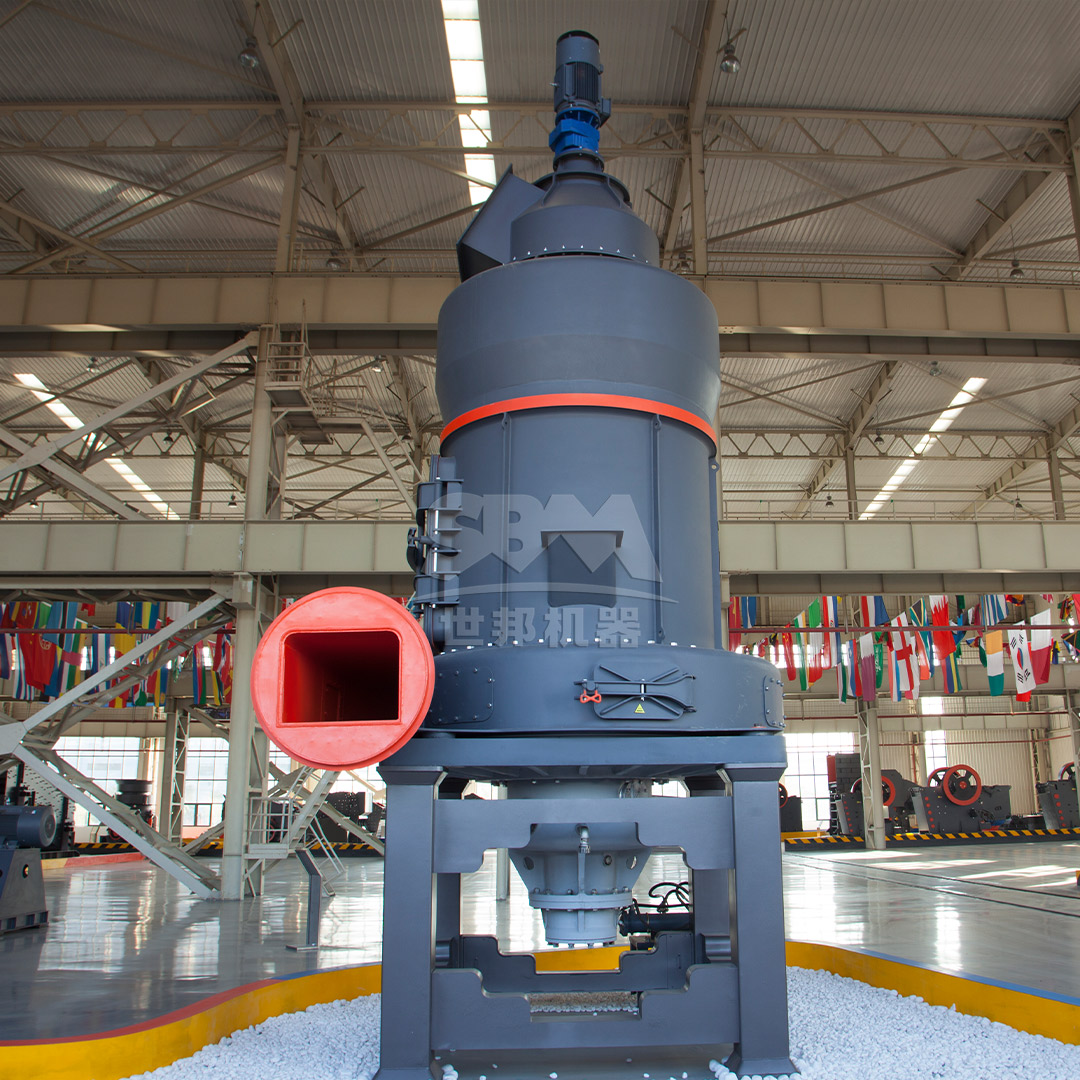
For high-capacity operations, the LM Series Vertical Roller Mill is an ideal choice. With capacities ranging from 3 to 250 tons per hour and fineness up to 600 mesh, it can handle large volumes of fly ash while maintaining precise product quality. Its integrated design combines crushing, grinding, and classification, reducing floor space by 50% and infrastructure costs by 40%.
Low Operating Cost: Non-contact design between rollers and table increases wear part life by 3x, and energy consumption is 30-40% lower than ball mill systems.
Intelligent Control: Expert-level auto-control system supports remote/local switching and real-time monitoring, reducing manual intervention.
Environmental Compliance: Fully sealed negative pressure operation ensures dust emission and noise levels are well below standards.
The main motor drives the grinding table via a reducer. Materials enter through the central feed port and spread evenly via centrifugal force. Grinding rollers apply pressure to crush the material layer; qualified fines are carried by hot air to the classifier, while coarse powder returns to the table for re-grinding.
| Model | Table Diameter (mm) | Capacity (t/h) | Fineness (μm) | Feed Size (mm) | Power (kW) |
|---|---|---|---|---|---|
| LM130K | 1300 | 10-28 | 170-40 | ≤38 | 200 |
| LM150K | 1500 | 13-38 | 170-40 | ≤40 | 280 |
| LM170K | 1700 | 18-48 | 170-40 | ≤42 | 400 |
| LM190K | 1900 | 23-68 | 170-40 | ≤45 | 500 |
| LM220K | 2200 | 36-105 | 170-45 | ≤50 | 800 |
| LM280K | 2800 | 50-170 | 170-45 | ≤50 | 1250 |
The MTM Series is a reliable and economical option for fly ash grinding. With capacities from 3 to 22 tons per hour and fineness adjustable from 45 to 325 mesh, it offers a cost-effective solution for small to medium-sized AAC plants.
Intelligent Pressure Regulation: Spring pressure system automatically compensates for roller wear, extending roller and ring life by 30%.
Innovative Roller Assembly: Horizontal pull-rod connection protects main shaft bearings, and radial force design handles large materials.
Damping & Noise Reduction: Dual reduction via damping springs and sealing strips, plus equipment resonance elimination technology.
Eco-friendly: Multi-stage dust collection options available, with emissions exceeding national standards.
The main motor drives the central axis via a gearbox. The arm assembly suspends the rollers to form a swing pivot. Shovels feed material into the gap between rollers and ring. Centrifugal force enables crushing. Airflow separates fines via the classifier; qualified powder is discharged, while coarse returns.
| Model | Rollers | Capacity (t/h) | Main Power (kW) | Fan Power (kW) |
|---|---|---|---|---|
| MTM100 | 4 | 3-8 | 37 | 37 |
| MTM130 | 5 | 6-11 | 75 | 75 |
| MTM160 | 6 | 9-22 | 132 | 132 |
Ball mills are traditional but still widely used for fly ash grinding. With capacities up to 450 tons per hour and fineness adjustable from 0.074 to 0.8 mm, they are suitable for large-scale continuous production. However, they generally consume more energy than vertical mills.
Wide Application: Dry/wet dual modes covering powder prep and mineral processing.
High Crushing Ratio: Ratio up to 300:1; fineness is continuously adjustable.
Large Capacity Design: Max effective volume for large-scale continuous production.
Stable & Reliable: Proven technical solution; downtime reduced by 40%.
The shell rotates via gear transmission. Material enters the grinding chamber via feed screw. Inner liners and steel balls are lifted by centrifugal force and dropped, crushing material via impact and attrition. Finished fines exit through the discharge grate.
| Model | Volume (m³) | Media (t) | Power (kW) | Capacity (t/h) |
|---|---|---|---|---|
| GMQG1530 | — | 8 | 75 | 12-2.8 |
| GMQG1835 | — | 16 | 160 | 25-5.8 |
| GMQG2445 | — | 37 | 400 | 55-10.5 |
| GMQG3236 | — | 52 | 560 | 190-19 |
| GMQY3660 | — | 102 | 1250 | 280-34 |
| GMQY3685 | — | 131 | 1500 | 400-45 |
For pre-crushing fly ash before fine grinding, the Hammer Mill offers a robust and efficient solution. With feed sizes up to 40mm and output sizes down to 3mm, it prepares the material for subsequent milling stages.
High Performance: High capacity and crushing ratio.
Stable Operation: Optimized cavity and unique principle.
Compact Structure: Small footprint, low investment cost.
Wear-resistant Liners: High manganese steel for long life.
Material is crushed by high-speed rotating hammers. Qualified particles pass through the bottom screen; others are re-crushed.
| Model | Capacity (t/h) | Power (kW) | Rotor Dimensions (mm) | Hammers |
|---|---|---|---|---|
| PC4008-75 | 8-15 | 75 | Φ750×800 | 18 |
| PC4012-90 | 15-40 | 90 | Φ900×1200 | 32 |
| PC4015-132 | 40-70 | 132 | Φ1150×1500 | 32 |
The LUM Ultrafine Vertical Roller Mill is designed for producing ultrafine fly ash with high efficiency. With fineness up to 2500 mesh and capacities from 1.6 to 15 tons per hour, it is an excellent choice for high-value applications.
Efficient Grinding: Unique roller/liner curves improve efficiency.
Precise Classifying: Multi-rotor tech, no coarse particles.
Smart Control: PLC automation for stable running.
Environmental: Negative pressure, no dust leakage.
| Model | Power (kW) | Capacity (t/h) | Fineness (μm) |
|---|---|---|---|
| LUM1525 | 220-250 | 1.6-11.5 | 5-30 |
| LUM1632 | 280-315 | 2-13.5 | 5-30 |
| LUM1836 | 355-400 | 2.3-15 | 5-30 |
The MRN Pendulum Mill is a versatile grinding solution for fly ash, offering fineness from 30 to 325 mesh and capacities up to 83 tons per hour. Its thin oil lubrication system and efficient collector make it a reliable choice for continuous operation.
Thin Oil Lubrication: First-in-class maintenance-free design.
Efficient Collector: Square pipes reduce resistance.
Pulse Dust Collector: Automatic, eco-friendly operation.
Scientific Config: New classifier + isolated cyclone reduces energy.
| Model | Rollers | Power (kW) | Capacity (t/h) |
|---|---|---|---|
| MB5X98 | 3-4 | 82.5-92.5 | 2.7-6.5 |
| MB5X298 | 4-6 | 1247-1407 | 48-83 |
For pre-grinding applications in cement and fly ash processing, the LM-Y Series offers high capacity and low energy consumption. With capacities from 6 to 330 tons per hour, it can significantly reduce the load on downstream mills.
Multi-functional: Integrated sand making and grinding.
Low Energy: Bed grinding principle, 30-50% less power.
High Quality: Excellent sand grading and controllable fines.
Easy Maintenance: Hydraulic system for quick roller change.
| Model | Table Diameter (mm) | Power (kW) | Capacity (t/h) |
|---|---|---|---|
| LM150Y | 1500 | 280 | 6-10 |
| LM340Y | 3400 | 2500 | 80-100 |
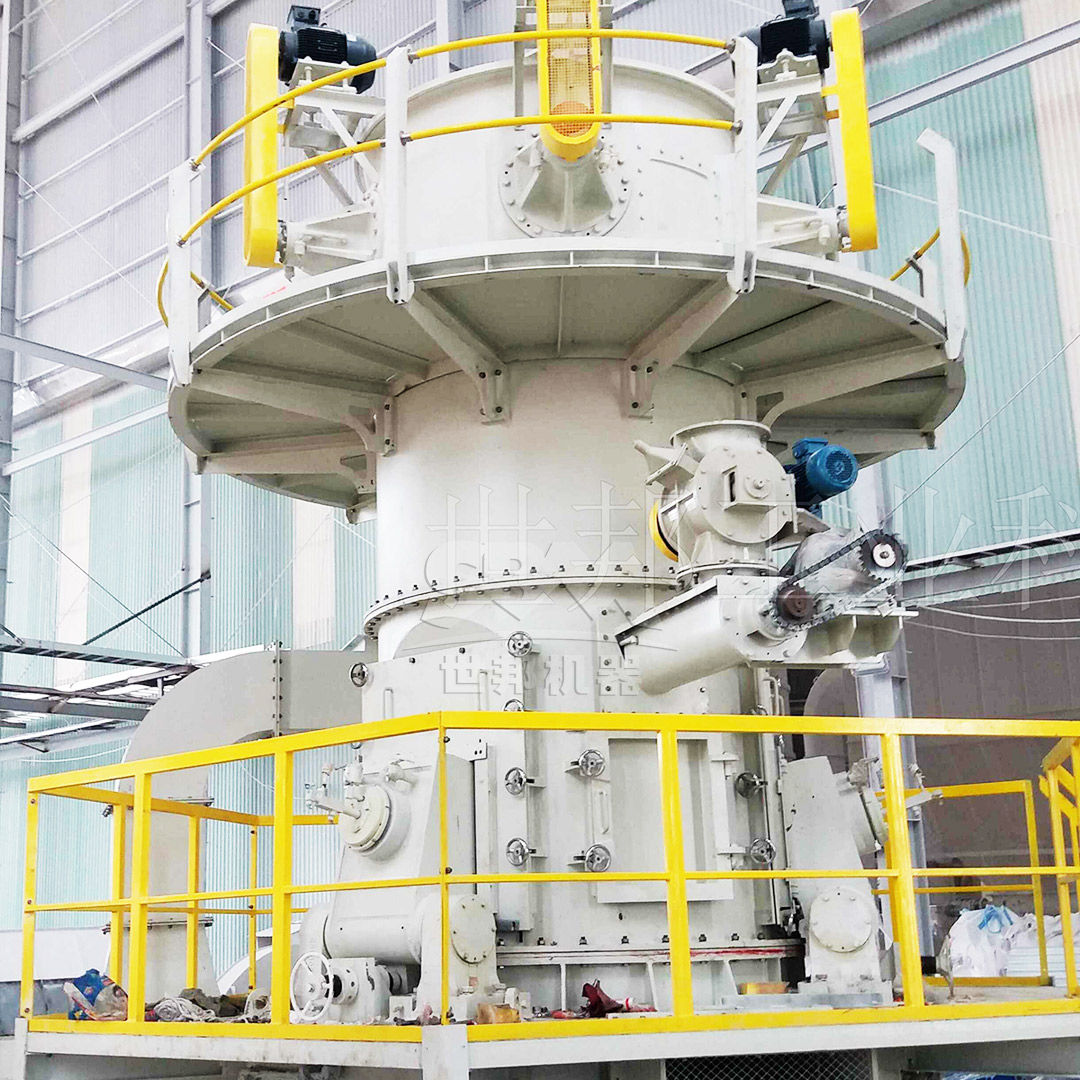
Choosing the appropriate milling equipment for fly ash processing in aerated concrete production depends on several factors: required fineness, production capacity, energy consumption, and available space. For ultrafine grinding, the SCM Series Ultrafine Mill and LUM Ultrafine Vertical Roller Mill are excellent choices. For medium to high capacities with precise classification, the MTW Series European Trapezium Mill and LM Series Vertical Roller Mill offer outstanding performance. Traditional ball mills remain viable for large-scale operations where energy costs are less critical. Our company provides a full range of milling solutions to meet the diverse needs of the AAC industry. By selecting the right equipment, manufacturers can optimize their production processes, reduce costs, and produce high-quality aerated concrete products. For more information on specific models and customized solutions, please contact our technical team.