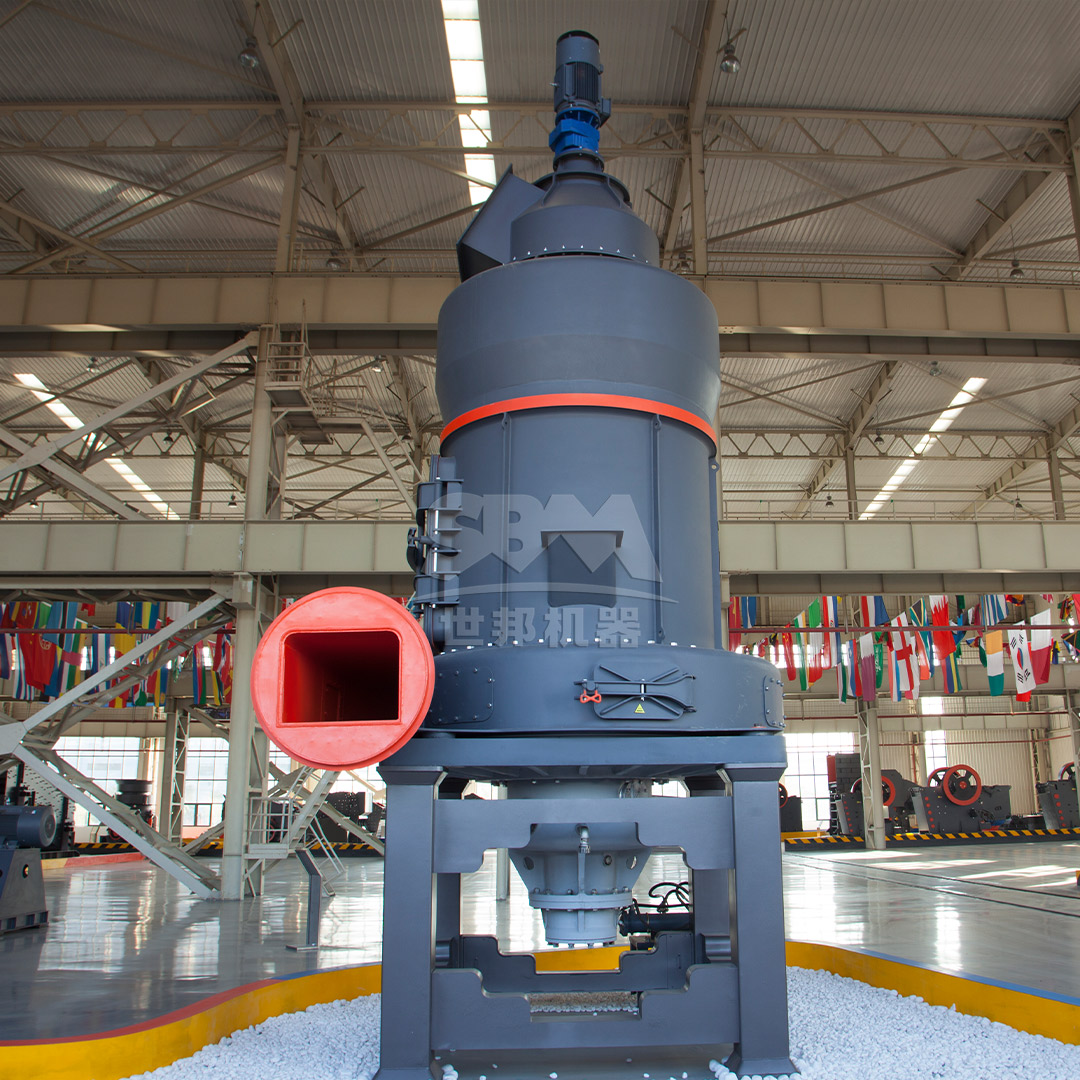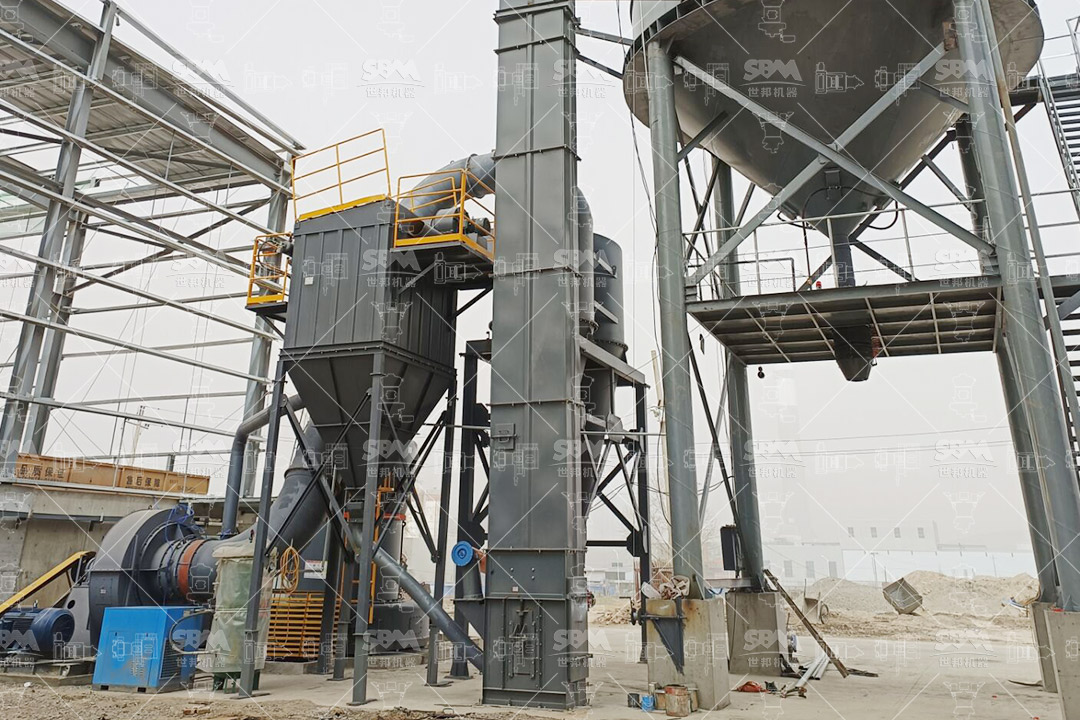
Titanium-bearing minerals, primarily rutile (TiO2) and ilmenite (FeTiO3), are indispensable in the formulation of high-quality welding electrode coatings. They serve multiple essential functions: stabilizing the arc, improving slag detachability, enhancing bead appearance, and reducing spatter. As the global welding industry demands higher efficiency and better weld quality, the particle size distribution (PSD) and purity of titanium-based coating materials have become critical quality parameters. Whether you are producing E6013, E7018, or specialized stainless steel electrodes, the performance of your coating depends heavily on the comminution and classification equipment used to process rutile, ilmenite, or synthetic titanates. This buyer’s guide explores the key equipment considerations for titanium processing in welding electrode applications and introduces two robust solutions from our portfolio: the SCM Series Ultrafine Mill and the MTW Series European Trapezium Mill.
Welding electrode coatings are complex mixtures of minerals, ferroalloys, and binders. Titanium dioxide (rutile) is the most common arc stabilizer and slag former. For optimal performance, rutile must be ground to a fine and consistent particle size—typically 200 to 325 mesh (45–75 μm) for standard electrodes, and even finer (down to 5–10 μm) for high-end or specialized applications. Inconsistent particle size leads to poor arc stability, uneven slag coverage, and increased fume generation. Moreover, titanium minerals can be abrasive, requiring wear-resistant equipment to minimize maintenance downtime. Therefore, selecting the right mill involves balancing fineness, capacity, energy consumption, and wear life.
The required fineness for welding electrode coatings varies. For general-purpose electrodes, a grind of 90% passing 200 mesh is common. For premium products, finer grinding (e.g., 95% passing 325 mesh) is specified. Ultrafine mills are recommended when a significant portion of the product must be below 45 μm.
Production scales range from laboratory batches to hundreds of tons per hour. Buyers should consider current and future capacity needs. Equipment with modular designs and adjustable parameters allows for easier scaling.
Iron contamination from wear parts can adversely affect weld chemistry. Mills with special wear-resistant materials (e.g., ceramic or high-chrome alloys) and minimal metal-to-metal contact are preferred.
Grinding is energy-intensive. Mills that offer high grinding efficiency and low specific power consumption (kWh/t) significantly reduce operating costs. Advanced classification systems also prevent over-grinding, saving energy.
Abrasive titanium minerals wear out grinding elements quickly. Quick-change roller assemblies, durable liners, and effective lubrication systems reduce downtime and maintenance costs.
Dust and noise emissions must be controlled. Integrated pulse-jet dust collectors and soundproof enclosures are essential for regulatory compliance and worker safety.
When your formulation demands ultrafine titanium dioxide (e.g., for specialized electrode coatings or titania-based slag systems), the SCM Series Ultrafine Mill is an ideal choice. It is designed to produce powders in the 325–2500 mesh (45–5 μm) range with exceptional consistency.
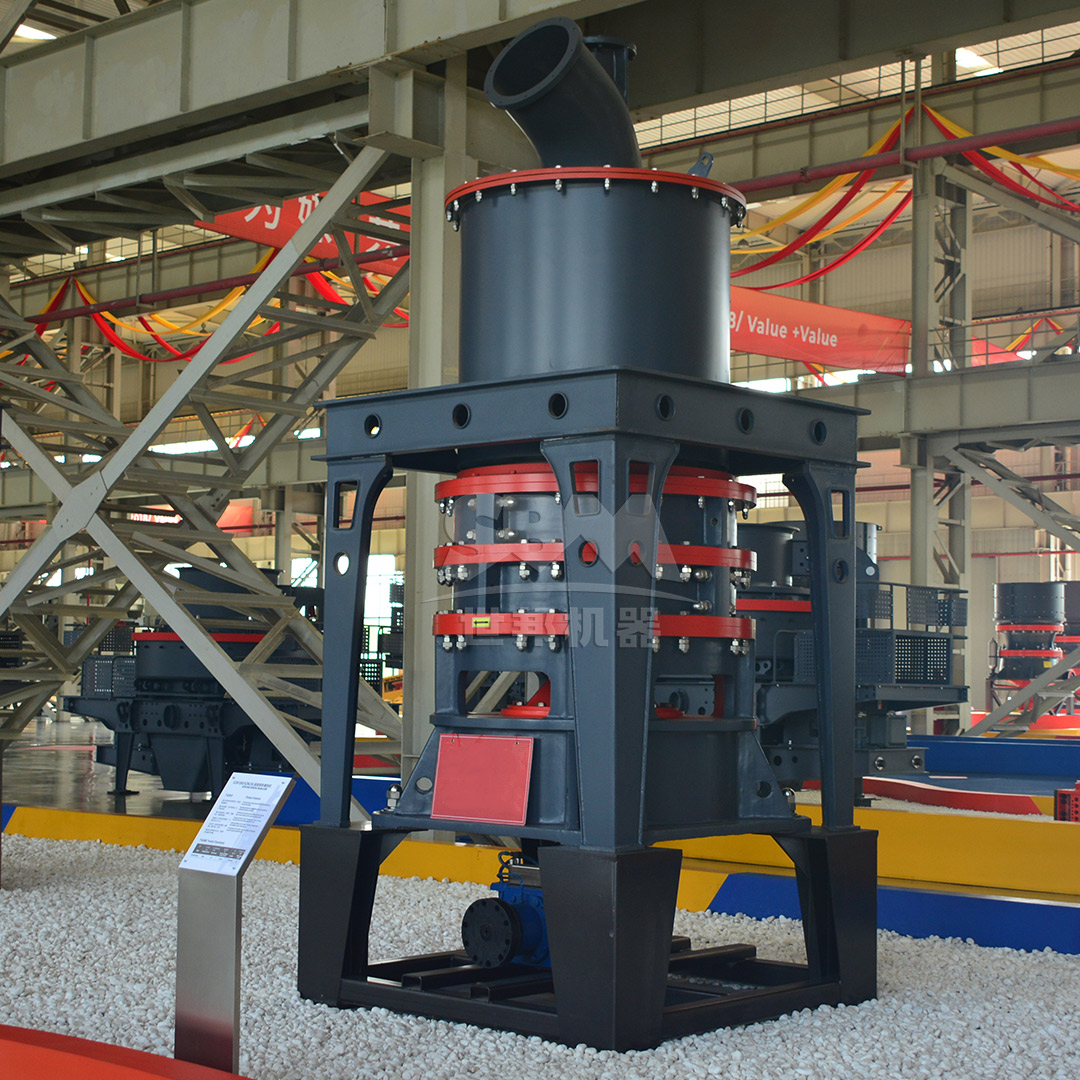
Key advantages for titanium processing:
With models ranging from SCM800 (0.5–4.5 t/h) to SCM1680 (5–25 t/h), the SCM Series can be scaled to meet both small and large production requirements. Its intelligent control system with automatic fineness feedback ensures stable product quality, batch after batch.
For standard welding electrode coatings where a fineness of 100–325 mesh is sufficient, the MTW Series European Trapezium Mill offers an excellent balance of capacity, efficiency, and cost-effectiveness.
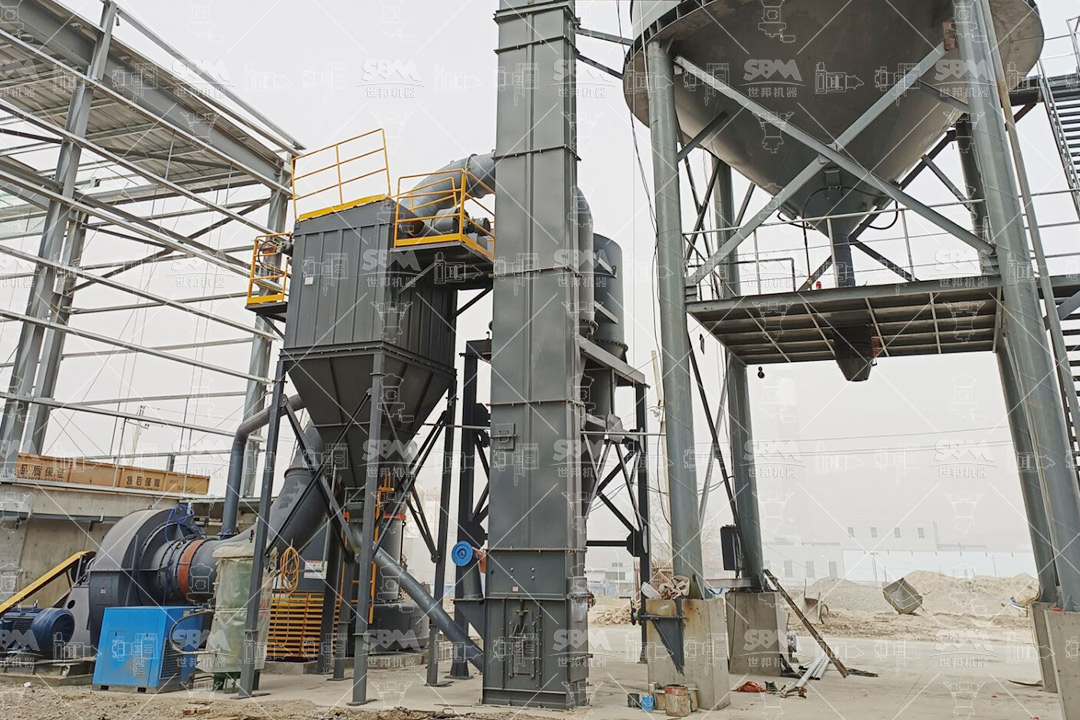
Key advantages for titanium processing:
The MTW Series offers models from MTW110 (3–9 t/h) to MTW215G (15–45 t/h), making it suitable for medium to large-scale electrode coating production lines. Its patented internal suction oil lubrication system ensures reliable operation even in dusty environments.
| Feature | SCM Series Ultrafine Mill | MTW Series European Trapezium Mill |
|---|---|---|
| Fineness Range | 325–2500 mesh (45–5 μm) | 30–325 mesh (down to 0.038 mm) |
| Capacity Range | 0.5–25 t/h | 3–45 t/h |
| Best Suited For | Ultrafine, high-precision applications | Standard to fine grinding, high capacity |
| Classification | Vertical turbine classifier, precise cut | Optimized arc air duct, high efficiency |
| Wear Protection | Special material rollers/rings | Combined shovel blades, curved rollers |
| Energy Efficiency | 30% lower than jet mills | High transmission efficiency (98%) |
Proper installation and operation are critical to achieving the desired product quality and equipment longevity. Titanium minerals should be fed at a consistent rate to avoid overload. The grinding system should be equipped with a metal detector to remove tramp metal that could damage the mill. Regular inspection of wear parts (rollers, rings, liners) is essential, especially when processing abrasive ilmenite. For ultrafine grinding with the SCM Series, a controlled feed size (≤20 mm) ensures optimal grinding efficiency. Both mills can be integrated with pneumatic conveying and storage silos for a fully automated coating preparation line.
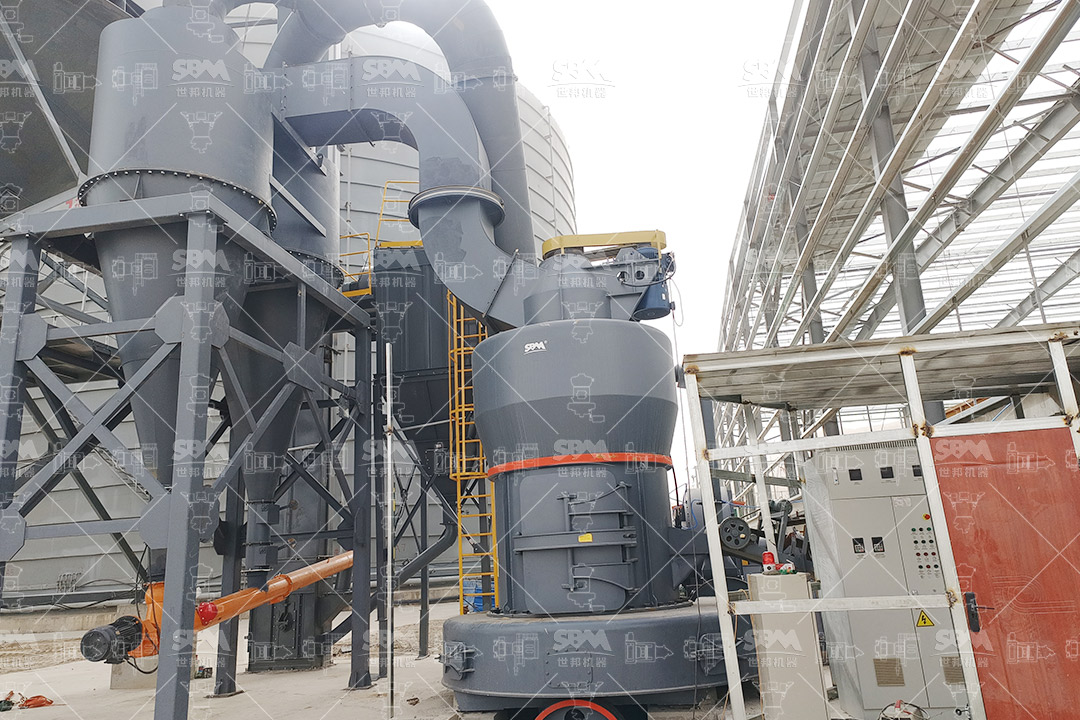
Selecting the right titanium processing equipment is a strategic decision that impacts product quality, production efficiency, and operating costs. The SCM Series Ultrafine Mill excels when ultrafine, consistent particle size is required for premium welding electrodes. The MTW Series European Trapezium Mill offers a versatile, high-capacity solution for standard electrode coatings. Both are backed by our commitment to innovation, durability, and environmental responsibility. We invite you to consult with our technical team to determine the optimal configuration for your specific titanium material and production goals. With the right equipment, you can achieve superior welding electrode performance and a competitive edge in the market.