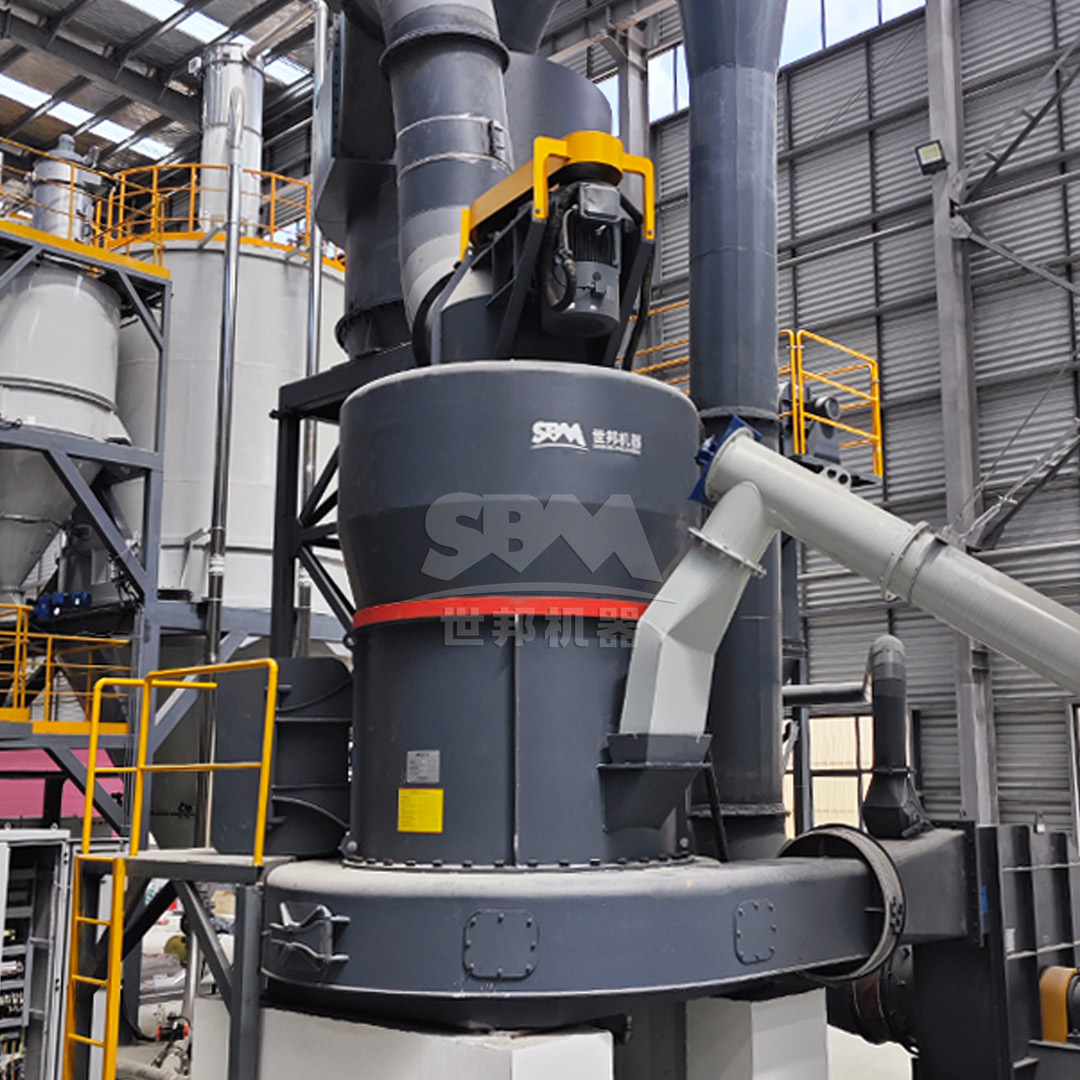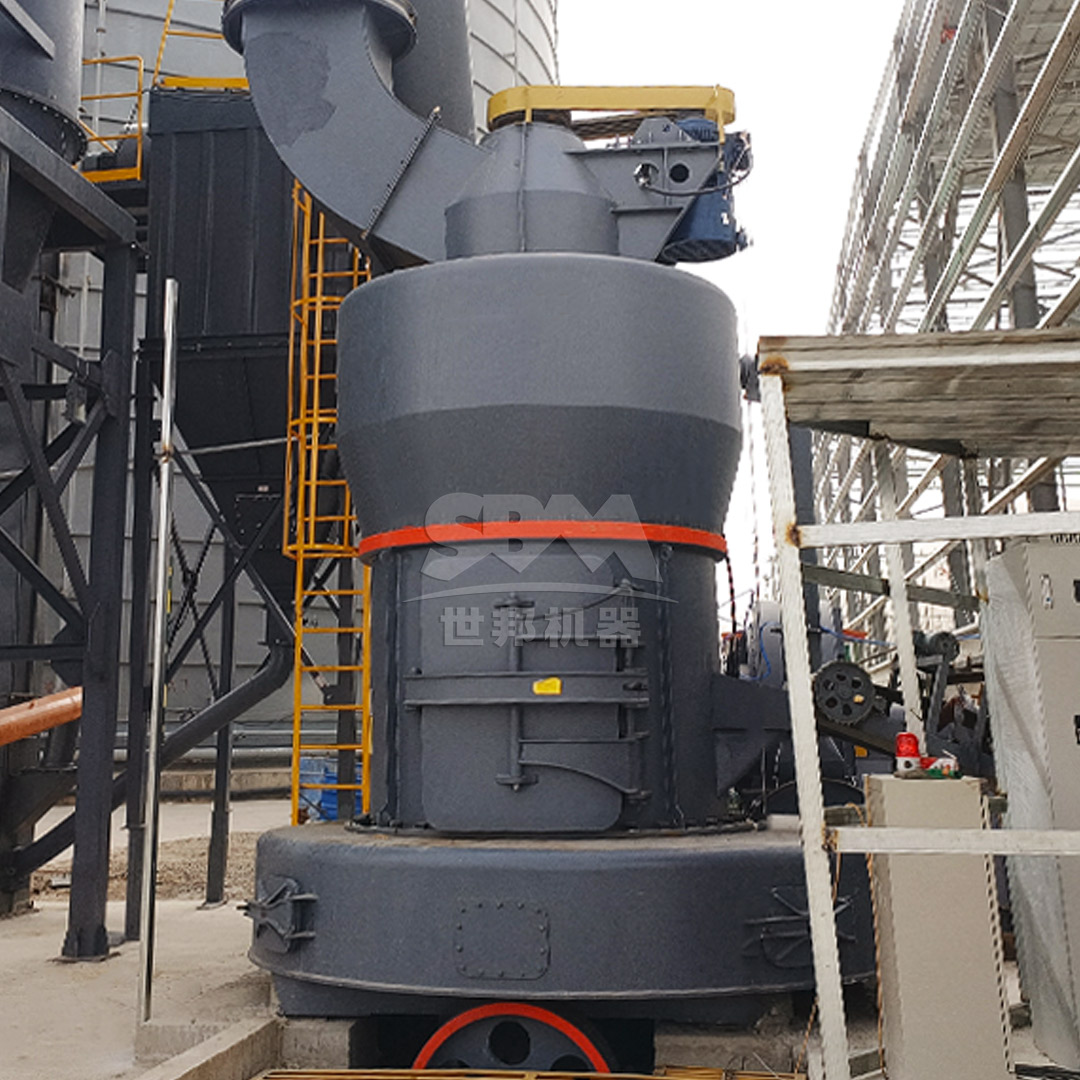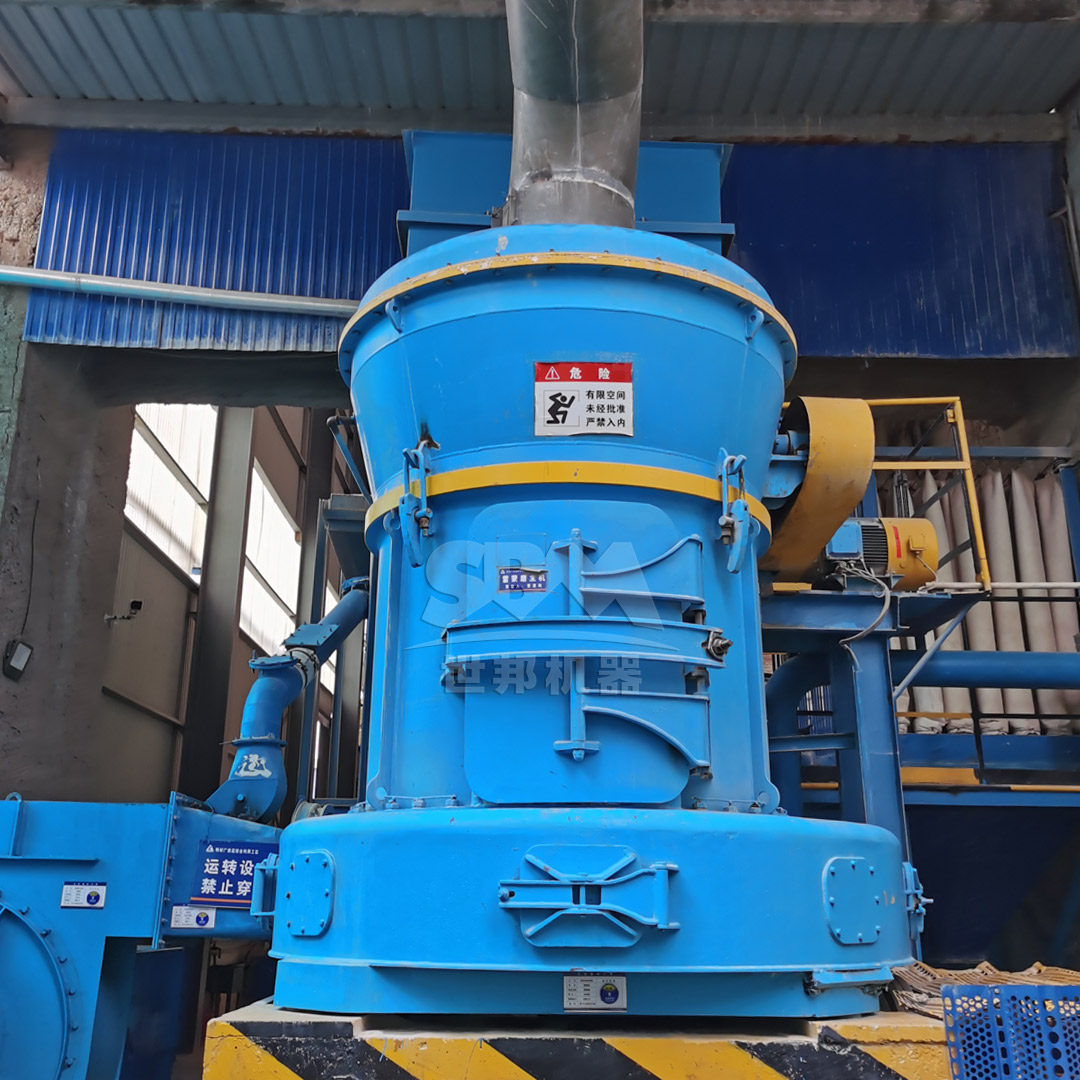
The ceramics industry demands ultra-fine talc powders with consistent particle size distribution to achieve superior product quality. This article explores cutting-edge grinding technologies and highlights our flagship SCM Ultrafine Mill and MTW Series Trapezium Mill as optimal solutions for high-precision talc processing.
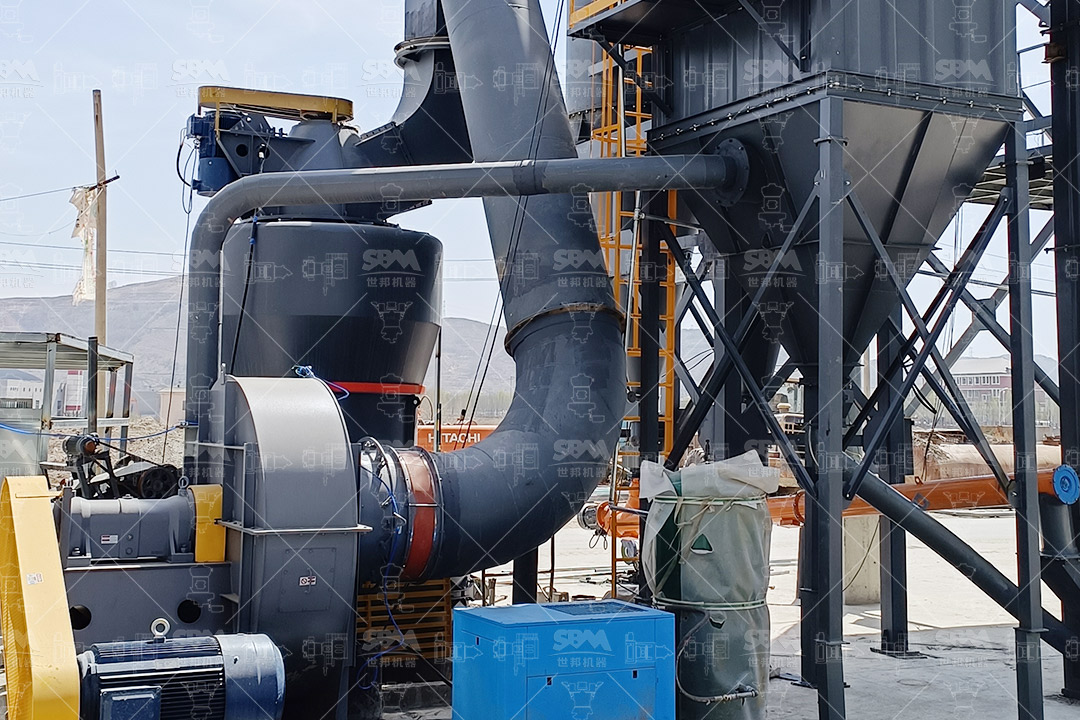
With Mohs hardness of 1 and layered crystal structure, talc requires specialized grinding approaches to preserve its platelet morphology while achieving micron-scale fineness.
| Property | Value | Grinding Requirement |
|---|---|---|
| Hardness | 1 Mohs | Low-energy comminution |
| Specific Gravity | 2.7-2.8 | Efficient air classification |
| Platelet Structure | Layered silicate | Shear-dominant grinding |
Successful talc processing requires precise control over three fundamental parameters:
Our SCM Ultrafine Mill achieves D97≤5μm through its patented vertical turbine classifier:
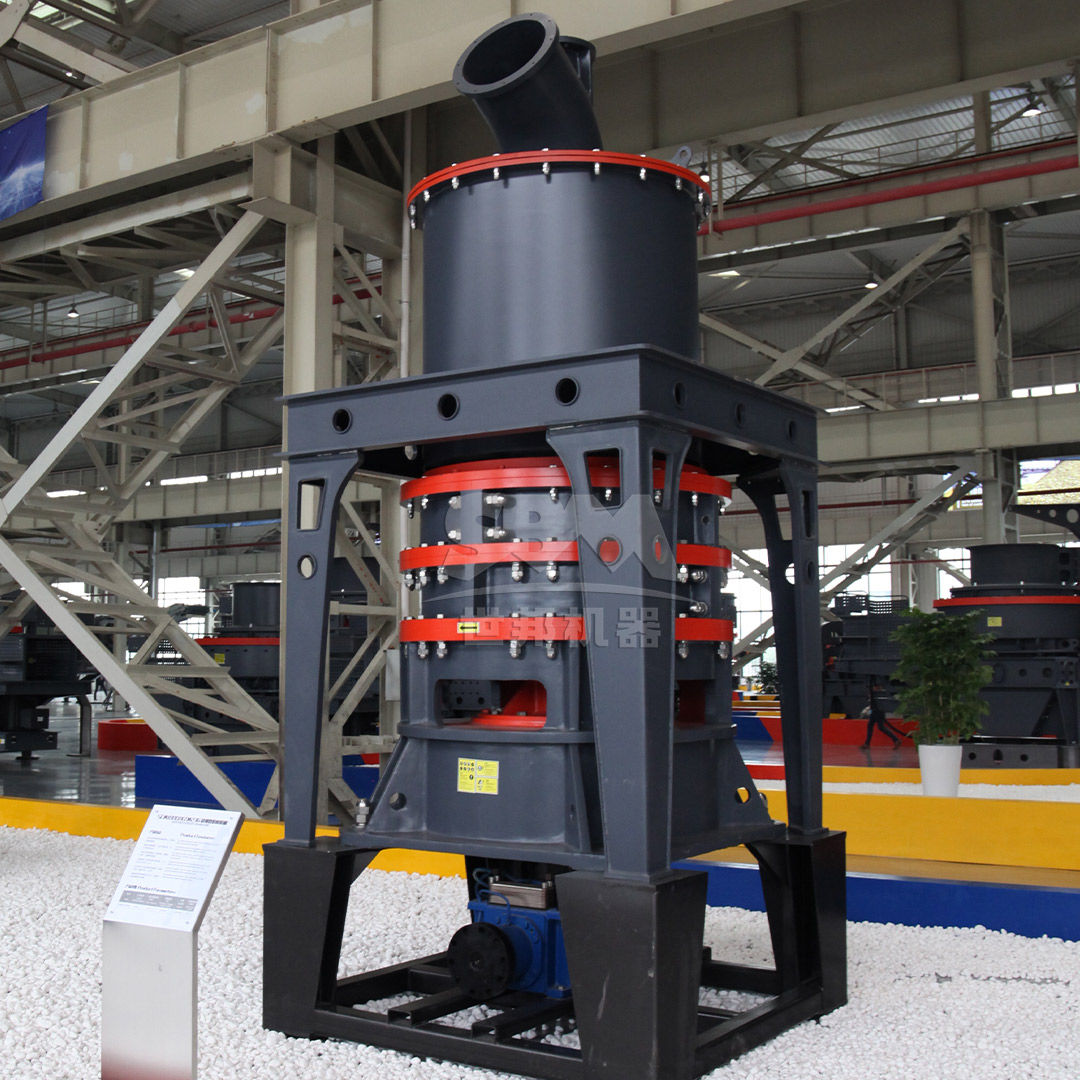
The MTW Series Trapezium Mill delivers industry-leading capacity:
For ceramics-grade talc production, we recommend:
| Application | Recommended Model | Key Advantage |
|---|---|---|
| High-purity ceramic slips | SCM1000 Ultrafine Mill | 5μm guaranteed fineness |
| Mass production bodies | MTW215G Trapezium Mill | 45 ton/h capacity |
A leading producer achieved 30% reduction in glaze defects after installing our SCM800 mill, featuring:
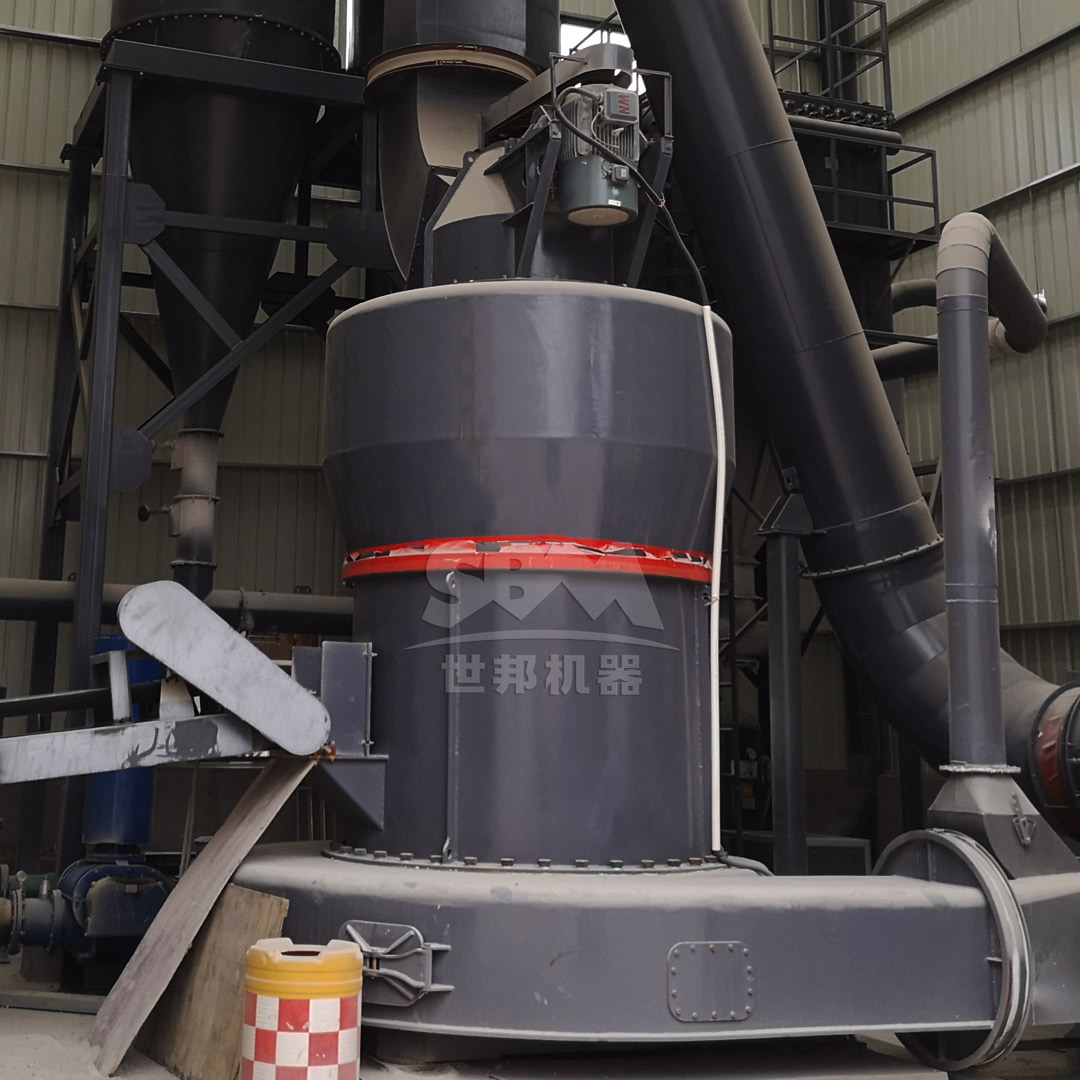
Emerging requirements include:
Our grinding solutions continue to evolve with these industry demands, maintaining leadership through continuous R&D investment.