Magnesite (MgCO₃) is a critical mineral resource widely used in refractories, chemical industries, construction materials, and environmental protection. After calcination, magnesite produces caustic calcined magnesia (CCM) or dead burned magnesia (DBM), which are essential for manufacturing high-temperature furnace linings, magnesium fertilizers, and magnesium-based chemicals. For many industrial applications, producing a consistent 100-mesh (approximately 150-micron) magnesite powder is a fundamental requirement. Achieving this fineness efficiently and cost-effectively depends entirely on selecting the right grinding mill. This article provides a comprehensive guide to choosing the appropriate equipment for 100-mesh magnesite powder production, focusing on key factors such as feed size, capacity, energy efficiency, and final product quality.
Before selecting a grinding mill, it is crucial to understand the physical and chemical properties of magnesite. Magnesite typically has a Mohs hardness of 3.5 to 4.5, making it a relatively soft mineral but abrasive due to its crystalline structure. Its specific gravity ranges from 3.0 to 3.2 g/cm³. The material can contain impurities such as silica, calcium carbonate, and iron oxides, which affect grinding performance and wear rates. Feed size from primary crushing typically ranges from 10mm to 50mm. For 100-mesh production, the target P80 (80% passing size) is approximately 150 microns. The choice of mill must account for these characteristics to minimize operational costs and maximize throughput.
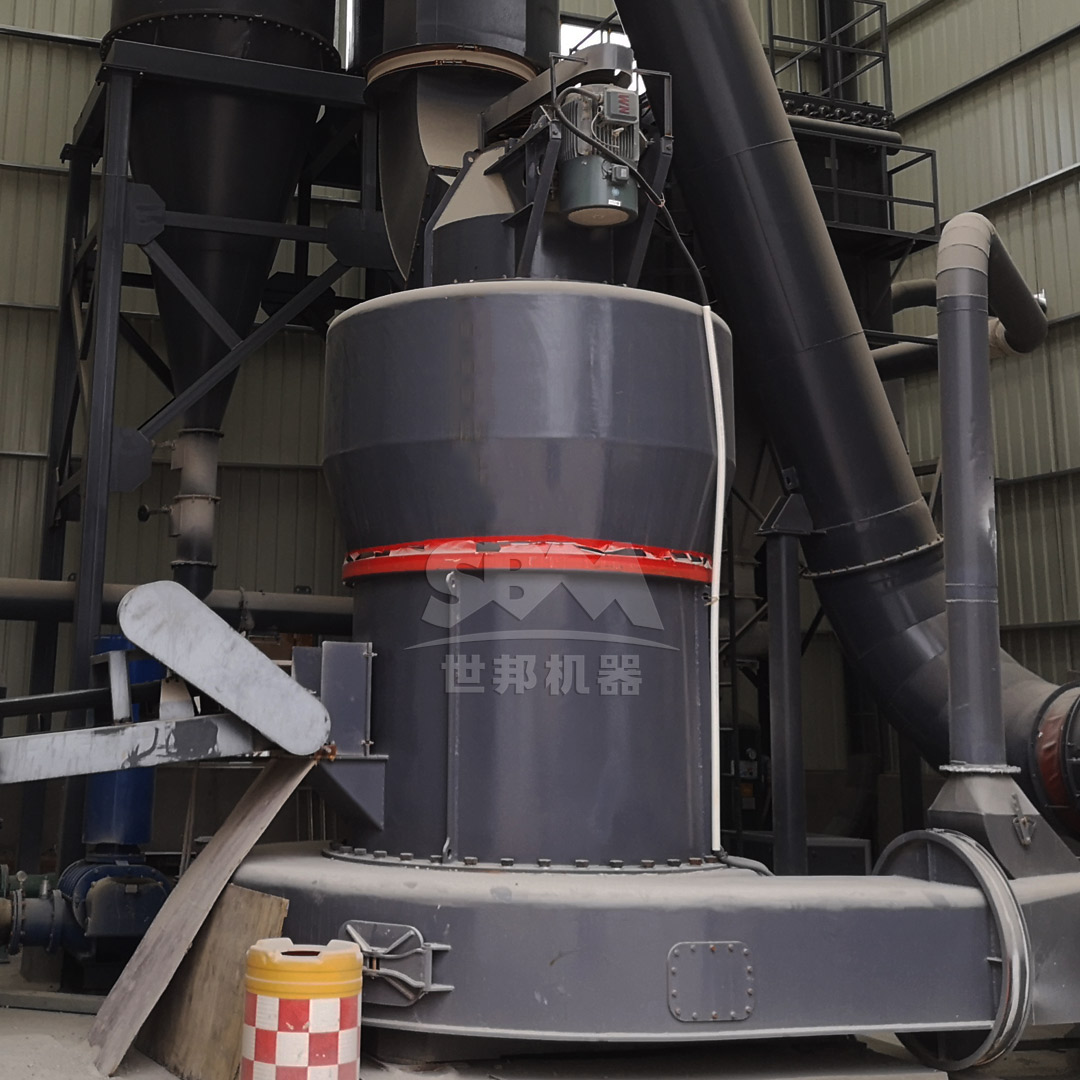
The maximum feed size a mill can accept directly influences the need for secondary crushing equipment. For magnesite, mills with larger feed openings reduce upfront crushing stages. For instance, the MTW Series European Trapezium Mill can accept feed sizes up to 50mm, eliminating the need for fine secondary crushers in many cases. In contrast, mills like the SCM Ultrafine Mill require feed below 20mm, demanding additional pre-processing. For 100-mesh production, a mill that can handle larger feed simplifies the overall plant layout and reduces capital expenditure.
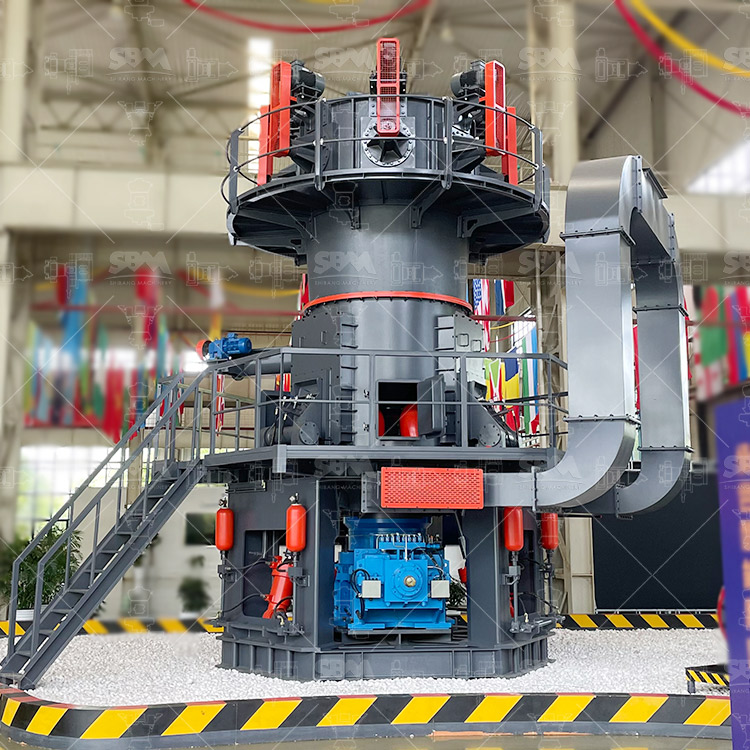
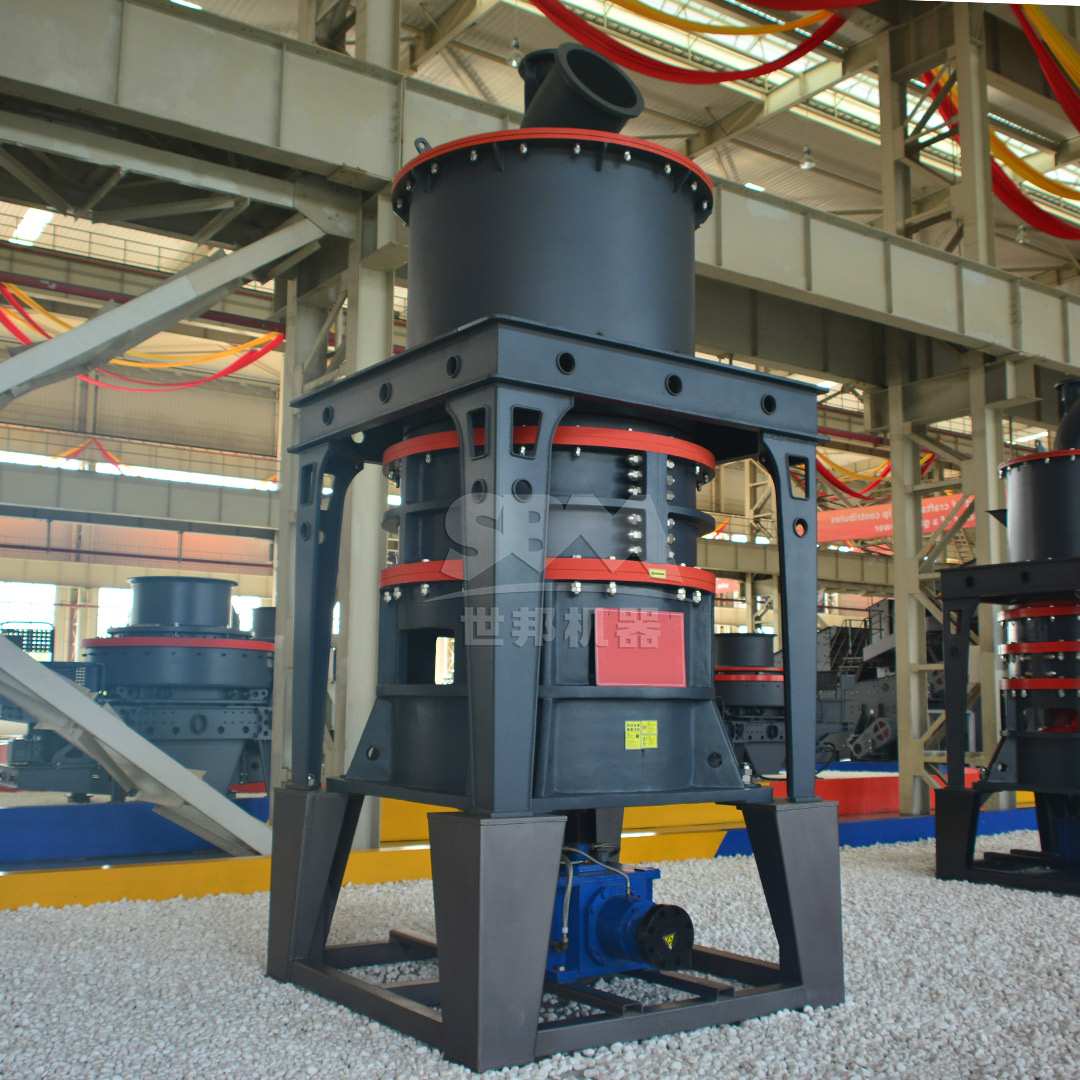
While 100-mesh (150 microns) is the target, many processes require a narrow particle size distribution to ensure consistent reactivity or density. Mills equipped with high-precision classifiers are essential. The classifier’s ability to cut particles sharply without coarse contamination ensures product quality. For magnesite, excessive fines can lead to dust issues and reduced yield, while oversize particles compromise product specifications. Both the SCM Series Ultrafine Mill and LM Series Vertical Roller Mill utilize advanced vertical turbine classifiers that achieve precise particle size control.
Scalability is critical for commercial magnesite processing. Capacity requirements vary from small-scale (a few tons per hour) to large industrial operations (over 100 tons per hour). Selecting a mill model that matches your target throughput without oversizing is essential for energy efficiency. Below is a comparison of capacity ranges for relevant mill types at 100-mesh fineness:
| Mill Type | Typical Capacity Range (t/h) | Best Application at 100-Mesh |
|---|---|---|
| SCM Ultrafine Mill | 0.5 – 25 | High-fineness, small to medium capacity |
| MTW European Trapezium Mill | 3 – 45 | Medium to large capacity, robust design |
| LM Vertical Roller Mill | 3 – 250 | Large-scale continuous production |
| MTM Medium-speed Trapezium Mill | 3 – 22 | Medium capacity, cost-effective |
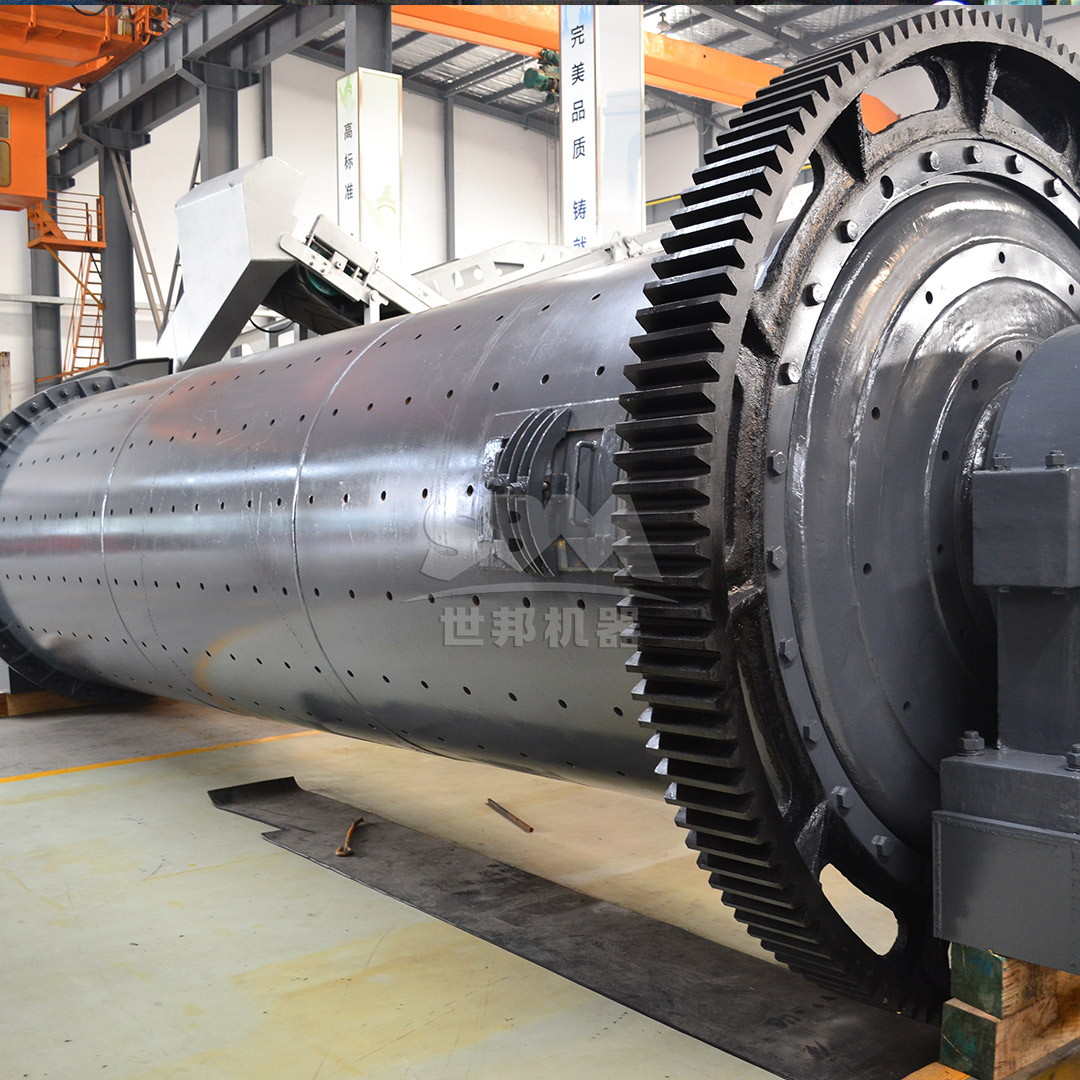
| Ball Mill | 0.65 – 450 | Very large capacity, coarse grinding |
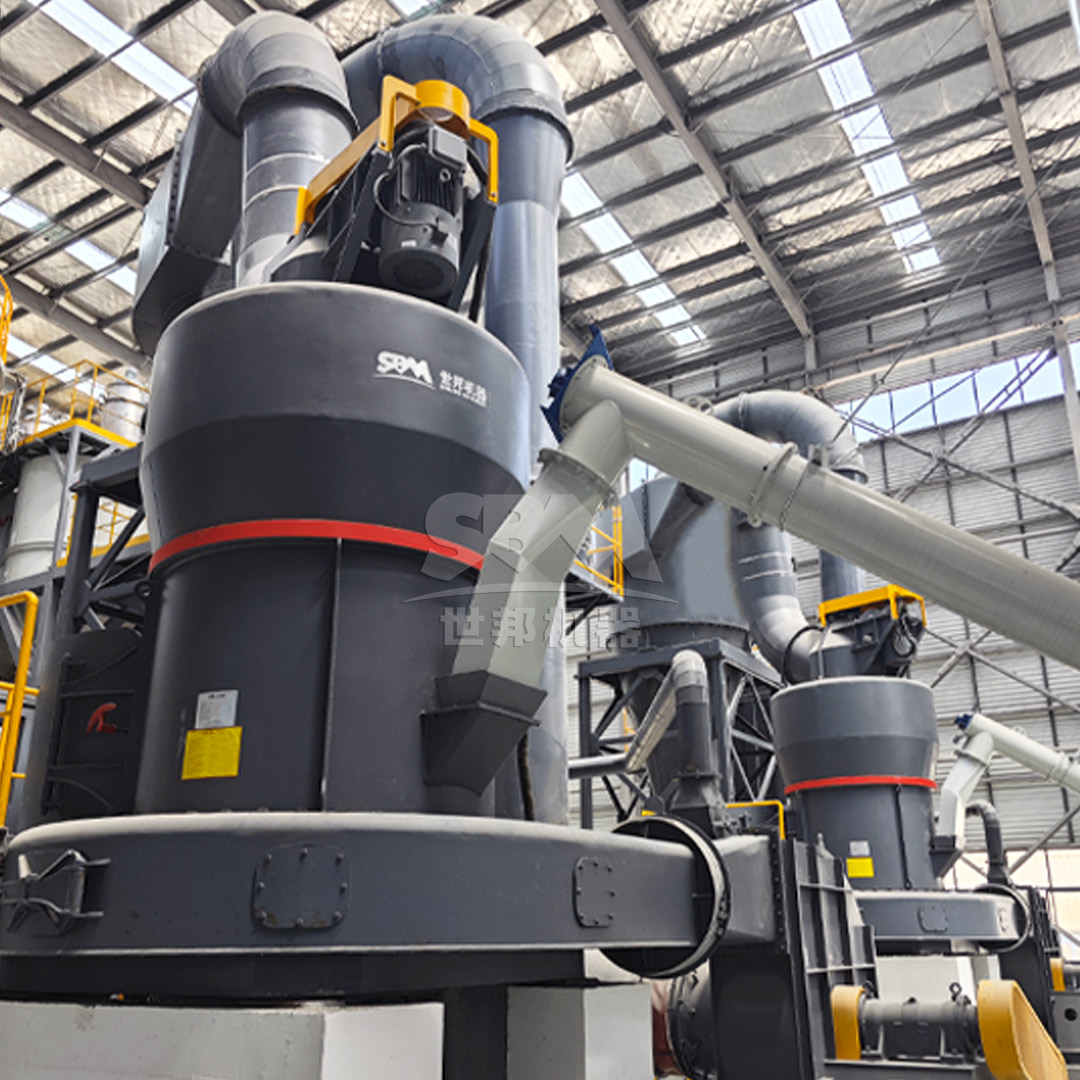
Based on the key selection criteria, we recommend two exceptional solutions from our product portfolio that are ideally suited for 100-mesh magnesite powder production. These mills combine high efficiency, durability, and precise classification to meet the demands of modern mineral processing.
The MTW Series is an excellent choice for magnesite producers requiring capacities from 3 to 45 tons per hour. Its patented technologies directly address the challenges of grinding magnesite:
For a typical 100-mesh application with a feed size of 30-40mm, the MTW138Z or MTW175G models offer an optimal balance of throughput and fineness control. The MTW series operates reliably with a fineness range of 30-325 mesh, making it versatile for future product adjustments.
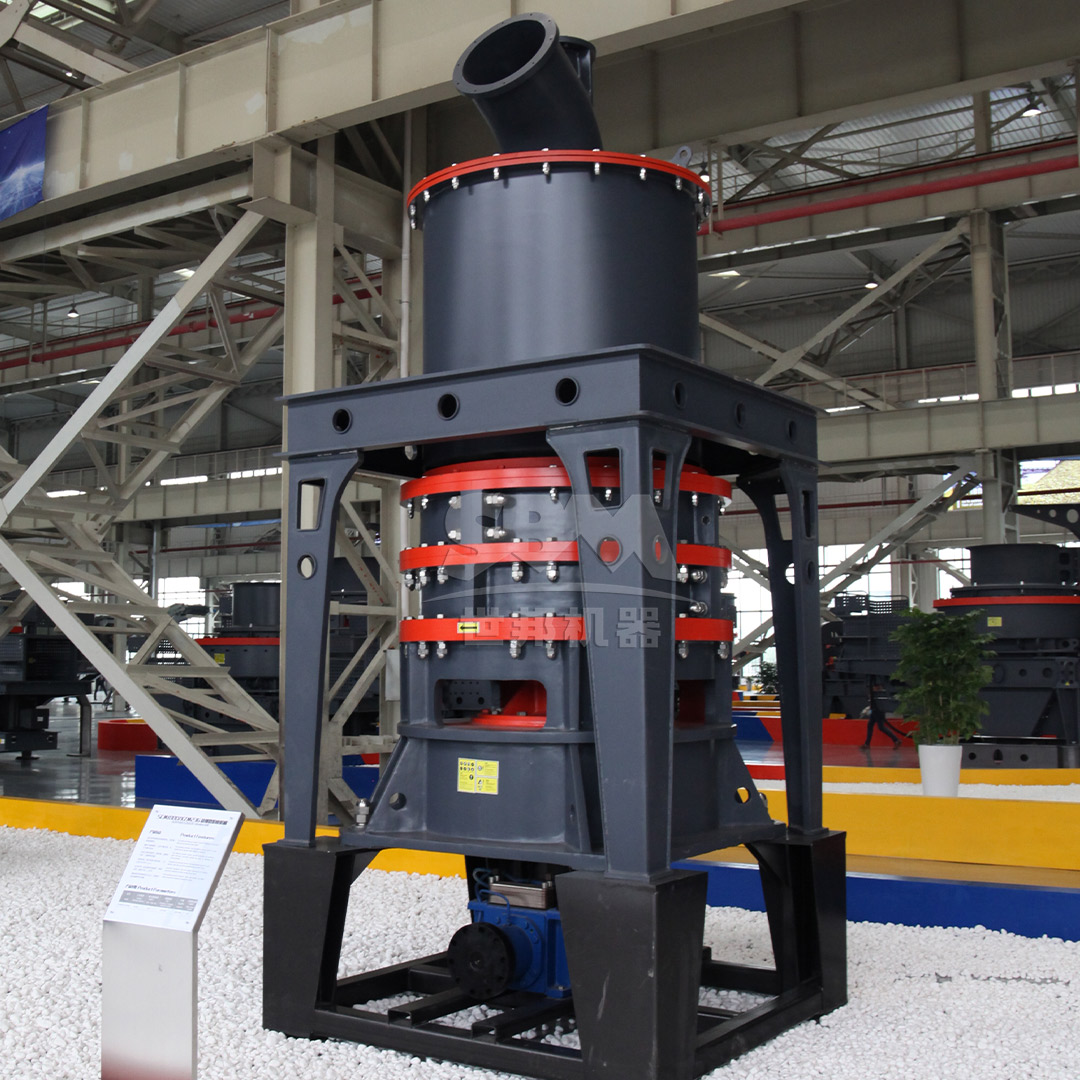
When the priority is achieving an exceptionally consistent 100-mesh powder with minimal oversize particles, the SCM Series Ultrafine Mill is unmatched. Although designed for finer ranges (325-2500 mesh), it performs exceptionally well at 100-mesh with the following advantages:
For 100-mesh production, the SCM1000 or SCM1250 models are ideal, providing capacities from 1.0 to 14 t/h while maintaining superior product quality. The intelligent control system automatically adjusts parameters to maintain consistent fineness.
Magnesite can contain varying moisture levels depending on mining and storage conditions. For dry grinding mills, feed moisture should be kept below 5-6% to prevent material buildup in the grinding chamber and classifier. If moisture is high, consider integrating a hot air drying system with the mill. The LM Series Vertical Roller Mill is particularly well-suited for combined drying and grinding, as it uses hot air to convey and classify material simultaneously.
Despite magnesite’s moderate hardness, its crystalline nature causes abrasive wear on grinding elements. Mills with specialized wear-resistant materials and easy-access maintenance features are preferable. The MTW series’ combined shovel blades and the SCM series’ special material rollers significantly reduce the frequency of replacement. Implementing a preventive maintenance schedule for rollers, rings, and classifier blades will maximize uptime.
Energy costs represent a substantial portion of grinding operations. Choosing a mill with a lower specific energy consumption (kWh per ton) is critical. The LM Vertical Roller Mill achieves 30-40% lower energy consumption compared to traditional ball mill systems. Similarly, the SCM series offers 30% energy savings over jet mills. For 100-mesh magnesite, these savings accumulate rapidly in continuous production.
Selecting the right grinding mill for 100-mesh magnesite powder production requires a careful evaluation of feed characteristics, target capacity, and desired product quality. The MTW Series European Trapezium Mill stands out for robust, high-capacity operations with feed sizes up to 50mm, offering excellent durability and efficiency. For applications demanding exceptional particle size uniformity and the potential to produce finer grades in the same machine, the SCM Series Ultrafine Mill provides superior classification and energy savings. Both mills from our portfolio are engineered to deliver reliable performance, low operating costs, and environmental compliance. We invite you to consult with our application engineers to evaluate your specific magnesite characteristics and production targets, ensuring you select the optimal configuration for long-term success.