Magnesite, a key raw material for refractory materials, magnesium chemicals, and construction applications, requires precise milling to achieve the desired fineness and particle size distribution. Among the various specifications, 150 mesh (approximately 100 micrometers) is a commonly demanded fineness grade for applications such as basic refractories, magnesium oxide production, and soil conditioners. Selecting the right grinding equipment is critical to achieving high throughput, consistent quality, and low operating costs. This guide provides a comprehensive overview of the essential factors to consider when choosing equipment for producing 150 mesh magnesite powder, highlighting key technical features that ensure optimal performance.
The production of 150 mesh magnesite powder involves several stages, including primary crushing, drying (if required), grinding, and classification. The grinding stage is the most energy-intensive and performance-critical step. Manufacturers must choose between different mill types based on their feed size, capacity requirements, and final product specifications. Modern milling technologies offer solutions ranging from medium-speed mills for coarse to medium fineness to ultrafine mills for more demanding applications. Understanding the working principles and advantages of each type is the first step toward making an informed investment.
Choosing the appropriate milling equipment for 150 mesh magnesite powder involves evaluating several interrelated factors. Here are the most critical ones:
The physical and chemical properties of the magnesite ore directly influence mill selection. Key parameters include feed size (usually < 30-50mm after primary crushing), moisture content (which should be below 5-6% for dry milling), and abrasiveness. Magnesite is a moderately hard mineral, so equipment with wear-resistant components is essential to maintain operational efficiency and minimize downtime.
Hourly throughput is a primary determinant of mill size and configuration. Small to medium-scale operations may require capacities of 3-15 tons per hour, while large-scale industrial projects demand 20 tons per hour or more. Choosing a mill with the correct capacity ensures that production targets are met without oversizing, which would waste energy and capital.
For 150 mesh (approx. 100μm) applications, the classifier system’s precision is paramount. The equipment must be able to cut particle size sharply, avoiding both coarse particles (oversize) and excessive ultra-fines, which can affect product performance. An efficient classifier reduces the need for re-grinding, saving energy and improving production rates.
Energy consumption is the largest operational expense in grinding. Mills that utilize energy-efficient principles, such as bed-of-material grinding (vertical mills) or layer-by-layer compression (ultrafine mills), can significantly reduce kWh per ton compared to older technologies like ball mills. Additionally, the cost and lifespan of wear parts (rollers, rings, liners) directly impact the total cost of ownership.
Modern grinding systems must comply with strict environmental regulations. This requires effective dust collection (pulse jet filters), low noise levels (soundproofing), and fully sealed negative pressure operation to prevent fugitive dust emissions. Smart automation systems also enhance safety by reducing manual intervention.
Based on the above criteria, two distinct milling technologies emerge as the most suitable for 150 mesh magnesite powder production. For operations requiring a balance of high capacity and low operating costs for standard 150 mesh production, the MTW Series European Trapezium Mill is an excellent choice. For applications requiring a finer end product or higher flexibility in fineness adjustment, while still efficiently achieving the 150 mesh baseline, the SCM Series Ultrafine Mill offers distinct advantages.
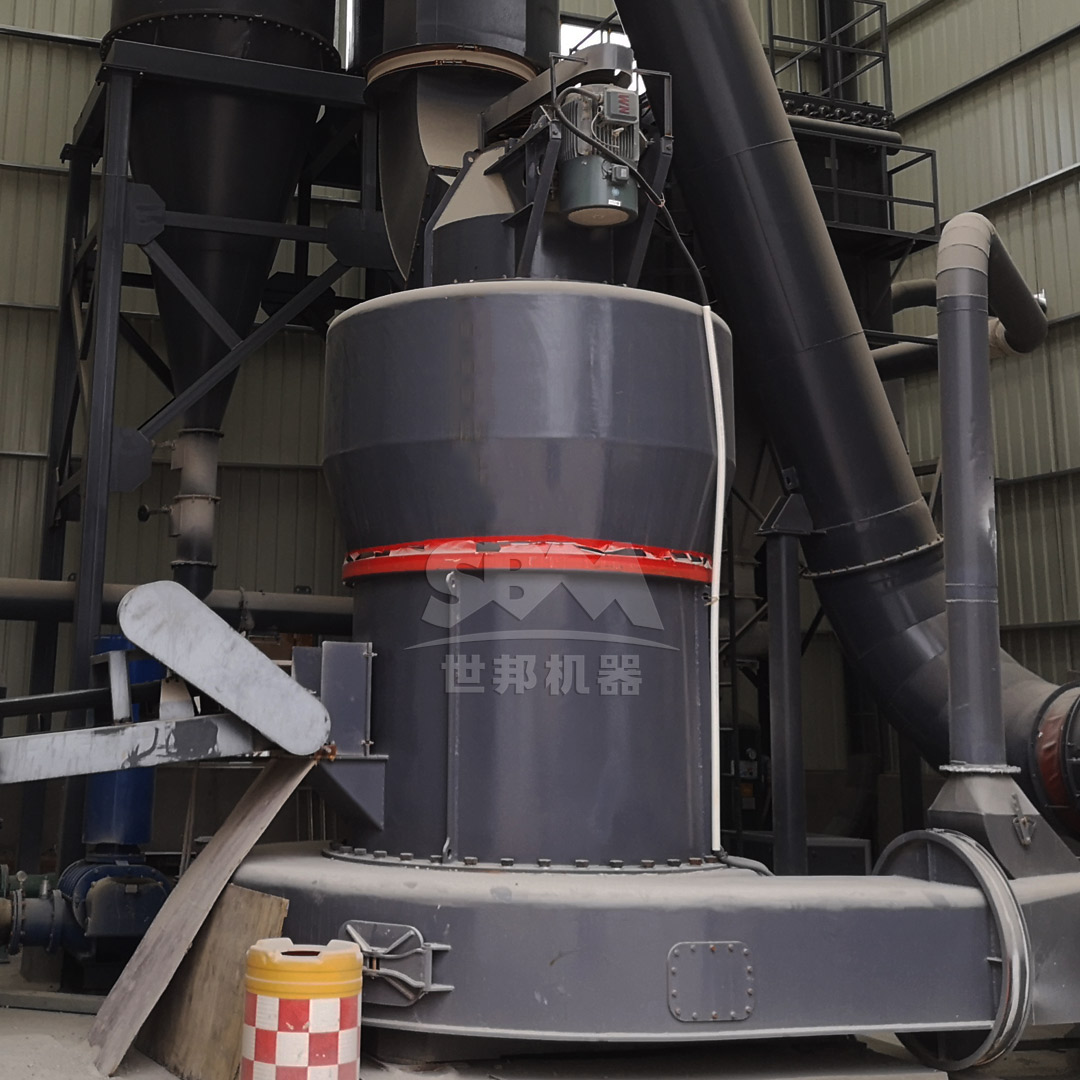
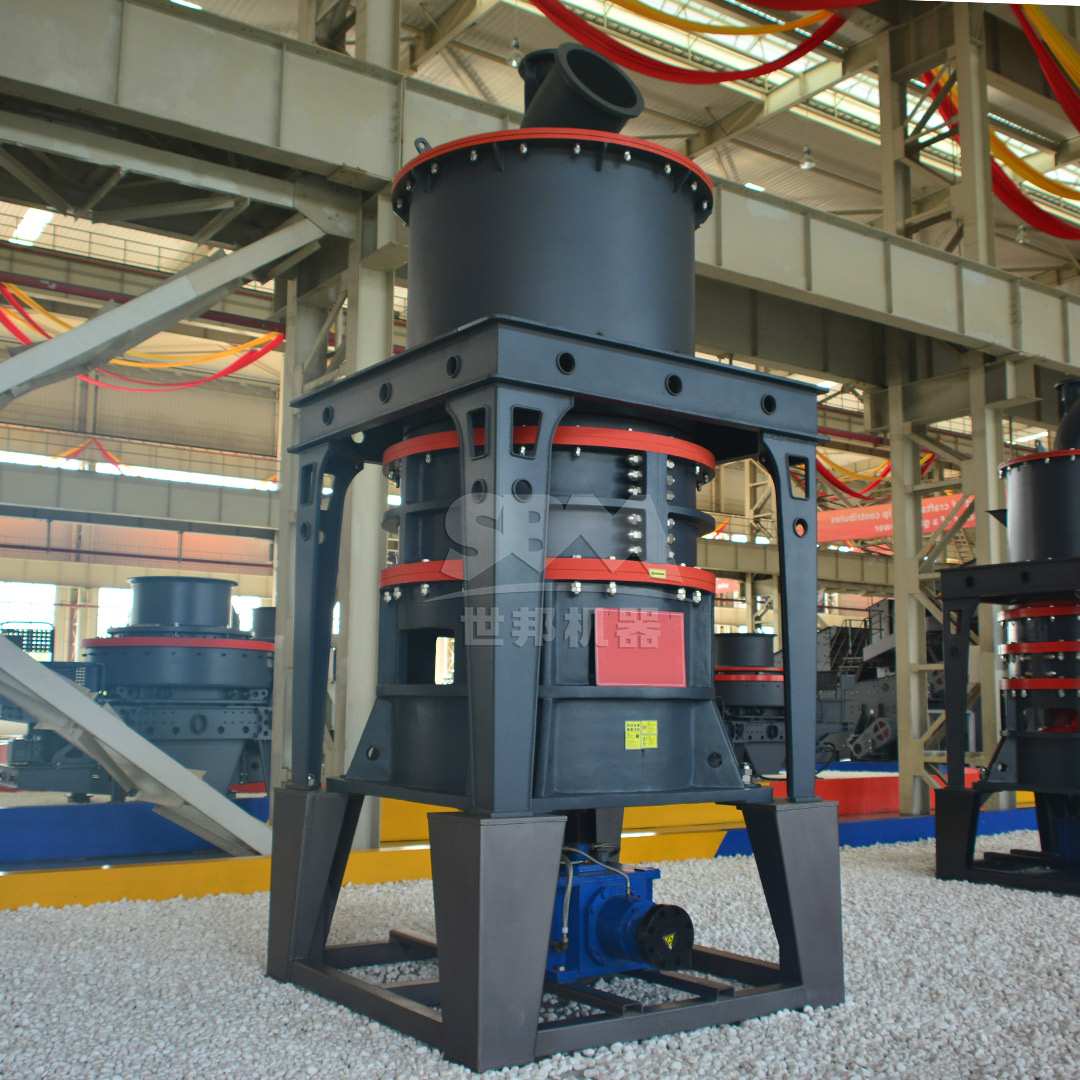
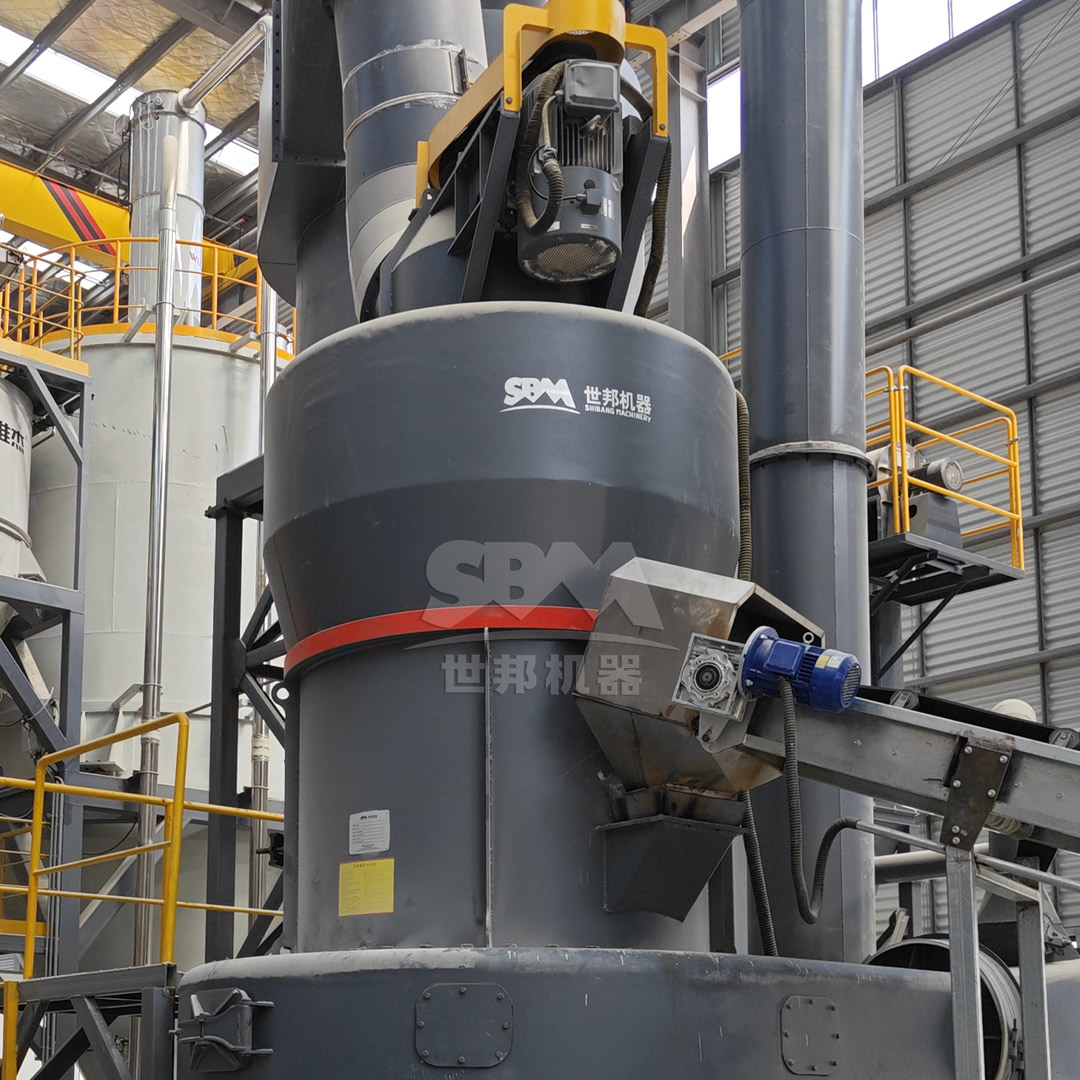
We strongly recommend our MTW Series European Trapezium Mill for general 150 mesh magnesite powder production. With its anti-wear shovel design, optimized arc air duct, and integral bevel gear drive (transmission efficiency up to 98%), the MTW series guarantees high capacity, reduced maintenance costs, and superior energy efficiency. For maximum throughput, the MTW215G model provides a capacity range of 15-45 ton/h, perfect for large-scale operations. For those seeking ultra-high precision and the ability to adjust fineness from 325 to 2500 mesh, our SCM Series Ultrafine Mill is the ideal solution. Its vertical turbine classifier ensures no coarse powder mixing, and its intelligent control system provides automatic feedback for granularity consistency.
| Model | Main Power (kW) | Capacity (t/h) | Fineness (Mesh) | Feed Size (mm) |
|---|---|---|---|---|
| MTW138Z | 90 | 6-17 | 10-325 | <35 |
| MTW215G | 280 | 15-45 | 10-325 | <50 |
| SCM1000 | 132 | 1.0-8.5 | 325-2500 | <20 |
| SCM1680 | 315 | 5.0-25 | 325-2500 | <20 |
Both series incorporate pulse dust collection systems that exceed international environmental standards, ensuring a clean and safe working environment. The MTW series excels in coarse to medium grinding with lower investment costs for standard 150 mesh, while the SCM series provides superior particle shape and flexibility for variable fineness requirements.
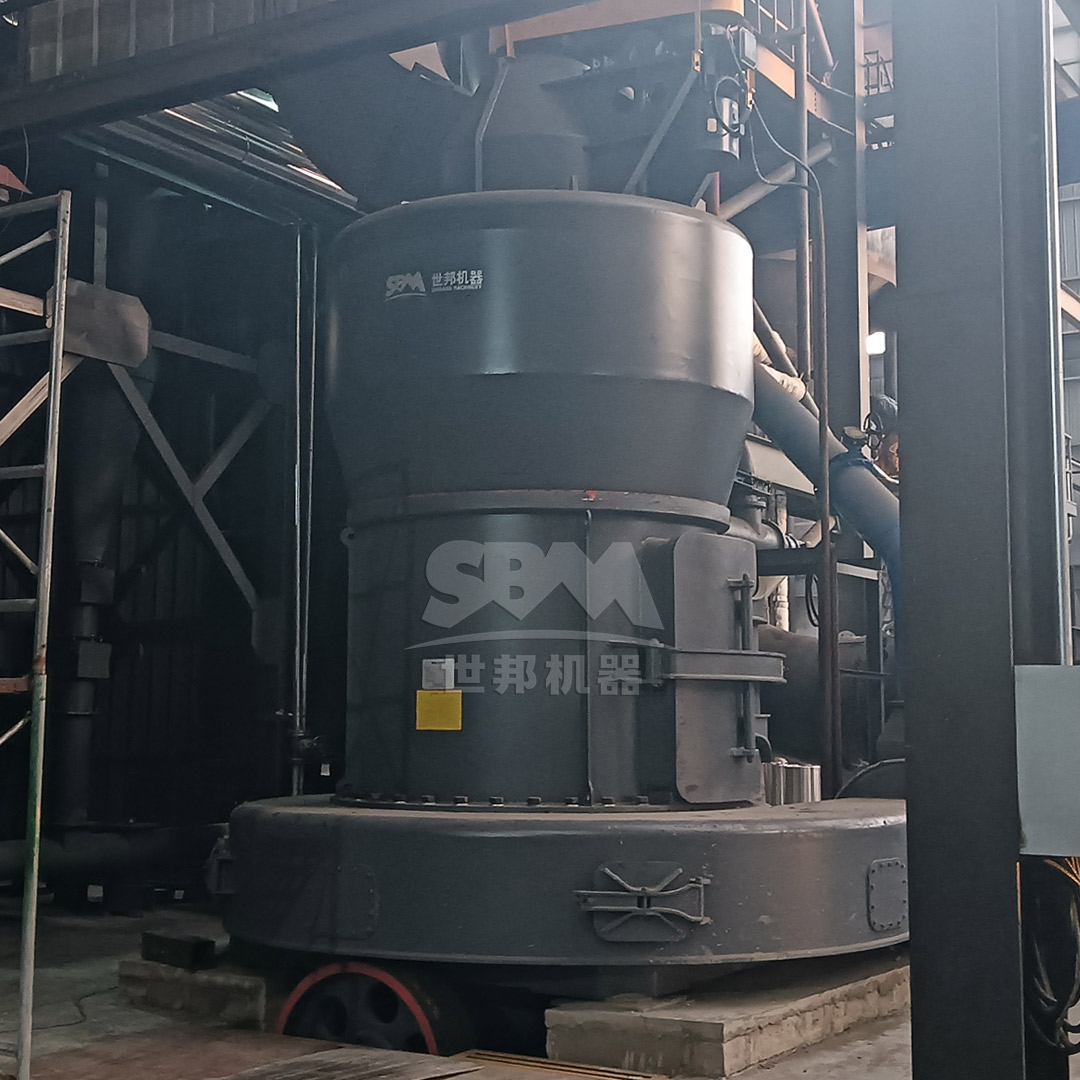
The MTW mill is engineered with a curved shovel design and a bevel gear transmission system. This ensures that magnesite particles are effectively thrown between the grinding roller and ring, creating a stable material layer. The arc air duct minimizes resistance, enhancing airflow efficiency. This mill is particularly effective for materials with a feed size up to 50mm, making it a direct successor to traditional Raymond mills, but with a 30% reduction in maintenance costs thanks to its wear-resistant volute structure and integral gear drive.
The SCM Ultrafine Mill is the go-to equipment for achieving precise particle size control. Its unique working principle involves the main motor driving grinding rings, with materials crushed layer by layer via roller pressure. The vertical turbine classifier provides an exceptionally sharp separation of coarse and fine particles. This is critical for magnesite applications where consistency is vital. The shaftless screw grinding chamber design ensures rock-solid stability, even when processing abrasive magnesite ore, and the service life of the special material rollers and rings is extended several times over conventional designs.
In practical applications, a two-stage grinding process can also be considered. A primary MTW mill can handle the bulk reduction to 150 mesh, while a secondary SCM mill can be used in parallel for a premium product line requiring higher surface area or a narrower particle distribution.
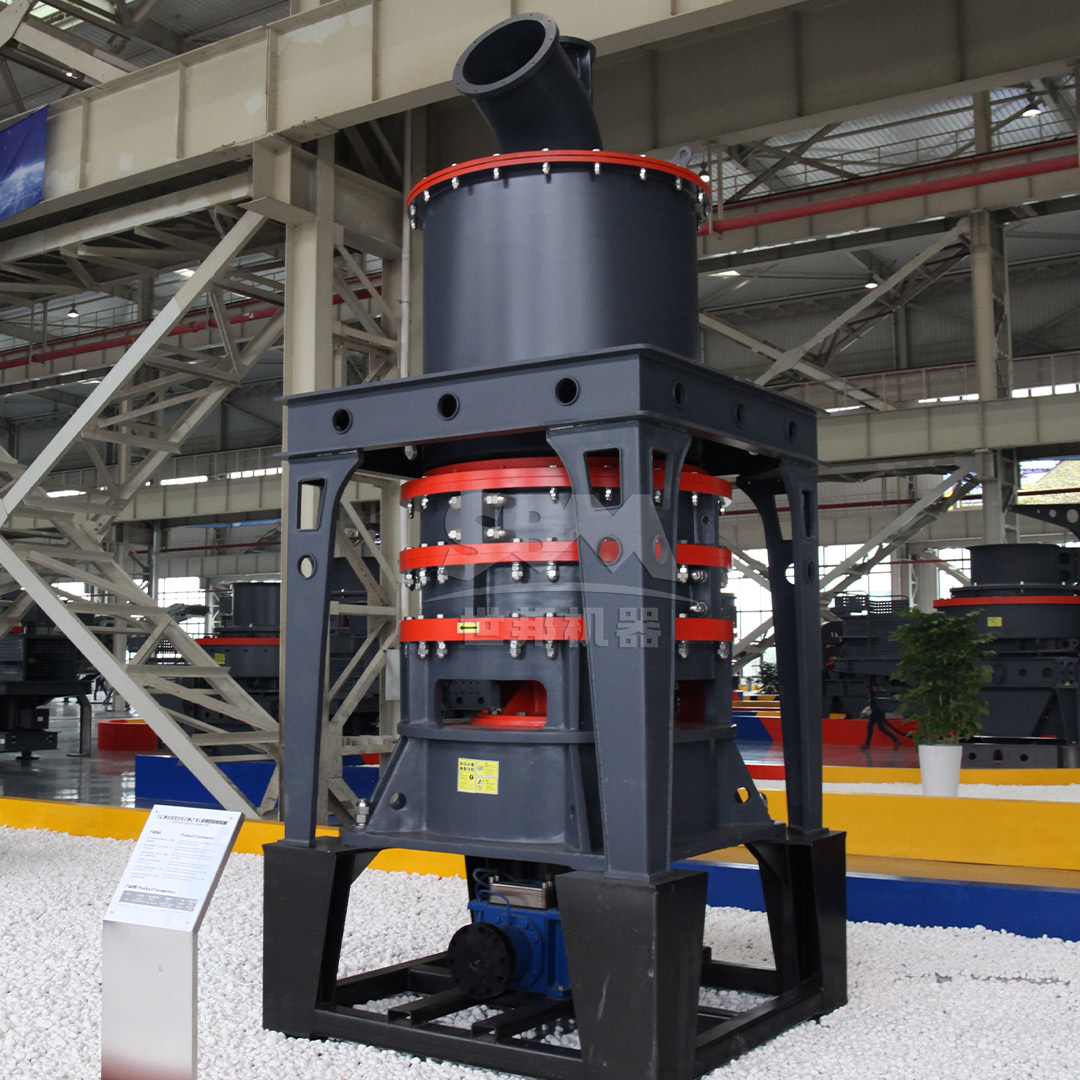
Beyond the main grinding mill, the selection of auxiliary equipment is vital for a successful magnesite powder production line. A reliable feeder (such as electromagnetic vibrating feeders) ensures consistent material flow into the mill. A crusher (like a hammer crusher or jaw crusher) is necessary to reduce the run-of-mine ore to the mill’s feed specification. The dust collection system, as mentioned, is non-negotiable for compliance and workplace safety. Furthermore, soundproof room designs, as featured in the SCM series, are increasingly important in populated areas.
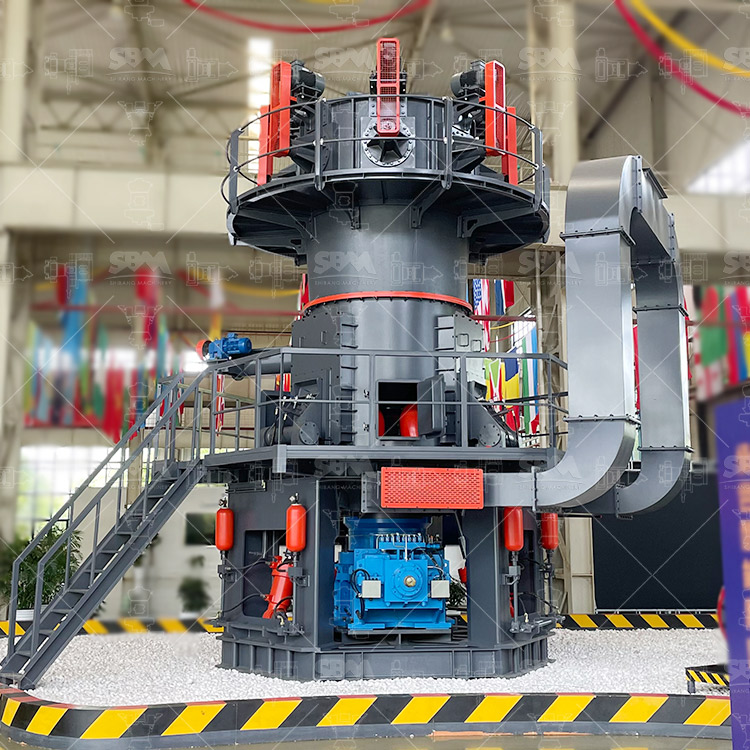
Investing in a mill with intelligent control capabilities—such as expert-level auto-control systems (LM series model) or automatic finished product granularity feedback (SCM series)—allows for remote monitoring and reduces labor dependency. These features adjust the mill parameters in real-time, maintaining steady output even with variations in feed hardness or moisture. This level of automation is a key differentiator between modern high-performance mills and older, less reliable equipment.
Selecting the right equipment for 150 mesh magnesite powder production requires a balanced assessment of feed characteristics, capacity targets, and cost economics. Both the MTW Series European Trapezium Mill and the SCM Series Ultrafine Mill offer state-of-the-art solutions with proven reliability. The MTW series is an ideal choice for high-volume, standard fineness applications, offering operational economies of scale. The SCM series provides unrivaled precision and flexibility for more demanding product specifications or when higher value-added products are desired. By choosing either of these advanced milling systems, operators can ensure efficient, eco-friendly, and profitable magnesite powder production for years to come.