Magnesite (MgCO₃) is a critical mineral resource widely used in the production of refractory materials, magnesium compounds, and environmental applications. When processed to 60 mesh (approximately 250 micrometers), magnesite powder serves as a fundamental raw material for various industrial sectors. Achieving consistent particle size distribution at this specification requires specialized grinding and classification equipment that balances efficiency, energy consumption, and product quality.
This article provides a comprehensive technical overview of the key machinery used in 60-mesh magnesite powder production lines, focusing on grinding mills and classification systems that deliver optimal performance. We will analyze the working principles, technical advantages, and selection criteria for different equipment types, helping production managers and plant engineers make informed decisions for their specific applications.

60-mesh magnesite powder refers to material that passes through a sieve with 60 openings per linear inch, corresponding to a particle size of approximately 250 μm. This specification is commonly required for:
The production of 60-mesh powder requires equipment capable of handling the material’s hardness (Mohs 3.5-4.5) while maintaining consistent output and minimizing fines generation. The ideal grinding system must achieve precise particle size control within the 150-300 μm range, with minimal oversize particles and controlled fine content.
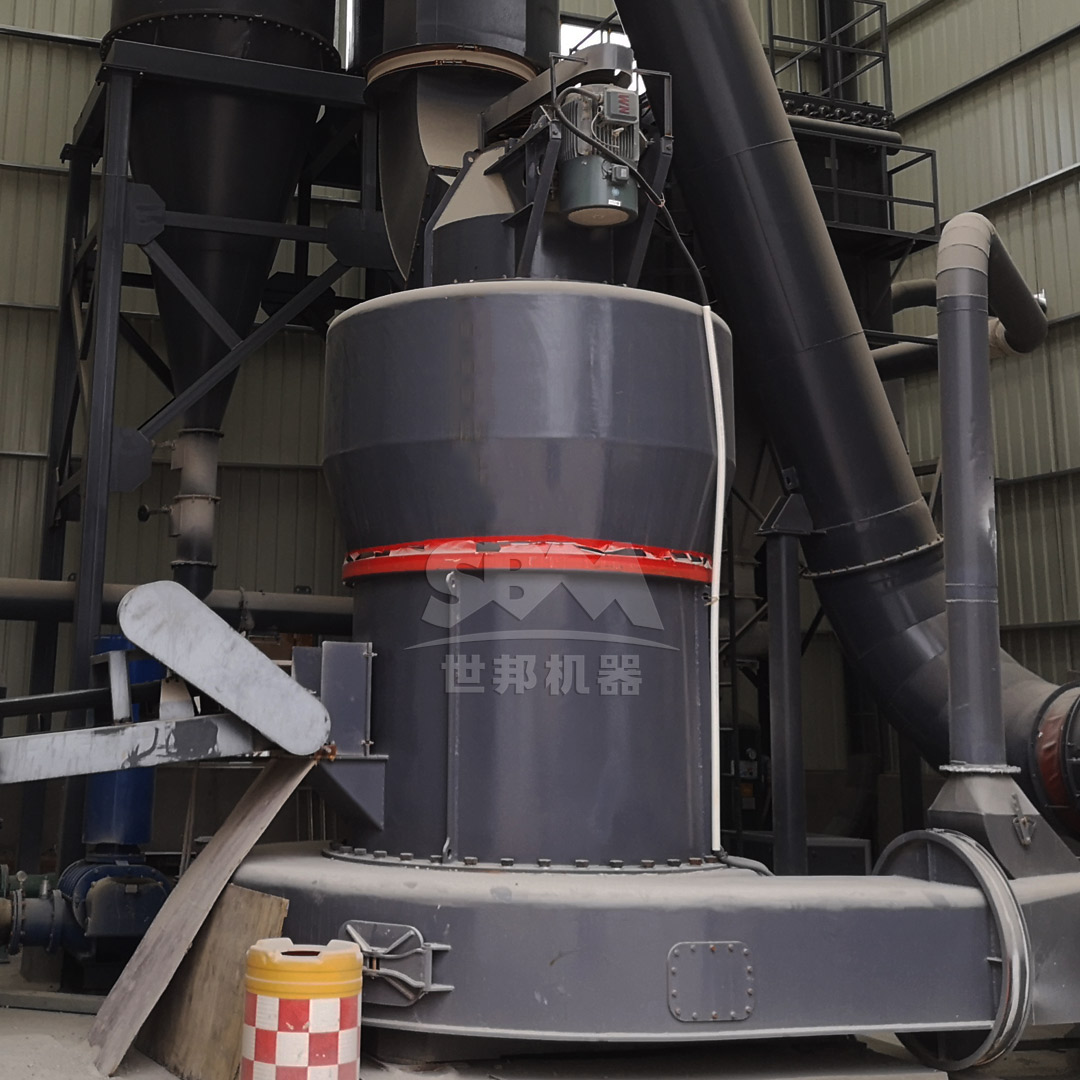
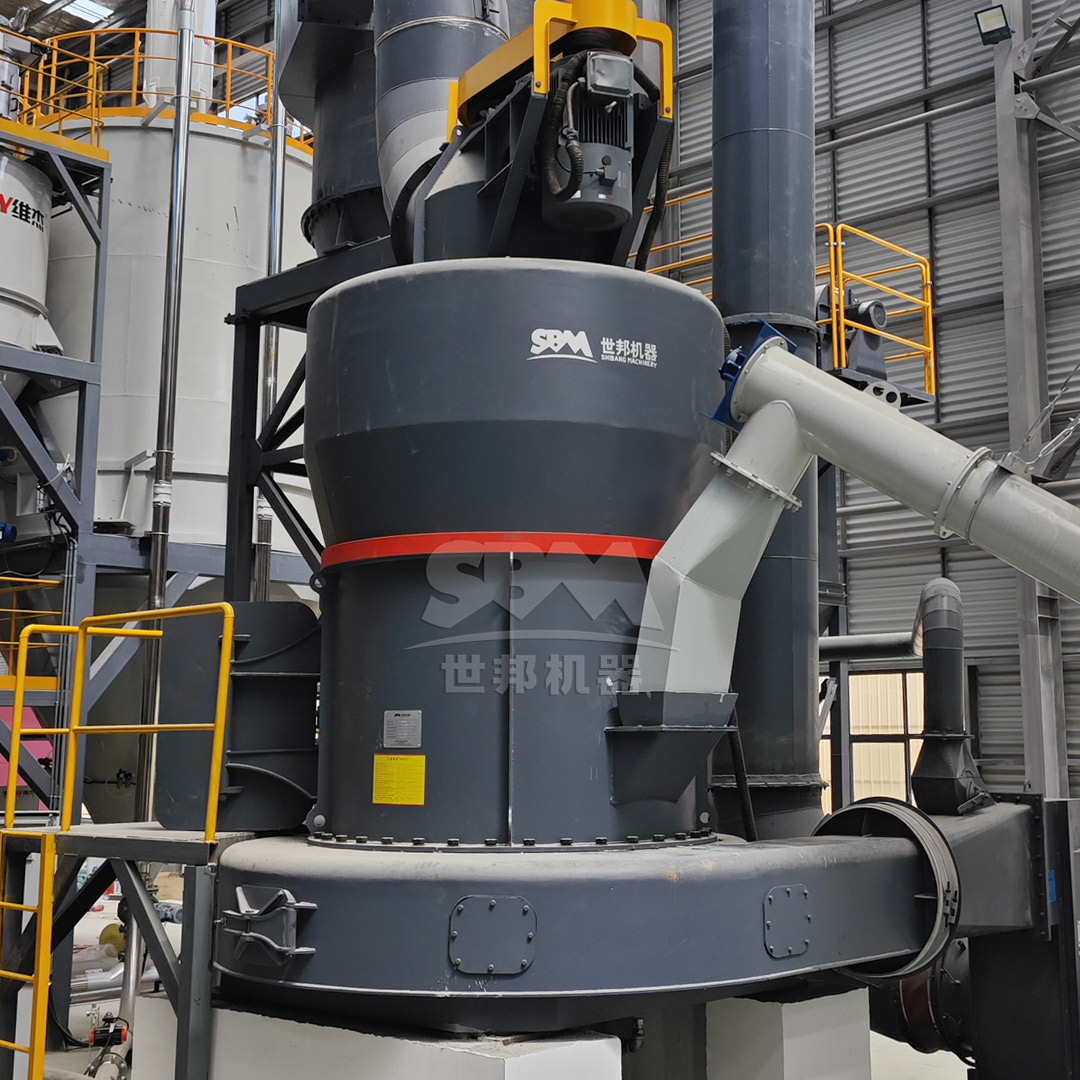
The MTW Series European Trapezium Mill represents a significant advancement in medium-fine grinding technology, making it exceptionally suitable for 60-mesh magnesite powder production. This mill series is designed with an optimized trapezoidal grinding ring and roller configuration that maximizes grinding efficiency while minimizing energy consumption.
Key Features for Magnesite Grinding:
The MTW mill’s anti-wear shovel design is particularly advantageous for magnesite processing. Combined shovel blades reduce maintenance frequency, while the curved design extends grinding roller life when processing abrasive magnesite ore. The optimized arc air duct reduces airflow energy loss by approximately 15% compared to conventional designs, improving overall system efficiency.
Technical Advantages for 60-Mesh Production:
| Advantage | Benefit for Magnesite Processing |
|---|---|
| Integral Bevel Gear Drive | 98%% transmission efficiency ensures stable power delivery for consistent grinding |
| Wear-resistant Volute Structure | Non-resistance flow design reduces maintenance costs by 30%% |
| Classifier System | Precise particle size control for uniform 60-mesh product |
| Pulse Dust Collection | Environmentally compliant operation with minimal emissions |
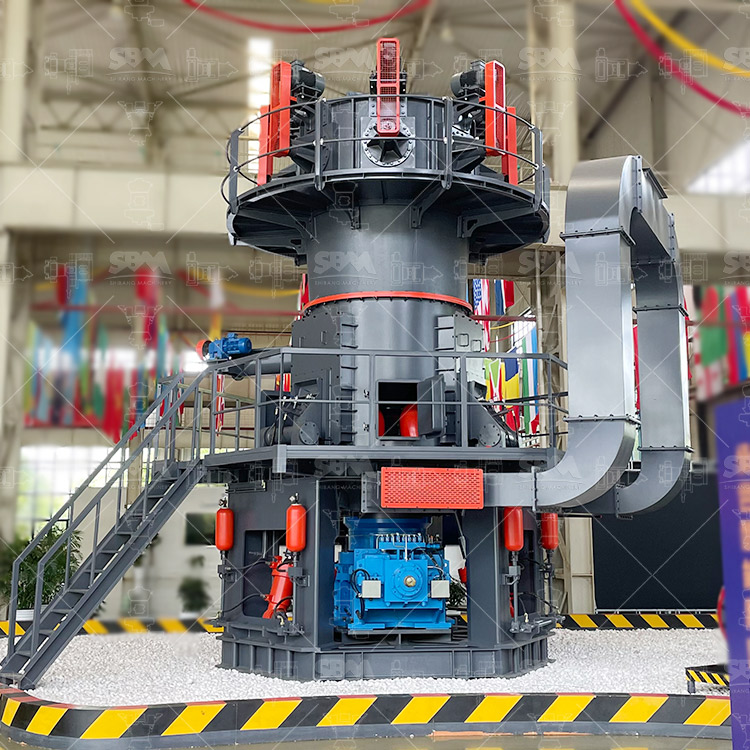
For larger-scale magnesite processing operations, the LM Series Vertical Roller Mill offers unmatched capacity and integration. This mill system combines crushing, grinding, and classification in a single unit, reducing floor space requirements by up to 50%% compared to traditional systems.
The LM mill’s non-contact design between rollers and grinding table extends wear part life by three times, significantly reducing operating costs for abrasive magnesite processing. Energy consumption is 30-40%% lower than ball mill systems, making it ideal for continuous production operations.
Relevant Models for 60-Mesh Production:
| Model | Table Diameter | Capacity | Fineness Range | Feed Size | Power |
|---|---|---|---|---|---|
| LM130K | Φ1300mm | 10-28 t/h | 170-40μm | ≤38mm | 200kW |
| LM150K | Φ1500mm | 13-38 t/h | 170-40μm | ≤40mm | 280kW |
| LM170K | Φ1700mm | 18-48 t/h | 170-40μm | ≤42mm | 400kW |
| LM190K | Φ1900mm | 23-68 t/h | 170-40μm | ≤45mm | 500kW |
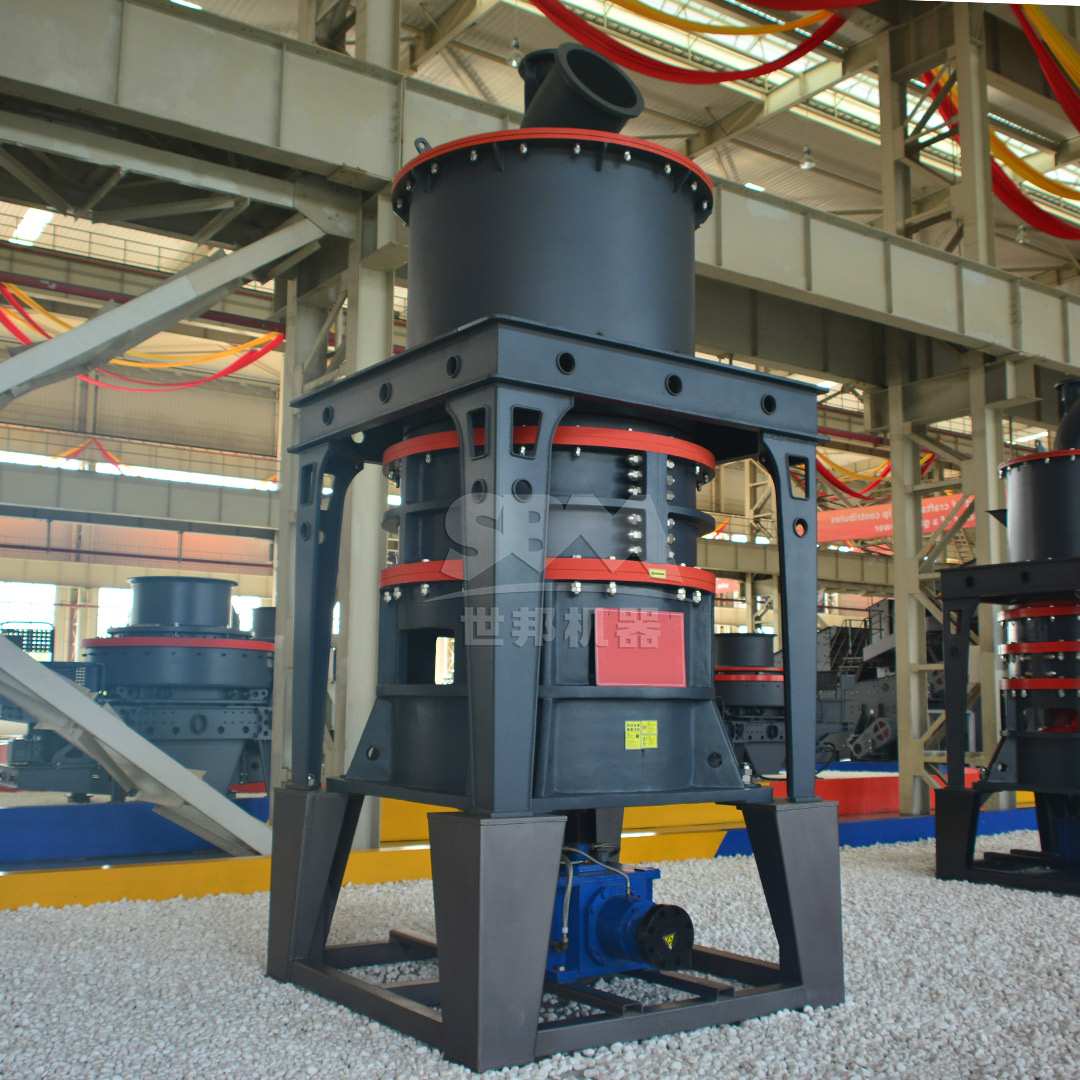
For operations requiring both 60-mesh production capability and the flexibility to produce finer grades, we highly recommend the SCM Series Ultrafine Mill. This equipment delivers exceptional performance across a wide fineness range from 325 to 2500 mesh, making it versatile for magnesite processors who need to serve multiple market segments.
The SCM mill achieves capacity that is twice that of jet mills while consuming 30%% less energy. Its intelligent control system with automatic finished product granularity feedback ensures consistent 60-mesh output with minimal operator intervention. The vertical turbine classifier provides precise particle size cutting, eliminating coarse powder mixing in the final product.
Key Specifications:
| Model | Capacity | Main Power | Feed Size | Fineness Range |
|---|---|---|---|---|
| SCM800 | 0.5-4.5 t/h | 75 kW | 0-20 mm | 325-2500 mesh |
| SCM900 | 0.8-6.5 t/h | 90 kW | 0-20 mm | 325-2500 mesh |
| SCM1000 | 1.0-8.5 t/h | 132 kW | 0-20 mm | 325-2500 mesh |
| SCM1250 | 2.5-14 t/h | 185 kW | 0-20 mm | 325-2500 mesh |
| SCM1680 | 5.0-25 t/h | 315 kW | 0-20 mm | 325-2500 mesh |
The SCM mill’s working principle involves three layers of grinding rings driven by the main motor. Materials are dispersed into the grinding path by centrifugal force, crushed by roller pressure, and ground layer by layer. This multi-stage grinding action ensures efficient particle size reduction with minimal energy waste. The durable design features special material rollers and rings that extend service life several times over, while the shaftless screw grinding chamber ensures stable operation even under heavy loads.
For magnesite processors requiring 60-mesh output, the SCM mill can be easily configured to operate at the coarser end of its range while maintaining the precision and consistency that smaller-mesh applications demand.
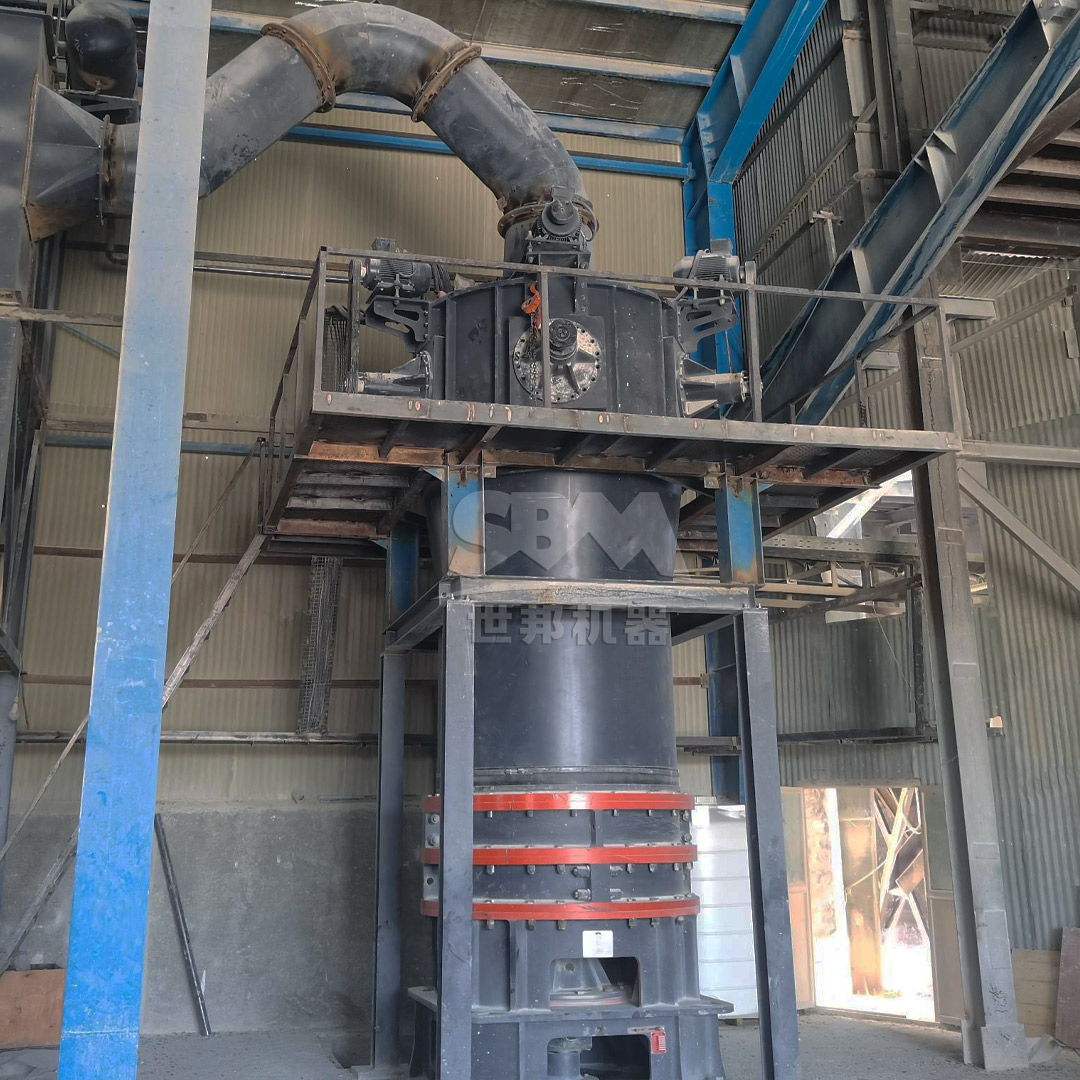
Accurate classification is essential for achieving consistent 60-mesh magnesite powder. Even the most efficient grinding system requires proper classification to separate oversize particles and ensure product uniformity.
Both the MTW and LM series mills incorporate advanced vertical turbine classifiers that provide precise particle size cutting. These classifiers operate on the principle of centrifugal separation, where rotating blades create a force field that separates particles based on their mass and aerodynamic properties.
For 60-mesh applications, classifier settings are adjusted to allow particles up to 250 μm to pass while returning oversize material to the grinding zone. The classifier’s variable speed drive allows fine-tuning of the cut point without interrupting production, enabling quick response to changing product specifications.
Modern mill designs integrate the classification system directly into the mill housing, eliminating the need for separate classification equipment. This integration provides several advantages:
When designing a complete 60-mesh magnesite production system, several factors must be considered to ensure optimal performance:
Raw magnesite ore typically requires primary crushing before entering the grinding mill. The MTW mill can accept feed sizes up to 50mm, while the LM series handles up to 50mm. For the SCM mill, feed should be reduced to ≤20mm using appropriate crushing equipment such as the PC Series Hammer Mill, which provides high capacity crushing with output sizes down to 0-3mm.
Magnesite can contain varying moisture levels depending on mining and storage conditions. Both the MTW and LM series mills can handle materials with moderate moisture content through their air-swept design, which uses hot air flow to dry materials during grinding. For higher moisture materials, additional drying equipment may be necessary.
Modern magnesite processing plants must meet stringent environmental regulations. Pulse dust collection systems integrated with our mills achieve collection efficiencies exceeding international standards, with emission levels well below regulatory limits. Soundproof room designs maintain noise levels at acceptable workplace standards.
For medium-scale magnesite processors requiring 6-17 tons per hour of 60-mesh powder, the MTW138Z represents an excellent balance of capacity, efficiency, and capital cost. This model features a Z-type reinforced design that provides enhanced durability for abrasive magnesite applications.
| Parameter | Specification |
|---|---|
| Capacity | 6-17 t/h |
| Main Power | 90 kW |
| Feed Size | <35mm |
| Fineness | 10-325 mesh |
| Fan Power | 110 kW |
| Classifier Power | 18.5 kW |
| Feeder | GZ3F (0.2 kW) |
The MTW138Z incorporates all the advanced features of the MTW series, including the integral bevel gear drive with 98%% transmission efficiency, optimized arc air duct design, and wear-resistant volute structure. Its classifier system provides precise control over finished product size, ensuring consistent 60-mesh output with minimal oversize particles.
For operators requiring higher throughput, the MTW175G offers 9.5-25 t/h capacity with 160 kW main power, while the MTW215G delivers 15-45 t/h for large-scale production requirements.
Successful 60-mesh magnesite powder production requires careful selection of grinding and classification equipment that matches the material’s characteristics and the desired production capacity. The MTW European Trapezium Mill series provides excellent performance for medium-fine grinding applications, while the LM Vertical Roller Mill offers integrated solutions for larger operations. For processors requiring flexibility to produce both 60-mesh and finer powders, the SCM Ultrafine Mill delivers exceptional versatility and efficiency.
By selecting equipment with advanced features such as intelligent control systems, wear-resistant components, and integrated classification, magnesite processors can achieve consistent product quality, reduced operating costs, and environmental compliance. The key is to match equipment specifications with production requirements, considering factors such as feed size, moisture content, and desired throughput to create an optimized processing line.
For detailed technical consultation and equipment selection assistance tailored to your specific magnesite processing needs, please contact our engineering team.