Magnesite (MgCO₃) is a critical mineral resource widely used in refractories, construction materials, chemical industries, and environmental applications. The production of 200-mesh magnesite powder is a standard requirement for many industrial processes, offering an optimal balance between reactivity and handling properties. Achieving consistent 200-mesh (75 micron) fineness requires specialized grinding equipment and a well-designed processing line. This comprehensive guide explores the various grinding mill technologies available for magnesite processing, focusing on efficiency, energy consumption, and final product quality.
Magnesite is a relatively soft mineral with a Mohs hardness of 3.5-4.5, making it amenable to various grinding technologies. However, its fibrous crystalline structure and tendency to generate fines require careful equipment selection. The target of 200-mesh (75 microns) represents a medium-fine grind that is achievable with several mill types, each offering distinct advantages for different production scales and quality requirements.
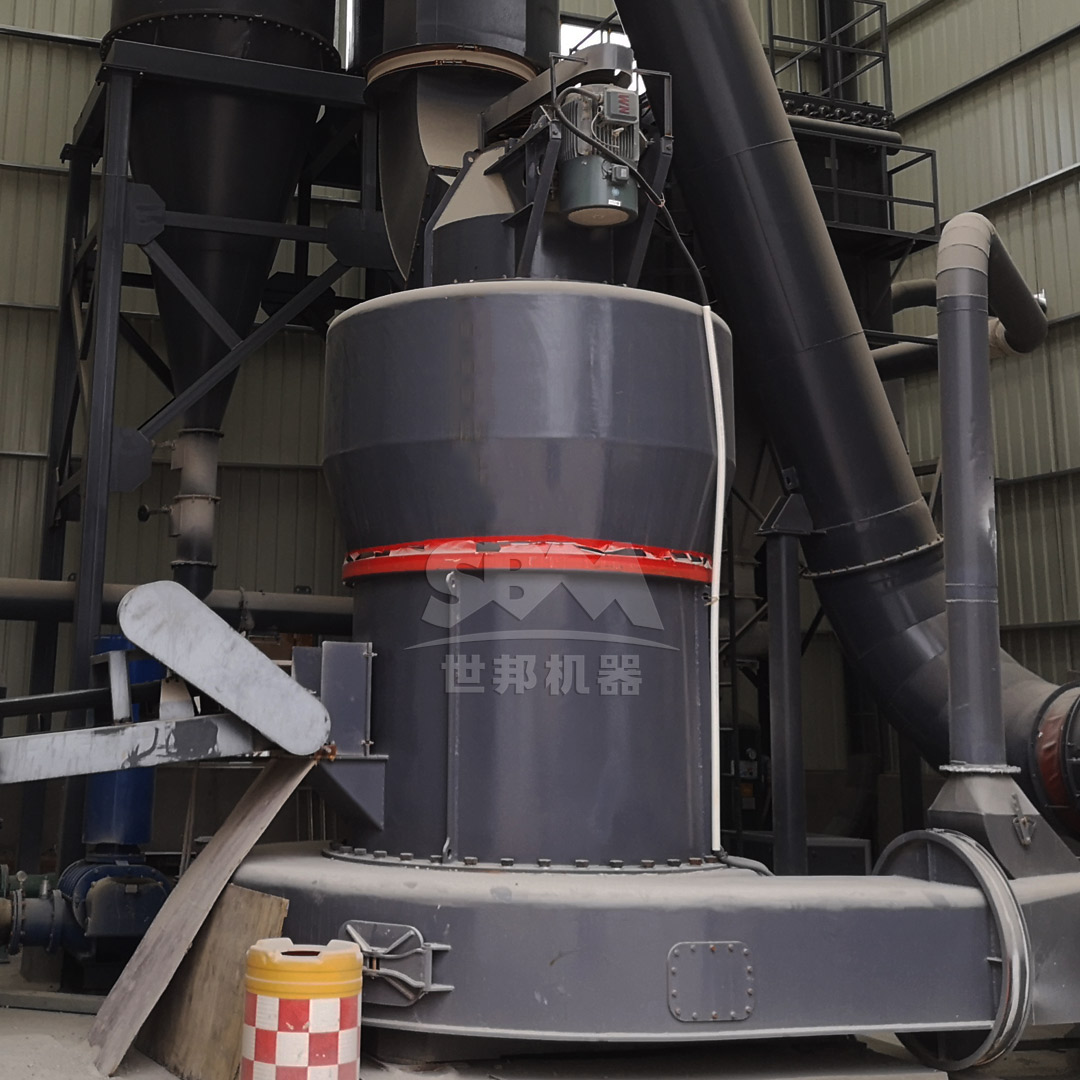
For magnesite producers requiring reliable 200-mesh production with capacities from 3 to 45 tons per hour, the MTW Series European Trapezium Mill represents an ideal solution. This mill technology excels in processing materials with moderate hardness and abrasiveness, offering exceptional energy efficiency through its integral bevel gear drive system, which achieves transmission efficiency up to 98%.
The anti-wear shovel design and optimized arc air duct significantly reduce maintenance requirements, while the wear-resistant volute structure improves air selection efficiency. For 200-mesh magnesite powder production, the MTW series provides precise particle size control through its advanced classification system, ensuring consistent product quality without coarse particle contamination.
| Model | Capacity (t/h) | Main Motor (kW) | Feed Size (mm) | Fineness Range |
|---|---|---|---|---|
| MTW138Z | 6-17 | 90 | <35 | 10-325 mesh |
| MTW175G | 9.5-25 | 160 | <40 | 10-325 mesh |
| MTW215G | 15-45 | 280 | <50 | 10-325 mesh |
Product Recommendation: For medium to large-scale 200-mesh magnesite production, we highly recommend the MTW175G European Trapezium Mill. This model offers an ideal balance of capacity (9.5-25 t/h), power consumption (160kW main motor), and precision classification. Its optimized arc air duct reduces energy loss by 15% compared to conventional mills, while the integral bevel gear drive ensures smooth operation and minimal vibration. The curved shovel design extends grinding roller life by 30%, significantly reducing your operational costs.
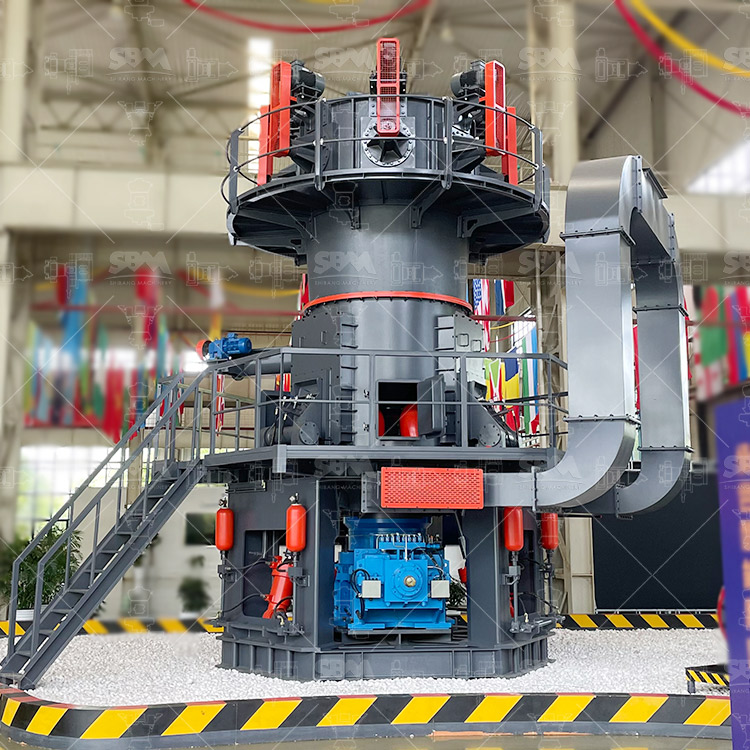
For large-scale magnesite processing operations requiring capacities up to 250 t/h, the LM Series Vertical Roller Mill offers an integrated solution that combines crushing, grinding, and classification in a single system. The vertical roller mill reduces floor space by 50% compared to traditional ball mill systems and can be installed outdoors, reducing infrastructure costs by 40%.
The non-contact design between rollers and grinding table extends wear part life by 3 times compared to conventional mills. For 200-mesh magnesite production, the LM series achieves energy consumption 30-40% lower than ball mill systems, making it the most cost-effective option for high-volume producers.
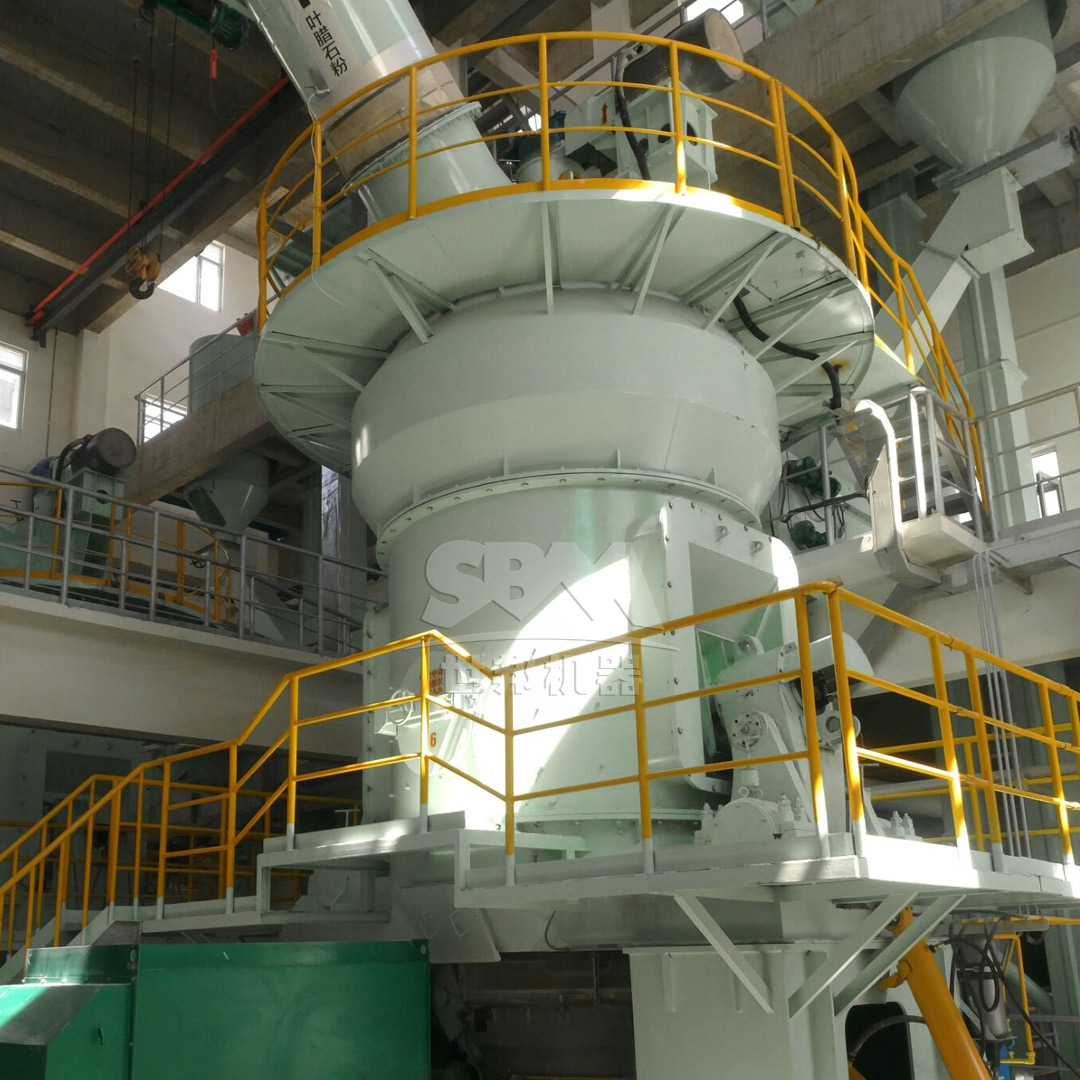
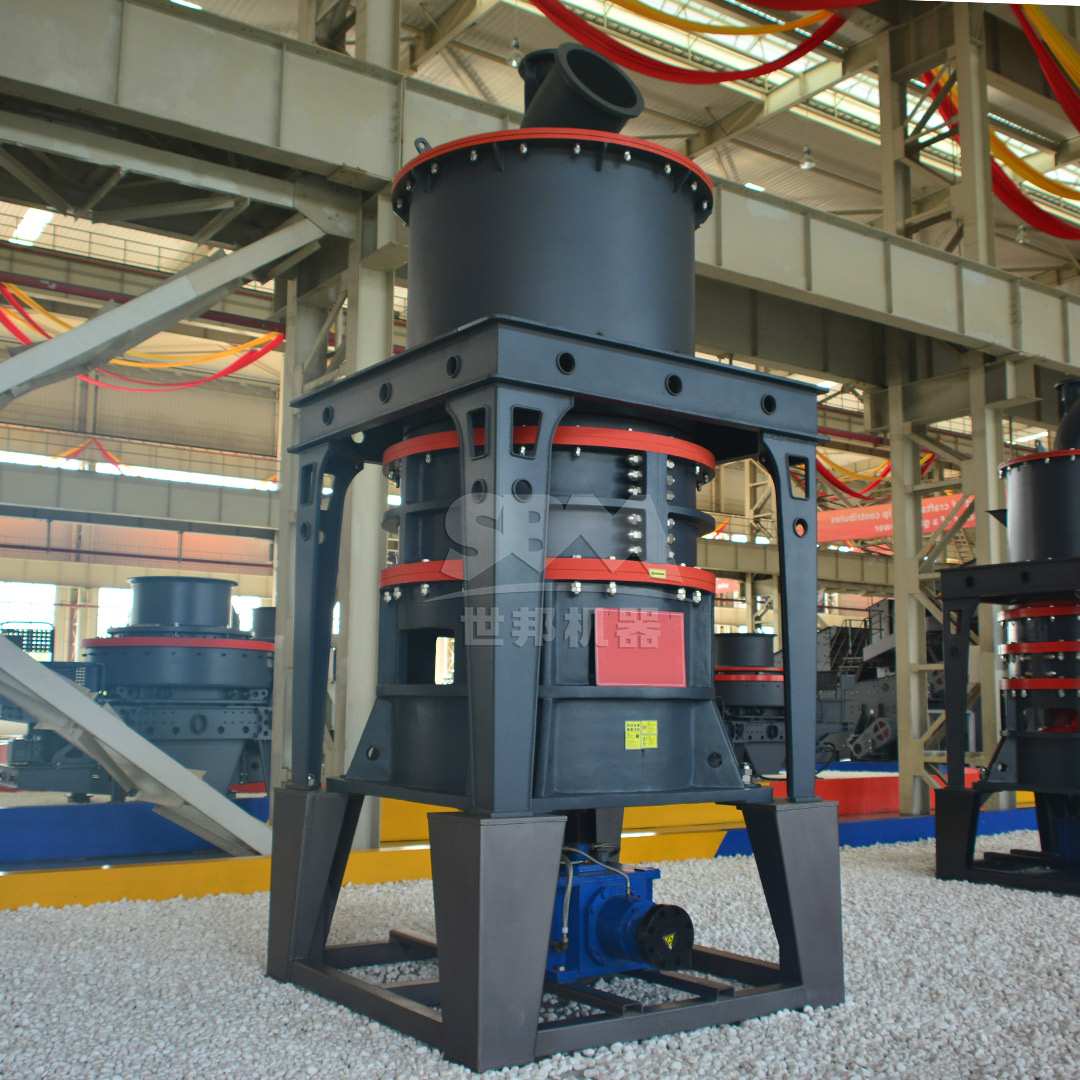
While primarily designed for finer products (325-2500 mesh), the SCM Series Ultrafine Mill can efficiently produce 200-mesh magnesite powder with exceptional uniformity. Its vertical turbine classifier achieves precise particle size cutting, ensuring no coarse powder mixing. This mill is particularly valuable when the production line needs flexibility to produce both standard 200-mesh and finer grades from the same equipment.
The unique three-layer grinding ring design and shaftless screw grinding chamber ensure stable operation even with materials that tend to agglomerate. The capacity range of 0.5-25 t/h makes it suitable for both small-scale specialty producers and larger operations requiring precise particle size distribution.
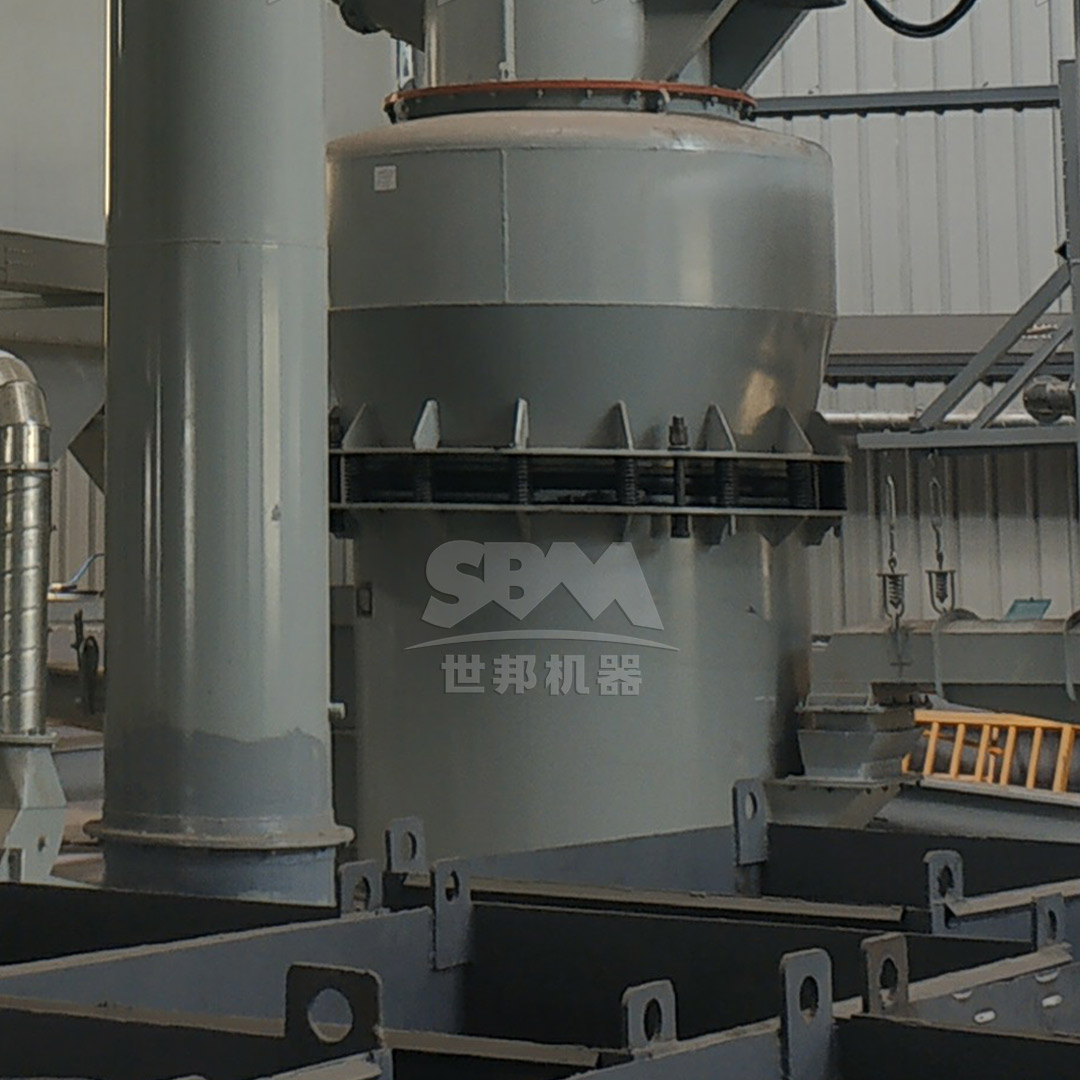
With capacities from 3-22 t/h and a fineness range of 45-325 mesh, the MTM Series offers a proven solution for 200-mesh magnesite grinding. Its intelligent pressure regulation system automatically compensates for roller wear, extending roller and ring life by 30%. The innovative horizontal pull-rod connection protects main shaft bearings, while the dual damping system eliminates equipment resonance for quieter operation.
A well-designed 200-mesh magnesite powder production line typically includes the following stages:
Raw magnesite ore (typically 200-500mm) is first reduced to <30-50mm using a jaw crusher or hammer crusher. The PC series hammer mill can reduce material to 0-3mm in a single pass, simplifying the process for smaller operations.
The crushed magnesite is fed into the selected grinding mill. For most applications, we recommend the MTW175G European Trapezium Mill for its superior efficiency and reliability. Material is ground between the grinding rollers and ring, with the classifier precisely controlling the 200-mesh product separation.
The ground material is carried by airflow to the classifier, where oversized particles are returned for regrinding. The fine powder is collected by a high-efficiency pulse dust collector, ensuring emission levels well below environmental standards. The pulse dust collection efficiency exceeds international requirements, making the system truly eco-friendly.
The finished 200-mesh magnesite powder is conveyed to storage silos or directly to packaging equipment. Automatic bagging systems ensure consistent product quality and efficient handling.
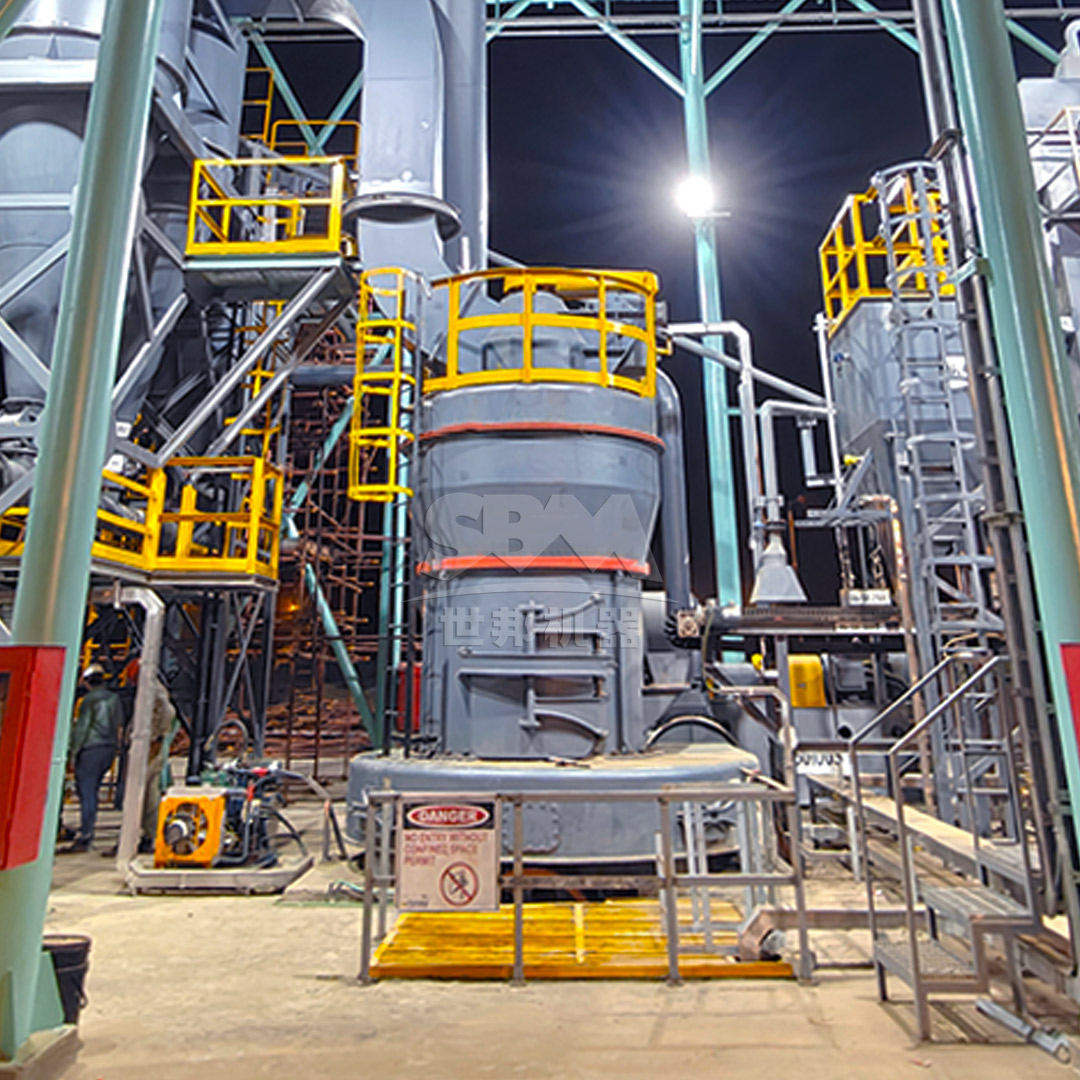
| Parameter | MTW Series | LM Series | SCM Series | MTM Series |
|---|---|---|---|---|
| Capacity Range | 3-45 t/h | 3-250 t/h | 0.5-25 t/h | 3-22 t/h |
| Energy Efficiency | High | Highest | Very High | Moderate |
| Initial Investment | Medium | High | Medium-High | Low-Medium |
| Wear Part Life | Excellent | Excellent | Very Good | Good |
| Product Uniformity | Excellent | Excellent | Superior | Good |
| Maintenance Complexity | Low | Low | Medium | Low |
| Best Application | Standard production | Large scale | Precision fine grinding | Cost-sensitive operations |
For operations requiring 3-25 t/h of 200-mesh magnesite, the MTW175G European Trapezium Mill provides the best combination of capacity and efficiency. Larger operations (>25 t/h) should consider the LM Series Vertical Roller Mill for its integrated design and lower operating costs. Smaller specialty producers may find the SCM Series Ultrafine Mill or MTM Series more appropriate for their needs.
When precise particle size distribution is critical (D97 < 75 microns + fine control), the SCM Series offers unmatched classification accuracy. For standard industrial applications where +/- 5% variation is acceptable, the MTW and LM series provide excellent results with lower capital costs.
With energy costs representing 30-50% of total grinding operating expenses, the LM Series Vertical Roller Mill offers the lowest energy consumption per ton of product. However, for smaller operations, the lower initial investment of the MTW series often results in better overall return on investment when energy costs are moderate.
Producing high-quality 200-mesh magnesite powder requires careful selection of grinding equipment matched to your specific production requirements. The MTW Series European Trapezium Mill offers the best overall value for most medium to large-scale operations, providing excellent efficiency, reliable operation, and consistent product quality. For maximum capacity and lowest energy consumption, the LM Series Vertical Roller Mill is unmatched. For precision applications requiring superior particle size control, the SCM Series Ultrafine Mill delivers exceptional results.
Final Product Recommendation: For new 200-mesh magnesite powder production lines or upgrades to existing facilities, we strongly recommend the MTW175G European Trapezium Mill as the primary grinding equipment. This model features the patented integral bevel gear drive (98% efficiency), optimized arc air duct design, and advanced wear-resistant volute structure. Combined with our pulse dust collection system and intelligent control platform, it forms the core of a complete, efficient, and environmentally compliant magnesite processing line. Contact our engineering team for a customized solution tailored to your specific raw material characteristics and production targets.