Magnesite (MgCO₃) is a critical mineral widely used in the production of refractory materials, magnesium compounds, and environmental applications. When processed to 30-mesh (approx. 600 μm) powder, it serves as a key ingredient in furnace linings, ceramics, and fertilizers. Selecting the right grinding mill for your magnesite plant is a strategic decision that affects throughput, energy efficiency, product quality, and long-term operating costs. This article provides a comprehensive guide to evaluating mill options, including technical considerations, process requirements, and equipment recommendations tailored to 30-mesh magnesite powder production.
30-mesh magnesite powder requires a particle size distribution where 95% or more of the material passes through a 30-mesh sieve (600 μm opening). This is a relatively coarse grind compared to ultrafine applications, but it still demands consistent classification and controlled top size. Key parameters include:
The target fineness allows the use of several mill types. However, the optimal choice depends on your plant’s capacity, existing equipment, and energy cost structure.
Choosing the right grinding mill involves aligning machine characteristics with production goals. The following factors should be evaluated:
| Criteria | Impact on Selection | Preferred Mill Features |
|---|---|---|
| Capacity Requirement | Higher tonnage favors large roller mills | LM Series Vertical Mill; MTW Series |
| Energy Efficiency | 30-40% savings possible with bed grinding | LM Vertical Mill; LUM Ultrafine Mill |
| Maintenance Costs | Abrasive magnesite wears grinding parts | Wear-resistant liners; anti-wear shovels |
| Product Consistency | 30-mesh demands sharp classification | Vertical turbine classifier; dynamic separator |
| Footprint & Installation | Retrofit vs. greenfield project | Integrated mills save 50% floor space |
| Capital Budget | Upfront vs. total cost of ownership | MTM/MTW for medium investment |
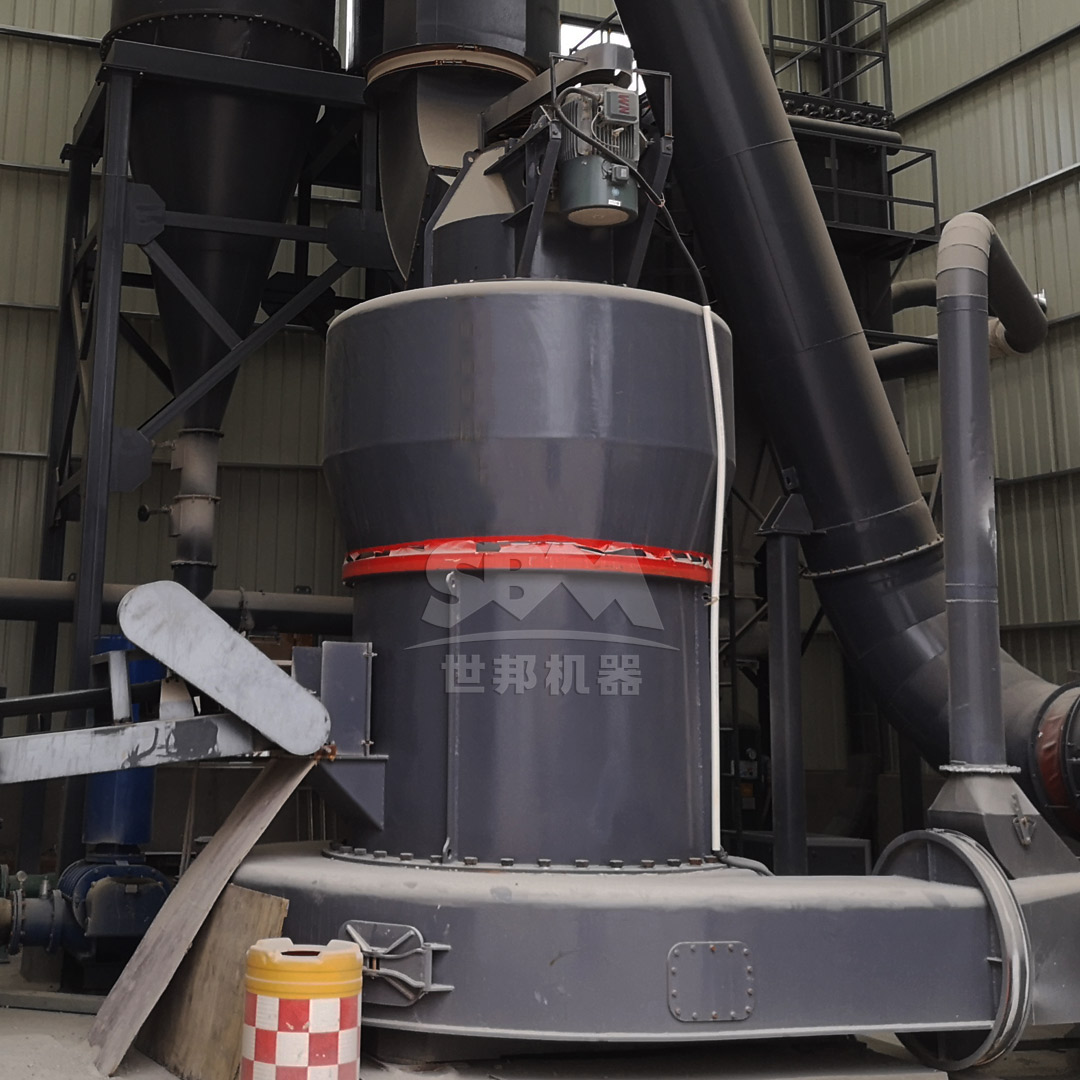
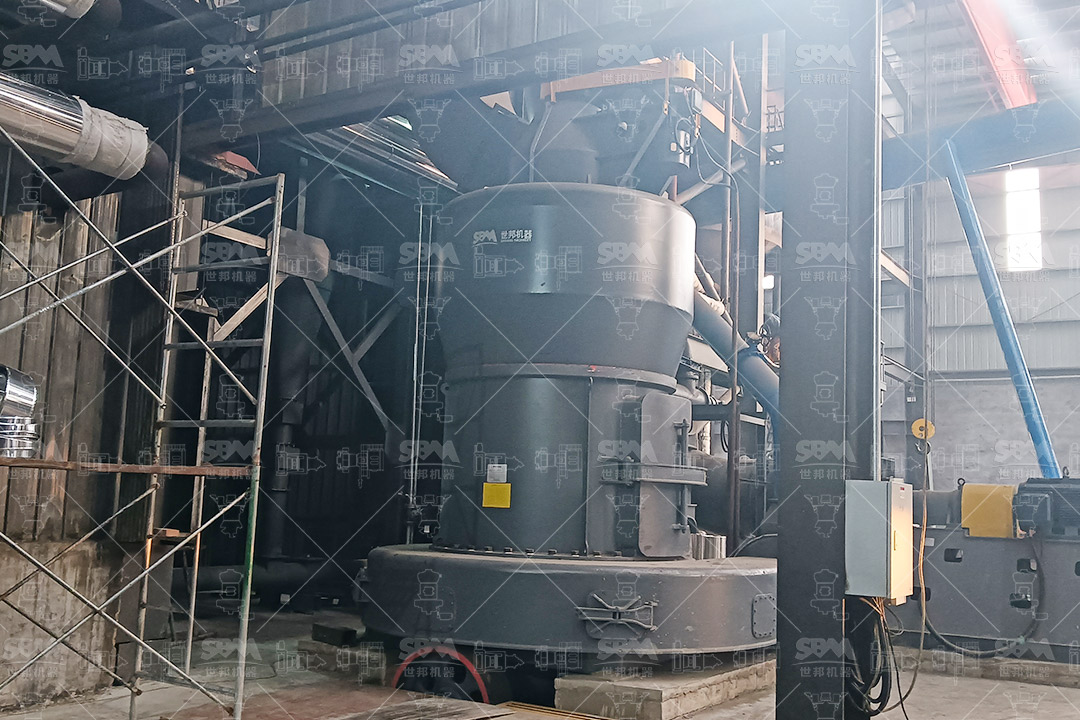
The MTW mill is a proven workhorse for mineral grinding in the 30-325 mesh range. Its trapezium grinding ring and curved shovel design reduce energy loss while handling feed sizes up to 50mm. For a typical 30-mesh magnesite product, the MTW138Z model delivers 6-17 t/h with a main power of only 90 kW, ensuring low operating costs. Key advantages include an integral bevel gear drive with 98% transmission efficiency and a wear-resistant volute structure that cuts maintenance intervals by 30%. This mill is ideal for mid-scale operations requiring reliability and a compact footprint.
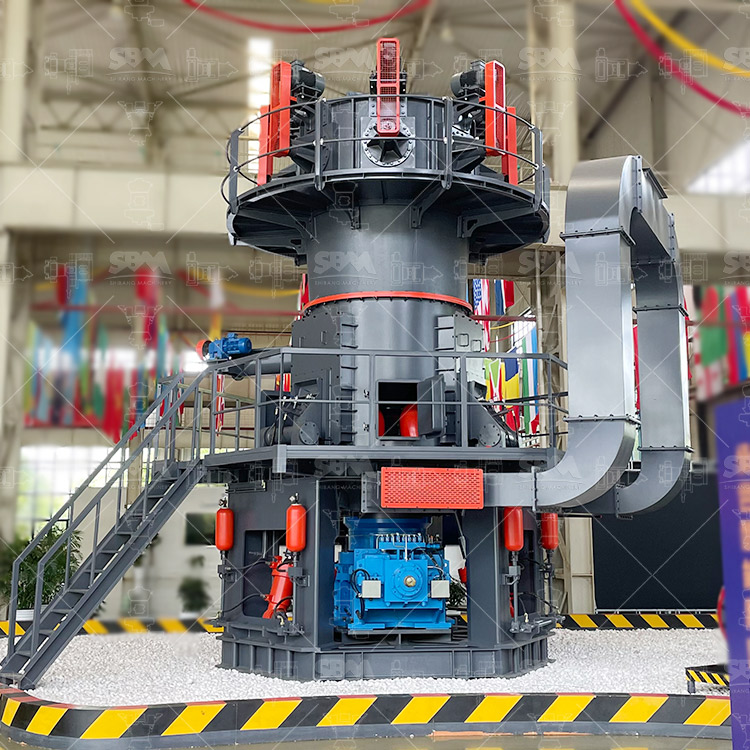
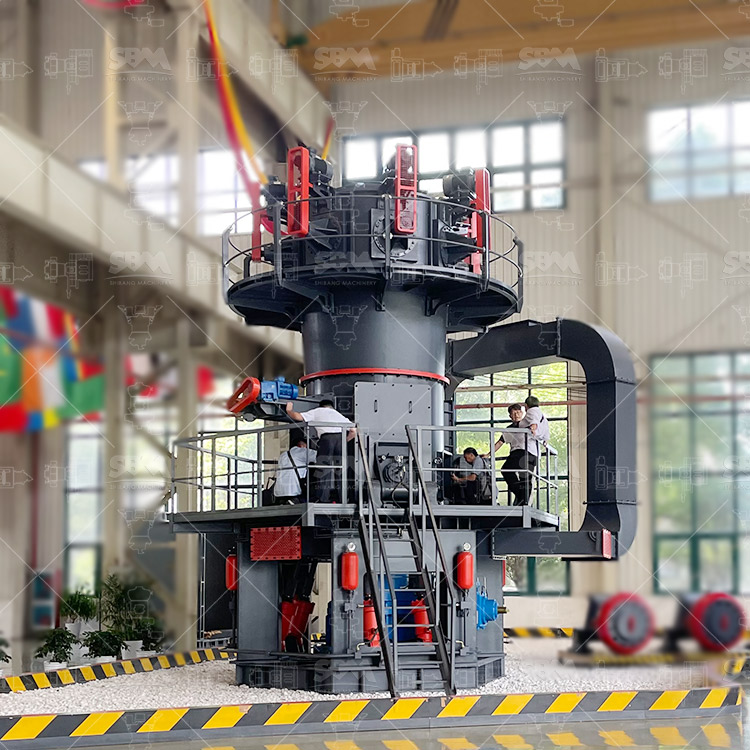
When high capacity and energy savings are prioritized, the LM series excels. The LM150K model, with a table diameter of 1500mm, processes 13-38 t/h at a fineness of 170-40 μm (easily adjustable to 30-mesh). Its integrated design combines crushing, grinding, and classification in one unit, reducing floor space by 50% and infrastructure costs by 40%. The non-contact roller-to-table design multiplies wear part life by three, while energy consumption is 30-40% lower than ball mill systems. For large-scale magnesite plants, the LM190K (23-68 t/h) or LM220K (36-105 t/h) offers unmatched throughput.
The MTM mill features an intelligent spring pressure system that automatically compensates for roller wear, extending ring life by 30%. With models like MTM160 providing 9-22 t/h at 30-325 mesh, it is a cost-effective choice for plants processing moderately abrasive magnesite. Its damping and noise reduction technology ensures a quieter work environment.
Consider a magnesite processing plant targeting 15 tons per hour of 30-mesh powder. Feed is <40mm crushed ore with 5% moisture:
| Mill Model | Capacity (t/h) | Power (kW) | Fineness | Recommended Use |
|---|---|---|---|---|
| MTW138Z | 6-17 | 90 | 10-325 mesh | Primary mill for medium capacity |
| LM150K | 13-38 | 280 | 170-40 μm | Higher capacity, lower energy |
| MTM160 | 9-22 | 132 | 45-325 mesh | Cost-sensitive operations |
For 15 t/h, the LM150K offers the best energy efficiency and lowest wear cost, while the MTW138Z and MTM160 are viable for lower budgets.
Based on decades of field experience, we confidently recommend the following mills for 30-mesh magnesite powder production:
LM Series Vertical Roller Mill – For plants requiring 10-250 t/h with maximum energy savings. Example: LM190K delivers 23-68 t/h at 500 kW, with a fineness range that easily captures 30-mesh. Its negative pressure operation and intelligent control system ensure dust-free, automated production.
MTW Series European Trapezium Mill – For mid-scale operations seeking a balance of performance and economy. The MTW175G model produces 9.5-25 t/h at 160 kW, handling feed up to 40mm. Its curved air duct and anti-wear shovel design reduce maintenance costs by 30%, making it a long-term value.
Both mills have been tested in magnesite applications globally, confirming their ability to produce uniform 30-mesh powder with minimal fines and stable operation.
To maximize mill performance for magnesite grinding:
Selecting the right grinding mill for 30-mesh magnesite powder production is a decision that influences plant productivity and profitability. The LM Series Vertical Roller Mill delivers the highest energy efficiency and capacity, while the MTW Series European Trapezium Mill offers excellent reliability and moderate investment. Both are supported by our global service network, spare parts availability, and process optimization expertise. Contact our engineers to conduct a material test and receive a tailored mill recommendation for your specific magnesite plant requirements.