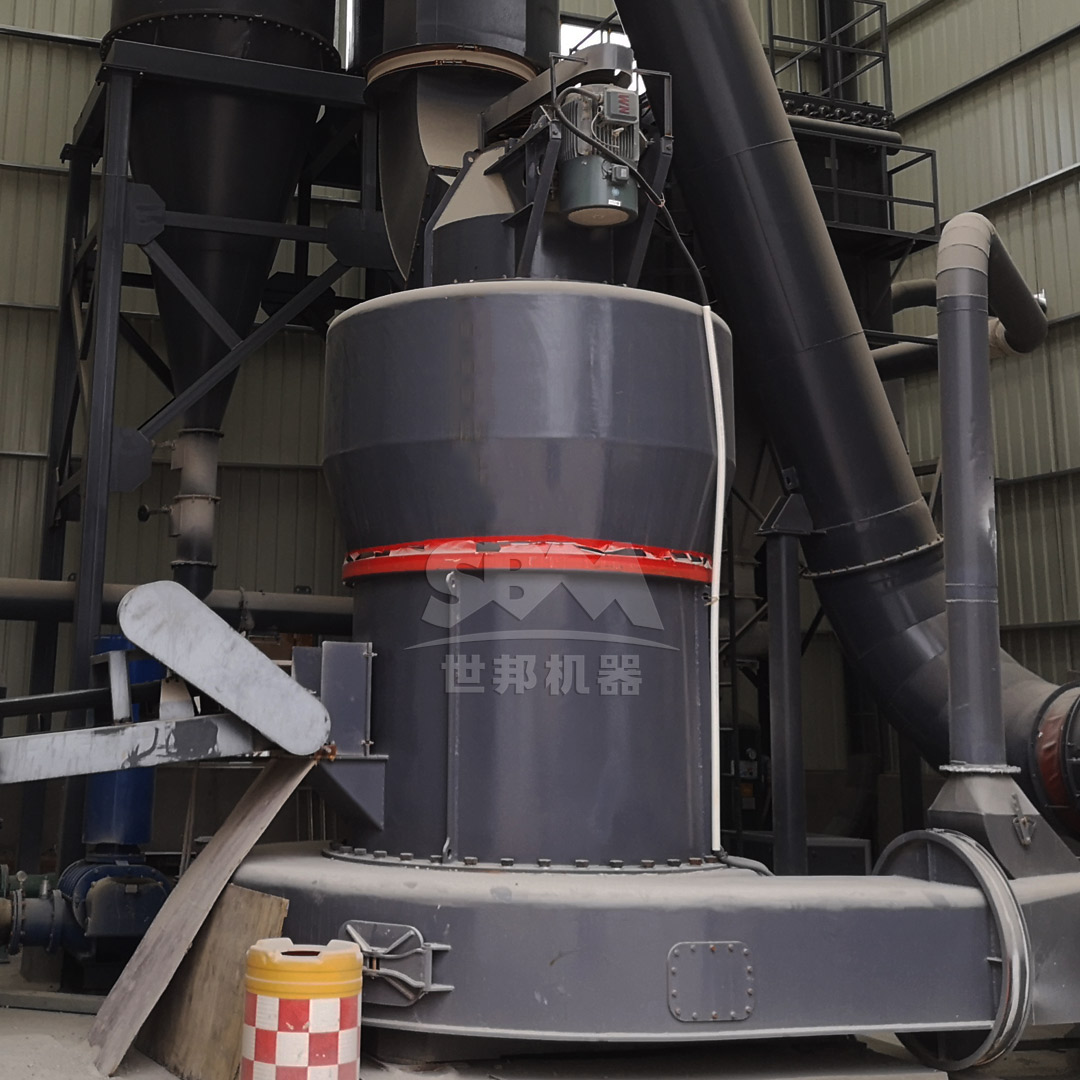
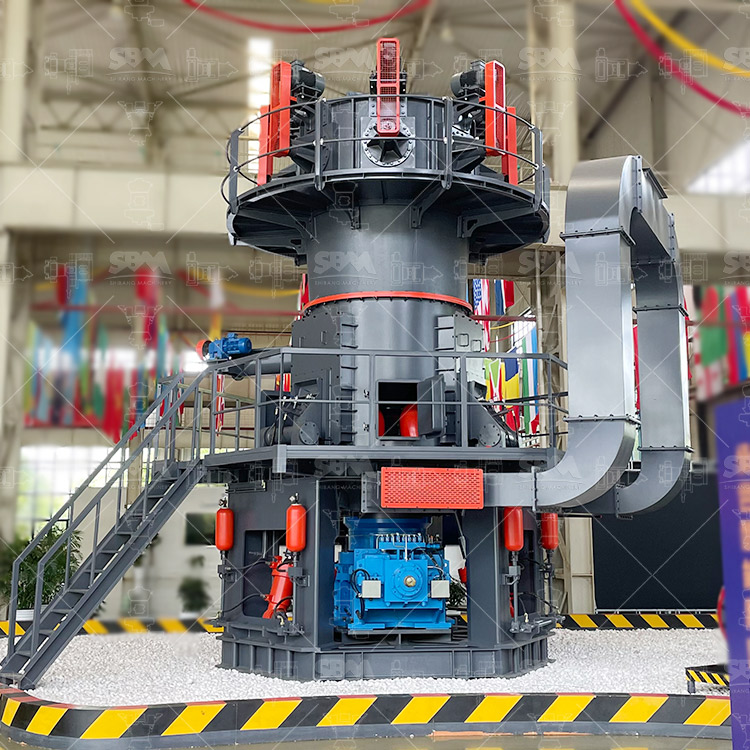
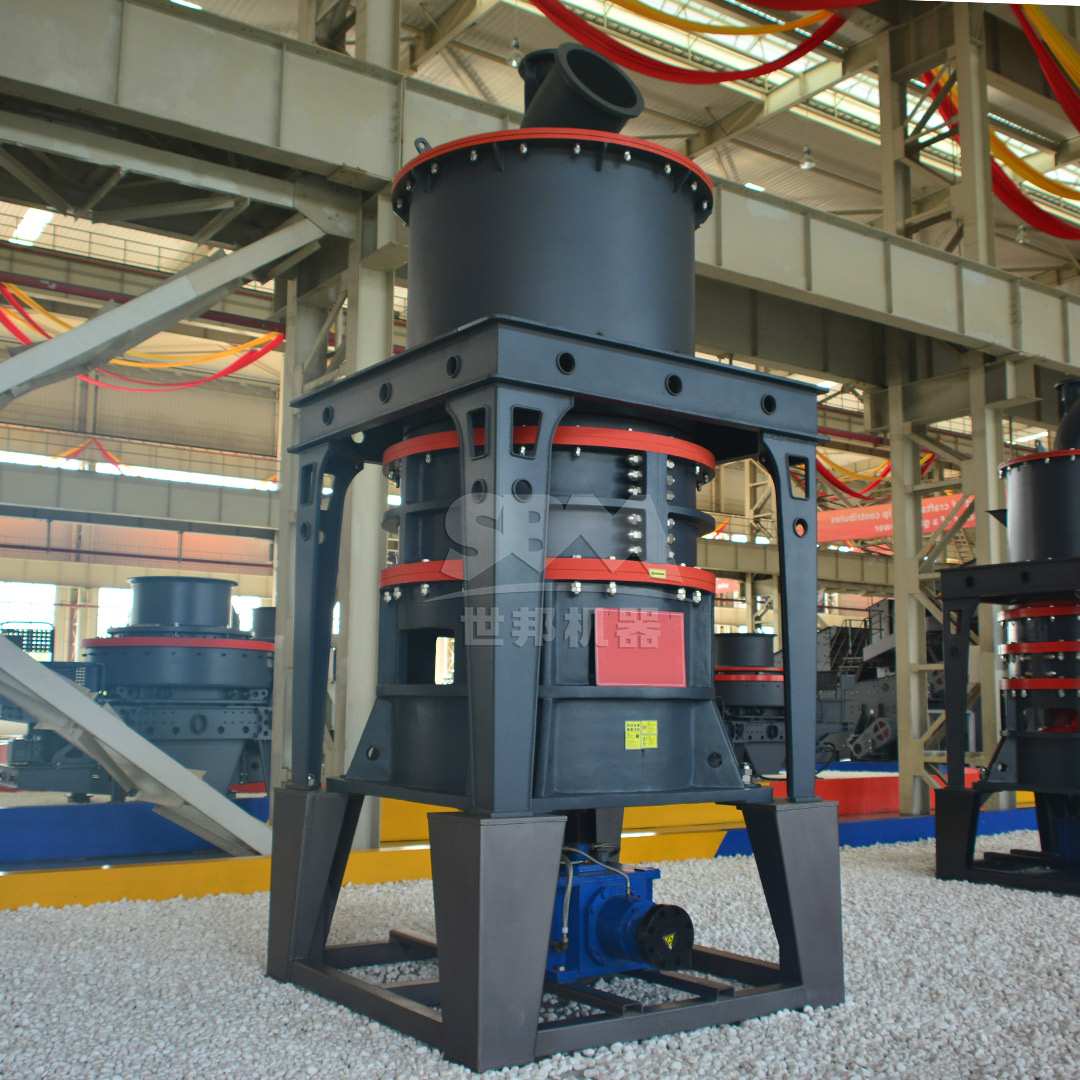
Magnesite (magnesium carbonate) is a critical mineral resource used extensively in the production of refractory materials, magnesium compounds, and environmental applications. For industries requiring fine magnesite powder, achieving a uniform particle size of 300 mesh (approximately 45 micrometers) is essential for ensuring product quality and performance. The efficiency of the grinding process directly impacts production costs, energy consumption, and the final powder’s market value. This article explores the key machinery and technological advancements that enable efficient 300 mesh magnesite powder production, providing insights for plant managers and procurement specialists.
Transforming raw magnesite ore into a fine, consistent 300 mesh powder requires overcoming several engineering challenges. The material’s hardness (Mohs 3.5-4.5) and its tendency to generate heat during grinding demand equipment that balances crushing force with thermal management. Traditional ball mills, while reliable, often suffer from high energy consumption and limited fineness control. Modern grinding solutions have evolved to address these shortcomings through innovative design principles.
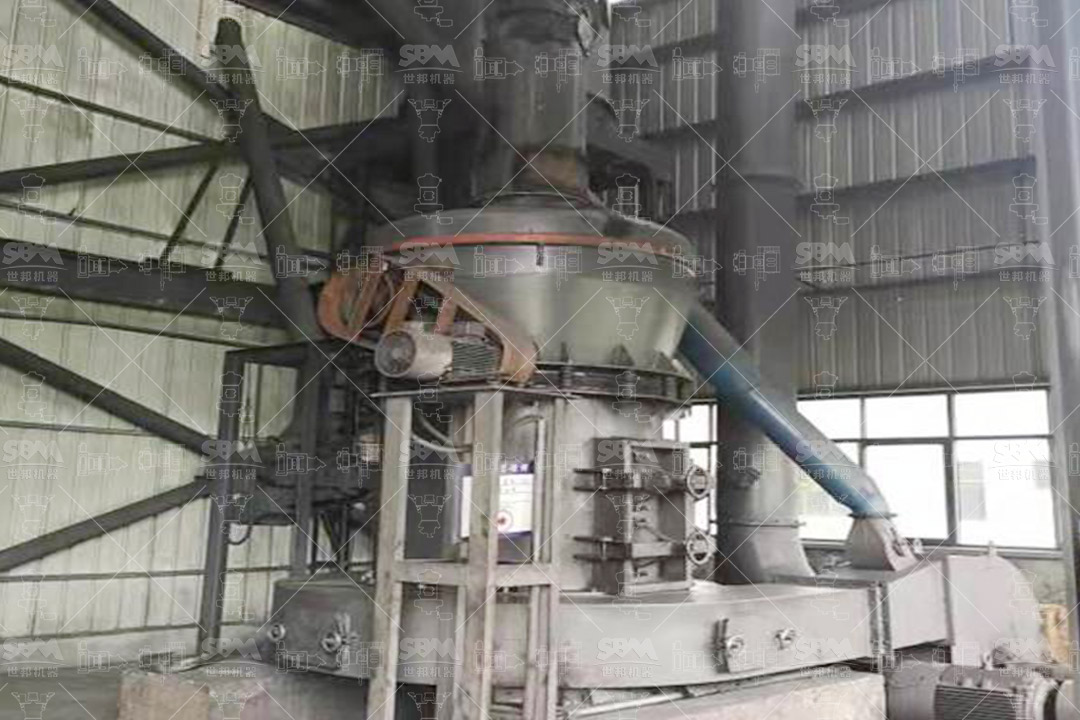
When targeting 300 mesh (45μm) fineness, the selection of grinding equipment becomes paramount. Among the most effective solutions are ultrafine grinding mills that employ layer-by-layer crushing principles. These mills utilize centrifugal force to disperse material evenly across grinding rings, where rollers apply controlled pressure to achieve particle size reduction. The key advantage lies in their ability to produce uniform particles without the coarse powder contamination often seen in conventional mills.
The classifier plays a crucial role in ensuring that the final product meets the 300 mesh specification. Modern vertical turbine classifiers offer precise particle size cutting, separating oversize materials and returning them for regrinding while allowing only particles within the target range to pass through. This closed-loop system maintains consistent fineness while maximizing throughput.
For operations requiring outputs between 0.5 and 25 tons per hour, the SCM Series Ultrafine Mill offers an excellent balance of efficiency and precision. With an input size of ≤20mm and output fineness ranging from 325 to 2500 mesh, this mill is particularly well-suited for magnesite processing. Its intelligent control system provides automatic feedback on finished product granularity, ensuring consistent 300 mesh production even as operating conditions vary. The SCM series achieves twice the capacity of jet mills while consuming 30% less energy, making it an environmentally and economically sound choice.
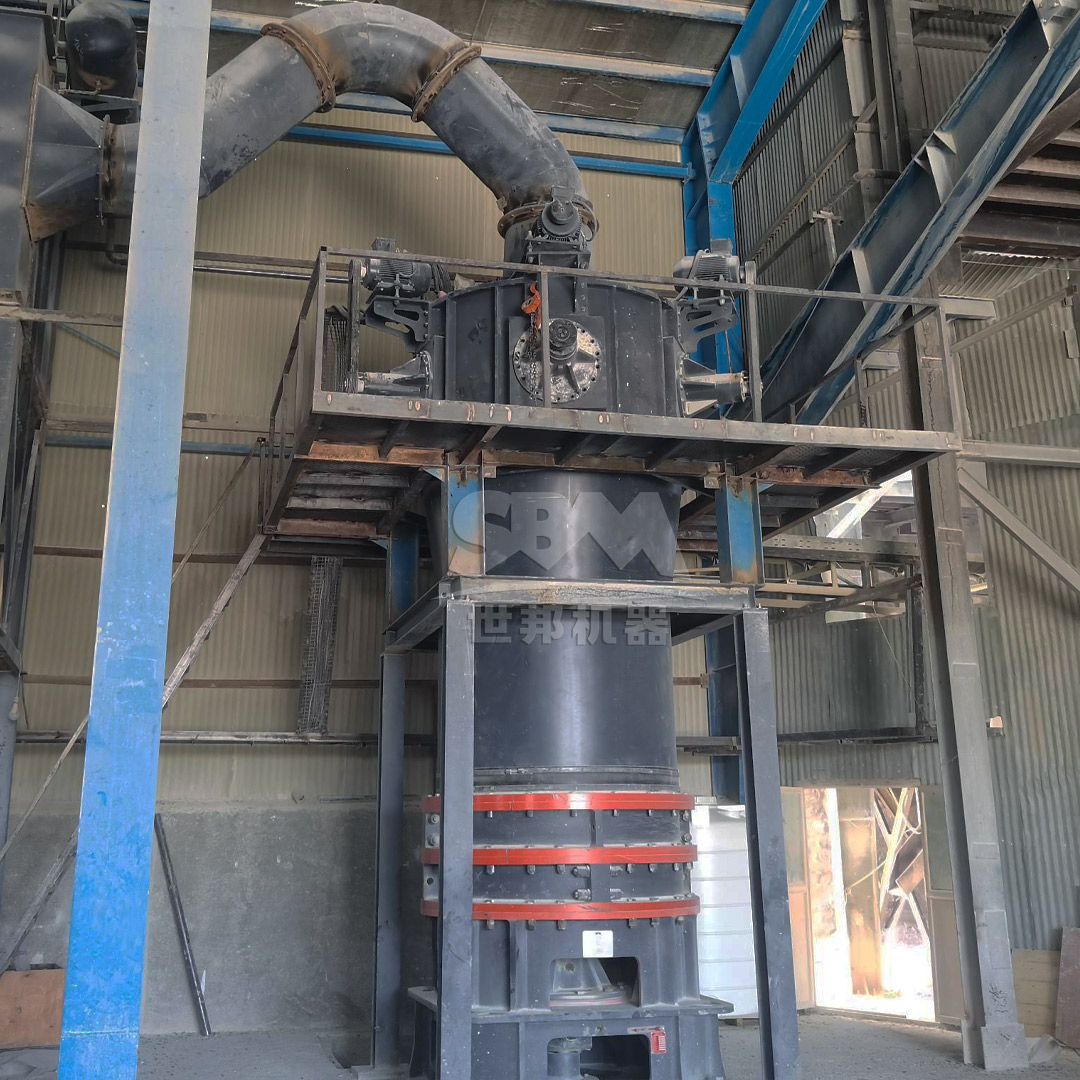
An efficient 300 mesh magnesite powder production line integrates several stages: primary crushing, feeding, grinding, classification, and dust collection. The integration of these components determines overall system reliability and operational cost.
Raw magnesite ore typically enters the grinding circuit after being reduced to ≤20mm or ≤50mm, depending on the mill type. The feeding system must ensure steady, consistent material flow to prevent mill overload or starvation. Vibratory feeders with adjustable amplitude provide precise control over feed rates.
Modern magnesite grinding operations must meet stringent environmental standards. Pulse dust collection systems with filtration efficiency exceeding international standards capture fine particles at the source. Soundproof enclosure designs further reduce operational noise, creating a safer working environment. The integration of these systems into the grinding circuit is essential for regulatory compliance and worker safety.
While ultrafine mills are ideal for 300 mesh production, some operations may require flexibility to produce coarser powders (e.g., 100-200 mesh) alongside fine products. In such cases, the MTW Series European Trapezium Mill offers a versatile alternative. This mill handles input sizes up to 50mm and produces fineness ranging from 30 to 325 mesh (45-600μm). Its integral bevel gear drive achieves 98% transmission efficiency, reducing energy losses. The anti-wear shovel design and optimized arc air duct minimize maintenance requirements, while the wear-resistant volute structure reduces maintenance costs by 30%.
For medium-scale operations (3-45 tons per hour), the MTW series provides reliable performance with models like the MTW138Z, which delivers 6-17 t/h with 90kW main power, or the larger MTW215G, capable of 15-45 t/h. These mills are particularly effective when processing magnesite with variable moisture content, as they can incorporate hot air drying during the grinding process.
Modern 300 mesh magnesite grinding equipment incorporates intelligent control systems that reduce manual intervention and improve consistency. Expert-level auto-control systems monitor parameters such as mill vibration, motor current, and classifier speed in real time. These systems can automatically adjust feed rates and grinding pressure to maintain stable operation, even as feed material characteristics change. Remote monitoring capabilities allow operators to oversee multiple production lines from a central control room.
When evaluating 300 mesh magnesite grinding equipment, capital cost is only one factor. Total cost of ownership includes energy consumption, wear part replacement, maintenance labor, and downtime. Advanced mills with specialized roller and ring materials can extend service life several times compared to standard components. Shaftless screw grinding chamber designs ensure stable operation with fewer mechanical failures.
Energy efficiency remains a critical factor. Bed grinding principles, as employed in vertical roller mills, can reduce energy consumption by 30-50% compared to ball mill systems. This translates to significant operational savings over the equipment’s lifespan, particularly for high-volume production lines.
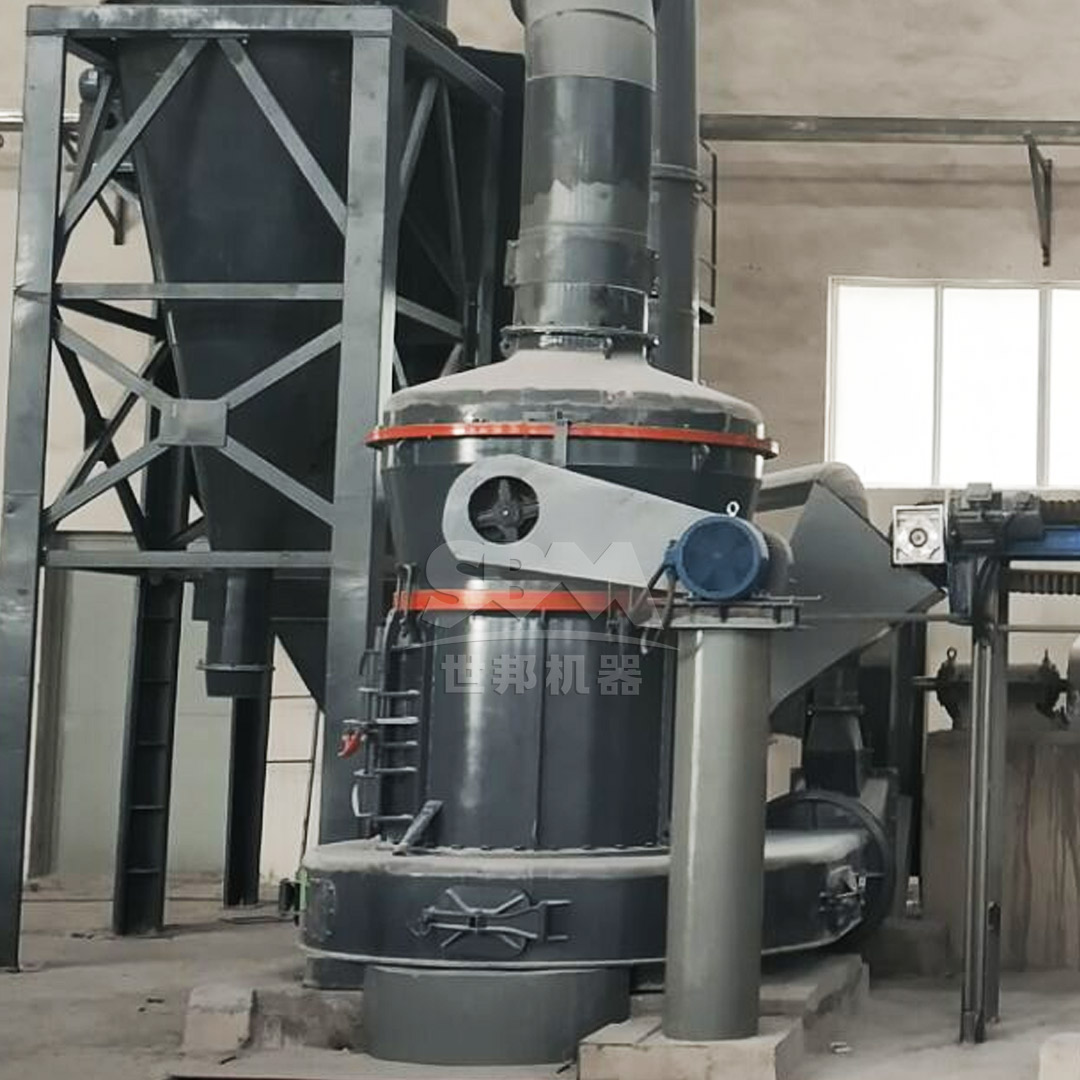
The industry continues to evolve toward more sustainable and efficient solutions. Developments in liner materials, such as high-chrome and manganese steel alloys, further extend wear part life. Modular roller assembly designs allow quick-change systems that minimize downtime during maintenance. Multi-stage classifier technology enables operators to produce multiple fineness specifications from a single mill setup.
For ultra-fine applications beyond 300 mesh (e.g., 600-2500 mesh), specialized fine-powder vertical mills offer capacities up to 30 t/h with feed sizes under 20mm. These mills combine integrated design principles with precise classification to meet the most demanding specifications.
Efficient 300 mesh magnesite powder production requires careful selection of grinding equipment that balances throughput, energy consumption, and product quality. Whether choosing the high-efficiency SCM Series Ultrafine Mill for its superior energy savings and precise classification, or the versatile MTW Series European Trapezium Mill for its robust design and wide fineness range, modern grinding technology offers solutions for every production requirement. By investing in intelligent, durable, and environmentally compliant machinery, manufacturers can optimize their magnesite processing operations for long-term success.
For detailed technical specifications and capacity assessments tailored to your specific magnesite characteristics, consulting with equipment manufacturers and reviewing pilot test results is recommended before finalizing production line design.