Cobalt powder is a critical material in modern industry, powering everything from lithium-ion batteries and superalloys to cemented carbides and magnetic materials. The demand for high-purity, uniformly sized 80 mesh cobalt powder continues to grow, particularly in the fields of additive manufacturing, powder metallurgy, and chemical catalysis. Achieving the precise specification of 80 mesh (approximately 177 microns) with consistent particle size distribution and minimal contamination requires advanced milling technology and process control. This article delves into the technical challenges and solutions for producing 80 mesh cobalt powder, highlighting the equipment and methodologies that ensure high purity and uniform particle size.
For industrial applications, the performance of cobalt powder is highly dependent on its particle size distribution. An 80 mesh specification typically requires that the majority of particles fall within a narrow range around 177 microns. A uniform particle size ensures consistent flowability during pressing or molding, predictable sintering behavior, and homogeneous mechanical properties in the final product. Irregular or widely distributed particle sizes can lead to segregation, inconsistent densification, and defects in components. Therefore, the milling equipment must provide precise classification and grinding control to achieve this uniformity.
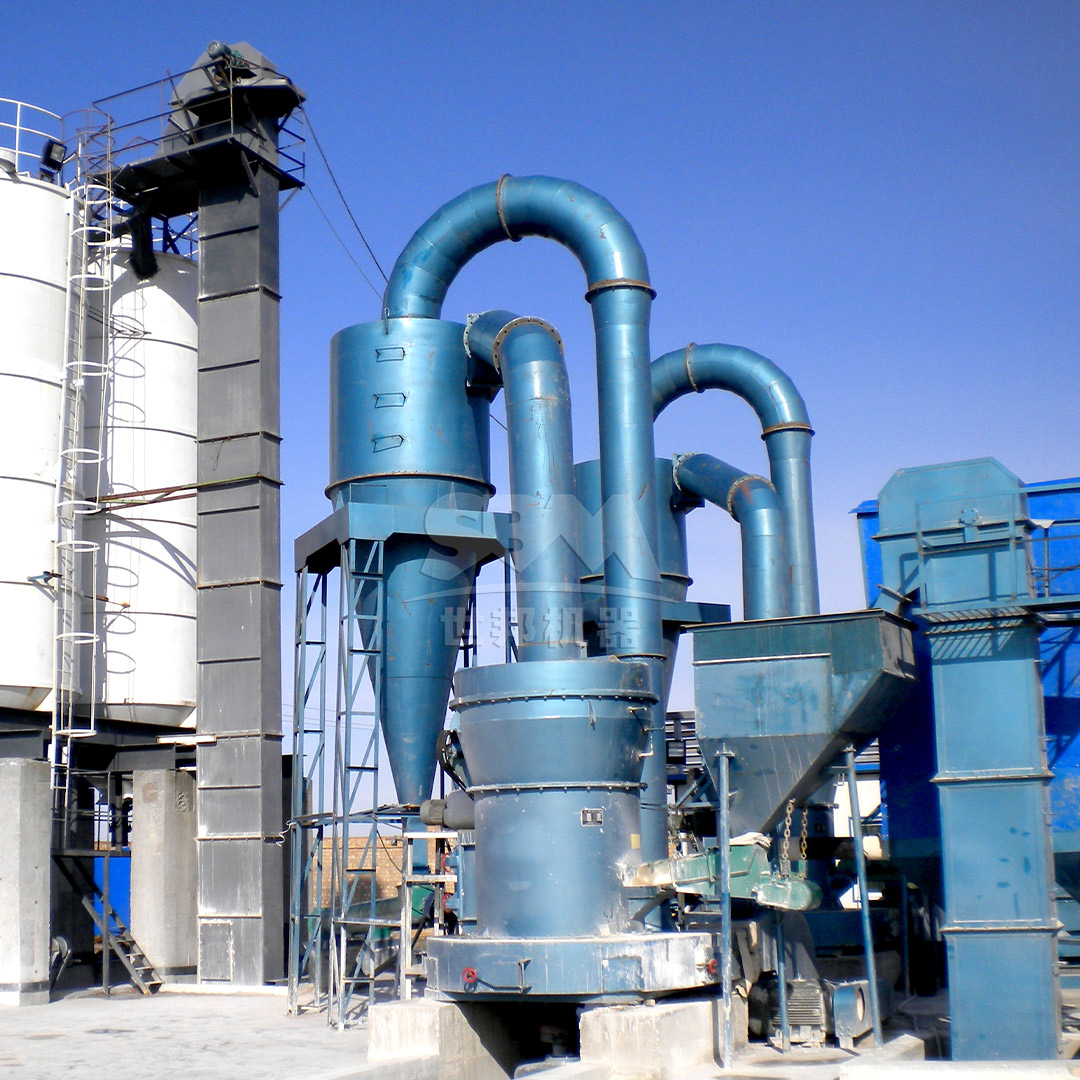
Cobalt is a tough, ductile metal with a high melting point, making it difficult to grind. During mechanical milling, cobalt particles tend to agglomerate, weld together, or smear against grinding surfaces. This can result in irregular, flaky particles rather than the desired equiaxed or spherical shapes. Additionally, the milling process can introduce contamination from grinding media and liners, compromising the purity of the final product. To overcome these challenges, specialized milling equipment designed for ultrafine and precision grinding is required.
High-purity cobalt powder is often used in sensitive applications like battery cathodes. Even trace amounts of iron, chromium, or other elements can degrade performance. Therefore, the grinding chamber and components must be lined with wear-resistant, non-contaminating materials. Advanced mills utilize ceramic rollers, alloy steel liners with special coatings, or polymer-based lining systems to minimize metal pick-up.
The milling mechanism influences the particle morphology. Impact crushing tends to produce more angular particles, while compression and attrition grinding can yield more rounded shapes. For 80 mesh cobalt powder, a combination of impact and layer-by-layer grinding is often optimal to achieve the desired morphology without excessive fines generation.
Several types of mills can be employed for cobalt powder production, but not all are suitable for achieving the stringent requirements of 80 mesh with high purity. The choice depends on the feed size, desired capacity, and specific purity demands.
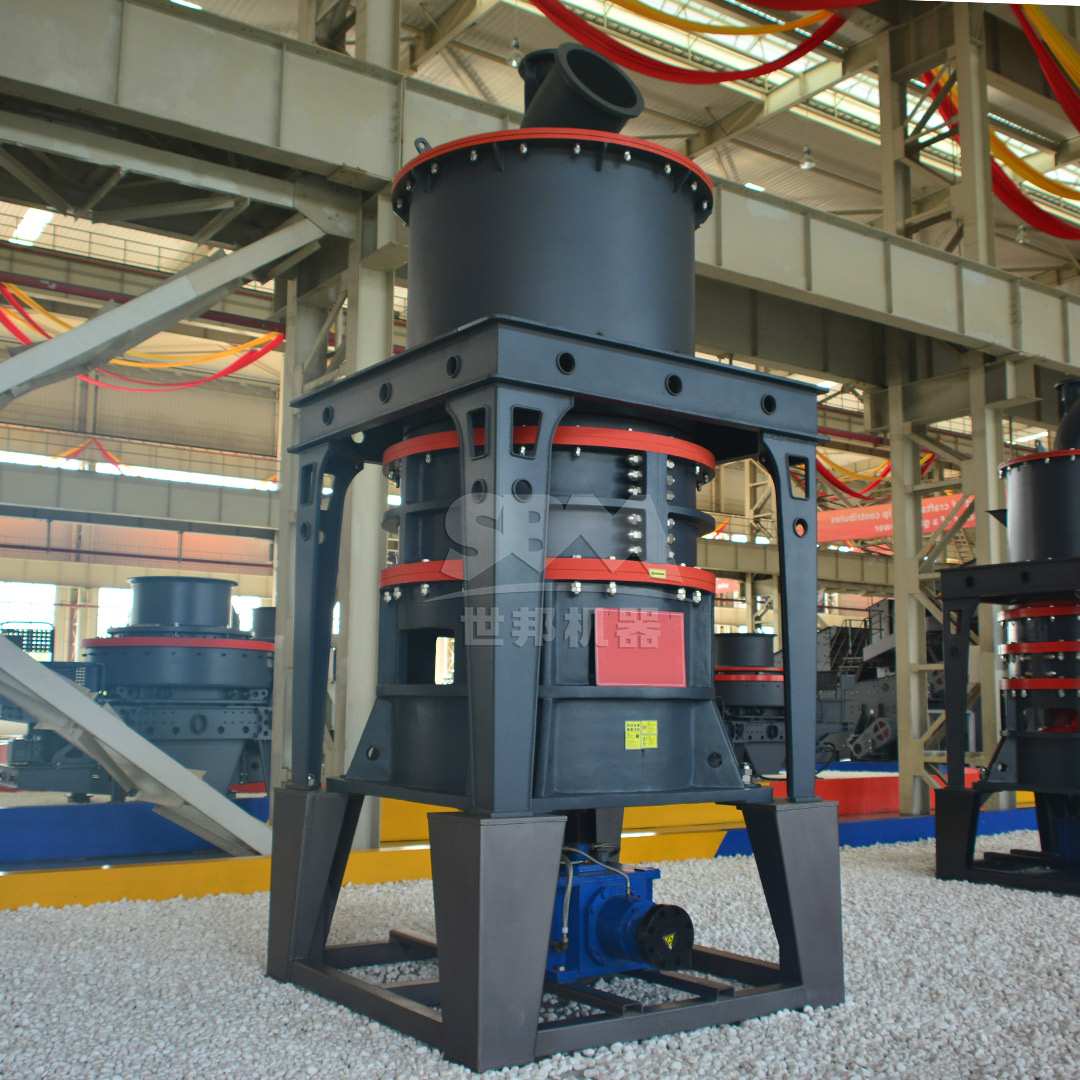
For applications requiring the highest purity and finest control over particle size distribution, the SCM Series Ultrafine Mill stands out as the industry-leading solution. This mill is specifically engineered for producing ultra-fine powders in the 45-5μm range, its capability extends robustly into the 80 mesh range (177 microns) with exceptional precision.
The SCM Series employs a vertical turbine classifier that achieves precise particle size cutting. This means no coarse powder mixing, ensuring the finished product is uniformly 80 mesh. The patented ‘shaftless screw grinding chamber’ ensures stable operation and prevents contamination from drive components. With intelligent control systems that provide automatic finished product granularity feedback, the SCM mill can maintain consistent quality throughout the production run.
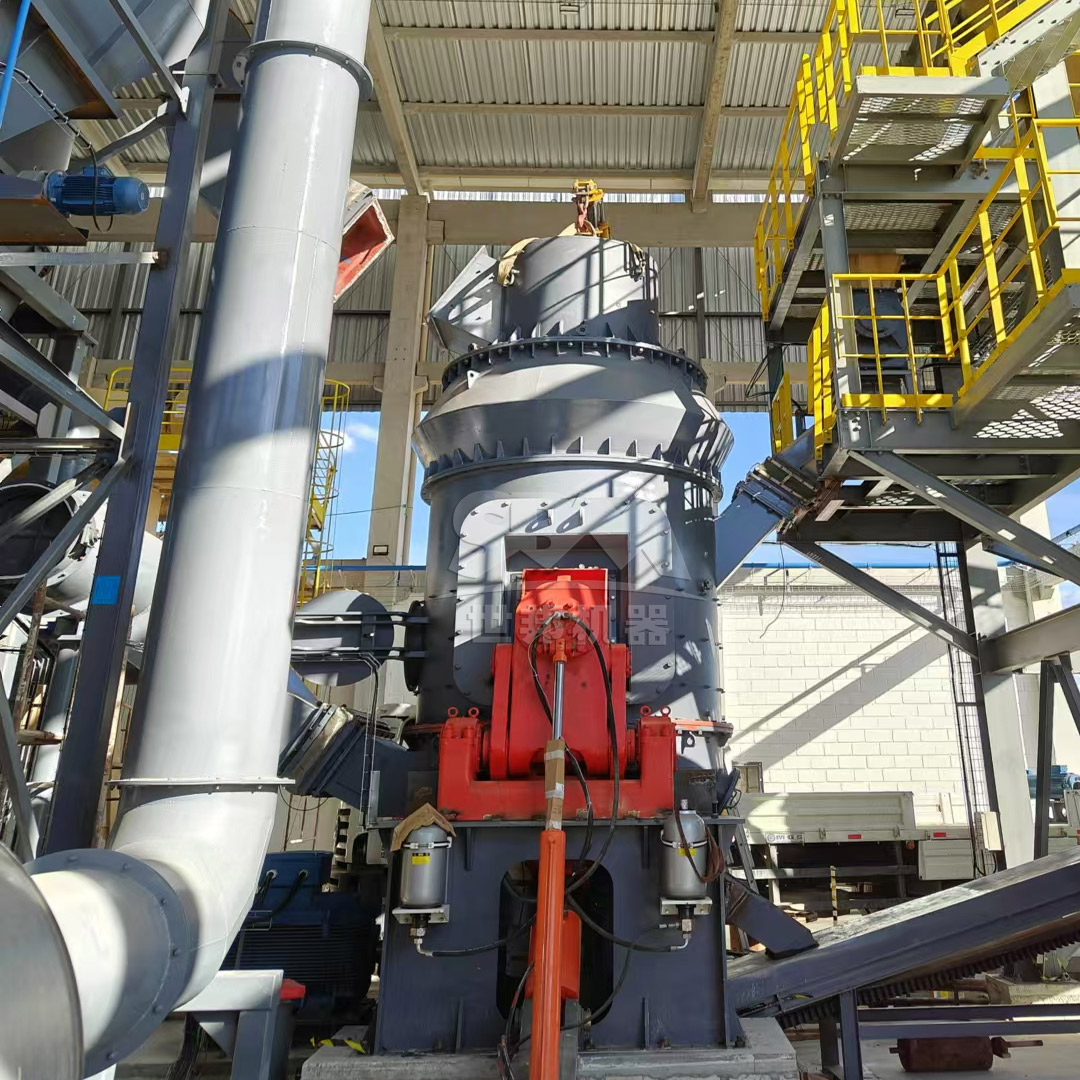
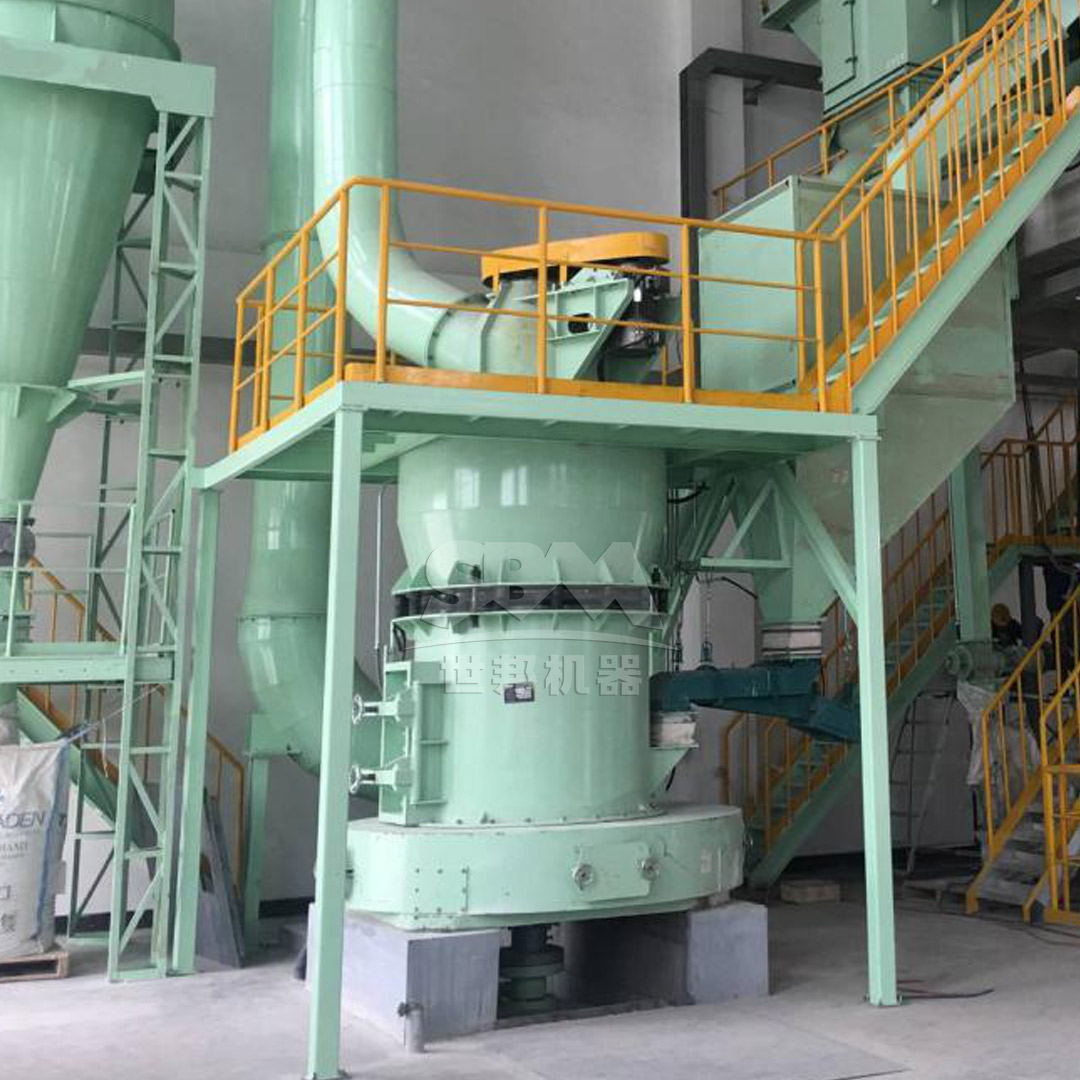
For larger capacity requirements where the feed size is larger (up to 50mm), the MTW Series European Trapezium Mill is an excellent choice. As a ‘grinding machine for 80 mesh mineral’, the MTW mill is renowned for its robust construction and high efficiency in the 30 to 325 mesh range. Its integral bevel gear drive system achieves 98% transmission efficiency, ensuring low energy consumption while maintaining high throughput. The optimized arc air duct and wear-resistant volute structure guarantee a long service life and stable operation. For processing cobalt powder, the anti-wear shovel design and curved grinding roller configuration reduce maintenance costs and ensure consistent grinding pressure, leading to a more uniform particle shape.
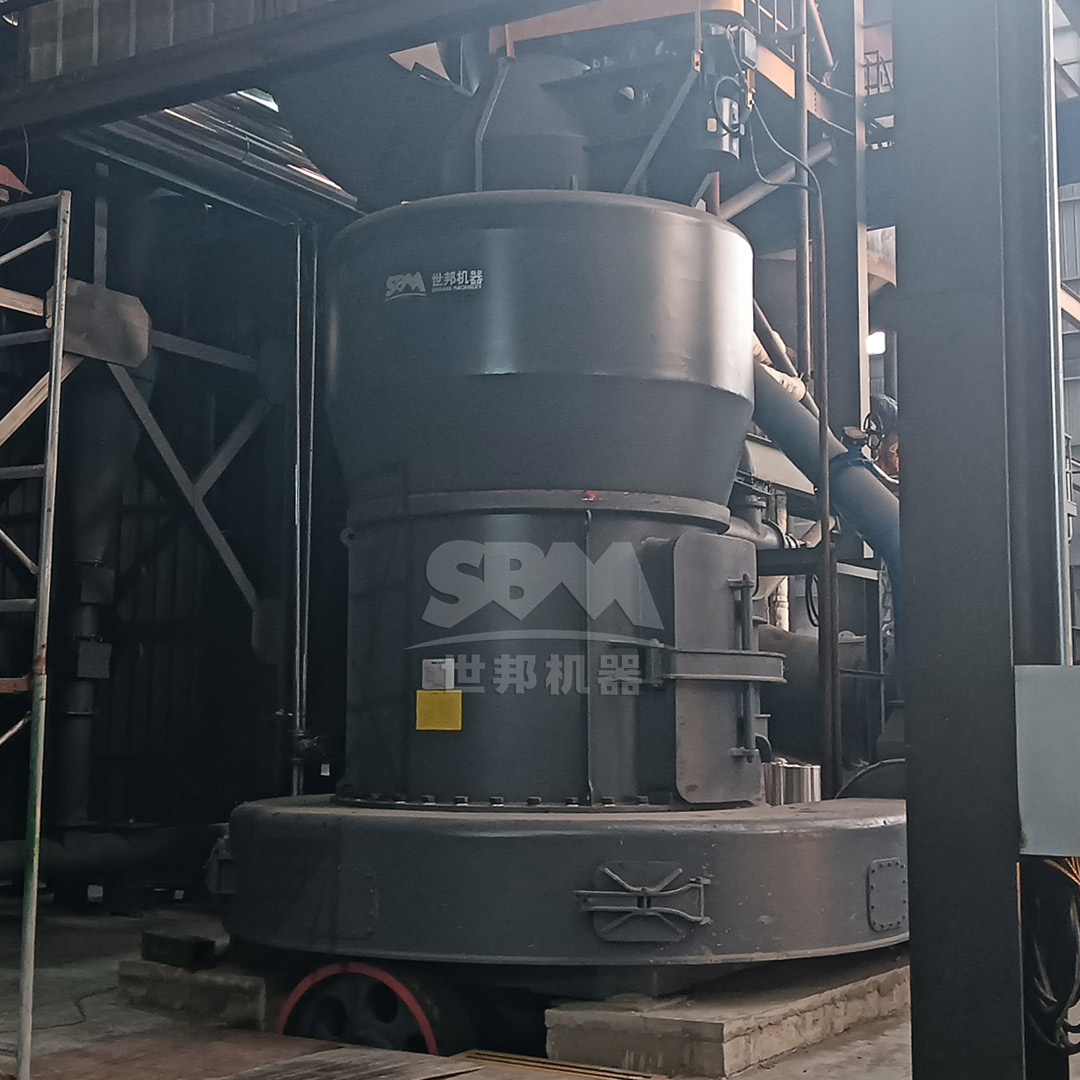
The SCM mill’s working principle is ideally suited to the demands of cobalt powder. The main motor drives three layers of grinding rings to rotate. Material is fed into the mill and dispersed into the grinding path by centrifugal force. Unlike hammer mills which impact the material, the SCM uses a layer-by-layer grinding mechanism. Rollers apply pressure to crush the material between the roller and the ring. This controlled compression and shear action prevents the formation of excessive fines or flaky particles. The vertical turbine classifier then separates the qualified 80 mesh powder, while oversize particles are returned for further grinding. This closed-circuit system guarantees uniform particle size.
In a hypothetical scenario where a battery materials producer requires 5 tons per hour of 80 mesh cobalt powder with less than 50 ppm iron contamination, the MTW138Z model would be an ideal solution. Its feed size capability of 30mm allows it to handle pre-crushed cobalt granules efficiently. The key to purity is the mill’s internal design, which minimizes contact with ferrous metals. The classifier power of 18.5kW allows for precise adjustment of the separation point. The resultant product exhibits excellent flowability and uniform particle size, significantly improving electrode density in battery manufacturing.
| Mill Type | Typical Output Fineness | Best for 80 Mesh Cobalt | Purity Risk |
|---|---|---|---|
| Ball Mill | 0.074 – 0.8 mm | Low (wide distribution) | High (steel balls and liners) |
| Hammer Mill | 0 – 3 mm | Poor (high fines content) | Medium (hammer wear) |
| MTW Trapezium Mill | 30 – 325 mesh | Excellent (Precise classifer) | Low (wear-resistant alloys) |
| SCM Ultrafine Mill | 325 – 2500 mesh | Outstanding (Layer grinding) | Very Low (Special materials) |
Achieving high purity and uniform particle size is not just about the mill itself, but the entire system. Key steps include:
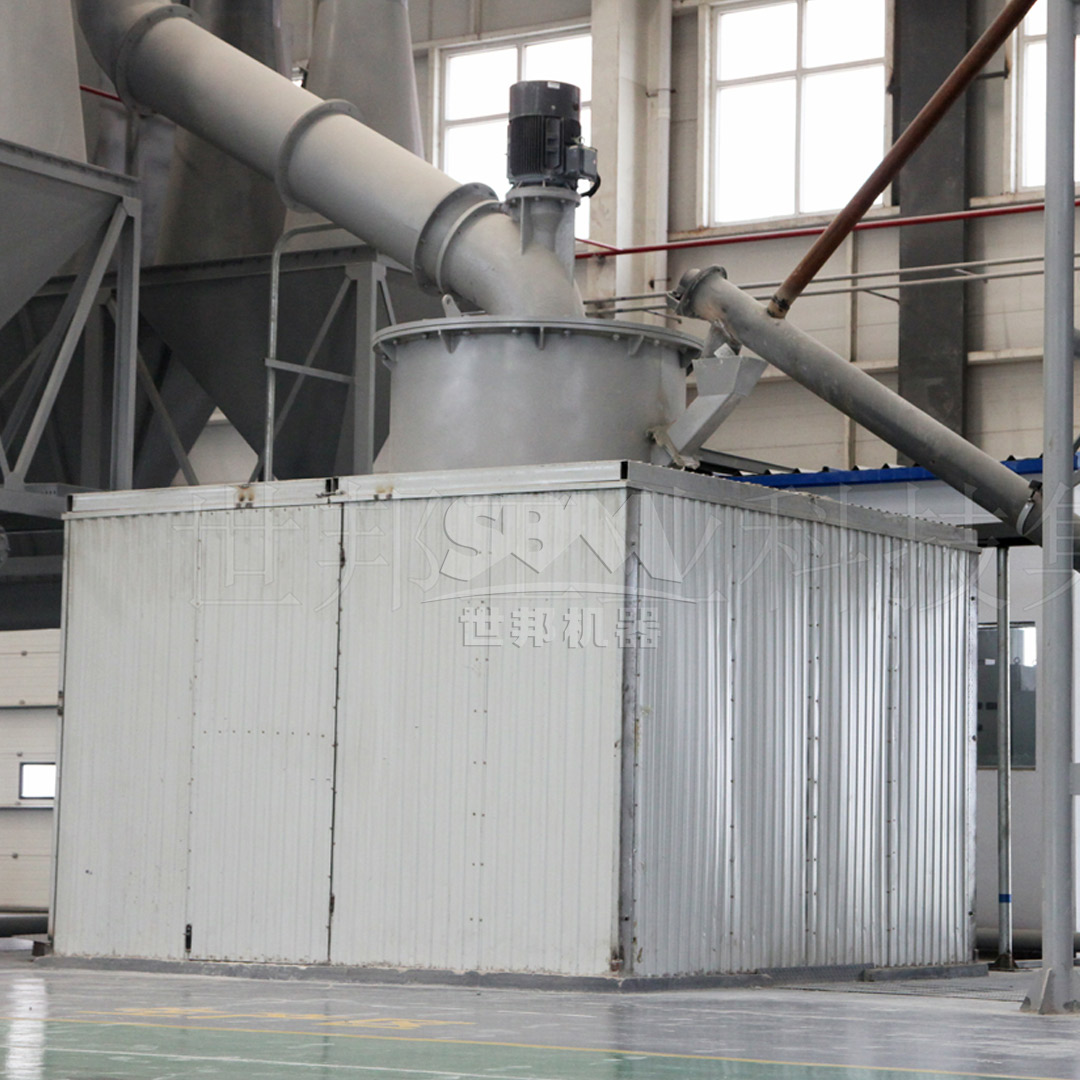
For small to medium-scale production (0.5-8.5 t/h) of high-value 80 mesh cobalt powder with the highest purity standards, we strongly recommend the SCM1000 Ultrafine Mill. With a main power of 132kW and a capacity of 1.0-8.5 t/h, it provides the precision and control needed for the most demanding applications. The SCM series is the gold standard for producing fine to ultra-fine cobalt powders.
For larger capacity requirements (up to 25 t/h) with a more robust feed and a focus on operational reliability, the MTW175G European Trapezium Mill is the preferred choice. Its capacity of 9.5-25 t/h and main power of 160kW make it a workhorse for industrial-scale production. The bevel gear drive and wear-resistant components ensure low total cost of ownership while maintaining the required output specification.
Producing 80 mesh cobalt powder with high purity and uniform particle size is a challenging but achievable target with the right equipment. By utilizing advanced grinding technologies like the SCM Series Ultrafine Mill and MTW Series European Trapezium Mill, manufacturers can overcome issues related to particle agglomeration, contamination, and size variability. These mills, equipped with intelligent control systems and high-precision classifiers, provide a reliable and efficient pathway to producing high-quality cobalt powder, meeting the rigorous demands of modern high-tech industries.