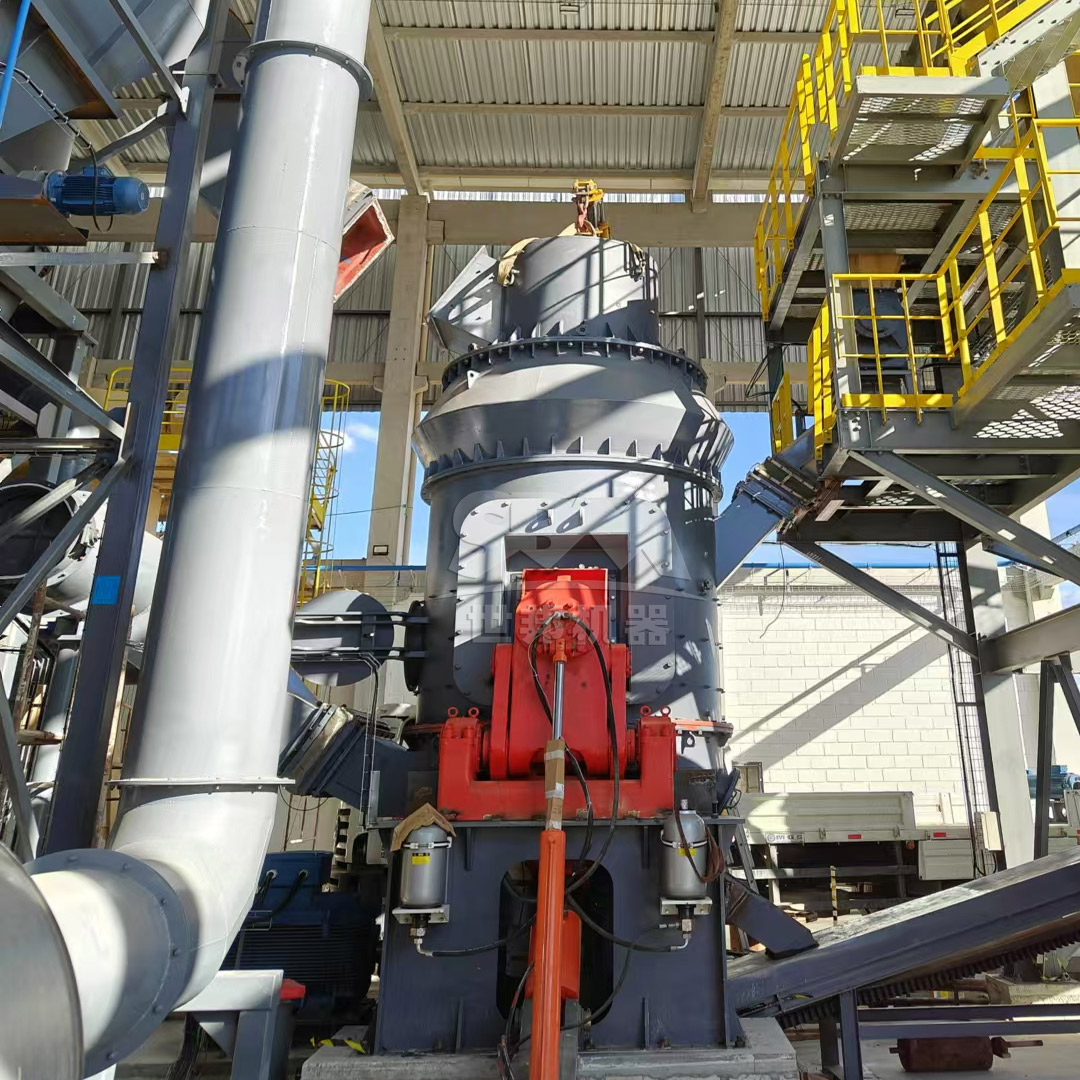
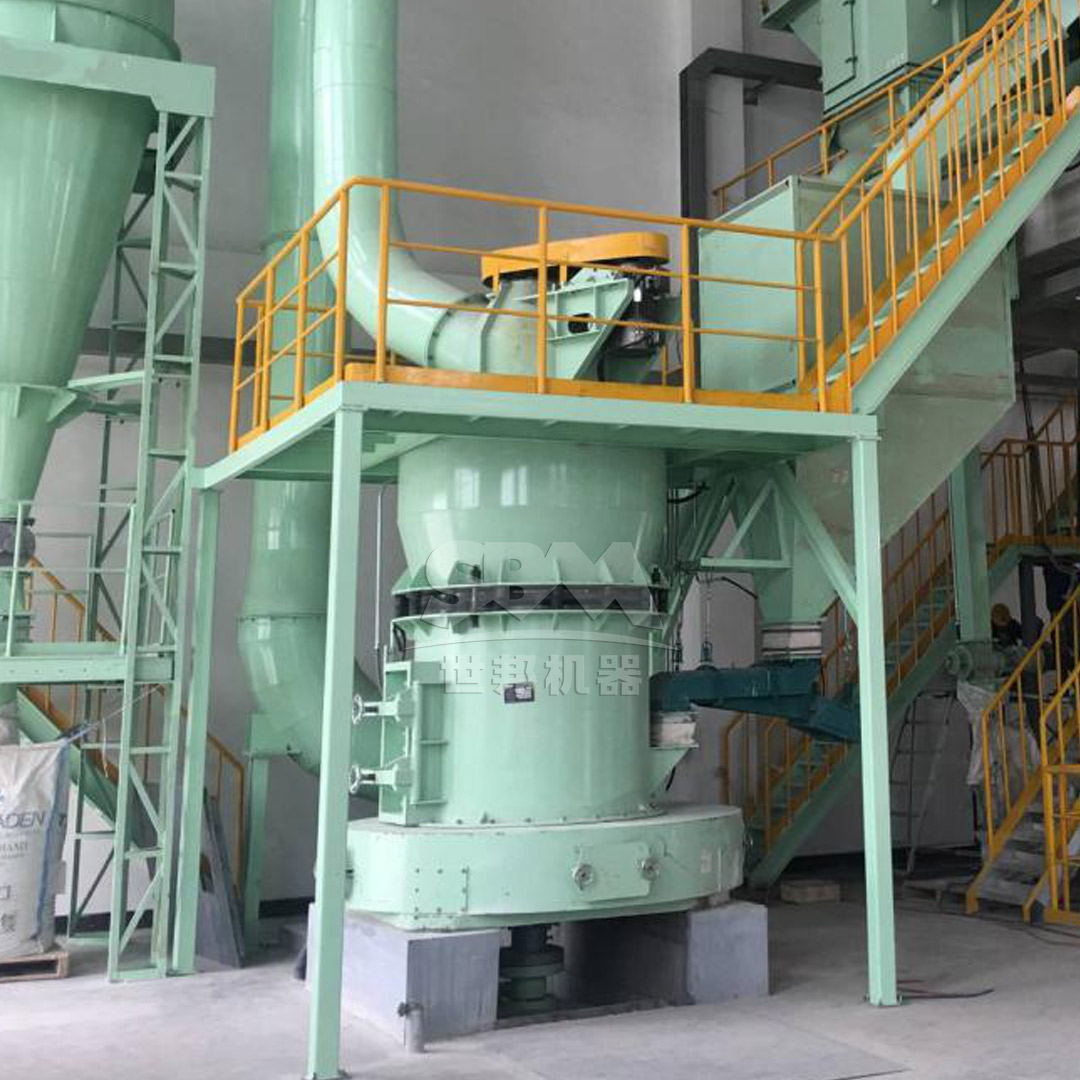
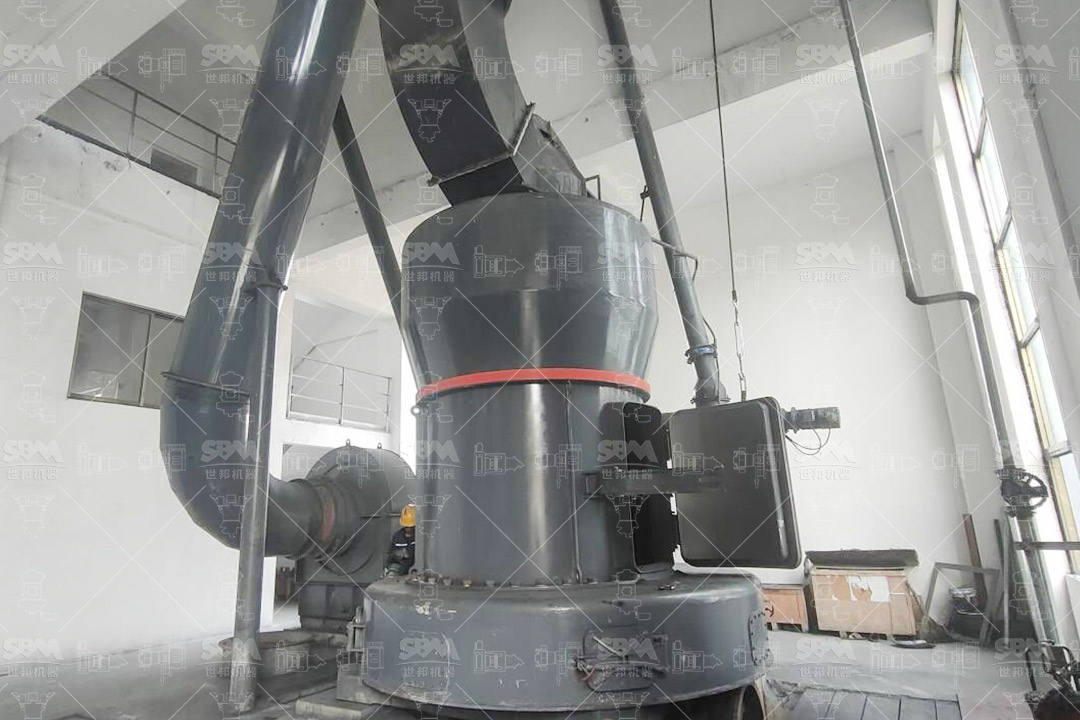
Activated carbon decolorization is a critical process in industries ranging from food and beverage to pharmaceuticals and chemicals. The effectiveness of this process hinges on the particle size and uniformity of the activated carbon powder. Choosing the right milling equipment is therefore essential to achieve optimal purity, consistent decolorization performance, and high production efficiency. This article provides a comprehensive guide to selecting the appropriate mill for activated carbon processing, focusing on key technical parameters, mill types, and operational considerations.
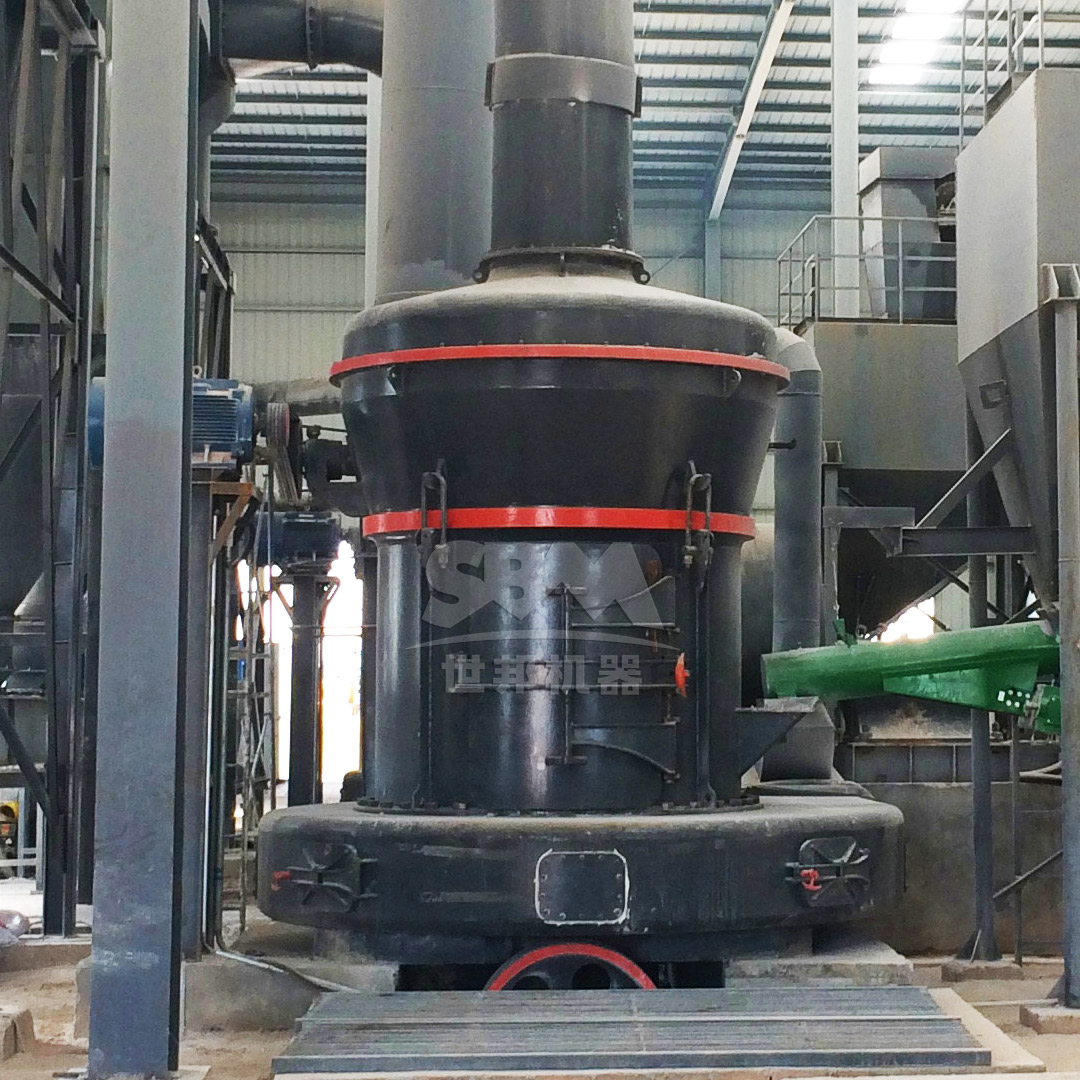
Activated carbon works by adsorbing color bodies, impurities, and other contaminants from liquids. The rate and capacity of adsorption are directly influenced by the surface area and porosity of the carbon particles. Finer particles offer a larger surface area per unit mass, leading to faster adsorption kinetics and higher decolorization efficiency. However, excessively fine powders can be difficult to filter, increasing processing time and costs. Therefore, the target fineness for activated carbon used in decolorization typically ranges from 200 to 325 mesh (74-45 μm), although some high-purity applications may require finer sizes down to 5 μm. The chosen mill must be capable of producing particles within this range with tight size distribution, ensuring consistent quality and avoiding both under- and over-grinding.
Selecting the optimal mill for activated carbon decolorization involves evaluating several critical factors:
Activated carbon, especially in its granular or extruded form, is abrasive and has a relatively low hardness. The mill must be designed to handle these properties, minimizing wear and tear on internal components. The feed size also determines the required crushing or grinding capability of the mill.
The target particle size (e.g., 325 mesh or finer) and the allowable distribution tolerance are paramount. A mill with precise classification systems ensures that the product meets strict specifications, preventing the presence of coarse particles that can reduce decolorization efficiency or fine particles that complicate filtration.
Throughput (tons per hour) must match production demands. Energy consumption is another crucial economic factor, as grinding is energy-intensive. High-efficiency mills that offer low energy consumption and high capacity are preferred.
Activated carbon is a fine powder that can be combustible and hazardous to inhale. The milling system must be sealed, operate under negative pressure, and be equipped with robust dust collection systems to ensure safety and environmental compliance.
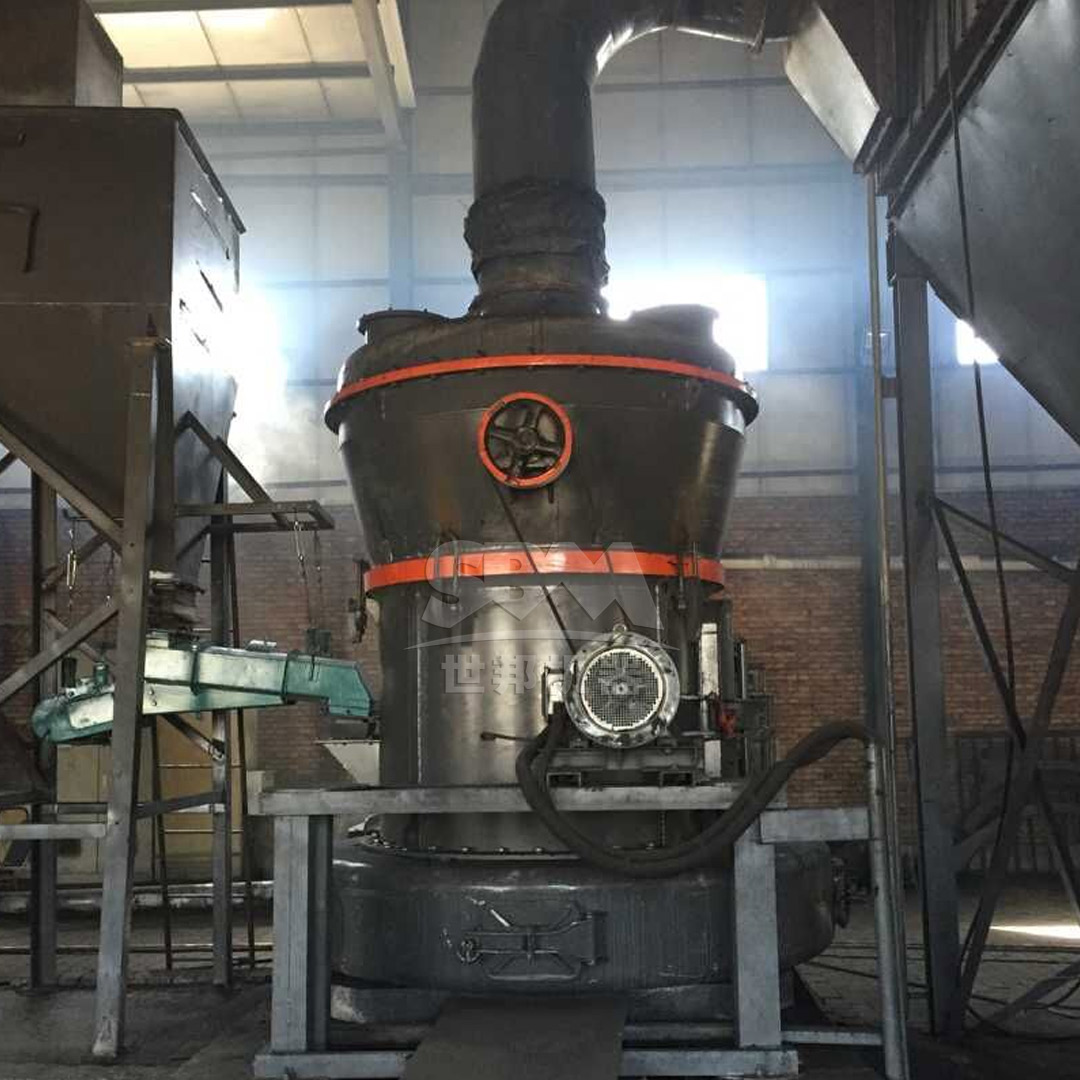
Several types of mills can be used for processing activated carbon, each with its own strengths and ideal applications. The choice often comes down to the required fineness and production scale.
| Mill Type | Output Fineness | Capacity Range | Key Strengths | Best Suited For |
|---|---|---|---|---|
| Ball Mill | 0.074-0.8 mm | 0.65-450 t/h | Large capacity, robust design, wide application | Coarse grinding, large-scale operations where extreme fineness is not critical. |
| MTW European Trapezium Mill | 30-325 mesh (down to 45 μm) | 3-45 t/h | High efficiency, precise classification, durable wear parts | Standard decolorization fineness (100-325 mesh) with medium to high throughputs. |
| LM Vertical Roller Mill | 30-325 mesh (up to 600 mesh) | 3-250 t/h | Integrated system, energy efficient, intelligent control | Large-scale operations requiring consistent fineness and low operating costs. |
| SCM Ultrafine Mill | 325-2500 mesh (5-45 μm) | 0.5-25 t/h | Ultra-fine grinding, high purity, energy saving vs. jet mills | Specialized decolorization applications demanding ultra-fine particle sizes for enhanced surface area. |
| LUM Ultrafine Vertical Roller Mill | 325-2500 mesh | 1.6-15 t/h | Precise classifying, smart control, environmental design | High-end applications requiring fine powders with narrow size distribution. |
For many activated carbon decolorization applications, the MTW Series European Trapezium Mill offers an optimal balance of efficiency, fineness, and capacity. With an output fineness ranging from 30-325 mesh, it aligns perfectly with the typical requirements for decolorization processes. Its patented technology, such as the anti-wear shovel design and optimized arc air duct, ensures reduced maintenance costs and enhanced grinding efficiency. The integral bevel gear drive boasts a transmission efficiency of up to 98%, significantly reducing energy consumption.
We recommend the MTW138Z model for mid-sized operations, delivering a capacity of 6-17 tons per hour with a main power of 90kW. For larger production lines, the MTW175G model, with a capacity of 9.5-25 t/h and 160kW power, is an excellent choice. These models are equipped with high-precision classifiers, ensuring that the final activated carbon powder is uniform and free of coarse particles, maximizing its decolorizing power.
When the decolorization process demands ultra-fine powders to maximize adsorption capacity, the SCM Series Ultrafine Mill stands out. It achieves fineness between 325 and 2500 mesh (5-45 μm). The SCM mill uses a unique three-layer grinding ring and high-pressure rollers to crush materials through layered grinding. This process is highly efficient, yielding a product with a specific surface area that is significantly higher than that achieved with coarser grinding.
The SCM1000 or SCM1250 models are recommended for high-purity applications. The SCM1000 produces 1.0-8.5 t/h with a main power of 132kW, while the SCM1250 offers 2.5-14 t/h with 185kW. Both provide the same exceptional fineness range. The intelligent control system with automatic product granularity feedback ensures that the mill always produces the target size, avoiding costly over-grinding and ensuring consistent product quality. This is particularly valuable in pharmaceutical and fine chemical industries where purity is non-negotiable.
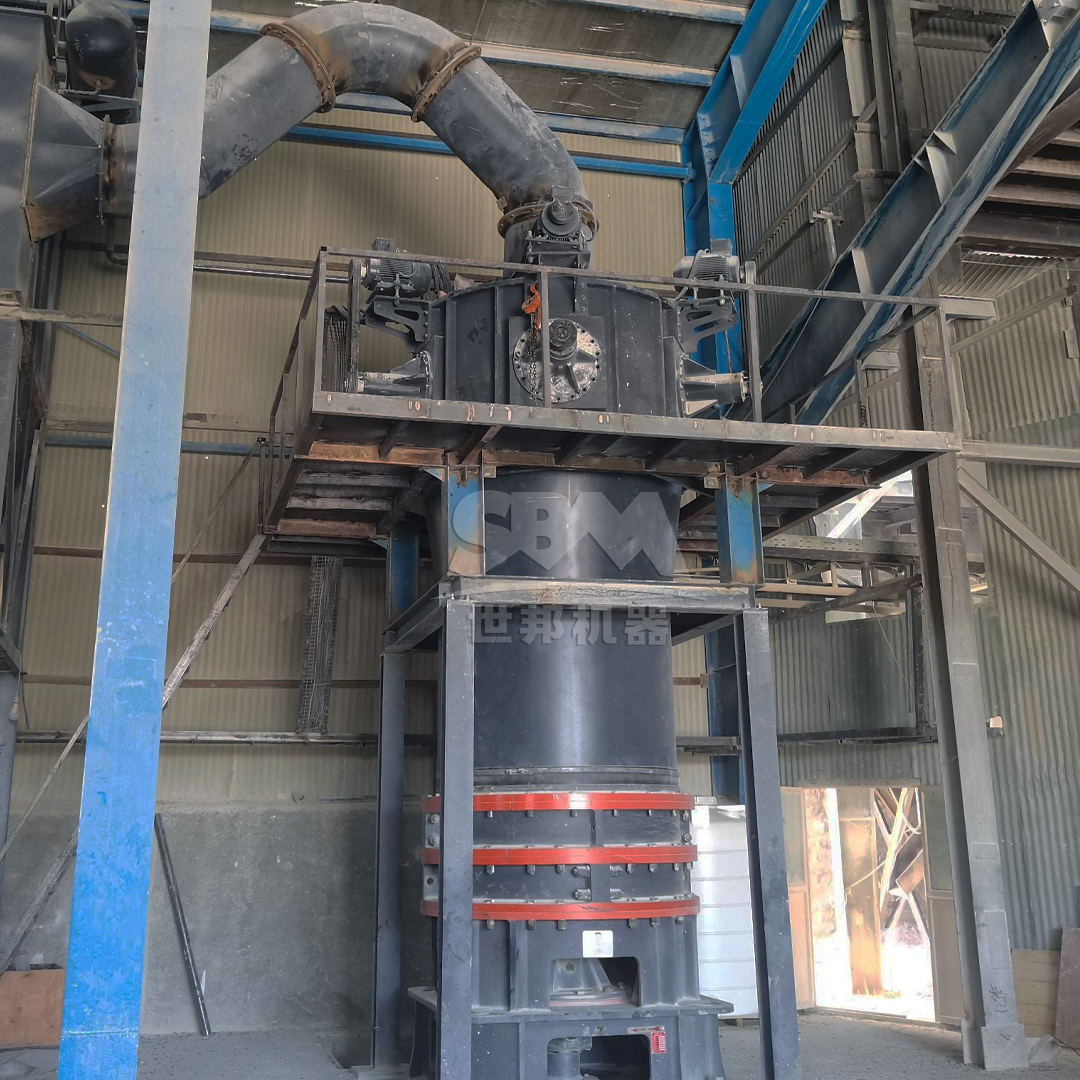
Choosing the right mill for activated carbon decolorization is a strategic decision that impacts product quality, operational costs, and environmental compliance. For standard applications requiring high throughput and uniform particle size around 100-325 mesh, the MTW European Trapezium Mill is a robust and efficient choice. Its balance of power, precision, and durability makes it an industry favorite. For specialized processes requiring ultra-fine powders (325-2500 mesh) to achieve maximum surface area and adsorption kinetics, the SCM Ultrafine Mill is the superior option. It delivers the high purity and fine particle distribution necessary for premium decolorization results. By carefully evaluating your specific fineness, capacity, and operational requirements, you can select the optimal milling solution to enhance your activated carbon processing efficiency and achieve the highest level of product purity.