Attapulgite clay, also known as palygorskite, is a naturally occurring hydrated magnesium aluminum silicate mineral with a unique chain-layer structure. This distinctive morphology provides high surface area, excellent adsorption capacity, and thixotropic properties, making it an indispensable ingredient in pesticide suspension concentrates (SCs). In SC formulations, attapulgite clay serves multiple critical functions: it acts as a suspending agent, thickener, and anti-settling additive, ensuring the active pesticide particles remain uniformly dispersed in the liquid medium over extended storage periods.
However, raw attapulgite clay does not naturally possess the optimal properties required for high-performance SC formulations. To unlock its full potential, the clay must undergo precise grinding and activation processes. This article explores the essential equipment and techniques for processing attapulgite clay, focusing on grinding and activation solutions that enhance its performance in pesticide suspension concentrates. We will also highlight advanced milling equipment from our company that delivers superior results for this specialized application.
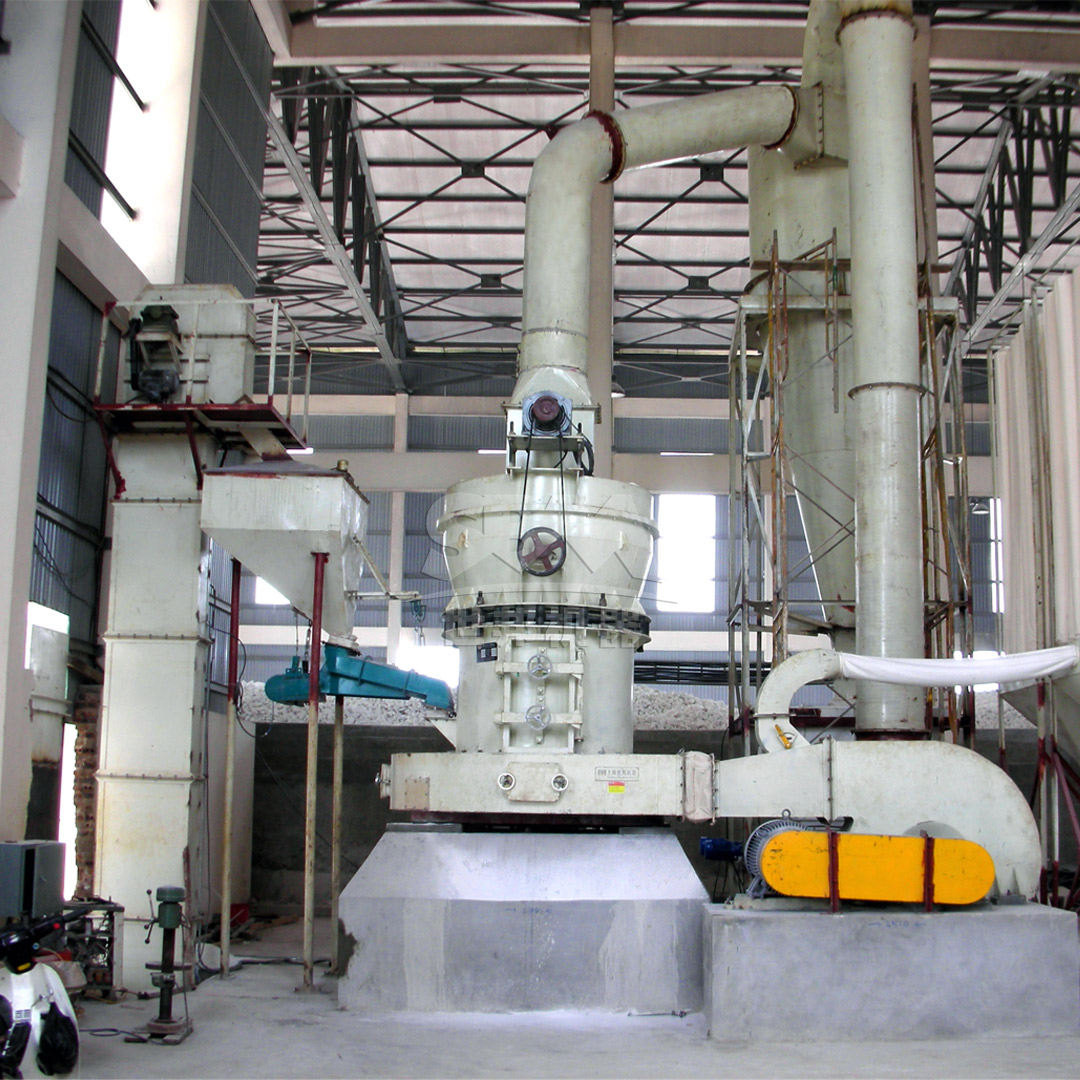
Pesticide suspension concentrates are complex colloidal systems where solid pesticide particles are dispersed in an aqueous or oil-based continuous phase. The stability of these formulations depends heavily on the rheological properties imparted by suspending agents. Attapulgite clay, with its needle-like crystal structure, forms a three-dimensional network in aqueous media, providing excellent suspension stability and preventing sedimentation of active ingredients.
Moreover, attapulgite clay exhibits unique thixotropic behavior – its viscosity decreases under shear stress and recovers when the stress is removed. This property is crucial for SC formulations, as it ensures easy pouring and spraying while maintaining long-term storage stability. Additionally, the high adsorption capacity of attapulgite helps control the release of active ingredients, improving pesticide efficacy and reducing environmental impact.
To achieve these benefits, the attapulgite clay must be processed to specific particle size distributions and activated to enhance its surface properties. This is where advanced grinding and activation equipment becomes essential.
The grinding of attapulgite clay for pesticide suspension concentrates presents unique challenges. Unlike many minerals that require simple size reduction, attapulgite needs controlled grinding to:
Traditional grinding methods such as ball mills often fail to meet these requirements, as they tend to produce broad particle size distributions and can destroy the delicate attapulgite structure. Therefore, specialized ultrafine grinding equipment with precise classification capabilities is necessary.
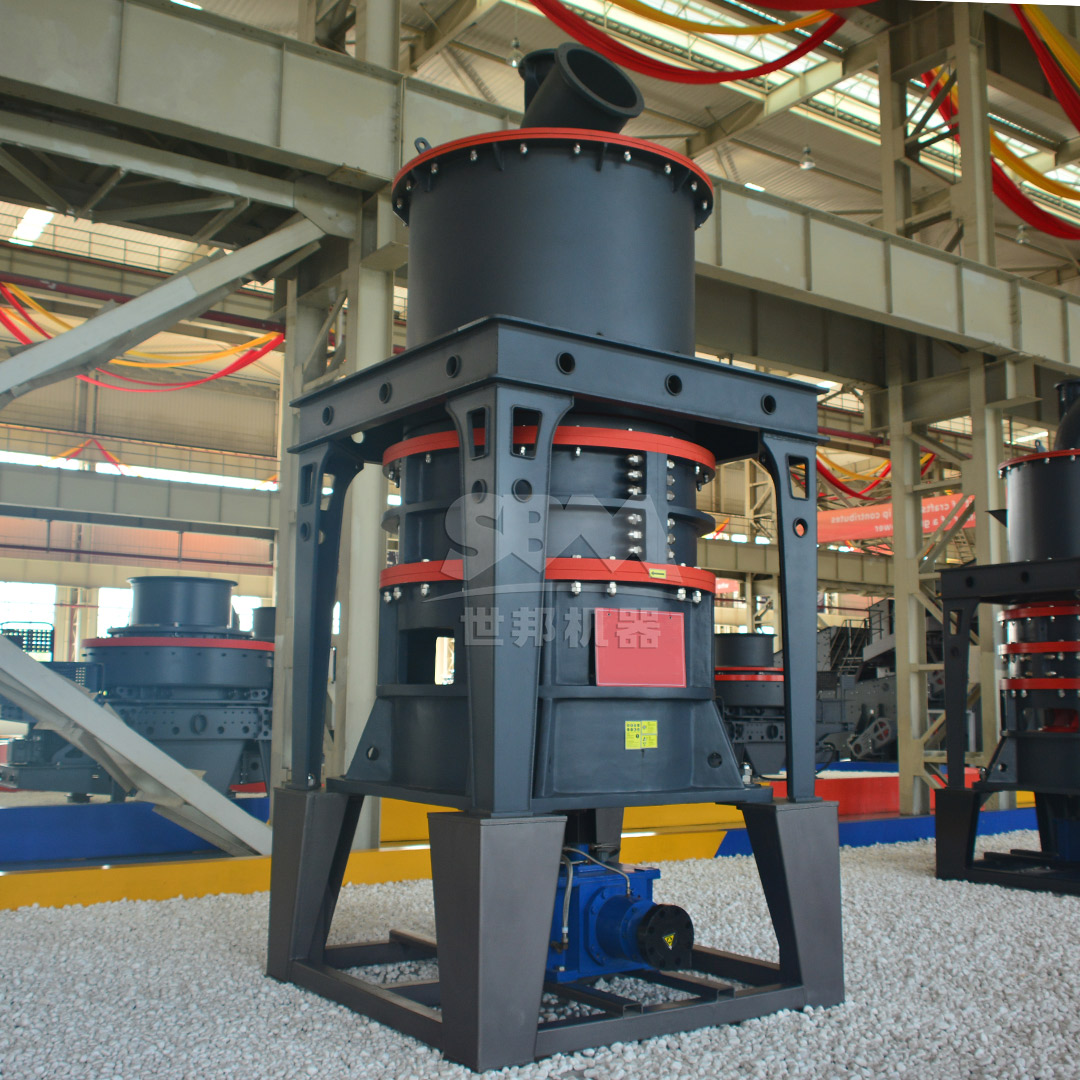
For attapulgite clay processing in pesticide suspension concentrate applications, we highly recommend the SCM Series Ultrafine Mill. This advanced grinding equipment is specifically designed to meet the demanding requirements of ultrafine mineral processing while preserving material characteristics.
| Model | Capacity (t/h) | Main Power (kW) | Feed Size (mm) | Fineness (mesh) |
|---|---|---|---|---|
| SCM800 | 0.5-4.5 | 75 | 0-20 | 325-2500 |
| SCM900 | 0.8-6.5 | 90 | 0-20 | 325-2500 |
| SCM1000 | 1.0-8.5 | 132 | 0-20 | 325-2500 |
| SCM1250 | 2.5-14 | 185 | 0-20 | 325-2500 |
| SCM1680 | 5.0-25 | 315 | 0-20 | 325-2500 |
The SCM Series Ultrafine Mill operates on an innovative principle: the main motor drives three layers of grinding rings to rotate, dispersing materials into the grinding path by centrifugal force. The materials are crushed by roller pressure and ground layer by layer. Finally, powder collection is completed by a cyclone collector and a pulse dust removal system. This gentle yet efficient grinding action preserves the attapulgite crystal structure while achieving the desired particle size.
Grinding alone is often insufficient to fully optimize attapulgite clay for pesticide suspension concentrates. Activation treatments are typically required to modify the clay surface and enhance its suspending and thickening properties. Common activation methods include:
For optimal results, activation should be integrated with the grinding process. Our recommended solution combines the SCM Series Ultrafine Mill with an inline activation system, allowing for precise control of both particle size and surface chemistry.
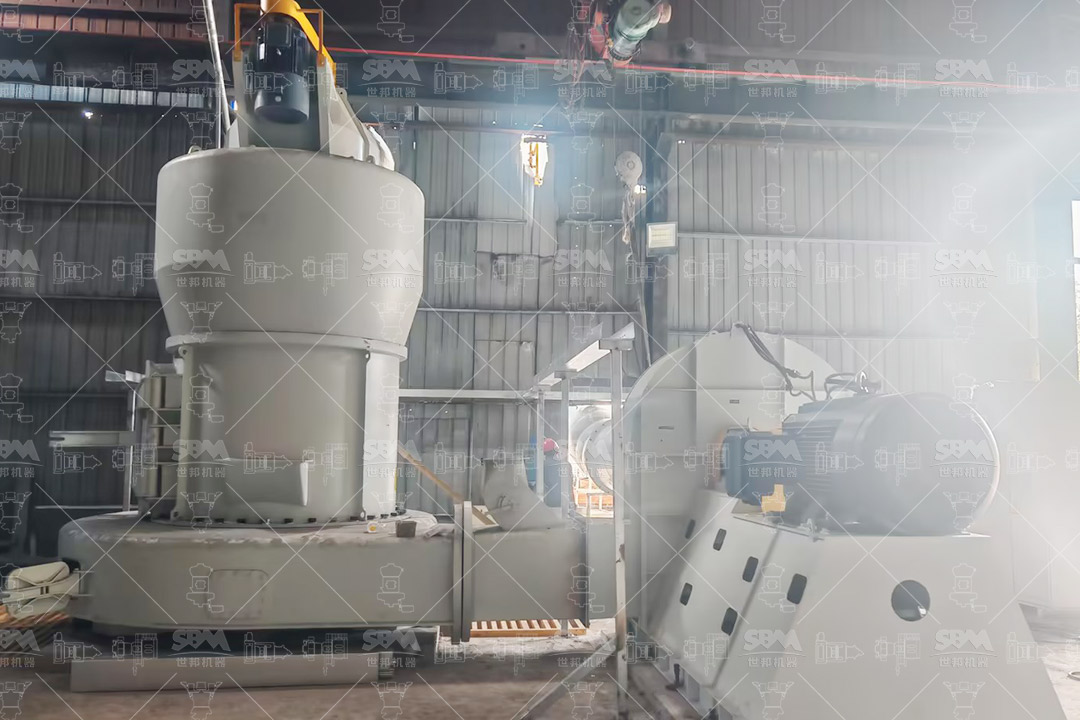
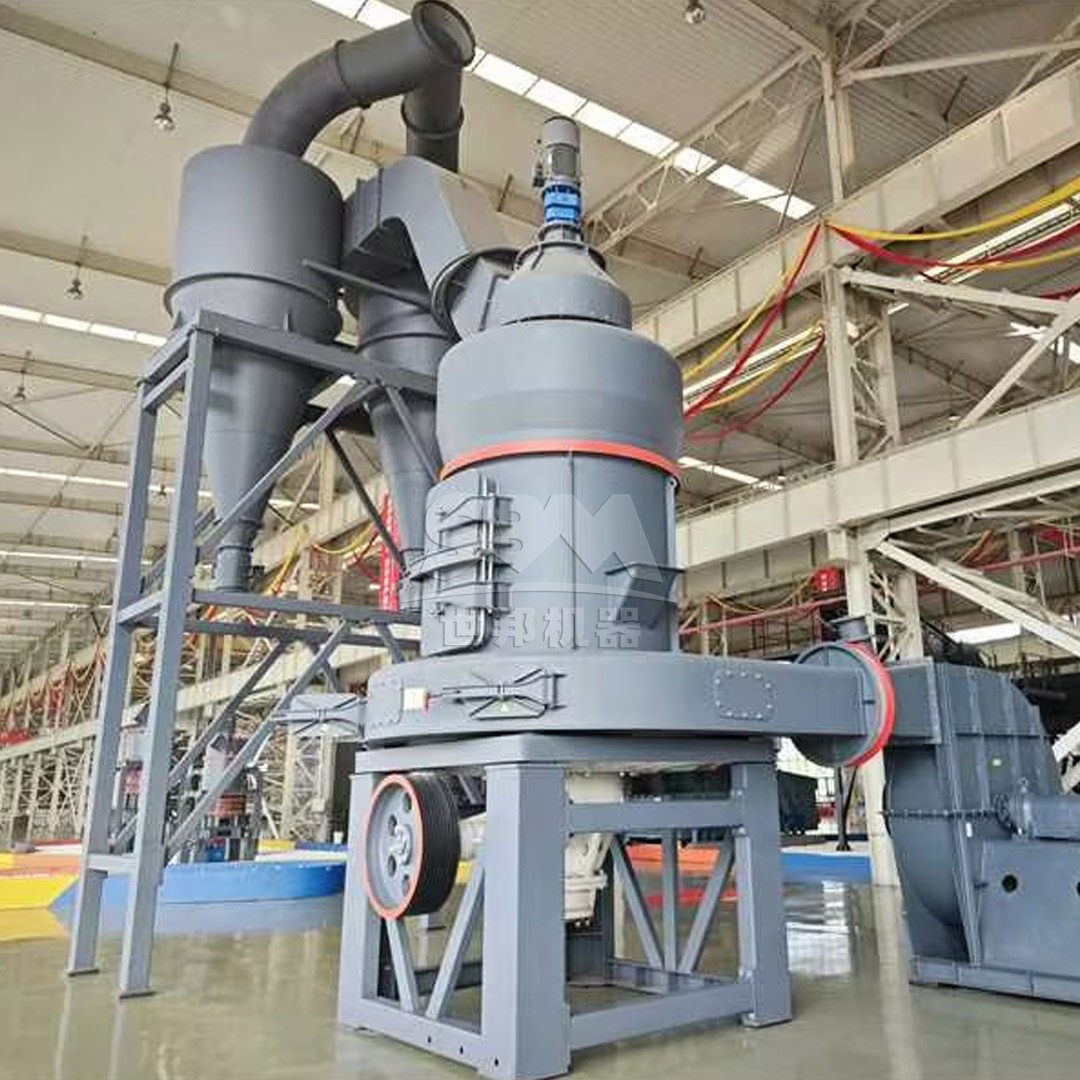
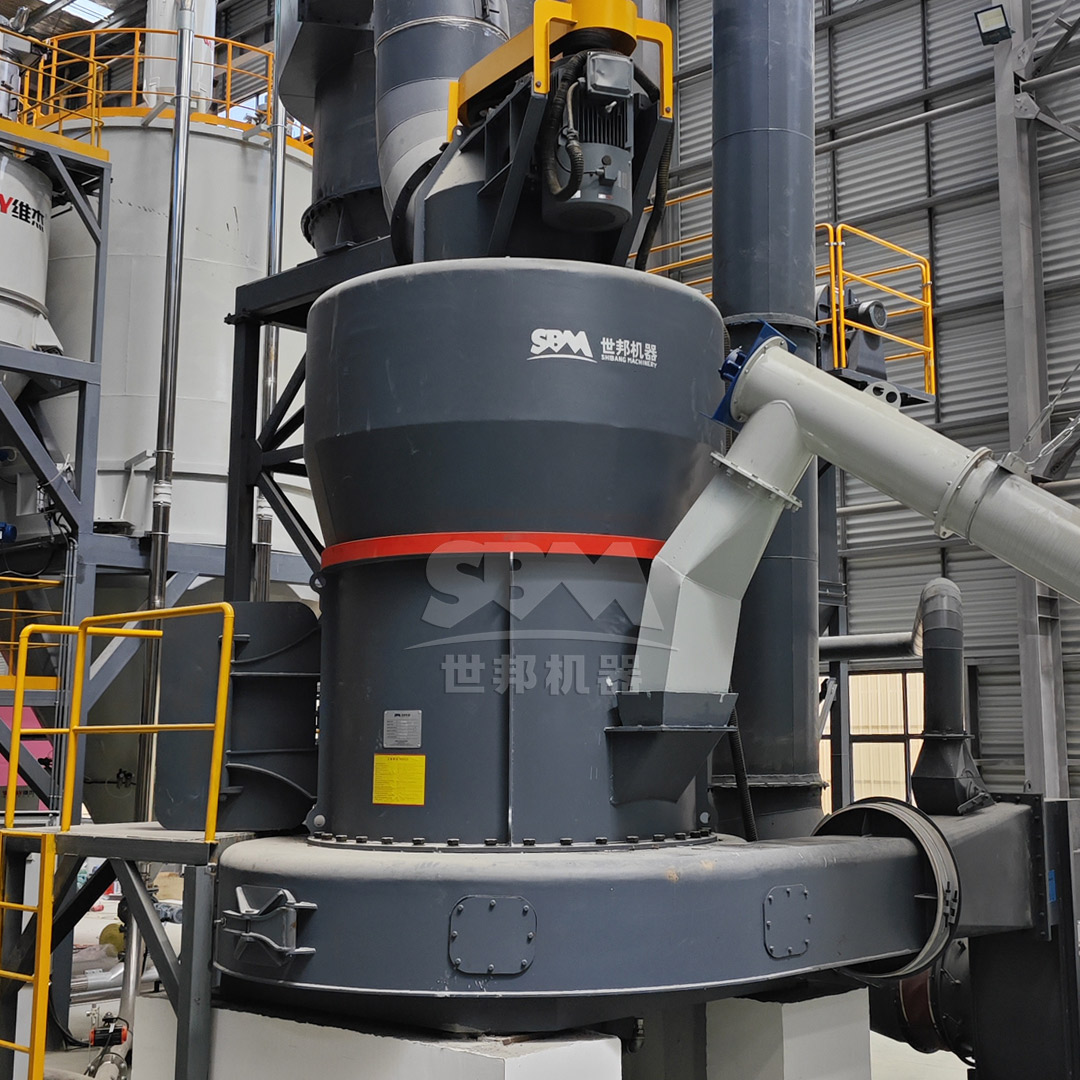
For manufacturers requiring higher capacity or processing coarser attapulgite products for certain SC formulations, we also recommend the MTW Series European Trapezium Mill. This mill offers exceptional efficiency and reliability for medium to fine grinding applications.
| Model | Capacity (t/h) | Main Power (kW) | Feed Size (mm) | Fineness (mesh) |
|---|---|---|---|---|
| MTW110 | 3-9 | 55 | <30 | 10-325 |
| MTW138Z | 6-17 | 90 | <35 | 10-325 |
| MTW175G | 9.5-25 | 160 | <40 | 10-325 |
| MTW215G | 15-45 | 280 | <50 | 10-325 |
The MTW Series operates with the main motor driving the grinding rollers to revolve around the central axis while self-rotating to generate centrifugal force. Shovels throw materials between the ring and rollers to form a material layer, achieving efficient crushing through extrusion. The classification system precisely controls the finished product size.
A complete attapulgite clay processing line for pesticide suspension concentrates typically includes:
Our company offers complete turnkey solutions for attapulgite processing, from individual equipment to full production lines. With decades of experience in mineral processing and a comprehensive product portfolio, we can tailor a solution to meet your specific SC formulation requirements.
Attapulgite clay is a critical component in pesticide suspension concentrates, providing essential suspending, thickening, and anti-settling properties. To maximize its performance, precise grinding and activation are required. The SCM Series Ultrafine Mill and MTW Series European Trapezium Mill from our company offer advanced solutions for attapulgite processing, delivering high efficiency, precise classification, and durable operation. By integrating these mills with appropriate activation systems, manufacturers can produce high-quality attapulgite products that enhance SC formulation stability and efficacy.
For more information on our attapulgite processing equipment or to discuss your specific application requirements, please contact our technical team. We are committed to providing innovative solutions for the pesticide formulation industry.