In the realm of industrial minerals, barite (barium sulfate, BaSO4) stands as a cornerstone material, primarily utilized as a weighting agent in drilling fluids for oil and gas exploration, but also pivotal in the production of paints, plastics, rubber, and radiation-shielding concrete. The economic value of barite is intrinsically linked to its physical properties, particularly its fineness, brightness, and specific gravity. Consequently, the downstream processing chain—from primary crushing to ultra-fine grinding—is paramount. However, the final and equally critical stage in this workflow is powder packaging. The selection of efficient, reliable, and automated packaging equipment is not merely an afterthought; it is a significant determinant of operational throughput, product quality consistency, and overall profitability. This comprehensive guide delves into the nuances of barite processing equipment, specifically focusing on the pathway to high-quality powder packaging, offering insights into selection criteria, automation integration, and strategic cost management. We will explore how upstream milling technology directly impacts packaging efficiency and why a holistic approach to equipment selection is essential for modern mineral processors.
In the competitive landscape of mineral processing, the ability to deliver consistently sized, free-flowing, and contamination-free powder is a key differentiator. This guide aims to equip plant operators and project managers with the necessary knowledge to navigate the complexities of equipment selection. We will examine the critical interface between grinding mills and bagging systems, highlighting the importance of matching capacities and the benefits of adopting cutting-edge automation. By the end of this article, you will have a clear framework for optimizing your barite processing line, from selecting the right grinding mill to implementing a packaging solution that enhances efficiency, minimizes waste, and significantly reduces operational expenses.
Before powder can be packaged, it must be produced to exacting specifications. The chosen grinding technology profoundly affects the particle size distribution, bulk density, and flowability of the final product—all critical factors for successful packaging. In the barite industry, three primary mill types dominate: pendulum roller mills, ultrafine grinding mills, and vertical roller mills. Each offers distinct advantages depending on the target market. For instance, the oil & gas drilling sector often requires a product with a specific gravity of at least 4.2 g/cm³ and a fineness of 200 mesh (75μm) or 325 mesh (45μm). In contrast, industries like plastics and coatings demand ultra-fine powders in the range of 800 to 2500 mesh (5-20μm) for high opacity and gloss. Your choice of grinding equipment must align with the packaging specifications required by your target customers.
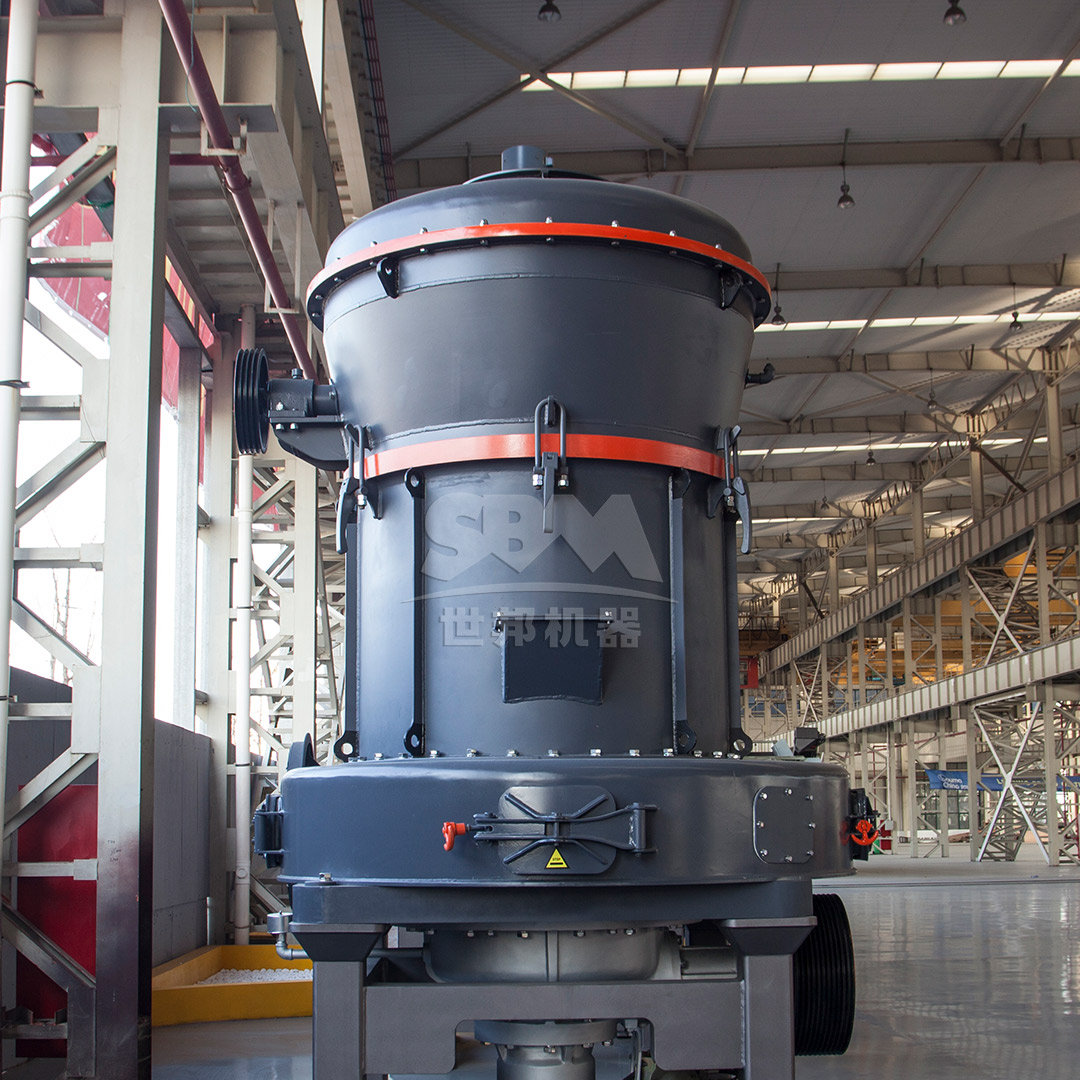
For standard industrial grades of barite powder, typically ranging from 100 to 325 mesh, pendulum mills and European trapezium mills provide an optimal balance of efficiency and capital expenditure. Our MTW Series European Trapezium Mill is a prime example of this technology, designed for the efficient processing of non-metallic minerals. With an output fineness ranging from 30 to 325 mesh (down to 0.038mm) and a capacity of 3 to 45 tons per hour, the MTW mill is engineered for high throughput and reliability. Its integral bevel gear drive system boasts a transmission efficiency of up to 98%, significantly reducing energy consumption compared to traditional gearboxes. Furthermore, the optimized arc air duct and wear-resistant volute structure minimize pressure loss and maintenance costs, ensuring a consistent supply of product to the packaging line. For facilities looking to produce API-grade barite, the reliability and low operating cost of the MTW series make it an ideal workhorse, ensuring the packaging system is never starved or overwhelmed.
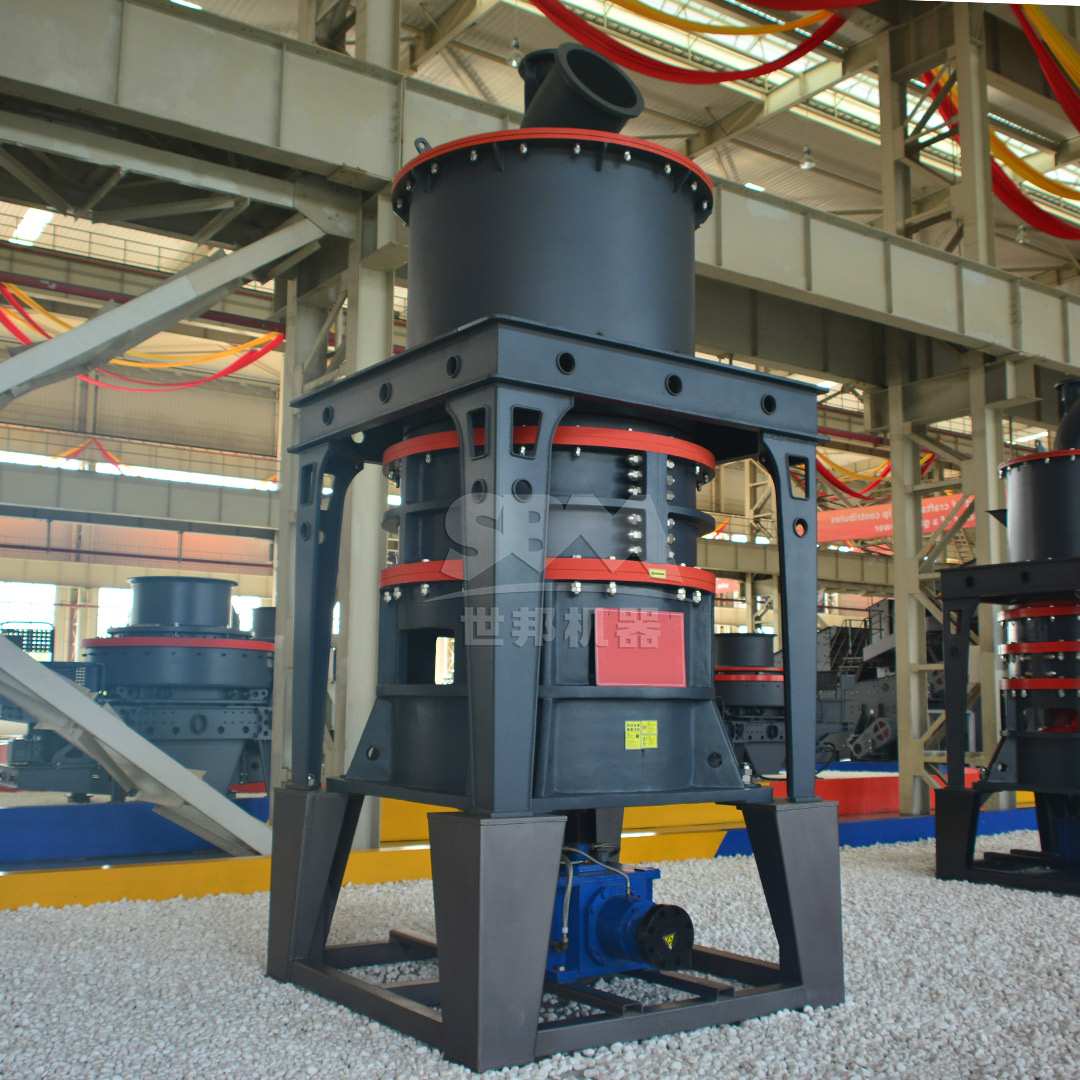
When the market demands ultra-fine barite powder for high-end applications, the processing equipment must advance accordingly. Here, our SCM Series Ultrafine Mill takes center stage. Specifically engineered for outputs between 325 and 2500 mesh (45-5μm), the SCM mill utilizes a unique multi-layer grinding ring and high-pressure roller technology. The capacity of our SCM1250 model is between 2.5 and 14 tons per hour (with main power of 185kW), making it a powerful yet efficient solution. Its high-precision vertical turbine classifier ensures a complete absence of coarse powder mixing, guaranteeing uniform particle size distribution. This is essential for packaging consistency, as ultra-fine powders are notoriously difficult to handle due to their tendency to agglomerate and aerate. The intelligent control system of the SCM series automatically adjusts parameters based on real-time granularity feedback, ensuring the downstream packaging system receives a constant, high-quality feed. This integration prevents blockages and ensures accurate bag filling weights.
| Mill Type | Output Fineness | Capacity Range | Recommended Packaging Application |
|---|---|---|---|
| MTW Trapezium Mill | 30-325 mesh | 3-45 t/h | Drilling-grade (200-325 mesh) bulk bags & valve bags |
| SCM Ultrafine Mill | 325-2500 mesh | 0.5-25 t/h | Ultra-fine (800-1250 mesh) for plastics & coatings, heat-sealed bags |
In modern barite processing plants, the packaging room is no longer a manual labor zone but a highly automated hub. The transition from milling to packaging requires sophisticated automation to ensure efficiency and accuracy. The key challenge lies in controlling the flow of fine powder, which behaves differently from granular materials. The integration of automation begins with the transfer system. A negative-pressure pneumatic conveying system or a mechanical screw conveyor moves the finished powder from the mill’s collector cyclone to a surge bin immediately above the packaging machinery. This buffer bin is critical as it equalizes flow, allowing the packaging line to run at a constant speed regardless of minor upstream fluctuations. Automated level sensors and variable frequency drives (VFDs) regulate the speed of the feeding augers to ensure a steady curtain of material flows into the bagging machine’s weighing hopper, optimizing the weighment cycle time.
Automation extends to the packaging machine’s core functions. For barite powder, which is generally free-flowing but prone to dusting, advanced systems such as the Impeller Packer or Auger Filler are preferred for high-speed valve bag filling, while the Open-Mouth Bag Filler with pre-weighing hoppers is suited for bulkier applications. These machines are PLC-controlled, offering precise weight control, typically achieving an accuracy of ±0.2%. They come equipped with automated bag feeding, date coding, and checkweighing. Moreover, an effective dust collection system at the bagging spouts is mandatory. Automated pulse-jet filters ensure that the work environment remains compliant with safety standards (e.g., OSHA regulations) while minimizing product loss. The revolutionary step in this process is the utilization of a decentralized control system, where the mill, the K-lock conveyor, and the bagging machine are all networked, providing a centralized HMI screen for operators to monitor and adjust production parameters from a single vantage point.
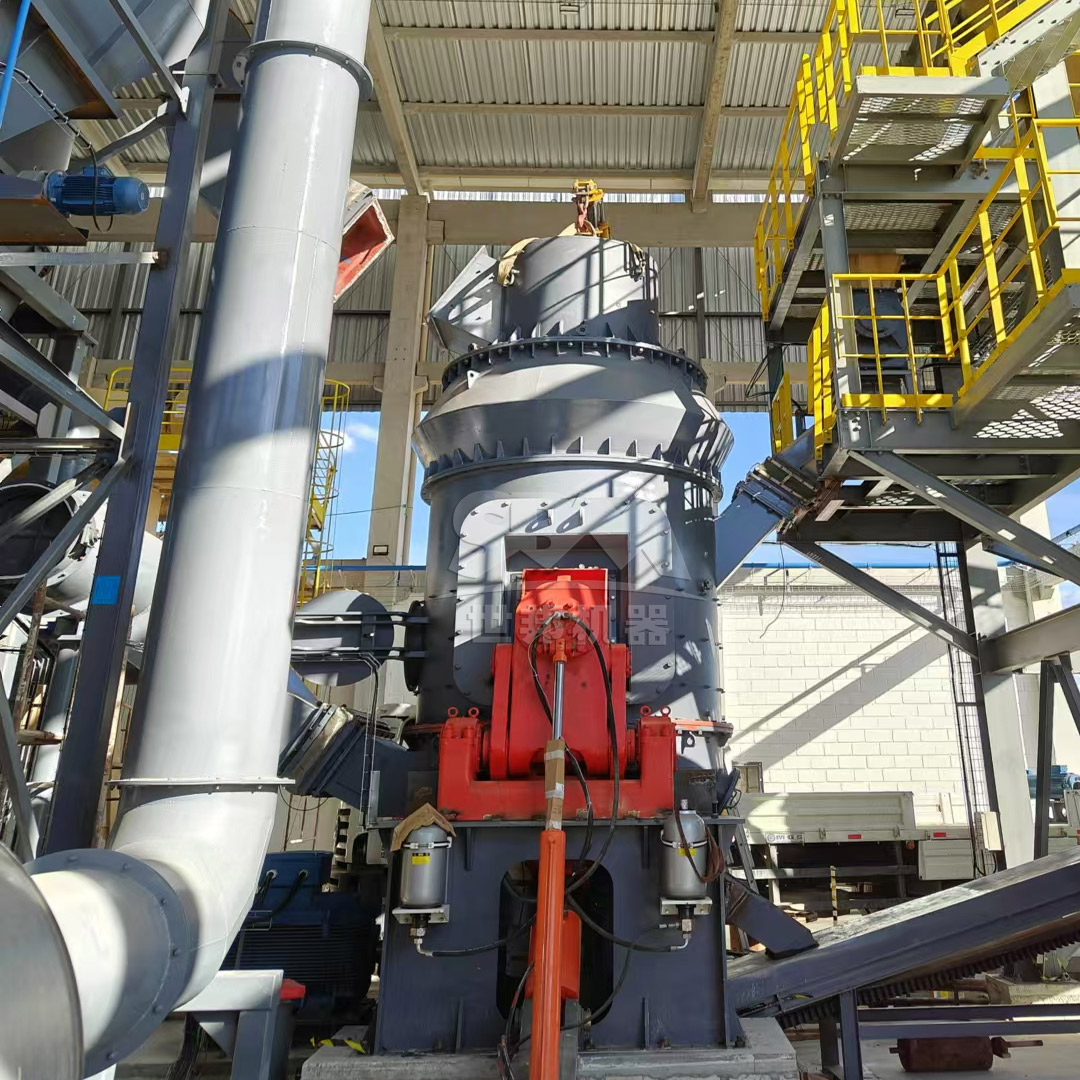
Investment in packaging equipment is often evaluated primarily on initial capital cost, but a far more significant factor is the total cost of ownership (TCO) over the machine’s lifetime. Cost efficiency in barite packaging is achieved through multiple avenues. First is energy consumption. While packaging machinery itself is a modest energy consumer, the upstream process is not. Choosing energy-efficient milling solutions like the LM Series Vertical Roller Mill or our SCM Ultrafine Mill reduces electricity consumption by up to 30-40% compared to traditional ball mills. This reduction directly improves the overall plant economics, creating a larger margin to invest in advanced packaging technology. Secondly, minimizing product waste is crucial. High-quality automated filling systems reduce powder spillage dramatically. Precise weight control prevents over-filling, which effectively gives away product for free, while under-filling leads to customer penalties. Automated checkweighers and feedback loops onto the filler’s load cells automatically correct deviations in fill volume and density, ensuring every bag meets the stated weight specifications and minimizing the waste of re-work.
Another significant cost factor is labor. A semi-automated line might require 4-6 operators for bagging, palletizing, and inspection. A fully automated packaging line—integrating a robotic arm for bag placement onto an automatic palletizer, along with a stretch hood wrapper—can operate with a single supervisor. This reduces annual labor costs, which often amortizes the higher capital cost of the automated system within 18 to 24 months. Furthermore, the durability and ease of maintenance of equipment like our MTW Series with its anti-wear shovel design and long-life grinding rollers, directly lowers cost-per-ton of maintenance. By selecting machinery built for heavy industrial use with readily available spare parts, plant operators can avoid catastrophic downtime, which is the true killer of profitability in the mining and minerals sector.
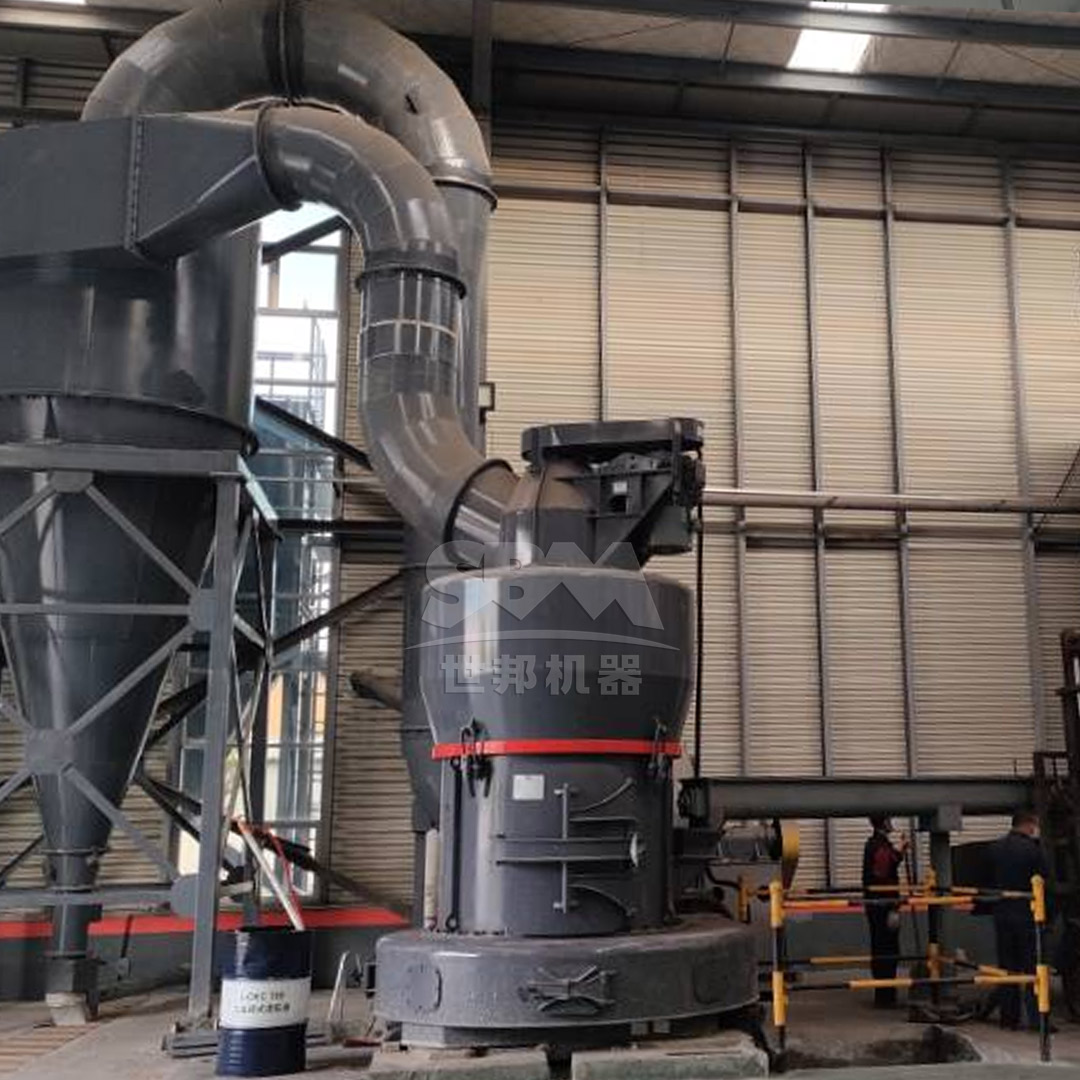
The specific characteristics of barite powder—its significant weight (high density), slight abrasiveness, and tendency to generate dust—dictate specific engineering requirements for packaging equipment. The first crucial requirement is the material of construction. All contact parts, including hoppers, filling tubes, and weighing cells, should be constructed from abrasion-resistant stainless steel or wear-resistant cast iron to withstand the erosive nature of barite. Secondly, sealing mechanisms must be robust. The packaging machine must feature a dust-tight design, often utilizing inflatable seals on the bag spouts to prevent powder escaping during the filling cycle. For tight valve bags, the filling spout must be tapered and pressure-sealed to handle the high back-pressure generated by the dense powder.
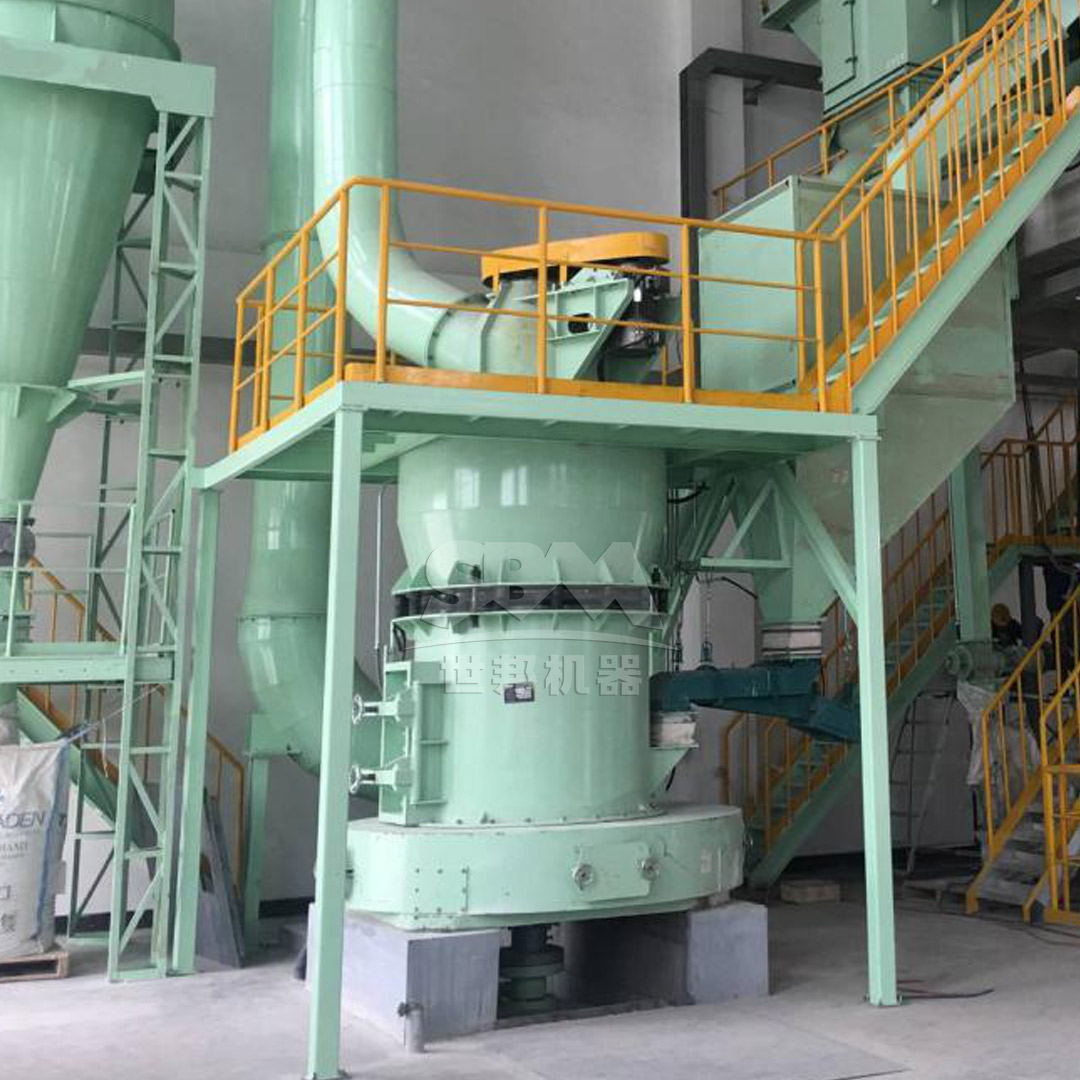
Another aspect is the ability to adjust for variable density. Barite powders can exhibit variations in bulk density due to changes in moisture or particle shape. The packaging system must have sensitive load-cell control with automatic taring and compensation functions to ensure accurate fills regardless of slight variations in product density. Our industrial plants often utilize, in conjunction with packaging, our MB5X Pendulum Mill which features a thin oil lubrication system, offering maintenance-free operation and consistent product quality that aids the packaging process in maintaining a steady flow. To ensure the powder reaches the packaging system in an aerated (fluidized) state, the packaging equipment should include a fluidizing pad inside the filler hopper. This aeration keeps the powder loose, preventing bridging or ‘ratholing’ above the auger, thus allowing for faster and more accurate filling cycles. The integration of the mill output, the conveying system, and these specialized packaging features ensures a seamless end-to-end process.
To illustrate the impact of proper equipment selection, let us consider a hypothetical but representative case of a mid-sized barite processor aiming to supply 325-mesh powder to the oil drilling sector. Initially, the plant used a traditional ball mill and a manual bagging station, requiring 5 workers per shift, with a packaging rate of 6 tons/hour and a compliance rate of only 97% (with frequent under/over-fills). The decisions for modernization included: installing an MTW138Z trapezium mill (output fineness 325 mesh, capacity 6-17tp/h) and replacing the manual bagging station with a fully automated 2-spout impeller packer, coupled with a robotic bag palletizer. The results were transformative. The new automated line now runs continuously at 12 tons/hour—doubling the previous throughput—while requiring only 1 supervisor for the entire packaging operation. The accuracy of the new weighing system raised the compliance rate to 99.8%, reducing product giveaway by an estimated 1.5% annually. The ROI was calculated to be less than 18 months, highlighting that advanced technology is not just a cost center but a strategic investment that generates tangible returns.
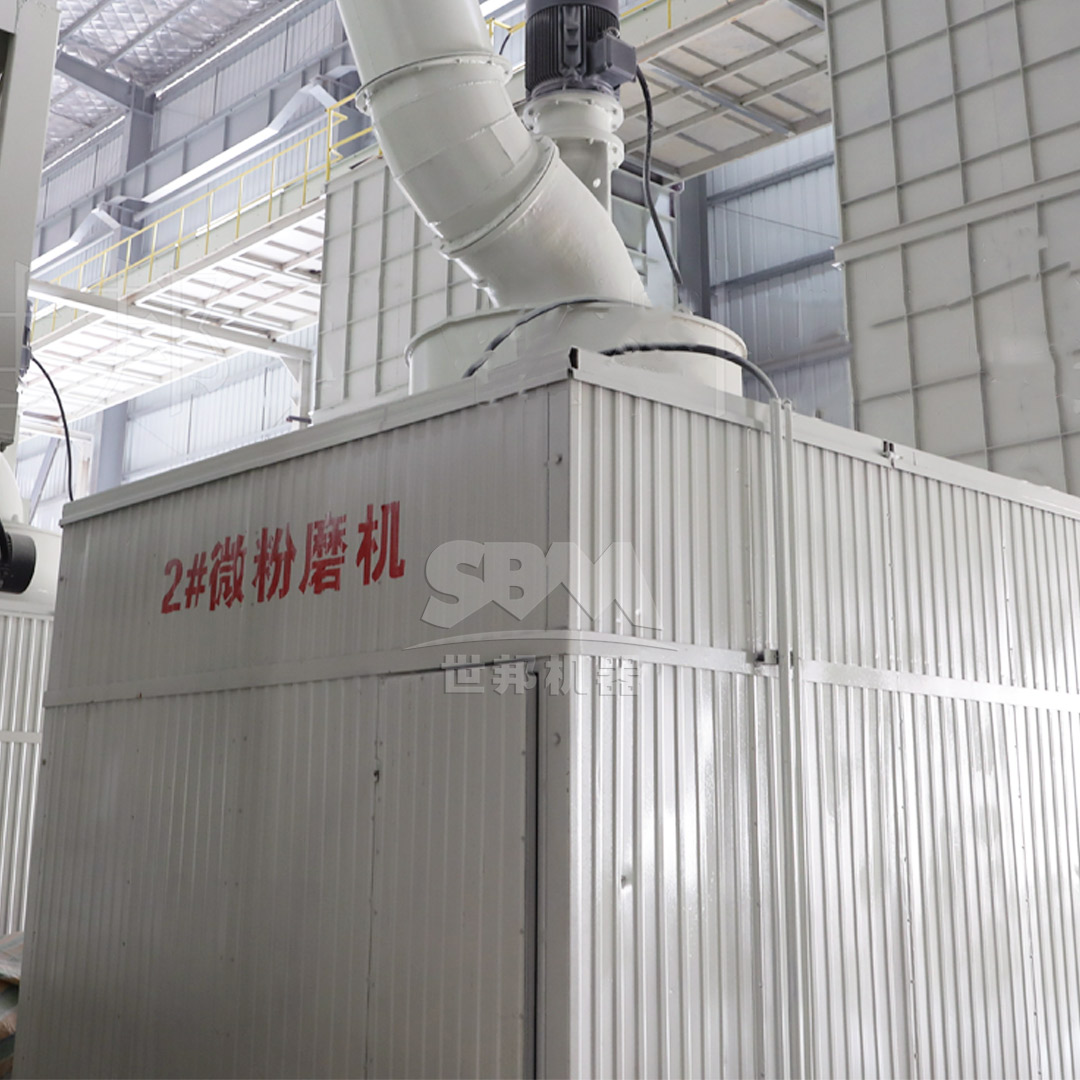
In conclusion, the journey of barite from run-of-mine ore to a perfectly packaged powder product is a complex process demanding meticulous engineering and strategic planning. The selection of processing equipment—from the milling technology upstream to the packaging automation downstream—must be viewed holistically. The grinding stage dictates the physical parameters of the powder, which in turn dictates the design and operation of the filling and packaging systems. By leveraging advanced technologies like our MTW European Trapezium Mill for high-volume coarse-to-medium products and the SCM Ultrafine Mill for micro-fine grades, processors can ensure their packaging lines receive a consistent, high-quality feed. This consistency is the bedrock of efficient automation, allowing for high-speed, accurate bagging that reduces labor costs and minimizes material waste. The implementation of a robust, automated packaging line, though a significant capital investment, is a proven strategy for long-term cost efficiency, quality assurance, and market competitiveness. As the demand for high-quality barite powder continues to grow, equipment selection that prioritizes the synergy between grinding and packaging will define the market leaders of tomorrow.
For specific inquiries regarding the implementation of these technologies and further calculation of a tailored package for your plant, contact our team of experienced engineers for a personalized consultation.