Magnesite (MgCO₃) is a crucial industrial mineral, and its powdered form, particularly at 325 mesh (44 microns), serves as a fundamental raw material in diverse industries. From high-grade refractory bricks for steelmaking kilns to specialized magnesium-based cements and agricultural soil conditioners, the quality of 325 mesh magnesite powder directly impacts the performance of the final product. Achieving consistent fineness, high purity, and optimal particle size distribution requires a meticulously designed production line. This article breaks down the essential equipment involved in producing 325 mesh magnesite powder, with a sharp focus on the grinding mill which is the heart of the operation. We will explore the comminution circuit, classification systems, and the specific mill technologies that deliver the required 325 mesh output with maximum efficiency.
The journey from run-of-mine (ROM) magnesite ore to fine 325 mesh powder begins with size reduction. Raw magnesite can be massive, with chunks exceeding 300mm. The first step is primary crushing, typically using a jaw crusher. This robust machine reduces the ore to a manageable size, usually below 50mm. This stage is critical because the feed size limits of downstream grinding mills must be respected. For instance, feeding oversized material into a mill designed for a maximum input of 20mm or 30mm can cause significant damage to the grinding components and drastically reduce throughput. After primary crushing, a secondary crusher, such as a cone crusher or a hammer mill, may be employed to further reduce the material to the optimal feed size for the main grinding mill. A well-designed crushing circuit ensures a consistent and appropriate feed stream, which is the first prerequisite for stable and efficient fine grinding.
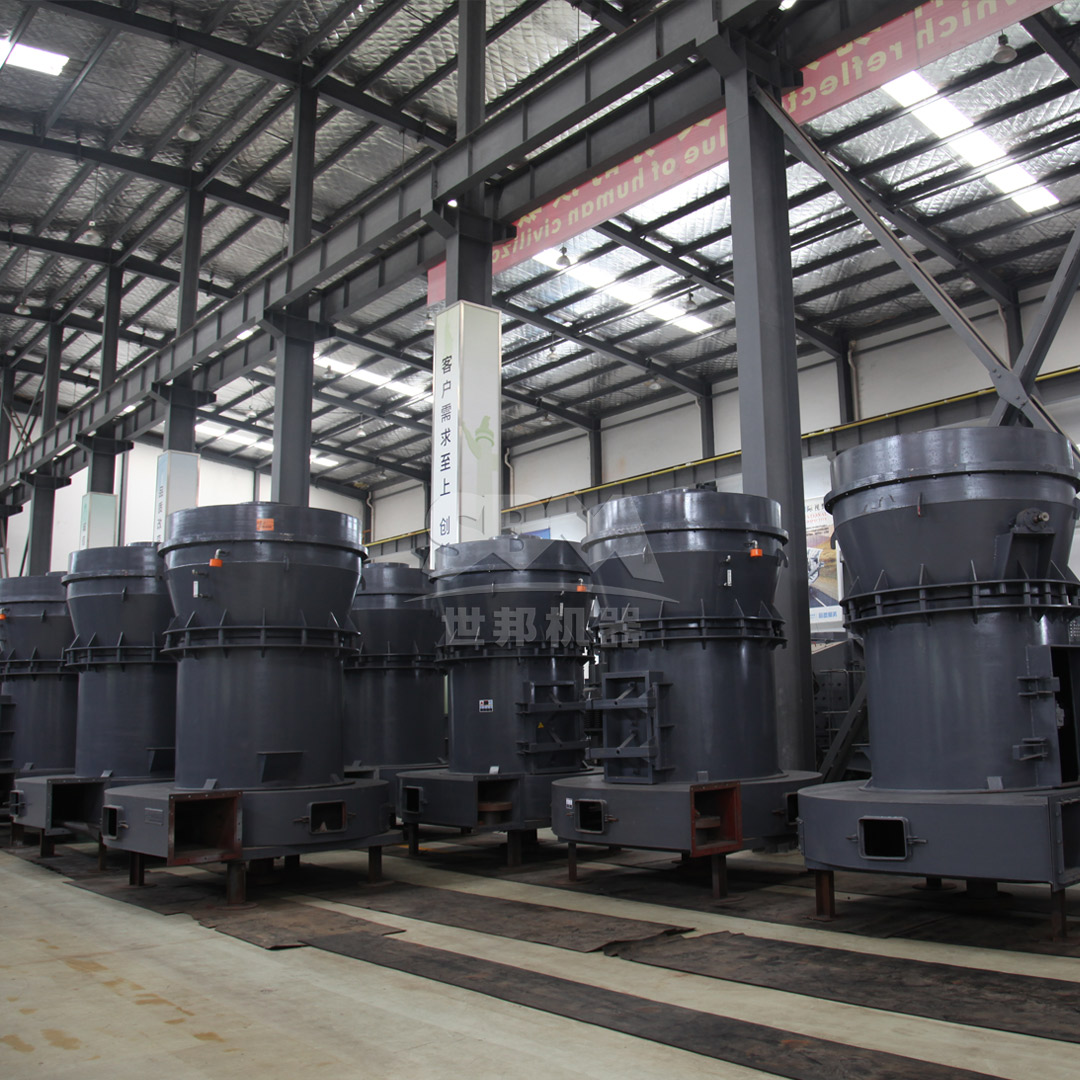
The selection of the grinding mill is the most consequential decision in the entire production line. For producing 325 mesh magnesite powder, several mill types are suitable, each with distinct advantages. The choice depends on factors like required capacity (tonnes per hour), capital expenditure, energy costs, and the specific physical properties of the magnesite ore.
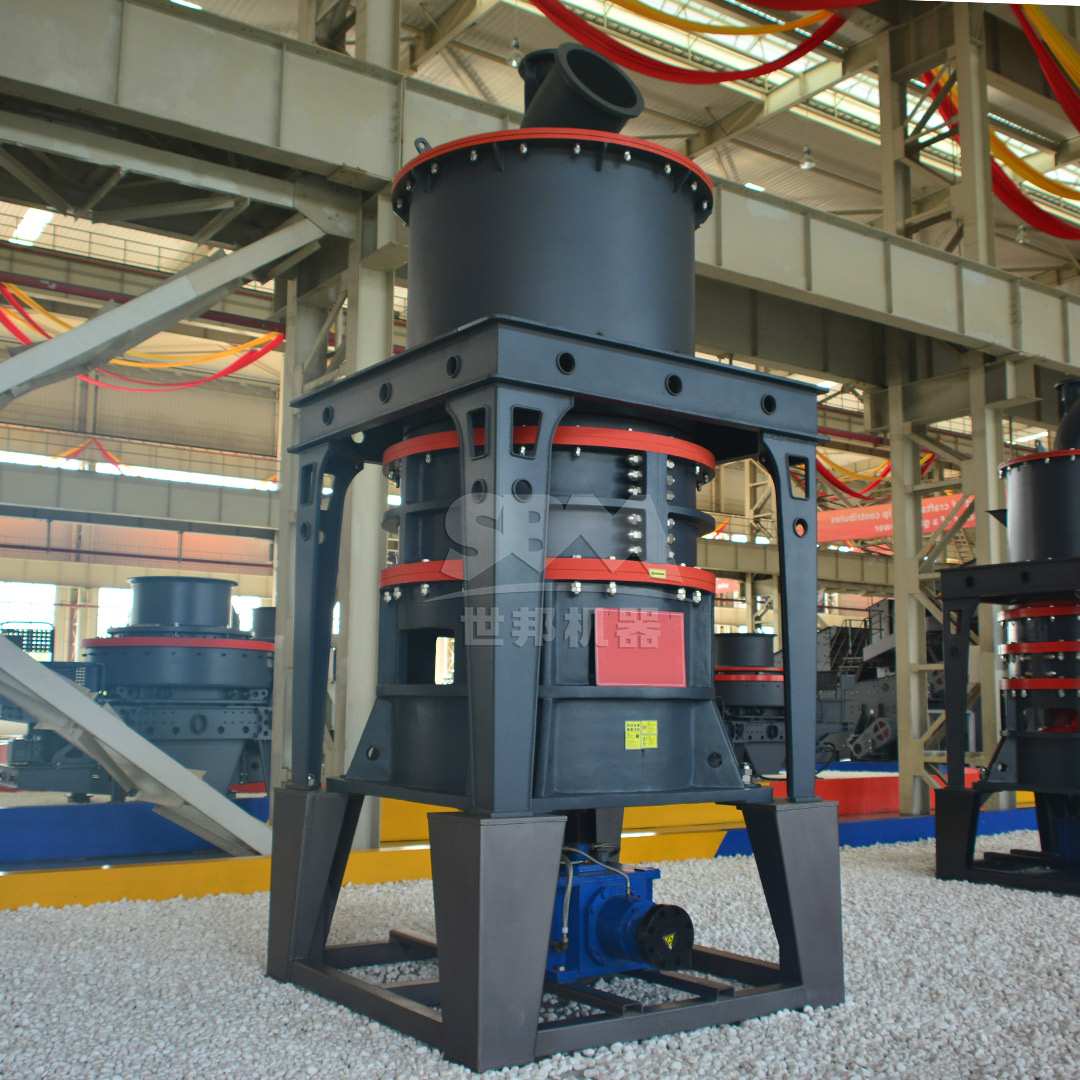
For operations requiring ultra-fine powders down to 2500 mesh with a 325 mesh base, or for high-value applications demanding exceptional specific surface area, the SCM Series Ultrafine Mill is an outstanding choice. Designed for feed sizes up to 20mm and an output fineness ranging from 325 to 2500 mesh (45-5μm), this mill excels in precision and energy efficiency. Its capacity range, from 0.5 to 25 tons per hour, accommodates small to medium-scale operations. The SCM mill employs a unique multi-layer grinding ring and roller mechanism, ensuring that magnesite is ground layer by layer for uniform particle size. Its vertical turbine classifier provides a sharp cut point, guaranteeing no coarse powder mixing in the final 325 mesh product. Furthermore, its intelligent control system with automatic finished product granularity feedback makes operation remarkably stable.
For large-scale magnesite processing plants targeting consistent 325 mesh output with maximum throughput, the MTW Series European Trapezium Mill offers a proven, robust, and high-capacity solution. With a feed size of up to 50mm and a capacity reaching up to 45 tons per hour, this mill is built for heavy-duty industrial production. The MTW mill’s output fineness of 30-325 mesh (600-45μm) perfectly covers the 325 mesh target. Its key technical advantages include an anti-wear curved shovel design that extends roller life, an optimized arc air duct that reduces energy loss, and an integral bevel gear drive that achieves a transmission efficiency of up to 98%%. For operations where uptime and low operating costs are paramount, the MTW mill’s durable design and wear-resistant volute structure directly contribute to a lower total cost of ownership.
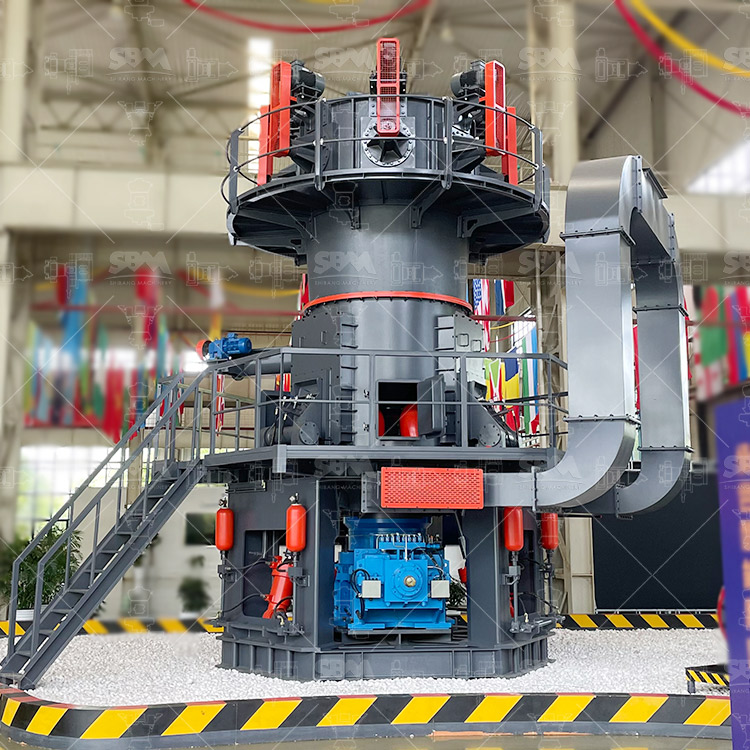
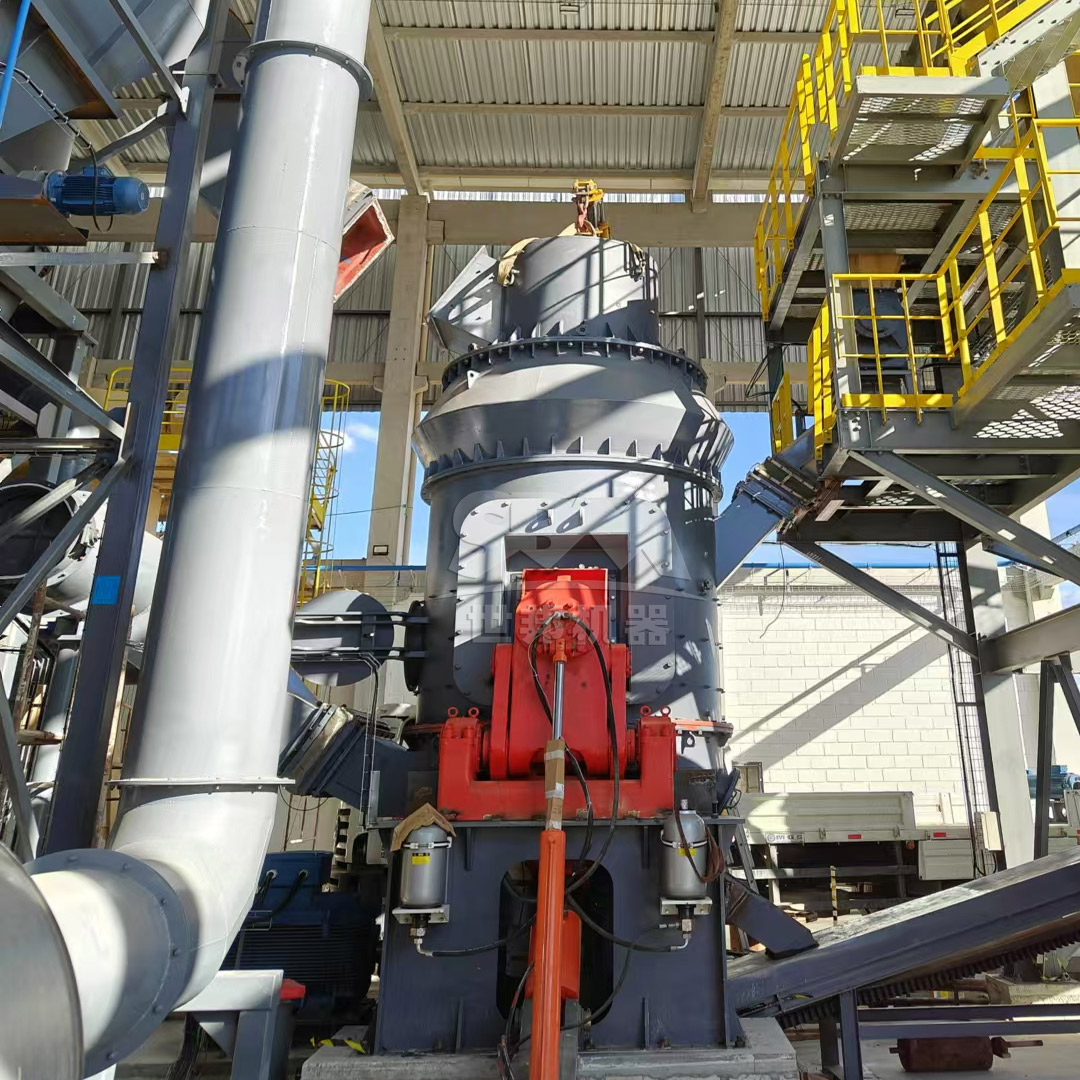
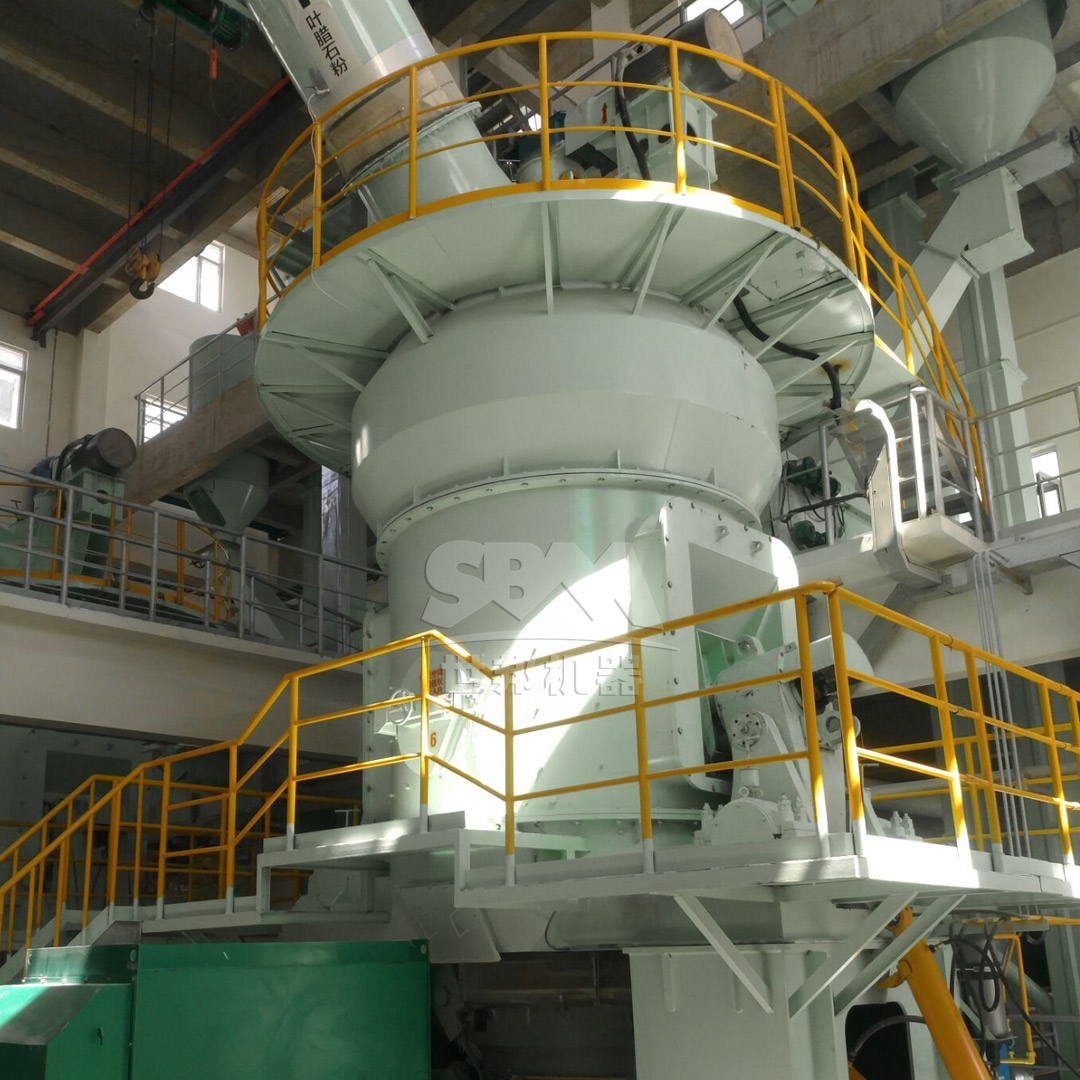
The LM Series Vertical Roller Mill (VRM) represents the pinnacle of integrated process design. This system combines crushing, grinding, and classification in a single, compact unit. For magnesite powder, this offers a significant reduction in floor space (up to 50%%) and infrastructure costs (up to 40%%). The LM series can handle feed sizes up to 50mm and achieve a fineness of 30-325 mesh. The non-contact design between the rollers and the table dramatically increases wear part life (up to 3x), while energy consumption is 30-40%% lower than traditional ball mill systems. The expert-level auto-control system supports real-time monitoring, making the LM VRM an ideal choice for modern, automated mineral processing facilities. Whether processing raw magnesite or pre-calcined caustic calcined magnesia (CCM), the LM mill’s integrated drying and grinding capabilities are highly advantageous.
After grinding, the powdered magnesite must be classified to ensure that only particles of 325 mesh (44 microns) or finer are collected. This is typically achieved using a dynamic air classifier, which is often integrated into the mill housing (as in the SCM, MTW, and LM series). The classification process works by directing the particle-laden air stream through a rotating turbine. Centrifugal force throws coarse particles outward where they are returned for re-grinding, while fine particles pass through and are collected. The precision of this cut is vital. A high-efficiency classifier, like the vertical turbine classifier in the SCM mill, ensures a very narrow particle size distribution, eliminating the presence of over-size particles which would ruin the quality of the final refractory or chemical product. This directly impacts the market value and performance of the 325 mesh magnesite powder.
The final stage involves separating the finished magnesite powder from the conveying air stream. This is typically done using a two-stage collection system. The first stage is a high-efficiency cyclone collector, which captures the bulk of the powder. The second, more critical stage, is a pulse jet baghouse dust collector. This system uses a series of fabric filter bags to capture the finest particles that escape the cyclone. Pulse jets of compressed air periodically clean the bags, ensuring continuous operation. For magnesite processing, this is not just about product recovery; it is also about environmental compliance. Modern pulse dust collection systems, like those integrated into the SCM and MTW mill solutions, achieve emission levels well below international standards, ensuring a clean and safe working environment. The soundproof room design of these mills also ensures low operational noise, which is a critical factor for worker safety and community relations.
| Mill Model | Target Fineness | Capacity (t/h) | Feed Size (mm) | Main Power (kW) |
|---|---|---|---|---|
| SCM1000 | 325-2500 mesh | 1.0-8.5 | 0-20 | 132 |
| MTW138Z | 30-325 mesh (10-325 mesh) | 6-17 | <35 | 90 |
| LM190K | 170-40μm (80-325 mesh) | 23-68 | <45 | 500 |
| MTM160 | 45-325 mesh | 9-22 | <35 | 132 |
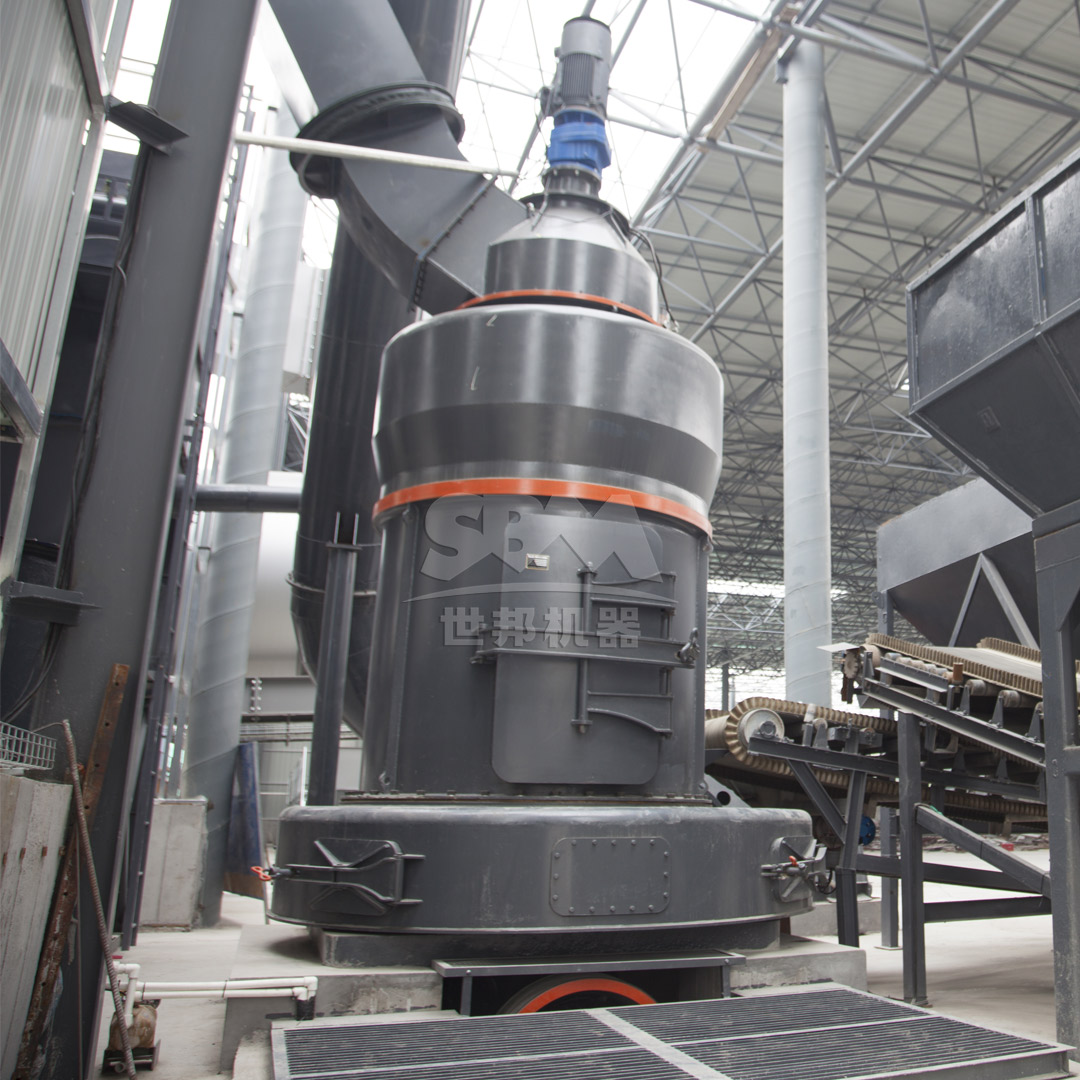
Producing high-quality 325 mesh magnesite powder is a complex but well-understood process that hinges on the correct selection and integration of equipment. From the initial primary crushing to the final high-efficiency dust collection, each stage must be optimized for the specific characteristics of magnesite. The grinding mill, whether it is the high-precision SCM Series Ultrafine Mill, the high-capacity MTW Series European Trapezium Mill, the integrated LM Series Vertical Roller Mill, or other reliable solutions like the MTM Series Medium-speed Trapezium Mill, represents the core investment. By understanding the interplay between feed size, required fineness, capacity, and energy costs, magnesite producers can select the ideal grinding solution that ensures a high-quality, cost-competitive 325 mesh product for demanding global markets.