March 10, 2026
Introduction
Bentonite, a naturally occurring clay mineral primarily composed of montmorillonite, is a cornerstone material in the modern construction industry. Its unique properties—including high swelling capacity, excellent water absorption, thixotropy, and cohesion—make it indispensable in applications such as waterproofing membranes, drilling muds for foundation engineering, mortar and plaster additives, and as a binder in foundry sands for construction castings. Producing high-quality, consistent bentonite powder suitable for building material specifications requires a sophisticated production line centered on precise grinding and classification technology. The choice of equipment directly impacts the final product’s fineness, particle size distribution, purity, and overall performance, thereby influencing the efficacy of the end construction application. This article delves into the core production process and examines the critical equipment that defines a successful bentonite powder processing plant.
The Bentonite Powder Production Process: An Overview
The transformation of raw bentonite ore into a refined powder suitable for building materials follows a systematic sequence. While specific flows may vary, a standard process typically includes:
- Raw Material Selection & Pre-treatment: High-grade sodium or calcium bentonite ore is selected. Large lumps may undergo initial crushing (e.g., with a jaw crusher) to a manageable size for drying.
- Drying: Moisture content is reduced in rotary dryers or flash dryers to prevent clogging during grinding and to meet product specifications, typically to below 10-12%.
- Primary & Secondary Crushing: Dried material is further reduced to a feed size compatible with the fine grinding mill, often using hammer mills or impact crushers to achieve a size of <20mm or <50mm.
- Fine Grinding & Classification: This is the heart of the process. The pre-crushed bentonite is fed into a grinding mill where it is pulverized to the target fineness. An integrated or separate classifier immediately sorts the powder, returning oversized particles for re-grinding and allowing properly sized material to proceed.
- Collection & Dedusting: The classified fine powder is transported by air stream to cyclone separators and baghouse filter systems (pulse dust collectors) for efficient product recovery and to ensure emissions meet environmental standards.
- Packaging & Storage: The finished bentonite powder is conveyed to silos and then packaged in bags or bulk containers for shipment.
The efficiency, yield, and quality consistency of this process hinge overwhelmingly on the performance of the fine grinding and classification system.
| Process Stage |
Key Equipment |
Primary Function |
Target Output |
| Pre-crushing |
Jaw Crusher, Hammer Mill |
Size reduction of raw ore |
≤50mm |
| Drying |
Rotary Dryer, Flash Dryer |
Moisture reduction |
Moisture <12% |
| Fine Grinding |
Raymond Mill, Vertical Roller Mill, Ultrafine Mill |
Pulverization to target fineness |
30 mesh – 2500 mesh |
| Classification |
Integrated or Independent Air Classifier |
Particle size separation & control |
Precise cut point, narrow distribution |
| Dust Collection |
Pulse Baghouse Dust Collector, Cyclone |
Product recovery & emission control |
Collection efficiency >99.9% |
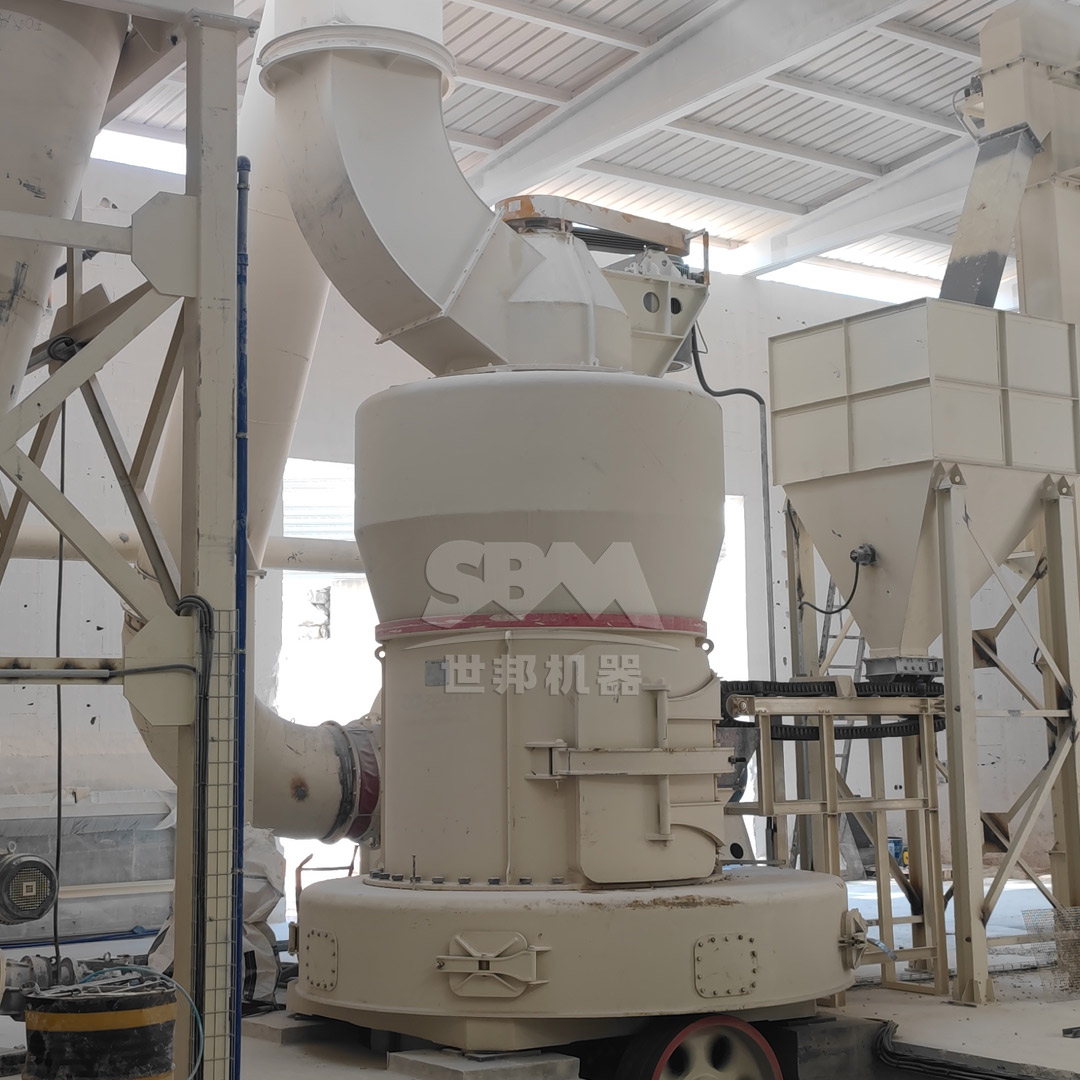
Core Production Equipment: Grinding and Milling Solutions
The selection of the grinding mill is paramount. Different mill types cater to different fineness ranges, capacities, and energy efficiency requirements. For building material grade bentonite, which often requires fineness from coarse (30-100 mesh for mortar additives) to very fine (325-1250 mesh for high-performance waterproofing and sealants), the following equipment categories are most relevant.
1. For Coarse to Medium Fineness (30-325 mesh / 600-45μm)
This range is common for many standard construction applications, such as basic drilling muds and plaster additives. High-capacity, robust mills are preferred.
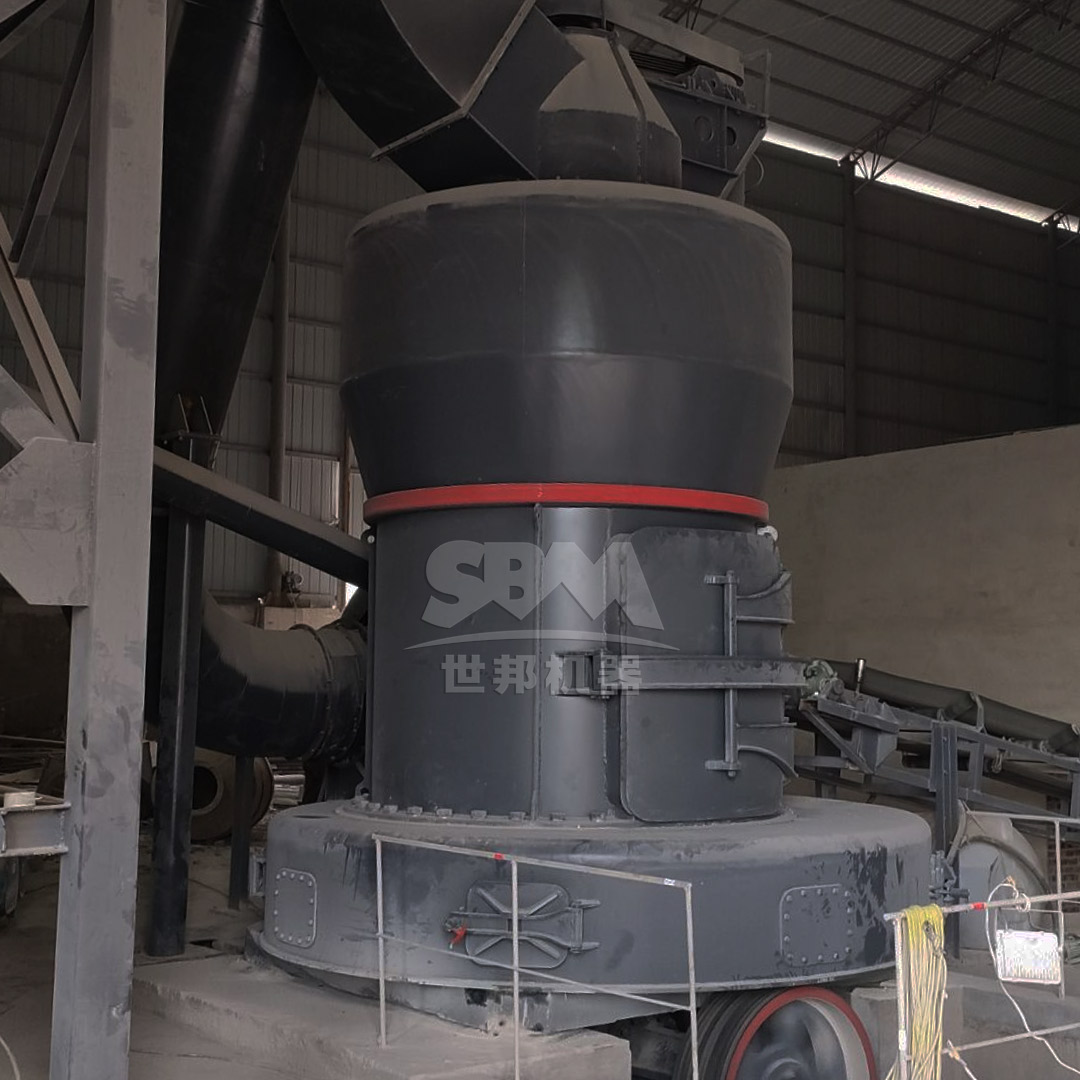
- MTW Series European Trapezium Mill & MRN Pendulum Mill: These mills represent an advanced evolution of the traditional Raymond mill. They are exceptionally well-suited for high-volume production of bentonite powder in the 30-325 mesh range. Key advantages include their integral bevel gear drive for high transmission efficiency (up to 98%), wear-resistant volute structures that reduce maintenance costs, and curved shovel blades that extend component life by ensuring a steady and even feed of material into the grinding zone. Their modular design and efficient air classification system make them a reliable workhorse for standard-grade bentonite powder. Models like the MTW215G can handle capacities up to 45 tons per hour, making them ideal for large-scale production plants.
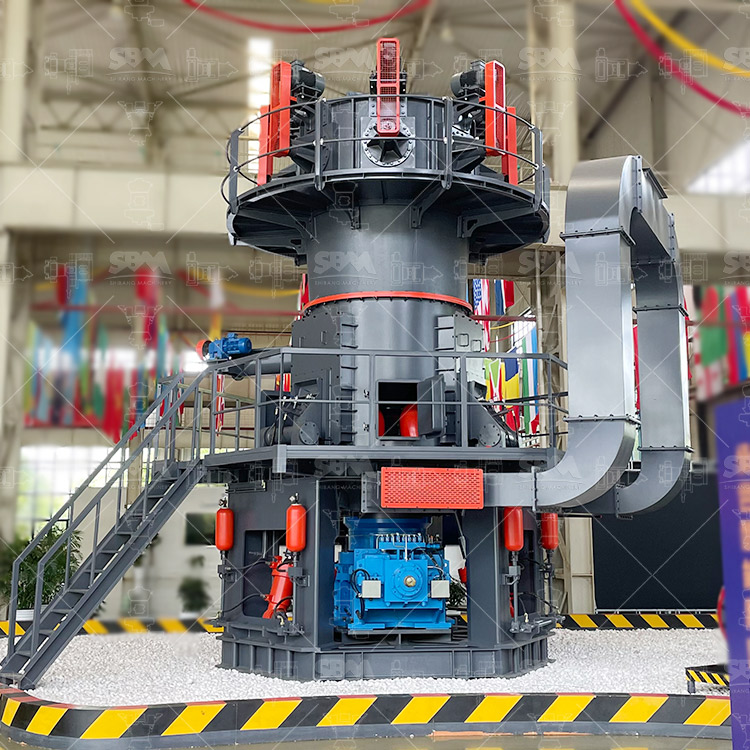
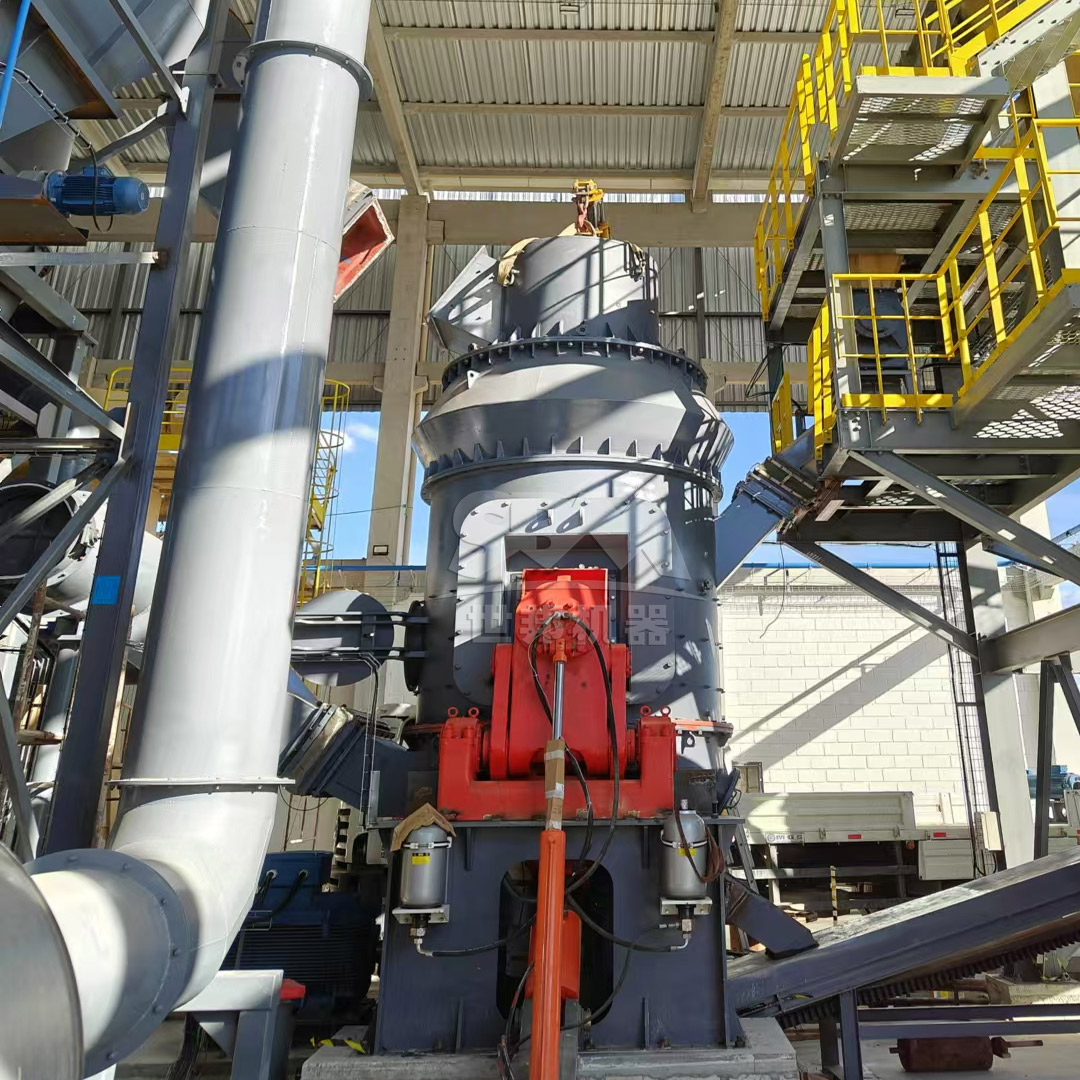
- LM Series Vertical Roller Mill (VRM): The LM Vertical Roller Mill is a premier choice for large-scale, energy-efficient grinding. Its integrated design combines crushing, grinding, drying, and classification in a single unit, significantly reducing footprint. The principle of bed grinding between rollers and a rotating table is highly efficient, consuming 30-40% less energy than traditional ball mills. For bentonite, which may require slight drying during grinding, the VRM’s ability to introduce hot air into the grinding chamber is a distinct advantage. Its intelligent control system allows for precise fineness adjustment and stable, automated operation.
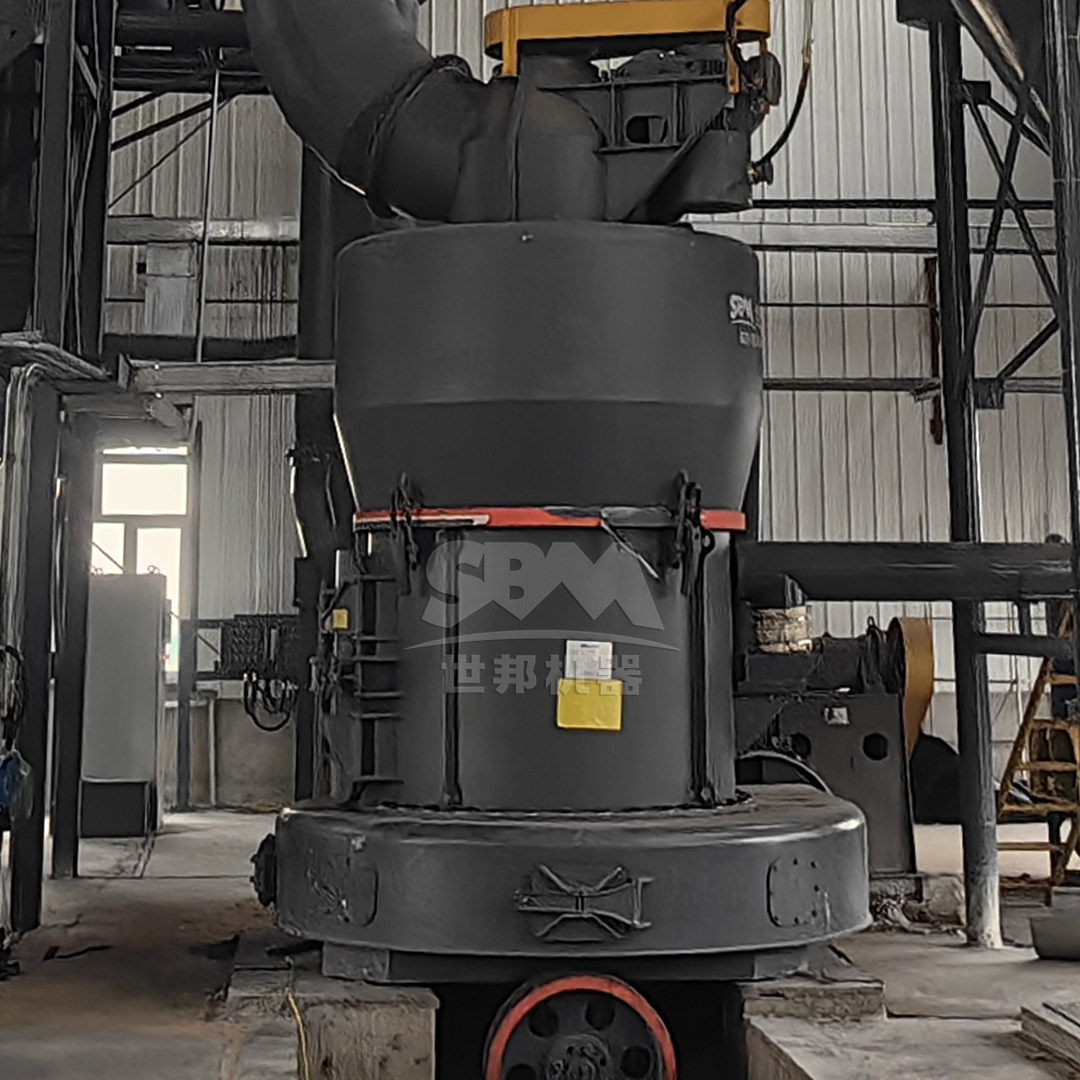
2. For Fine to Ultrafine Fineness (325-2500 mesh / 45-5μm)
High-performance construction applications, such as advanced polymer-bentonite nanocomposites or ultra-fine sealants, demand powders with a much higher specific surface area.
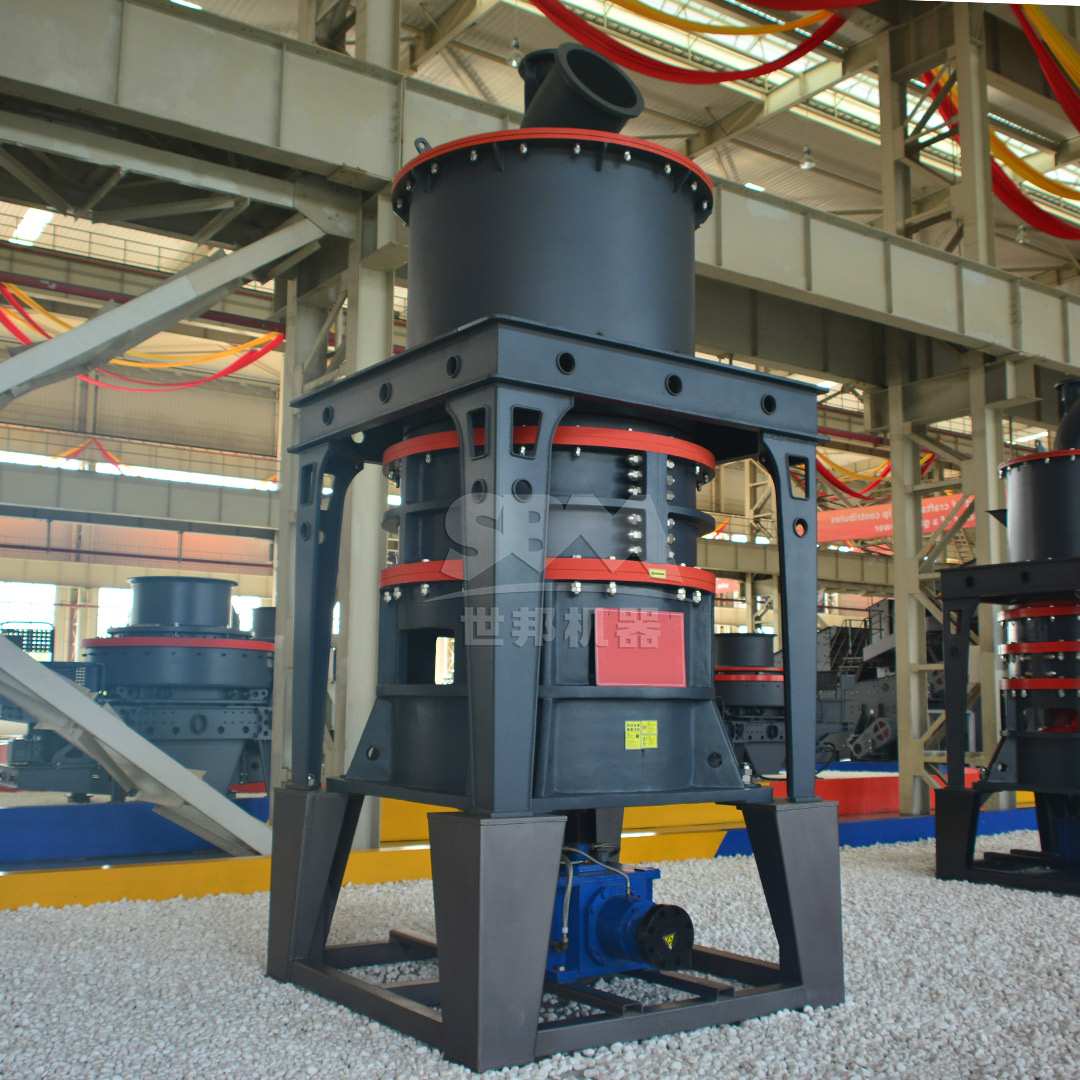
- SCM Series Ultrafine Mill: When the application calls for ultrafine bentonite powder, the SCM Series Ultrafine Mill is a technologically superior solution. Engineered to produce powders from 325 to 2500 mesh (5μm), this mill is critical for unlocking bentonite’s maximum performance potential. Its core strength lies in its high-precision vertical turbine classifier, which ensures sharp particle size cuts and a uniform product without coarse particle contamination—a common issue in ultrafine grinding. Furthermore, it boasts high efficiency and energy savings, with a capacity reported to be twice that of some jet mills and energy consumption 30% lower. The use of special material for rollers and rings, along with a shaftless screw design in the grinding chamber, guarantees exceptional durability and stable operation. For producers aiming at the premium segment of building materials, integrating the SCM Series Ultrafine Mill into their process line is a strategic move to achieve superior product quality. For example, the SCM1250 model, with a capacity range of 2.5-14 t/h and main power of 185kW, offers an excellent balance of output and fineness control for dedicated ultrafine bentonite production.
- LUM Ultrafine Vertical Roller Mill: This mill combines the vertical roller mill’s efficient grinding principle with advanced ultrafine classification technology. It is designed for producing powders in the same fine range as the SCM series. Its multi-rotor classifier provides exceptional precision, and the fully sealed negative pressure operation ensures an environmentally clean process with no dust leakage.
Auxiliary and Supporting Equipment
No grinding mill operates in isolation. A fully optimized bentonite line requires carefully matched auxiliary equipment.
- Feeders & Crushers: Vibrating Feeders (GZ series) ensure a stable and controllable feed rate to the mill. Hammer Mills or Jaw Crushers perform the essential pre-crushing to meet the mill’s maximum feed size requirement (e.g., ≤20mm for SCM mills, ≤50mm for MTW/LM mills).
- Classifiers: While many mills have integrated classifiers, independent high-efficiency air classifiers can be added for even tighter particle size distribution or for creating multiple product grades from a single mill stream.
- Dust Collection System: A high-efficiency pulse jet baghouse dust collector is non-negotiable. It ensures product yield is maximized, the working environment is safe, and plant emissions comply with stringent international standards (often exceeding 99.9% collection efficiency). This system is integral to both the grinding and packaging stages.
- Control System: Modern plants rely on Programmable Logic Controller (PLC) based automation systems. They enable expert-level control, real-time monitoring of parameters like motor load and fineness, automatic feedback loops, and remote operation, leading to consistent quality and reduced labor costs.
Conclusion: Building a Quality-Driven Production Line
The production of building material grade bentonite powder is a precise engineering endeavor where equipment selection dictates economic and product success. For standard-grade, high-volume output, robust and efficient mills like the MTW Series European Trapezium Mill or the LM Vertical Roller Mill are ideal foundations. When targeting high-value applications requiring ultrafine properties, investing in advanced technology like the SCM Series Ultrafine Mill becomes critical to achieve the necessary fineness and particle quality.
Ultimately, a successful plant design involves integrating the correct mill with a synchronized ecosystem of feeders, classifiers, and dust collectors, all managed by an intelligent control system. By focusing on equipment that offers durability, energy efficiency, precise classification, and environmental compliance, producers can ensure a reliable supply of high-quality bentonite powder that meets the evolving demands of the global construction industry.