Calcite, as a widely distributed and versatile industrial mineral, is a cornerstone raw material for the building materials industry. From high-grade paints and coatings to durable plastics, rubber, and construction fillers, the quality and fineness of calcite powder directly influence the final product’s performance. Selecting the right production equipment is a critical strategic decision that impacts operational efficiency, product quality, and long-term profitability. This comprehensive guide explores the core machinery used in modern calcite powder processing lines, offering a detailed analysis of their working principles, advantages, and selection criteria to help you build a high-efficiency, cost-effective production system.
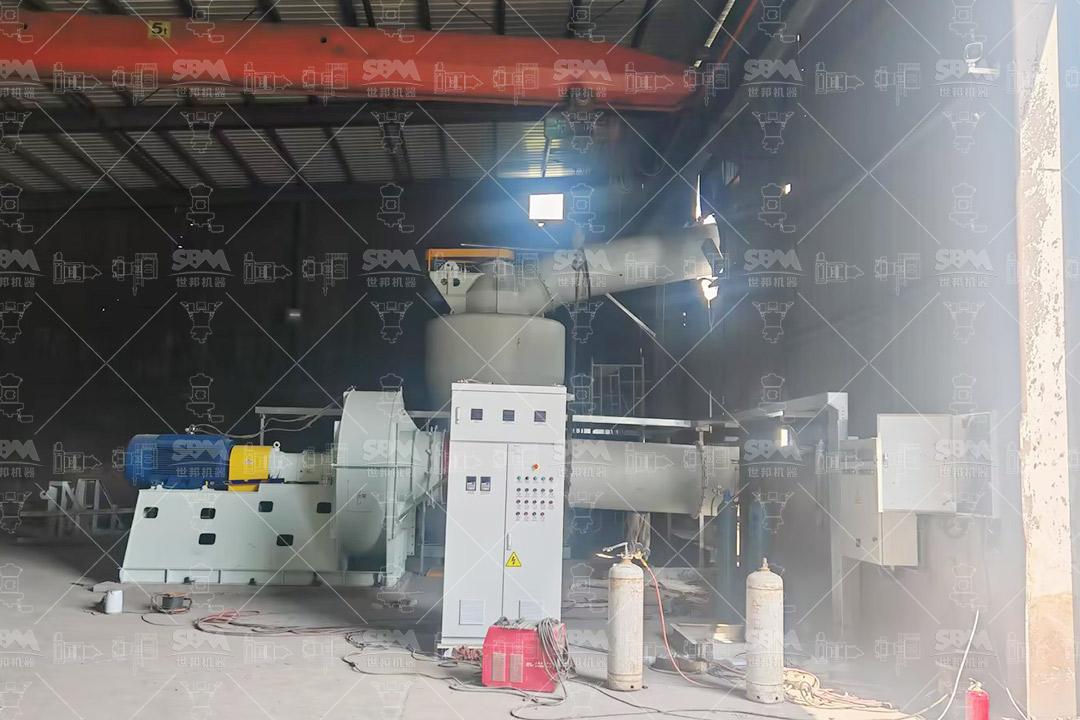
A typical calcite powder production line involves a sequence of stages: primary crushing, secondary crushing, grinding, classification, and collection. The choice of equipment at each stage is dictated by the desired final product fineness, capacity requirements, and the physical properties of the raw calcite ore. While crushers like hammer mills handle size reduction to a manageable feed size, the core of the production line lies in the grinding mills, which are responsible for achieving the precise particle size distribution required by building material applications.
Several types of mills are commonly employed to transform crushed calcite into fine powder. The selection process hinges on understanding their unique capabilities, from producing coarse building aggregates to ultra-fine micronized powders.
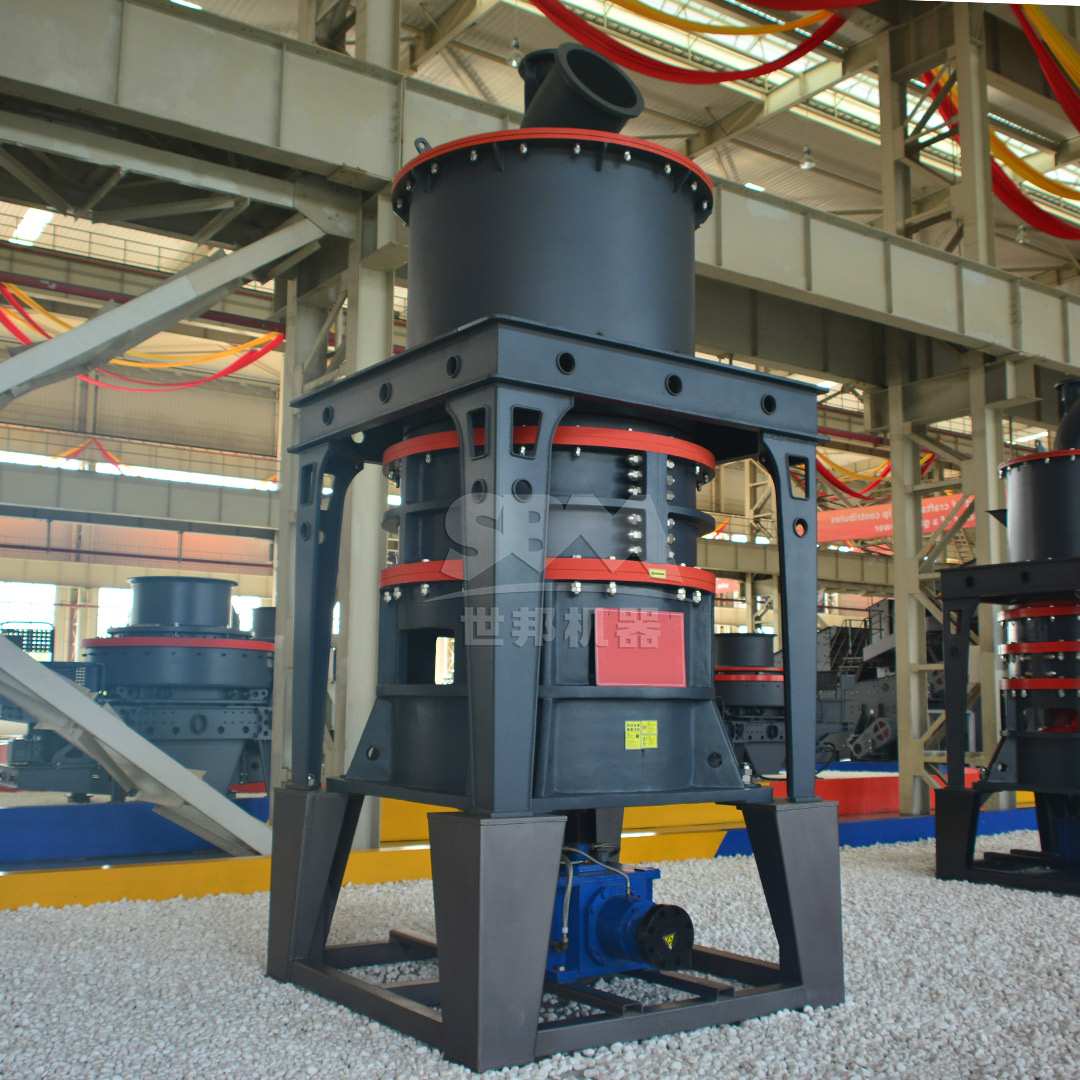
For applications demanding extremely fine powders, such as high-end plastic fillers, PVC profiles, and premium paints, ultra-fine mills are indispensable. These machines can produce powders with a fineness ranging from 325 to 2500 mesh. A prime example is the SCM Series Ultrafine Mill. Its three-layer grinding ring design and high-precision vertical turbine classifier ensure a uniform particle size without coarse powder mixing, which is crucial for maintaining consistent quality in demanding building materials. The SCM800 model, for instance, can process 0.5-4.5 t/h with a main power of 75kW, while the larger SCM1680 can reach a capacity of 25 t/h, making it suitable for both small-scale specialty production and large-scale industrial lines. We highly recommend this series for producers who prioritize ultra-fine fineness and high energy efficiency.
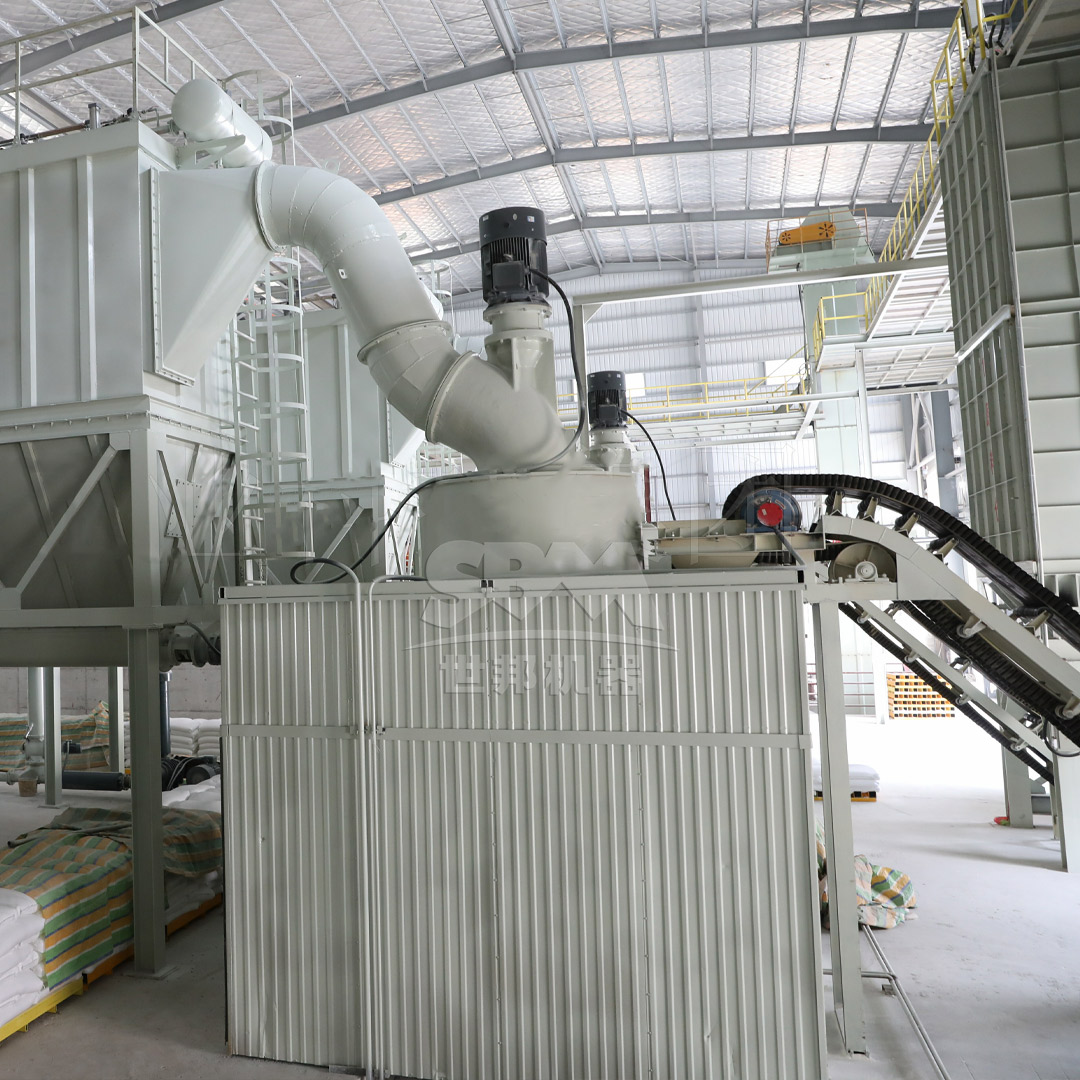
When the target fineness is between 30 to 325 mesh, which covers the vast majority of building material applications like wall putty, plasterboard, and ordinary fillers, European trapezium mills and medium-speed trapezium mills are the workhorses of the industry.
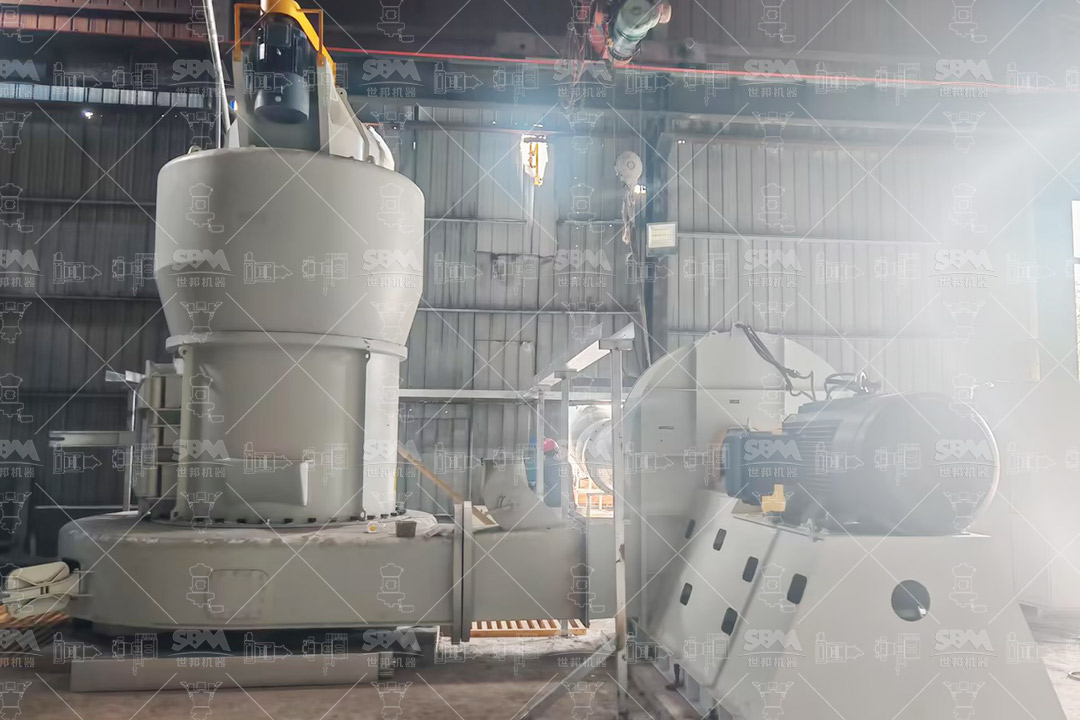
The MTW Series European Trapezium Mill stands out with its robust design and high capacity, with models like the MTW215G capable of up to 45 t/h. Its unique features, such as the anti-wear combined shovel blades and the integral bevel gear drive with 98% transmission efficiency, offer significant cost savings over traditional mills. For example, the patented internal suction oil lubrication system ensures smooth, uninterrupted operation, reducing downtime for maintenance. This series is ideal for large-scale operations needing consistent output of standard fineness powders.
Concurrently, the MTM Series Medium-speed Trapezium Mill offers an excellent balance of performance and cost for medium to large capacities. Its intelligent spring pressure system automatically compensates for roller wear, extending the life of consumable parts by 30%, which is a significant advantage in reducing long-term operational costs. The MTM160, with its six-roller design, can reliably produce 9-22 t/h of powder within the 45-325 mesh range.
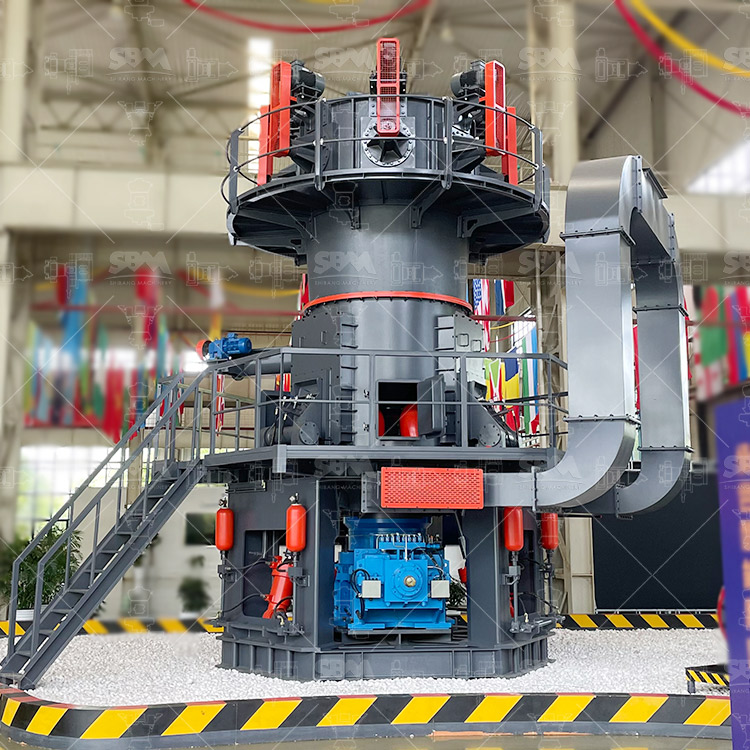
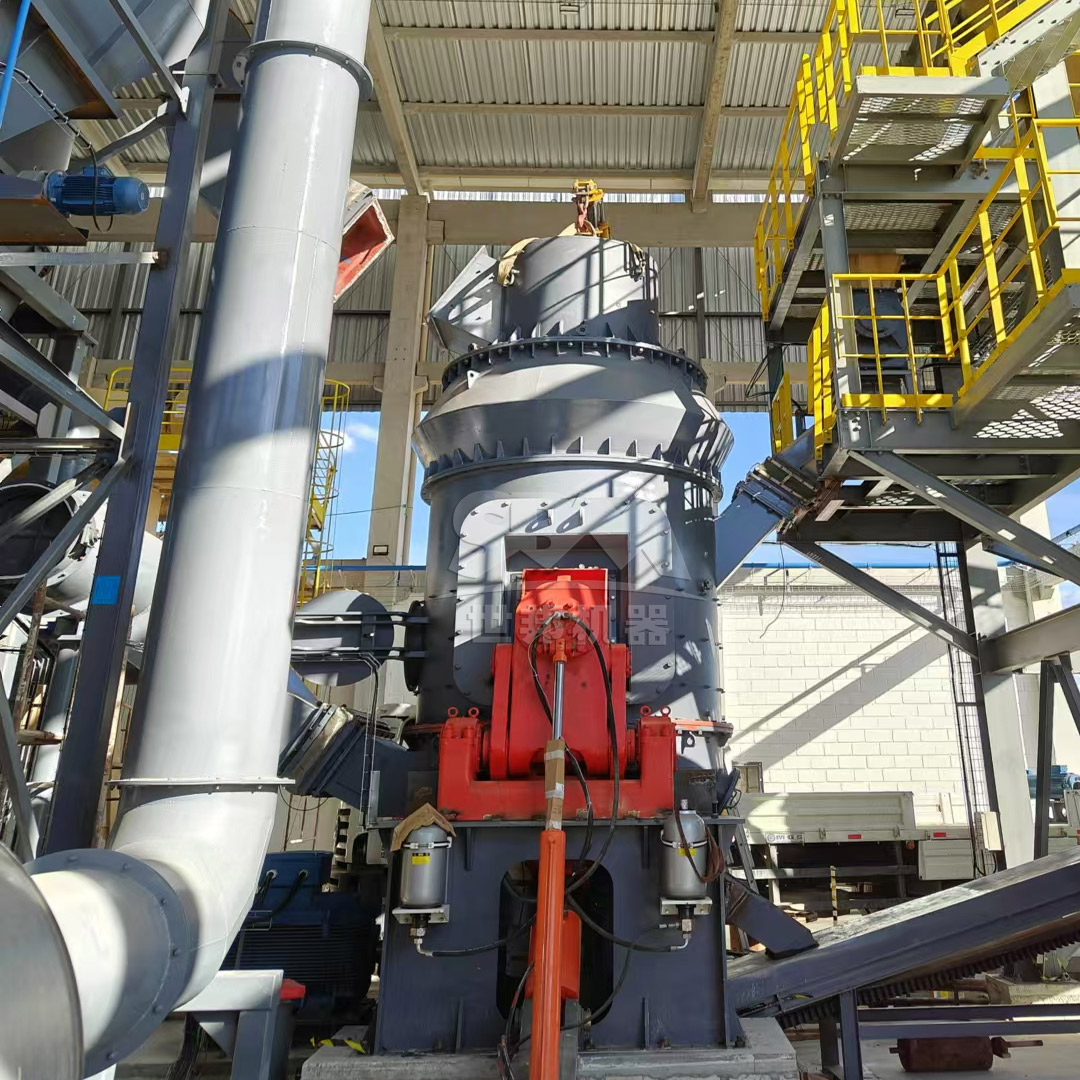
For mega-projects requiring massive throughput, such as cement plants or large mineral processing centers, vertical roller mills offer unparalleled efficiency and integration. The LM Series Vertical Roller Mill integrates crushing, grinding, and selection into a single system, reducing the plant floor space by 50% and infrastructure costs by 40%. Its energy consumption is 30-40% lower than traditional ball mill systems. Models like the LM280K can process 50-170 t/h of limestone with a fineness of 170-45μm, making it the ultimate solution for high-capacity, low-operating-cost production.
Choosing the right equipment requires careful analysis. Follow this guide to make an informed decision:
Selecting the right calcite powder production equipment is a multi-faceted decision that should align with your specific business goals, from producing high-value ultra-fine fillers to bulk commodity powders for construction. By understanding the distinct advantages of ultra-fine mills like the SCM Series, high-capacity European mills like the MTW Series, and integrated vertical mills like the LM Series, you can build a production line that delivers optimal efficiency, quality, and return on investment. We invite you to consult with our engineering team to tailor a solution that meets your exact specifications and market needs.