The production of high-quality chemical grade attapulgite powder demands precision, efficiency, and reliability from every piece of equipment involved. Attapulgite, a naturally occurring magnesium aluminum phyllosilicate, is prized in the chemical industry for its rheological, binding, and absorbent properties. To unlock its full potential, from drilling fluids to specialty coatings, selecting the right grinding and milling machinery is critical. This guide explores the key features of modern production equipment and provides a framework for choosing the optimal system for chemical grade attapulgite processing.
Attapulgite processing typically involves crushing, drying, grinding, and classification. For chemical-grade applications, which often require a very fine and consistent particle size distribution (PSD), the grinding stage is the most critical. The target fineness can range from relatively coarse (30-80 mesh) for certain industrial absorbents to ultra-fine (325 mesh to 2500 mesh) for high-value applications like thickeners and suspension agents. The choice of equipment must therefore balance throughput, energy efficiency, and the ability to achieve the required PSD without compromising the mineral’s inherent structure.
When evaluating production equipment for chemical grade attapulgite, several key features distinguish high-performance systems from standard mills.
1. High-Precision Classification System: The heart of any fine grinding mill is its classifier. For attapulgite, a product with minimal coarse particles (oversize) is essential. A vertical turbine classifier, as found in advanced mills, uses centrifugal force to cut particle sizes with extreme precision. This ensures that the final powder is uniformly fine, eliminating the need for secondary sieving and guaranteeing product consistency batch after batch.
2. Intelligent Control and Automation: Modern production lines demand consistent output with minimal manual intervention. Intelligent control systems with automatic finished product granularity feedback allow for real-time adjustments. By monitoring the mill’s power draw, classifier speed, and airflow, the system can optimize the grinding process to maintain target fineness even if feed material characteristics vary slightly. This leads to higher efficiency and lower operating costs.
3. Durable and Wear-Resistant Design: Attapulgite is an abrasive mineral. The grinding components, especially the rollers and grinding rings, must be made of special wear-resistant materials. A durable design, featuring components like shaftless screw grinding chambers and specialized alloy rollers, extends the service life of the mill several times over compared to conventional designs. This directly translates to reduced maintenance downtime and lower replacement part costs.
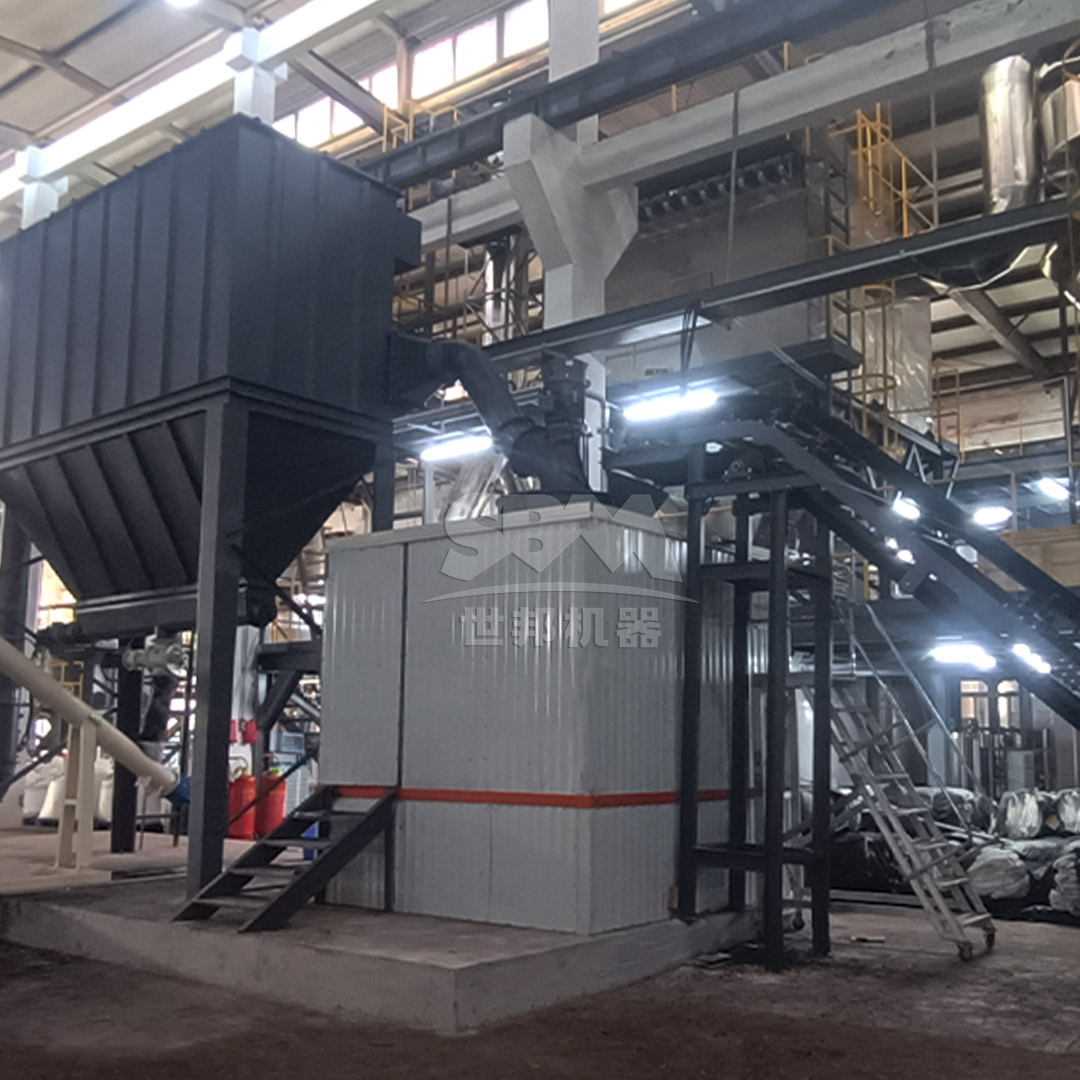
4. Eco-Friendly and Low-Noise Operation: Environmental compliance is a non-negotiable feature of modern industrial equipment. Pulse dust collection systems with efficiency exceeding international standards are mandatory. Furthermore, soundproof room designs and low-noise operation technologies ensure that the mill can be installed in environmentally sensitive areas or close to residential zones, meeting strict noise regulations.
| Feature | Benefit for Attapulgite Processing |
|---|---|
| High-Precision Classifier | Ensures uniform PSD, eliminates oversize particles. |
| Intelligent Control | Optimizes energy use and maintains stable output fineness. |
| Wear-Resistant Materials | Extends equipment life, reduces maintenance costs. |
| Eco-Friendly Operation | Meets environmental standards with pulse dust collection and low noise. |
Selecting the appropriate mill depends heavily on your specific production goals. Below is a guide based on the target fineness and required throughput.
For Ultra-Fine Chemical Grade (325-2500 mesh / 45-5μm):
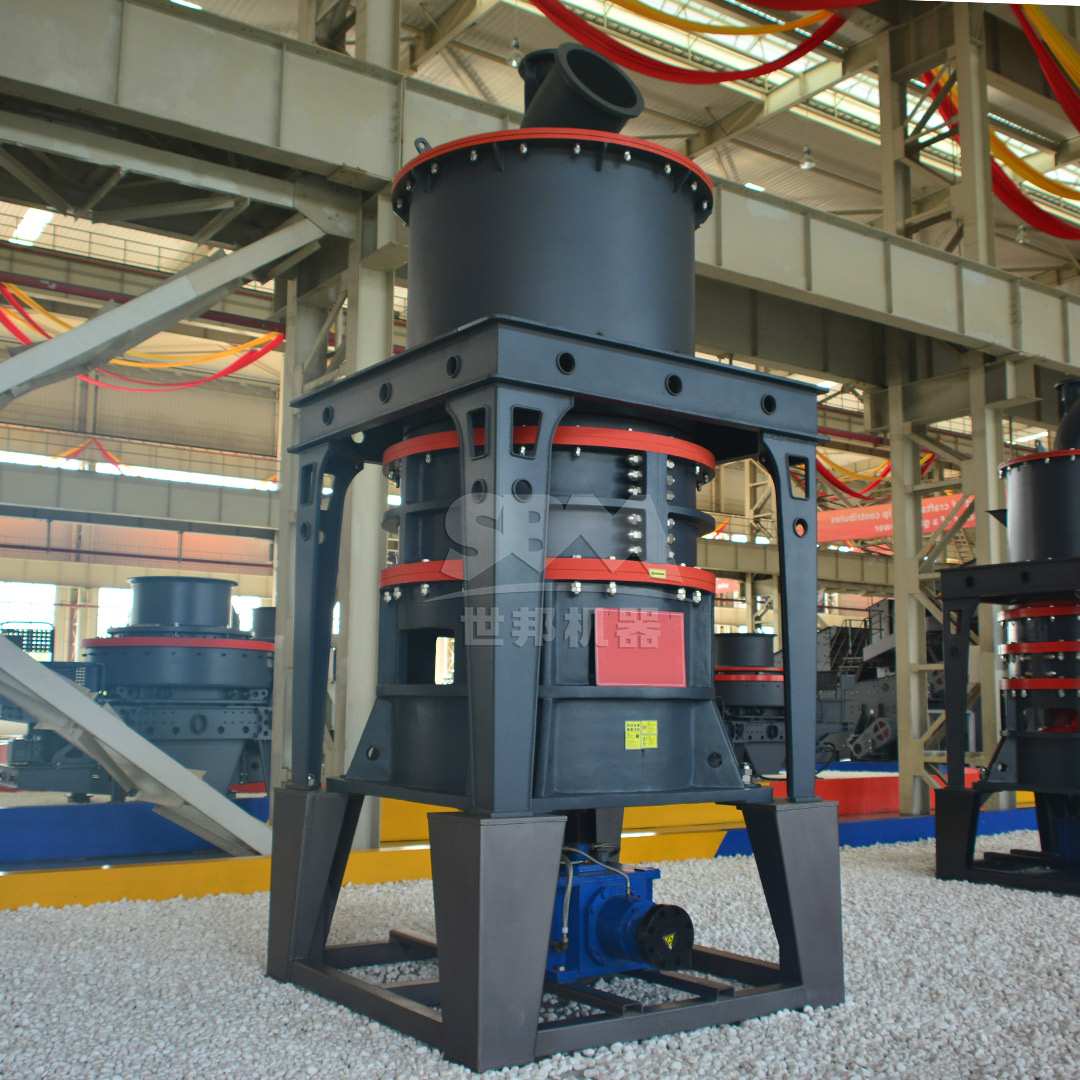
Applications such as high-performance rheological additives and advanced coatings require ultra-fine powders. For this demanding segment, an ultrafine mill is the ideal choice. Its high-efficiency grinding mechanism, often delivering capacity twice that of traditional jet mills with 30% lower energy consumption, makes it exceptionally cost-effective for fine and superfine grinding. The precision of its classifier is unmatched for achieving consistent sub-micron particle sizes. Consider the SCM Series Ultrafine Mill for this application. For example, the SCM1000 model, with a main power of 132kW and a capacity range of 1.0-8.5 tons per hour, is perfectly suited for medium-scale production of ultra-fine attapulgite. For larger capacities, the SCM1680 can handle up to 25 tons per hour, making it a powerhouse for industrial-scale ultra-fine grinding.
For Standard & Fine Chemical Grade (30-325 mesh / 600-45μm):
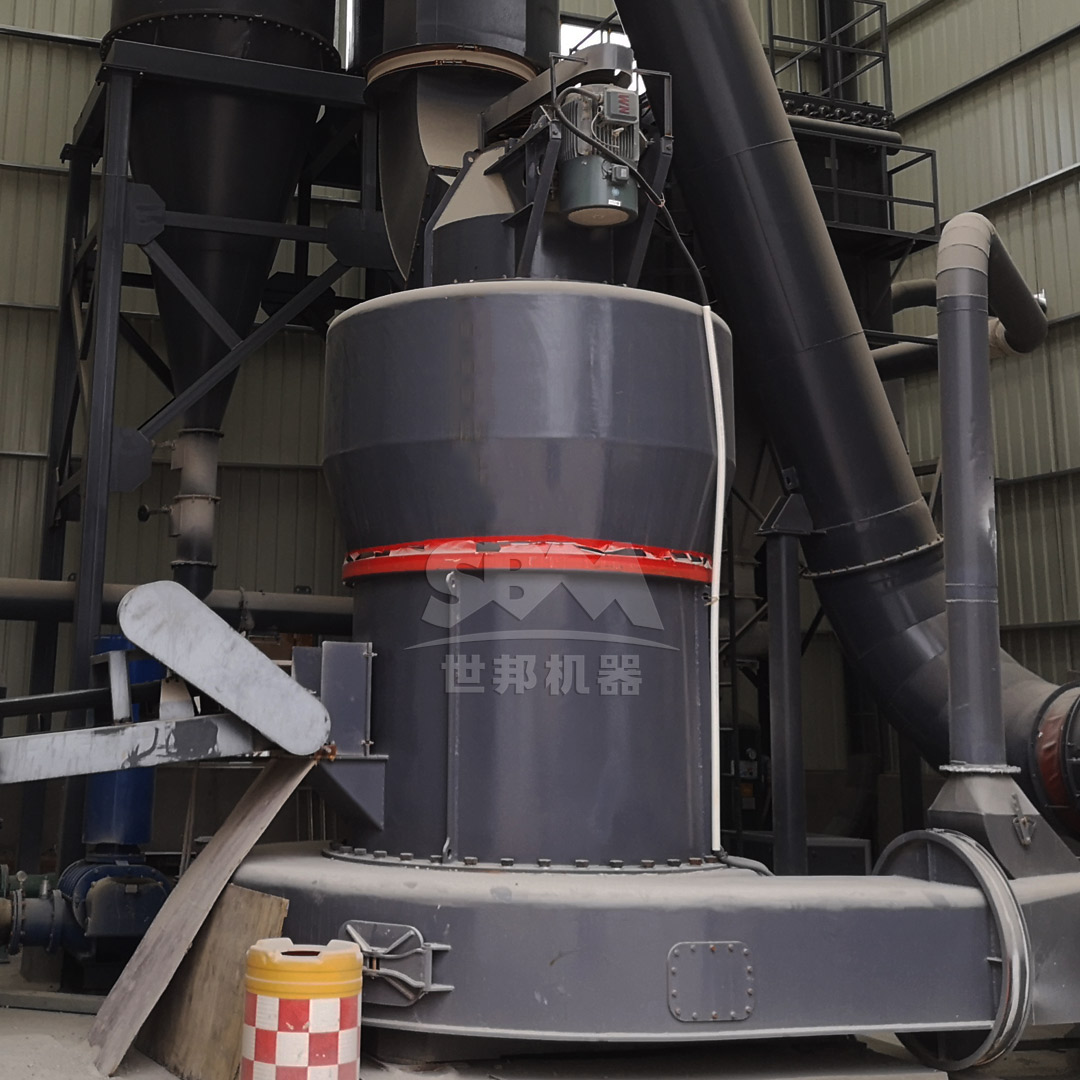
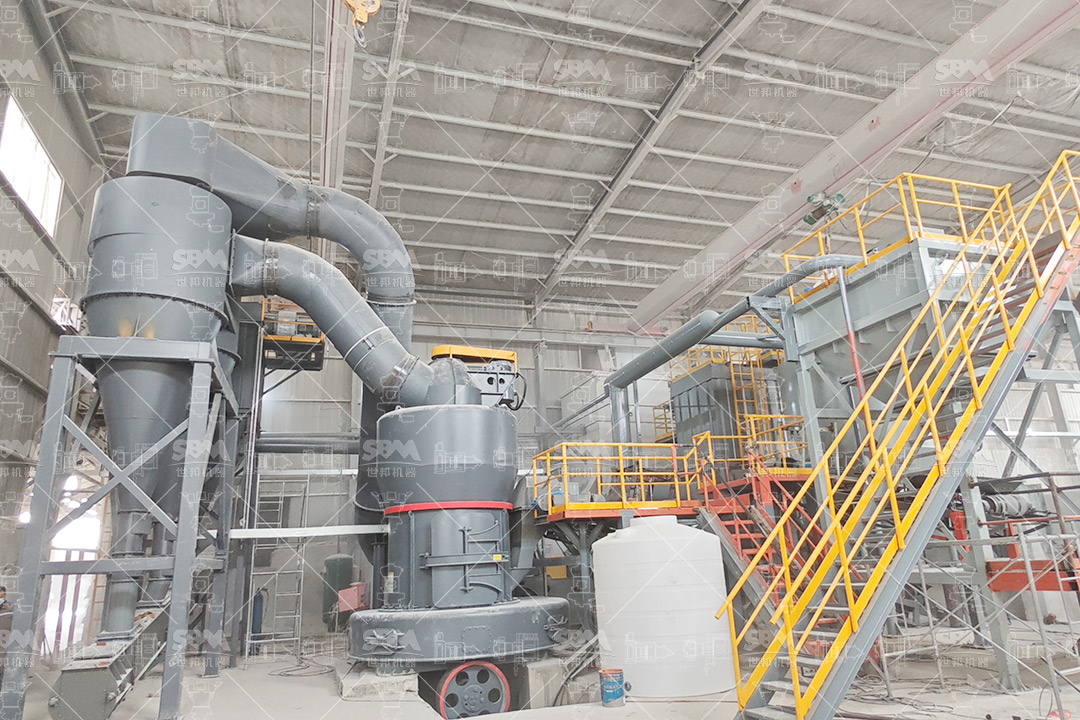
For a broader range of chemical applications, including standard absorbents, fillers, and suspending agents, a robust and versatile mill is needed. The European trapezium mill or the medium-speed trapezium mill offer excellent solutions. They combine high capacity (3-45 tons per hour) with the flexibility to adjust fineness across a wide range. Features like integral bevel gear drives (98% transmission efficiency) and optimized air ducts ensure low energy consumption and high reliability. For these applications, the MTW Series European Trapezium Mill is a market leader. The MTW138Z, with a main power of 90kW and a capacity of 6-17 tons per hour, provides an excellent balance of output and efficiency for mid-range production.
For Large-Scale Production & Grinding of Coarser Material (30-325 mesh):
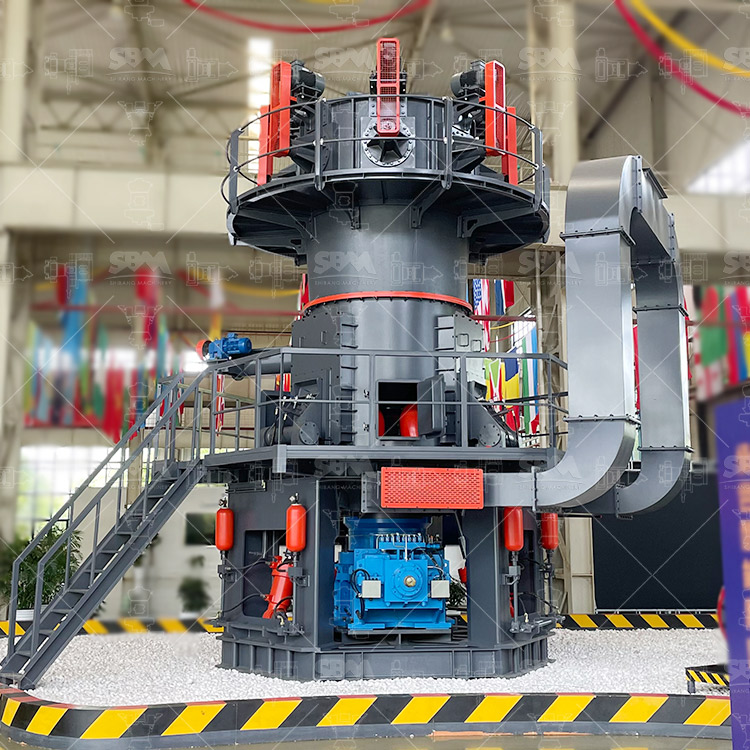
When the focus is on high throughput with moderate fineness, a vertical roller mill (VRM) is often the most economical choice. An integrated design that combines crushing, grinding, and classification in one unit can reduce floor space by 50% and infrastructure costs by 40%. The low operating costs, due to a non-contact roller-table design which extends wear part life, make VRMs ideal for large-scale operations processing tons of material per hour.
The decision ultimately hinges on your specific needs: the target particle size, required throughput, budget for capital investment, and operating costs. For the highest value, ultra-fine products, the SCM Series Ultrafine Mill is the recommended path. For versatile, large-volume production of standard to fine grade powders, the MTW Series European Trapezium Mill provides an unbeatable combination of efficiency and reliability. Both series incorporate the advanced features discussed—intelligent control, superior durability, and stringent environmental compliance—making them the premier choice for modern chemical grade attapulgite powder production. We strongly recommend consulting with our engineering team to match your specific material characteristics with the ideal machine configuration, ensuring you achieve the highest return on your investment.