The production of high-purity, chemical-grade talc powder demands a sophisticated and precise approach to grinding and classification. Talc, a hydrated magnesium silicate, finds extensive use in plastics, paints, coatings, pharmaceuticals, and cosmetics, where its properties—such as brightness, chemical inertness, and lamellar structure—are critical. Achieving the required fineness (often ranging from 325 mesh to 2500 mesh or 45μm down to 5μm), particle size distribution, and freedom from contaminants necessitates a carefully designed production line with the right core equipment at its heart. This guide explores the key stages of a chemical-grade talc powder plant and provides an in-depth analysis of the grinding mill technologies that define product quality and production efficiency.
A typical production line moves from raw material preparation to final packaging, with grinding being the central transformative process.
The process begins with high-grade talc ore. Initial steps include manual sorting to remove visible impurities and large-scale crushing using jaw crushers or hammer mills to reduce the ore to a manageable size (typically below 50mm). This pre-crushed material is then often dried to reduce moisture content, a critical step for efficient fine grinding.
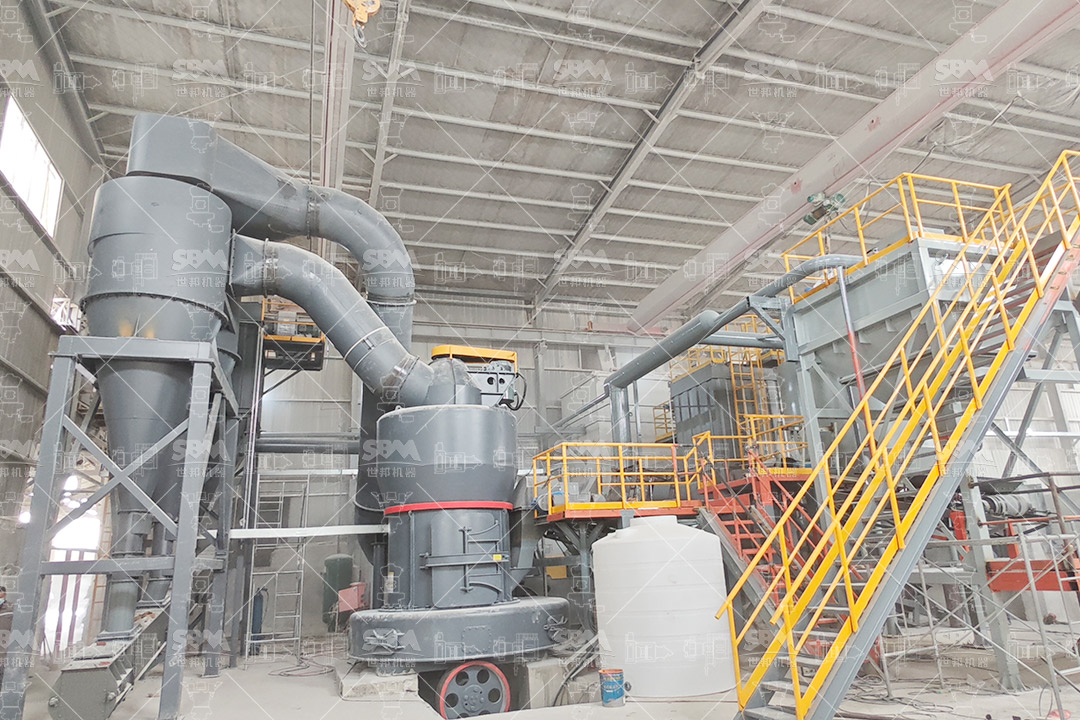
This is the most critical stage, where the talc is reduced to its target micron or mesh size. The choice of grinding mill is paramount. The system must not only achieve the desired fineness but also preserve the lamellar structure of talc (which imparts key properties like lubricity) and avoid introducing metallic contamination. A closed-circuit system with an integrated high-efficiency classifier is standard. The classifier continuously separates fine, product-size particles from coarse ones, which are recirculated back to the mill for further grinding, ensuring a tight and consistent particle size distribution.
| Process Stage | Primary Equipment | Key Objective |
|---|---|---|
| Primary Crushing | Jaw Crusher, Hammer Mill | Reduce ore to <50mm |
| Drying | Rotary Dryer | Reduce moisture for grinding efficiency |
| Fine Grinding | Grinding Mill (e.g., Ultrafine Mill, Vertical Mill) | Achieve target fineness (e.g., 5-45μm) |
| Classification | Turbo Classifier, Cyclone Separator | Separate fines from coarse; control PSD |
| Dust Collection | Pulse Bag Filter | Ensure clean operation, product recovery |
| Packaging | Automatic Packing Machine | Weigh and bag final product |
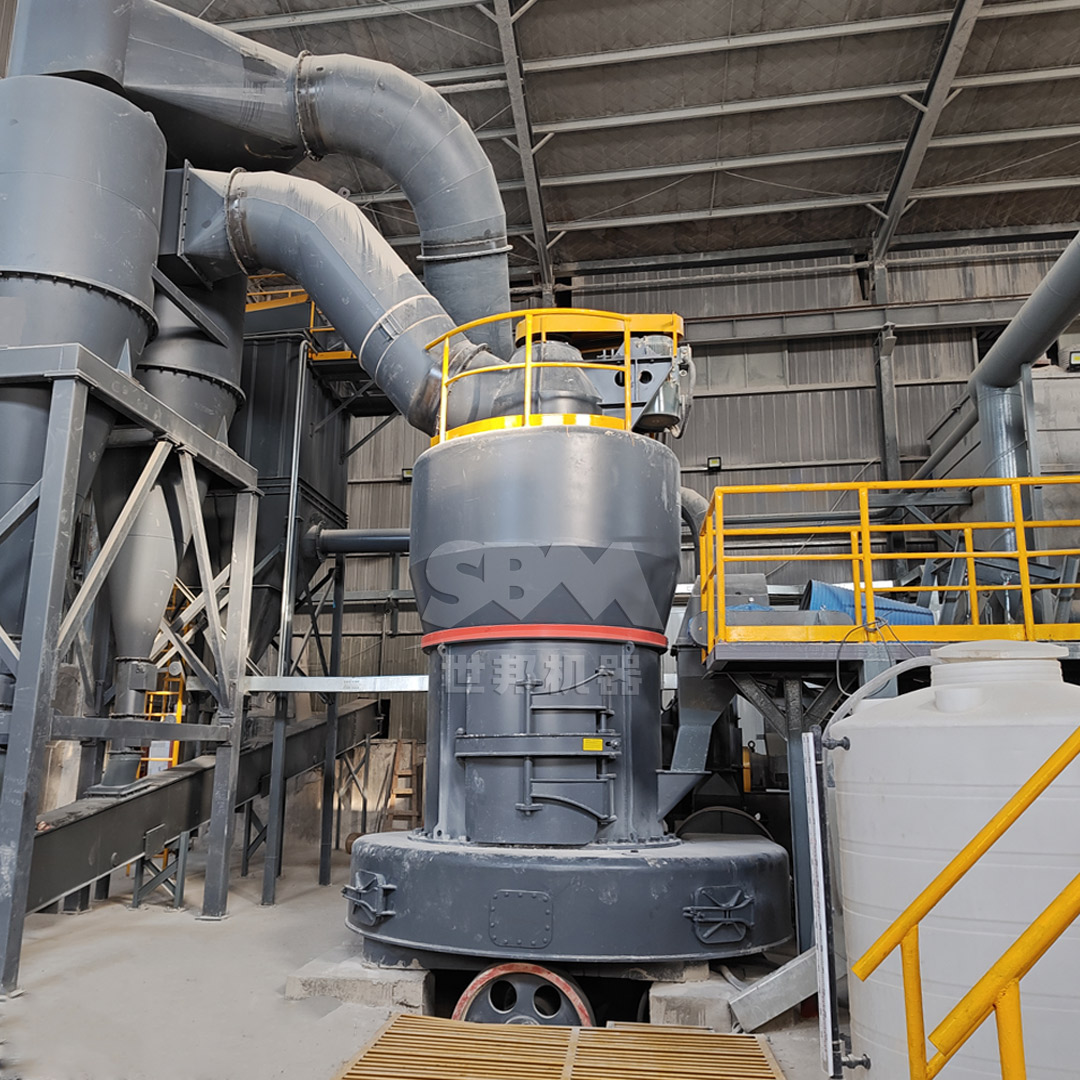
After grinding and classification, the fine powder is collected via high-efficiency cyclone separators and pulse-jet baghouse filters. The final product may undergo surface modification (e.g., silane treatment) for specific applications. Rigorous quality control checks for fineness (via laser particle analyzers), brightness, chemical composition, and moisture are conducted before automated packaging.
Selecting the right mill involves balancing target fineness, capacity, energy consumption, and preservation of talc’s structure. Below are the dominant technologies.
For the highest purity and finest grades of talc used in premium applications, ultrafine grinding mills are essential. These mills combine grinding with integrated precision classification.
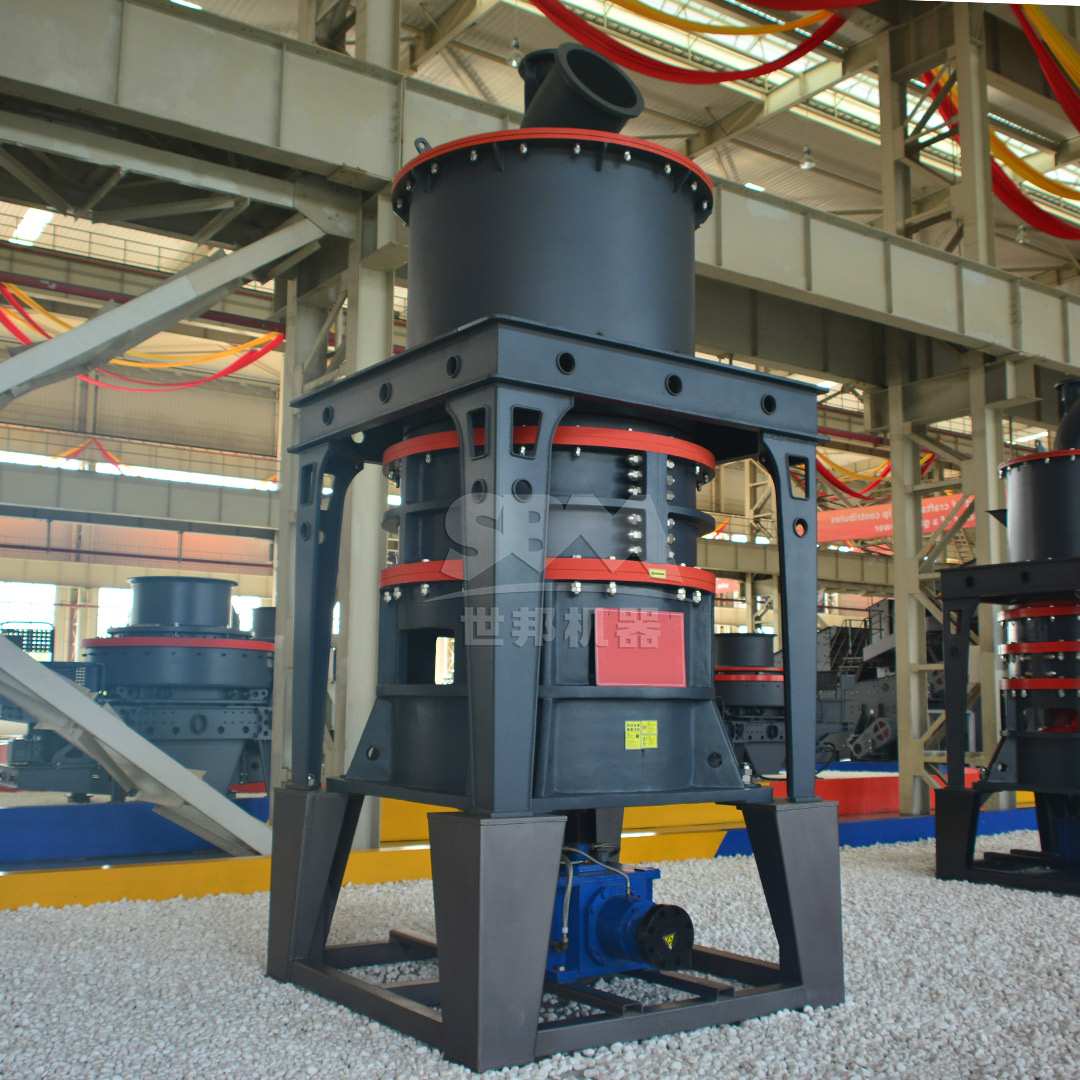
Recommended Solution: SCM Series Ultrafine Mill
For producing high-value chemical-grade talc in the 325 to 2500 mesh range, the SCM Series Ultrafine Mill represents a top-tier solution. Its design is specifically optimized for high-efficiency, low-contamination fine grinding.
The mill operates on a layered grinding principle where material is centrifugally dispersed and ground between rollers and rings. Models like the SCM1250 (2.5-14 t/h, 185kW) are well-suited for medium to large-scale talc powder production.
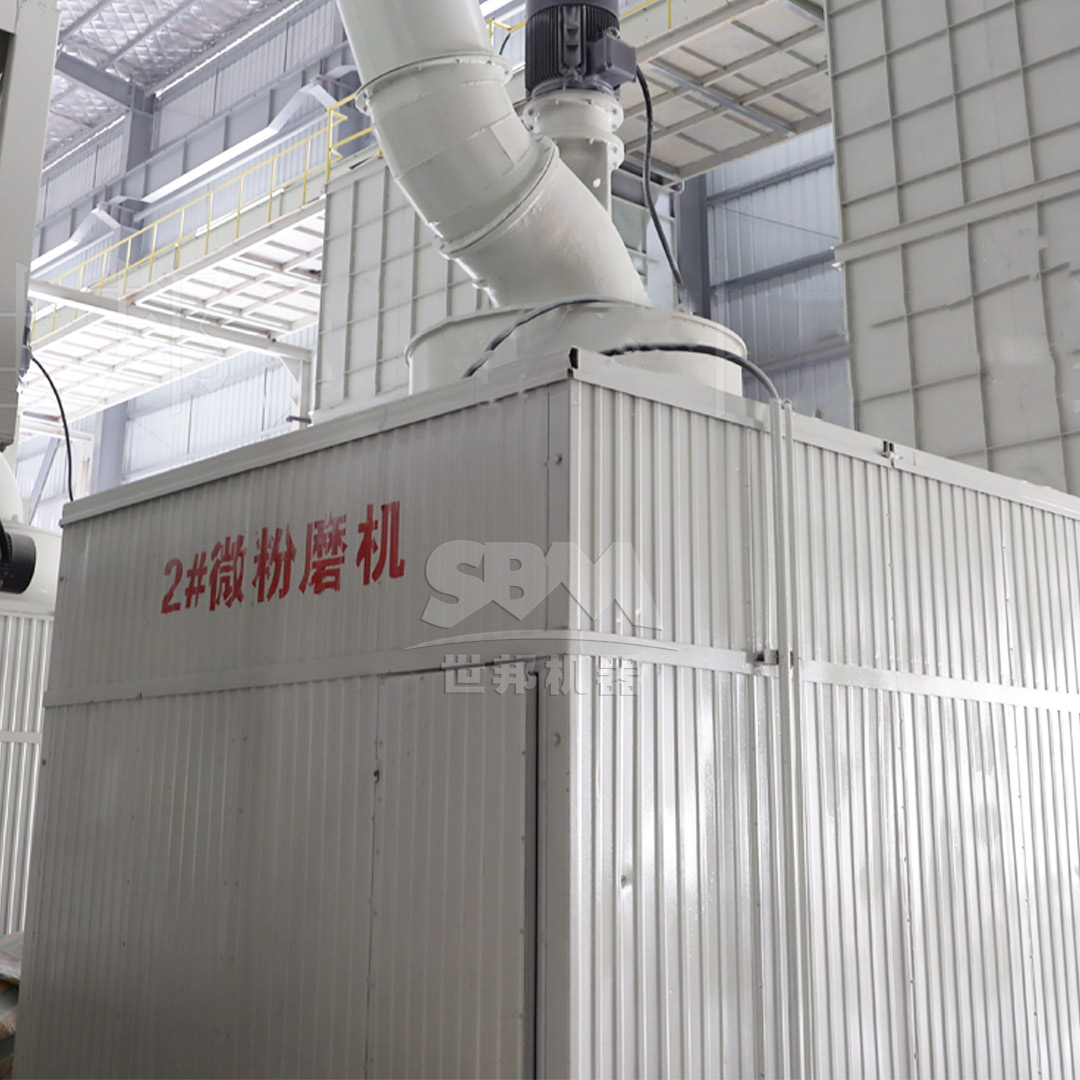
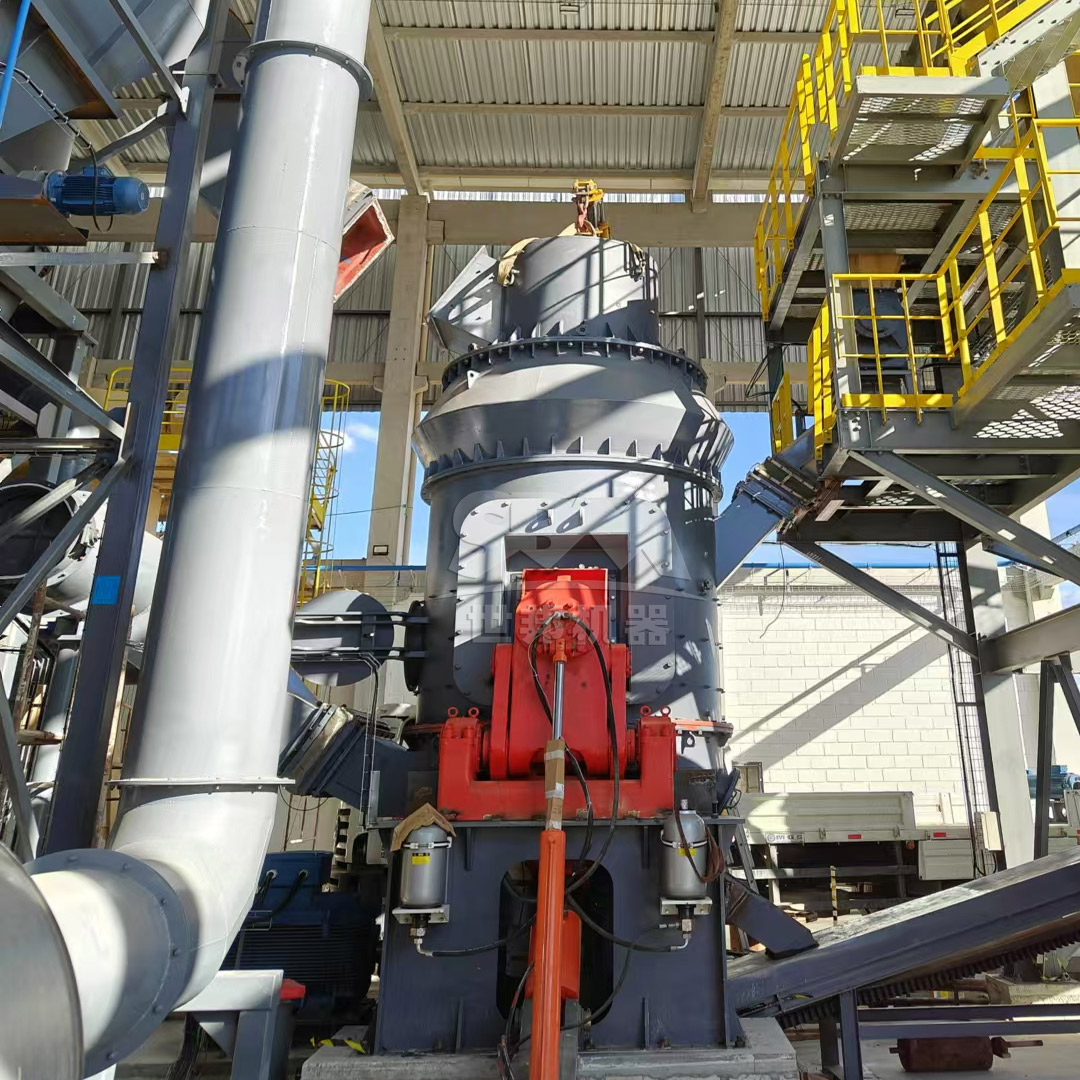
For high-capacity production of fine talc powder (e.g., for paint fillers), Vertical Roller Mills (VRM) offer significant advantages in footprint and energy efficiency.
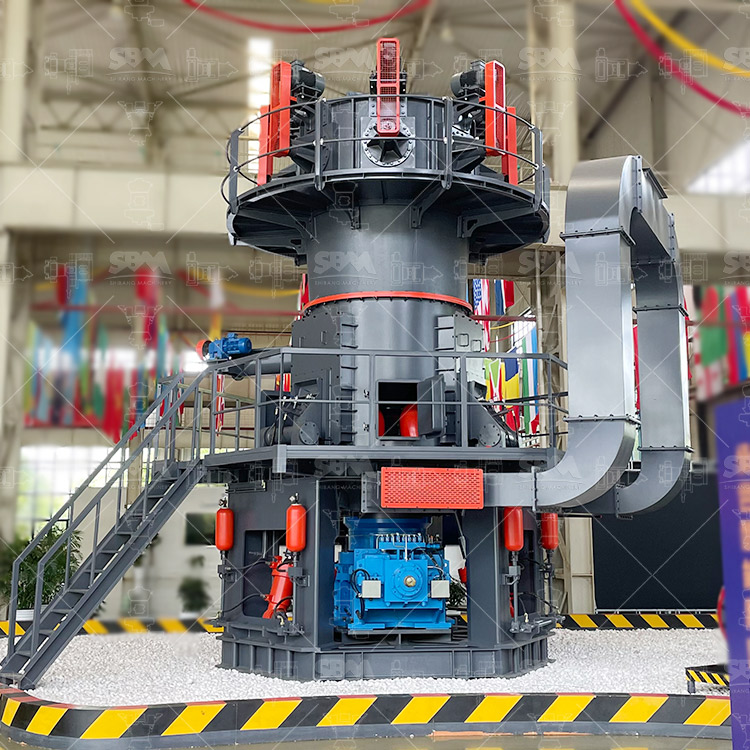
Recommended Solution: LM Series Vertical Roller Mill
When the production focus is on large volumes of talc powder in the 30-325 mesh range, the LM Series Vertical Roller Mill is an outstanding choice. Its integrated design makes it a cornerstone for modern, efficient talc processing plants.
Material is fed onto a rotating table and ground under rollers. The LM190K model (23-68 t/h, 500kW), for example, provides robust and efficient production for substantial talc powder outputs.
This type of mill is a reliable workhorse for medium-fine grinding, known for its stability and ease of maintenance.
While less common for ultra-fine chemical-grade talc due to higher energy consumption and potential for contamination, ball mills can be used for coarser grades or as a pre-grinding stage. They operate on the principle of impact and attrition using steel grinding media.
| Consideration | Description | Impact on Mill Selection |
|---|---|---|
| Target Product Fineness | Final mesh or micron size (e.g., 1250 mesh vs. 325 mesh) | Dictates choice between Ultrafine Mill (SCM) and Vertical Mill (LM). |
| Required Production Capacity | Tons per hour (TPH) of finished product | Determines the specific model size (e.g., SCM1000 vs. SCM1680). |
| Product Purity & Contamination | Need to preserve brightness, avoid iron contamination | Favors mills with ceramic or special alloy grinding elements and sealed designs. |
| Energy Efficiency Goals | Operating cost per ton of product | Vertical Roller Mills and Ultrafine Mills generally offer superior energy efficiency over older technologies. |
| Plant Footprint & Layout | Available space for the grinding circuit | Integrated mills like the LM Vertical Mill save significant space. |
| Automation Level | Degree of required process control and monitoring | Modern mills like the SCM and LM series come with advanced PLC control systems. |
Building an efficient and profitable chemical-grade talc powder production line hinges on the strategic selection of grinding technology. For ultra-fine, high-purity applications, the SCM Series Ultrafine Mill delivers unmatched precision and efficiency. For large-scale production of fine talc powder, the LM Series Vertical Roller Mill offers an unbeatable combination of low operating costs, a small footprint, and intelligent operation. By carefully matching the mill technology to your specific product specifications and production goals, you can ensure a plant that delivers consistent quality, operational economy, and long-term reliability in the competitive talc market.