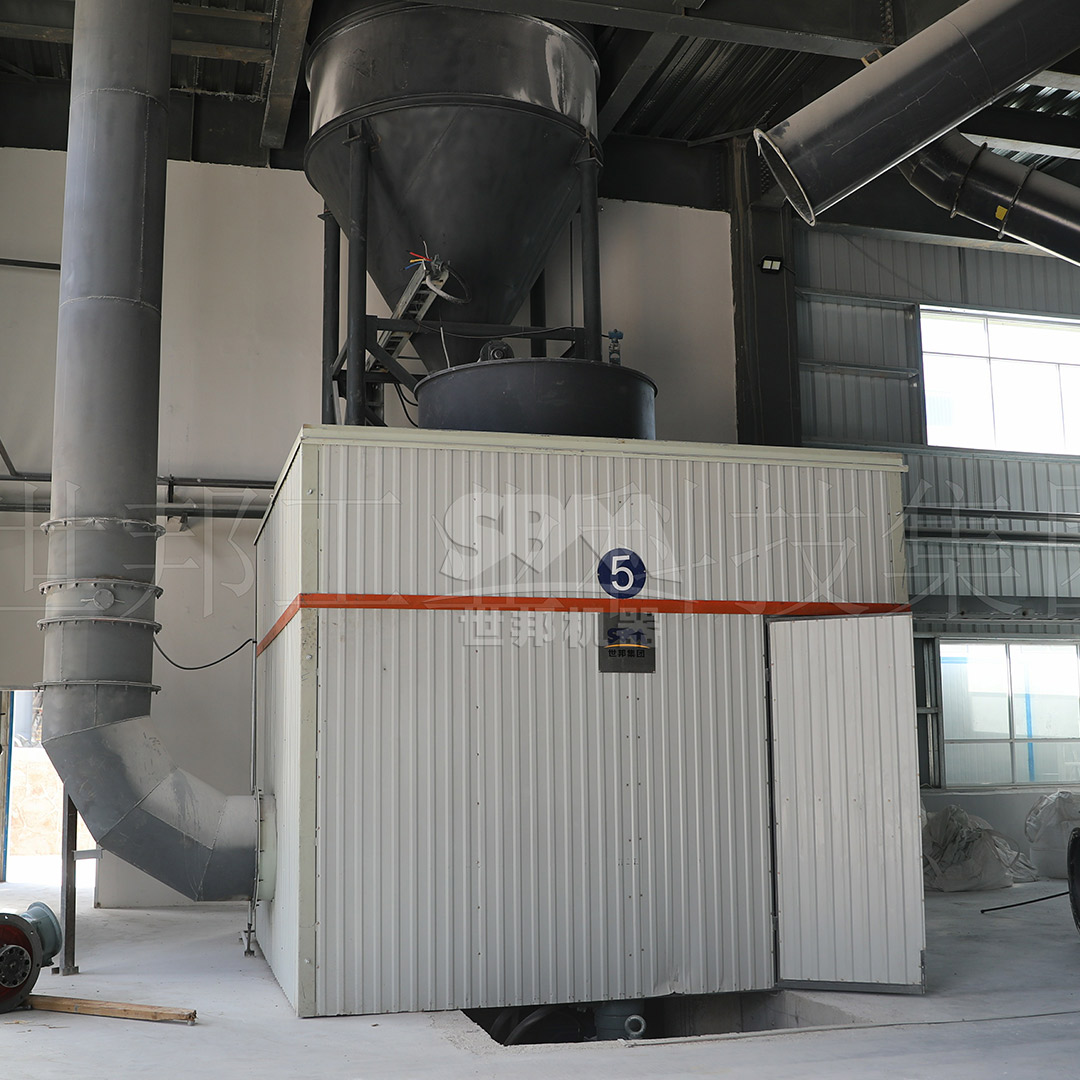
Fly ash, a byproduct of coal combustion in thermal power plants, has become an indispensable raw material in the production of aerated concrete (AAC). Its pozzolanic properties, low cost, and environmental benefits make it a preferred siliceous material for AAC blocks and panels. However, the performance of fly ash in AAC production depends heavily on its fineness, particle size distribution, and reactivity—factors that are directly controlled by the milling solution employed. Choosing the right fly ash processing equipment is therefore not merely a matter of capacity; it is a strategic decision that affects product quality, energy consumption, and overall production line efficiency.
This article provides a professional guide to selecting the appropriate milling solution for fly ash processing in aerated concrete production lines. It examines the key characteristics of fly ash, the fineness requirements for AAC, and compares different milling technologies to help producers make informed decisions.
In AAC production, fly ash serves as the primary siliceous component. Its fineness directly influences the slurry rheology, the lime-silica reaction kinetics, and the final strength development of the autoclaved product. Generally, fly ash used in AAC should be ground to a fineness of 325 mesh (45μm) or finer, with a residue on the 45μm sieve typically below 10-15%. Finer fly ash accelerates the pozzolanic reaction, improves the uniformity of the cellular structure, and enhances compressive strength. However, excessive grinding increases energy consumption and can lead to agglomeration issues. Therefore, the goal is to achieve an optimal particle size distribution that balances reactivity with processing economy.
Moreover, different AAC production processes—whether the fly ash is used in wet or dry mixing—impose varying demands on the milling system. For high-capacity lines, continuous milling with reliable classification is essential. For specialty products, ultrafine grinding may be required to achieve superior strength and thermal insulation properties.
| Application | Target Fineness | Typical Residue (45μm) | Key Benefit |
|---|---|---|---|
| Standard AAC Blocks | 325 mesh (45μm) | 8-15% | Balanced reactivity and cost |
| High-Strength AAC Panels | 400-600 mesh | 2-8% | Enhanced strength and durability |
| Ultrafine Fly Ash for Special Applications | 800-1250 mesh | <2% | Superior pozzolanic activity |
The selection of a milling solution for fly ash processing involves several critical considerations:
1. Capacity and Production Scale: The mill must match the throughput of the AAC production line. For small to medium lines, a capacity of 5-15 t/h may suffice, while large-scale lines require 20-50 t/h or more. The milling equipment should be scalable and capable of continuous operation.
2. Fineness and Particle Size Distribution: The required fineness dictates the type of mill. Ball mills can achieve fine grinding but are energy-intensive. Vertical roller mills offer efficient grinding and integrated classification. Ultrafine mills are necessary when very fine fly ash is needed.
3. Energy Efficiency and Operating Costs: Energy consumption is a major operating cost in fly ash processing. Advanced mills with high grinding efficiency and low power consumption can significantly reduce costs. Systems with intelligent control and optimized airflow design further enhance energy savings.
4. Environmental Performance: Dust emission and noise levels must comply with environmental regulations. Mills equipped with high-efficiency pulse dust collectors and soundproofing are preferable.
5. Maintenance and Wear Life: Fly ash is abrasive, so wear-resistant materials in the grinding chamber and rollers are essential. Easy maintenance and quick-change components reduce downtime.
6. System Integration and Footprint: The mill should integrate well with existing feeding, conveying, and storage systems. Compact designs save installation space and reduce civil works.
Several types of mills are commonly used for fly ash processing in AAC production. Each has its advantages and limitations.
Ball Mills: Traditional ball mills are robust and widely used. They can grind fly ash to 325 mesh and are suitable for large capacities. However, they are energy-intensive, noisy, and have a large footprint. The grinding efficiency decreases as the product fineness increases, making them less economical for ultrafine grinding. They are often chosen when capital cost is a primary concern and energy costs are low.
Vertical Roller Mills: Vertical roller mills (VRMs) have gained popularity for fly ash grinding due to their high efficiency and integrated drying, grinding, and classification. They consume 30-40% less energy than ball mills and have a compact footprint. VRMs can produce fly ash with a fineness of 325-600 mesh and are suitable for medium to large capacities. The material bed grinding principle reduces wear and noise. However, VRMs require careful control of the material layer and are sensitive to feed moisture.
Ultrafine Mills: For high-performance AAC products, ultrafine fly ash (e.g., 800-2500 mesh) can significantly enhance reactivity. Ultrafine mills, such as the SCM series, use high-precision classifiers to achieve narrow particle size distributions. These mills are typically used when the value-added of the final product justifies the higher processing cost.
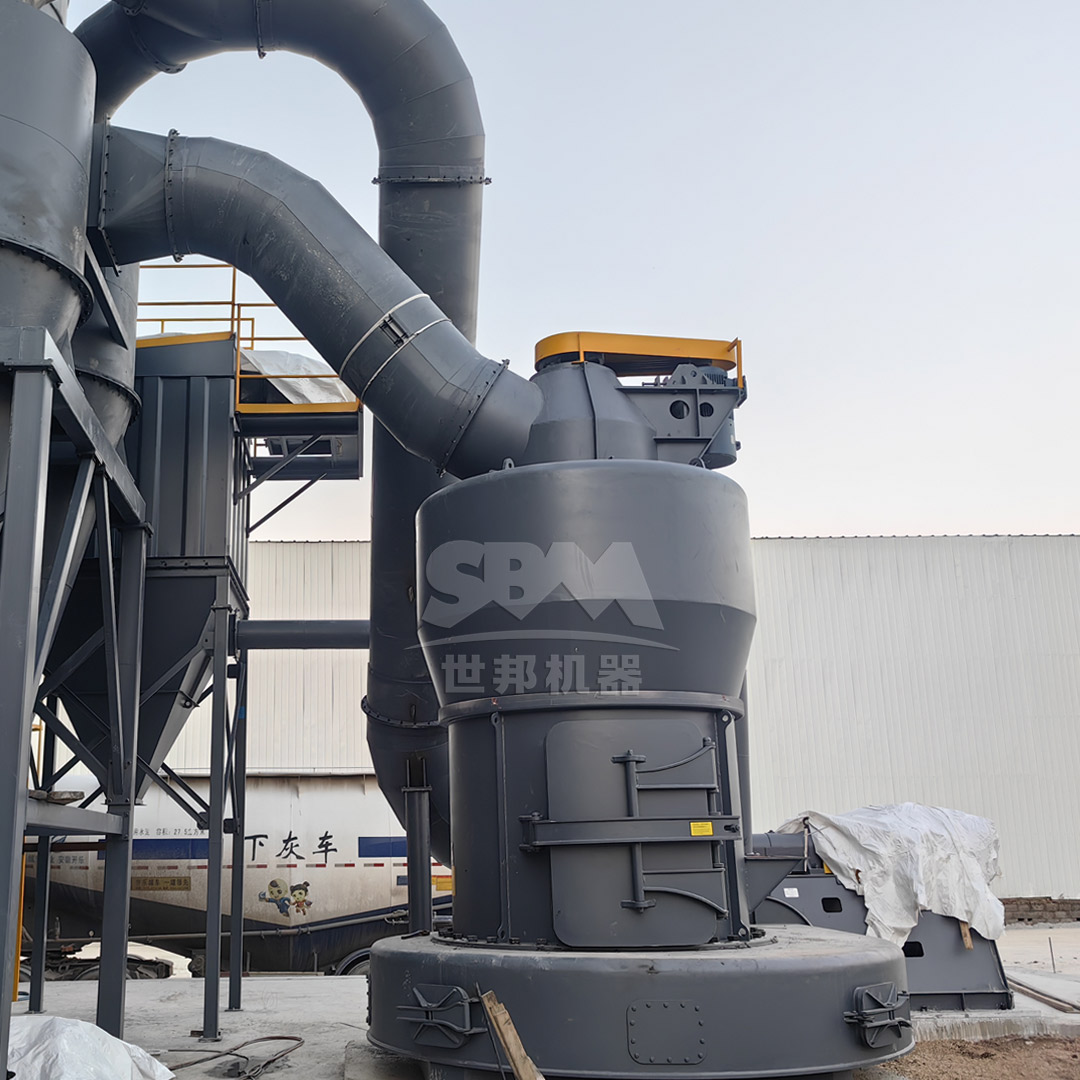
Trapezium Mills: European trapezium mills offer a balance between capacity and fineness, often used for medium-scale fly ash processing. They feature optimized air ducts and wear-resistant components, making them reliable for abrasive materials.
| Mill Type | Typical Fineness (mesh) | Capacity (t/h) | Energy Consumption | Best For |
|---|---|---|---|---|
| Ball Mill | 200-325 | 10-100+ | High | Large-scale, low-investment projects |
| Vertical Roller Mill | 325-600 | 10-80 | Low | Medium to large AAC lines, energy saving |
| Ultrafine Mill | 800-2500 | 0.5-25 | Medium | High-strength AAC, specialty products |
| Trapezium Mill | 325-600 | 3-45 | Medium | Medium-scale, versatile grinding |
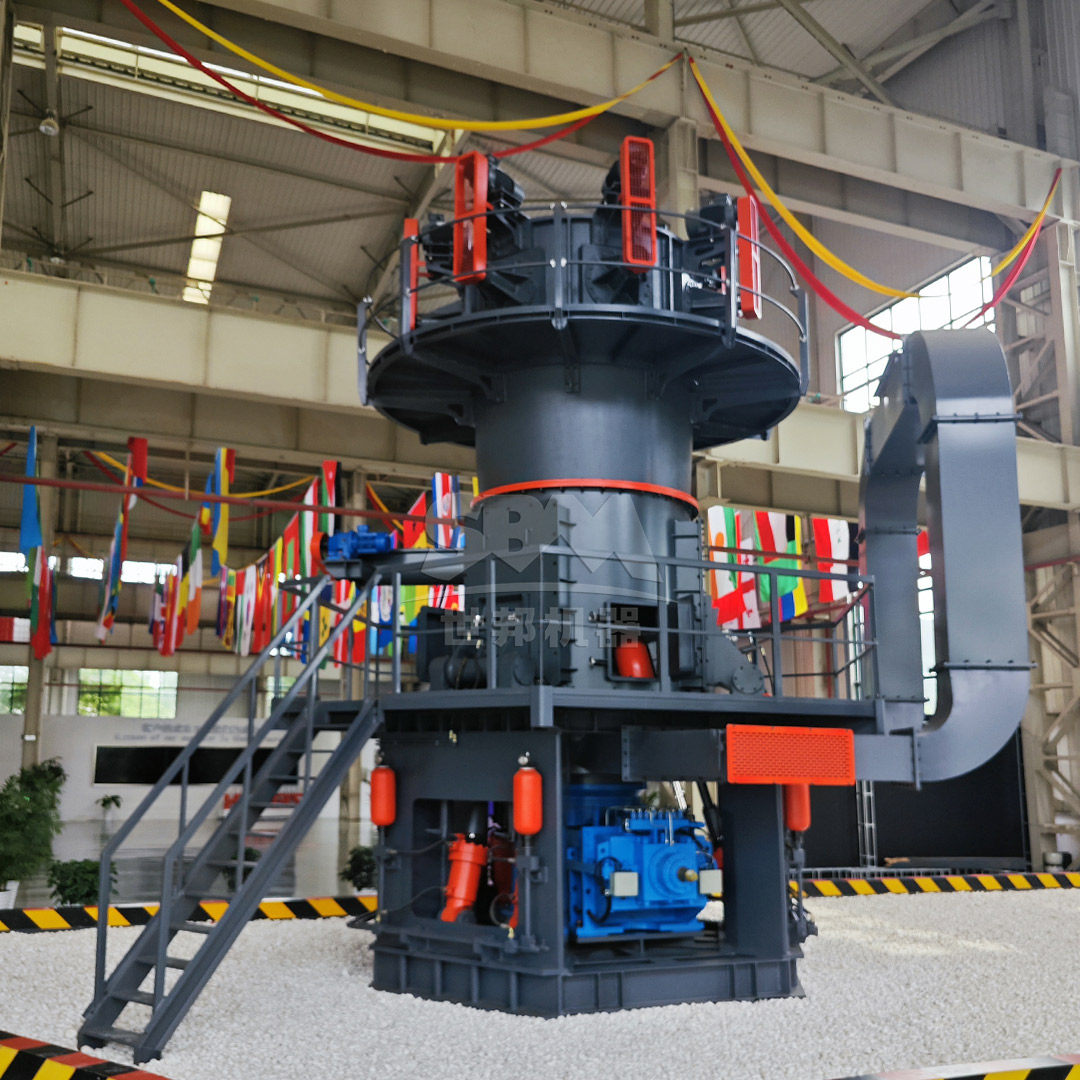
For AAC producers seeking to enhance product quality through ultrafine fly ash, the SCM Series Ultrafine Mill is an excellent choice. This mill is designed for high-efficiency production of powders in the 325-2500 mesh range, with capacities from 0.5 to 25 t/h depending on the model. Its technical advantages include:
High Efficiency & Energy Saving: The SCM mill achieves double the capacity of jet mills while consuming 30% less energy. Intelligent control with automatic feedback on finished product granularity ensures consistent quality.
High-Precision Classification: The vertical turbine classifier provides precise particle size cutting, preventing coarse powder mixing and ensuring uniform finished products—critical for AAC strength development.
Durable Design: Special material rollers and rings extend service life, while the shaftless screw grinding chamber ensures stable operation even with abrasive fly ash.
Eco-friendly & Low Noise: Pulse dust collection efficiency exceeds international standards, and soundproof room design ensures noise levels are minimized.
The SCM series offers models such as SCM800 (0.5-4.5 t/h, 75kW) to SCM1680 (5.0-25 t/h, 315kW), allowing precise matching to production requirements. For AAC lines requiring ultrafine fly ash to boost strength, the SCM mill delivers reliable performance and superior particle morphology.
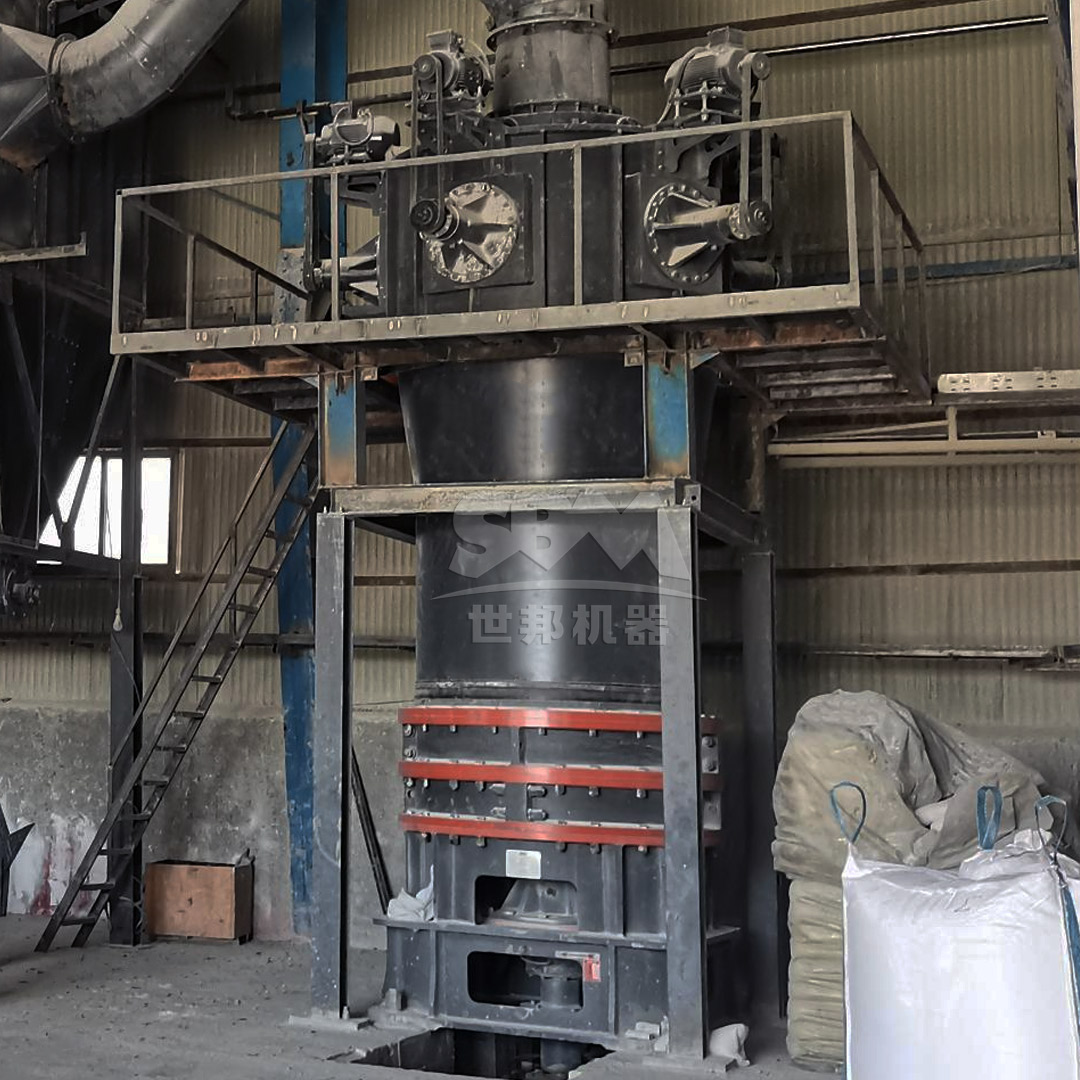
For medium to large-scale AAC production lines, the LM Series Vertical Roller Mill is a highly efficient solution for grinding fly ash to 325-600 mesh. With capacities ranging from 3 to 250 t/h, the LM mill integrates crushing, grinding, and classification, reducing floor space by 50% and allowing outdoor installation, which cuts infrastructure costs by 40%. Its key advantages include:
Low Operating Cost: The non-contact design between rollers and table increases wear part life by three times, and energy consumption is 30-40% lower than ball mill systems.
Intelligent Control: An expert-level auto-control system supports remote/local switching and real-time monitoring, reducing manual intervention and ensuring stable operation.
Environmental Compliance: Fully sealed negative pressure operation ensures dust emissions are well below regulatory limits, and noise is minimized.
The LM series includes models like LM130K (10-28 t/h, 200kW) to LM280K (50-170 t/h, 1250kW), with fineness adjustable from 170 to 45μm. For AAC plants that prioritize energy efficiency and large-scale continuous production, the LM vertical mill is a proven investment.
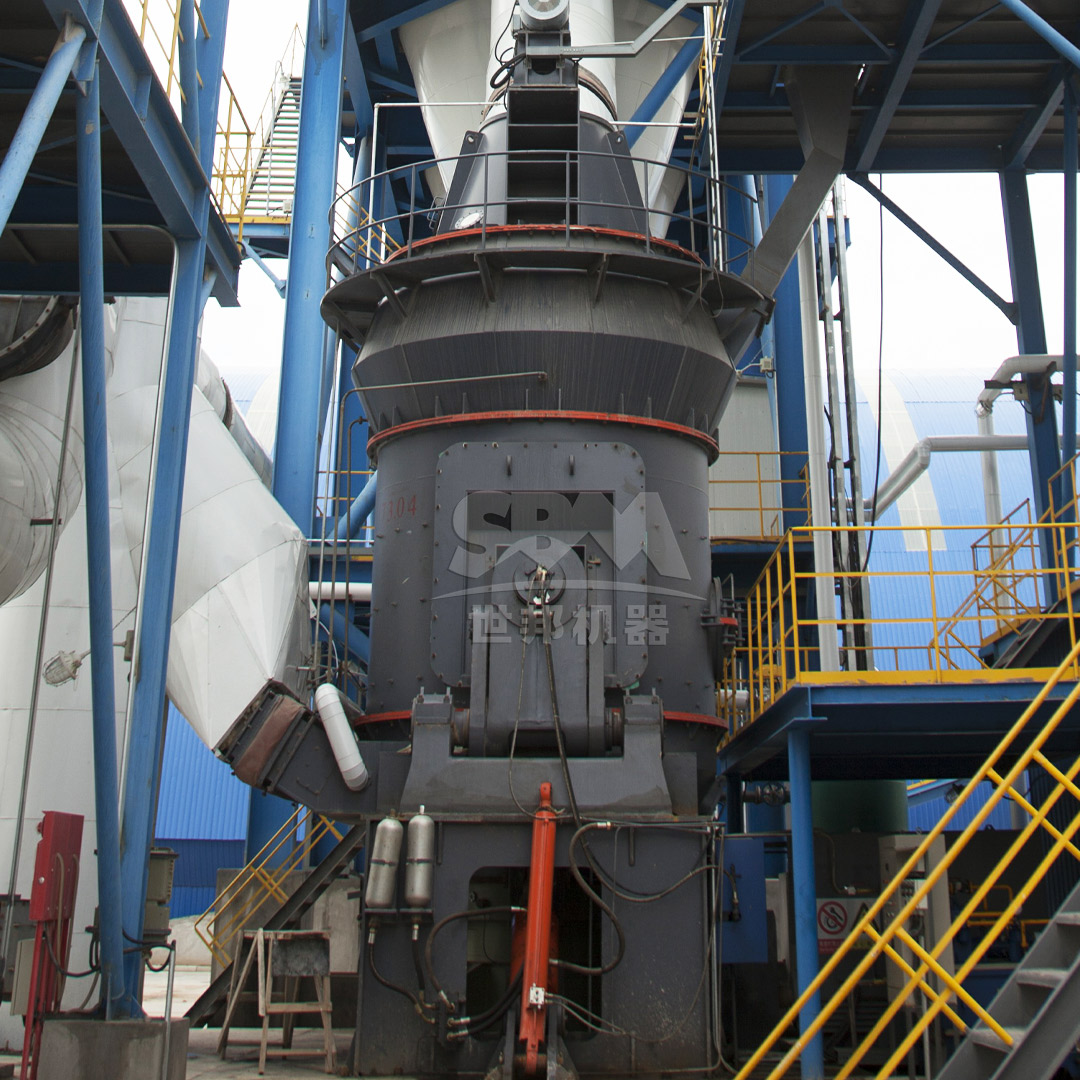
When selecting a milling solution, it is essential to consider the entire AAC production flow. Fly ash is typically received with moisture content up to 10-20%, requiring drying before or during grinding. Vertical roller mills can handle higher moisture by using hot gas, while ball mills require separate dryers. The mill’s output must be seamlessly integrated with batching, mixing, and autoclaving processes. Automation and quality control systems should be compatible to ensure consistent product quality.
Additionally, the layout of the grinding station should allow for easy maintenance and future expansion. Dust collection systems should be centralized for efficiency. Energy recovery options, such as using waste heat from the autoclave for drying, can further reduce operating costs.
Choosing the right milling solution for fly ash processing in aerated concrete production is a multifaceted decision that balances technical requirements, energy efficiency, and operational costs. For producers aiming to achieve ultrafine fly ash for high-strength AAC, the SCM Series Ultrafine Mill offers precision and efficiency. For large-scale, energy-conscious operations, the LM Series Vertical Roller Mill provides reliable, high-capacity grinding with low operating costs. By carefully evaluating the specific needs of the production line—capacity, fineness targets, environmental regulations, and budget—AAC manufacturers can optimize their fly ash processing and gain a competitive edge in the market.
Investing in the right milling technology not only improves product quality but also contributes to sustainable construction practices by maximizing the utilization of fly ash, a valuable industrial byproduct.