Activated carbon is renowned for its extraordinary adsorptive capacity, driven by its highly porous structure and immense surface area. However, the journey from raw material (such as coconut shells, coal, or wood) to a high-grade, market-ready product is complex. It typically involves carbonization, activation (physical or chemical), and finally, meticulous processing to achieve the precise particle size distribution and purity required for various applications, from water treatment to gold recovery.
In modern processing lines, the role of purification equipment extends far beyond simple dust collection. It is the cornerstone of operational efficiency, product quality, and environmental compliance. This article delves into how advanced filtration and classification systems enhance the activated carbon value chain, particularly focusing on the synergy between grinding technologies and purification.
The quality of activated carbon is defined by its adsorption capacity, which can be severely compromised by impurities or inconsistent particle sizes. Purification equipment, including high-efficiency cyclone collectors and pulse jet bag filters, plays a pivotal role in removing ultra-fine dust and unwanted particulates from the final product stream.
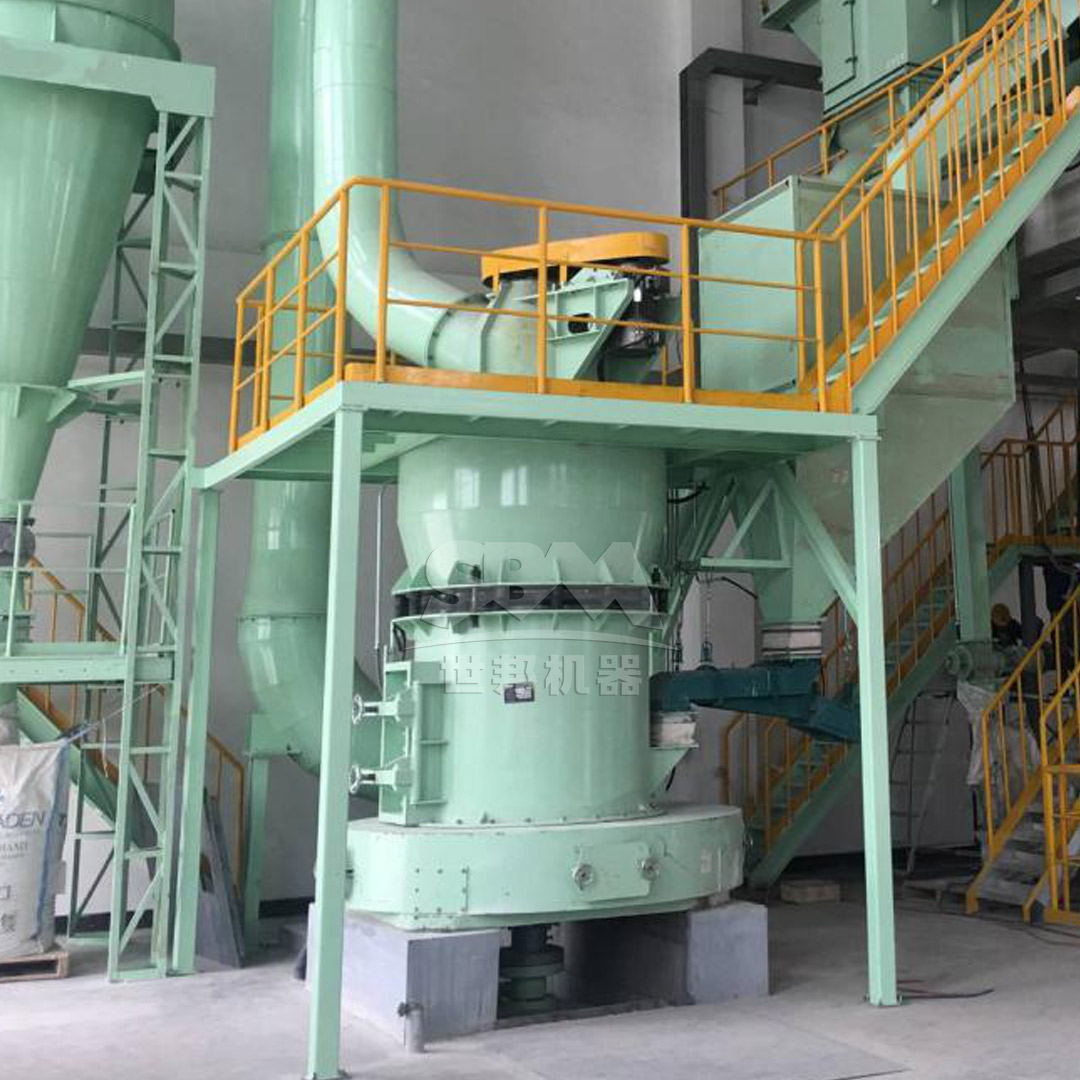
In the initial stage of the milling circuit, cyclones are used to separate the bulk of the ground material from the carrier gas stream. Their design minimizes resistance and maximizes collection efficiency, ensuring that a significant portion of the valuable fine powder is recovered. This not only reduces waste but also alleviates the load on downstream filtration systems.
For capturing sub-micron particles that escape cyclones, advanced pulse jet dust collectors are indispensable. Our systems feature high-quality filter media and intelligent pulse-cleaning mechanisms that maintain low differential pressure. This ensures that the airflow remains consistent, preventing clogging and maintaining the negative pressure required for stable mill operation.
| Purification Stage | Primary Function | Impact on Quality |
|---|---|---|
| Cyclone Collector | Bulk powder recovery | Reduces waste, pre-cleaning |
| Pulse Jet Baghouse | Final fine dust capture | Ensures Ultra-low emissions, high purity |
| Air Classifier System | Particle size control | Ensures uniform fineness, no coarse particles |
The efficiency of grinding equipment like the SCM Series Ultrafine Mill or the MTW Series European Trapezium Mill is profoundly impacted by the efficiency of the connected purification system. A well-designed dust collection system creates a controlled negative pressure within the grinding chamber. This has several benefits:
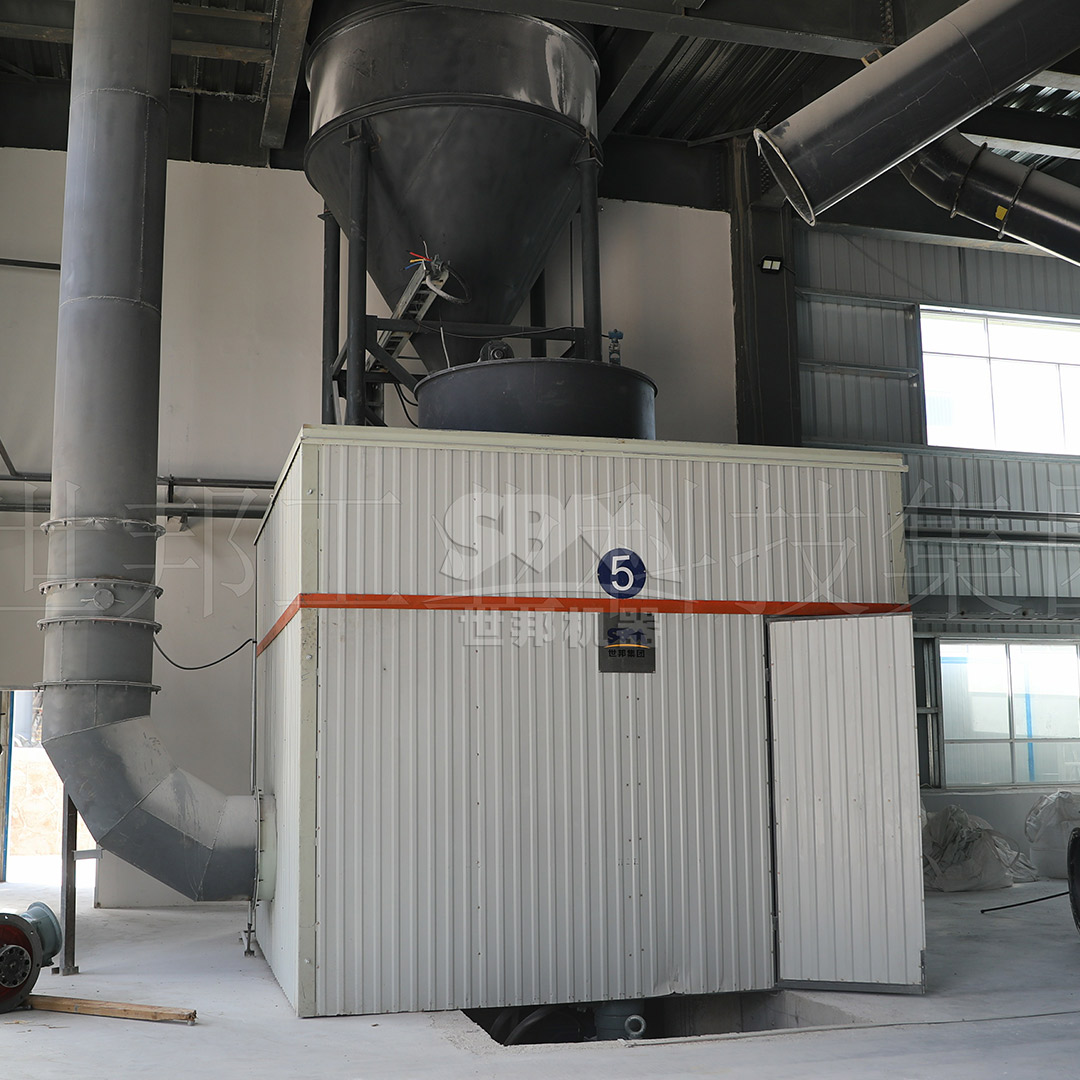
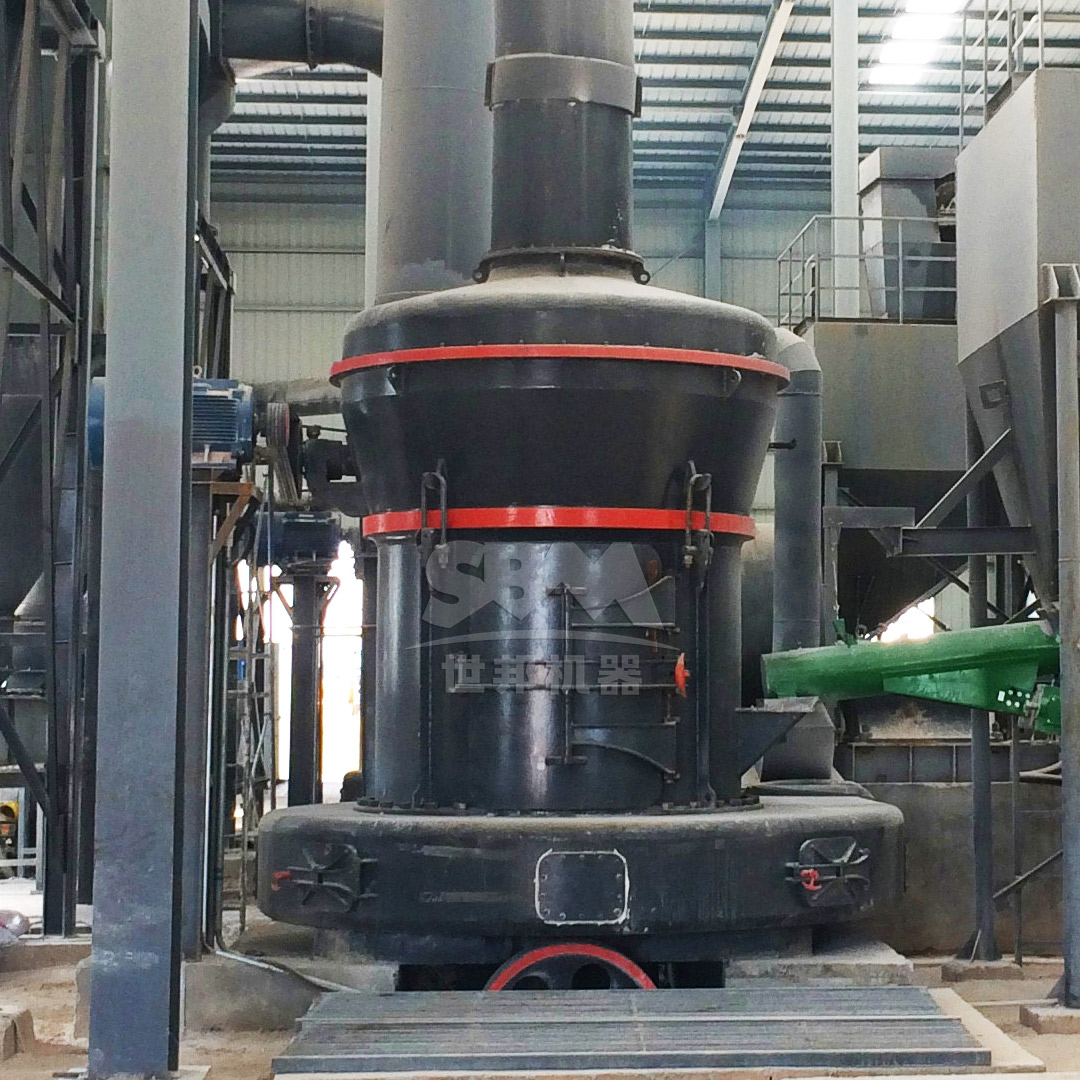
For high-value activated carbon products, especially those used in pharmaceutical or food & beverage industries, particle size uniformity is non-negotiable. Purification equipment does not merely capture dust; integrated air classifiers are part of the purification and selection system. Our MTW Series European Trapezium Mill utilizes an optimized air duct and a high-precision dynamic classifier. This ensures that the final product has a sharp particle size distribution without mixing coarse powder, enhancing the adsorption kinetics and overall performance of the activated carbon.
Furthermore, the durable, wear-resistant volute structure in our MTW mills complements the purification system by ensuring that no metallic contamination is introduced during the grinding process, thereby protecting the integrity of the activated carbon.
Activated carbon processing can generate significant amounts of fine dust, which is both a safety hazard and an environmental pollutant. Modern purification equipment is designed to exceed international emission standards. Our pulse dust collection systems boast filtration efficiencies exceeding international standards, ensuring that the air discharged into the atmosphere is exceptionally clean. This is coupled with soundproof room designs to maintain low noise levels (as per our SCM series specifications), ensuring a safe and compliant working environment.
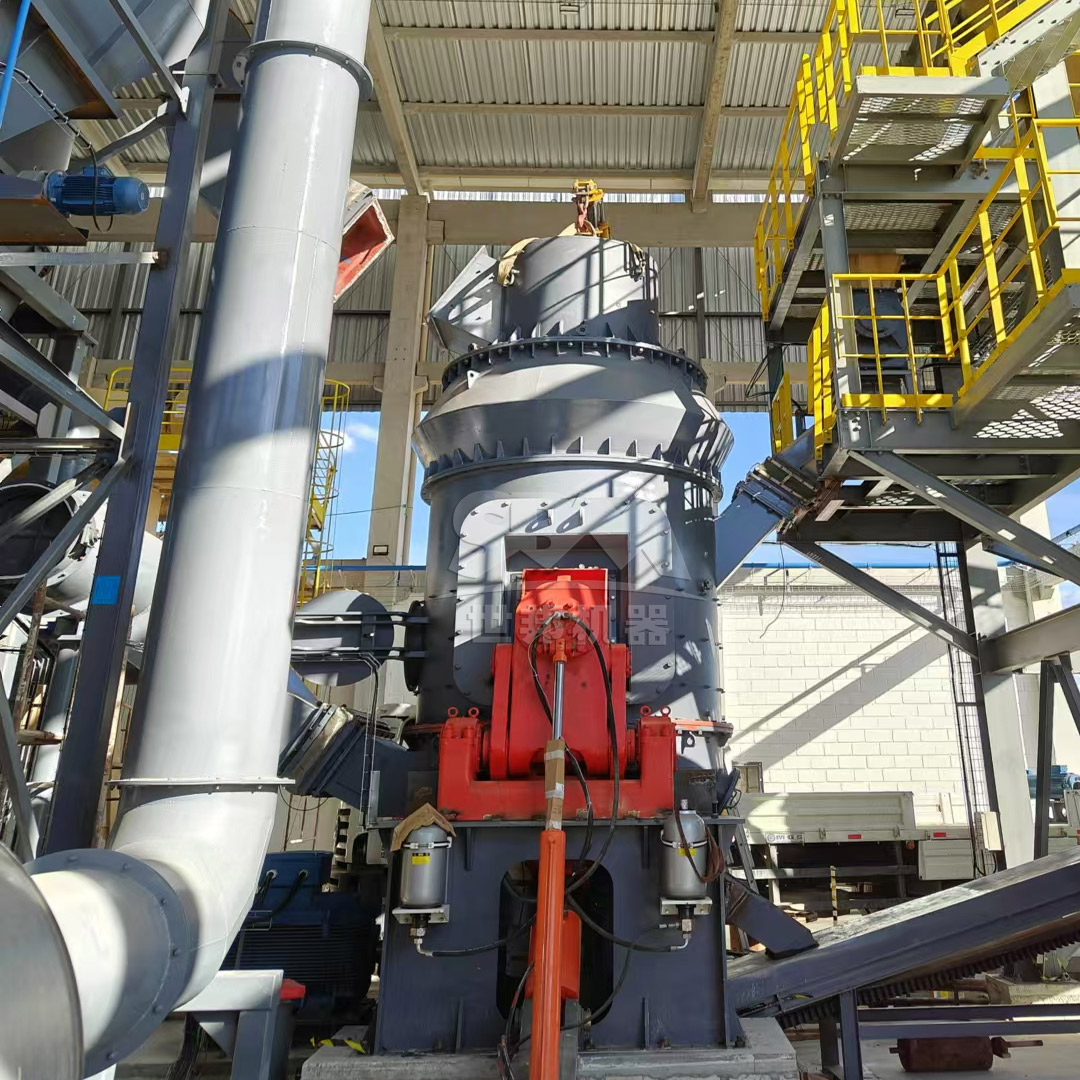
For large-scale operations, the LM Series Vertical Roller Mill integrates fully sealed negative pressure operation. This system significantly reduces dust leakage, lowering the burden on the purification setup while ensuring that the plant’s environmental footprint is minimized.
Depending on your target output fineness and capacity, we offer state-of-the-art solutions that seamlessly integrate with high-efficiency purification equipment.
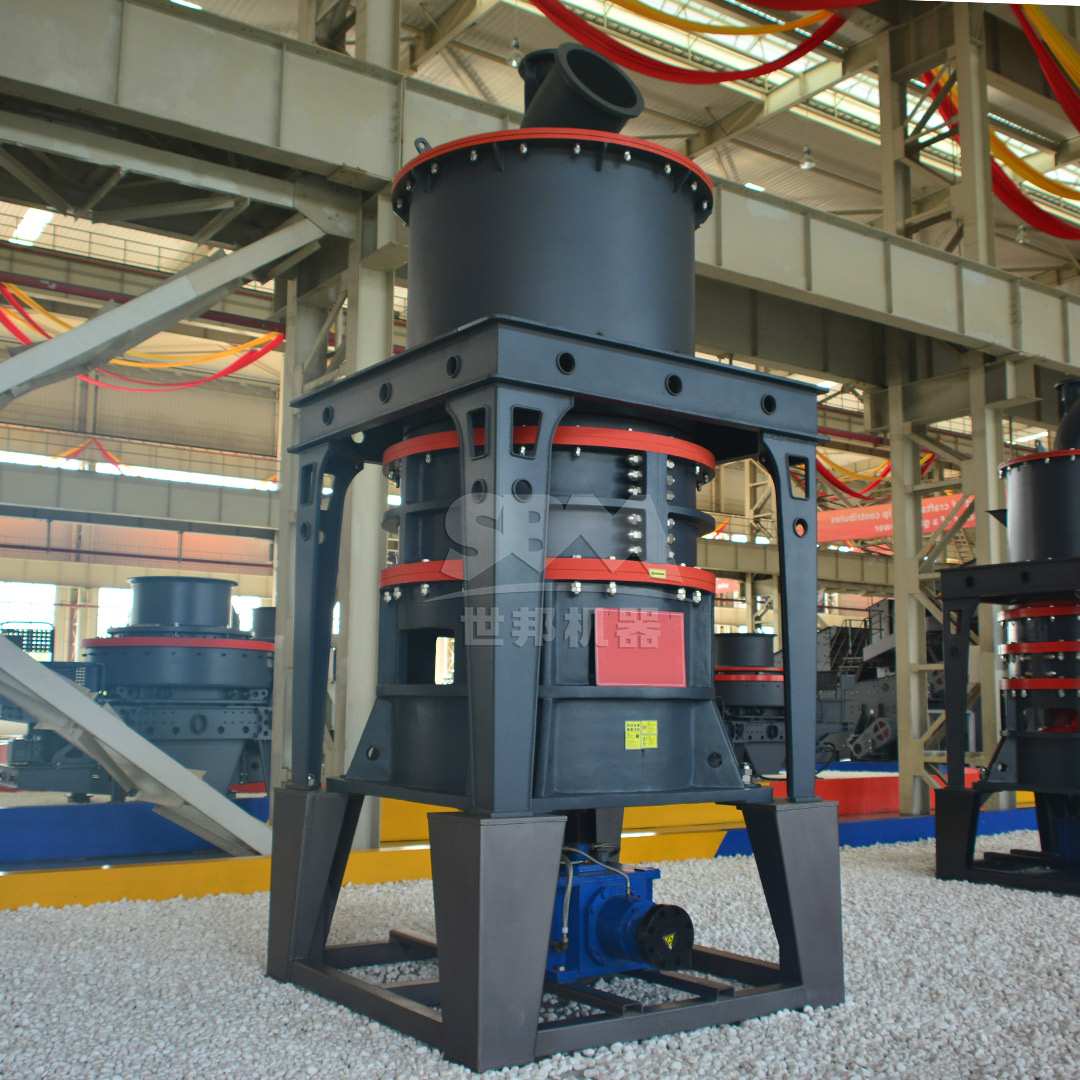
We highly recommend our SCM Series Ultrafine Mill. It is specifically engineered for high-efficiency grinding of brittle materials like activated carbon. With a capacity 2x that of jet mills and 30% lower energy consumption, its intelligent control system works in tandem with the pulse dust collector to provide automatic finished product granularity feedback, ensuring consistent ultra-fine quality. The vertical turbine classifier guarantees no coarse powder mixing, making it the ideal choice for premium ultra-fine activated carbon.
Models to consider: SCM900 (0.8-6.5 t/h) or SCM1250 (2.5-14 t/h).
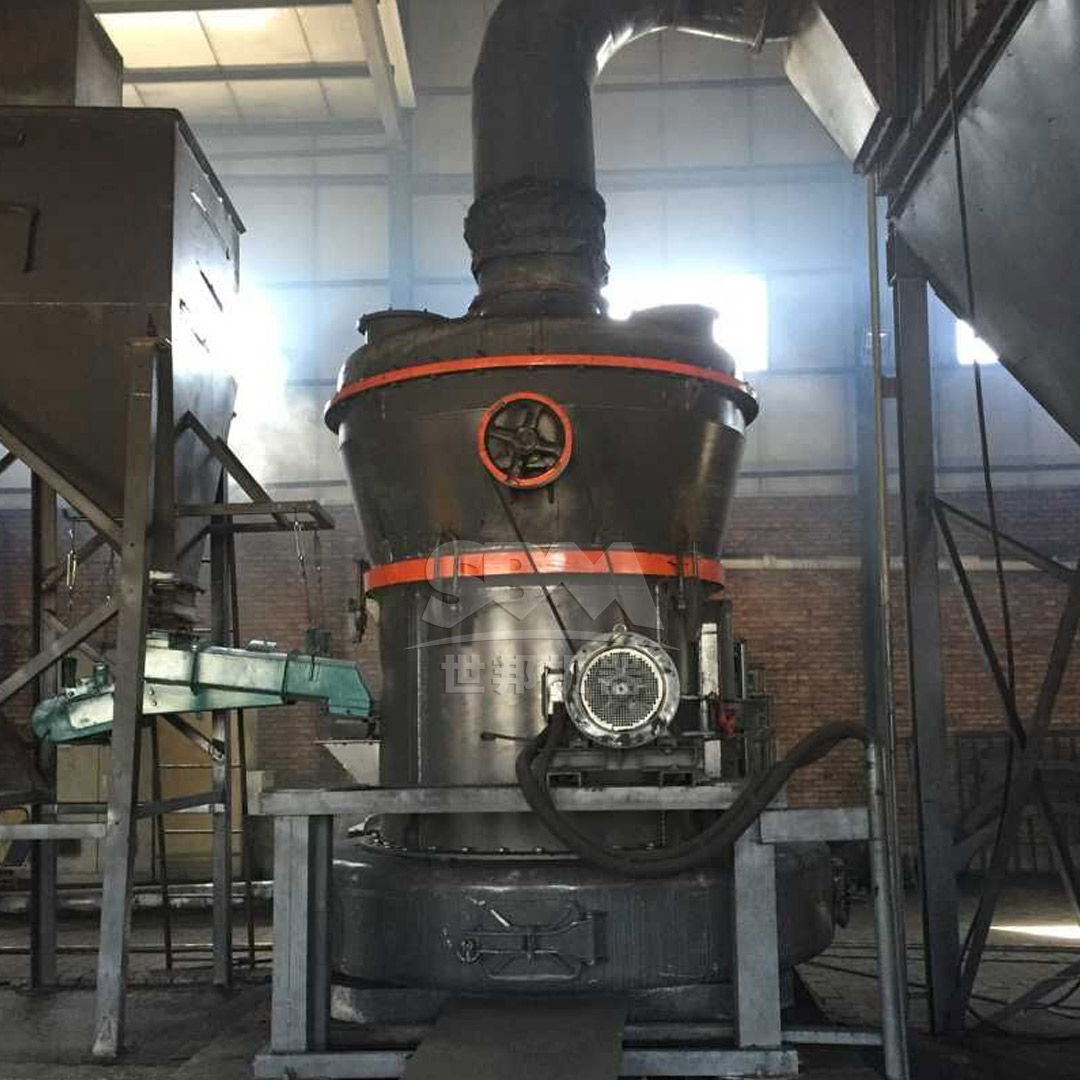
For projects requiring high throughput and lower operational costs, the MTW Series European Trapezium Mill is the industry benchmark. It features an integral bevel gear drive with transmission efficiency up to 98%, significantly reducing energy costs over time. The optimized arc air duct reduces airflow energy loss, which synergizes with the downstream purification system to lower overall system resistance and operational expenses. Its robust design and reduced maintenance costs make it a reliable workhorse for large-scale activated carbon plants.
Models to consider: MTW138Z (6-17 t/h) or MTW175G (9.5-25 t/h).
In conclusion, the efficiency and quality of activated carbon processing are inextricably linked to the sophistication of its purification equipment. By integrating high-performance grinding mills with advanced classification and dust collection technologies, manufacturers can achieve higher purity, tighter particle size distributions, and significantly lower energy consumption per ton of product. Investing in these integrated systems is not just an operational expense; it is a strategic move towards sustainable, high-quality, and competitive activated carbon production.