Bentonite, a clay mineral primarily composed of montmorillonite, is an indispensable raw material in the metallurgical industry. In iron ore pelletizing processes, it acts as a vital binder, ensuring the formation of green pellets with sufficient strength to withstand handling, transportation, and the extreme thermal stress of induration. In foundry operations, bentonite serves as the core bonding agent in green sand molding, providing the necessary plasticity, permeability, and reusability for creating high-quality castings. The performance of bentonite directly correlates with the efficiency of the pelletizing plant and the integrity of the foundry molds. Consequently, the selection of appropriate processing equipment is a cornerstone decision for these plants.
The journey from run-of-mine bentonite ore to a high-performance metallurgical binder involves a complex series of processes: primary crushing, drying, fine grinding, and classification. The grinding stage is unequivocally the most critical, as the specific surface area and particle size distribution of the final powder dictate its swelling capacity, green compression strength, and thermal stability. For metallurgical applications, the target fineness typically ranges from 200 to 325 mesh (74-45 μm), and in some high-end pelletizing operations, even finer. This article provides a comprehensive guide to the metallurgical bentonite processing equipment, focusing on grinding mills that can meet the rigorous demands of this industry.

Before the ultra-fine grinding stage, the raw bentonite, often mined with a moisture content of 15-30%, must be reduced and dried. This preparation phase is crucial to prevent clogging and ensure the efficiency of downstream mills. The typical circuit involves a primary jaw crusher to reduce the material to a workable size (typically below 50mm). Following crushing, the material often enters a drying system. 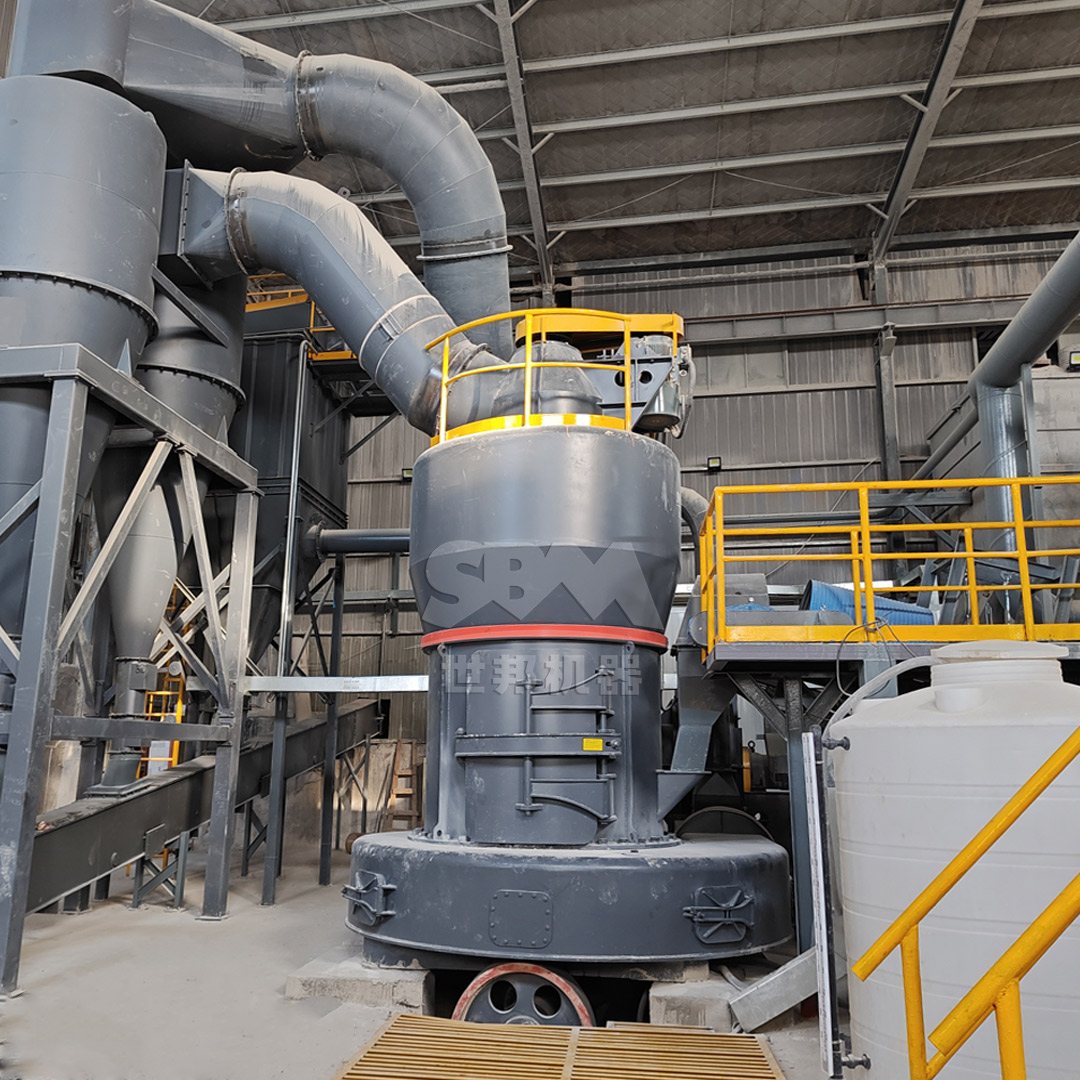
However, in many modern integrated plants, the drying and grinding processes are combined within a vertical roller mill, which uses hot gas to dry the material while it is being ground. For plants that require a higher throughput for feed preparation, our Hammer Mill series (PC4008-75 to PC4015-132) offers a robust solution. With a feed size of up to 40mm, these mills can reduce material to 0-3mm at capacities ranging from 8 to 70 t/h. This piece of equipment ensures a consistent and dry feed for the subsequent fine grinding phase, which is often a prerequisite for the more energy-efficient mills.
Once the feed is prepared, the material requires grinding to the metallurgical grade fineness of 50-45 μm (300-325 mesh). This is a high-energy process, and the choice of mill will significantly impact the plant’s operating cost and product quality. Historically, ball mills have been used for this purpose. However, while ball mills are versatile and reliable, they suffer from high energy consumption and high wear rates. Many modern plants are shifting towards high-efficiency vertical roller mills (VRMs) and trapezium mills for this specific application.
For an efficient primary fine-grinding stage, we recommend our MTW Series European Trapezium Mill. This mill is a testament to advanced grinding technology, incorporating several patented features that make it ideal for the metallurgical industry. Its integral bevel gear drive ensures transmission efficiency of up to 98%, significantly reducing energy losses. The anti-wear shovel design and optimized arc air duct minimize maintenance costs and improve airflow, ensuring stable operation over long periods. The MTW mill can handle feed sizes up to 50mm, producing output fineness ranging from 30 to 325 mesh (0.038-0.6mm), with capacities up to 45 t/h depending on the model. The internal suction oil lubrication system and internationally advanced pulse dust removal technology guarantee a clean and safe working environment, meeting stringent international environmental standards.
| Model | Capacity (t/h) | Main Power (kW) | Fineness (mesh) |
|---|---|---|---|
| MTW110 | 3-9 | 55 | 10-325 |
| MTW138Z | 6-17 | 90 | 10-325 |
| MTW175G | 9.5-25 | 160 | 10-325 |
| MTW215G | 15-45 | 280 | 10-325 |
As the industry pushes for higher performance bentonite, especially for direct reduction iron (DRI) pelletizing, the requirement is shifting towards ultra-fine powders with specific surface areas exceeding 5000 cm²/g. This is where high-precision classification and ultra-fine grinding technologies become paramount. The ability to produce a uniform product with no coarse particle contamination is essential for achieving consistent binder performance and avoiding defects in the final pellets.
In this stage, the reduction in particle size from a 200-mesh product to a 800-1250 mesh product dramatically increases the surface area of the bentonite, enhancing its binding efficiency. This reduces the bentonite dosage required, which lowers costs and improves the iron grade of the final pellets. Furthermore, the ultra-fine powder offers superior flowability and dispersion in the pelletizing drum or disc.
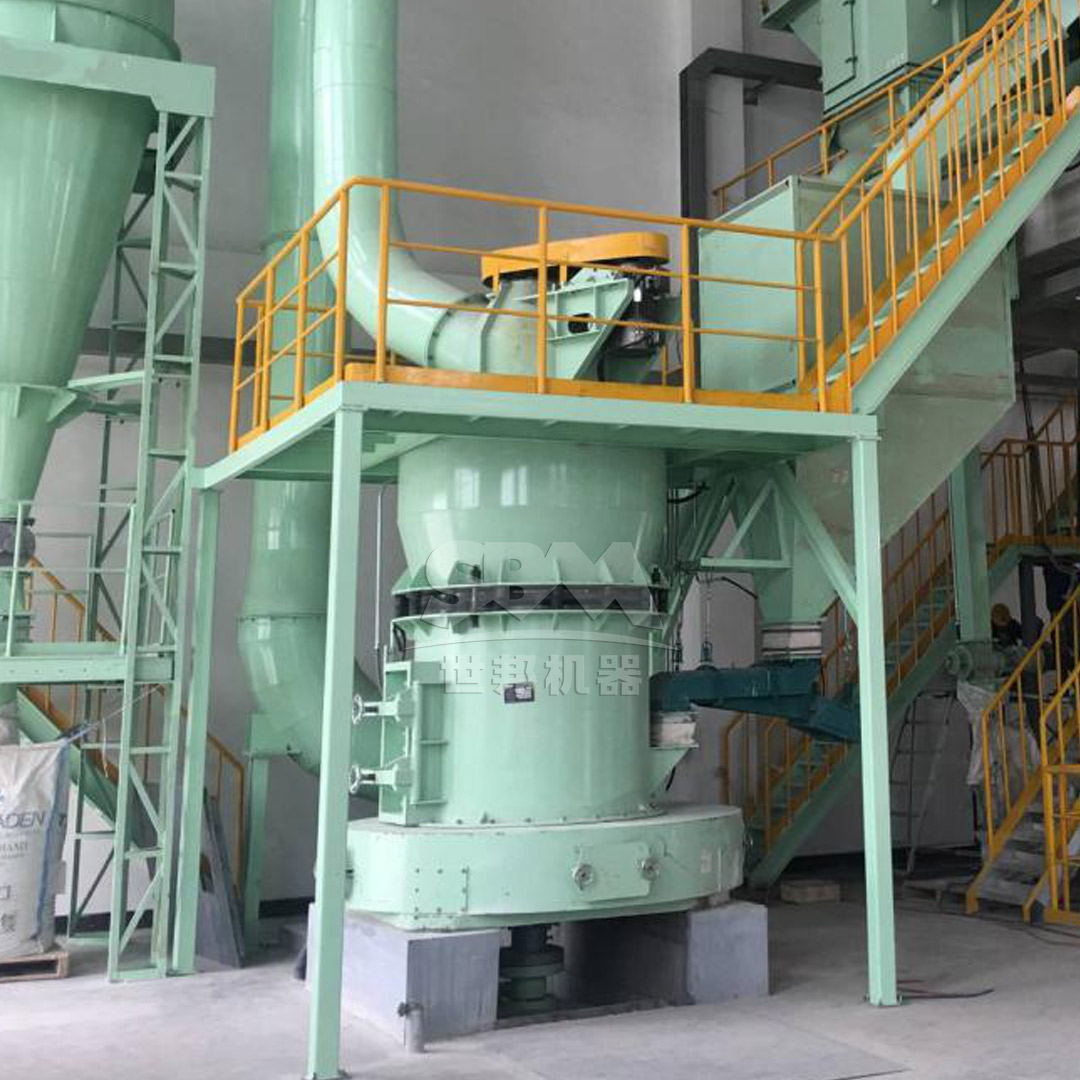
For this specialized requirement, we introduce our premium line of grinding equipment: the SCM Series Ultrafine Mill. This mill is design engineered for applications requiring 325-2500 mesh (5-45 μm) output. The SCM mill is not just a grinder; it is an integrated system that guarantees high efficiency and precise classification. Its capacity is double that of traditional jet mills, with 30% lower energy consumption. The core technology lies in its high-precision vertical turbine classifier, which ensures a precise particle size cut without any coarse powder mixing, thus ensuring the uniformity of the finished product. The durable design, featuring special material rollers and rings, extends the service life several times over, promising lower operational costs.
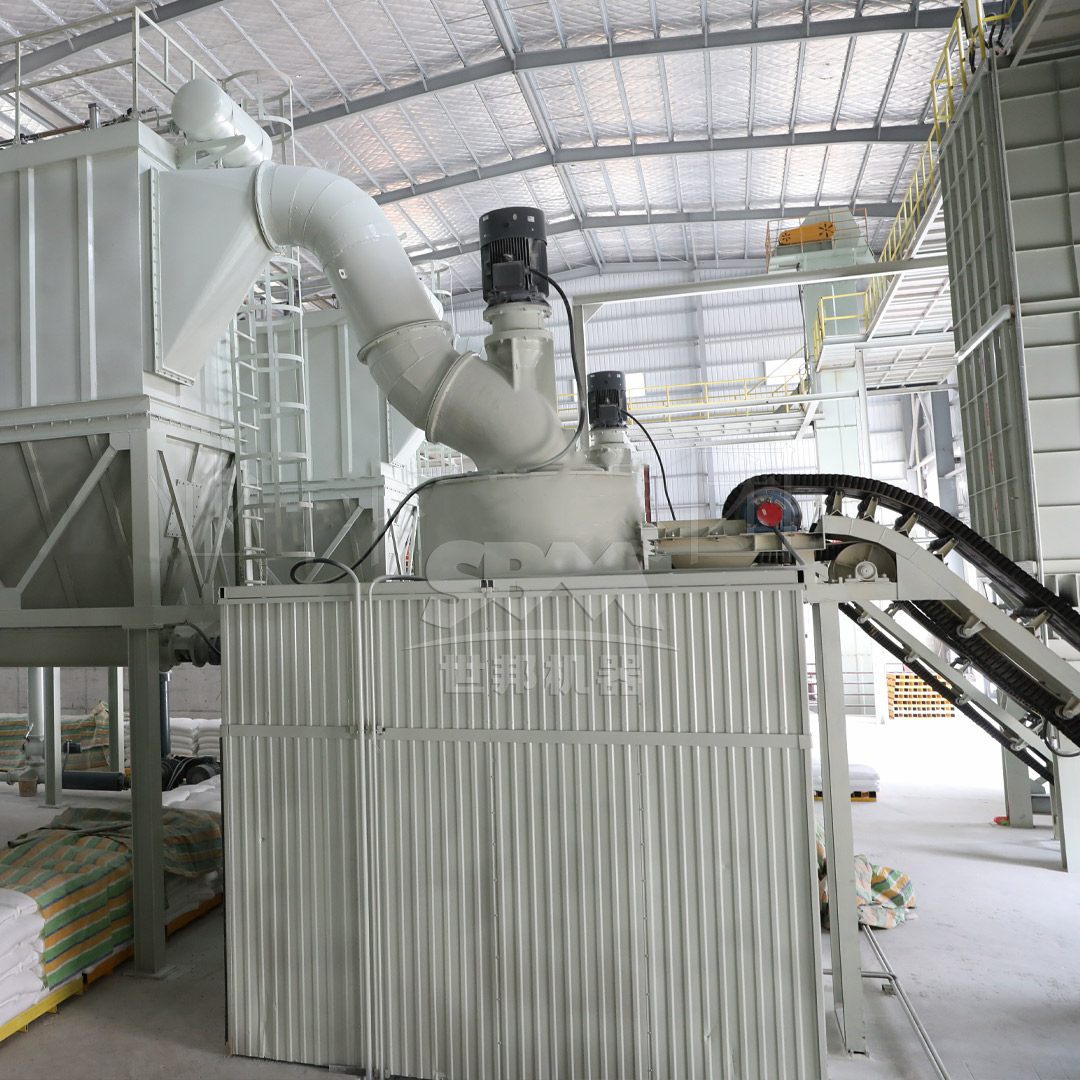
The intelligent control system allows for automatic feedback of finished product granularity, ensuring consistent quality without constant manual intervention. For large-scale metallurgical complexes, the larger models of the SCM series, such as the SCM1250 or SCM1680, provide a robust and economic solution for producing high-grade bentonite binders.
| Model | Capacity (t/h) | Main Power (kW) | Fineness (Mesh) |
|---|---|---|---|
| SCM800 | 0.5-4.5 | 75 | 325-2500 |
| SCM1000 | 1.0-8.5 | 132 | 325-2500 |
| SCM1250 | 2.5-14 | 185 | 325-2500 |
| SCM1680 | 5.0-25 | 315 | 325-2500 |
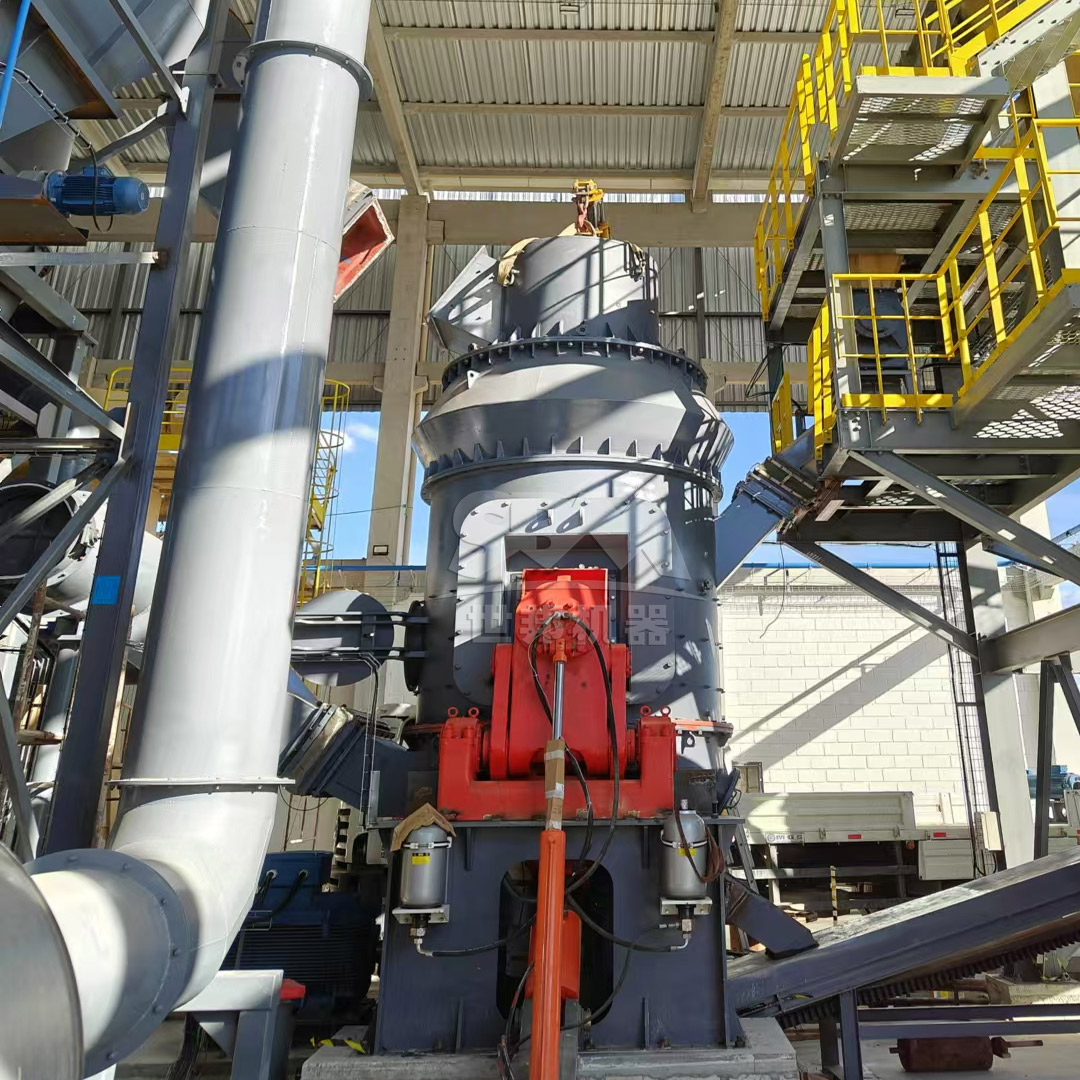
For newer, large-scale production plants, the LM Series Vertical Roller Mill stands out as the most comprehensive solution. While the SCM mill focuses on ultra-fine finishing, the LM vertical roller mill integrates the functions of crushing, drying, grinding, and classifying into one unit. The system’s integrated design can reduce the floor space by 50% and lower infrastructure costs by 40%. This is achieved through the material being ground on a rotating table by grind rollers, while hot air dries the material and carries the fine powder to the dynamic classifier at the top.
The LM series vertical mill offers an exceptional capacity range of up to 250 t/h, making it a powerful workhorse for primary and secondary grinding stages. Its non-contact design between the rollers and the table increases the wear part life by three times, and the energy consumption is 30-40% lower than a traditional ball mill system. This makes it an extremely attractive option for power-conscious and space-limited plants. The LM series offers models specifically designed for different materials—such as the LMK series for minerals and the LMN series for slag—ensuring that a customized solution can be found for any metallurgical binder request.
In some scenarios, a pendulum mill, also known as a Raymond mill, is the right choice due to its durability and lower upfront capital cost, especially for medium-capacity operations. Our MRN Pendulum Mill series bridges the gap between the simpler MTM series and the high-capacity LM vertical mills. It is designed for the efficient processing of mineral ores like bentonite and offers a maintenance-free design with its first-in-class thin oil lubrication system. The MRN mill is ideal for the production of 30-325 mesh powders and is equipped with a square-pipe low-resistance collector and an automatic pulse dust collector for eco-friendly operation. For a plant that aims for reliability and lower initial investment without compromising on environmental standards, the MRN series provides a scientifically designed configuration that reduces energy consumption and enhances production efficiency.
Selecting the correct metallurgical bentonite processing equipment is a multi-faceted decision that affects the entire value chain. It is not a one-size-fits-all solution. The choice between a high-capacity vertical roller mill, a versatile trapezium mill, or an ultra-fine mill depends entirely on the specific parameters of the target market.
If the goal is to produce a standard iron ore pellet binder (200-325 mesh) with high throughput and low operational cost, the MTW Series European Trapezium Mill is an excellent first choice. Its robust construction, energy-saving bevel drive, and high efficiency make it the industry standard for primary grinding.
However, if the plant intends to differentiate its product by offering a premium, ultra-fine bentonite binder (more than 600 mesh) that reduces binder consumption and improves pellet quality, then the SCM Series Ultrafine Mill is indispensable. Its precise classification and high energy efficiency provide a superior product for advanced metallurgical applications. Ultimately, this complete selection guide serves as the first step. For a truly optimized solution, we highly recommend engaging with our engineering specialists to analyze your specific bentonite ore characteristics, production goals, and energy constraints. We can help you design a complete turnkey solution that ensures your plant operates at peak proficiency and profitability.