Attapulgite, a naturally occurring magnesium-aluminum phyllosilicate, is widely used in metallurgy, foundry, and oil drilling industries due to its unique colloidal and adsorptive properties. Metallurgical grade attapulgite powder requires precise particle size distribution, high purity, and consistent quality. Producing such powder necessitates advanced grinding, classification, and collection equipment. This article provides a comprehensive overview of the key machines and processing technology used in the production of metallurgical grade attapulgite powder, highlighting how modern equipment maximizes efficiency, reduces energy consumption, and ensures product uniformity.
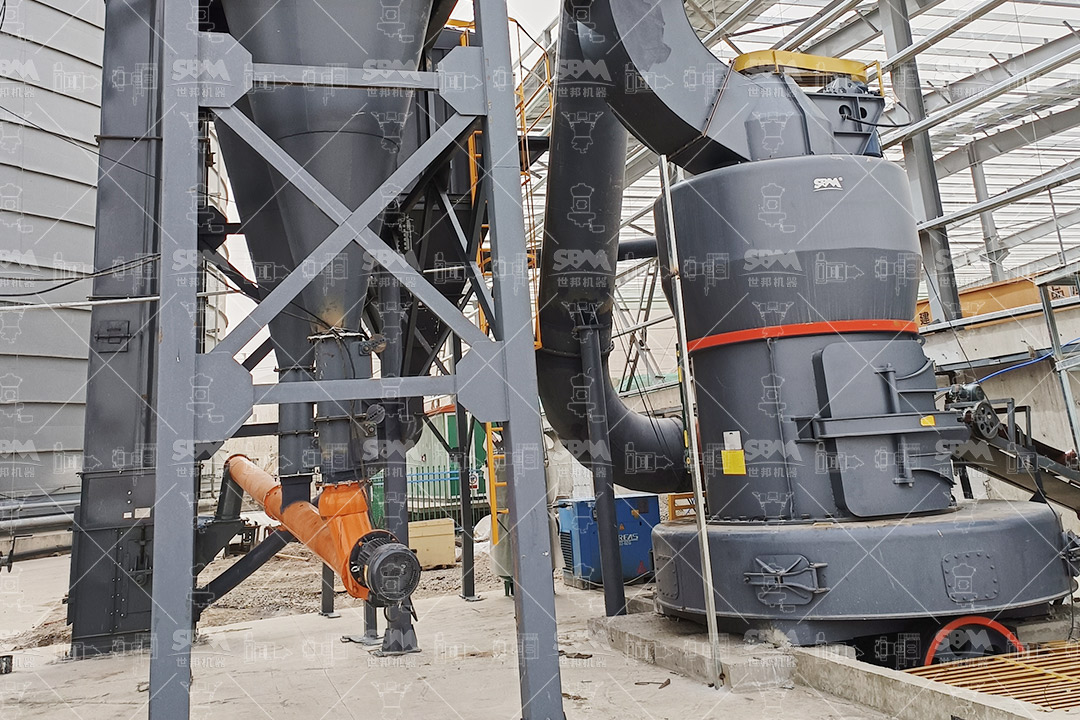
Raw attapulgite ore typically contains up to 50% moisture and has lump sizes exceeding 300mm. The first processing stage involves primary crushing using a jaw crusher or hammer crusher to reduce material size to below 30-50mm. Simultaneously, a rotary dryer reduces moisture content to below 5%, which is critical for efficient downstream grinding. For this stage, our PC series Hammer Mill offers an excellent solution: with a feed size of 0-40mm and output size of 0-3mm, it can handle initial crushing duties with capacities up to 70 t/h, preparing the material for finer grinding stages.
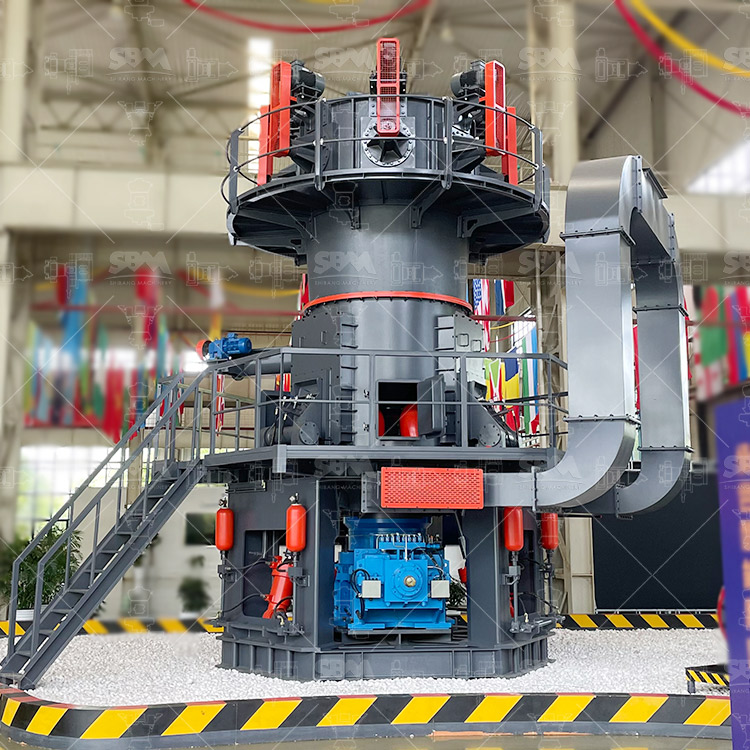
After drying, the material enters intermediate grinding. For metallurgical attapulgite requiring fineness between 30 and 325 mesh (600-45 μm), several mill types are applicable. These include the MTW Series European Trapezium Mill, MTM Series Medium-speed Trapezium Mill, and LM Series Vertical Roller Mill. These machines offer the necessary capacity and precision to prepare attapulgite for its primary industrial applications such as foundry sand binder and drilling mud thickeners.
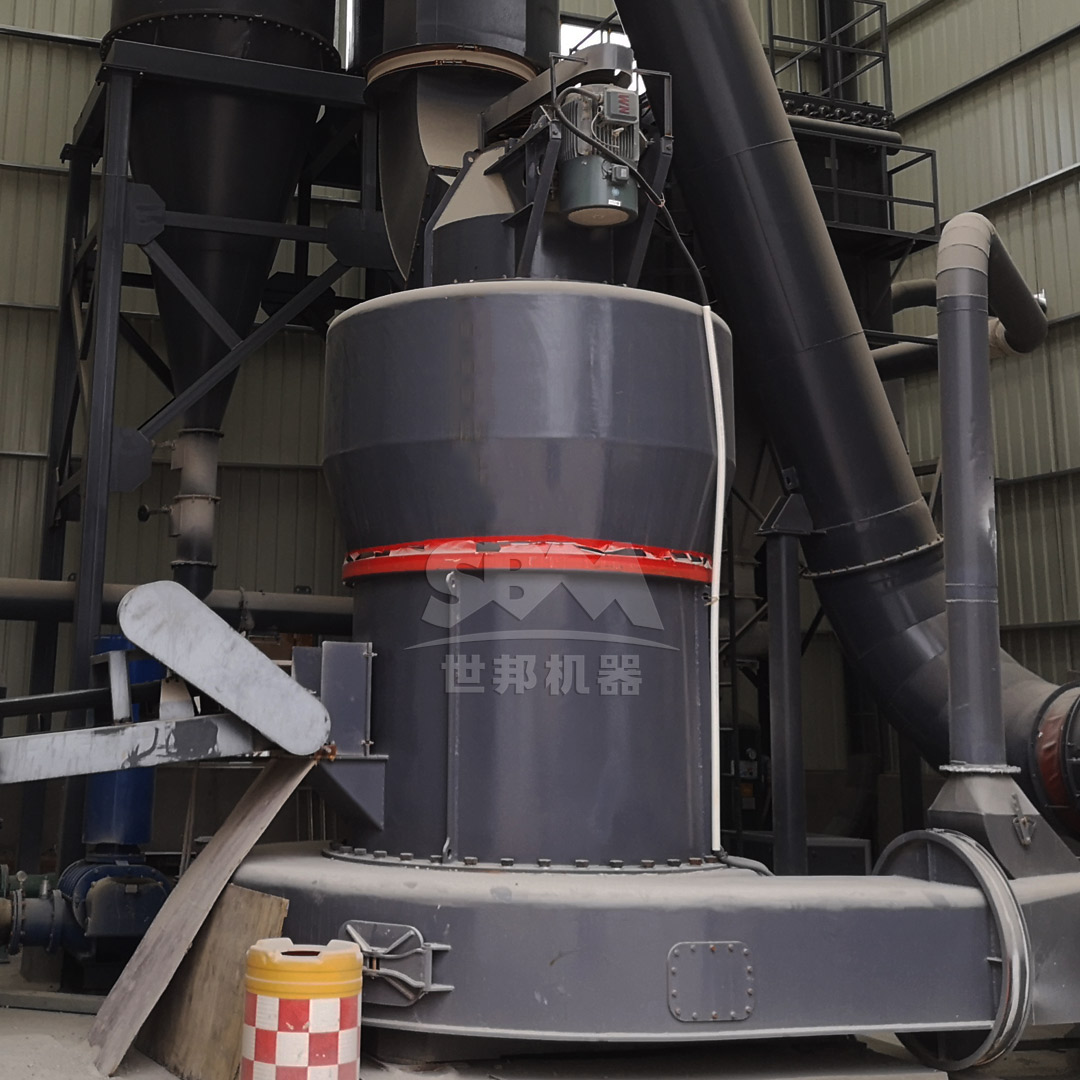
Among the available options, the MTW Series European Trapezium Mill stands out. With an input size of ≤50mm and output fineness ranging from 30-325 mesh (down to 0.038mm), it delivers high capacity (3-45 t/h). Its integral bevel gear drive, with transmission efficiency up to 98%, and optimized arc air duct ensure lower energy consumption and reduced maintenance costs.
| MTW Model | Capacity (t/h) | Main Power (kW) | Feed Size (mm) | Fineness (mesh) |
|---|---|---|---|---|
| MTW138Z | 6-17 | 90 | <35 | 10-325 |
| MTW175G | 9.5-25 | 160 | <40 | 10-325 |
| MTW215G | 15-45 | 280 | <50 | 10-325 |
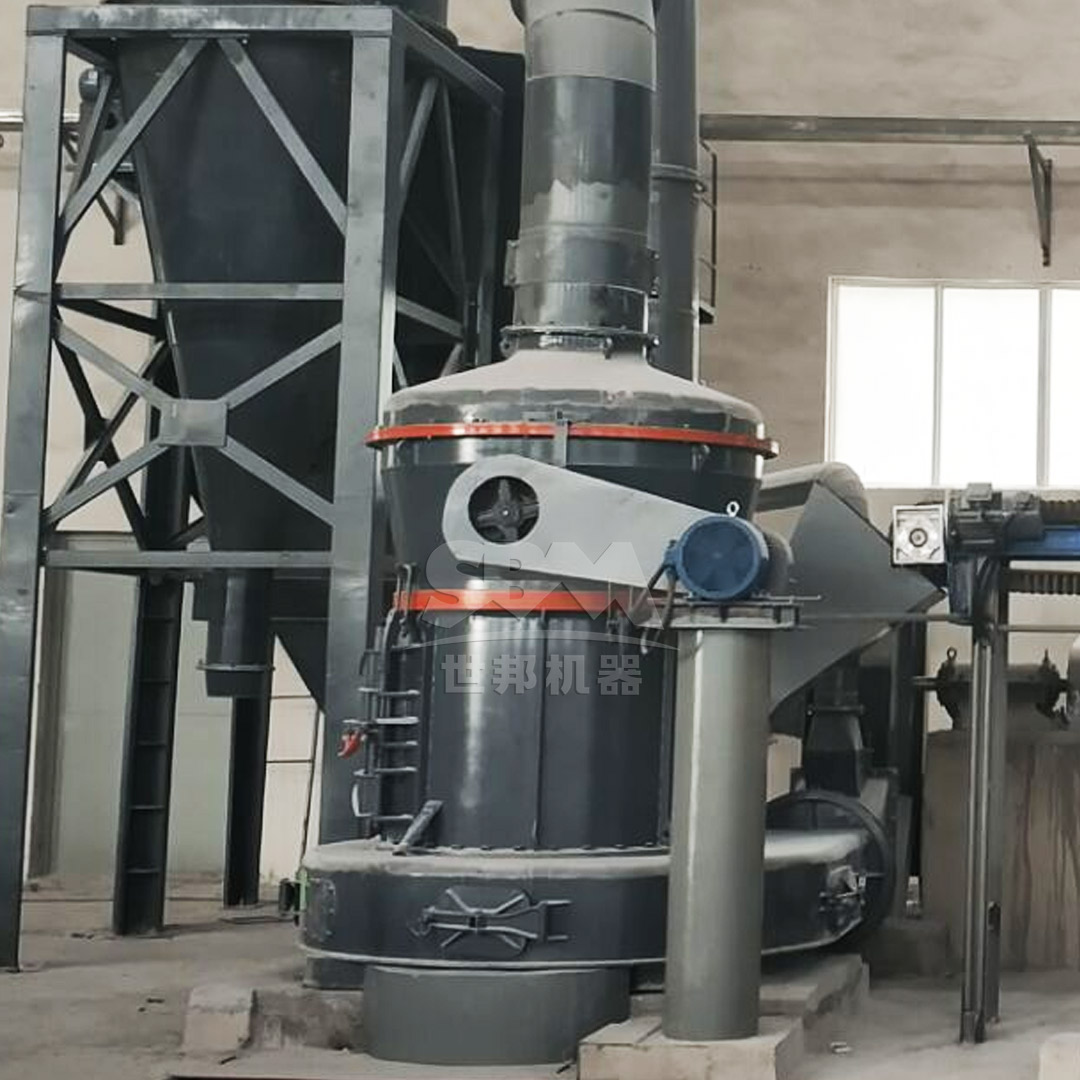
For high-value metallurgical applications such as catalyst carriers, ceramic binders, and specialized coatings, attapulgite must be ground to ultrafine sizes between 325 and 2500 mesh (45-5 μm). This is the most demanding stage, requiring mills capable of precise particle size cutting with minimal energy waste. The SCM Series Ultrafine Mill and LUM Ultrafine Vertical Roller Mill excel in this regime.
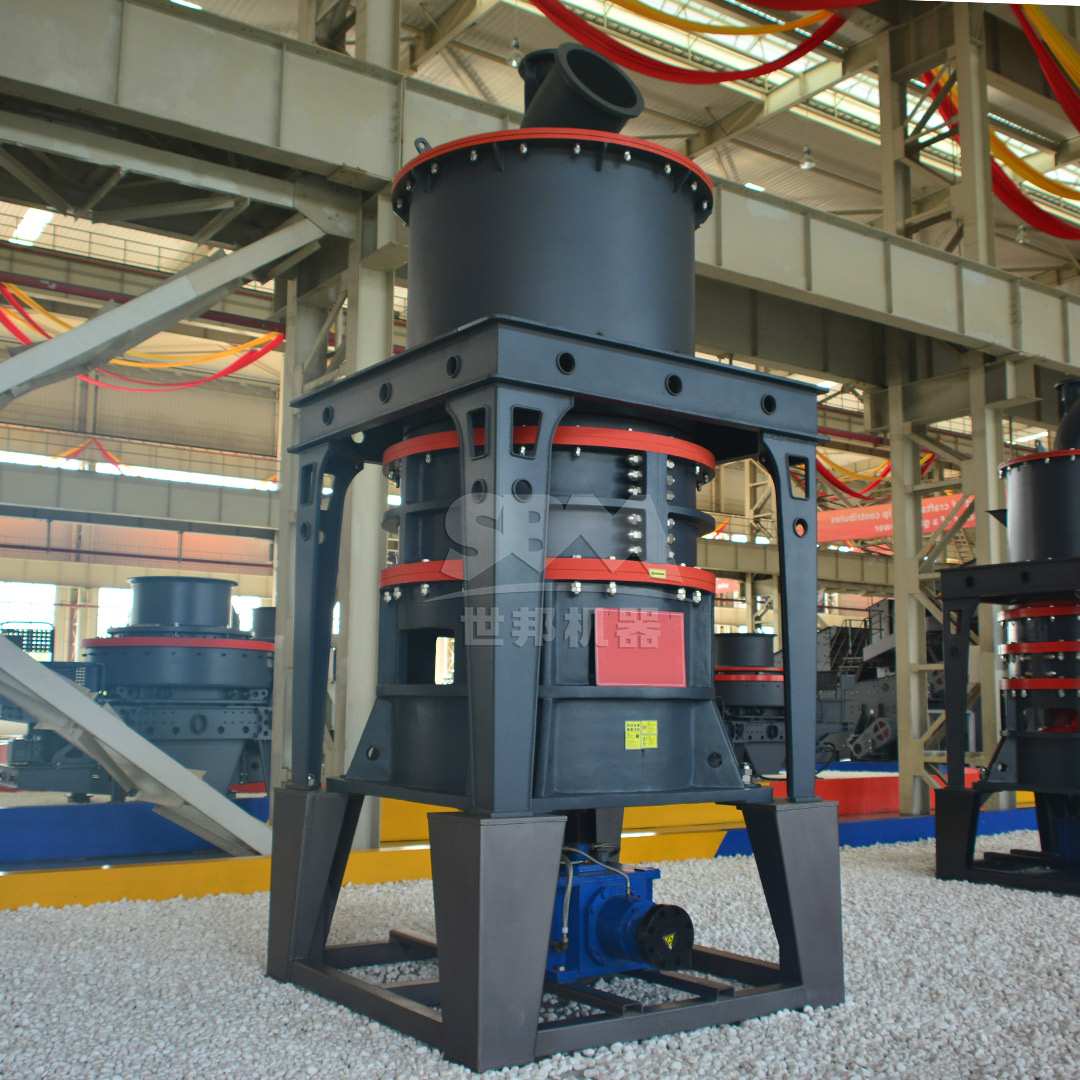
Our SCM Series Ultrafine Mill is purpose-built for this fineness range. With an input size of ≤20mm and output fineness of 325-2500 mesh, it achieves capacities from 0.5 to 25 t/h depending on the model. Its high-precision vertical turbine classifier ensures no coarse powder mixing, delivering uniform finished products essential for metallurgical-grade quality standards. Notably, its capacity is up to 2 times that of jet mills, while consuming 30% less energy. The intelligent control system automatically adjusts settings based on finished product granularity feedback, ensuring consistent quality even with varying feed characteristics.
| SCM Model | Capacity (t/h) | Main Power (kW) | Feed Size (mm) | Fineness (mesh) |
|---|---|---|---|---|
| SCM800 | 0.5-4.5 | 75 | 0-20 | 325-2500 |
| SCM1000 | 1.0-8.5 | 132 | 0-20 | 325-2500 |
| SCM1250 | 2.5-14 | 185 | 0-20 | 325-2500 |
| SCM1680 | 5.0-25 | 315 | 0-20 | 325-2500 |
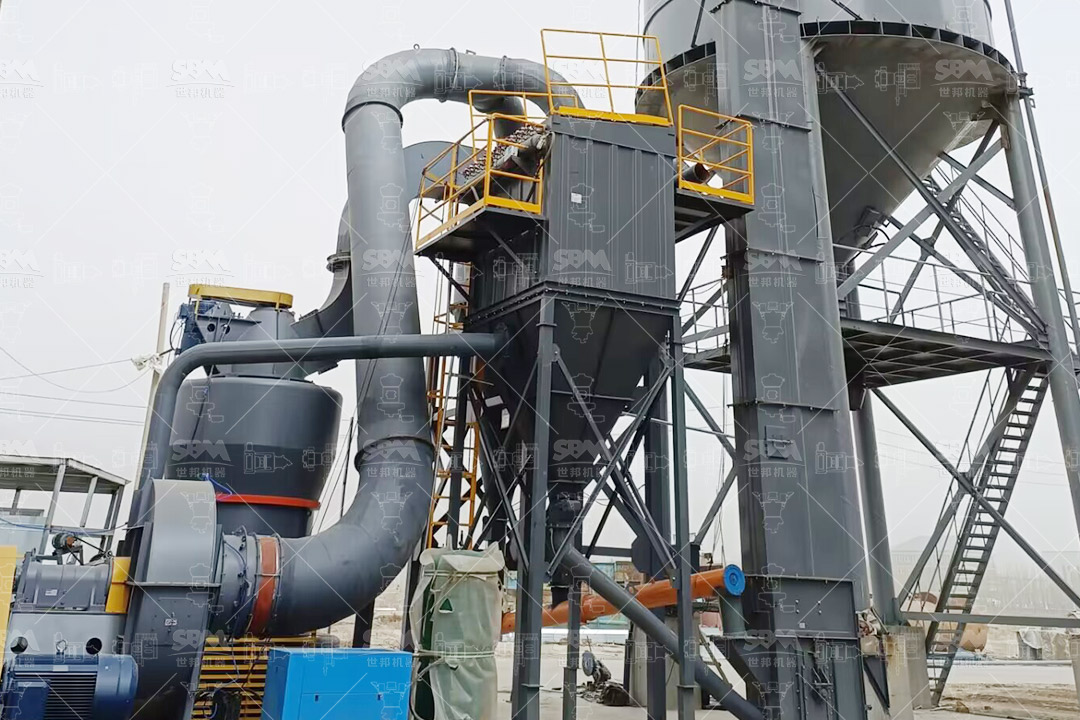
An efficient classification and collection system is indispensable for metallurgical grade attapulgite production. Typically, the mill works in closed circuit with a dynamic classifier that returns oversize particles for regrinding. The collection system uses a cyclone collector for primary recovery followed by a pulse jet baghouse dust collector to achieve near-zero emissions. Our pulse dust collection technology features automatic cleaning and efficiency exceeding international standards. The combined system ensures that the final product meets the stringent specifications required by the metallurgy industry, such as controlled residue on specific sieves and bulk density.
Choosing the right technology depends on the desired fineness and production scale. For most metallurgical attapulgite producers looking to supply both the 30-325 mesh market and the high-value 325-2500 mesh market, a combination of an MTW series mill (for bulk intermediate grinding) and an SCM series mill (for specialized ultrafine grinding) offers an optimal balance of capital investment, operating cost, and product flexibility.
| Parameter | MTW Series | SCM Series | LM Series (Vertical) |
|---|---|---|---|
| Fineness Range | 30-325 mesh | 325-2500 mesh | 30-325 mesh |
| Capacity Range | 3-45 t/h | 0.5-25 t/h | 3-250 t/h |
| Energy Consumption | Low (98% drive eff.) | Very Low (30% less than jet mill) | Lowest (30-40% less than ball mill) |
| Investment Cost | Medium | Medium-High | High (but reduced civil cost) |
| Ideal Application | Foundry sand binder, drilling mud | Catalyst carriers, specialty coatings | Large-scale cement/ slag |
Production of metallurgical grade attapulgite powder demands a carefully designed processing line that integrates efficient crushing, drying, grinding, classification, and dust collection. The choice of the right grinding mill is paramount. Our SCM Series Ultrafine Mill delivers exceptional performance for ultrafine applications, while the versatile MTW Series European Trapezium Mill provides robust and economical intermediate grinding. With these advanced machines, producers can achieve the required particle size distributions, improve product quality, reduce operational costs, and meet the increasingly stringent environmental standards. For a custom solution tailored to your attapulgite processing needs, contact our engineering team today.