Titanium-based fillers, such as titanium dioxide (TiO₂) and barium titanate, are indispensable in the rubber industry. They enhance whiteness, opacity, UV resistance, and dielectric properties in products ranging from automotive tires to high-voltage insulation. However, achieving the optimal performance of these fillers depends heavily on their particle size distribution, purity, and surface characteristics. This is where advanced milling and classification equipment becomes paramount. Selecting the right production equipment can mean the difference between a standard-grade filler and a high-performance additive that commands a premium price.
This guide provides an in-depth analysis of the key equipment types used for processing titanium-based fillers, focusing on their technical advantages, working principles, and optimal applications. We will explore how modern grinding technologies can meet the stringent requirements of the rubber industry, including narrow particle size distributions, minimal contamination, and high throughput efficiency.
Before delving into equipment, it is crucial to understand the specific challenges posed by titanium-based fillers. These materials are often hard, abrasive, and require fine grinding to unlock their full functional potential. Common challenges include:
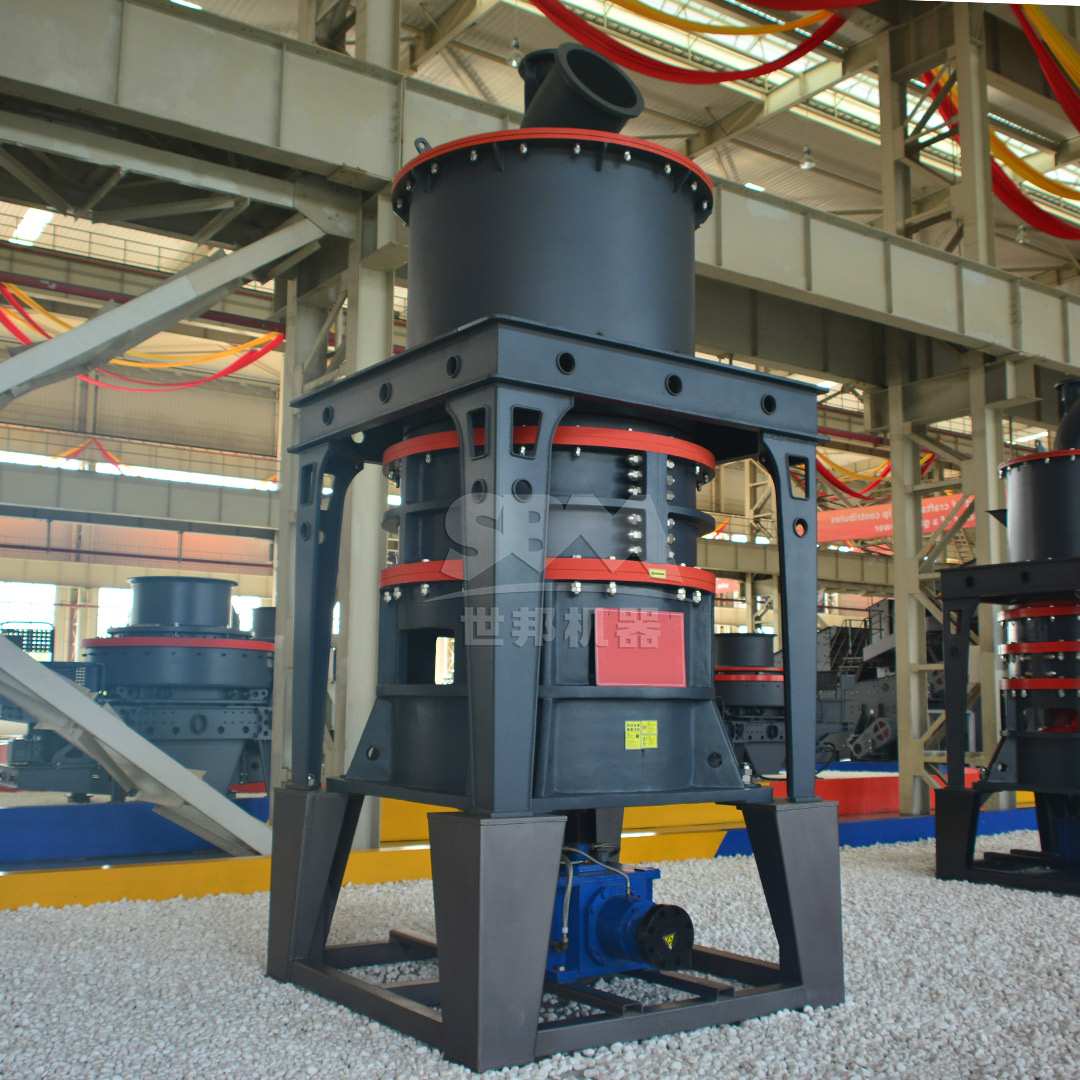
For rubber applications requiring high reinforcement and transparency, fillers must be ground to ultrafine sizes (typically <10 µm). The SCM Series Ultrafine Mill is designed specifically for this task. It can achieve output fineness ranging from 325 to 2500 mesh (45-5 µm), making it ideal for premium titanium dioxide applications.
Technical Advantages for Filler Processing:
| Model | Capacity (t/h) | Main Power (kW) | Fineness (mesh) | Ideal For |
|---|---|---|---|---|
| SCM800 | 0.5-4.5 | 75 | 325-2500 | Small-scale specialty fillers |
| SCM1000 | 1.0-8.5 | 132 | 325-2500 | Medium-scale production |
| SCM1680 | 5.0-25.0 | 315 | 325-2500 | Large-scale industrial filler lines |
Working Principle: The main motor drives three layers of grinding rings. Materials are dispersed by centrifugal force and crushed by roller pressure layer by layer, followed by powder collection via a cyclone and pulse dust removal system. This ensures a clean, closed-loop process suitable for premium grade fillers.
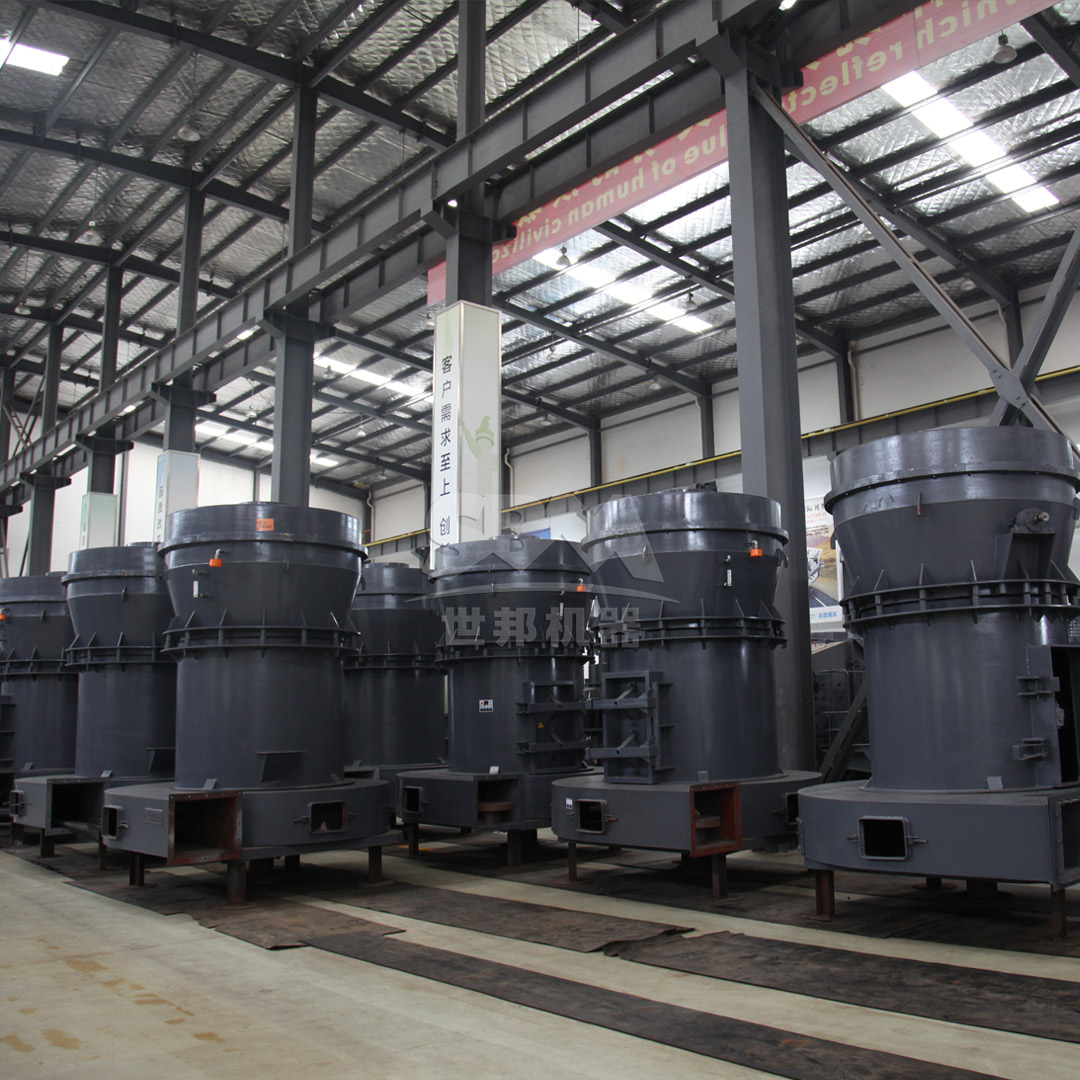
When the required fineness is in the range of 30-325 mesh (600-45 µm) and high throughput is needed, the MTW Series European Trapezium Mill offers an excellent balance of efficiency and capacity. This mill is a workhorse for mid-grade titanium-based fillers used in general rubber goods.
Key Features for Filler Production:
With a capacity ranging from 3 to 45 t/h and feed sizes up to 50mm, the MTW mill can directly process coarse titanium dioxide feedstock, eliminating the need for pre-crushing in many cases.
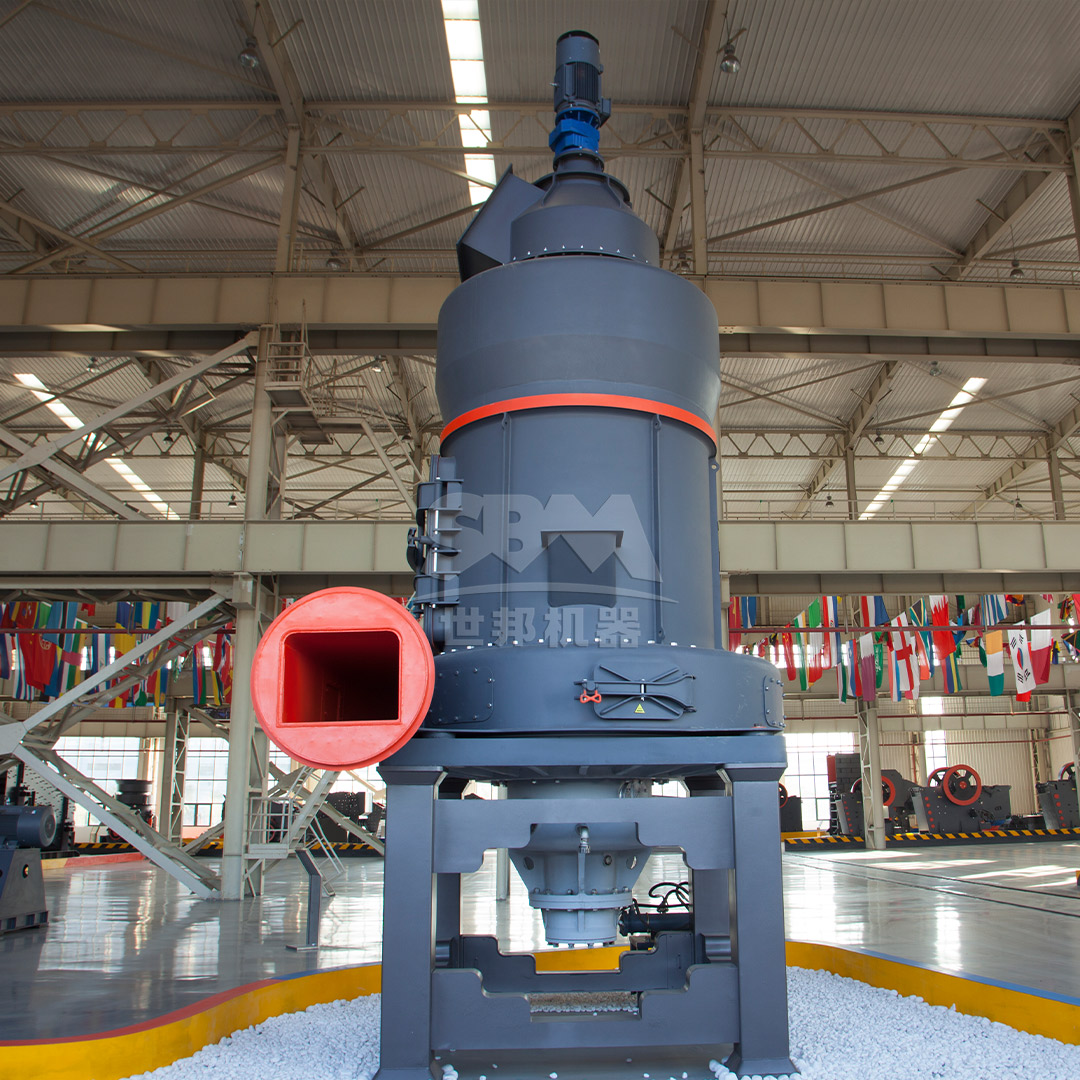
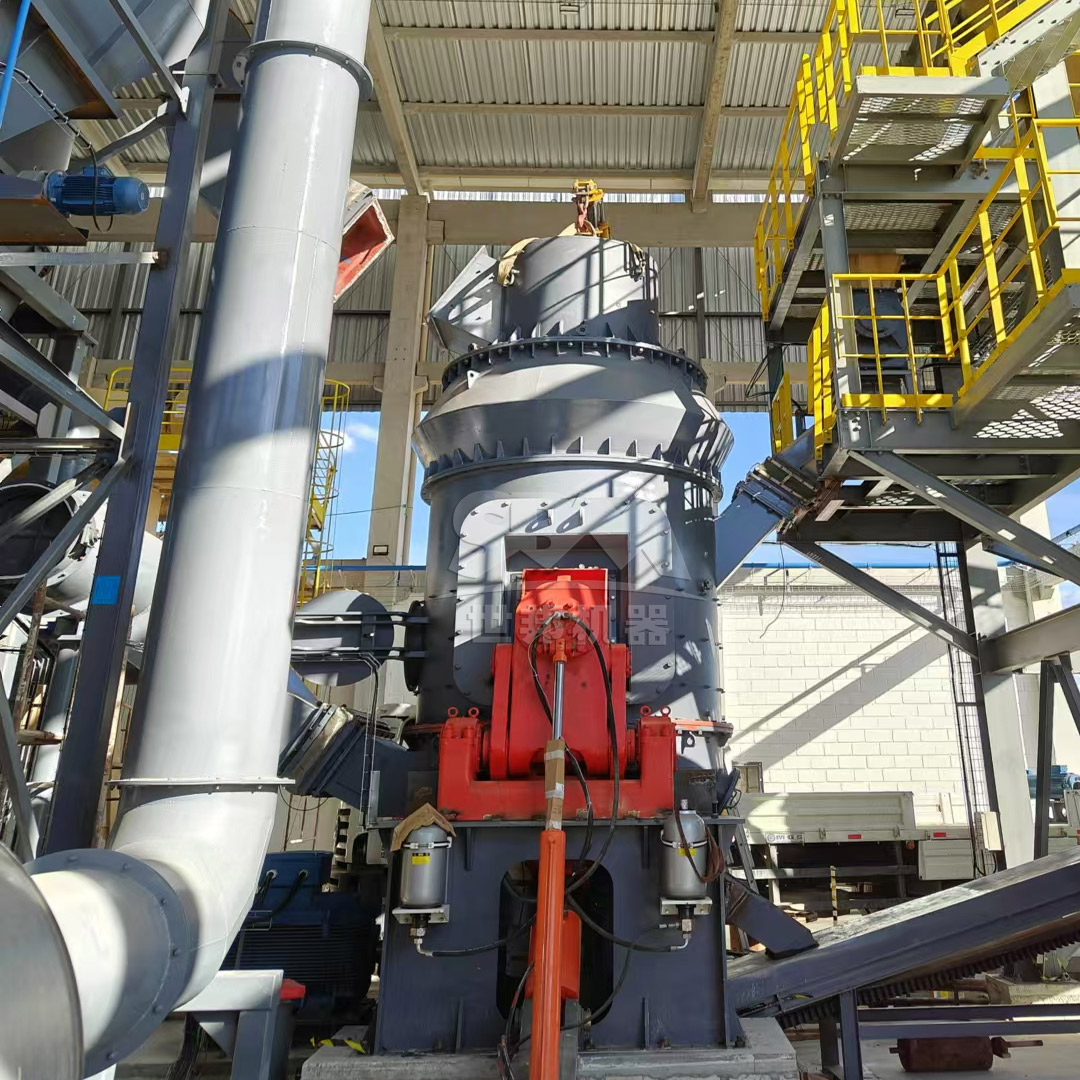
For mega-scale operations (up to 250 t/h), the LM Series Vertical Roller Mill is unmatched. Its integrated design combines crushing, grinding, and classification in a single unit, reducing floor space by 50% and infrastructure costs by 40%.
Advantages for High-Volume Titanium Fillers:
Based on field data and operational benchmarks, we highly recommend the following equipment combination for optimizing rubber additive production:
Product Recommendation 1: SCM Series Ultrafine Mill
For manufacturers requiring high-value, ultrafine titanium dioxide (325-2500 mesh), the SCM800, SCM1000, or SCM1680 models are ideal. They provide the highest classification precision and lowest energy consumption per ton of finished product. The intelligent feedback system automatically adjusts parameters to maintain consistent quality, which is vital for premium rubber products like medical gloves or high-performance hoses.
Product Recommendation 2: LM Vertical Roller Mill
For operations focused on high-volume, coarse-to-medium grinding (30-325 mesh), the LM series offers the lowest total cost of ownership. Its robust design and ability to handle large feed sizes make it perfect for primary processing of titanium-based ores before final fine grinding. Models like the LM190K or LM220K can produce consistent 45µm fillers at 20-100 t/h with minimal supervision.
Different rubber products have unique filler requirements. The following table helps match equipment to application:
| Rubber Application | Target Fineness | Critical Requirement | Recommended Mill Type |
|---|---|---|---|
| High-strength tire treads | 5-10 µm | Narrow PSD, high abrasion resistance | SCM Ultrafine Mill or LUM Ultrafine VRM |
| General-purpose sealing | 40-75 µm | Low cost, high throughput | MTW Trapezium Mill |
| Dielectric insulators | 20-45 µm | High purity, no contamination | LM Vertical Roller Mill |
| Colored rubber compounds | 10-20 µm | Excellent color consistency | SCM Series with precise classifier |
The main motor drives three layers of grinding rings to rotate. Materials are dispersed into the grinding path by centrifugal force, then crushed by roller pressure and ground layer by layer. The vertical turbine classifier ensures that only particles meeting the target fineness pass through; oversize particles are returned for further grinding. Powder collection is completed by a cyclone collector and a pulse dust removal system, making it highly eco-friendly.
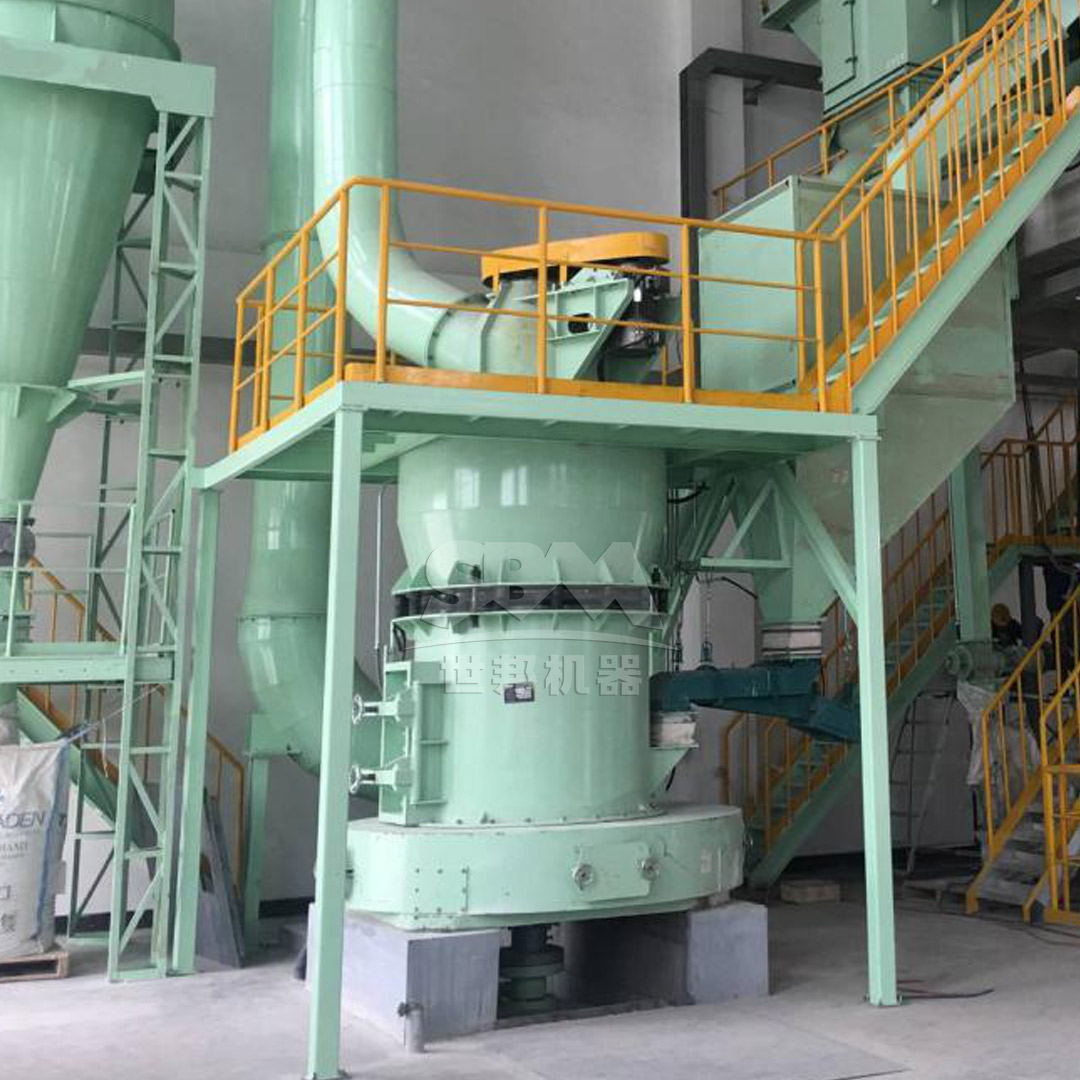
The main motor drives the grinding rollers to revolve around the central axis while self-rotating to generate centrifugal force. Shovels throw materials between the ring and rollers to form a material layer, achieving efficient crushing through extrusion. The classification system precisely controls the finished product size via an optimized arc air duct.
The main motor drives the grinding table via a reducer. Materials enter through the central feed port and spread evenly via centrifugal force. Grinding rollers apply pressure to crush the material layer; qualified fines are carried by hot air to the classifier, while coarse powder returns to the table for re-grinding. This continuous circulation ensures maximum efficiency.
Modern plants must meet strict environmental regulations. All three mill series feature advanced pulse dust collection technology and soundproof room designs to keep noise levels low. The sealed negative pressure operation of the LM and SCM series prevents fine titanium dioxide dust from escaping, ensuring a safe and clean working environment. Additionally, the intelligent control systems reduce the need for manual operation, lowering labor costs and human error.
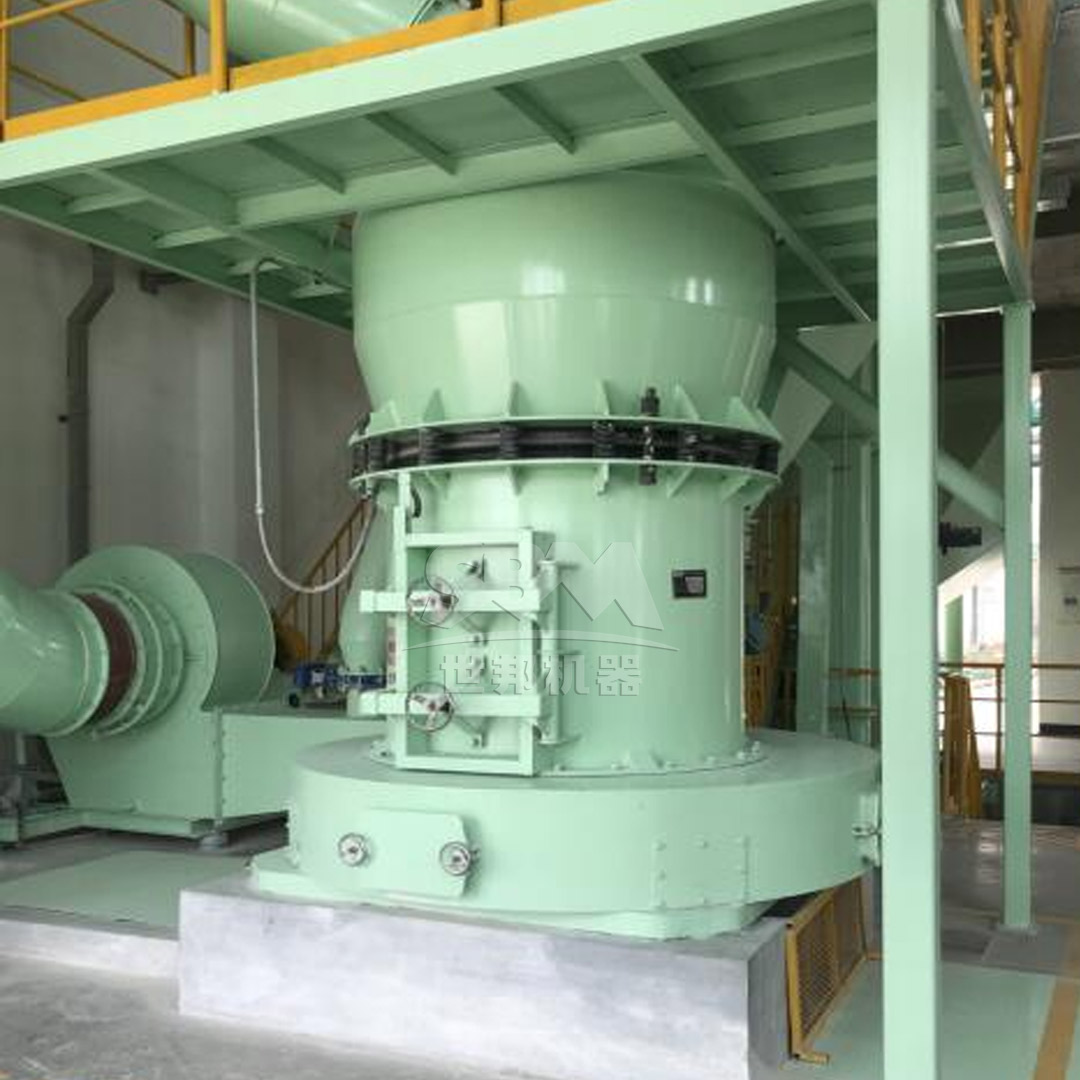
Optimizing rubber additives with titanium-based fillers is not just about grinding harder; it’s about grinding smarter. The selection of production equipment directly impacts the final product’s quality, production cost, and environmental footprint. For ultrafine precision and energy efficiency, the SCM Series Ultrafine Mill stands out as a best-in-class solution. For high-capacity, robust grinding with low maintenance, the LM Series Vertical Roller Mill provides an unbeatable return on investment.
We invite you to consult with our technical team to model your specific production needs. Whether you are processing TiO₂, barium titanate, or other specialty fillers, our equipment can be configured to meet your exact fineness and capacity targets. By investing in the right technology today, you can ensure your rubber products meet the highest standards of quality and performance tomorrow.