In the demanding world of petroleum extraction, the success of drilling operations hinges on the precise formulation and maintenance of drilling fluids. Among the various weighting materials used, barite (barium sulfate, BaSO4) stands out as the industry standard. Its high specific gravity (typically 4.2 g/cm³) and chemical inertness make it indispensable for increasing the hydrostatic pressure of drilling mud, thereby counterbalancing formation pressures and preventing blowouts. As drilling ventures into deeper, high-pressure, and high-temperature (HPHT) reservoirs, the quality and consistency of barite powder become paramount. This is where advanced barite processing equipment steps in, playing a pivotal role in ensuring that the heavy drilling fluids meet stringent API specifications.
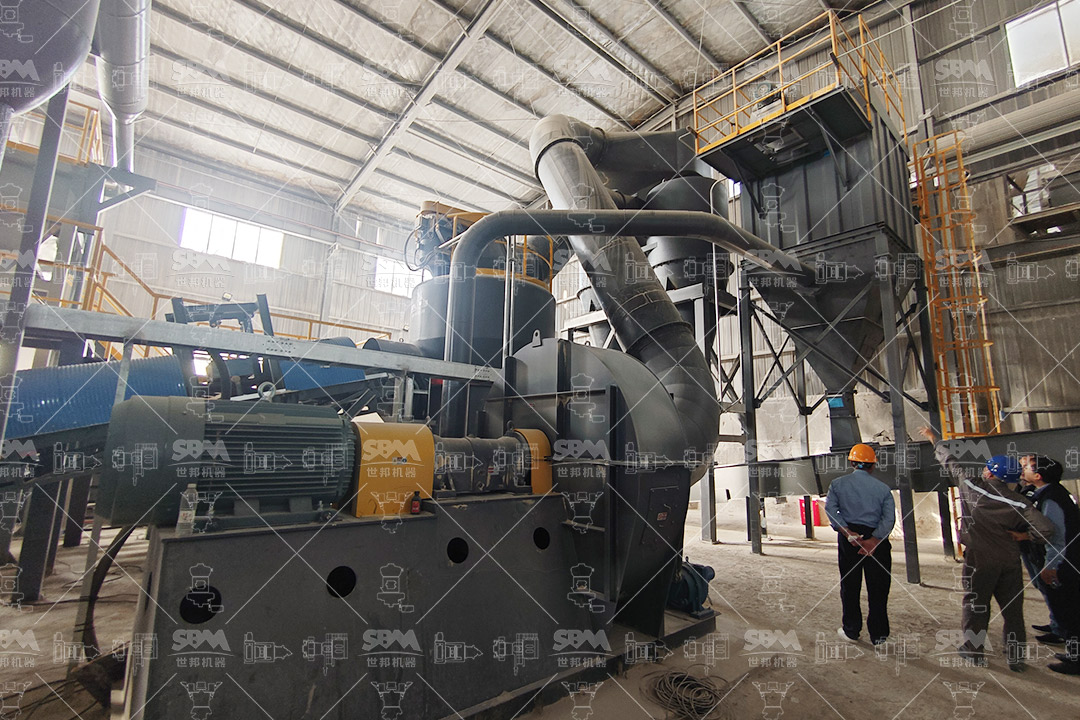
The journey from raw barite ore to a high-grade drilling fluid additive involves several critical stages: crushing, grinding, classification, and in some cases, beneficiation. While primary crushing reduces large rocks to manageable sizes, the core of the operation lies in the grinding and classification phase. For oilfield applications, the American Petroleum Institute (API) specifies that barite must have a specific gravity of at least 4.20 g/cm³, and at least 97% of the particles must pass through a 75-micron (200 mesh) sieve, with a maximum of 30% being less than 6 microns. Achieving this precise particle size distribution (PSD) requires robust, high-efficiency grinding mills and precision classifiers.
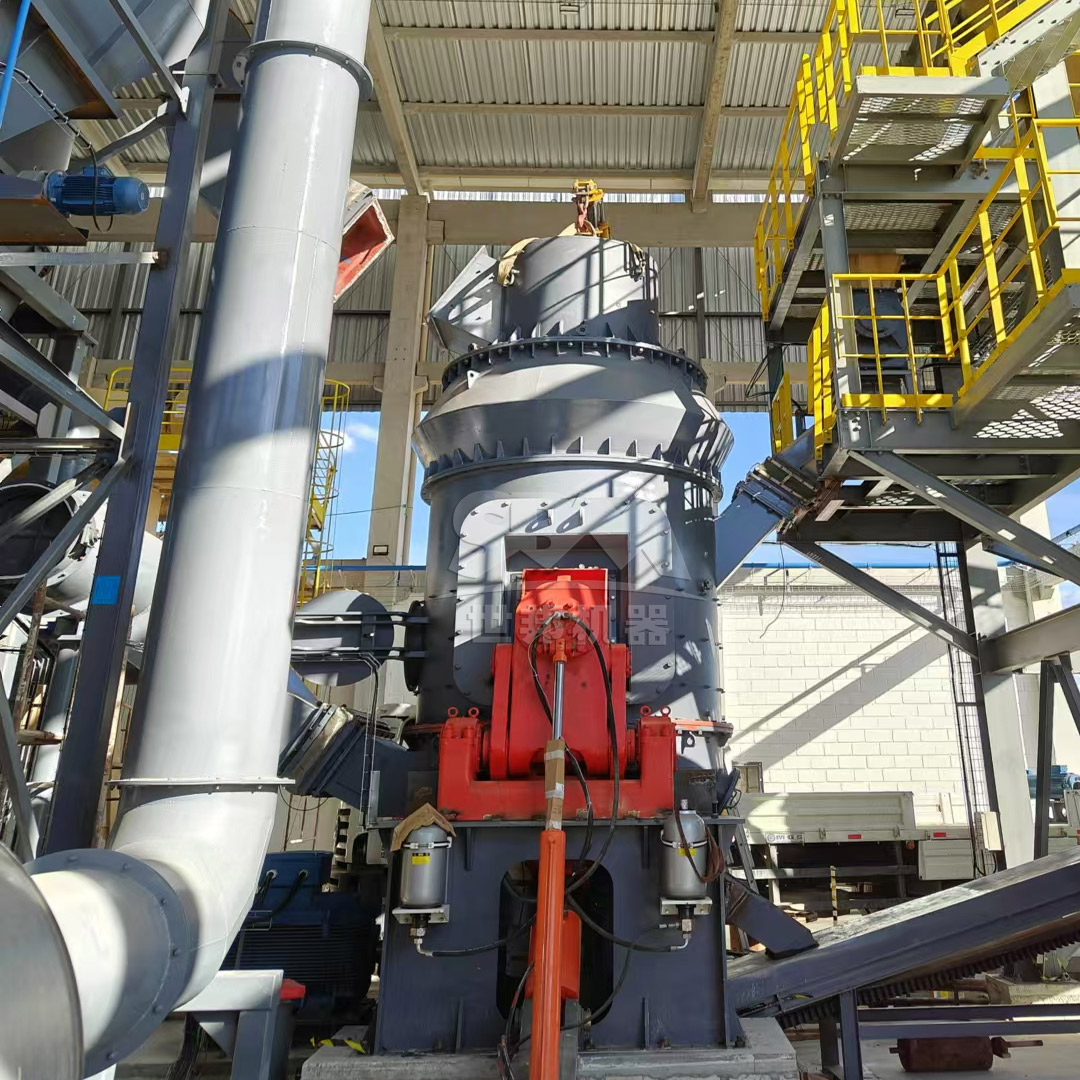
Several mill types have proven effective for barite grinding. Medium-speed mills, such as trapezium mills, are popular for their versatility and reasonable energy consumption. They can process feed sizes up to 35mm and produce fineness ranging from 45 to 325 mesh. For operations requiring even larger capacity and coarser outputs, vertical roller mills (VRMs) provide integrated grinding and drying capabilities. However, when the target is the production of exceptionally fine and uniform barite powder, especially for premium drilling fluid formulations, the industry increasingly turns to advanced ultrafine grinding technologies.
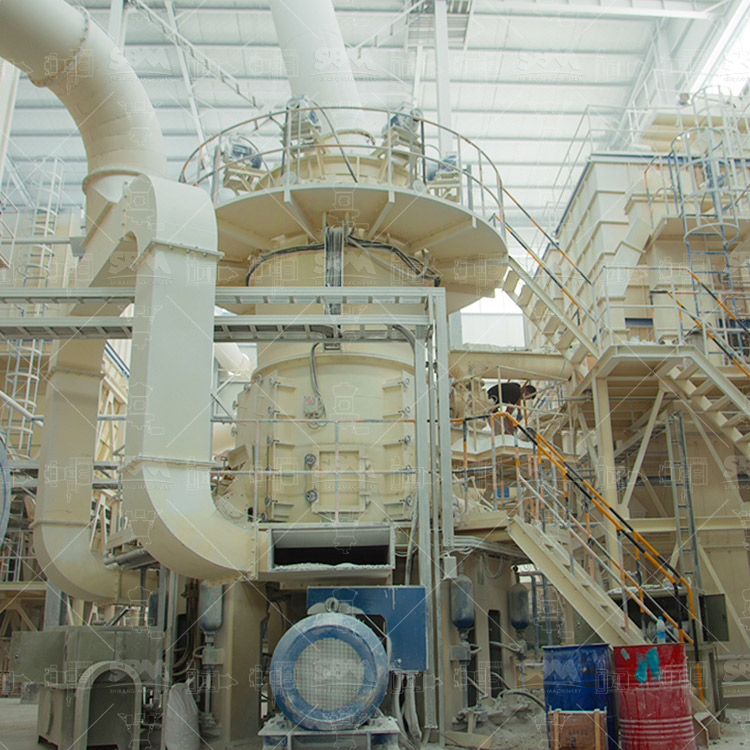
While standard API-grade barite (200 mesh) is common, there is a growing trend towards finer grades. Ultrafine barite (e.g., 325-1250 mesh) offers several performance benefits in drilling fluids:
To produce these high-performance fine powders, processing facilities require state-of-the-art equipment. Traditional jet mills, while capable of producing fine particles, often suffer from high energy consumption (typically 2-3 times more) and lower throughput. An advanced alternative is the vertical ultrafine mill, which combines high-efficiency grinding with precise classification.
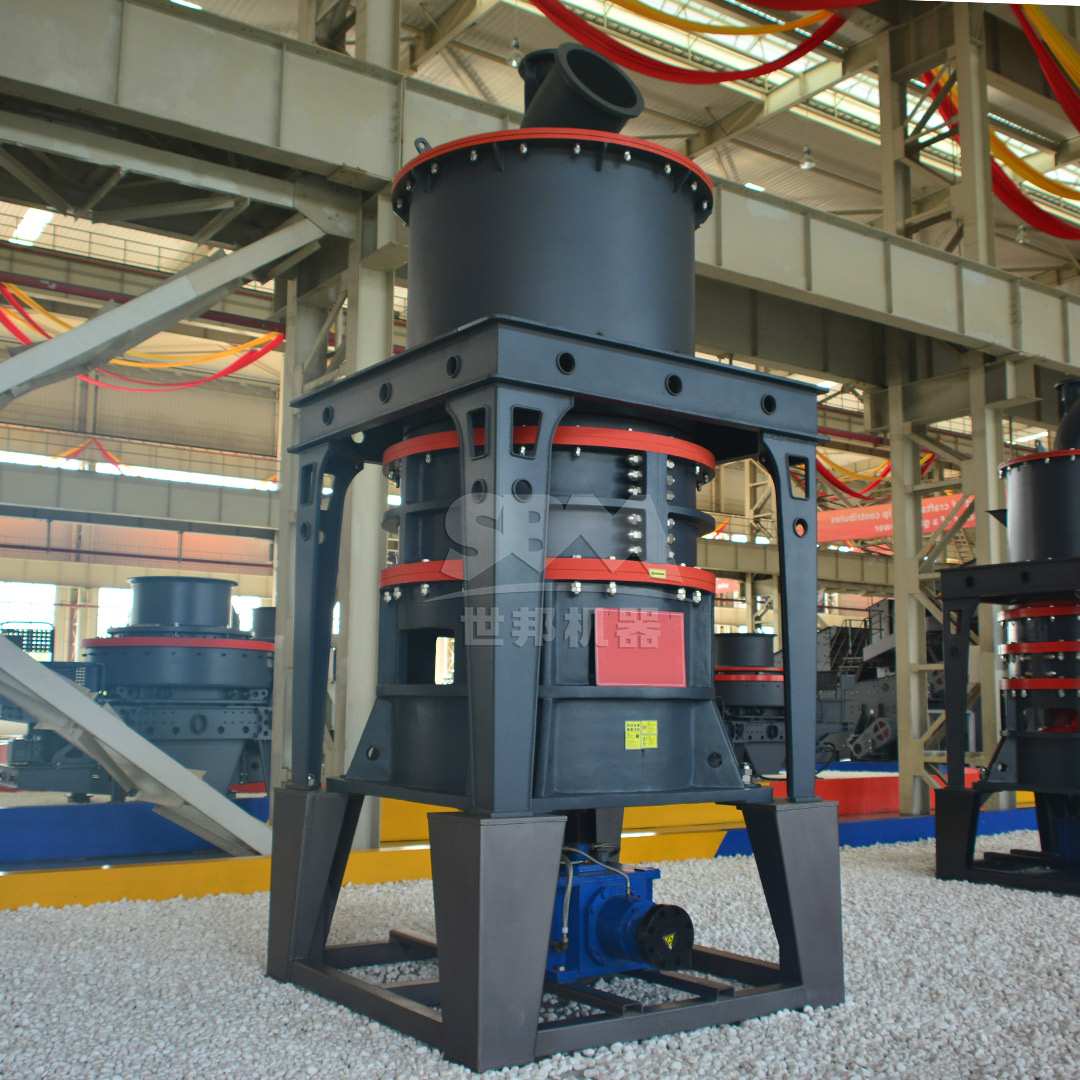
For petroleum drilling support companies seeking a competitive edge, investing in top-tier grinding technology is essential. We proudly recommend our SCM Series Ultrafine Mill, engineered to deliver exceptional performance for barite processing. This mill is designed to achieve a fineness range of 45-5μm (325-2500 mesh), perfectly catering to the most demanding requirements of heavy drilling fluids. Its capacity of 0.5-25 ton/h ensures it can meet both modular and large-scale production demands.
Key advantages of the SCM Series for barite:
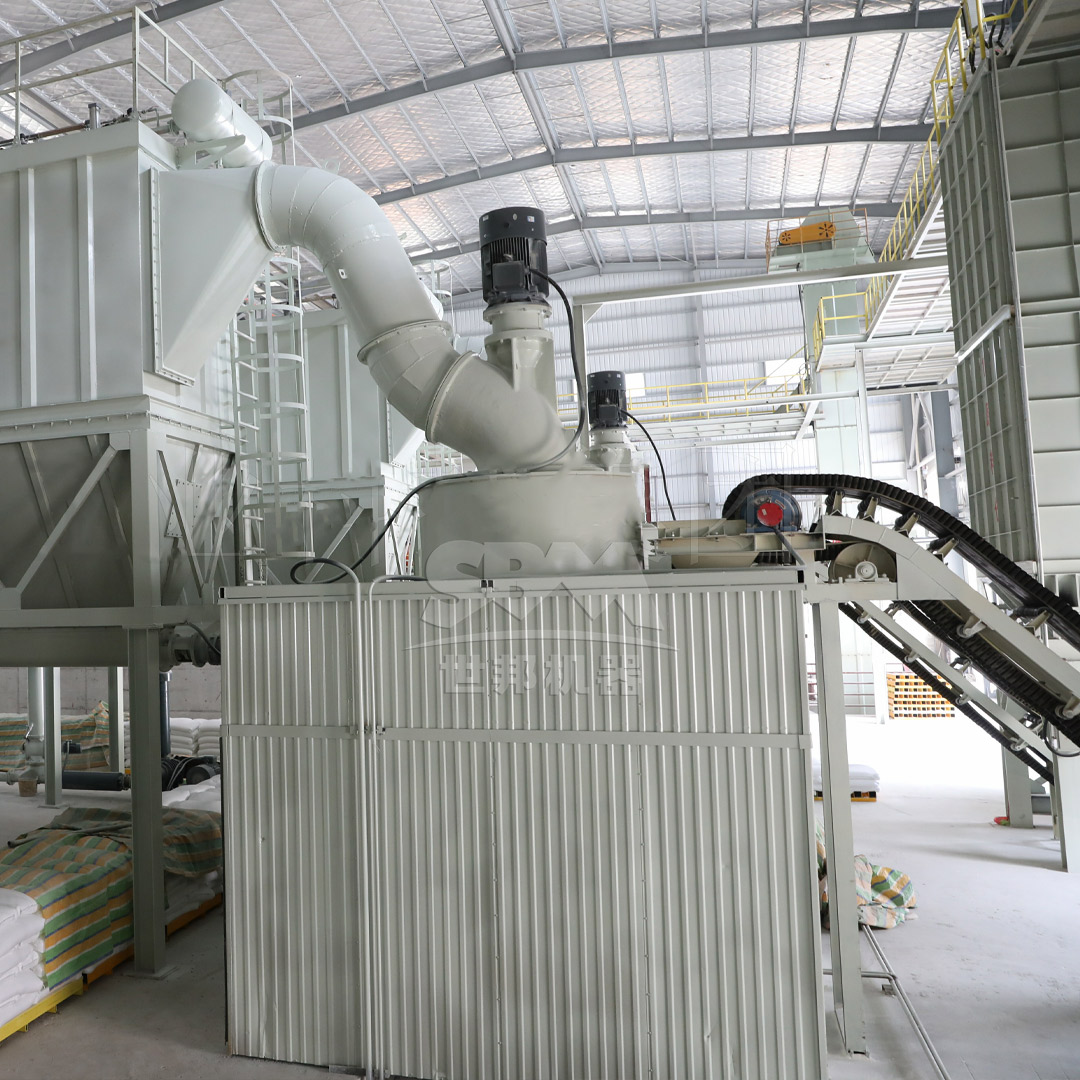
For applications demanding exceptional fineness and consistent quality in premium drilling fluids, the SCM Series Ultrafine Mill is the superior choice.
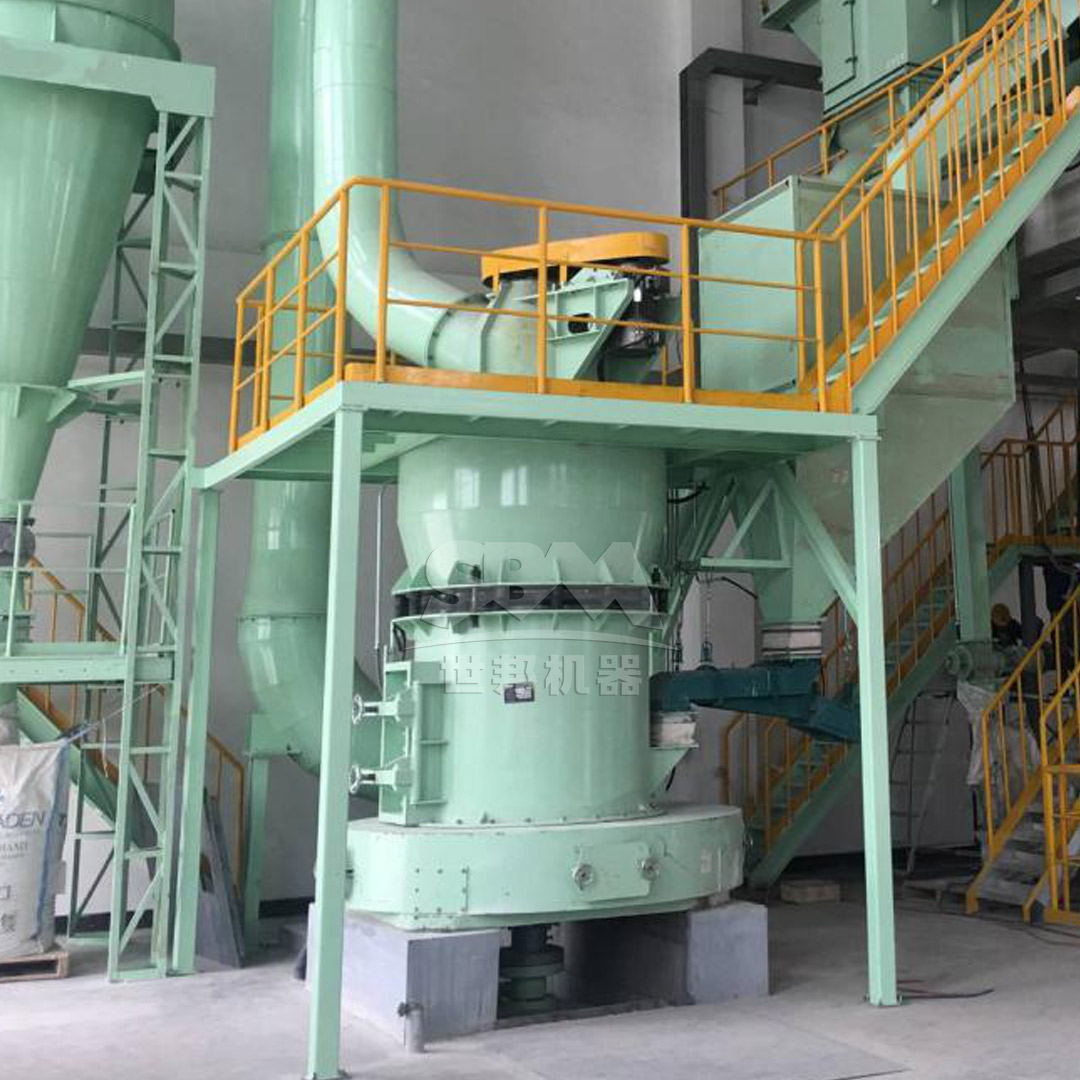
For sites with a focus on high-volume production of API-grade 200 mesh barite powder, we also recommend the MTW Series European Trapezium Mill. This mill provides a robust and reliable solution with a capacity reaching up to 45 ton/h. Its integral bevel gear drive delivers an impressive 98% transmission efficiency, and the anti-wear shovel design reduces maintenance costs significantly. The arc air duct design minimizes energy loss, making it another cost-effective option for large-scale operations. A comparative overview is provided below.
| Parameter | SCM Series Ultrafine Mill | MTW Series Trapezium Mill |
|---|---|---|
| Output Fineness | 325-2500 mesh (45-5μm) | 30-325 mesh (600-45μm) |
| Input Size | ≤20mm | ≤50mm |
| Capacity | 0.5-25 t/h | 3-45 t/h |
| Best Application | Ultrafine high-value drilling fluids | High-volume standard API-grade production |
| Drive System Efficiency | High-quality classifier, energy efficient | Up to 98% (Integral Bevel Gear Drive) |
Choosing the right mill involves evaluating several critical factors:
In conclusion, the complex conditions of modern petroleum drilling require more than just standard barite; they demand high-performance barite powder processed with precision. The efficiency of the entire drilling operation, from wellbore stability to drilling fluid rheology, is directly impacted by the equipment used to process this critical mineral. High-performance barriers, such as those produced by the SCM Series Ultrafine Mill, are an investment in operational efficiency, safety, and overall project economics.
For companies looking to maximize their barite production capabilities, whether focusing on high-volume standard grades or specialized ultra-fine products, understanding and investing in the right milling technology is strategic. Advanced equipment not only ensures adherence to strict API/ISO standards but also provides the operational flexibility to adapt to evolving drilling challenges, ensuring safe, efficient, and cost-effective hydrocarbon extraction.