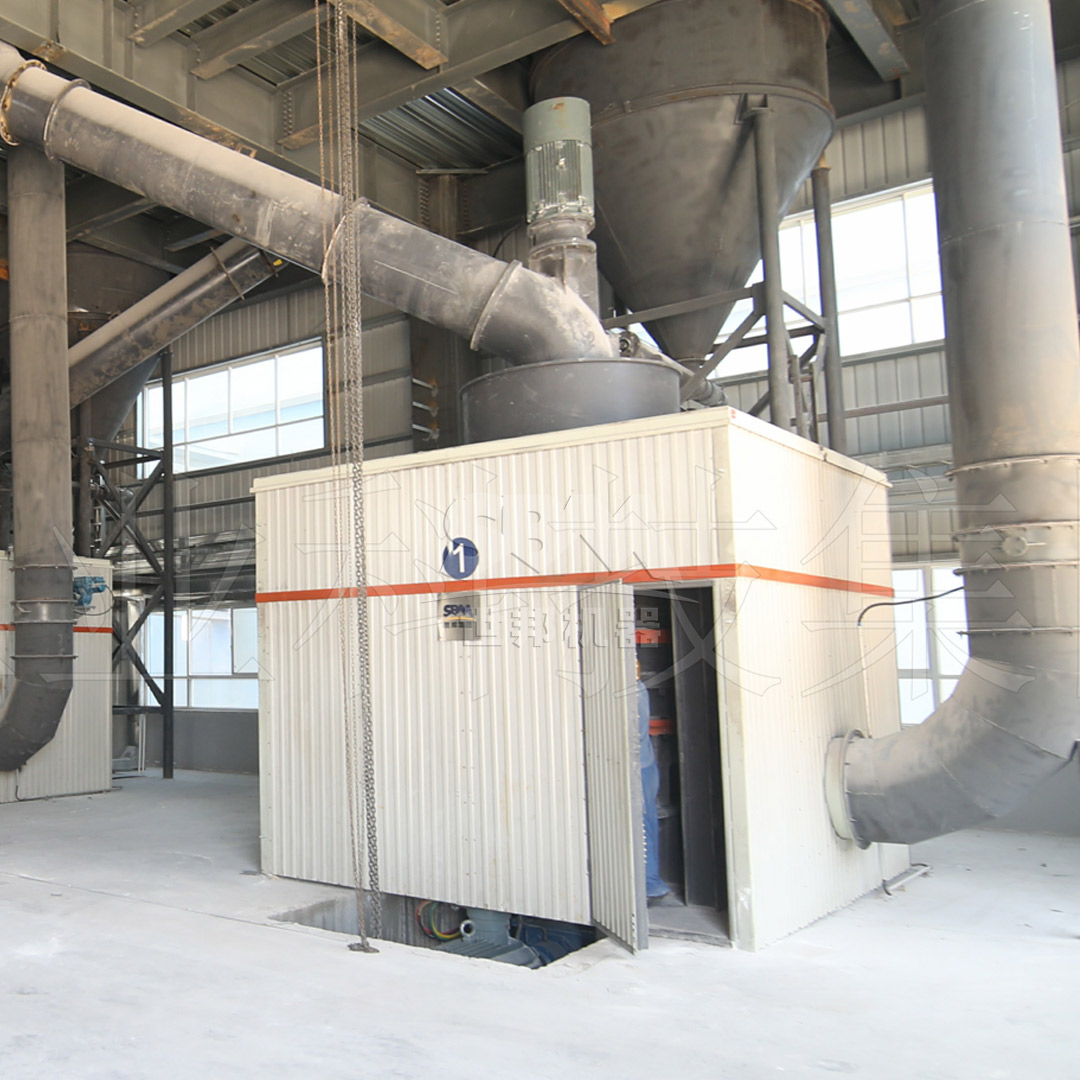
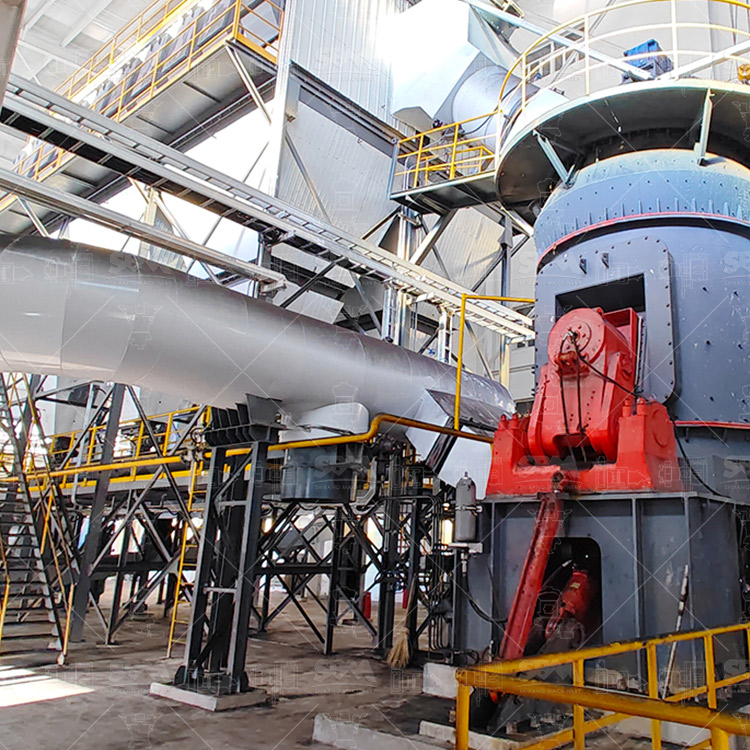
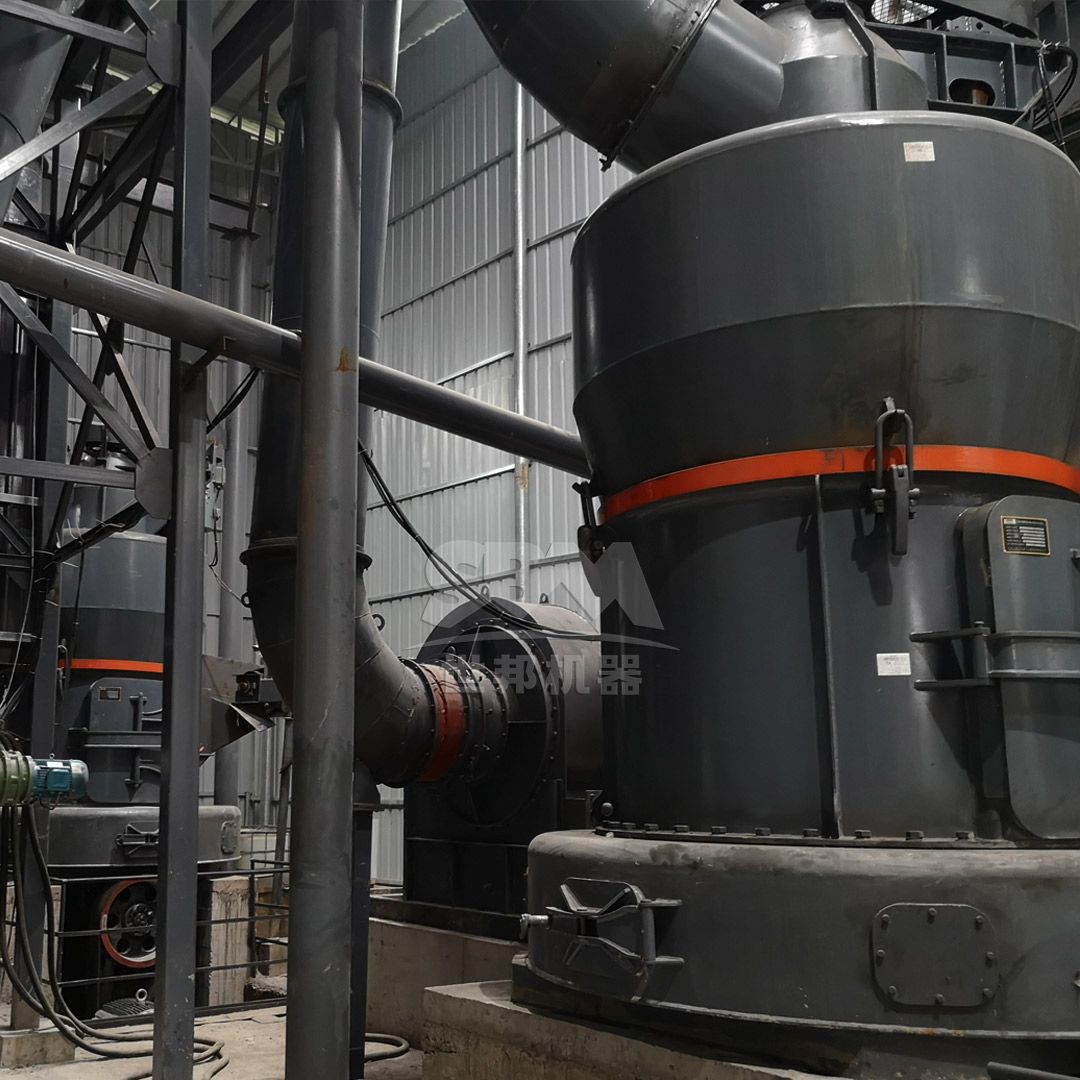
In modern industrial processing, the demand for finely ground powders with precise particle size distribution and exceptional consistency is paramount across numerous sectors, including pharmaceuticals, chemicals, minerals, and advanced materials. Achieving these stringent quality benchmarks consistently and efficiently presents a significant challenge for traditional open-circuit milling systems. The advent and refinement of closed-circuit grinding systems have revolutionized powder production, offering unparalleled control over the final product’s characteristics. This article delves into the mechanics, advantages, and technological innovations of closed-circuit grinding, highlighting how it fundamentally enhances product quality and operational consistency.
A closed-circuit grinding system is defined by its continuous feedback loop. Unlike open-circuit systems where material passes through the mill once and is discharged, a closed-circuit system incorporates a separation stage—typically a dynamic classifier or a screening device—immediately after the grinding chamber. This separator continuously divides the milled product into two streams: the “finished” or “on-spec” fine powder that meets the target fineness, and the “oversize” or coarse material.
The critical innovation lies in the routing of this coarse stream. Instead of being discarded or sent to a separate process, it is automatically returned (recirculated) to the inlet of the grinding mill for further size reduction. This creates a continuous loop where only material that has achieved the desired fineness exits the system as final product.
The primary driver for adopting closed-circuit systems is the dramatic improvement in product quality, which manifests in several key areas.
The dynamic classifier is the cornerstone of quality control. By allowing operators to adjust parameters like rotor speed or airflow velocity, the cut point (D97, D50) can be precisely and instantly modified. The continuous removal of fines prevents “over-grinding” of already compliant particles, which can lead to excessive ultra-fines and a broad, unpredictable PSD. The result is a consistently narrow particle size distribution, a critical factor for properties like reactivity, solubility, bulk density, and flowability.
In an open-circuit mill, a single oversized particle that evades grinding can end up in the final product batch, compromising quality. The closed-circuit loop ensures that any particle not meeting the specification is relentlessly returned for further processing. This guarantees that the final product is virtually free of rogue coarse particles, ensuring batch-to-batch uniformity and meeting strict specification sheets.
Many advanced closed-circuit mills are designed for full negative-pressure operation, preventing dust leakage. Integrated high-efficiency pulse jet baghouse collectors, often exceeding 99.9% efficiency, ensure that the working environment is clean and that the collected product is not contaminated by external pollutants. Furthermore, the controlled internal environment minimizes the risk of oxidation or moisture absorption for sensitive materials.
Beyond quality, closed-circuit systems deliver remarkable gains in process stability, yield, and cost-effectiveness.
The system self-regulates. If the feed material hardness fluctuates, the recirculation load automatically adjusts—more coarse material returns if the grindability decreases, maintaining a steady load on the mill and a consistent output quality. This dampens process variability and reduces the need for constant manual intervention.
Grinding energy is focused only on the material that needs it—the oversize fraction. By preventing the repeated grinding of already fine material (which is highly energy-inefficient), closed-circuit systems can achieve the same or finer product at significantly lower specific energy consumption (kWh/ton). This directly translates to lower operational costs and a reduced carbon footprint.
Since every particle is retained within the circuit until it is fine enough, the effective yield approaches 100%. The mill’s capacity is optimized as it is not burdened by processing fine product multiple times. This allows for higher throughput of on-spec material from the same mill footprint compared to an open-circuit configuration.
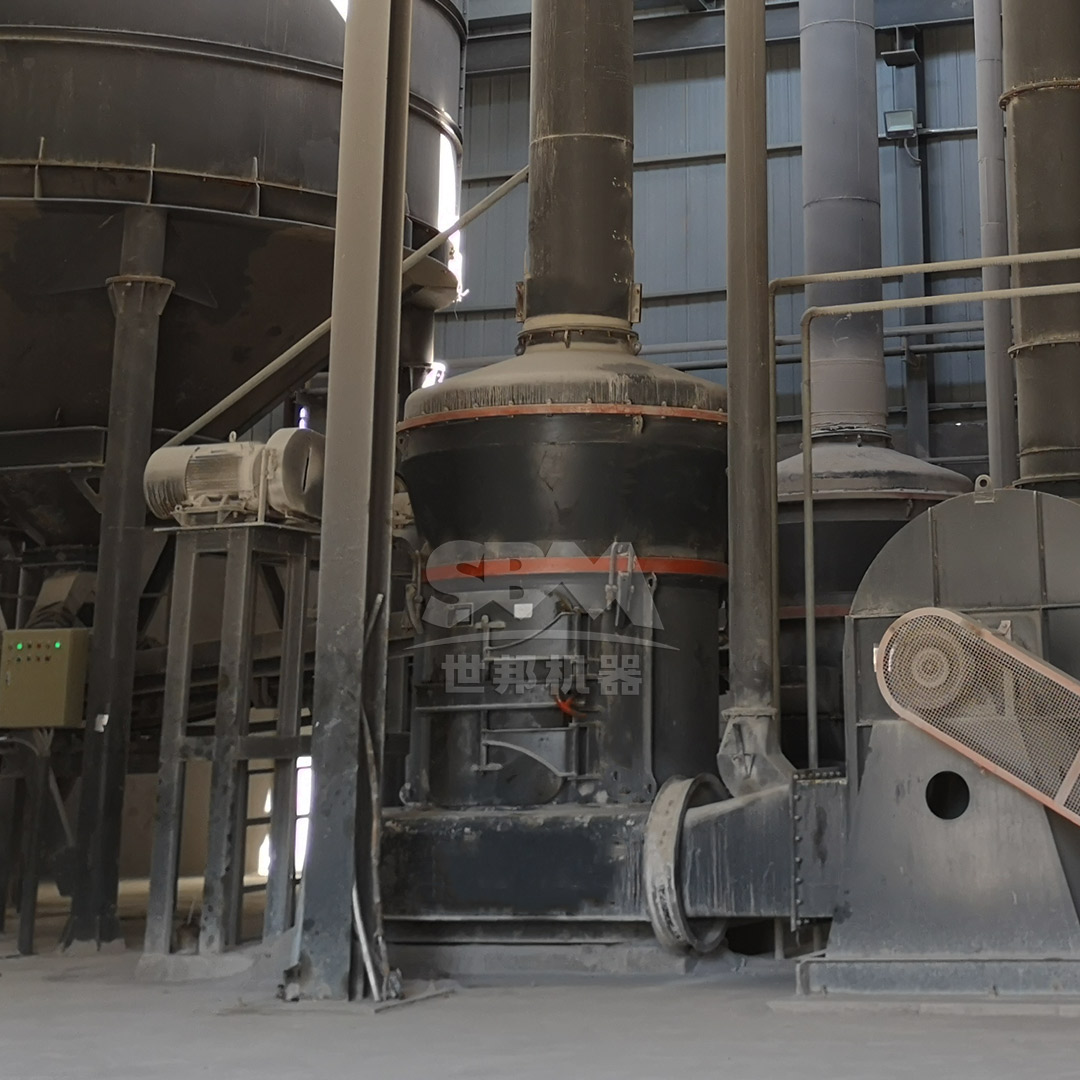
The full benefits of closed-circuit grinding are realized when paired with modern, high-efficiency mill designs. Two exemplary product lines that embody these principles are our SCM Ultrafine Mill and LM Series Vertical Roller Mill.
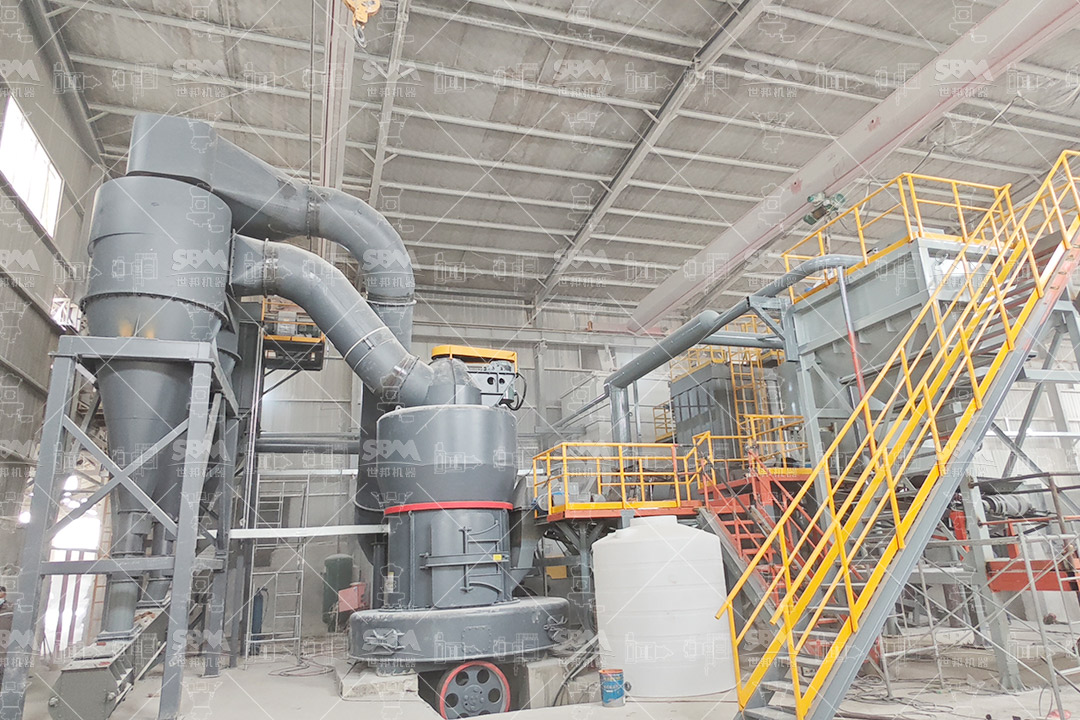
For applications demanding ultra-fine powders (325-2500 mesh, D97 ≤5μm), the SCM Ultrafine Mill is an ideal closed-circuit solution. Its design integrates grinding and classification seamlessly.
| Model | Capacity (ton/h) | Main Motor Power | Output Fineness |
|---|---|---|---|
| SCM800 | 0.5 – 4.5 | 75 kW | 325-2500 mesh |
| SCM1000 | 1.0 – 8.5 | 132 kW | |
| SCM1250 | 2.5 – 14 | 185 kW | |
| SCM1680 | 5.0 – 25 | 315 kW |
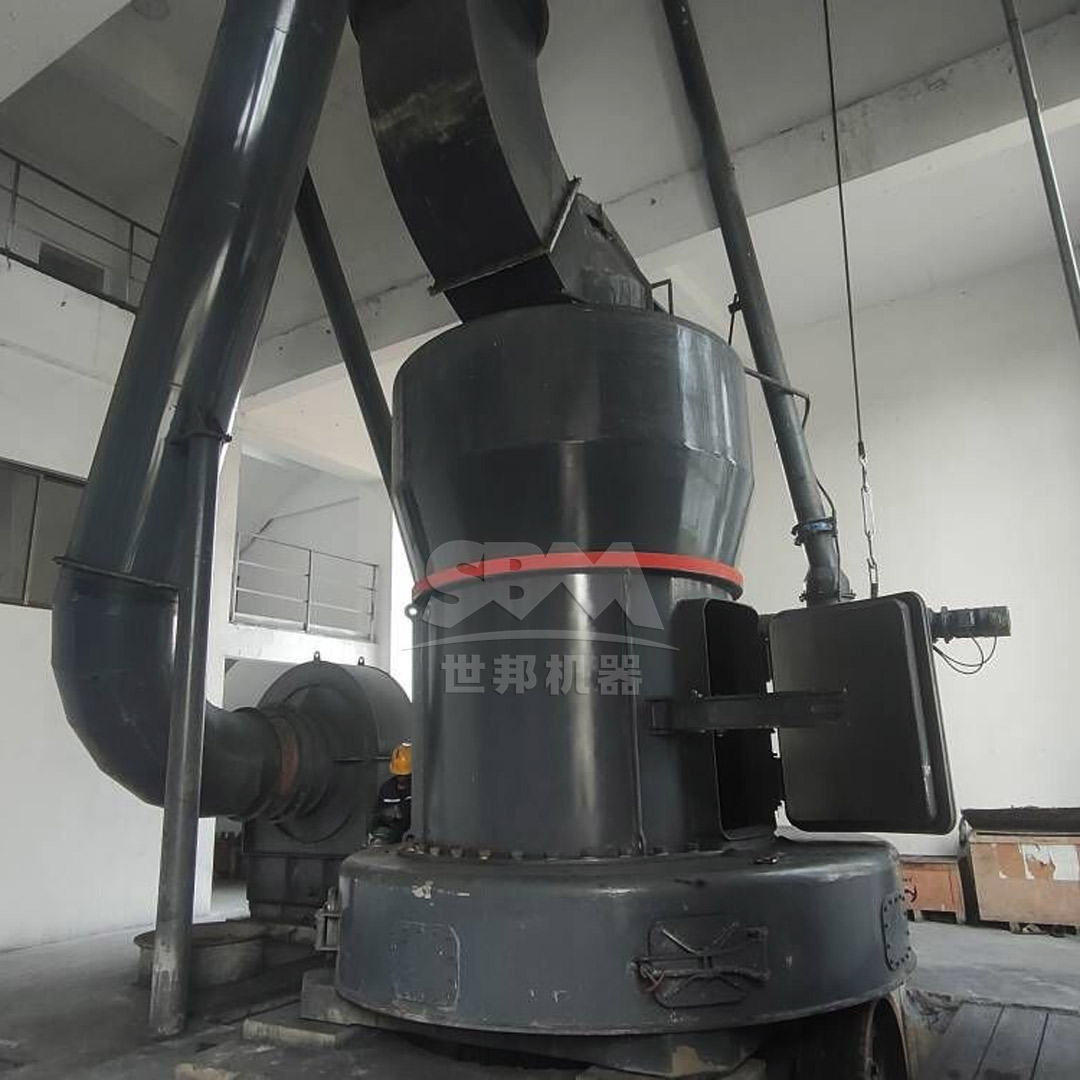
For large-scale production of fine powders in the range of 30-325 mesh (and up to 600 mesh for special models), the LM Vertical Roller Mill offers an unparalleled closed-circuit grinding system.
Closed-circuit grinding systems represent a paradigm shift in powder processing technology. By integrating intelligent classification with continuous material recirculation, they solve the fundamental limitations of open-circuit milling. The result is a step-change improvement in product quality—delivering precise, narrow particle size distributions free of contaminants—coupled with robust operational consistency, significant energy savings, and higher overall yield. As industries continue to demand higher-performance materials, adopting advanced closed-circuit grinding solutions, such as the precision-oriented SCM Ultrafine Mill or the high-capacity LM Vertical Roller Mill, becomes not just an option but a strategic necessity for achieving and maintaining a competitive edge in the market.