Illite, a non-expansive clay mineral belonging to the mica group, has gained significant traction in the animal feed industry as a high-performance additive. Its unique layered silicate structure imparts exceptional properties, including mycotoxin adsorption, improved pellet durability, enhanced nutrient absorption, and gut health modulation. To unlock these benefits, the physical processing of raw illite ore into a fine, consistent, and bioavailable powder is paramount. This article delves into the critical grinding and processing stages for illite feed additive production, highlighting the technological requirements and optimal machinery solutions for achieving superior product quality and operational efficiency.
The efficacy of illite as a feed additive is intrinsically linked to its particle size distribution (PSD). A finer particle size exponentially increases the specific surface area, which directly enhances its mycotoxin-binding capacity and interaction with digestive fluids. For optimal performance in animal diets, the target fineness typically ranges from medium-fine powders (30-325 mesh) for general carriers and pellet binders to ultra-fine powders (325-2500 mesh) for high-efficacy toxin adsorbents and bioavailability enhancers.
Producing such fine powders requires a carefully designed comminution circuit. The process generally involves primary crushing of raw ore, followed by secondary grinding and precise classification. The choice of grinding equipment directly impacts the final product’s PSD, energy consumption, production cost, and overall system stability.
| Target Application | Recommended Fineness Range | Key Performance Parameter |
|---|---|---|
| Pellet Binder / Carrier | 30 – 200 mesh | Flowability, Bulk Density |
| General Mycotoxin Adsorbent | 200 – 800 mesh | Specific Surface Area (>50 m²/g) |
| High-Performance Bioavailability Enhancer | 800 – 2500 mesh | Particle Uniformity, Nano-scale Effects |
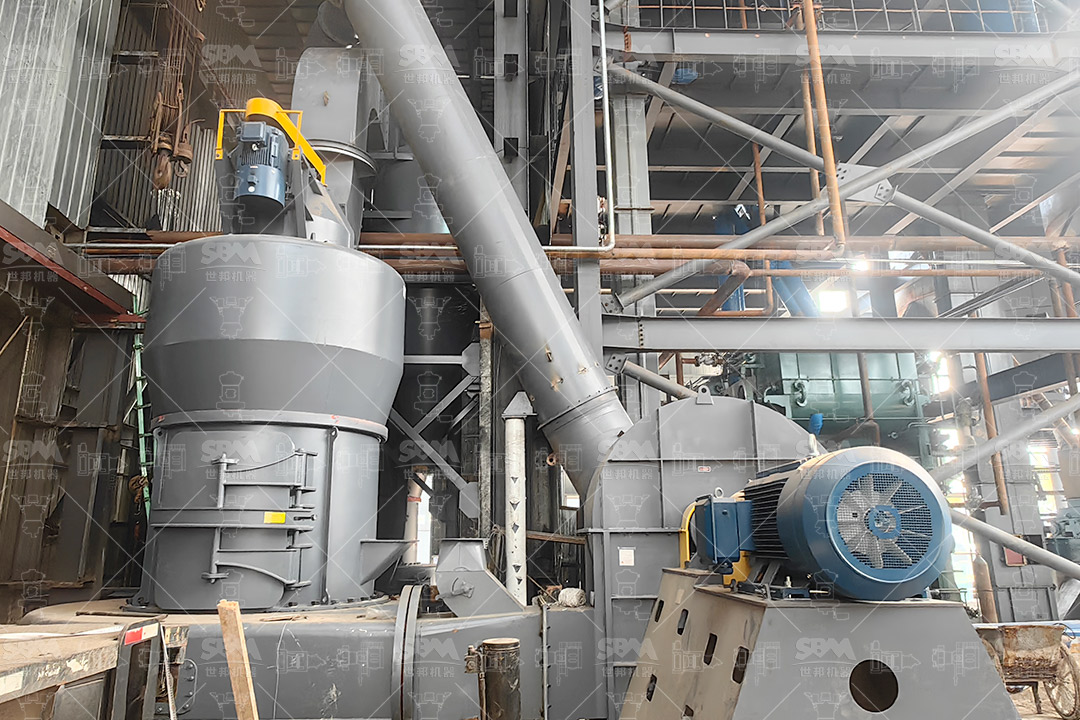
Selecting the right mill is the cornerstone of an efficient illite production line. The equipment must handle the moderately abrasive nature of illite, provide precise size control, and operate with high energy efficiency. Two primary grinding philosophies exist: one for high-capacity production of medium-fine powder and another for producing ultra-fine, high-value powder.
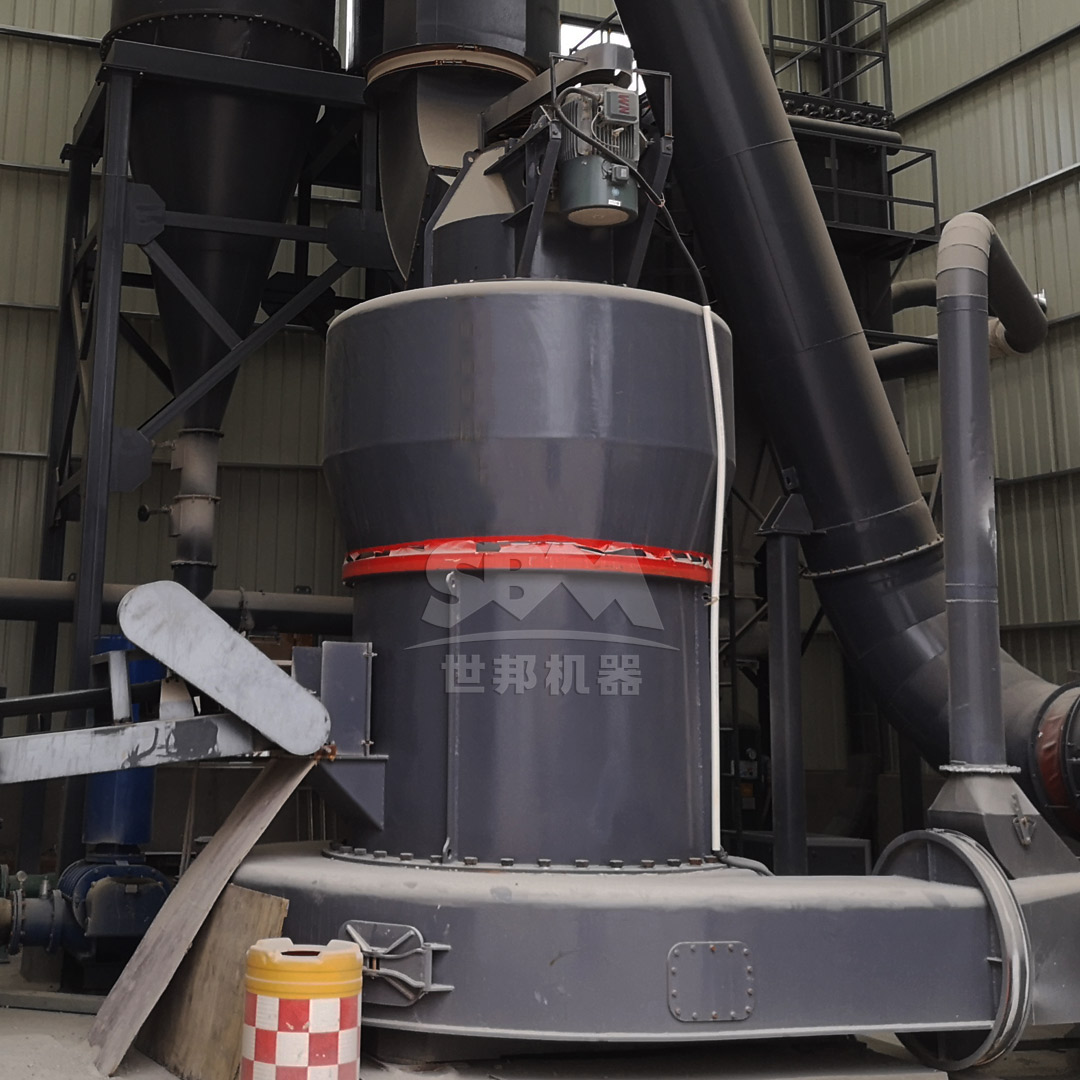
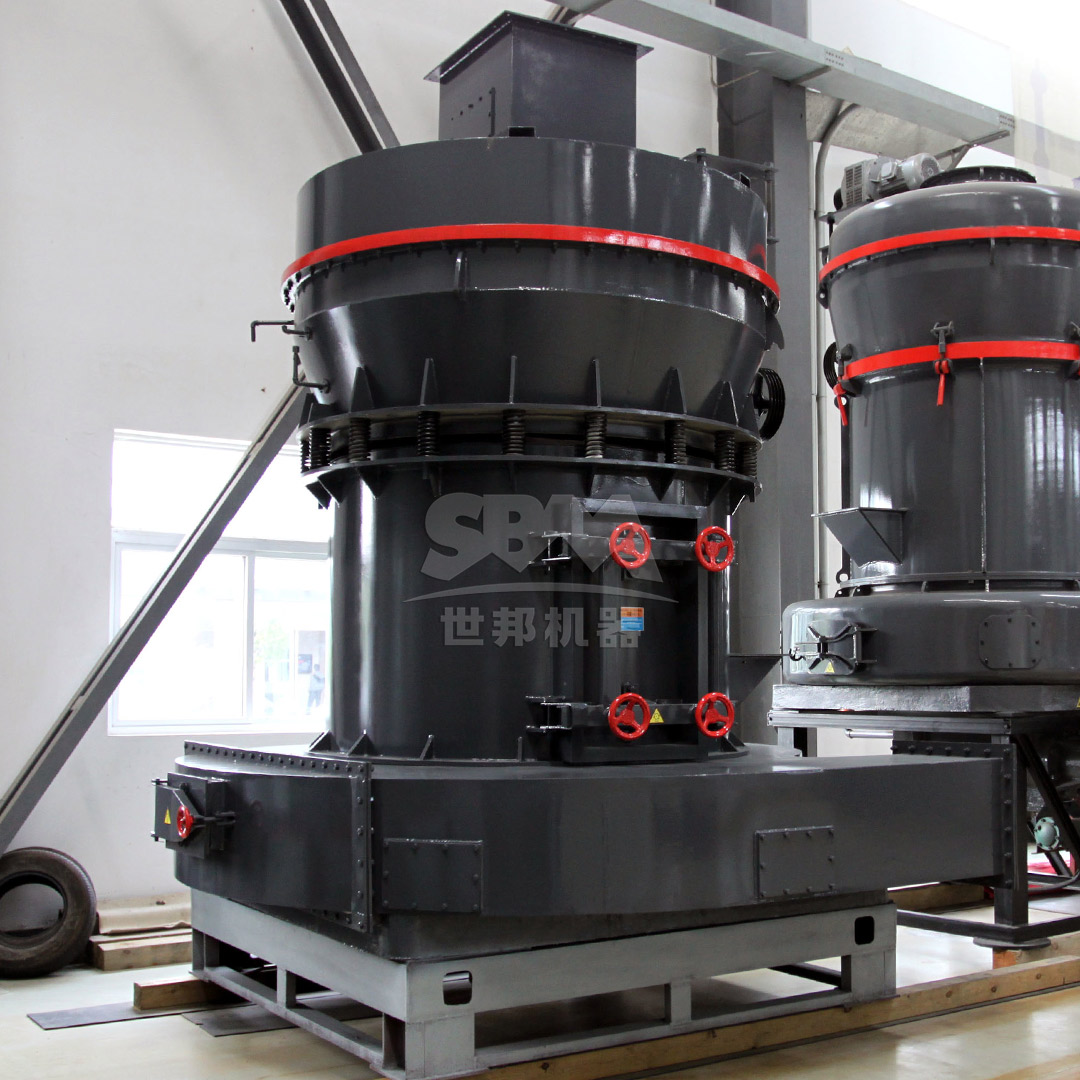
When the production focus is on large volumes of illite powder for use as a general feed binder or carrier, reliability, high throughput, and low operating cost are key. The MTW Series European Trapezium Mill stands out as an ideal solution. This generation of grinding technology incorporates curved duct design, conical gears, and internal lubrication systems, offering a perfect balance of performance and durability for illite.
Its advantages are particularly relevant: the anti-wear shovel design and wear-resistant volute structure combat the abrasiveness of illite, significantly reducing maintenance downtime and cost. The integral bevel gear drive ensures stable transmission with up to 98% efficiency, translating to lower energy consumption per ton of product. For feed mills requiring consistent production of 3 to 45 tons per hour of quality illite powder, the MTW series provides a robust and efficient backbone for the grinding circuit.
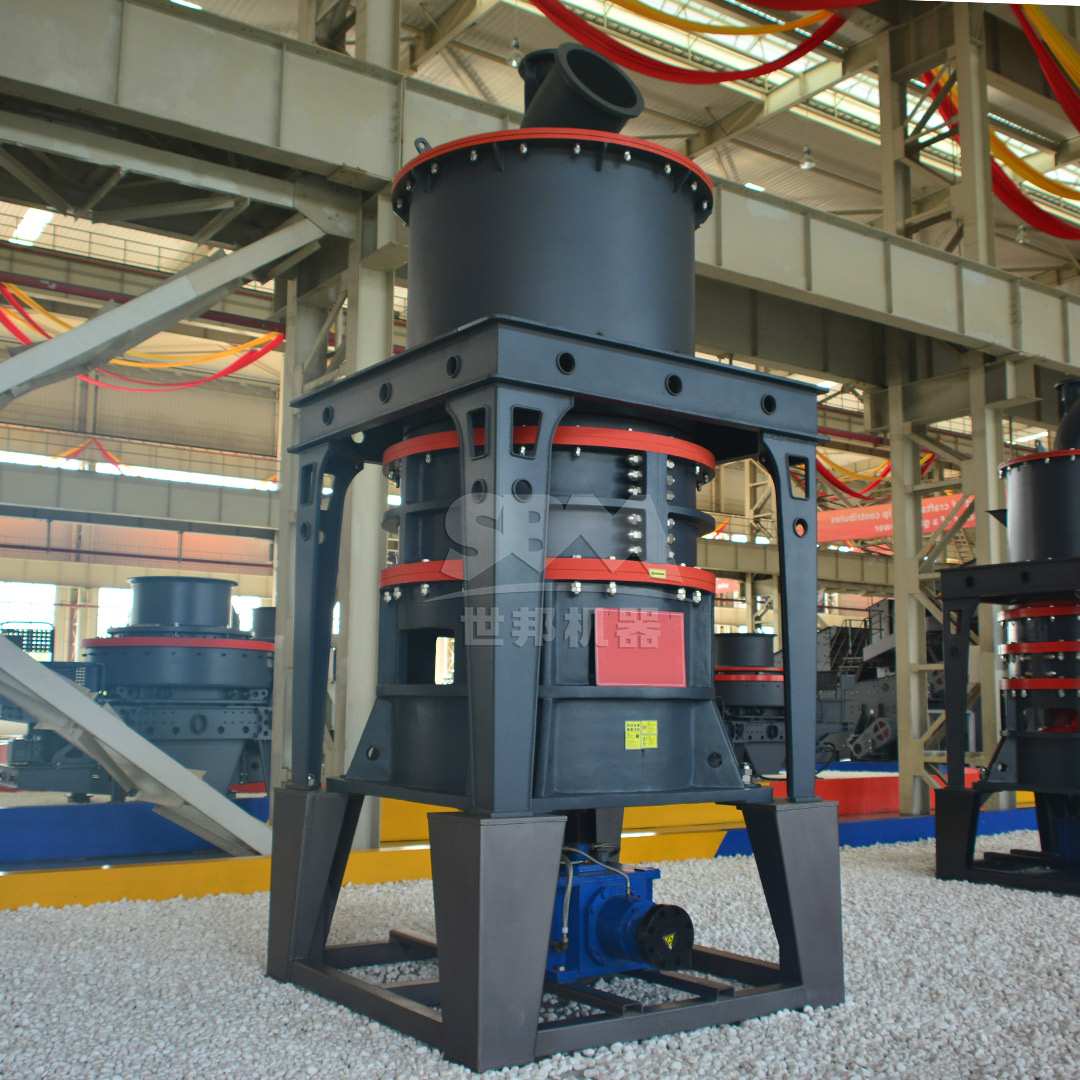
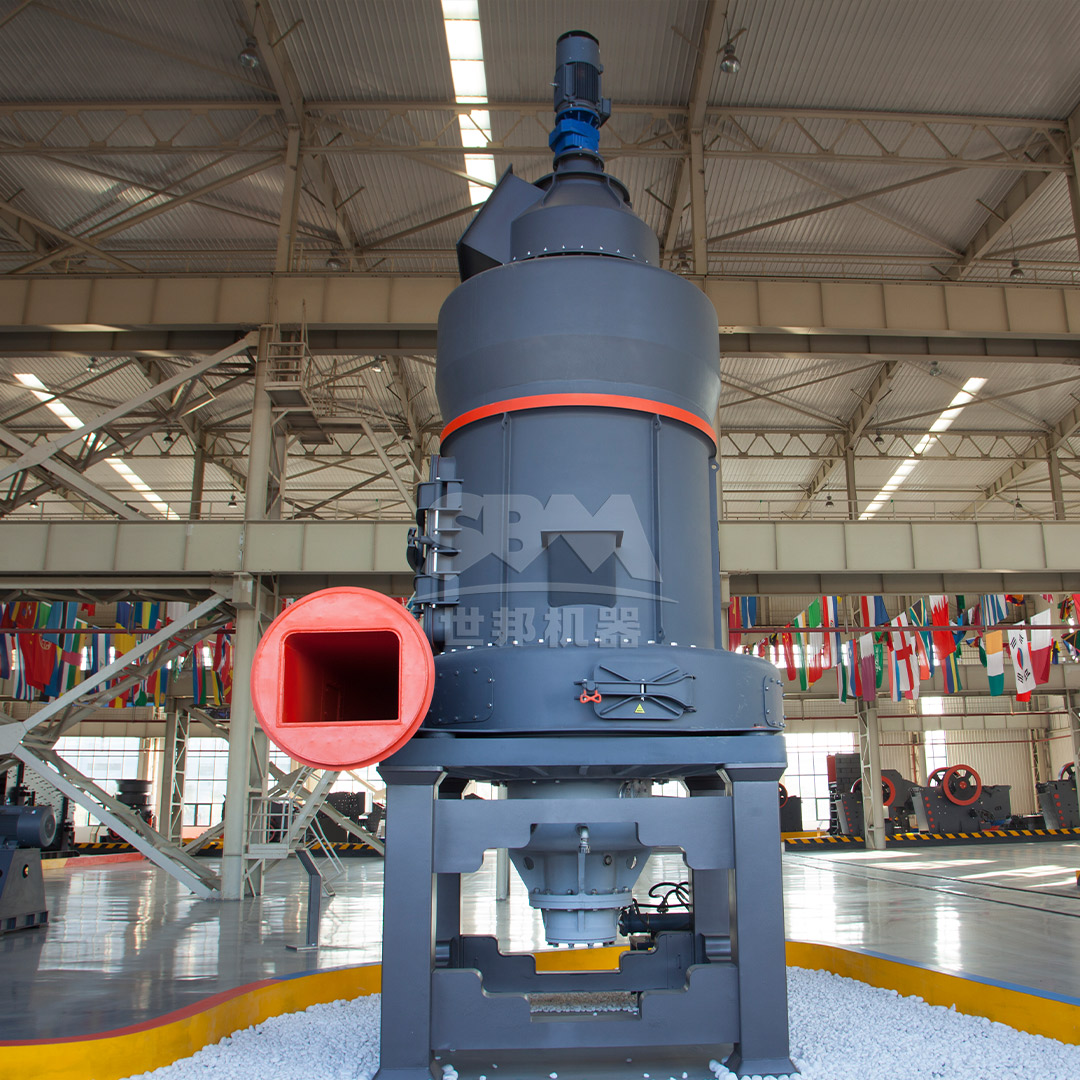
To produce premium-grade illite additives with maximized surface area and bioactivity, ultra-fine grinding technology is non-negotiable. The SCM Series Ultrafine Mill is engineered specifically for this demanding application. It excels in producing powders in the 325 to 2500 mesh range, which is critical for advanced mycotoxin adsorbents.
The mill’s core strength lies in its high-precision vertical turbine classifier, which ensures a sharp particle size cut and eliminates coarse powder contamination, guaranteeing a uniform final product. Furthermore, its high-efficiency design delivers a capacity twice that of traditional jet mills while consuming 30% less energy—a major operational advantage. The special material rollers and rings, combined with a shaftless screw grinding chamber, are built to withstand the long-term grinding of minerals like illite, ensuring remarkable service life and stable operation. For producers aiming at the high-end feed additive market, the SCM series is the definitive technological choice for achieving superior product fineness and quality.
| Equipment | Optimal Fineness Range | Key Advantage for Illite | Typical Capacity Range |
|---|---|---|---|
| MTW Series Mill | 30 – 325 mesh | High Capacity, Low Operating Cost, Durability | 3 – 45 t/h |
| SCM Series Mill | 325 – 2500 mesh | Ultra-Fine Grinding, Precise Classification, Energy Saving | 0.5 – 25 t/h |
A complete production line extends beyond the core mill. Key auxiliary systems include:
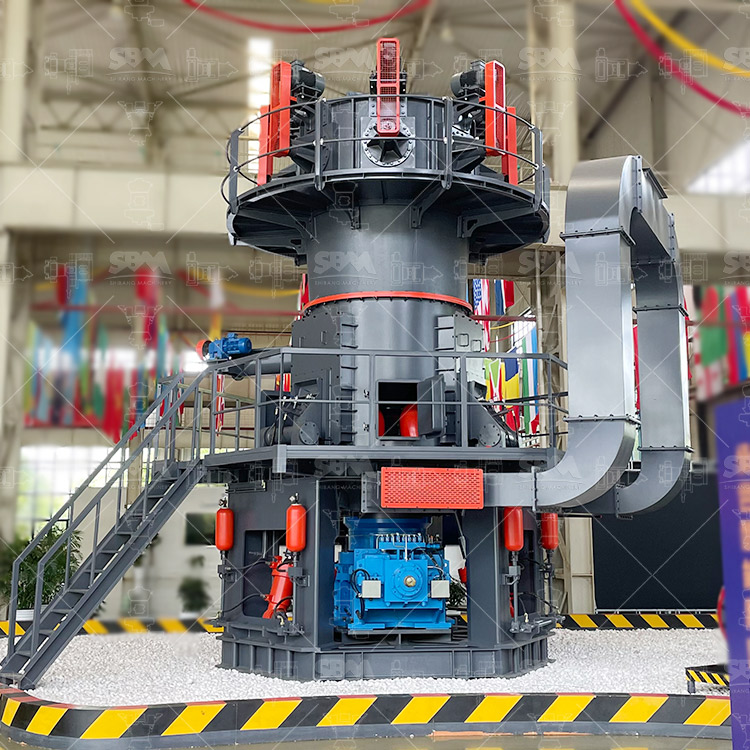
The layout and integration of equipment are as important as the equipment selection itself. A well-designed line considers material flow, accessibility for maintenance, energy efficiency, and dust control. Modern mills like the LM Series Vertical Roller Mill offer integrated designs that combine crushing, grinding, drying, and classification in a single unit, reducing footprint by 50% and infrastructure costs. Furthermore, the adoption of intelligent control systems—expert-level auto-control with remote monitoring capabilities—minimizes manual intervention, ensures consistent product parameters, and optimizes energy usage across the entire line.
The transformation of raw illite into a high-value feed additive hinges on sophisticated grinding and processing technology. The strategic selection between high-capacity mills like the MTW Series for standard-grade products and ultra-fine mills like the SCM Series for premium-grade additives allows producers to precisely target their market segment. By integrating these advanced mills with robust auxiliary systems and intelligent controls, manufacturers can establish a production line that delivers consistent, high-quality illite powder, maximizes operational efficiency, minimizes environmental impact, and ultimately provides the animal nutrition industry with a reliable and effective functional additive. Investing in the right processing machinery is an investment in product performance and market competitiveness.