Illite, a non-expanding clay mineral, is widely used in the chemical industry as a filler, coating agent, and catalyst carrier. The production of chemical grade illite powder requires precise control over particle size distribution, purity, and surface area. This article provides a comprehensive guide to the key machinery, process flow, and selection criteria for equipment used in producing high-quality illite powder.
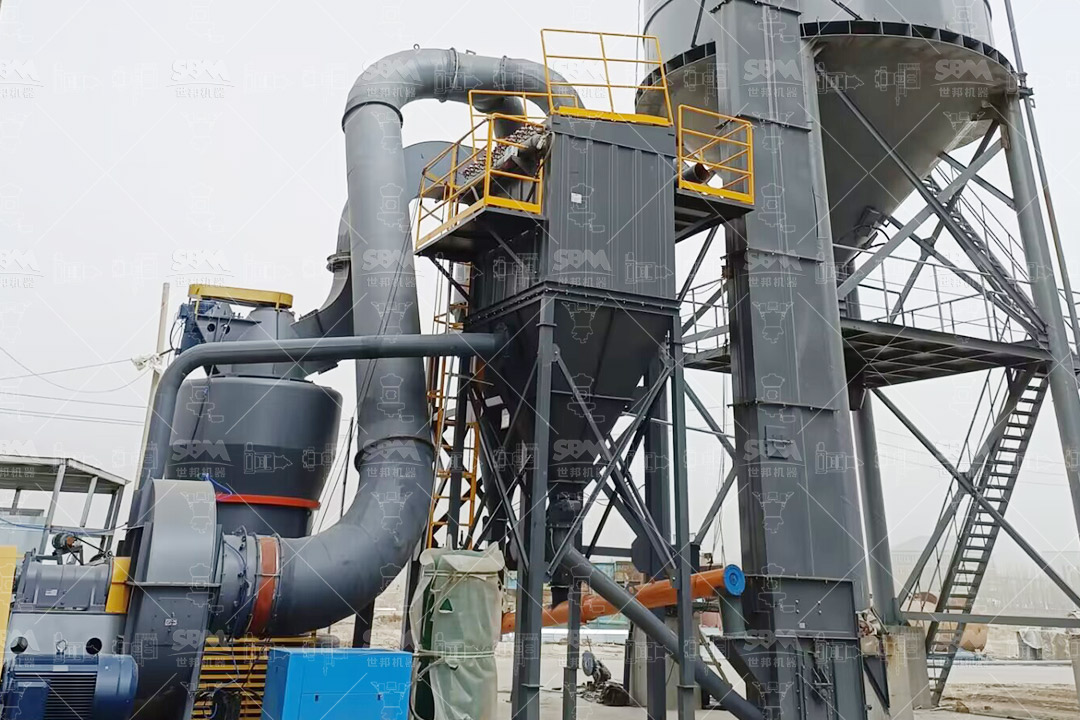
The core of any illite powder production line is the grinding mill. Based on the required fineness and throughput, different types of mills are employed. For chemical grade illite, which typically requires a fineness of 325 mesh (45 μm) to 1250 mesh (10 μm) or even finer, ultrafine grinding mills are essential. The following machinery represents the industry standard for this application:
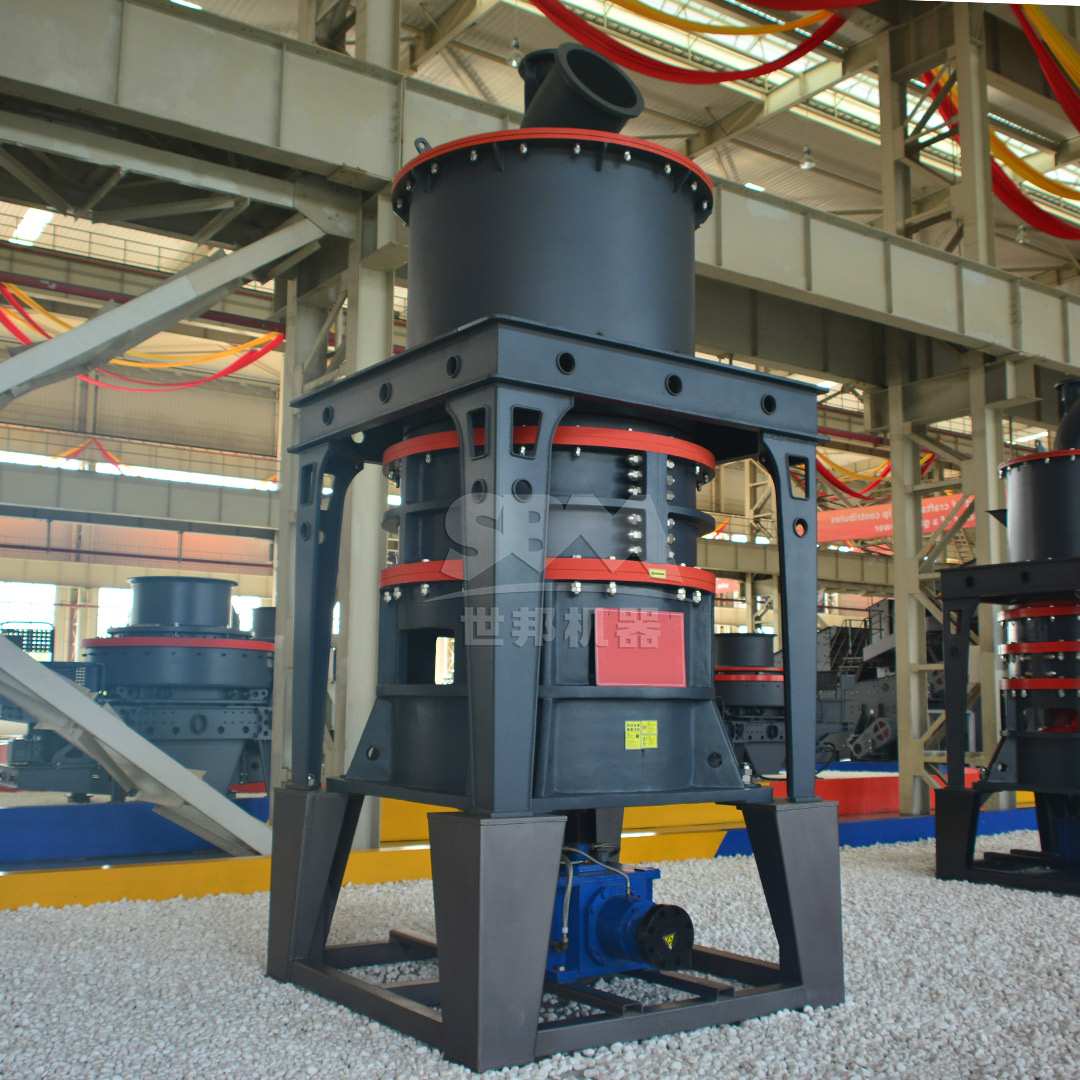
For producing ultra-fine illite powder with high added value, the SCM Series Ultrafine Mill stands out. Its unique multi-layer grinding ring design and high-precision vertical turbine classifier ensure a uniform particle size with no coarse powder mixing. This is critical for chemical applications where consistency is paramount.
| Model | Capacity (t/h) | Main Power (kW) | Feed Size (mm) | Fineness (mesh) |
|---|---|---|---|---|
| SCM800 | 0.5-4.5 | 75 | 0-20 | 325-2500 |
| SCM900 | 0.8-6.5 | 90 | 0-20 | 325-2500 |
| SCM1000 | 1.0-8.5 | 132 | 0-20 | 325-2500 |
| SCM1250 | 2.5-14 | 185 | 0-20 | 325-2500 |
| SCM1680 | 5.0-25 | 315 | 0-20 | 325-2500 |
Recommended Product: For chemical plants requiring high-capacity ultrafine production with energy savings of up to 30% compared to jet mills, the SCM1250 Ultrafine Mill offers a perfect balance of throughput (up to 14 t/h) and precision. Its intelligent control system with automatic finished product granularity feedback ensures consistent quality.
For applications where the target fineness is between 45 μm and 600 μm, such as in the production of illite for rubber or plastic fillers, the MTW Series European Trapezium Mill is the preferred choice. Its integral bevel gear drive achieves a transmission efficiency of 98%, significantly reducing operational costs.
| Model | Capacity (t/h) | Main Power (kW) | Feed Size (mm) | Fineness (mesh) |
|---|---|---|---|---|
| MTW138Z | 6-17 | 90 | <35 | 10-325 |
| MTW175G | 9.5-25 | 160 | <40 | 10-325 |
| MTW215G | 15-45 | 280 | <50 | 10-325 |
The standard process for producing chemical grade illite powder involves several stages:
Selecting the correct equipment for illite powder production depends on three primary factors: target fineness, required capacity, and capital/operational cost constraints.
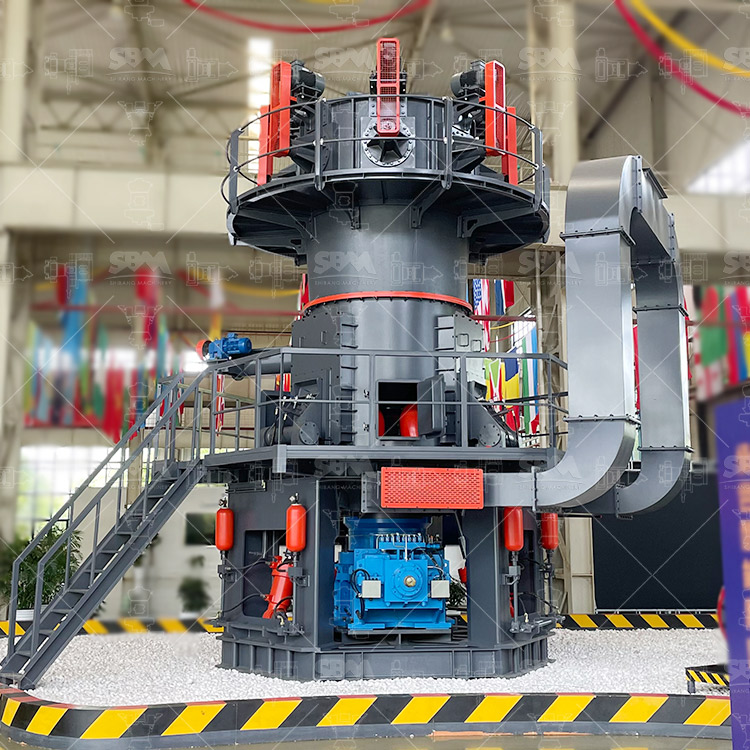
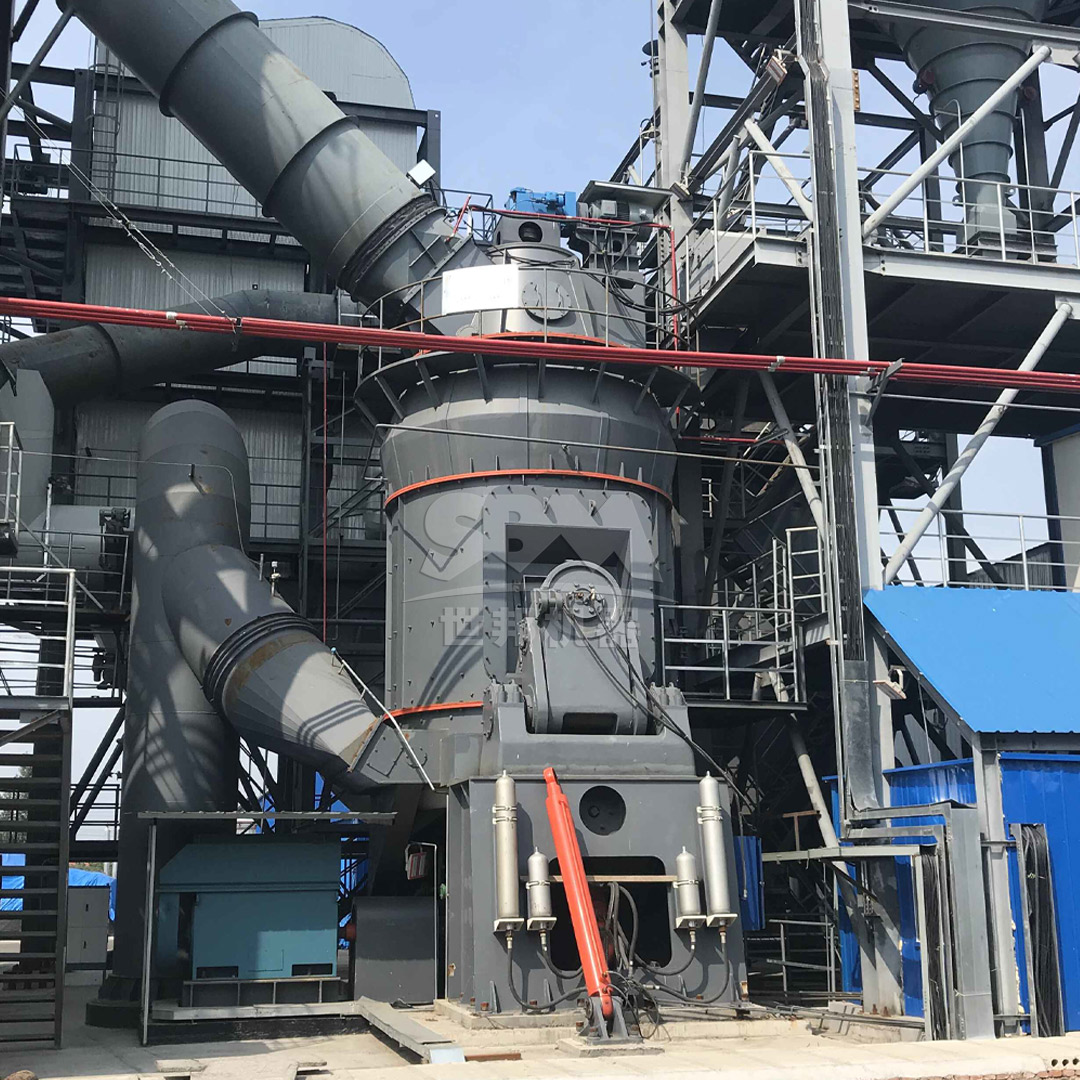
For large-scale production (over 20 t/h), the LM Series Vertical Roller Mill is unmatched, with capacities reaching up to 250 t/h. Its non-contact design between rollers and table extends wear part life by three times compared to traditional mills. However, for medium-scale operations (5-25 t/h), the SCM1250 or MTW215G offer excellent ROI with lower initial investment.
| Criteria | SCM Ultrafine Mill | MTW Trapezium Mill | LM Vertical Mill |
|---|---|---|---|
| Fineness Range | 325-2500 mesh | 10-325 mesh | 30-325 mesh |
| Capacity Range | 0.5-25 t/h | 3-45 t/h | 3-250 t/h |
| Best Application | Ultrafine chemical powder | High-volume standard fillers | Mass production & pre-grinding |
| Energy Efficiency | 30% lower than jet mills | 98% transmission efficiency | 30-40% lower than ball mills |
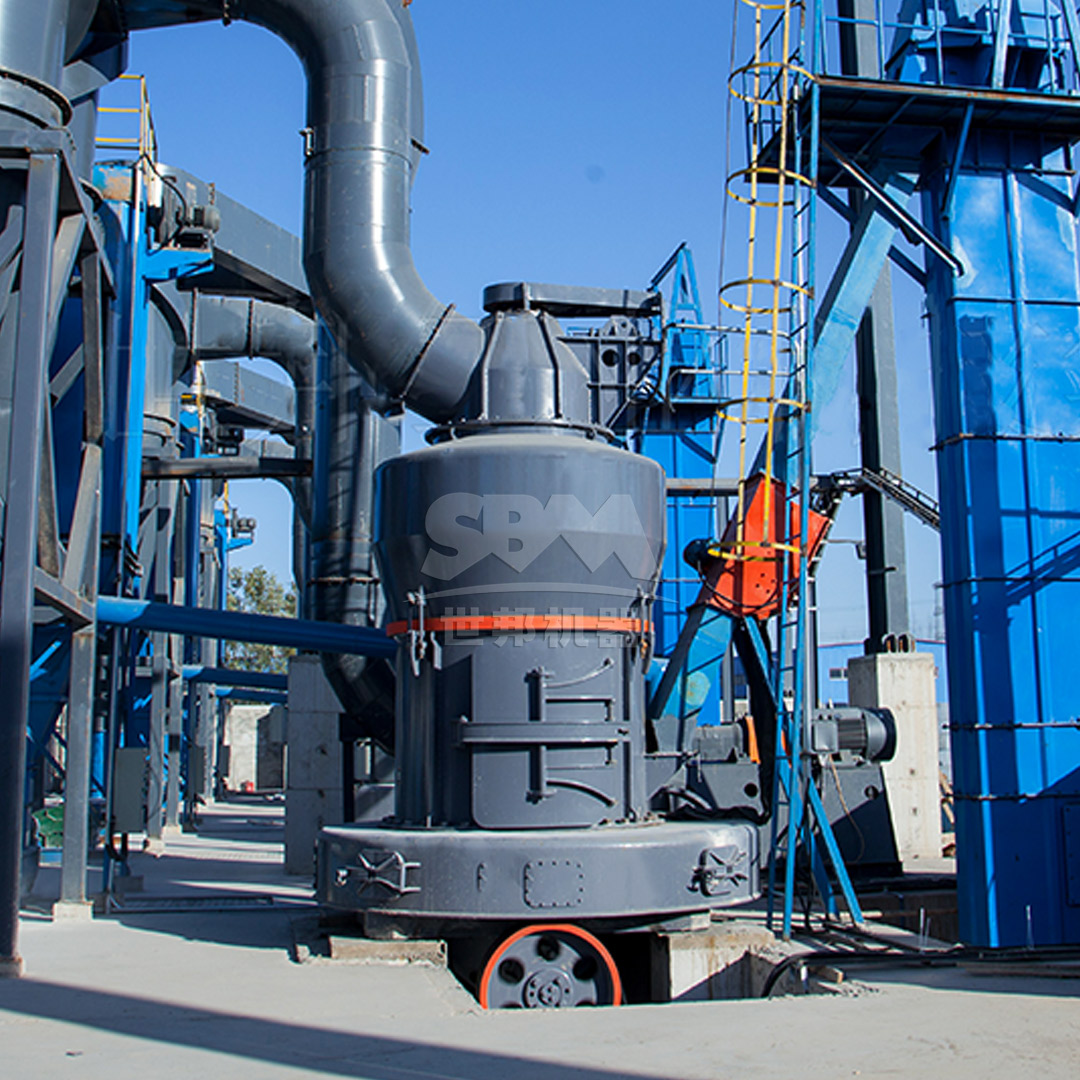
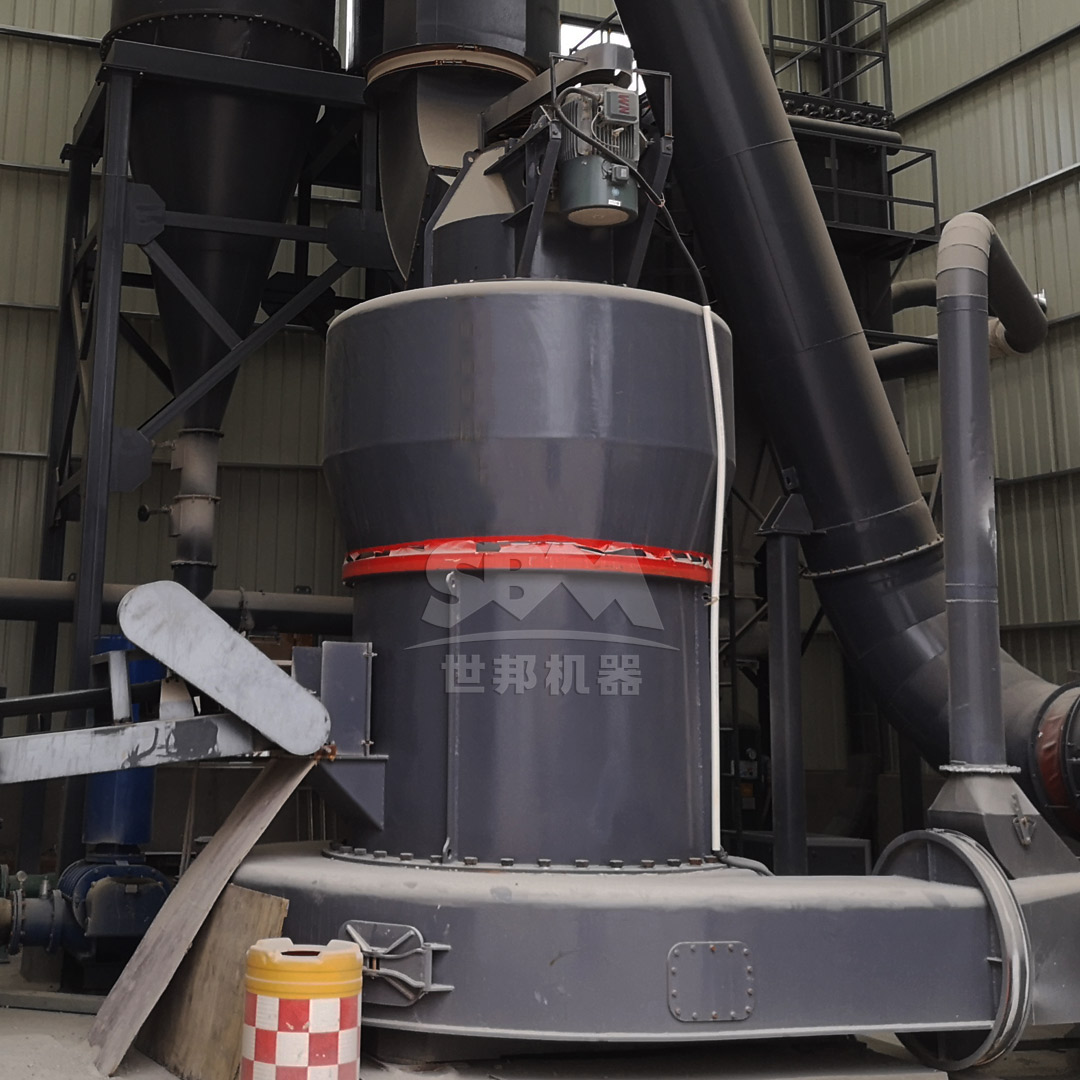
Beyond the main grinding mill, a complete illite powder plant requires robust auxiliary systems. The Hammer Mill (model PC4015-132) serves as an efficient pre-crusher for reducing raw ore to 0-3mm, while the MRN Pendulum Mill with its thin oil lubrication system offers a maintenance-free option for higher throughput in coarse grinding stages. For environmental compliance, integrating a high-efficiency pulse dust collector is mandatory.
Producing chemical grade illite powder demands machinery that balances precision, capacity, and durability. The SCM Series Ultrafine Mill delivers exceptional performance for ultra-fine applications, while the MTW Series provides robust solutions for standard filler production. By selecting equipment with intelligent control systems and durable wear parts, operators can ensure consistent product quality and minimized downtime. For a customized solution, consulting with equipment suppliers who offer complete line integration—from crushers to classifiers—is highly recommended.