Attapulgite, a naturally occurring magnesium-aluminum phyllosilicate, is prized for its unique colloidal, rheological, and adsorption properties. Often referred to as ‘palygorskite,’ this clay mineral is widely utilized in industries ranging from drilling fluids and paints to pharmaceuticals and agricultural carriers. For most industrial applications, a standard fineness of 100 mesh (approximately 150 microns) is a critical benchmark. Producing a consistent, high-quality 100-mesh attapulgite powder efficiently, however, presents several engineering challenges. The material’s inherent fibrous nature, high moisture absorption, and moderate hardness require specialized milling equipment that can not only grind effectively but also classify precisely without over-grinding. This article explores the optimal strategies and technologies for achieving efficient grinding and classification of attapulgite to 100 mesh, focusing on equipment selection, process optimization, and key operational parameters.
Before selecting equipment, it is vital to understand the physical and chemical characteristics of attapulgite. Unlike brittle minerals like calcite or limestone, attapulgite has a chain-like crystal structure that gives it a fibrous morphology. This structure leads to several processing difficulties:
Therefore, the ideal production system must integrate robust pre-drying, high-efficiency grinding, and a high-precision classification system capable of breaking down agglomerates.
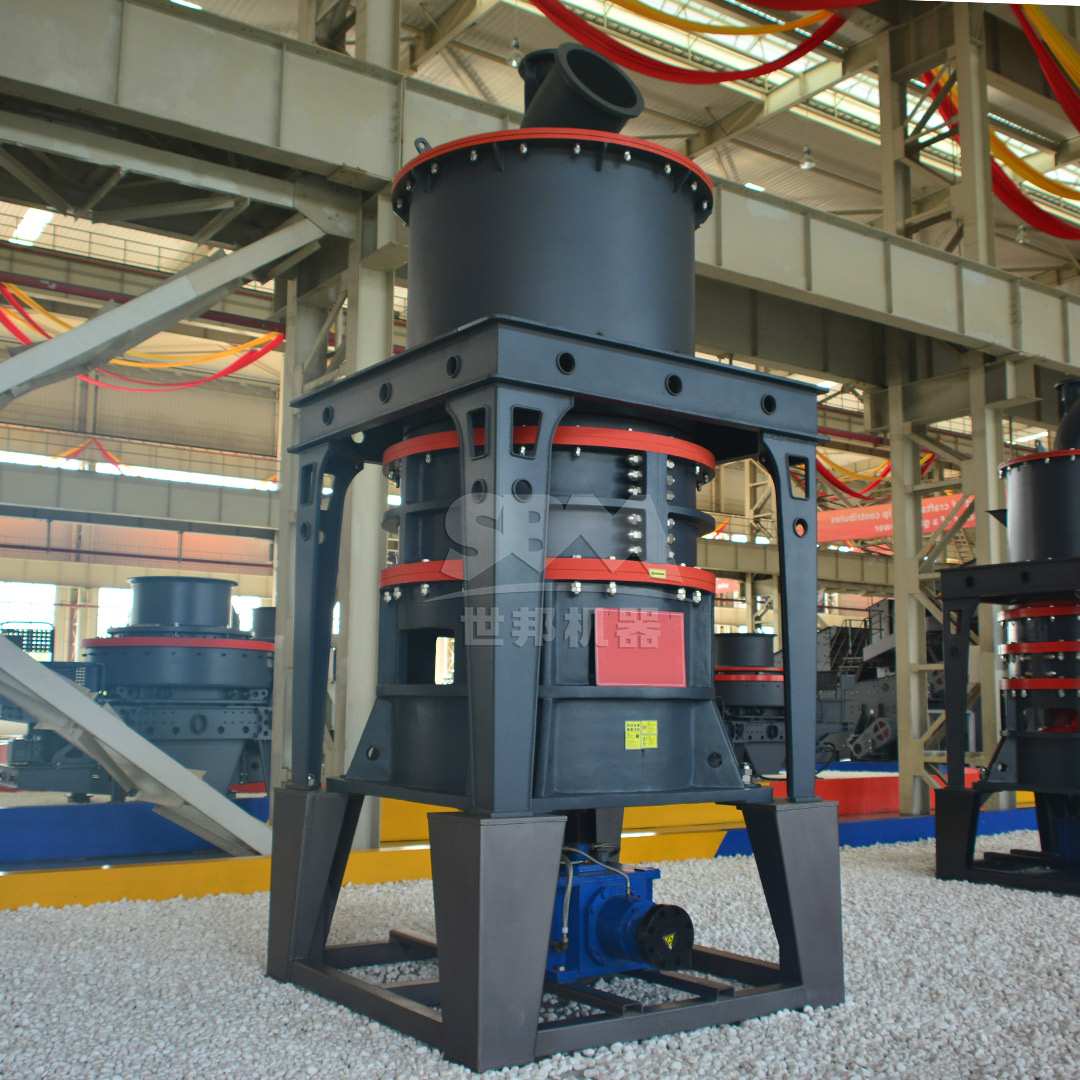
Grinding attapulgite to 100 mesh (149 microns) can be accomplished using several mill types, but efficiency varies significantly. Traditional ball mills, while robust, suffer from high energy consumption and a broad particle size distribution, making it difficult to achieve a ‘cut’ at 100 mesh without a large recirculation load. For this task, roller mills are generally the superior choice due to their high efficiency, low specific energy consumption, and built-in classification capabilities. The key to efficient grinding lies in the principle of ‘bed grinding.’ Here, material is fed between grinding rollers and a rotating grinding table or ring. The applied hydraulic or spring pressure compresses the material layer, causing inter-particle crushing. This method is significantly more energy-efficient than impact crushing in a ball mill because all the energy is focused on the material bed.
Grinding alone is insufficient; the system must separate the fine product from the coarse material that requires further grinding. For 100-mesh attapulgite, the classifier is the critical component that determines the final product’s consistency and production efficiency. Modern vertical turbine classifiers offer several advantages over traditional centrifugal separators:
Given the material’s properties and the required output, we recommend two principal equipment lines from our product portfolio.
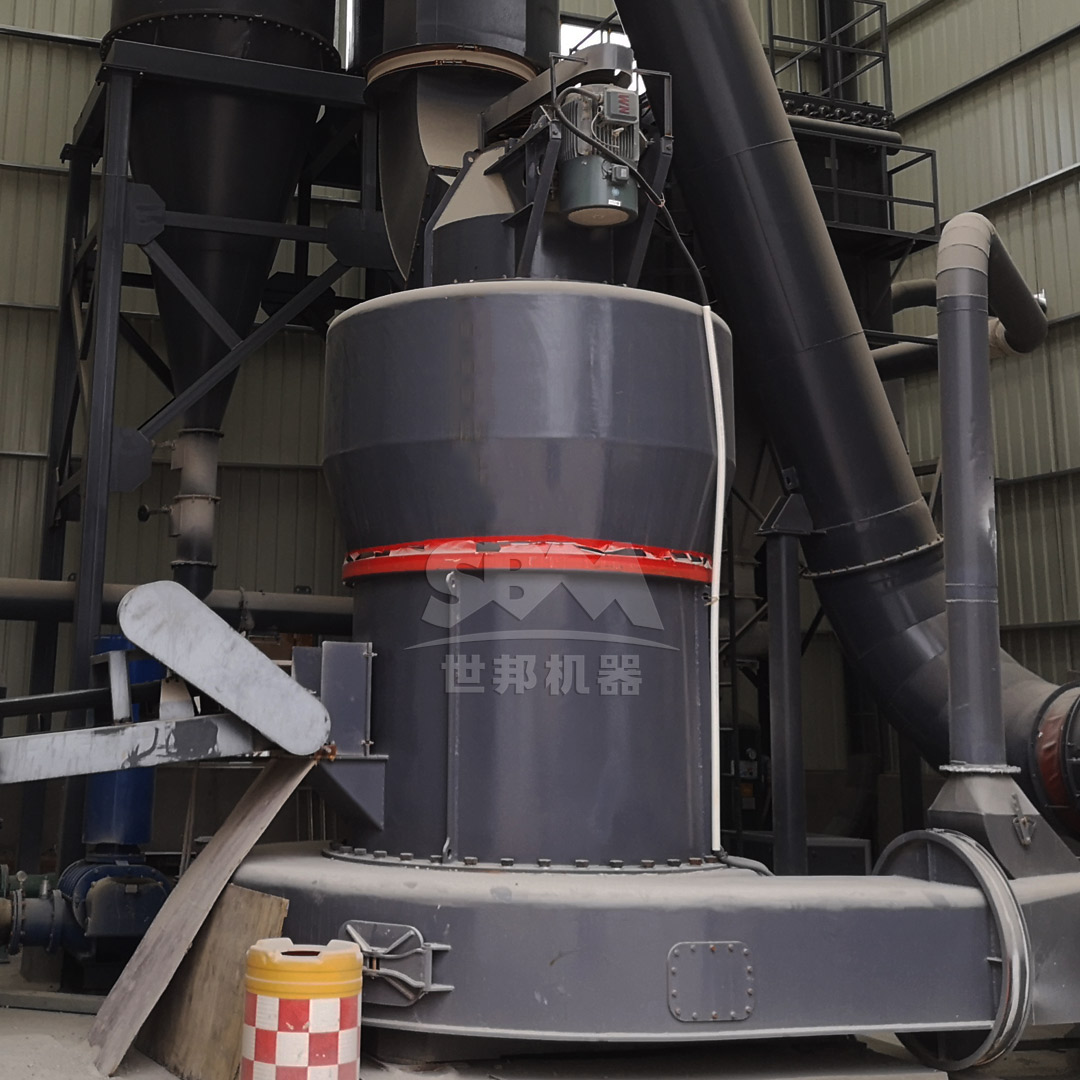
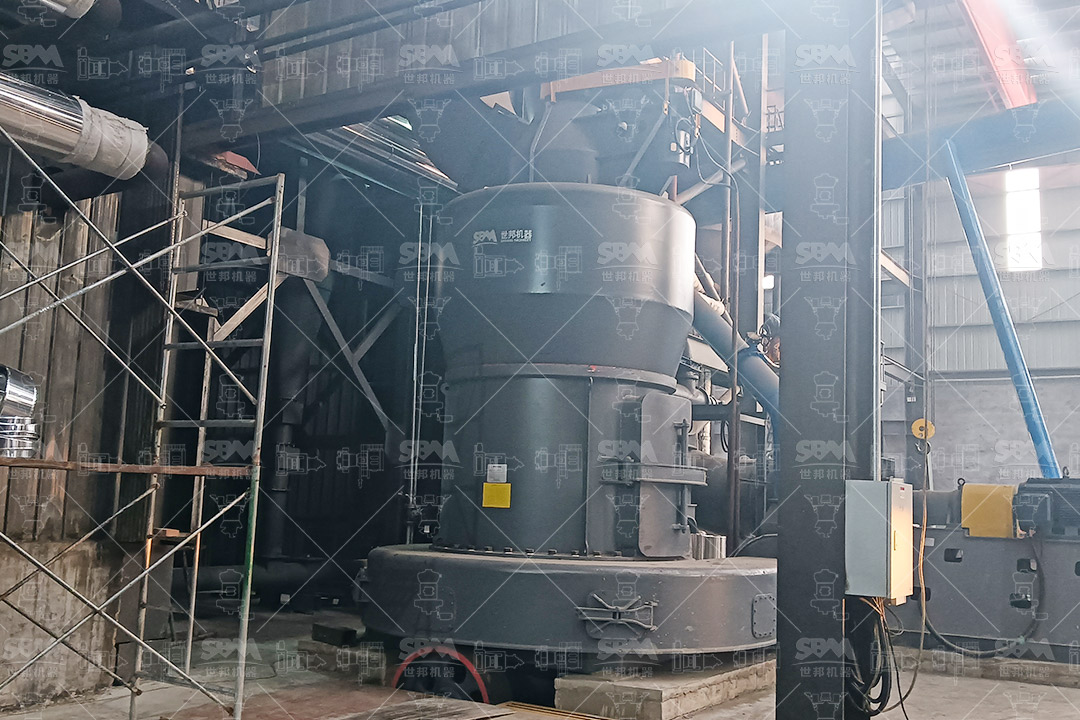
For medium to high capacity requirements (3-45 t/h, 100 mesh), the MTW Series European Trapezium Mill is an excellent choice. Its robust design features a unique anti-wear shovel and an optimized arc air duct that reduces airflow energy loss. The integral bevel gear drive provides transmission efficiency up to 98%, significantly lowering operational costs. With a fine output range from 30 to 325 mesh, it is perfectly suited for producing large volumes of consistent 100-mesh attapulgite powder. The models MTW138Z or MTW175G are ideal for mid-to-large-scale operations, offering capacities of 6-17 t/h and 9.5-25 t/h respectively.
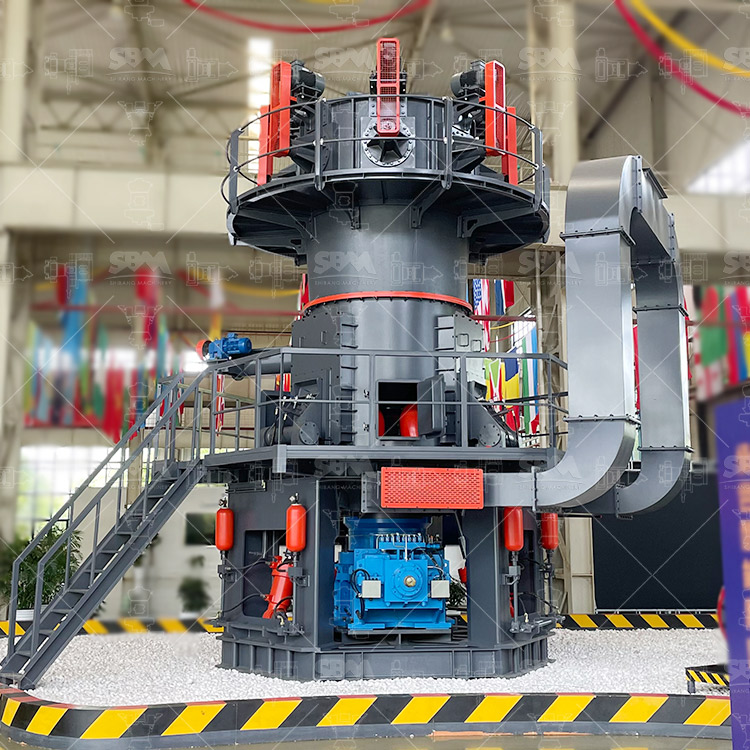
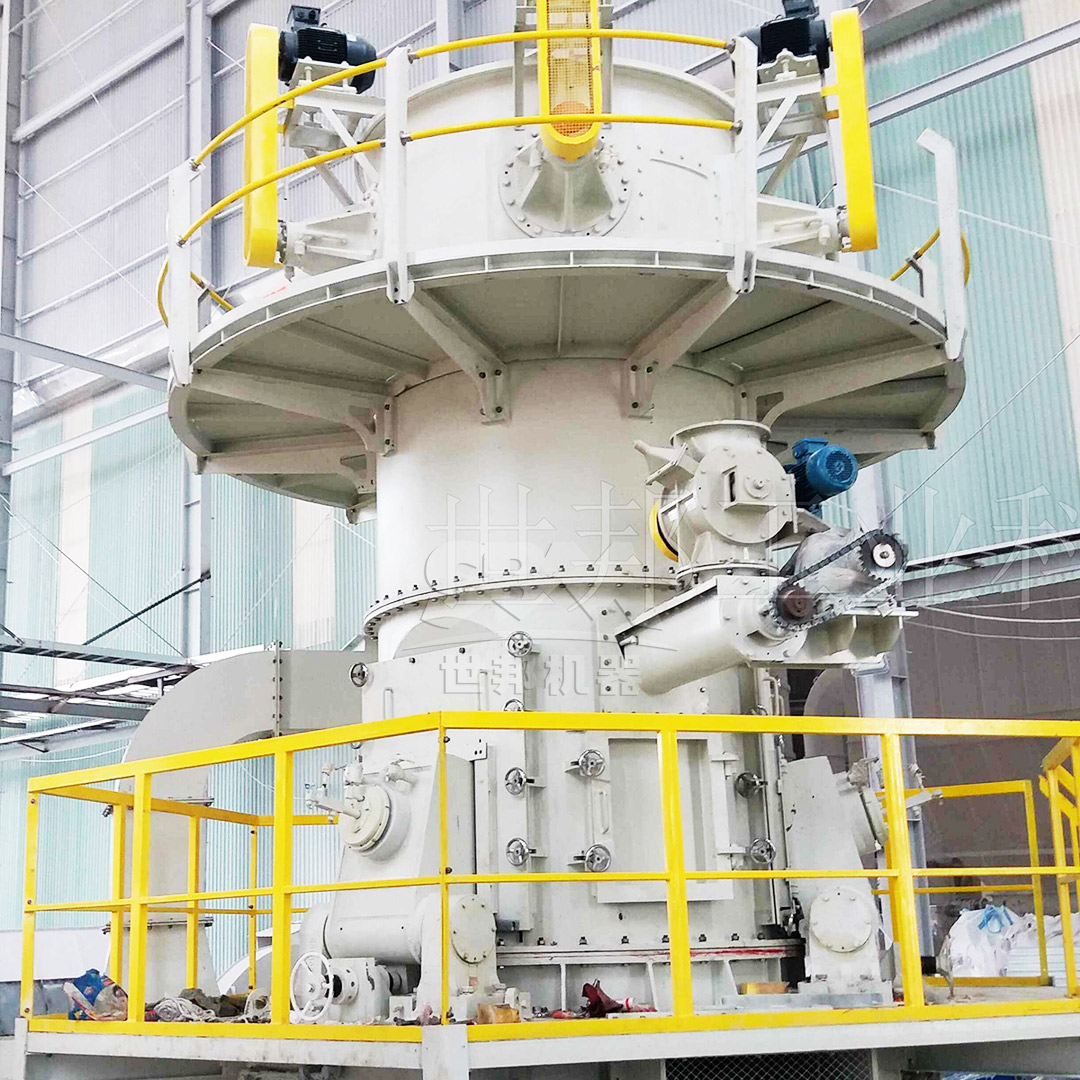
For operations requiring a finer product alongside the 100-mesh baseline, or for higher capacity large-scale projects, the LM Series Vertical Roller Mill is the premier solution. With an integrated design that combines crushing, grinding, and selection, the LM series can reduce floor space by 50%. Its capacity range from 3 to 250 t/h makes it suitable for the largest mining operations. The non-contact design between rollers and table drastically extends wear part life, and the intelligent control system ensures precise, automated operation. For 100-mesh production, models like the LM130K or LM150K provide a perfect balance of efficiency and throughput. The vertical mill’s ability to handle large feed sizes (up to 50mm) also simplifies the need for extensive primary crushing.
| Feature | MTW Series (Trapezium) | LM Series (Vertical) |
|---|---|---|
| Feed Size | ≤50 mm | ≤50 mm |
| Fineness Range | 30-325 mesh | 30-325 mesh |
| Ideal Capacity (t/h) | 3-45 t/h | 3-250 t/h |
| Energy Efficiency | High (Up to 98% gear drive efficiency) | Very High (30-40% less than ball mill) |
| Key Advantage | Excellent for medium tonnage, low operating costs | Best for high tonnage, integrated system, minimal footprint |
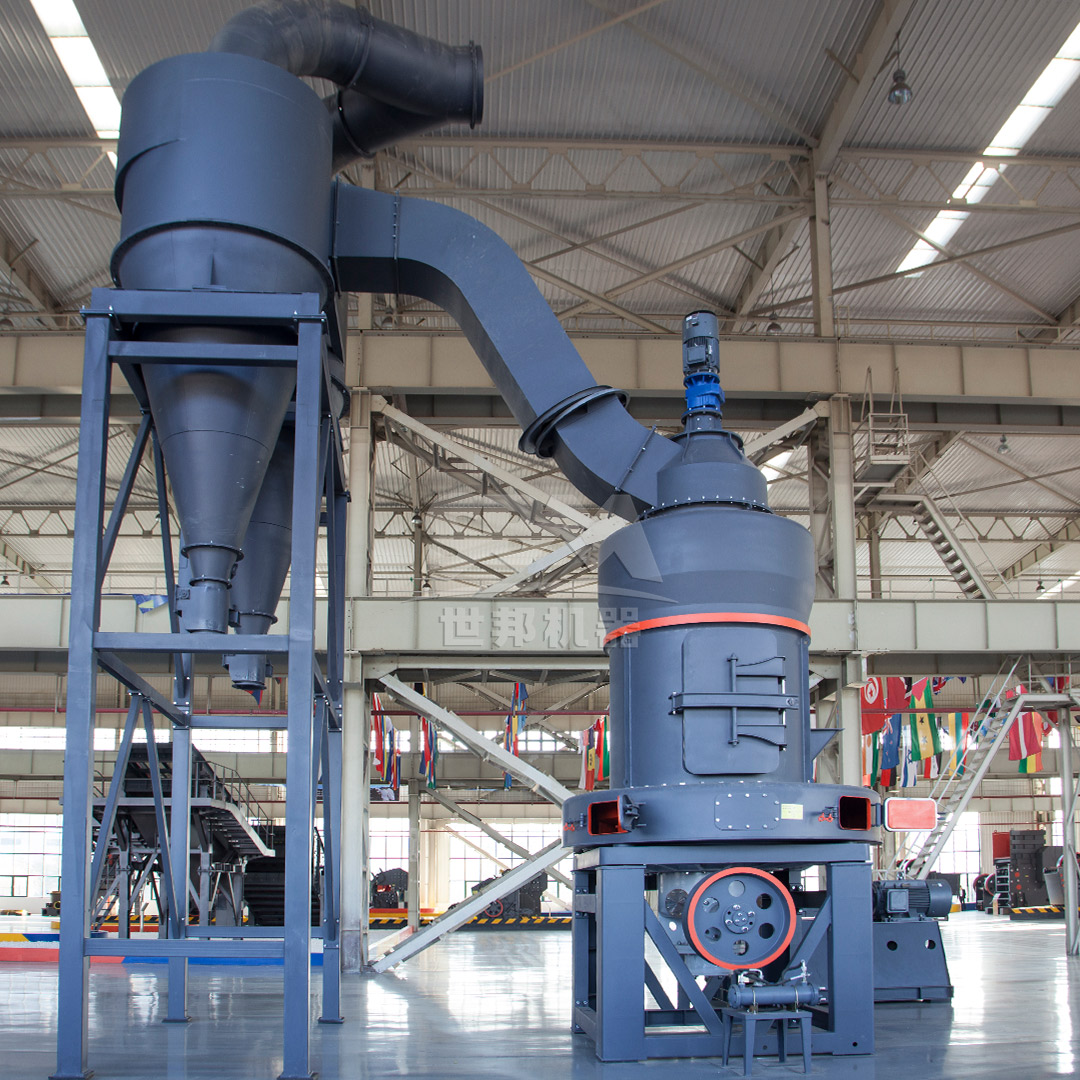
An efficient 100-mesh attapulgite production line involves several interconnected stages. First, raw material with high moisture content must pass through a rotary drum dryer to achieve a moisture content of less than 2%. The dried material, often around 0-50mm in size, is then fed via a vibrating feeder into the main grinding mill. Inside the mill, the material is crushed and ground by the rotating rollers. The ground material is then swept by an air stream into the built-in classifier. Coarse particles are rejected and returned to the grinding zone for further size reduction. The fine particles, meeting the 100-mesh specification, pass through the classifier and are carried by the air stream into a high-efficiency pulse jet dust collector. Here, the finished powder is separated from the air. The clean air is exhausted, and the finished powder is conveyed by a screw conveyor or pneumatic system to the storage silo or packing station.
To maximize the efficiency of the recommended mills for attapulgite, several advanced features should be highlighted:
Achieving efficient grinding and classification of attapulgite to 100 mesh is a complex but manageable task. The key lies in selecting equipment that addresses the material’s unique challenges—fibrous structure, moisture, and abrasivity—while maximizing energy efficiency and product consistency. Whether the choice is the robust, energy-efficient MTW European Trapezium Mill for medium throughput, or the high-capacity, fully integrated LM Vertical Roller Mill for large-scale operations, modern roller mill technology provides the precision, durability, and intelligence necessary to produce a premium product. By investing in the correct system configuration and leveraging advanced features like intelligent control and high-precision classification, producers can significantly reduce their operational costs, improve product quality, and maintain a competitive edge in the market.