Cobalt powder, particularly with a particle size of 100 mesh (approximately 150 microns), is a critical raw material for various high-tech industries, including battery manufacturing, cemented carbides, magnetic materials, and catalysts. Achieving the precise particle size distribution, high purity, and consistent morphology required for these applications demands a sophisticated understanding of the grinding process. This article provides a comprehensive guide to optimizing 100-mesh cobalt powder production, focusing on the crucial aspects of equipment selection, processing parameters, and rigorous quality control.
Producing cobalt powder at the 100-mesh specification is not merely about reducing particle size; it is about creating a product with specific physical and chemical properties. Over-grinding can lead to excessive fines, which negatively impact flowability and packing density. Under-grinding results in oversized particles that fail to meet specifications. Therefore, a balanced, efficient, and controllable milling system is paramount.
The choice of milling equipment is the single most important decision in the production line. For 100-mesh cobalt powder, which sits at the coarser end of fine grinding, several technologies are suitable, each with its own strengths. The key is to select a system that offers high throughput, precise particle size control, and minimal contamination.
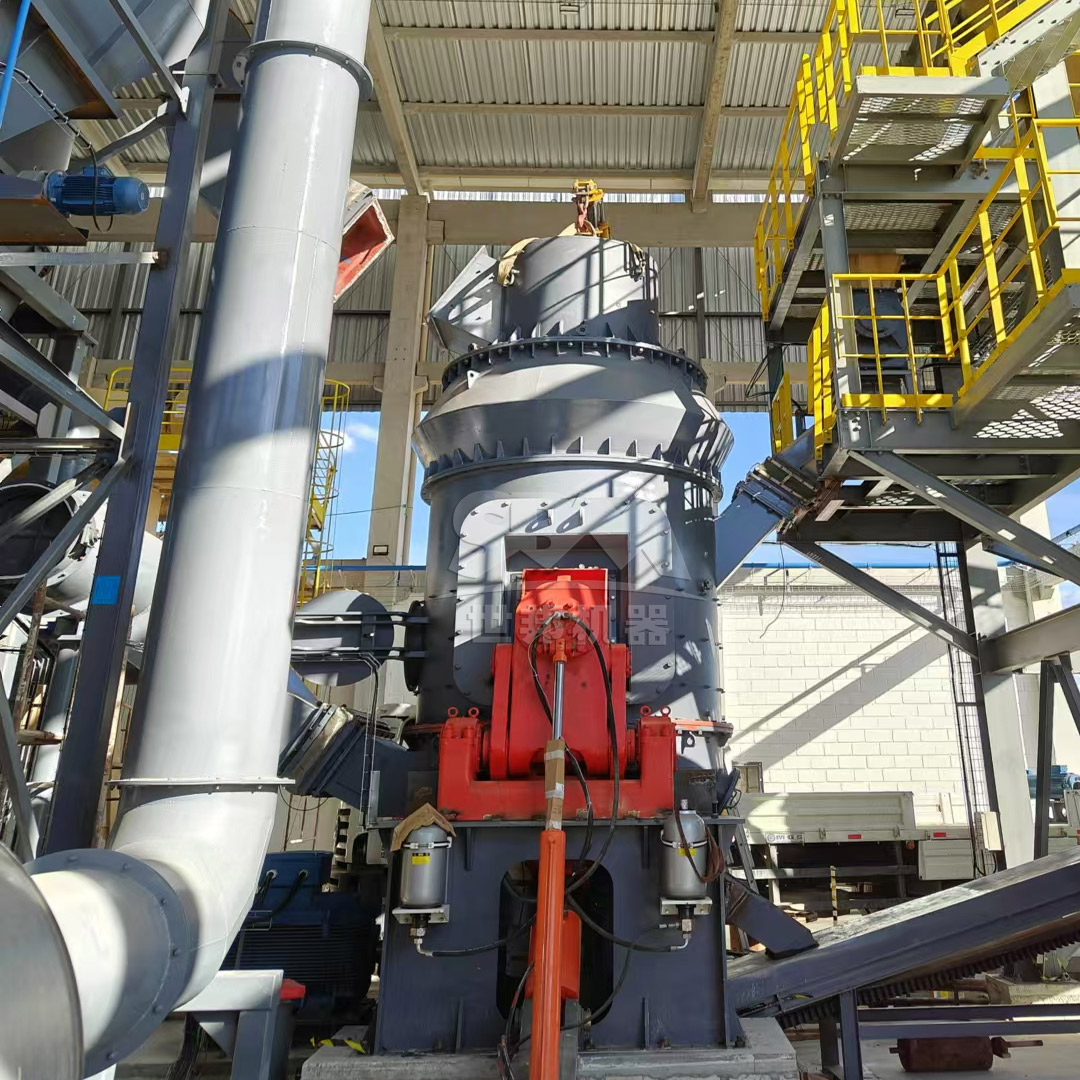
Ball mills are a proven and reliable technology for grinding materials down to the 0.074-0.8mm range, which comfortably covers the 100-mesh target. They are known for their robust construction and large capacity. For a 100-mesh application, a ball mill offers a high crushing ratio and continuous fineness adjustment.
| Advantage | Detail |
|---|---|
| Wide Application | Suitable for dry and wet grinding modes. |
| High Crushing Ratio | Up to 300:1, offering significant size reduction in a single pass. |
| Large Capacity | Models are available to handle from 0.65 to 450 tons per hour, ideal for large-scale production. |
| Stability & Reliability | Proven technology with a long operational life and reduced downtime. |
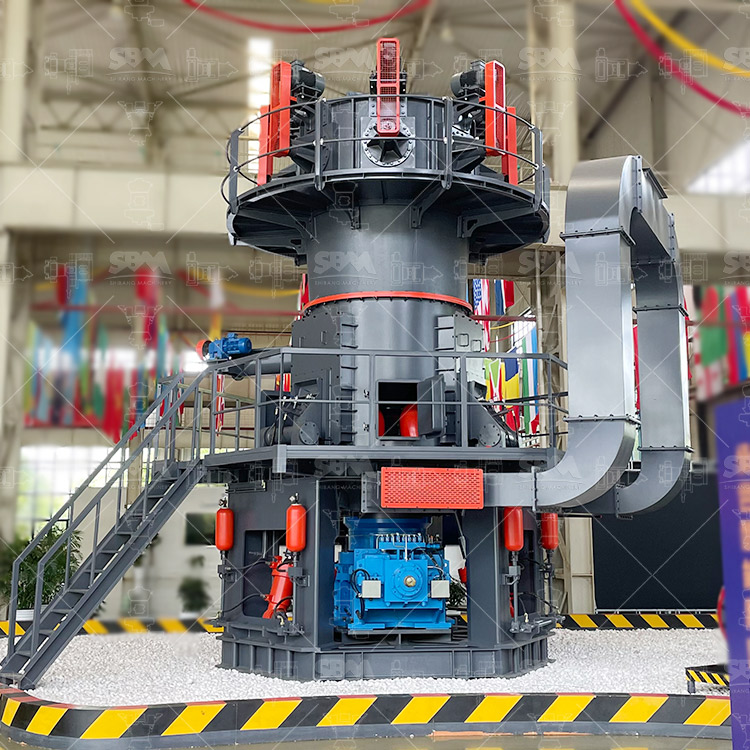
For applications demanding higher efficiency and a narrower particle size distribution, the MTW Series European Trapezium Mill is an excellent choice. Its output fineness ranges from 30-325 mesh, making it perfectly suited for 100-mesh production. The mill features an optimized arc air duct which reduces energy loss, and an integral bevel gear drive that boosts transmission efficiency to an impressive 98%. Its anti-wear shovel design significantly lowers maintenance costs for high-hardness materials like cobalt.
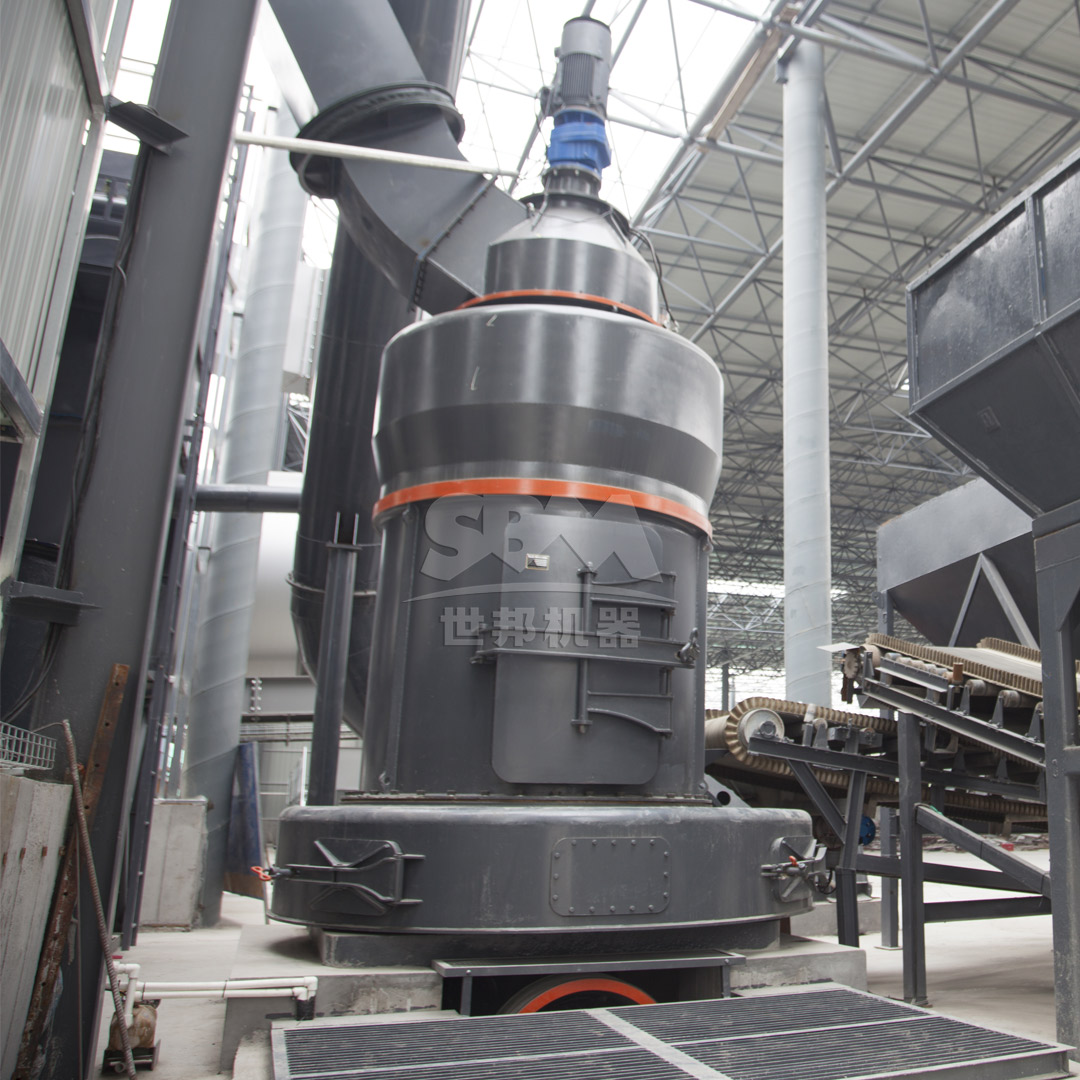
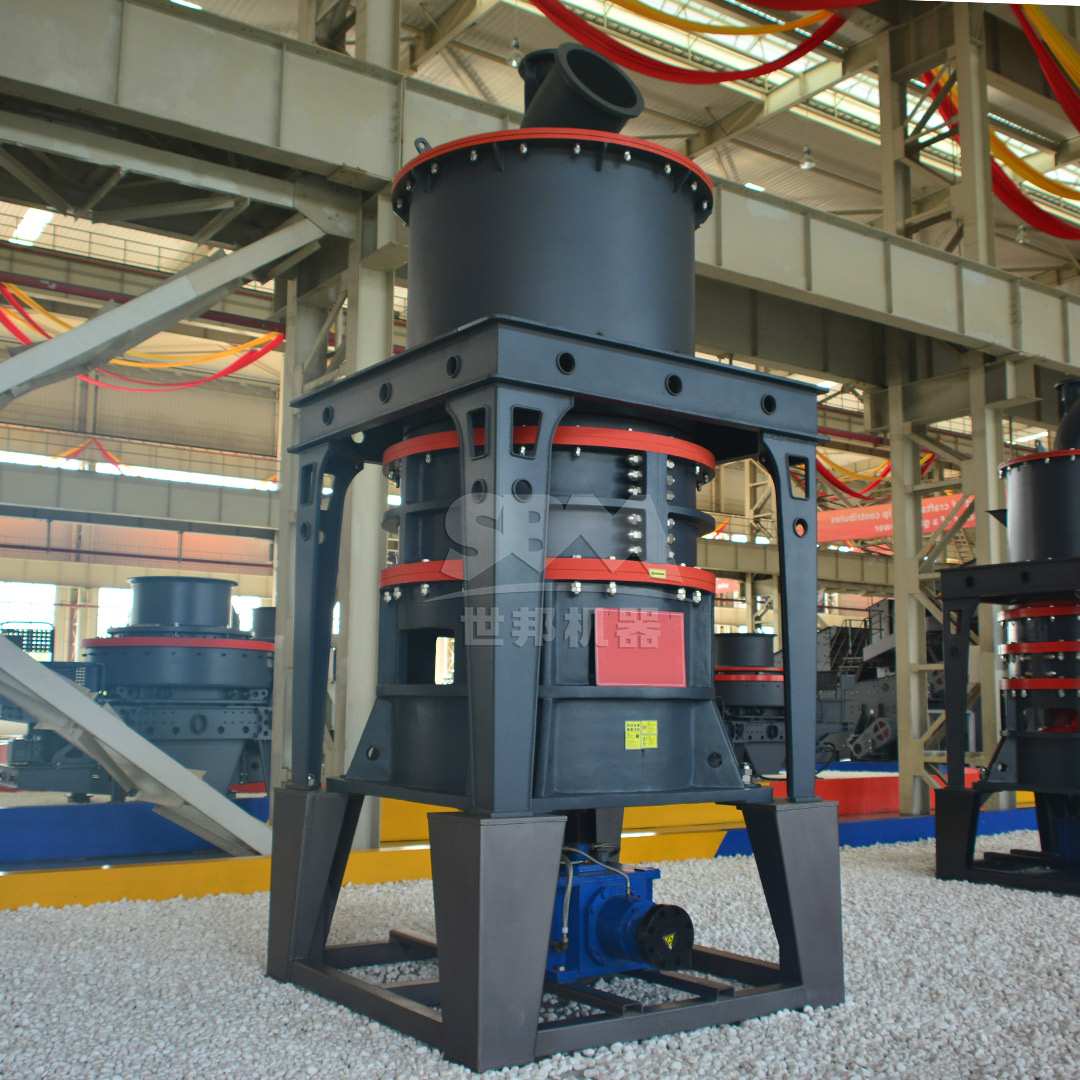
The MTM Series is another highly capable option, known for its intelligent pressure regulation system. This system automatically compensates for roller wear, ensuring consistent grinding performance over long periods. Its output fineness of 45-325 mesh and capacity of 3-22 ton/h makes it a versatile choice for medium-scale cobalt powder operations. The innovative roller assembly design protects main shaft bearings, ensuring long-term stability.
Based on your specific needs for 100-mesh cobalt powder production, we strongly recommend two of our premier products that offer the perfect balance of efficiency, precision, and cost-effectiveness.
Recommended Product 1: MTW Series European Trapezium Mill
For producers who prioritize energy efficiency and a superior particle shape, the MTW Series is the ideal solution. Its advanced bevel gear drive and optimized air duct can reduce your operating costs by up to 30% compared to traditional Raymond mills, while its high-precision classifier ensures a uniform 100-mesh product with minimal oversized particles. This is the machine of choice for high-value cobalt powder where quality control is paramount.
Recommended Product 2: Ball Mill (e.g., GMQG series)
For high-volume, continuous production lines where proven reliability and low initial investment are key, our Ball Mill series, such as the robust GMQG models, is the recommended choice. These mills provide exceptional crushing ratios and are built for 24/7 operation. With options ranging from 75kW to 1500kW, you can precisely match the mill’s capacity to your production targets, ensuring a steady and reliable supply of 100-mesh cobalt powder.
Even with the best equipment, achieving optimal 100-mesh results requires fine-tuning of two critical parameters: classifier speed and airflow (fan power).
The classifier acts as the gatekeeper for particle size. Increasing the rotational speed of the classifier rotor increases the centrifugal force on particles. Only particles fine enough to be drawn inward by the airflow will pass through, while coarser particles are rejected and returned to the grinding chamber. For targeting 100-mesh, a moderate classifier speed must be dialed in to cut off the particle stream at approximately 150 microns.
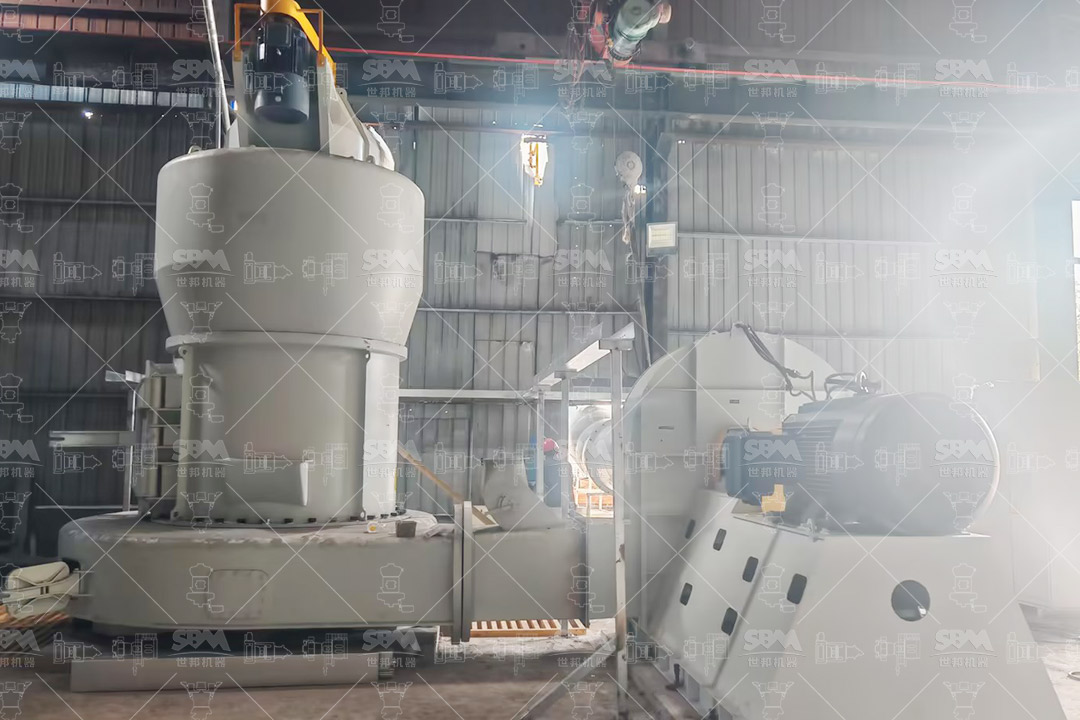
The airflow rate determines how quickly material is transported through the system. Too high an airflow can carry oversized particles to the classifier, leading to a coarse product. Too low an airflow reduces the system’s throughput. The fan power, which is a direct function of the airflow volume, must be balanced with the grinding pressure and classifier speed to ensure optimal material circulation and efficient removal of the product.
Quality control for 100-mesh cobalt powder is a multi-stage process that starts with the raw material and continues through to the final packaging.
| Control Parameter | Target/Standard for 100-Mesh Cobalt | Test Method |
|---|---|---|
| Particle Size (D50) | ~150 microns (100 mesh) | Laser Diffraction / Sieve Analysis |
| Oversized Particles (+100 mesh) | < 5% (or as per customer spec) | Sieve Analysis (No. 100 Sieve) |
| Contamination (Fe, etc.) | As low as possible (< 0.1% typical) | XRF / ICP-OES |
| Moisture Content | < 0.5% | Loss on Drying |
Optimizing 100-mesh cobalt powder production is a systematic task. It begins with selecting the right equipment, such as our Ball Mill for high-volume stability or our MTW Series for ultra-precise classification. From there, it requires careful control of processing parameters like classifier speed and airflow. Finally, a rigorous quality control plan ensures the final product consistently meets the exacting demands of advanced industrial applications. By leveraging our advanced milling technologies and adhering to these principles, you can achieve a superior 100-mesh cobalt powder that drives performance in your final product.