In the modern cement and construction materials industry, the utilization of industrial by-products such as water slag (granulated blast furnace slag) has become a cornerstone of sustainable development. Transforming this glassy, granular material into a fine, reactive additive requires specialized grinding equipment that can handle high abrasion, deliver precise particle size distribution, and maintain energy efficiency. This article delves into the key machinery and technical insights for producing high-quality cement water slag additives, focusing on the critical parameters that define efficient grinding operations.
Water slag is a by-product of iron smelting, characterized by its high hardness and abrasiveness. Its Mohs hardness typically ranges from 5 to 7, making it a challenging material to grind. The goal of the grinding process is to produce a fine powder with a specific surface area often exceeding 400 m²/kg, which activates its latent hydraulic properties. Achieving this fineness efficiently requires equipment that combines high-impact crushing with precise classification. The primary challenges include high energy consumption, rapid wear of grinding components, and the need for a consistent product fineness to meet cement blending standards.
A typical slag grinding plant integrates several critical machines, each playing a vital role in the size reduction and classification process. The selection of the primary grinding mill is the most crucial decision, as it dictates the plant’s overall efficiency, product quality, and operating costs. Below, we analyze the most effective mill types for this application.
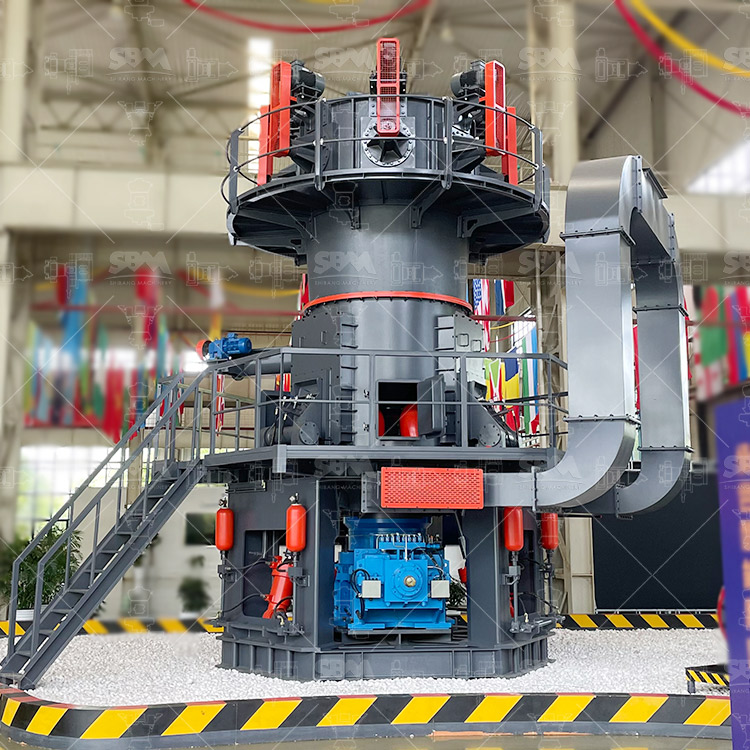
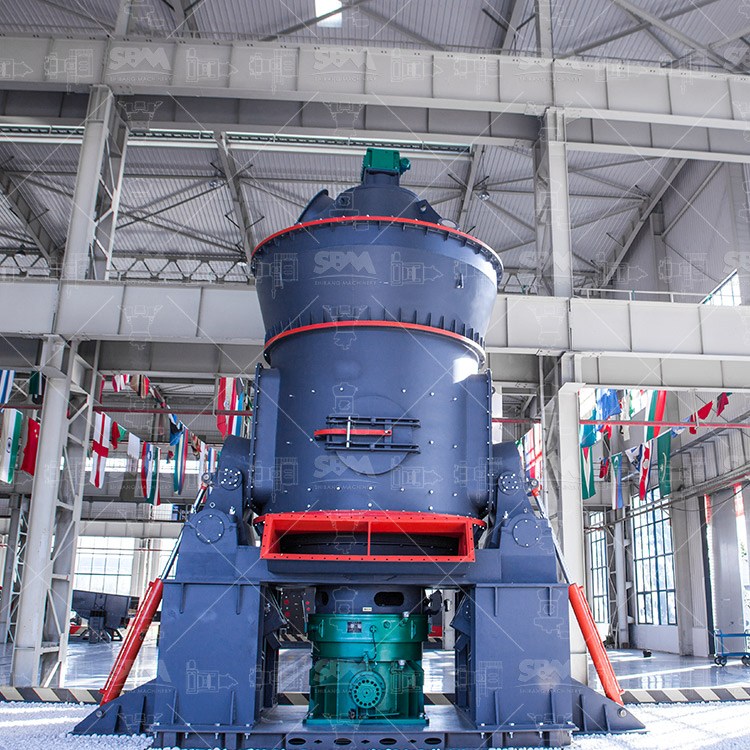
Vertical Roller Mills have become the industry standard for large-scale slag grinding due to their high efficiency and integrated drying, grinding, and classification capabilities. The LM Series Vertical Roller Mill is a prime example of this technology. Its working principle involves a rotating grinding table and stationary rollers that crush the material under hydraulic pressure. Hot air from the system dries the slag and conveys the fine particles to a dynamic classifier.
The technical advantages of VRMs for slag include a 30-40%% lower energy consumption compared to traditional ball mills, thanks to its non-contact design between rollers and table which minimizes wear. Furthermore, the integrated system reduces floor space by up to 50%%, allowing for outdoor installation and significant infrastructure savings. For slag-specific applications, models like the LM130N to LM370N are designed to handle high moisture content and achieve a specific surface area of 420-450 m²/kg, with capacities ranging from 4 to 110 tons per hour.
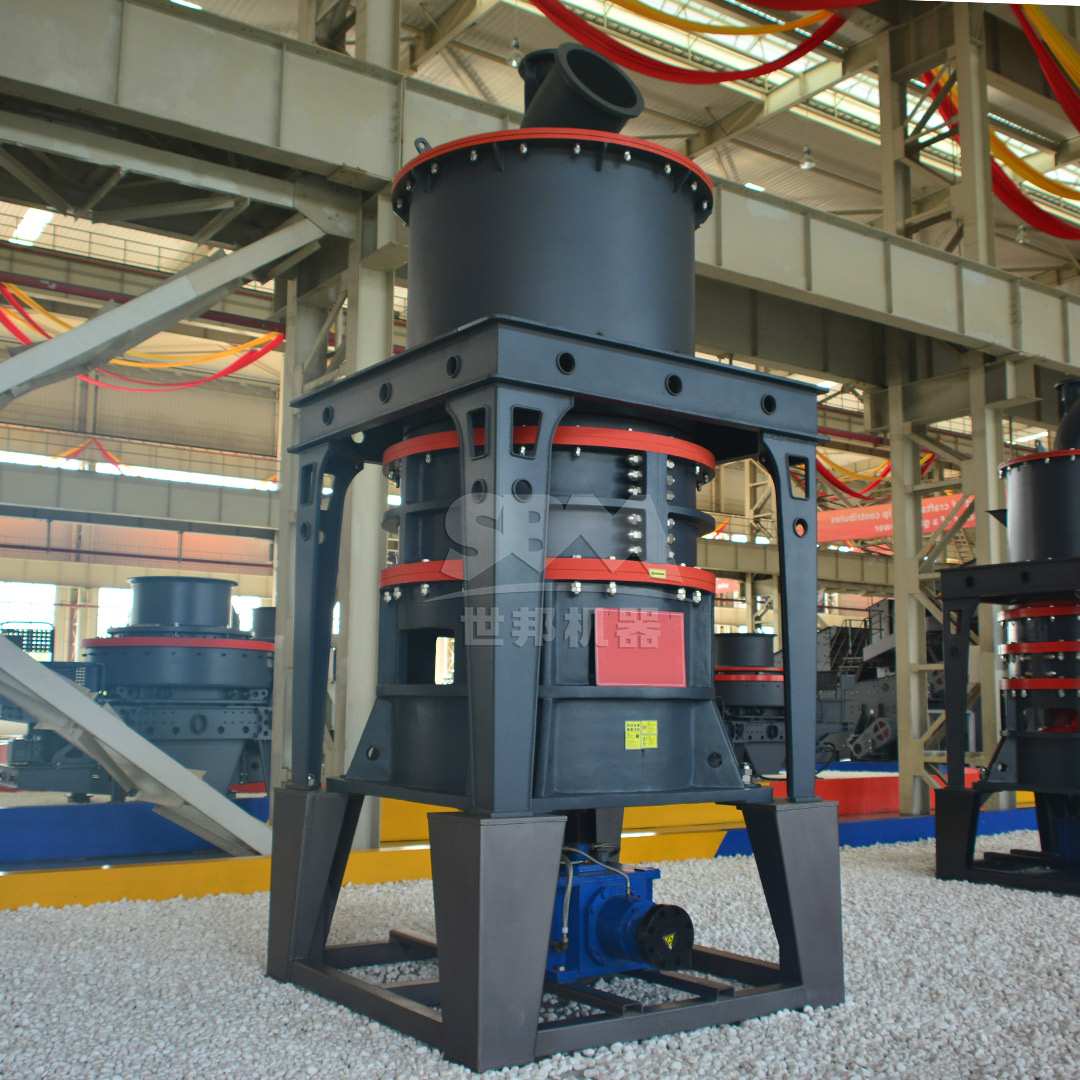
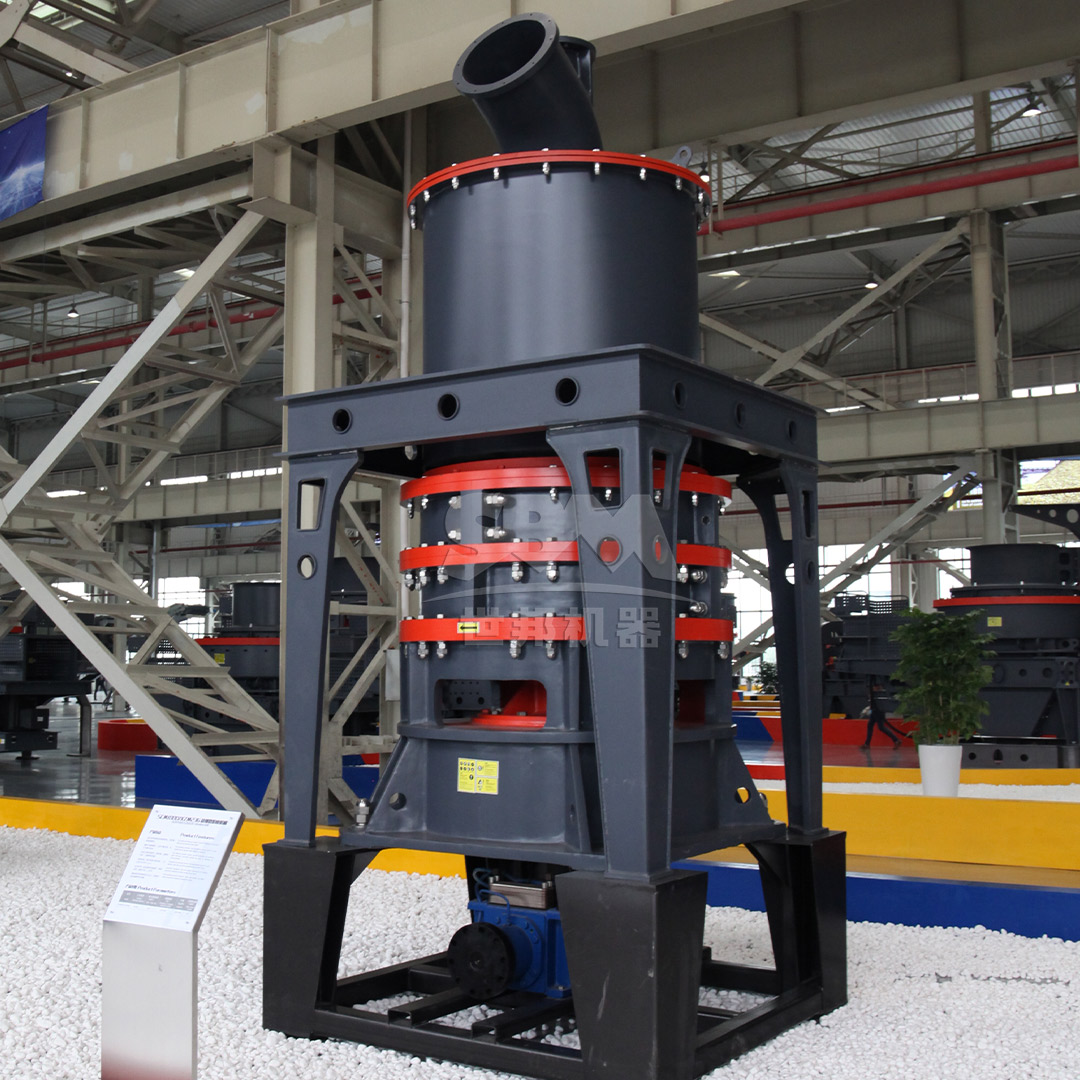
For applications requiring exceptionally high fineness, such as 325-2500 mesh (45-5 microns), ultra-fine grinding mills are essential. These mills are used to produce high-value slag powder for special cement types or concrete admixtures. The SCM Series Ultrafine Mill is engineered specifically for this demanding task. It utilizes a unique three-layer grinding ring design where materials are crushed by roller pressure layer by layer, ensuring uniform particle distribution.
For instance, our SCM1250 Ultrafine Mill exemplifies efficiency in this category. With a capacity of 2.5-14 tons per hour and a main power of 185kW, it can process feed materials up to 20mm down to a fineness of 325-2500 mesh. Its intelligent control system provides automatic finished product granularity feedback, optimizing energy use and throughput. The vertical turbine classifier ensures no coarse powder mixing, which is critical for maintaining the high reactivity of the slag additive.
| Model | Capacity (t/h) | Main Power (kW) | Feed Size (mm) | Fineness (mesh) |
|---|---|---|---|---|
| SCM1000 | 1.0-8.5 | 132 | 0-20 | 325-2500 |
| SCM1250 | 2.5-14 | 185 | 0-20 | 325-2500 |
| SCM1680 | 5.0-25 | 315 | 0-20 | 325-2500 |
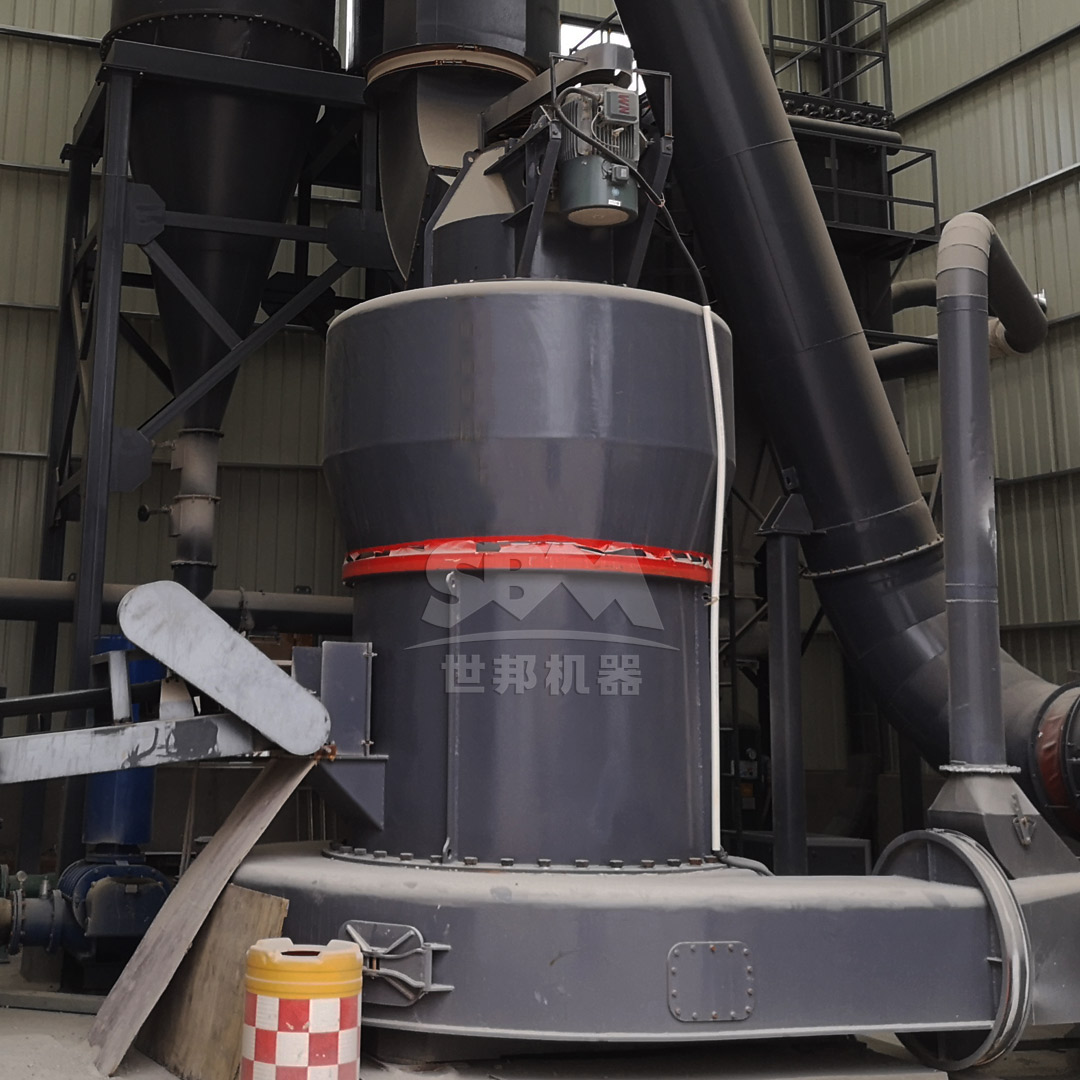
Pendulum mills offer a robust and cost-effective solution for producing slag powder in the 30-325 mesh range (600-45 microns). The MRN Pendulum Mill is a notable example, featuring advanced thin oil lubrication and an efficient square-pipe pulse dust collector. Its working principle involves a shovel feeding material between the grinding roller and ring, where centrifugal force enables crushing.
The technical insight here is the use of a scientific configuration that reduces energy loss. The new classifier combined with an isolated cyclone collector lowers the system’s resistance, improving overall efficiency. For medium-scale operations, the MRN158 model provides a capacity of 7-21 tons per hour with a main power of 132kW, making it an excellent choice for plants looking for a balance between initial investment and operating costs.
Beyond selecting the right mill, efficient slag grinding requires careful attention to system integration and operational parameters.
The classifier is the ‘quality gate’ of the grinding system. High-precision dynamic classifiers, like those in the LM and SCM series, are non-negotiable for producing slag additives with consistent fineness. They prevent coarse particles from contaminating the final product, which is vital for the additive’s performance in cement. Multi-stage adjustment technology allows operators to fine-tune the product fineness with 1-2%% accuracy.
Water slag often contains residual moisture from the granulation process. For mills like the MTW Series European Trapezium Mill, an optimized arc air duct system reduces energy loss while drying the material. In VRMs, the drying and grinding process is fully integrated, using hot air from a furnace or kiln to simultaneously dry the slag and convey it to the classifier. Proper moisture control is essential to prevent coating on grinding surfaces and to ensure efficient classification.
The abrasive nature of slag makes wear protection a top priority. Modern mills incorporate specialized wear-resistant materials. For example, the MTW series uses combined shovel blades and a wear-resistant volute structure that reduces maintenance costs by 30%%. Our LM Series Vertical Roller Mill utilizes a modular grinding roller assembly with a quick-change system, allowing for rapid replacement of wear parts and minimizing downtime. Investing in mills with durable design features, such as special material rollers and rings, is critical for long-term profitability.
Efficient production of cement water slag additives relies on matching the correct grinding technology to the specific fineness and capacity requirements of the project. For large-scale, high-efficiency production of standard fineness slag powder, Vertical Roller Mills like the LM series offer unbeatable energy savings and throughput. For ultra-fine, high-value additives, the SCM Ultrafine Mill provides the necessary precision and fineness control. By focusing on key technical parameters—classification accuracy, energy efficiency, and wear resistance—plant operators can significantly reduce their total cost of ownership while producing a premium product for the construction industry.