High-temperature silicate refractory fibers, commonly known as ceramic fibers, are indispensable materials in industries requiring thermal insulation above 1000°C. These fibers are produced by melting a blend of raw materials, predominantly bauxite (calcined alumina-silica), at temperatures exceeding 2000°C, followed by fiberization. The quality and efficiency of the entire production line hinge critically on the preparatory stage—bauxite processing. Raw bauxite, with its inherent moisture, large particle size, and inconsistent mineralogy, cannot be directly introduced into the electric arc furnaces or resistance furnaces used for melting. It requires precise comminution, drying, and classification to achieve a homogeneous, ultra-fine powder. This is where advanced bauxite processing equipment becomes the cornerstone of high-performance refractory fiber production.
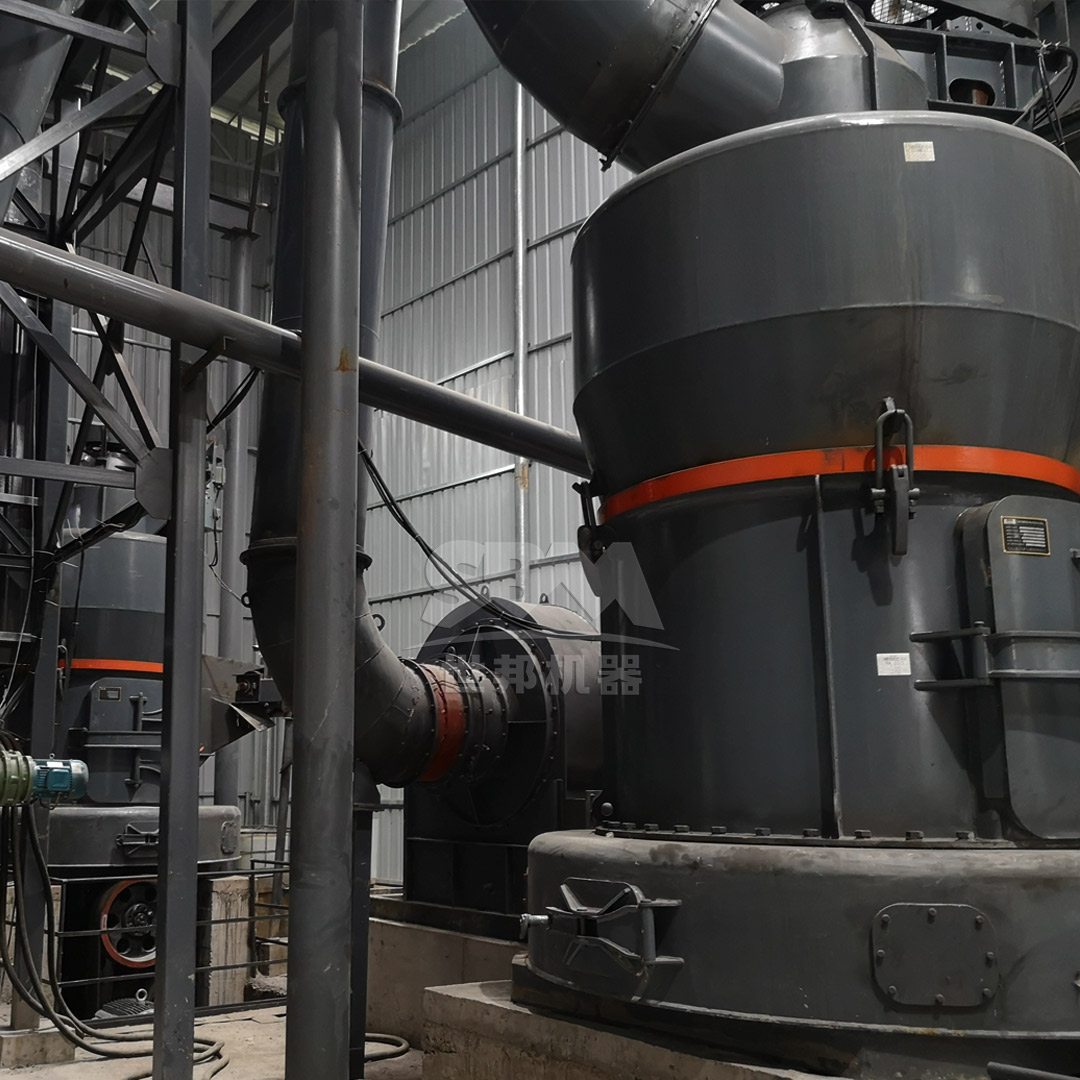
For high-temperature silicate refractory fibers, the fineness of the bauxite powder directly influences the melting kinetics and homogeneity of the molten liquid. Coarse particles lead to incomplete melting, causing defects such as unmelted inclusions (commonly called ‘shot’) in the fiber blanket or board. This not only reduces the tensile strength but also impairs thermal insulation performance. Consequently, the industry standard necessitates bauxite feed fineness in the range of 325 to 800 mesh (45-20 μm) for premium fiber grades. The challenge lies in efficiently reducing hard, abrasive calcined bauxite (with a Mohs hardness of 7-9) to this fineness while minimizing energy consumption and equipment wear. Traditional ball mills, while versatile, suffer from high energy usage (30-40% higher) and inconsistent particle size distribution. The bauxite processing equipment sector has therefore evolved toward specialized roller mills that utilize bed-of-material grinding principles to enhance efficiency and product quality.
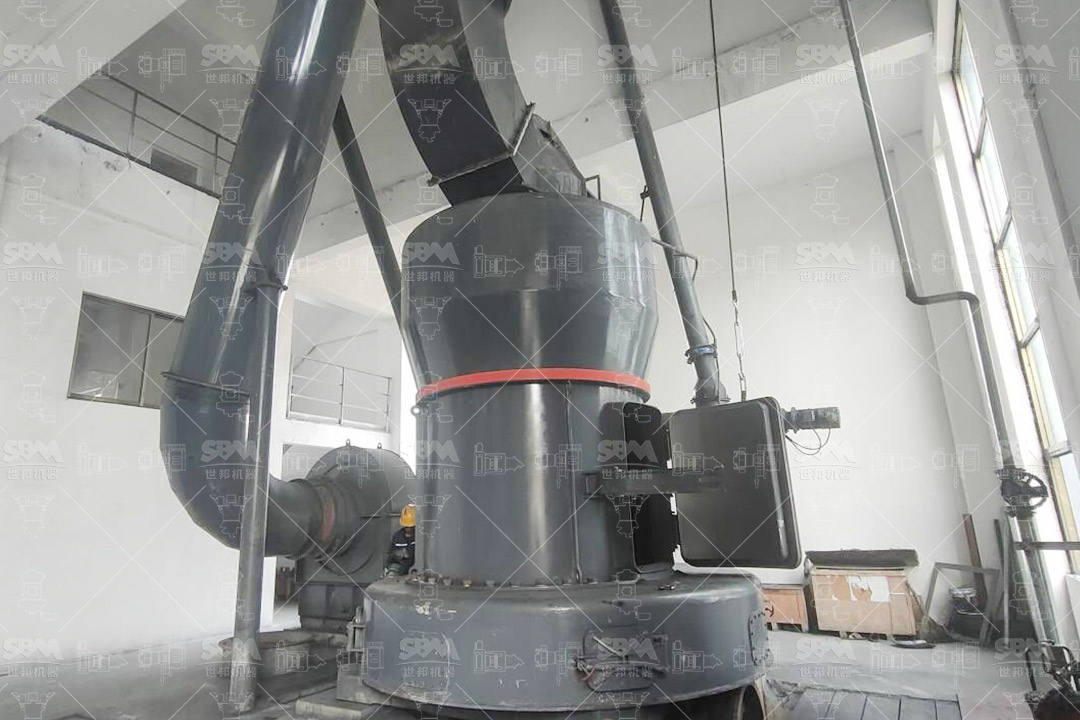
Initially, raw bauxite is processed through jaw crushers and hammer mills to reduce the run-of-mine ore to a manageable size of less than 20-50mm. Subsequently, the material is fed into vertical roller mills (VRM) or pendulum mills. For medium-capacity operations, our MRN Pendulum Mill series offers a robust solution. With a feed size tolerance of up to 50mm, the MRN mill excels in coarse to medium grinding (30-325 mesh). Its patented thin-oil lubrication system ensures maintenance-free operation, which is vital in the dusty environment of a bauxite plant. This machine bridges the gap between primary crushing and the final ultrafine classification stage.
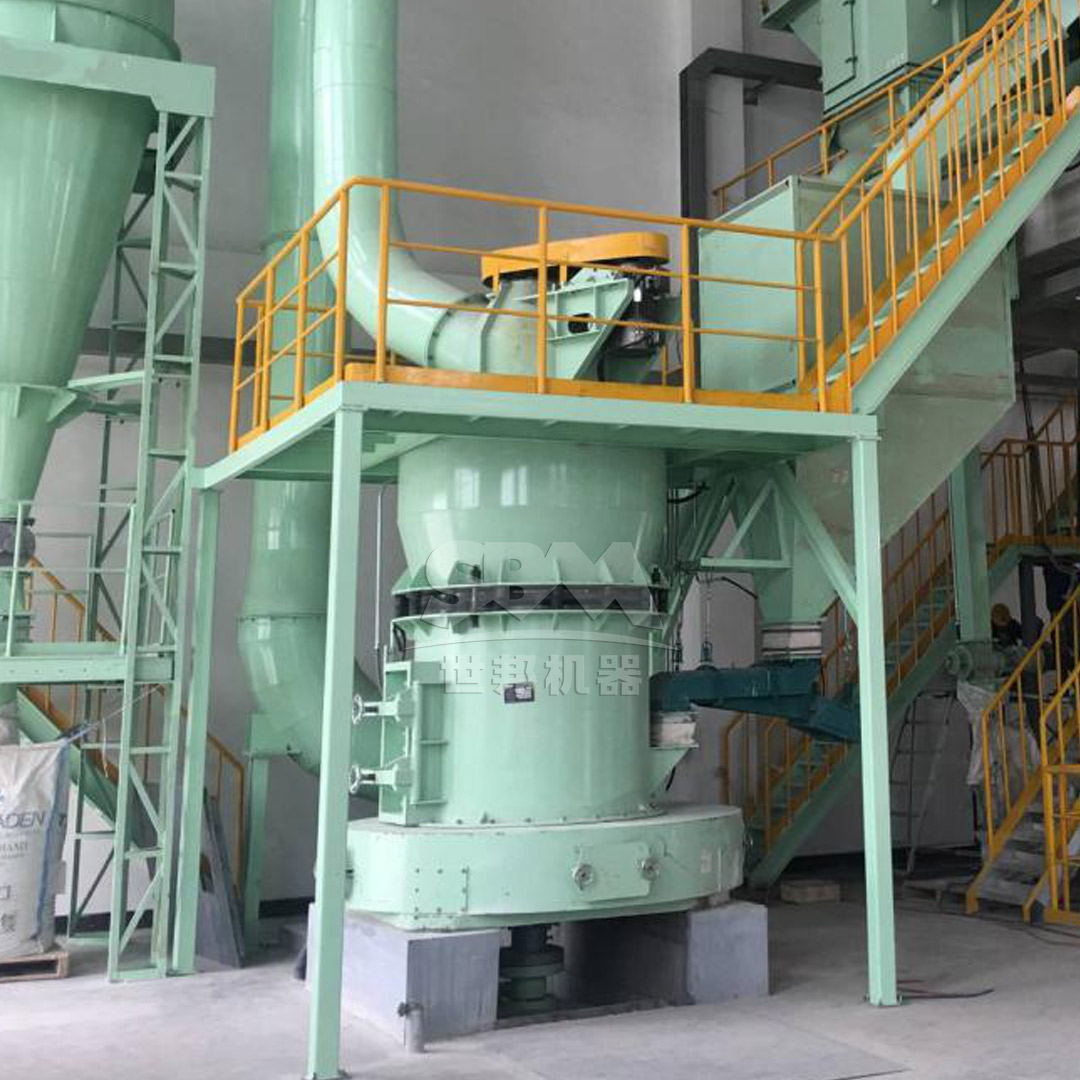
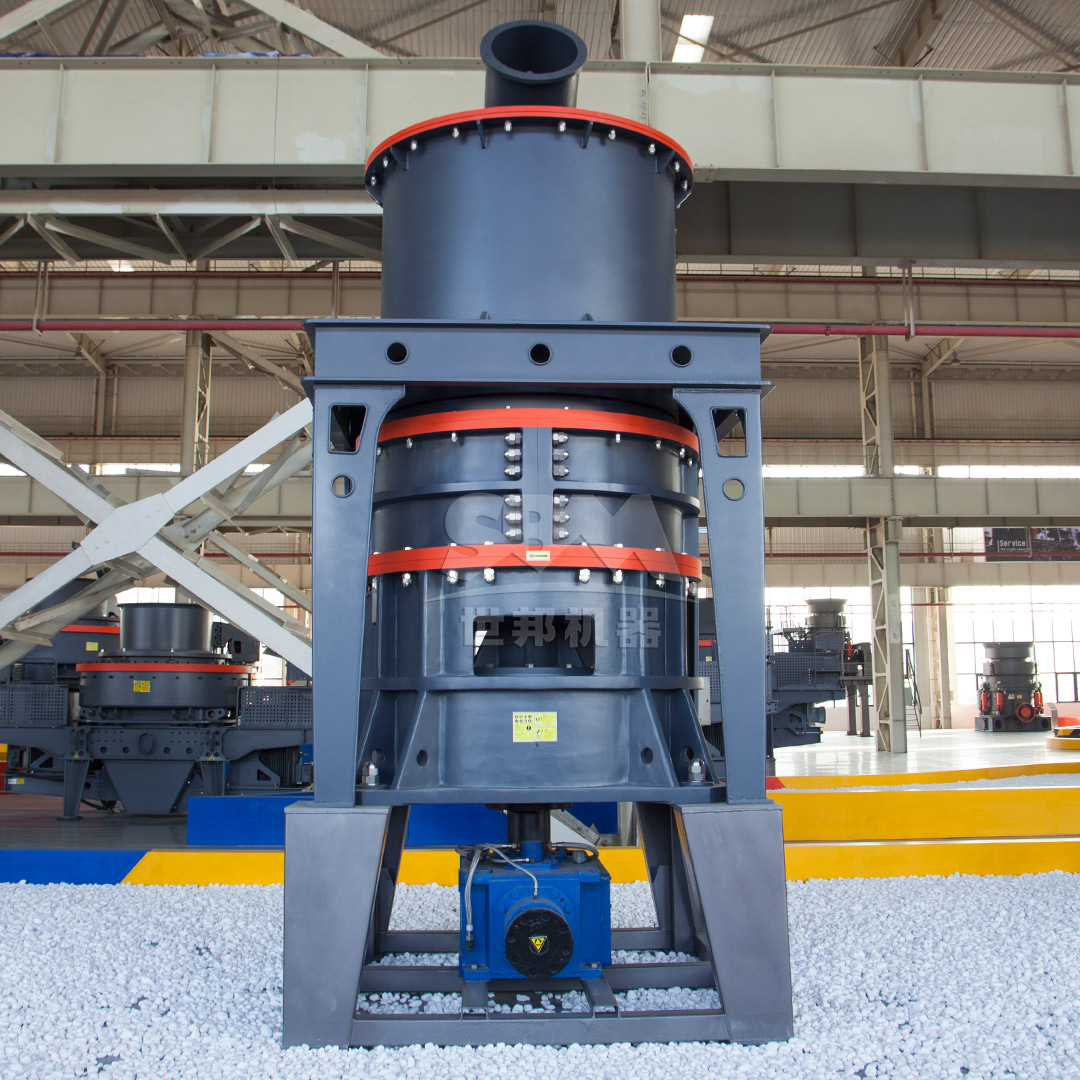
However, the true technical prowess required for refractory fiber feed preparation lies in the final grinding stage. Given the target output of 45-5μm (325-2500 mesh), we recommend deploying the SCM Series Ultrafine Mill as the core bauxite processing equipment. The SCM mill is meticulously designed to handle the extreme hardness of calcined bauxite. Its unique three-layer grinding ring design disperses material via centrifugal force, ensuring that each particle is subjected to intense roller pressure multiple times. The vertical turbine classifier is a standout feature, achieving precise particle size cutting without coarse powder mixing—a critical factor in preventing ‘shot’ generation in subsequent melting processes.
| Model | Capacity (t/h) | Main Power (kW) | Fineness (mesh) |
|---|---|---|---|
| SCM900 | 0.8-6.5 | 90 | 325-2500 |
| SCM1000 | 1.0-8.5 | 132 | 325-2500 |
| SCM1250 | 2.5-14 | 185 | 325-2500 |
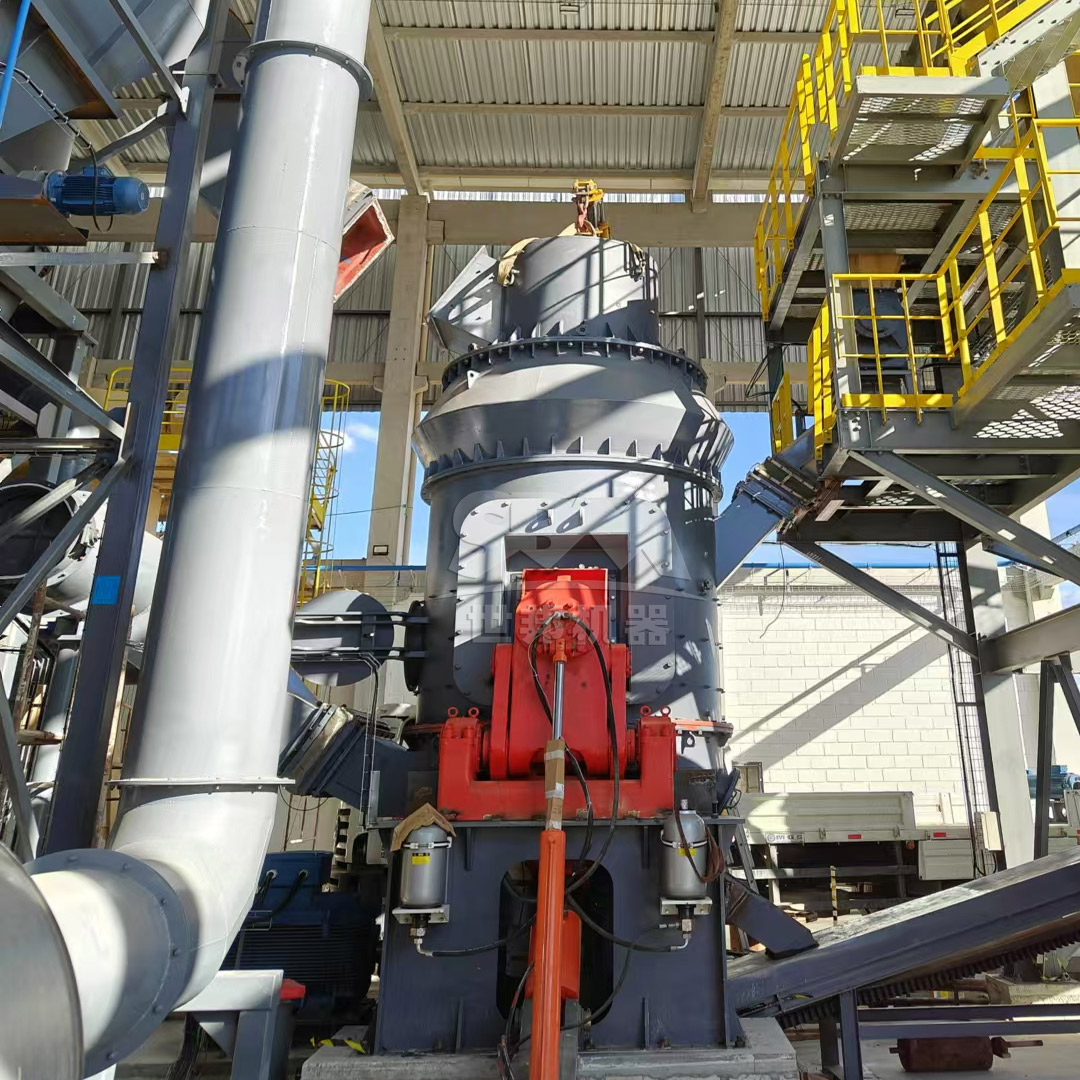
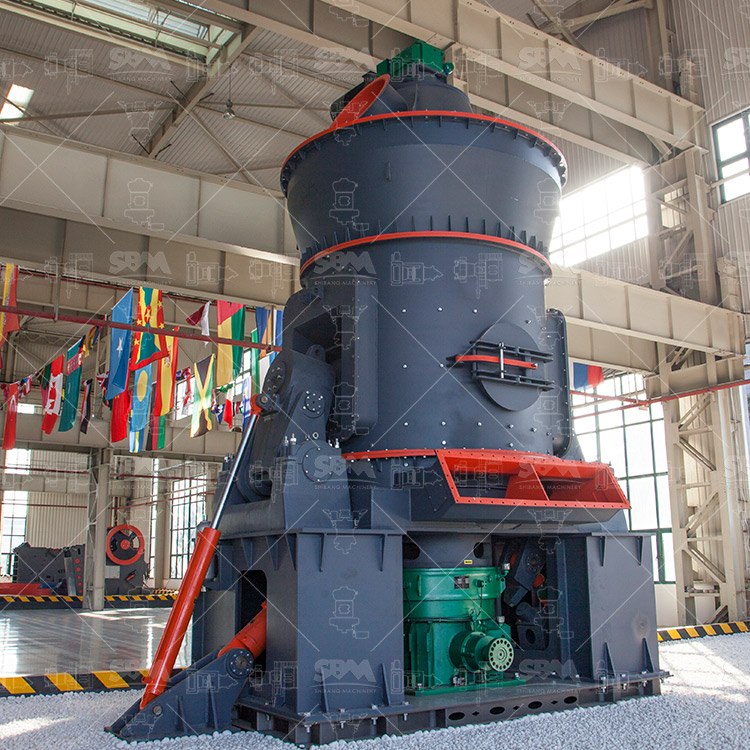
For large-scale refractory fiber manufacturing plants requiring continuous operation with throughput above 15 t/h, the LM Series Vertical Roller Mill serves as the optimal bauxite processing equipment. Unlike the SCM, the LM integrates drying, grinding, and classification within a single system. This is particularly advantageous when processing bauxite with residual moisture, as hot air sweeping is integral to the design. The non-contact design between the rollers and the grinding table significantly extends wear-part life by threefold compared to ball mills. Specifically, models like the LM190K (Capacity: 23-68 t/h) or LM220K (Capacity: 36-105 t/h) are excellent choices for the main grinding stage. They can reduce the bauxite from 40mm down to a fine powder of 170-45μm, pre-conditioning the material for micronization or, in some cases, delivering the exact spec required for lower-grade fiber baths without further processing.
The production of refractory fibers is energy-intensive. To reduce the carbon footprint, modern bauxite processing equipment must prioritize energy efficiency. The LM series accomplishes this through a bed grinding principle, consuming 30-40% less energy than traditional ball mill systems. Furthermore, its fully sealed negative-pressure operation ensures zero dust leakage, meeting stringent environmental protection regulations. Advanced intelligent control systems monitor parameters like vibration and differential pressure, automatically adjusting the feed rate to maintain optimum grinding efficiency.
It is important to note the versatility required in this industry. Some plants may use a combination of bauxite and kaolin. For these operations, the MTW Series European Trapezium Mill serves as an excellent alternative. With its integral bevel gear drive achieving 98% transmission efficiency and an anti-wear shovel design, the MTW is highly effective for grinding softer alumina-silicate minerals, reducing the load on the primary bauxite mill. Its optimized arc air duct minimizes energy loss, while the wear-resistant volute structure reduces maintenance costs by 30%. This mill provides the flexibility to switch between different feedstocks without sacrificing efficiency.
A typical high-end refractory fiber production facility (capacity 10,000 tons/year) would structure its bauxite processing flow utilizing a combination of equipment:
This cascade approach ensures that the high-energy ultrafine mill is not overloaded with oversized particles, maximizing throughput and minimizing specific energy consumption. The uniform fine powder is then pneumatically conveyed to silos feeding the melting furnace.
In the competitive market of high-temperature insulation materials, the consistency of fiber quality defines brand reputation. The ‘shot’ content, fiber diameter, and thermal stability are all inherited from the quality of the bauxite powder. Investing in advanced grinding technology is no longer optional but a requirement. Equipment like the SCM Ultrafine Mill and the LM Vertical Roller Mill represent the pinnacle of current bauxite processing equipment technology. They offer the high efficiency, product precision, and operational reliability necessary to produce Grade 1260°C and 1400°C refractory fibers that meet international standards. By integrating intelligent control systems and wear-resistant designs, these machines not only reduce operating costs but also ensure uninterrupted production, providing a significant competitive edge in the global refractory market.
Contact our engineering team today to discuss how our SCM1000 or LM150K models can be tailored to your specific bauxite characteristics and capacity requirements.