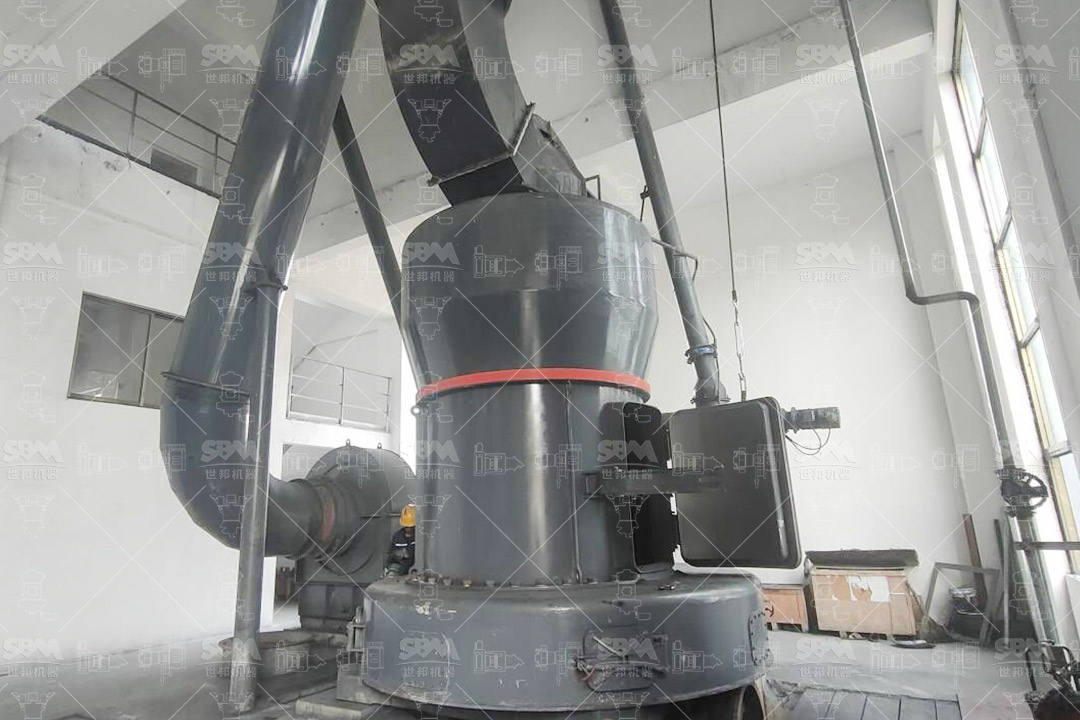
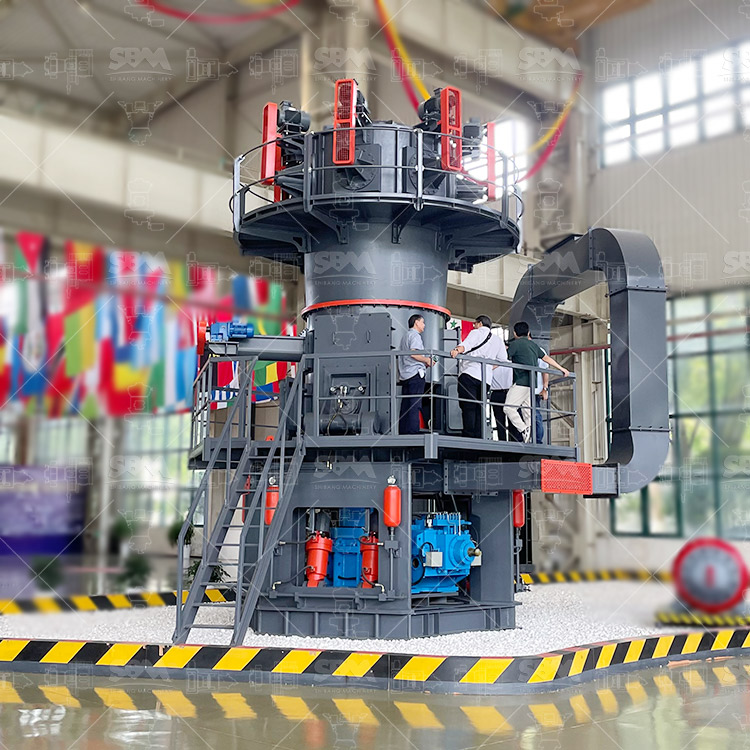
Superphosphate fertilizers, including single superphosphate (SSP), triple superphosphate (TSP), and enriched superphosphates, are fundamental to modern agriculture. Their production involves the reaction of phosphate rock with sulfuric or phosphoric acid, followed by curing, granulation, and drying. However, one of the most energy-intensive and quality-determining stages is the final grinding of the cured superphosphate into a fine, uniform powder suitable for application or further granulation. Selecting the right grinding mill for your superphosphate production line directly impacts throughput, particle size distribution, energy consumption, and overall operational cost.
Superphosphate materials present specific challenges: they are moderately abrasive, can be somewhat sticky or hygroscopic after curing, and require precise fineness control (typically 90-95% passing 100 mesh or finer for optimal plant availability). In this article, we provide a professional guide to choosing the optimal grinding mill, drawing on our extensive portfolio of industrial mills. Whether you operate a small SSP plant or a large TSP facility, the correct equipment ensures maximum efficiency and product quality.
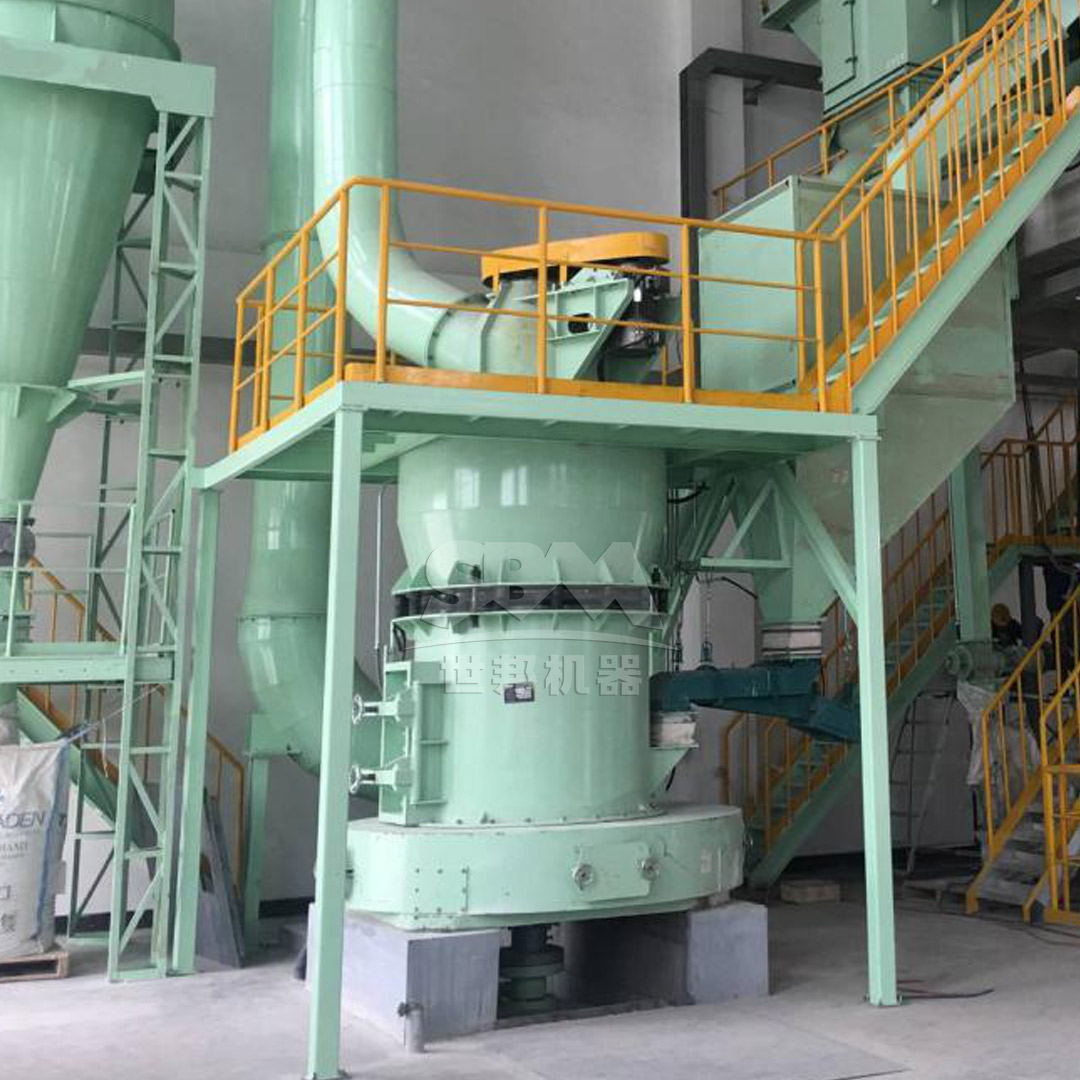
Superphosphate is mildly acidic (pH 2-4), has a bulk density of 0.8-1.2 t/m³, and exhibits a tendency to cake if moisture exceeds 3-5%. Therefore, the mill must handle slight moisture without clogging, resist corrosion, and provide easy cleaning. Additionally, the abrasive nature of phosphate rock residues (silica, clay) demands wear-resistant liners and grinding elements.
Most superphosphate products require a fineness of 45-100 mesh (0.15-0.3 mm) for direct application, or finer (325 mesh / 45 μm) for suspension fertilizers. Production capacities range from 1 t/h for small plants to over 50 t/h for large integrated facilities. Your choice must balance fineness, throughput, and energy consumption.
Grinding accounts for 30-50% of total production energy. Mills with high grinding efficiency, such as vertical roller mills and advanced trapezium mills, can reduce power consumption by 30-40% compared to traditional ball mills. Furthermore, maintenance costs (wear parts replacement, lubrication) significantly affect the total cost of ownership.
Dust emissions must be controlled to meet stringent regulations. Mills equipped with pulse-jet dust collectors and negative pressure operation are preferred. Noise levels should also be kept below 85 dB.
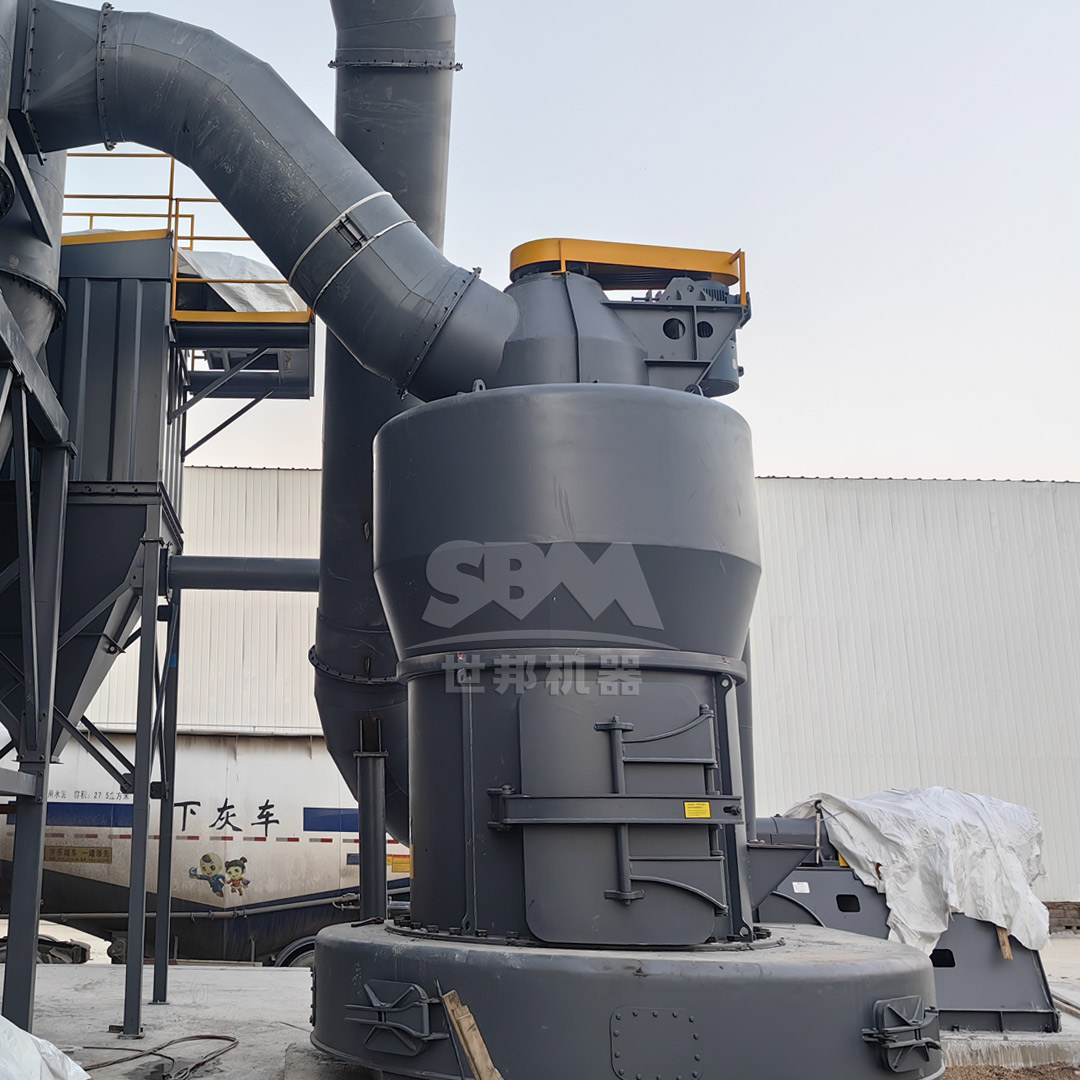
Based on our extensive product line, we recommend the following two series as the most suitable for superphosphate grinding. Both are engineered to handle the specific properties of phosphate fertilizers while delivering high efficiency and reliability.
When your production requires ultrafine superphosphate powder (325-2500 mesh) for high-value suspension fertilizers or specialized blends, the SCM Series Ultrafine Mill is the ideal choice. Its high-precision vertical turbine classifier ensures a sharp cut point with no coarse particle contamination. The special material rollers and rings extend service life, while the shaftless screw grinding chamber provides stable operation even with slightly sticky materials.
Key advantages for superphosphate:
For a typical superphosphate plant producing 5 t/h of 800 mesh powder, the SCM1250 model (2.5-14 t/h) provides ample capacity with a main power of 185 kW. The integrated classifier allows rapid adjustment of fineness without stopping production.
For standard superphosphate products (30-325 mesh) and larger capacities up to 45 t/h, the MTW Series European Trapezium Mill offers an unbeatable combination of efficiency, durability, and low maintenance. Its anti-wear shovel design and curved grinding rollers reduce wear and extend service intervals. The optimized arc air duct lowers airflow energy loss, while the integral bevel gear drive achieves 98% transmission efficiency.
Key advantages for superphosphate:
For a 20 t/h SSP grinding line targeting 100 mesh (150 μm), the MTW175G (9.5-25 t/h) is an excellent fit. Its main motor of 160 kW and classifier power of 22 kW deliver efficient grinding with minimal downtime.
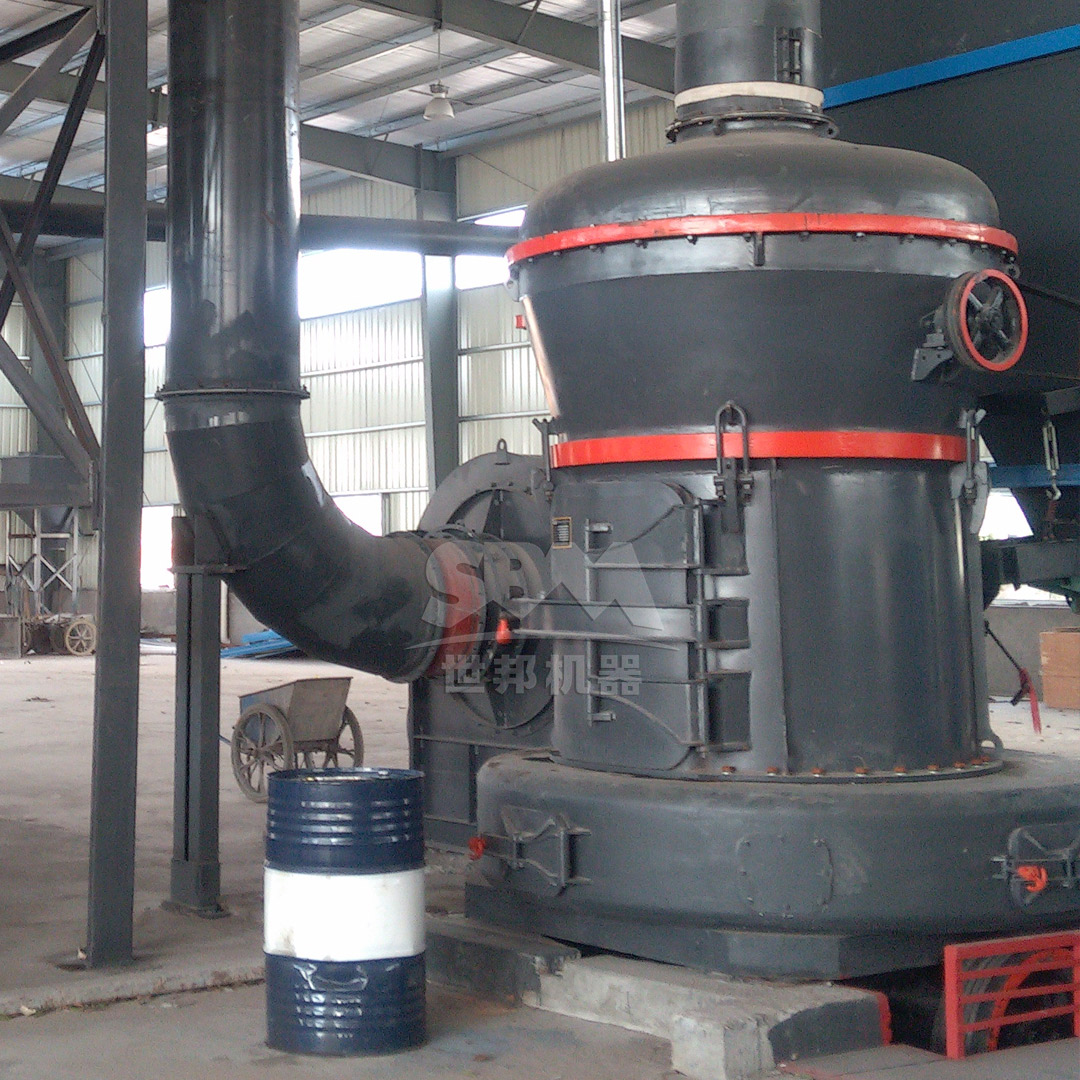
To aid your decision, the table below summarizes the key specifications of the SCM and MTW series for superphosphate applications.
| Parameter | SCM Series Ultrafine Mill | MTW Series European Trapezium Mill |
|---|---|---|
| Fineness Range | 325-2500 mesh (45-5 μm) | 30-325 mesh (600-45 μm) |
| Capacity Range | 0.5-25 t/h | 3-45 t/h |
| Feed Size | ≤20 mm | ≤50 mm |
| Main Power | 75-315 kW | 55-280 kW |
| Classifier Type | Vertical turbine, high-precision | High-efficiency dynamic |
| Dust Collection | Pulse, >99.9% efficiency | Pulse, internationally advanced |
| Noise Level | <75 dB (soundproof room) | <85 dB |
| Best For | Ultrafine suspension fertilizers | Standard granular or powdery SSP/TSP |
A leading fertilizer producer in Southeast Asia operates a 30 t/h single superphosphate line. Initially using a ball mill, they faced high energy consumption (over 800 kW for grinding alone) and inconsistent fineness. After switching to our MTW215G European Trapezium Mill, the following results were achieved:
This case demonstrates that selecting the right mill – in this case, the MTW Series – can transform the economics of superphosphate production.
Even the best mill requires proper installation and maintenance to deliver optimal performance. For superphosphate lines, we recommend:
Selecting the correct grinding mill for your superphosphate production line is not merely a matter of capacity – it is a strategic decision that affects product quality, energy costs, environmental compliance, and long-term reliability. Based on our extensive experience in fertilizer processing, we recommend:
Both mills are backed by our global service network, genuine spare parts, and process optimization support. To determine the exact model for your specific superphosphate formulation, capacity target, and site conditions, please contact our engineers for a free consultation and customized proposal.
With the right grinding equipment, your superphosphate production line will achieve higher efficiency, lower operating costs, and superior product quality – giving you a competitive edge in the fertilizer market.