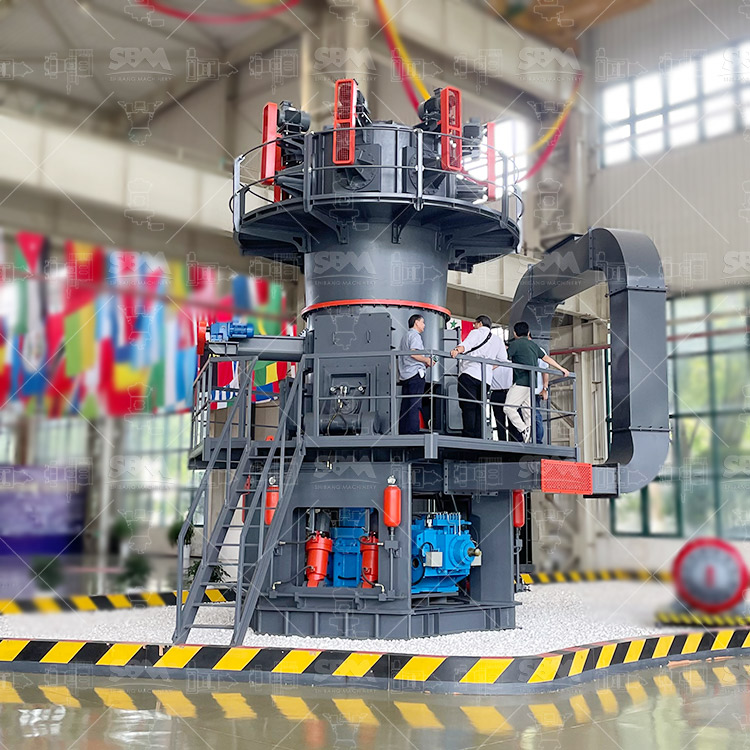
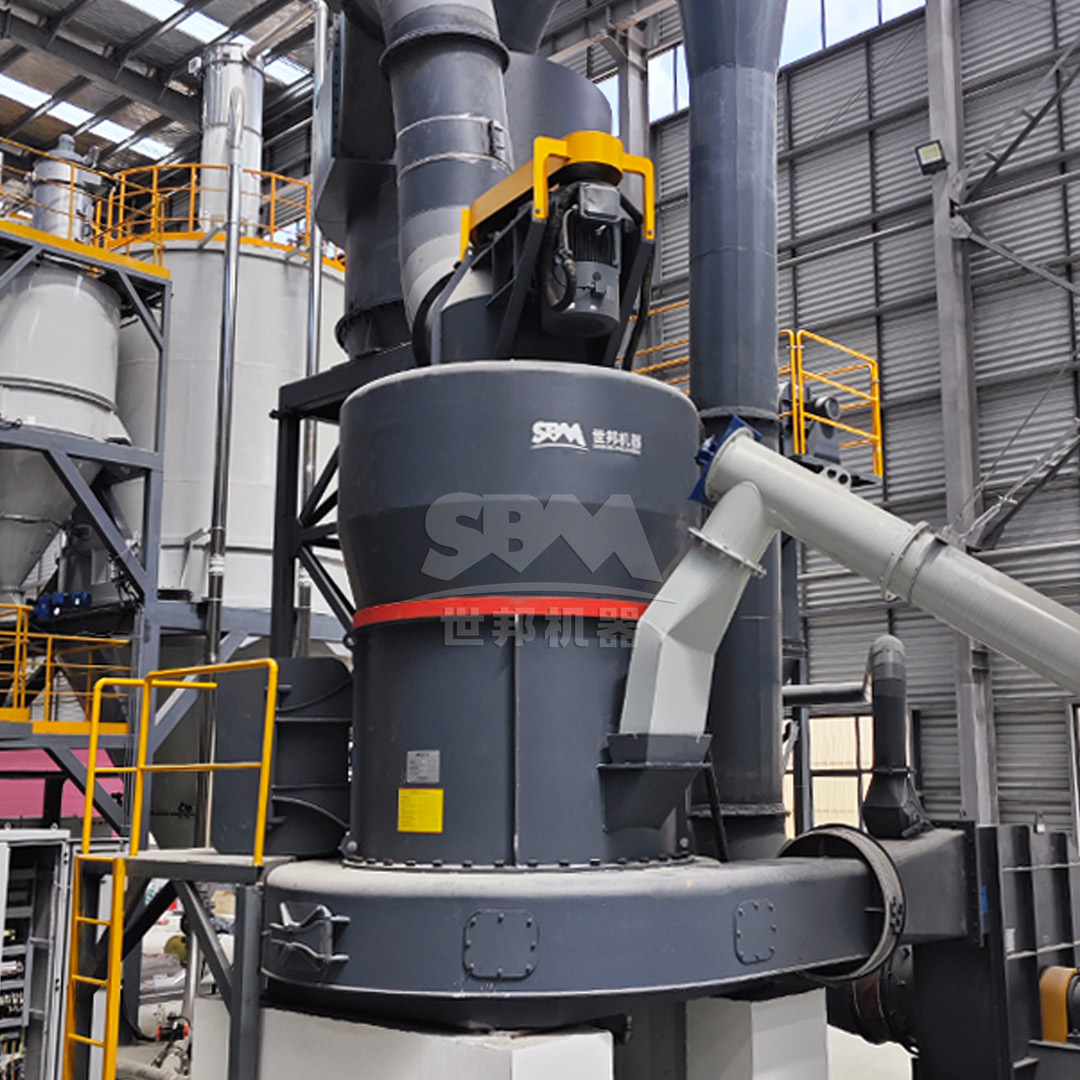
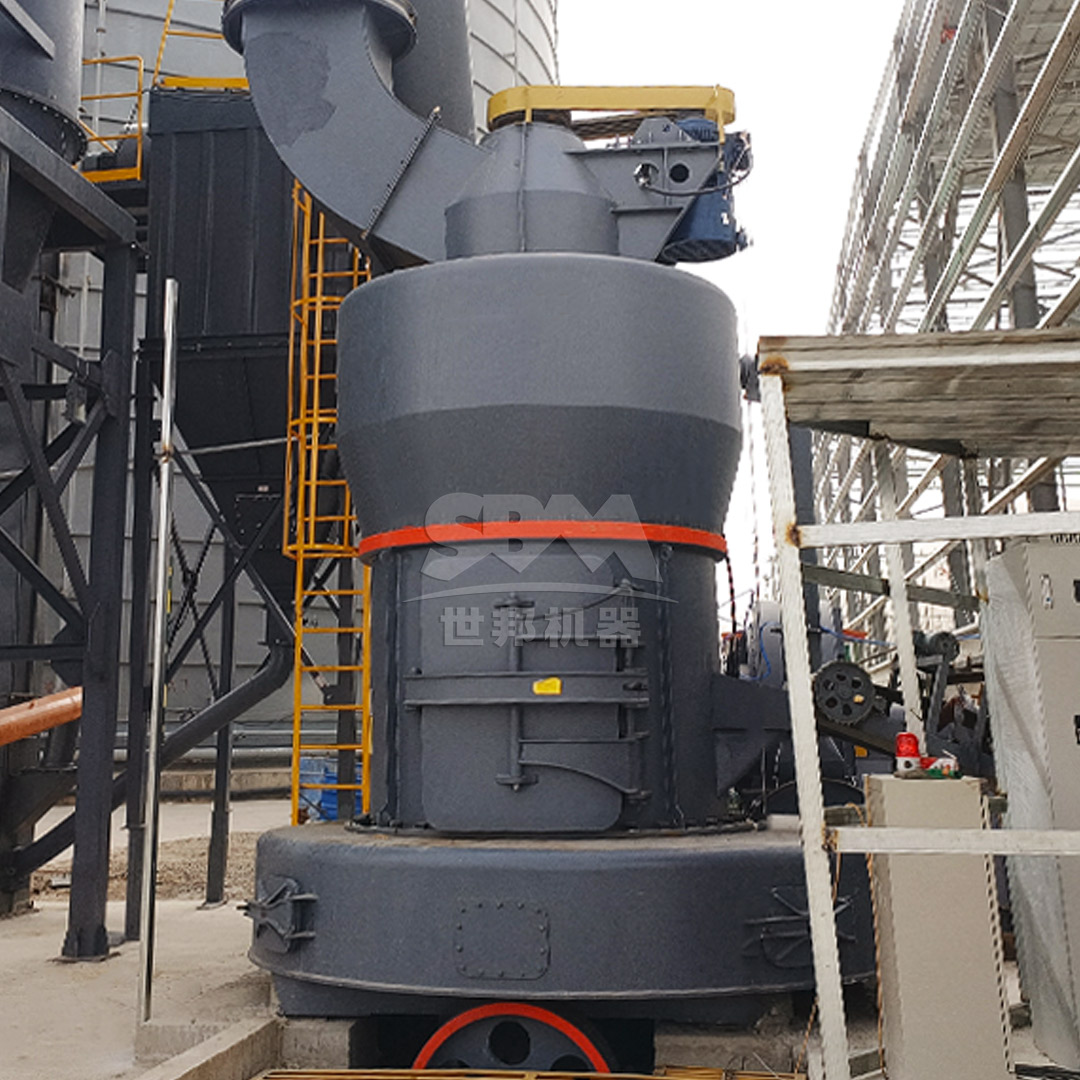
The glass manufacturing industry relies heavily on precisely ground limestone as a crucial raw material. Limestone serves as a stabilizer in glass batches, helping to control viscosity, improve chemical durability, and enhance the overall quality of the final glass product. The efficiency and precision of limestone grinding directly impact production costs, energy consumption, and product quality throughout the glass manufacturing process.
Traditional grinding methods often fall short in meeting the stringent requirements of modern glass production facilities. Inconsistent particle size distribution, excessive energy consumption, and high maintenance costs have been persistent challenges. This article explores how advanced grinding technologies can revolutionize limestone processing for glass manufacturing, with a focus on specific solutions that deliver superior performance and operational efficiency.
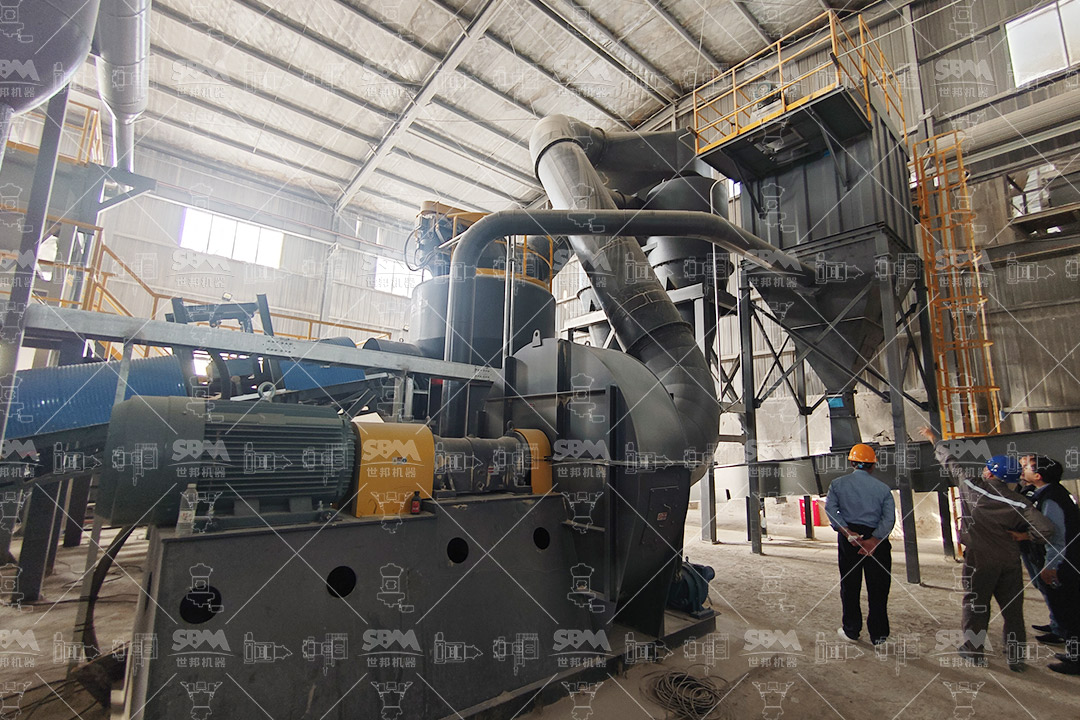
In glass manufacturing, the fineness and uniformity of limestone powder significantly influence melting behavior, homogeneity, and final product properties. Optimal particle size distribution ensures:
Advanced grinding systems capable of producing consistent, ultra-fine limestone powders with tight particle size distributions are therefore essential for modern, high-efficiency glass production facilities.
The evolution of grinding technology has introduced several innovative approaches specifically designed to meet the demanding requirements of glass manufacturing. These systems offer significant advantages over conventional ball mills and Raymond mills, particularly in terms of energy efficiency, particle size control, and operational reliability.
Modern limestone grinding systems incorporate several critical technological innovations:
| Technology Type | Energy Efficiency | Particle Size Range | Maintenance Requirements | Suitability for Glass Production |
|---|---|---|---|---|
| Traditional Ball Mills | Low | Broad distribution | High | Limited |
| Raymond Mills | Medium | Medium-fine range | Medium | Moderate |
| Vertical Roller Mills | High | Wide adjustable range | Low | Excellent |
| Ultrafine Grinding Mills | Very High | Ultra-fine range | Very Low | Superior for specialty glass |
Based on extensive research and practical applications in glass manufacturing, specific grinding technologies have demonstrated exceptional performance in processing limestone for glass production. The following solutions represent the current state-of-the-art in glass-grade limestone grinding.
For glass manufacturers requiring the highest quality limestone powder with exceptional consistency, the SCM Ultrafine Mill represents an ideal solution. This advanced grinding system delivers unparalleled performance in producing ultra-fine limestone powders specifically suited for high-end glass applications.
The SCM series stands out with its remarkable technical specifications:
The technological advantages of the SCM Ultrafine Mill make it particularly suitable for glass production:
Efficient Energy Utilization: With capacity twice that of jet mills and 30% lower energy consumption, the SCM series significantly reduces operational costs while maintaining superior product quality. The intelligent control system automatically monitors and adjusts for consistent particle size distribution, ensuring batch-to-batch consistency critical for glass manufacturing.
High-Precision Classification: The vertical turbine classifier enables precise particle size切割, eliminating coarse particle contamination and ensuring uniform product quality. This precision directly translates to improved melting characteristics and enhanced glass quality.
Durable Construction: Specially manufactured grinding rollers and rings offer extended service life, significantly reducing maintenance downtime and replacement part costs. The innovative bearing-free screw grinding chamber design ensures stable operation and consistent performance.
Environmental Compliance: With pulse dust collection efficiency exceeding international standards and noise levels below 75dB, the SCM series supports sustainable manufacturing practices while providing comfortable working conditions.
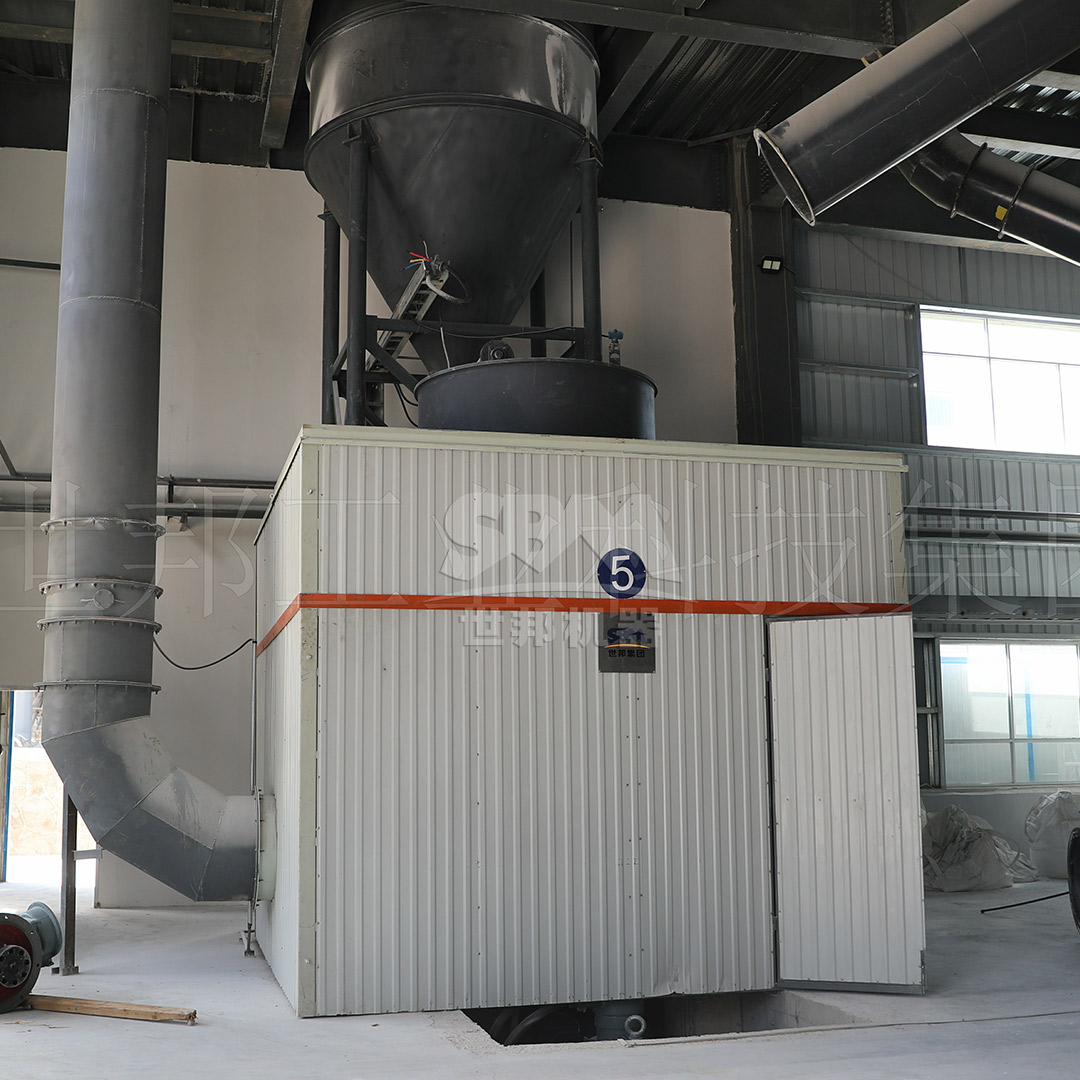
For large-scale glass manufacturing facilities requiring high-volume limestone processing, the MTW Series Trapezium Mill offers an optimal balance of capacity, efficiency, and reliability. This robust grinding system is engineered specifically for demanding industrial applications where consistent performance and minimal downtime are critical.
The MTW series delivers impressive operational parameters:
Key technological features that benefit glass manufacturers include:
Wear-Resistant Shovel Design: The combination shovel blade system reduces maintenance costs while the curved design extends grinding roller life, ensuring continuous operation essential for glass production lines.
Optimized Air Flow Path: The curved air channel design minimizes energy loss and improves transmission efficiency, while high-strength protective plates safeguard critical working surfaces.
Integrated Gear Transmission: With 98% transmission efficiency, the conical gear system saves space and reduces installation complexity, contributing to lower capital investment.
Durable Volute Structure: The obstruction-free design enhances air classification efficiency while reducing maintenance requirements by 30%, supporting uninterrupted production schedules.
The implementation of advanced limestone grinding technology delivers measurable benefits throughout the glass manufacturing process. These advantages extend beyond simple cost savings to encompass quality improvements, environmental compliance, and operational flexibility.
Precisely ground limestone contributes significantly to glass quality through:
The economic benefits of advanced grinding systems extend across multiple areas:
| Cost Category | Traditional Systems | Advanced Systems | Reduction |
|---|---|---|---|
| Energy Consumption | High | 30-50% Lower | Significant |
| Maintenance Costs | Frequent part replacement | Extended component life | 40-60% |
| Production Downtime | Regular maintenance stops | Continuous operation | 70-80% |
| Product Consistency | Variable quality | Consistent high quality | Quality-related savings |
Modern grinding systems support sustainable manufacturing through:
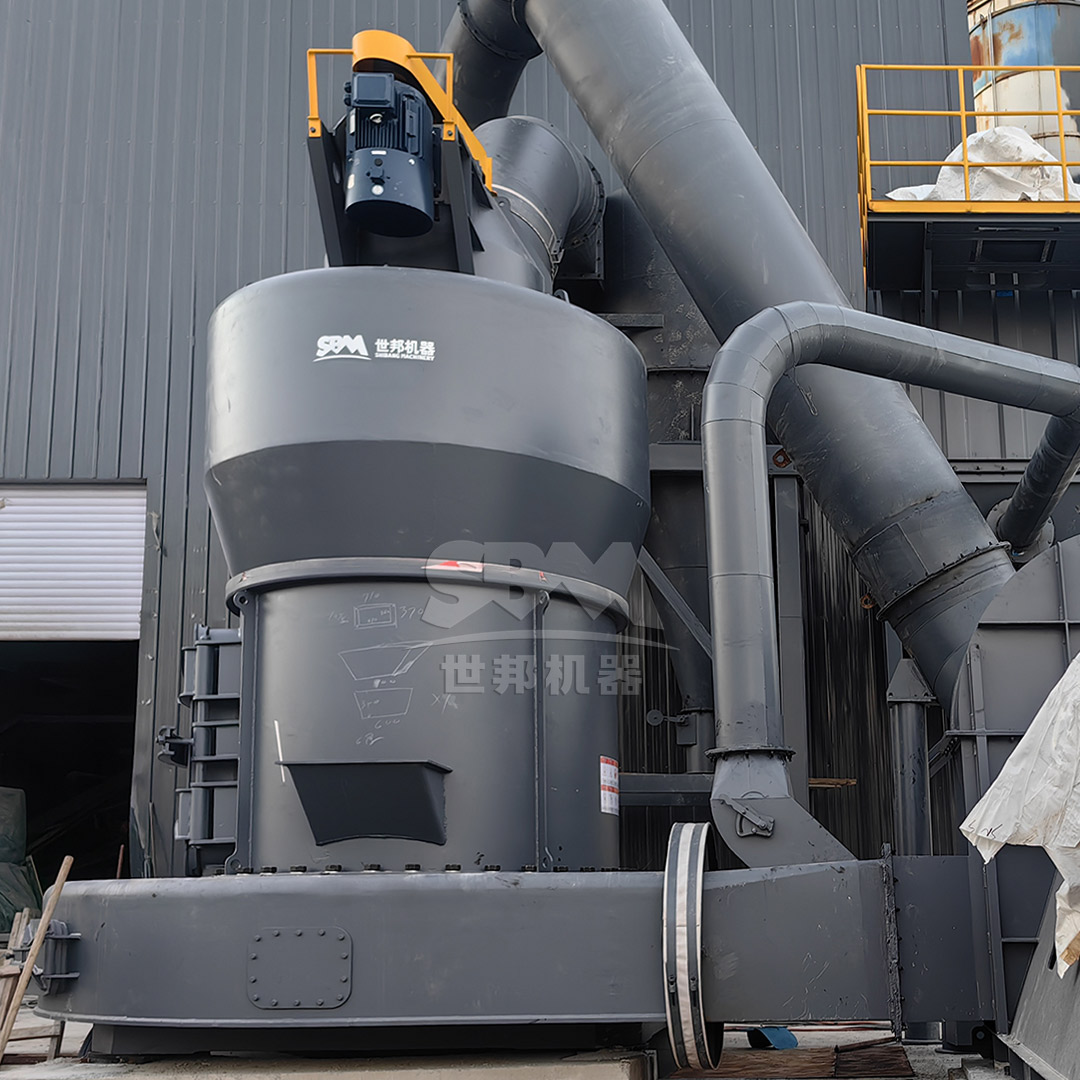
Successfully integrating advanced limestone grinding technology into glass manufacturing operations requires careful planning and consideration of several key factors. Proper implementation ensures maximum return on investment and seamless integration with existing production processes.
Each glass manufacturing facility presents unique challenges that must be addressed during system design and implementation:
Comprehensive technical support and operator training are essential for maximizing system performance:
The evolution of limestone grinding technology continues to advance, with several emerging trends poised to further enhance efficiency and capabilities in glass manufacturing. Understanding these developments helps manufacturers plan for future upgrades and maintain competitive advantage.
The integration of digital technologies represents the next frontier in grinding system optimization:
Ongoing developments focus on enhancing the environmental performance of grinding operations:
The optimization of limestone grinding processes represents a significant opportunity for glass manufacturers to enhance product quality, reduce operational costs, and improve environmental performance. Advanced grinding technologies, particularly the SCM Ultrafine Mill and MTW Series Trapezium Mill, offer compelling advantages over traditional systems through their combination of precision, efficiency, and reliability.
By implementing these state-of-the-art grinding solutions, glass manufacturers can achieve tighter control over raw material quality, reduce energy consumption, minimize maintenance requirements, and support sustainable manufacturing practices. The resulting improvements in glass quality and production economics provide competitive advantage in an increasingly demanding global market.
As grinding technology continues to evolve, forward-thinking manufacturers who invest in these advanced systems position themselves for long-term success through improved operational efficiency, enhanced product quality, and reduced environmental impact. The strategic implementation of optimized limestone grinding technology represents not just an operational improvement, but a fundamental enhancement of manufacturing capability in the competitive glass industry.