Autoclaved Aerated Concrete (AAC) has established itself as a cornerstone of modern sustainable construction, prized for its lightweight nature, thermal insulation properties, and structural integrity. Central to the production of high-quality AAC blocks and panels is the meticulous preparation of raw materials, with limestone (calcium carbonate) being the primary source of CaO. The limestone raw material must undergo a series of precisely controlled mechanical processes—crushing, grinding, and slurry preparation—to achieve the particle size distribution and chemical reactivity required for the autoclaving reaction. This guide provides a comprehensive overview of the equipment and methodologies essential for transforming run-of-mine limestone into a homogenous, high-surface-area slurry, ensuring optimal AAC quality and production efficiency.
The journey from extracted rock to reactive slurry is energy-intensive and technically demanding. Selecting the right processing equipment directly impacts capital expenditure, operational costs, product consistency, and overall plant throughput. While the fundamental principles remain constant, advancements in roller mill technology, classification systems, and process automation have significantly enhanced the efficiency and reliability of modern limestone preparation lines.
The initial stage of limestone preparation is crushing, which aims to reduce the extracted material, often with a top size of up to 500-700mm, to a manageable size suitable for downstream grinding mills. The primary crusher is typically a jaw crusher or an impact crusher. For AAC plants, the crushing stage must be robust enough to handle varying degrees of rock hardness and moisture.
For secondary or tertiary crushing in an AAC production line, the Hammer Mill stands out due to its high reduction ratio and capacity. It is specifically designed to take materials like crushed limestone (typically <40mm feed size) and deliver a consistent final product of 0-3mm. This fine crushing stage is critical because it pre-defines the feed size for the wet-grinding process, increasing the mill’s throughput and reducing the specific energy consumption (kWh/t).
Our latest generation Hammer Mill boasts high performance with an exceptional crushing ratio, stable operation via an optimized crushing cavity, and a compact structure that minimizes the plant footprint. The use of high-manganese steel liners ensures a prolonged service life and reduced maintenance downtime.
| Model | Capacity (t/h) | Main Power (kW) | Rotor Specification | Number of Hammers |
|---|---|---|---|---|
| PC4008-75 | 8-15 | 75 | Φ750x800mm | 18 |
| PC4012-90 | 15-40 | 90 | Φ900x1200mm | 32 |
| PC4015-132 | 40-70 | 132 | Φ1150x1500mm | 32 |
The crushing circuit often includes a screening system to close the loop, ensuring that all oversize particles are returned to the crusher, thereby guaranteeing that the mill feed does not exceed the specifications for the subsequent grinding stage.
The essence of AAC slurry preparation is to grind the limestone and sand (or other siliceous materials) to a fine powder with a specific surface area and particle size distribution. The fineness of the ground material is directly proportional to the speed of the autoclaving reaction and the final mechanical strength of the AAC product. Generally, it is desirable for the limestone slurry to have a high Blaine specific surface area for optimal reactivity.
Depending on the plant layout, either a Wet Ball Mill or a Vertical Roller Mill (VRM) can be used. Historically, the Ball Mill has been the workhorse for AAC slurry preparation due to its robustness and ability to handle a continuous feed of moist materials. In this system, the mill shell rotates, using steel balls to crush and grind the limestone via impact and attrition. The output fineness is typically in the range of 0.074 to 0.8mm.
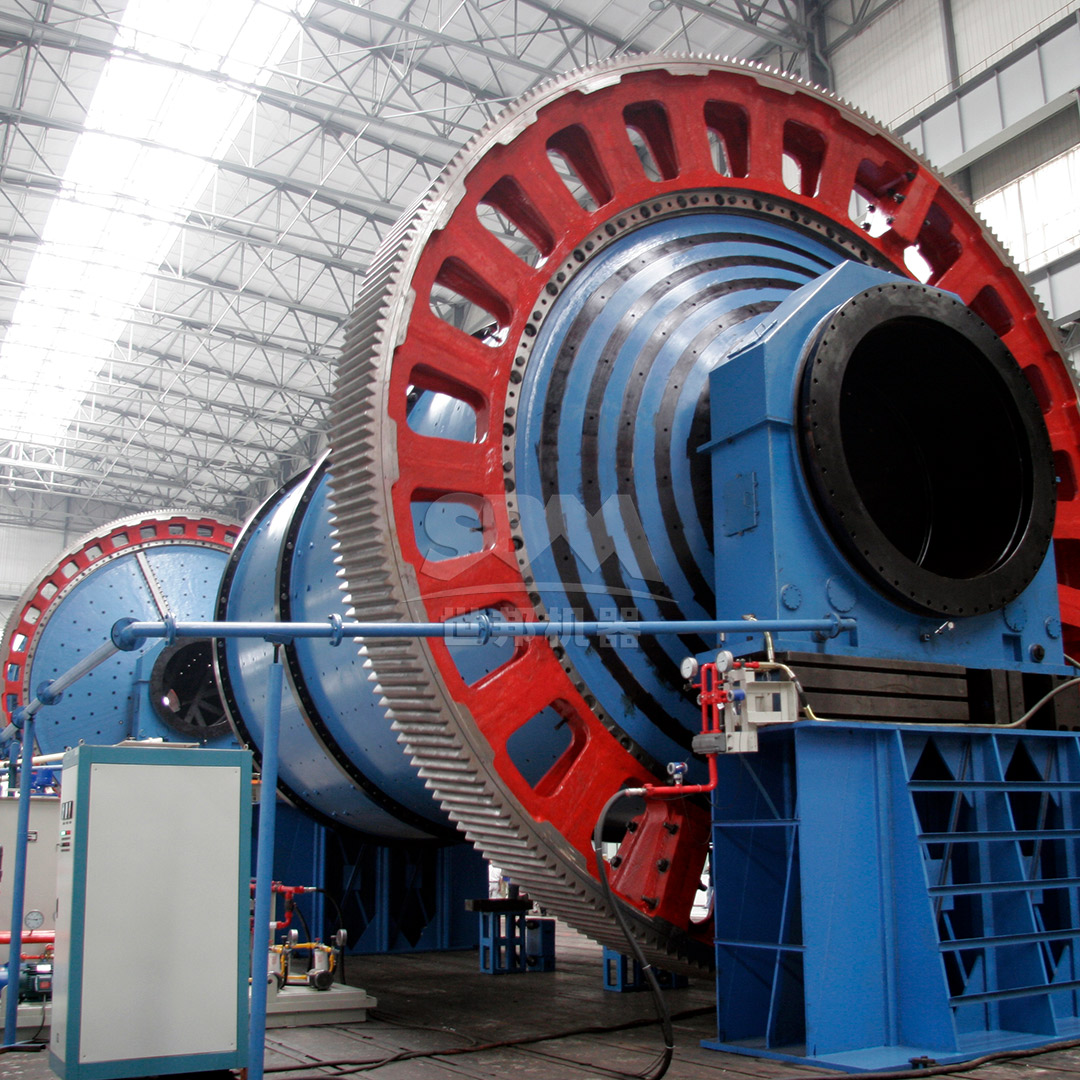
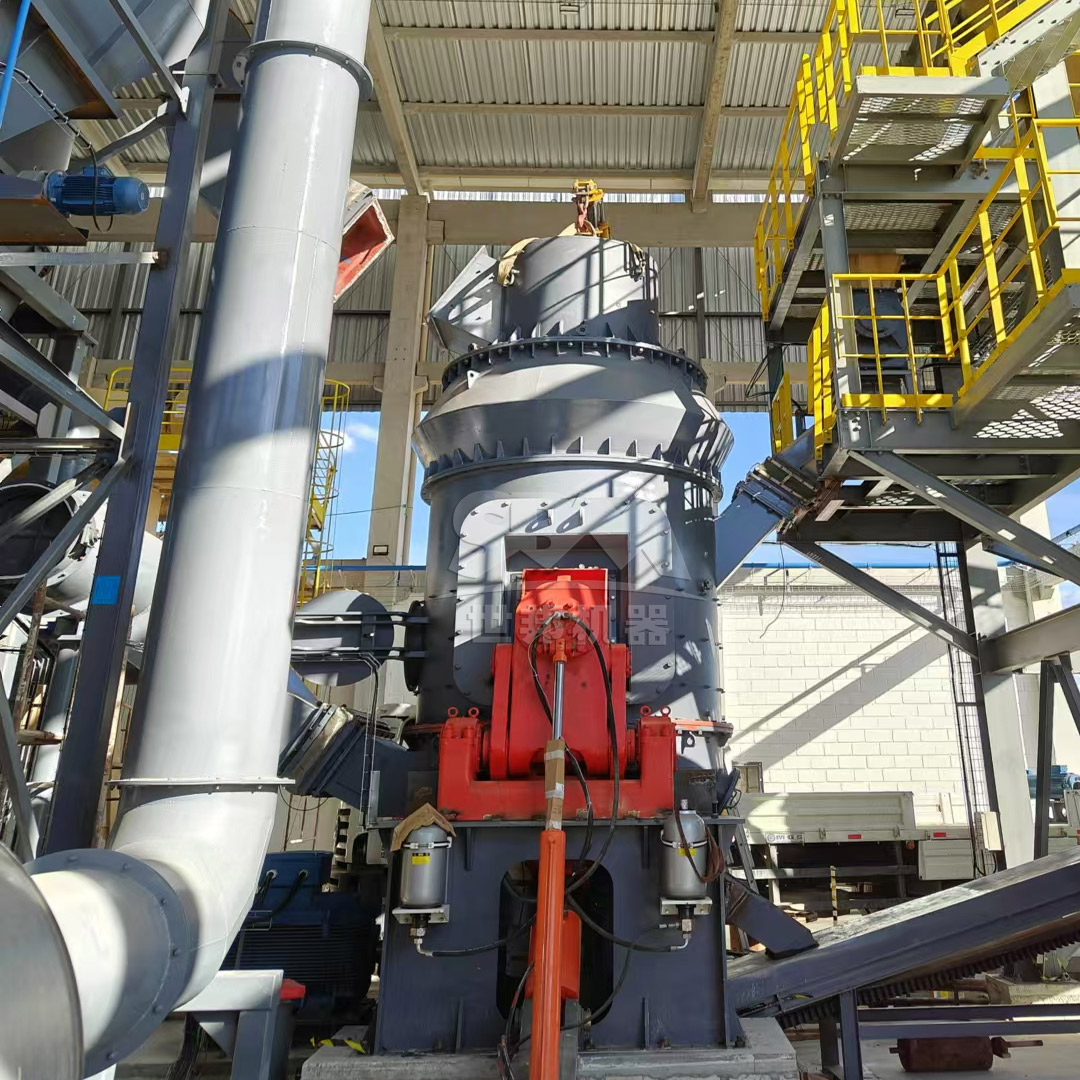
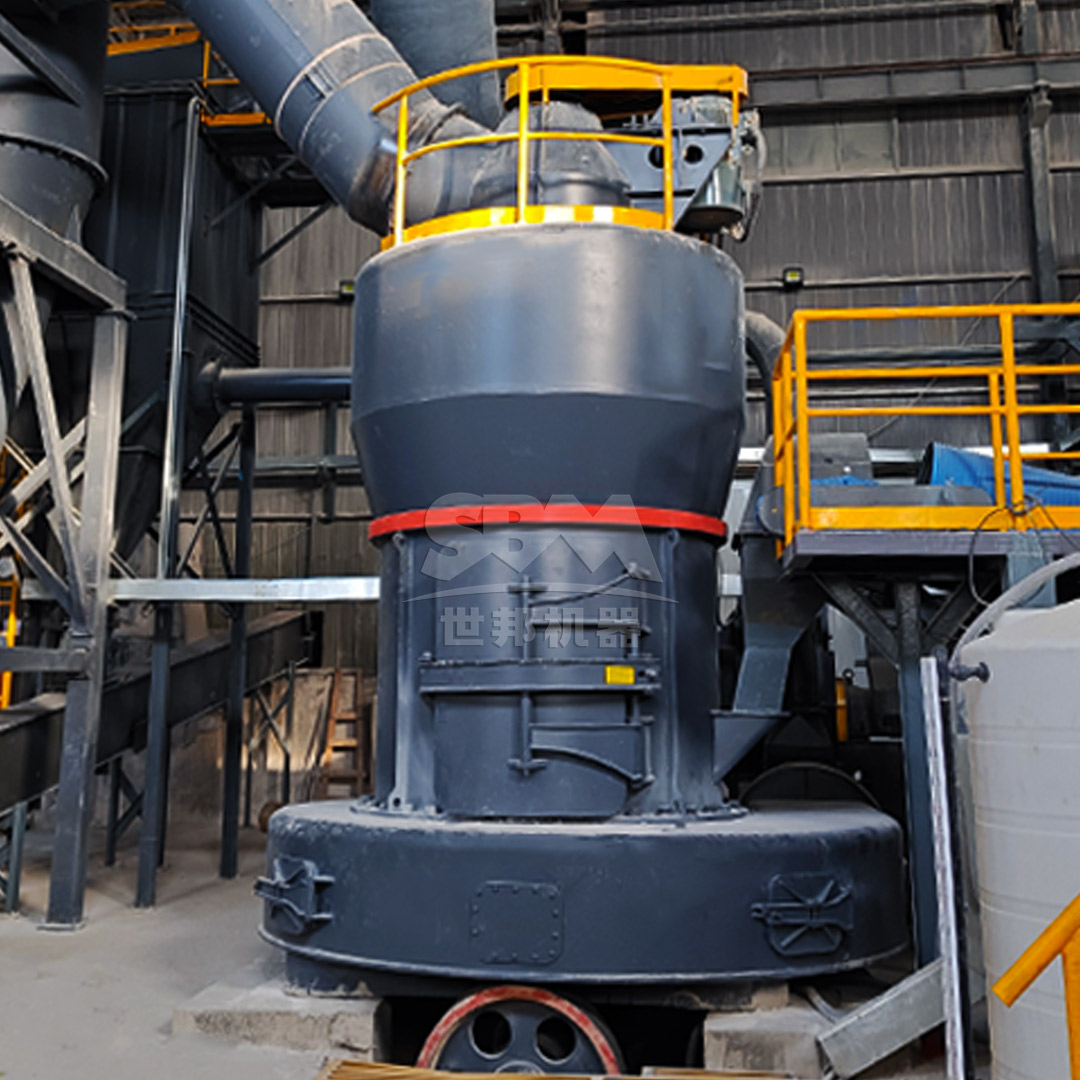
However, the Ball Mill has high energy consumption and significant wear on media and liners. For plants looking to reduce energy consumption and floor space, the LM Series Vertical Roller Mill offers a compelling alternative. The LM series integrates crushing, drying, grinding, and classification into a single unit. Its working principle involves a grinding table rotating beneath stationary rollers, where the limestone is crushed by hydraulic pressure. The ground material is carried upward by hot air to a dynamic classifier, which ensures precise fineness control (170-45μm), while coarse particles are returned to the table for further grinding.
| Mill Series | Table Diameter | Capacity (t/h) | Fineness (μm) | Main Power (kW) |
|---|---|---|---|---|
| LM130K | Φ1300mm | 10-28 | 170-40 | 200 |
| LM150K | Φ1500mm | 13-38 | 170-40 | 280 |
| LM170K | Φ1700mm | 18-48 | 170-40 | 400 |
| LM190K | Φ1900mm | 23-68 | 170-40 | 500 |
| LM220K | Φ2200mm | 36-105 | 170-45 | 800 |
| LM280K | Φ2800mm | 50-170 | 170-45 | 1250 |
The VRM system reduces energy consumption by 30-40% compared to a ball mill circuit and significantly reduces wear part costs due to the non-contact design between the roller and the table. Furthermore, the integrated drying capacity allows the use of moist limestone without the need for a separate dryer.
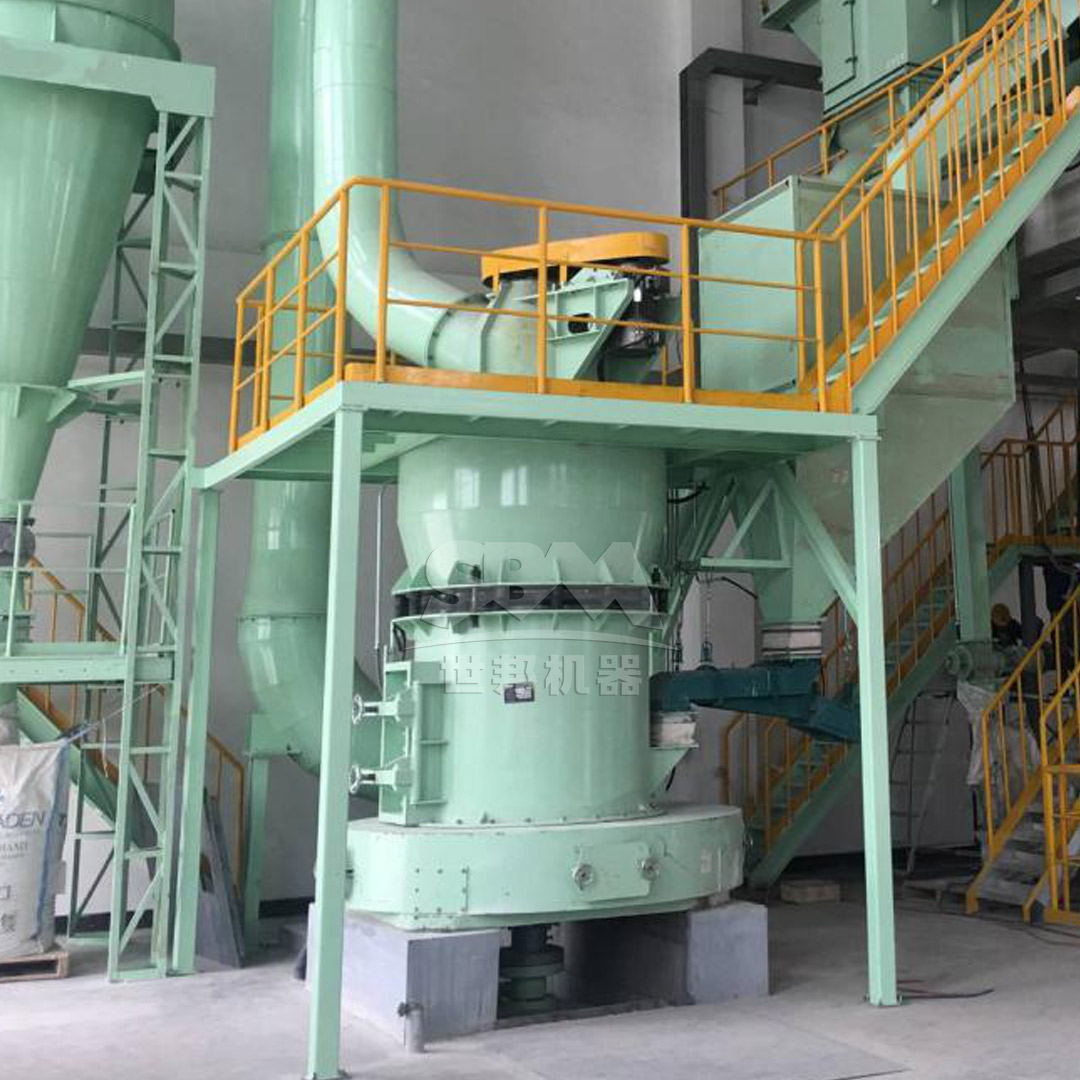
For specific AAC formulations that require a very fine limestone powder (often for slurry conditioning or high-strength blocks), SCM Series Ultrafine Mill (45-5μm) or MTW Series European Trapezium Mill (600-45μm) are utilized.
Once the limestone is ground to the target fineness, it is mixed with water and other additives (such as aluminum powder, gypsum, and cement) in slurry mixers. The limestone slurry needs to be kept at a consistent concentration (typically 60-70% solid content) and temperature to ensure a reproducible reaction. The precise dosing of raw materials and the continuous agitation of the slurry tanks are vital for preventing settling and ensuring uniform quality. The ground material from the mills is discharged into agitated storage tanks, where it is constantly stirred before being pumped to the dosing and casting units.
At [Your Company Name], we understand the diverse needs of AAC producers, from large-scale centralized plants to specialized production lines. We are proud to recommend two flagship products for your limestone grinding needs:
1. SCM Series Ultrafine Mill – For Maximum Fineness & Reactivity
If your AAC recipe demands a high specific surface area for rapid curing and higher early strength, the SCM Series is the optimum choice. Generating powders in the 45-5μm range, it provides the ultra-fine limestone needed to seed the crystallisation process in the autoclave, resulting in a more homogenous and stronger pore structure. Its key advantage lies in its efficiency—delivering twice the capacity of a jet mill with 30% lower energy consumption, making it a cost-effective solution for high-value slurry preconditioning.
2. MTW Series European Trapezium Mill – For High-Capacity, Stable Production
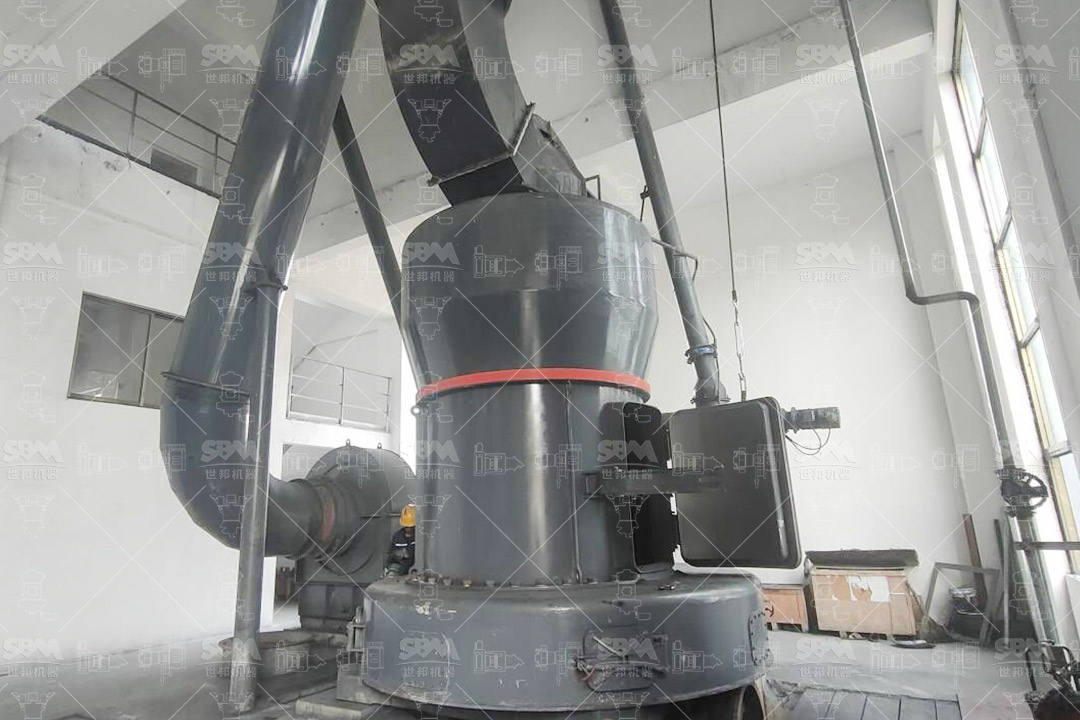
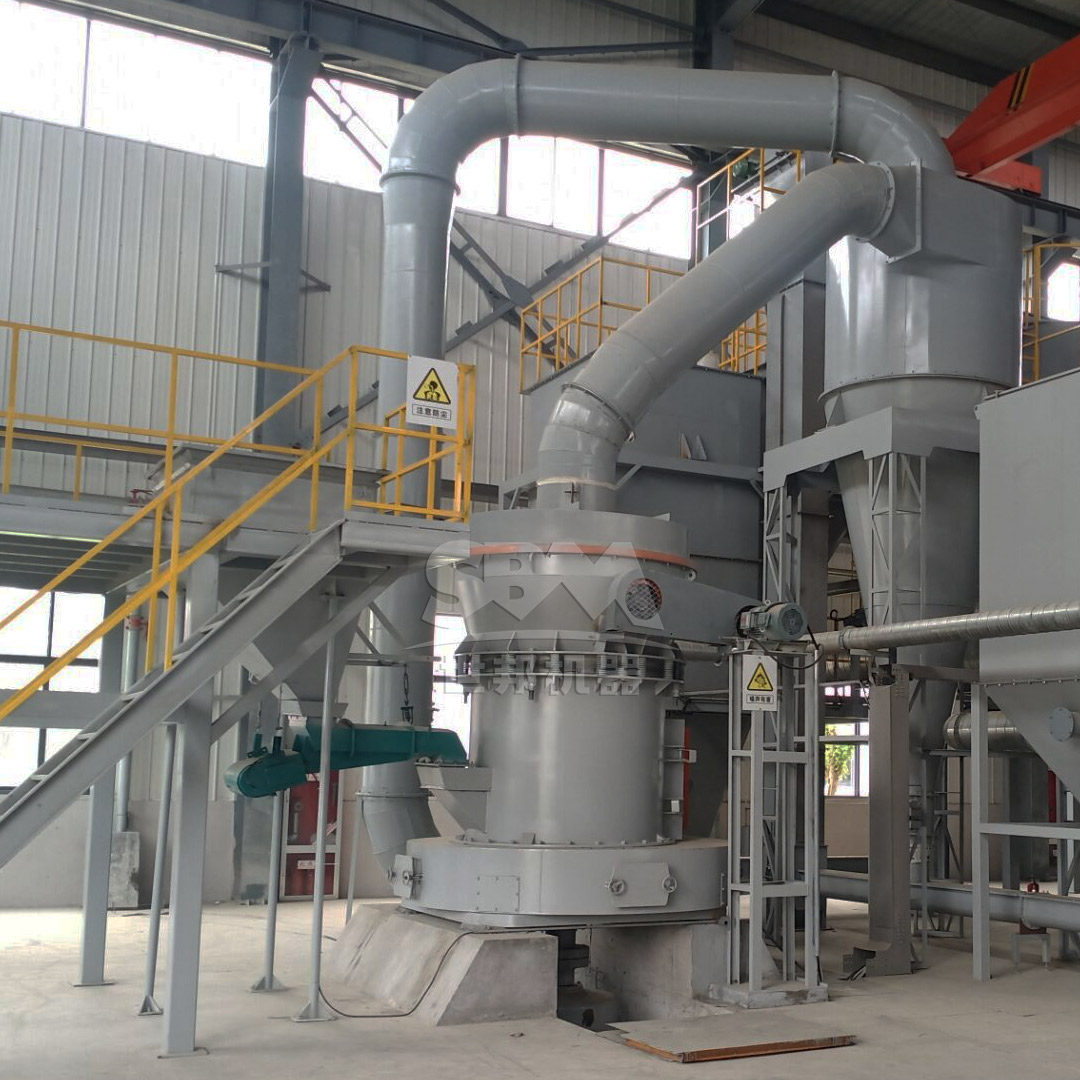
For the primary limestone grinding duty where reliability and throughput are paramount, the MTW Series is the industry benchmark. Its patented anti-wear shovel design and optimized arc air duct minimize maintenance costs and energy loss. Capable of processing up to 45 tons per hour to a fineness of 0.038mm (325 mesh), the MTW mill ensures that the core slurry supply segment operates with high uptime and consistent quality. The integral bevel gear drive guarantees smooth, quiet operation and a reduced installation footprint compared to traditional gearboxes.
Both models feature intelligent control systems that automatically adjust the classifier speed based on real-time fineness feedback, ensuring that your slurry quality never deviates from specification.
Efficient limestone processing is the bedrock of profitable AAC manufacturing. From the robust crushing of the Hammer Mill to the efficient grinding of the LM Vertical Roller Mill, or the specialized output of the SCM and MTW Series, the equipment setup must be carefully designed to match the raw material characteristics and the desired final product. By partnering with a supplier that offers a complete range of technologies and application expertise, AAC producers can ensure their limestone processing line operates with minimal energy waste and maximum reliability, directly contributing to the plant’s long-term profitability.