Activated carbon is a cornerstone of modern industrial gas purification systems, offering exceptional adsorption capacity for volatile organic compounds (VOCs), odors, toxic gases, and recovery of solvents. In any gas treatment plant, the processing of activated carbon—from raw material crushing to fine powder classification—directly determines the efficiency and final adsorption performance of the medium. High surface area (typically 800–1500 m²/g) and pore structure are critical, but these qualities are heavily influenced by the physical processing of the material. This article provides an in-depth guide to selecting the correct processing equipment, covering grinding technologies, classification systems, and cost optimization strategies.
The adsorption kinetics in gas purification are directly linked to particle size distribution. For activated carbon used in fixed-bed adsorbers, granular sizes of 4–8 mesh or 8–30 mesh are typical. However, for catalytic supports or specialized purification where surface area maximization is critical, fine powders below 45 micrometers (325 mesh) are required. Oversized particles lead to slow adsorption kinetics and channeling, while overly fine powders cause high-pressure drops. Therefore, the grinding and classification stage is not merely a size-reduction step; it is a precision engineering exercise to maximize the value and performance of the carbon.
Before fine grinding, raw activated carbon (often produced from coconut shells, coal, or wood) must be reduced from a feed size of 40–50 mm down to a manageable size. For this stage, robust equipment is required to handle the abrasive nature of carbon.
Hammer mills are the workhorse for initial size reduction. They operate on the principle of impact, using high-speed rotating hammers to shatter the material. Modern hammer mills, such as our PC Series, offer high capacity and stable operation. For gas purification feedstock, reaching a final size of 0–3 mm is essential before feeding the ultra-fine grinding stage.
| Model | Capacity (t/h) | Power (kW) | Feed Size (mm) |
|---|---|---|---|
| PC4008-75 | 8-15 | 75 | 0-40 |
| PC4012-90 | 15-40 | 90 | 0-40 |
| PC4015-132 | 40-70 | 132 | 0-40 |
These machines feature high manganese steel liners to withstand wear, ensuring a stable output for the subsequent milling process.
For operations aiming at high throughput, the LM-Y Vertical Pre-grinding Roller Mill is ideal. It integrates sand-making and grinding functions, reducing the need for multiple pieces of equipment. With a bed grinding principle, energy consumption is reduced by 30–50% compared to impact crushing. Models like the LM150Y (6-10 t/h) and LM340Y (80-100 t/h) prepare feed for downstream fine grinding, ensuring a homogenous material flow.
Once the material is reduced to <20mm, the process advances to fine grinding. Here, the choice of mill determines the surface area exposure and pore accessibility of the final activated carbon powder.
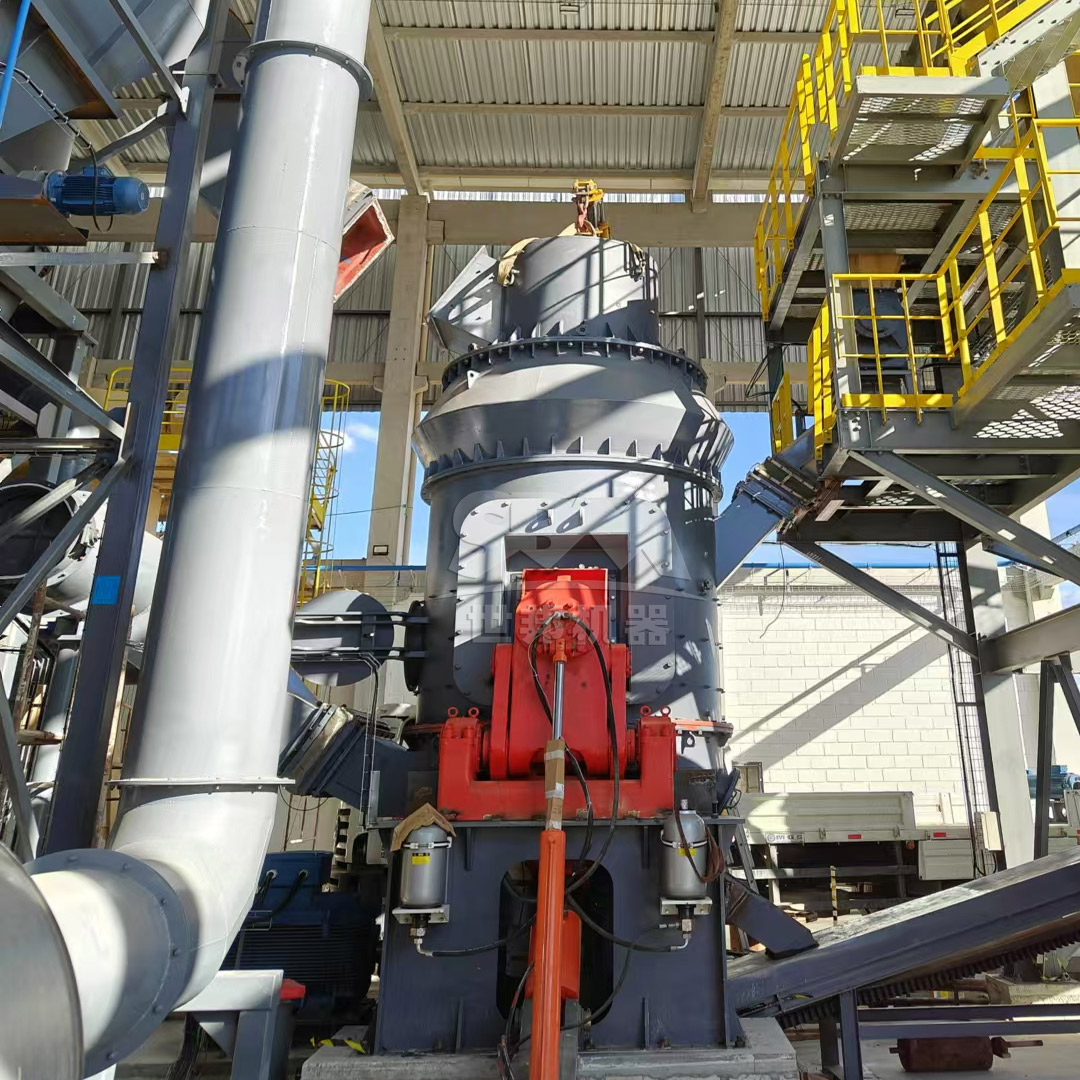
The LM Series Vertical Roller Mill is excellent for capacities ranging from 3 to 250 t/h. It integrates crushing, grinding, and selection in a single unit. For activated carbon, achieving a fineness of 30-325 mesh (600-45 μm) is straightforward. The non-contact design between rollers and table extends wear life by 3 times, significantly lowering maintenance costs in the abrasive carbon environment. The integrated classifier ensures that no coarse powder mixes with the finished product.
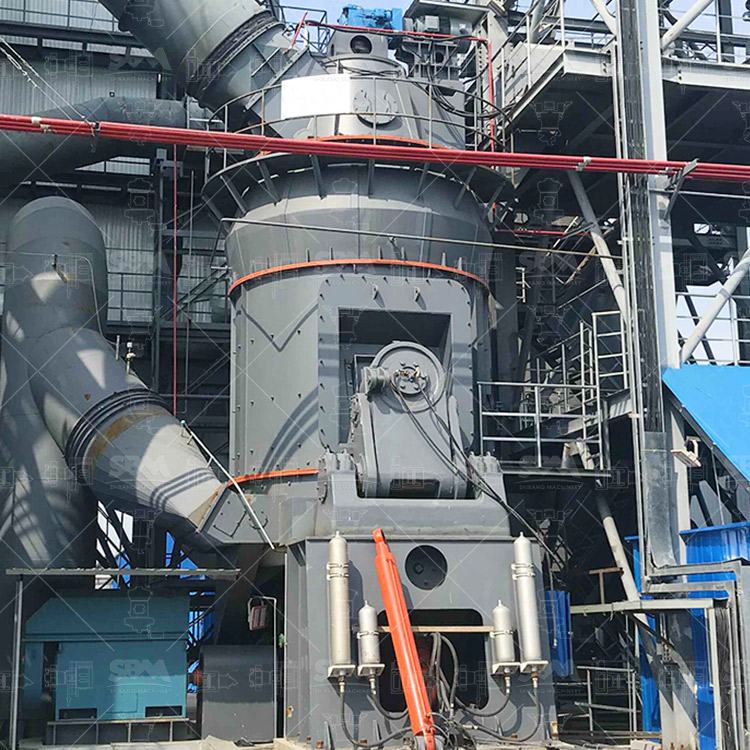
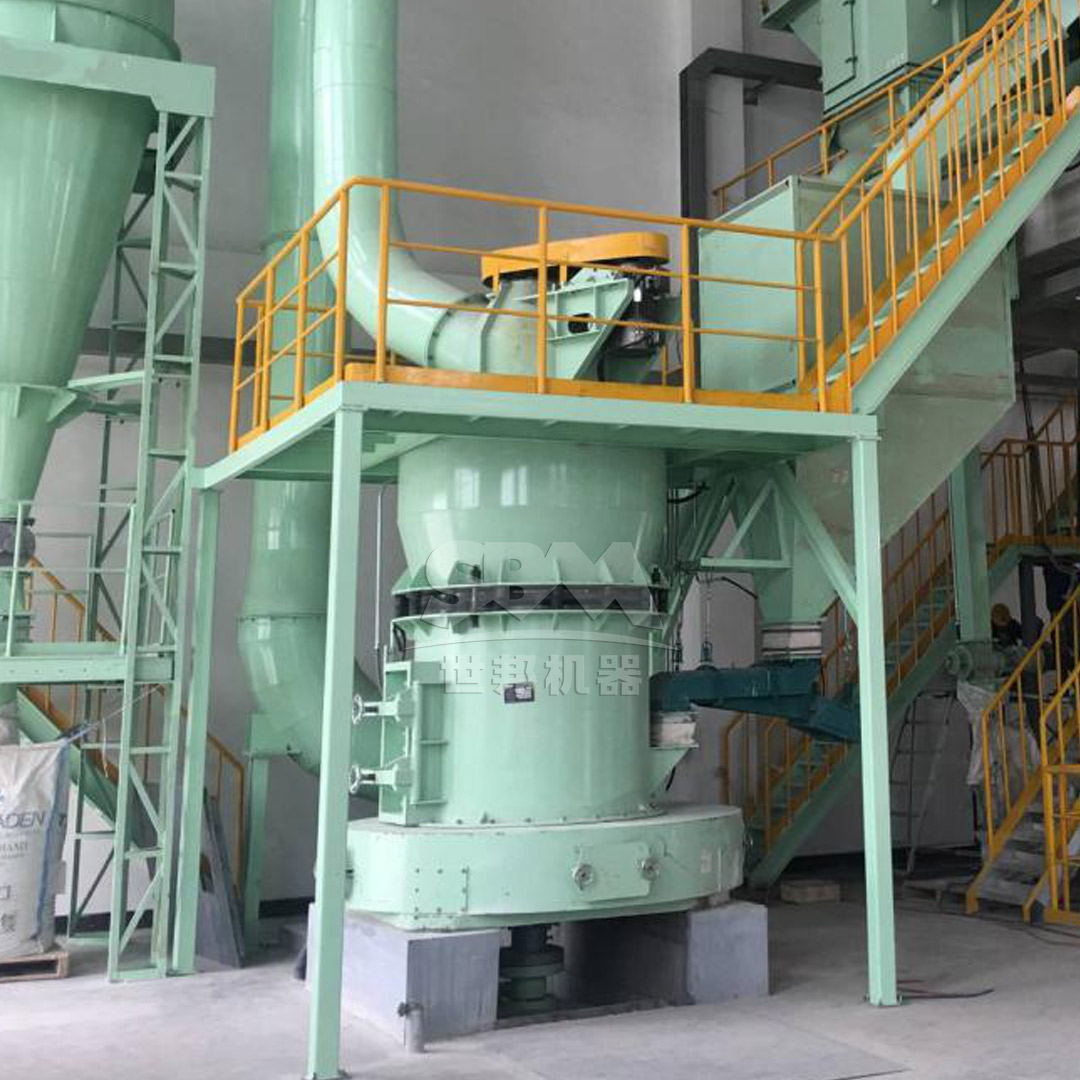
For grinding activated carbon where moisture content might be a concern, the MTW Series European Trapezium Mill is a robust choice. With an integral bevel gear drive achieving 98% transmission efficiency, it ensures lower energy loss. The optimized arc air duct prevents material accumulation and reduces airflow resistance, essential for sticky materials. It processes feed sizes up to 50mm down to 10-325 mesh (0.038mm). The anti-wear shovel design reduces operational friction, ensuring the integrity of the carbon particles.
| Model | Main Power (kW) | Capacity (t/h) |
|---|---|---|
| MTW110 | 55 | 3-9 |
| MTW138Z | 90 | 6-17 |
| MTW215G | 280 | 15-45 |
The market for premium activated carbon in gas purification increasingly demands ultrafine particles (<10 μm) for applications in functional coatings and high-speed adsorption. This requires specialized mills that offer precision classification.
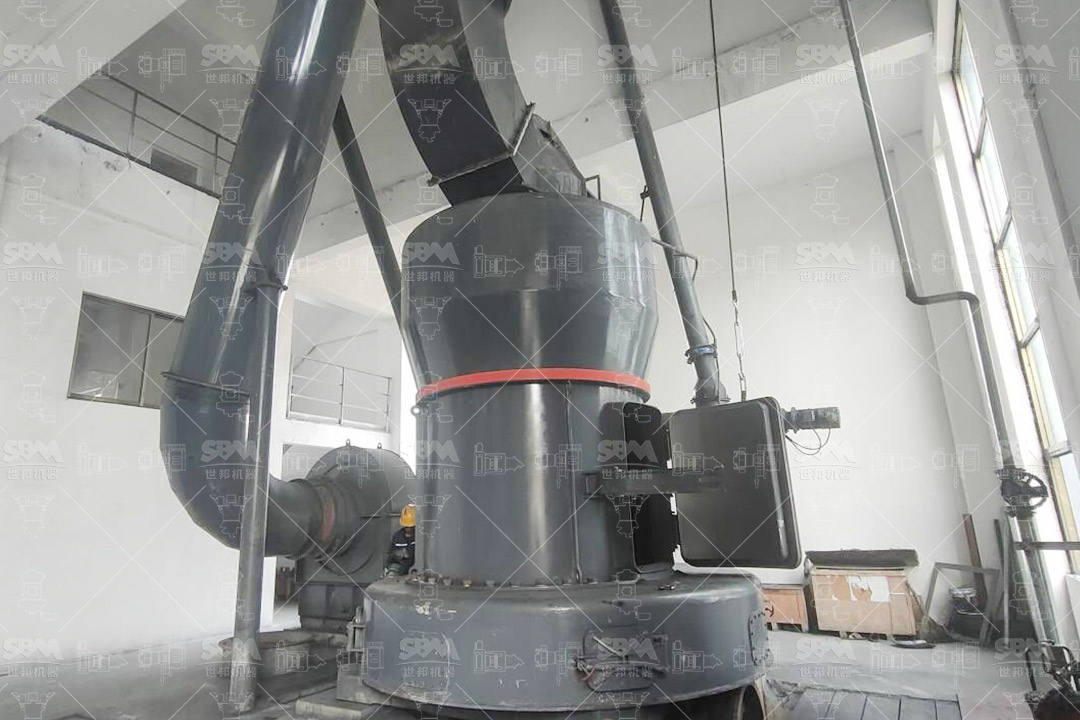
Our SCM Series Ultrafine Mill is specifically engineered for outputs between 325 and 2500 mesh (45-5 μm). This equipment uses a multi-layer grinding ring design. It achieves twice the capacity of jet mills while consuming 30% less energy—a critical factor in the cost-sensitive activated carbon market. The vertical turbine classifier ensures precise particle size cutting, guaranteeing no coarse powder mixing, which is vital for quality consistency in high-end gas filters.
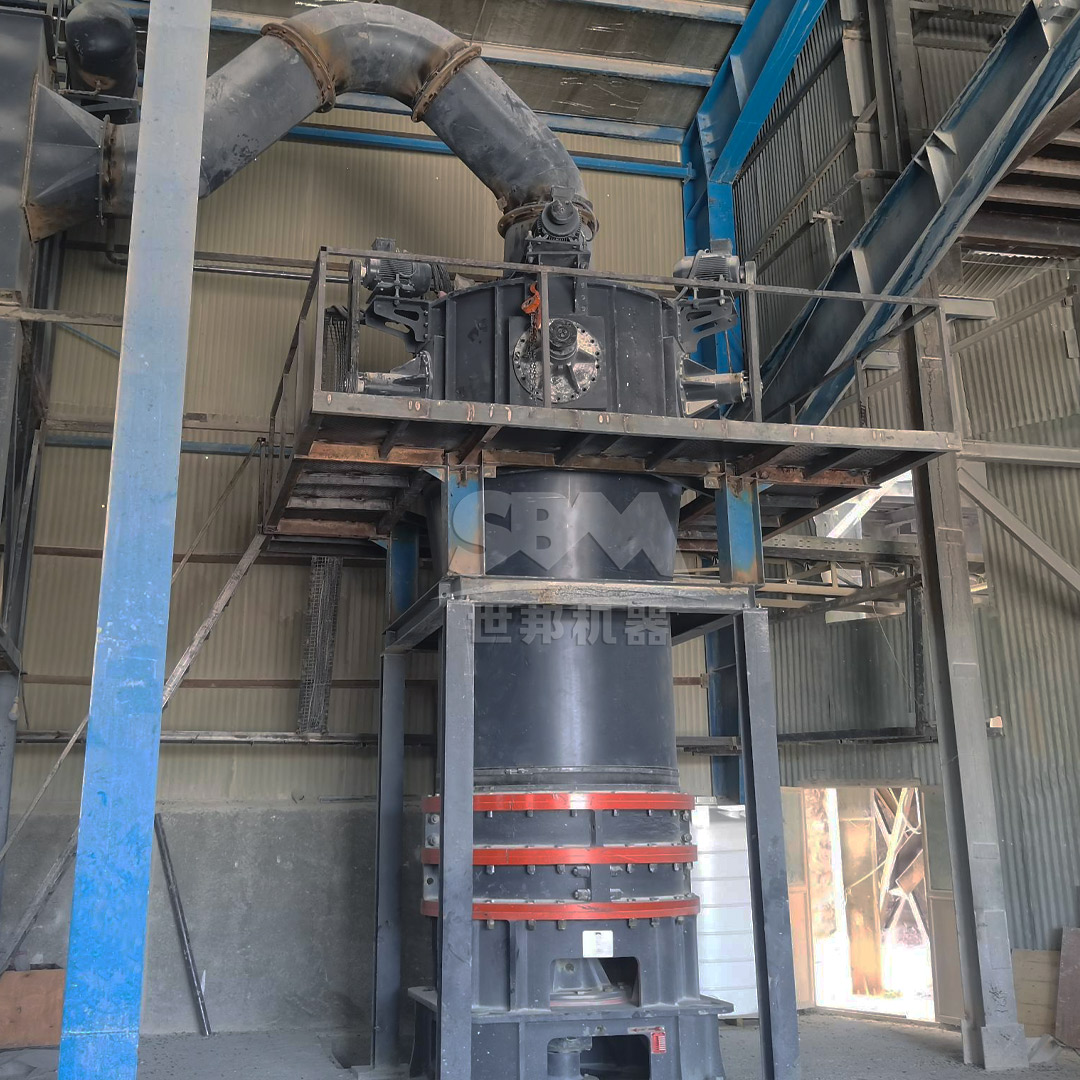
**Product Recommendation:** For producers looking to maximize yield of fine activated carbon powder for advanced gas purification systems, the SCM1000 is our top recommendation. It offers a capacity of 1.0-8.5 t/h with a main power of 132kW, effectively balancing high throughput with energy efficiency. For higher volume operations, the SCM1680 (5-25 t/h, 315kW) provides the ultimate scale for industrial gas treatment.
For those requiring a different approach to fine grinding, the LUM Series uses multi-rotor technology to ensure no coarse particles remain. With outputs up to 15 t/h and fineness down to 5 μm, it is highly ergonomic and dust-free due to negative pressure operation.
Gas purification processing is not just about grinding; it is about classifying. The use of a high-efficiency dynamic classifier is mandatory to separate qualified powder from oversized material. In our systems, the vertical turbine classifier provides precise cut points. The collection process utilizes pulse dust collectors, which are internationally certified for emissions. In activated carbon plants, explosion-proof designs are often required, and our collectors are configured to handle such risks.
Selecting the right equipment from the array of options involves a critical analysis of feed size and desired output. The following matrix helps guide the initial selection:
| Feed Size (mm) | Target Fineness (Mesh) | Recommended Equipment |
|---|---|---|
| ≤50 | 30-325 | MTW / LM Roller Mills |
| ≤20 | 325-2500 | SCM / LUM Ultrafine Mills |
| ≤40 | 0-3 | PC Hammer Mills |
Operational costs are the largest concern in carbon processing. This includes energy expenditure, wearing parts replacement, and downtime.
Traditional ball mills consume excessive power. Switching to vertical roller mill systems or trapezium mills reduces energy consumption by up to 40% compared to ball milling technologies. The efficient grinding mechanism of the SCM series, for example, uses less energy for the same fineness compared to jet mills.
Activated carbon is highly abrasive. The use of specialized materials in rollers and rings is vital. Our SCM mills use special alloy materials that extend service life several times over. Similarly, the MTW mill’s combined shovel blades reduce the maintenance costs associated with frequent replacement.
Automation reduces labor costs and stabilizes output. Intelligent control systems provide real-time feedback on granularity, automatically adjusting the classifier speed and mill pressure. This ensures that no energy is wasted grinding to an overly fine size.
The selection of activated carbon processing equipment for gas purification is a strategic decision that impacts operational viability. It is essential to choose a partner who understands both the grinding mechanics and the specific requirements of gas adsorption media. For granular products for bed filters, we recommend the MTW138Z European Trapezium Mill. It offers a robust 6-17 t/h capacity, handles feed sizes up to 35mm, and delivers a high-quality output of 10-325 mesh with 98% gear transmission efficiency, ensuring low operating costs.
For companies focused on producing specialized activated carbon powders for high-performance purification or catalyst support, we highly recommend the SCM1000 Ultrafine Mill. This machine represents the pinnacle of fine milling technology, allowing you to achieve 325-2500 mesh precisely, ensuring that every ton of carbon realizes its full adsorption potential. Contact our engineering team today to optimize your process flow and achieve maximum ROI on your carbon processing line.