Barium sulfate (BaSO₄), commonly known as barite, is an essential inorganic compound with a remarkable range of applications. In the realm of analytical chemistry and laboratory research, the demand for high-purity BaSO₄ is particularly stringent. It serves as a primary standard for gravimetric analysis, a reagent for turbidimetric determination of sulfate ions, a white pigment standard for spectrophotometry, and a crucial matrix modifier in various spectroscopic techniques. The efficacy of these applications hinges entirely on the purity, consistency, and particle size distribution of the barite powder. Impurities such as iron, strontium, silica, and organic matter can introduce significant errors in analytical measurements, compromising the validity of experimental results. Consequently, the production of analytical reagent (AR) grade barium sulfate demands specialized processing equipment capable of delivering not only extreme purity but also precise physical characteristics. This article explores the technological intricacies and machinery essential for transforming natural barite ore into a high-grade analytical reagent.
The journey from mined barite ore (which typically contains 80-95% BaSO₄) to an ultra-pure, lab-grade reagent is a multi-stage process involving beneficiation, chemical treatment, and precise mechanical processing. While chemical purification steps remove soluble impurities and heavy metals, the final physical processing stage—grinding and classification—is paramount in defining the product’s particle size, surface area, and flowability. These physical attributes are critical in analytical applications. For instance, a consistent, fine particle size ensures uniform suspension and complete reaction in turbidimetric analysis. Achieving this level of refinement requires a deep understanding of grinding technologies. This article will delve into the core equipment that enables this precision, focusing on how modern grinding mills achieve the tight specifications required for analytical-grade barite.
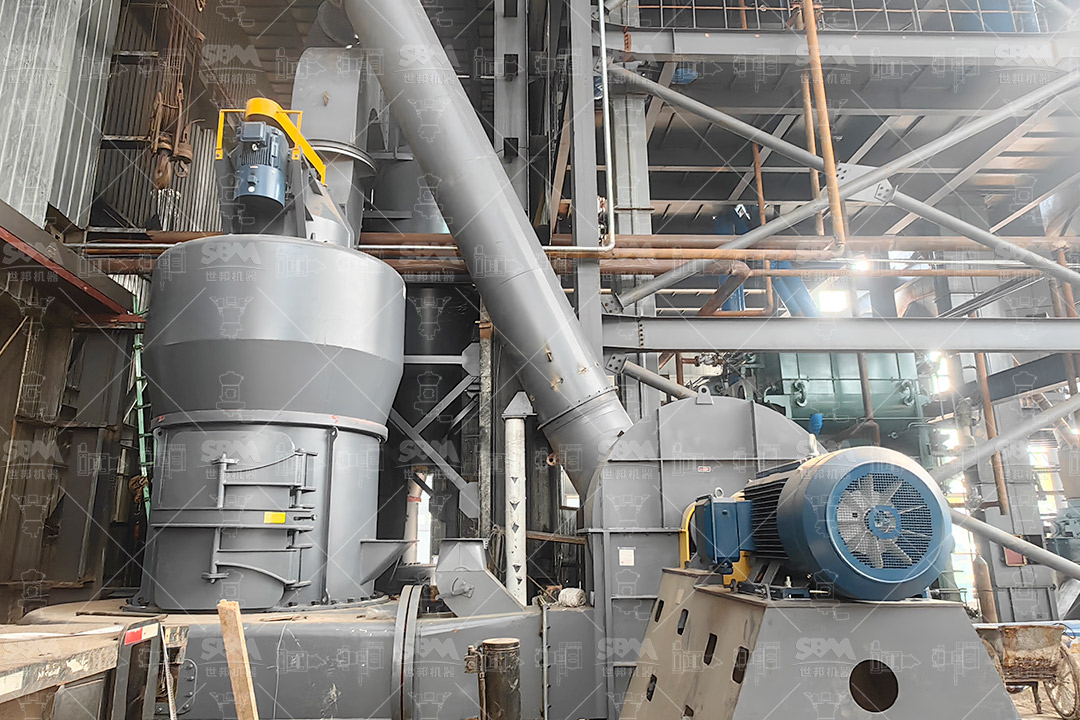
Before barite can be considered for laboratory use, it must undergo rigorous physical processing to meet stringent purity and fineness standards. The primary challenges in this phase are the need for ultra-fine, uniform particle sizes (often in the micron and sub-micron range) and the absolute necessity to prevent cross-contamination. Traditional mining and initial crushing processes yield a coarse concentrate. This concentrate must then be subjected to fine grinding to liberate the BaSO₄ crystals from associated gangue minerals like quartz, calcite, and silicates. The downstream chemical purification, typically involving a carbothermic reduction or a metathesis reaction to form highly soluble barium salts followed by reprecipitation, requires a starting material with a very specific surface area to be efficient. The more surface exposed by the grinding process, the faster and more complete the subsequent chemical conversion can be. Thus, the selection of a grinding mill is not an afterthought; it is a critical scientific decision that dictates the efficiency of the entire purification chain and the quality of the final analytical product.
Furthermore, for many laboratory applications, a narrow particle size distribution (PSD) is non-negotiable. A product that is a heterogeneous mixture of fines and coarse particles will not behave uniformly in suspension, leading to inconsistent results in analytical procedures. The industry standard for analytical-grade materials often requires a particle size profile where 100% of the material passes through a designated sieve size (e.g., 45 µm for 325 mesh) and a specific percentage (often 90% or more) must fall within a much finer range (e.g., 5–20 µm). Achieving this level of precision requires not only a powerful grinding mill but also a highly efficient and precise air classification system that can separate fine particles from the grinding stream without inducing contamination or losing yield.
The heart of the high-purity barite production line is the ultrafine grinding mill. This equipment is tasked with reducing the particle size of the barite concentrate from a few millimeters down to the micron level, typically in the range of 45-5 µm (325-2500 mesh). However, not all ultrafine mills are created equal. Traditional ball mills, while effective for coarse grinding, suffer from high energy consumption, significant wear, and an inability to produce a steep and consistent PSD without excessive energy input for classification. They can also introduce metallic contamination from the grinding media, a fatal flaw for an analytical reagent.
Modern processing facilities have therefore shifted towards advanced roll-ring mills and vertical roller mills that operate on the principle of inter-particle comminution or bed grinding. In a bed grinding mechanism, the material is crushed by pressure between rollers and a grinding ring, rather than by impact from loose media. The grinding force is exerted on a bed of particles, ensuring that the material is ground more uniformly and efficiently. This method drastically reduces wear and tear on the machinery and, more importantly, minimizes metallic contamination of the product. Furthermore, these mills are typically equipped with dynamic air classifiers that provide precise cutting of particle size, ensuring no oversize particles contaminate the final product and delivering the narrow PSD essential for analytical consistency.
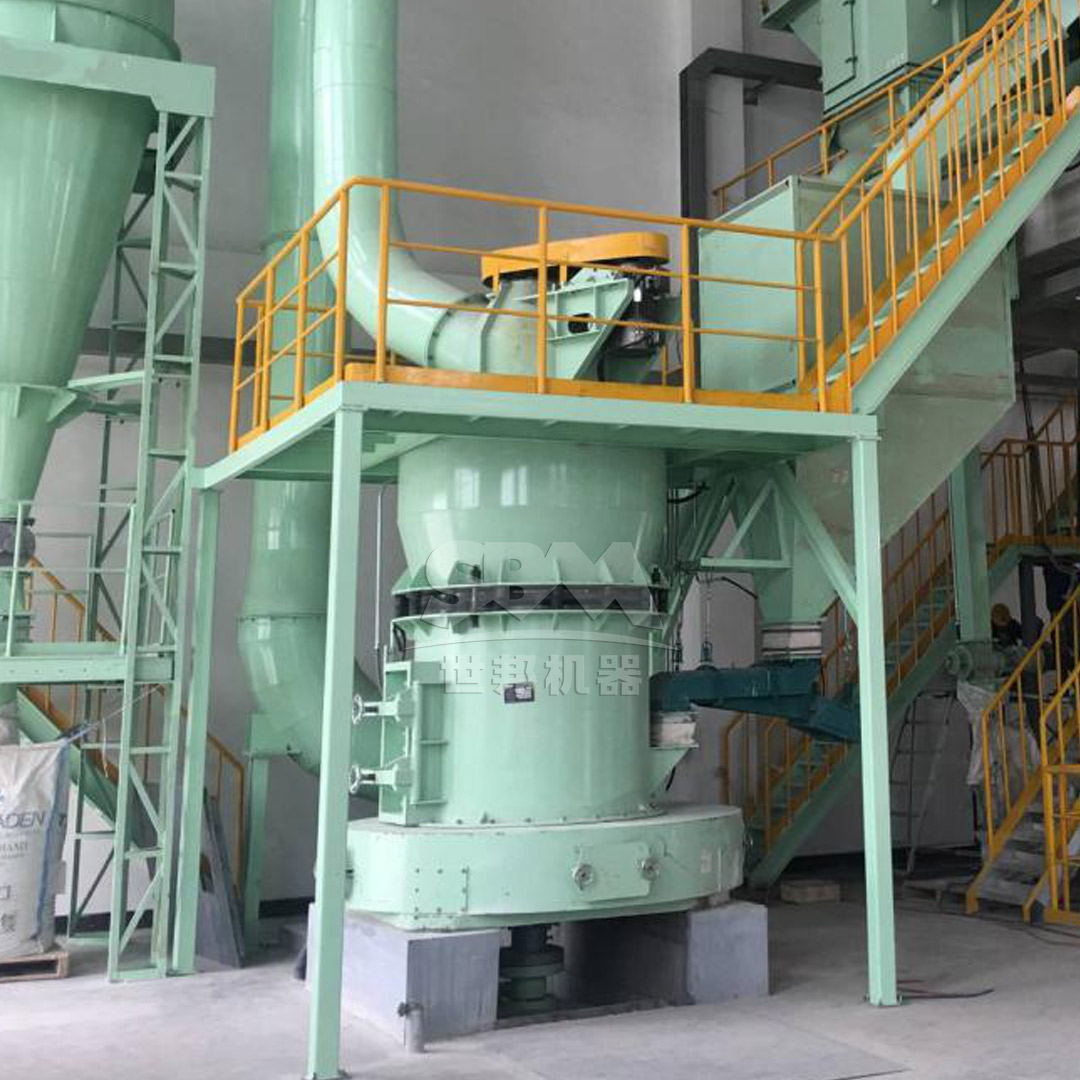
For our analysis, let us examine a solution specifically engineered for this demanding task: the SCM Series Ultrafine Mill. This equipment, a staple in high-end mineral processing, is designed to produce powders between 325-2500 mesh (45-5 µm). Its key technical advantages align perfectly with the requirements for AR-grade BaSO₄ processing. The SCM series is known for its high efficiency, boasting a capacity that is twice that of equivalent jet mills, while consuming 30% less energy. This is a critical factor in maintaining a cost-effective production line without sacrificing output quality.
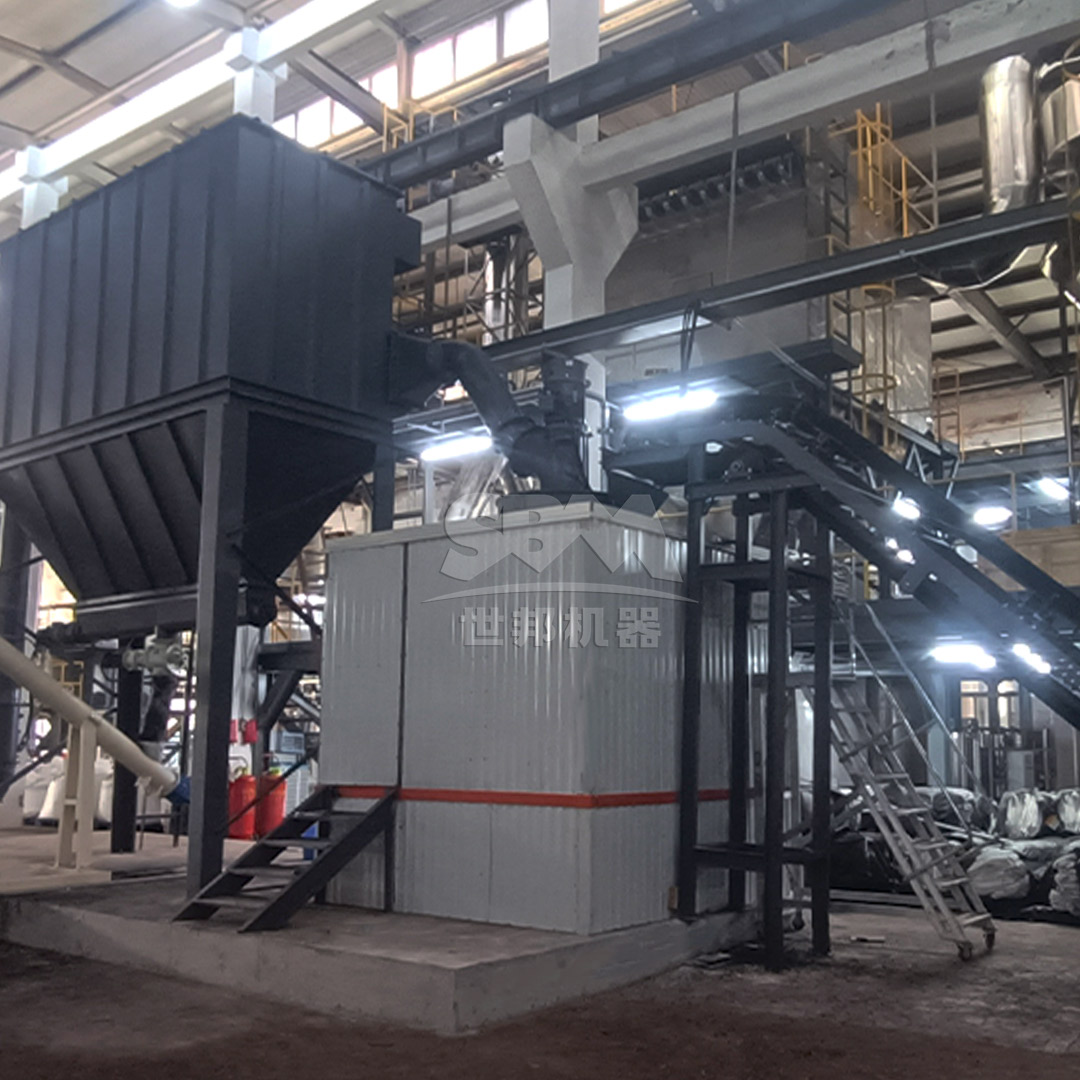
The SCM1000 model offers an excellent platform for medium-scale production. With a capacity of up to 8.5 tons per hour and a main power of 132kW, it is robust and efficient. Its high-precision vertical turbine classifier is the cornerstone of its ability to meet strict analytical standards. This classifier ensures uniform particle cutting with no coarse powder bypass, guaranteeing that the final BaSO₄ product will have the consistent fineness required for dependable analytical results. The eco-friendly design with pulse dust collection also ensures the production environment is free from contamination, further safeguarding product purity. For larger scale operations, the SCM1680 can produce up to 25 tons per hour while maintaining the same rigorous 325-2500 mesh fineness, making it an ideal choice for commercial-scale production of analytical reagent barite.
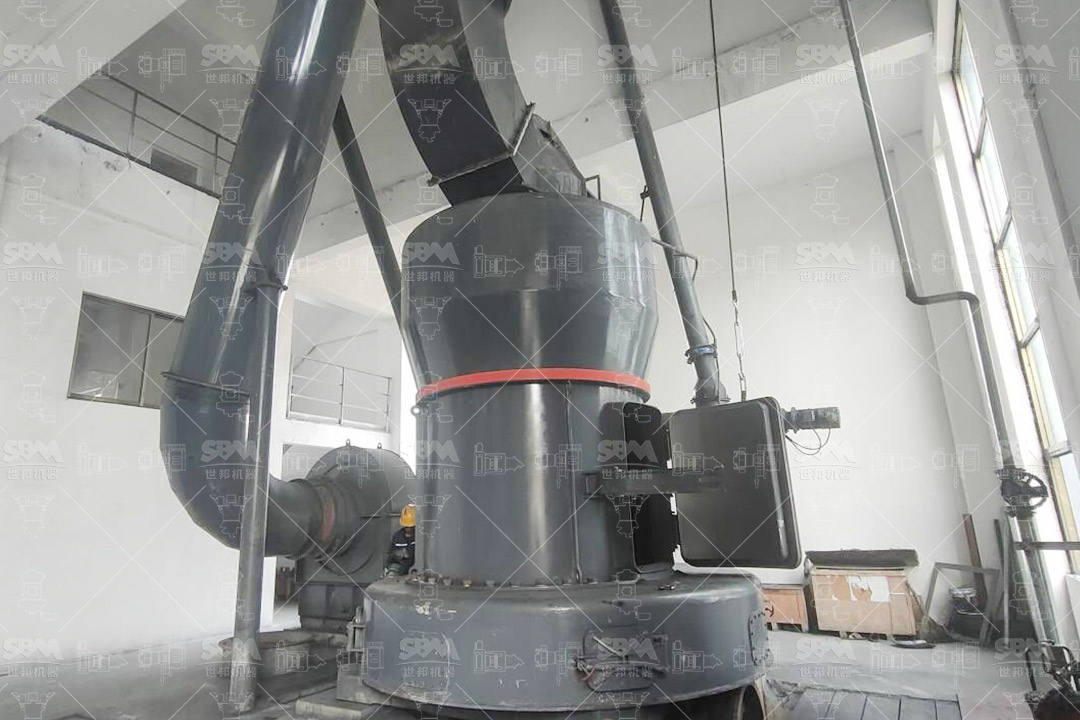
While ultrafine mills are the go-to for micronized powders, there are scenarios where somewhat coarser sizes (down to 45 µm) are specified for specific analytical procedures that don’t require nano-particle sizes. In such cases, a more versatile mill like the MTW Series European Trapezium Mill provides an ideal balance of efficiency, durability, and output fineness. The MTW series is a classic workhorse, designed for high-volume production and outstanding performance. It can process feed sizes up to 50mm directly, boasting an impressive capacity range of up to 45 tons per hour, with an adjustable fineness of 30-325 mesh.
The reliability of the MTW series lies in its engineering. Its integral bevel gear drive system boasts a 98% transmission efficiency, directly reducing operational energy costs. The anti-wear shovel design and optimized arc air duct contribute to lower maintenance and enhanced operational longevity. For the production of analytical-grade barite, where consistency is key, the volute structure’s non-resistance flow design prevents material build-up and ensures a stable, homogenous feed to the classifier. The MTW110, with its compact footprint, is suitable for smaller production batches, while the powerful MTW215G can handle large-scale industrial production of AR-grade barite where 325 mesh (45 µm) is the target fineness. This mill serves as an excellent primary grinding solution or a complement to an ultrafine line, providing a flexible and energy-efficient approach to material preparation.
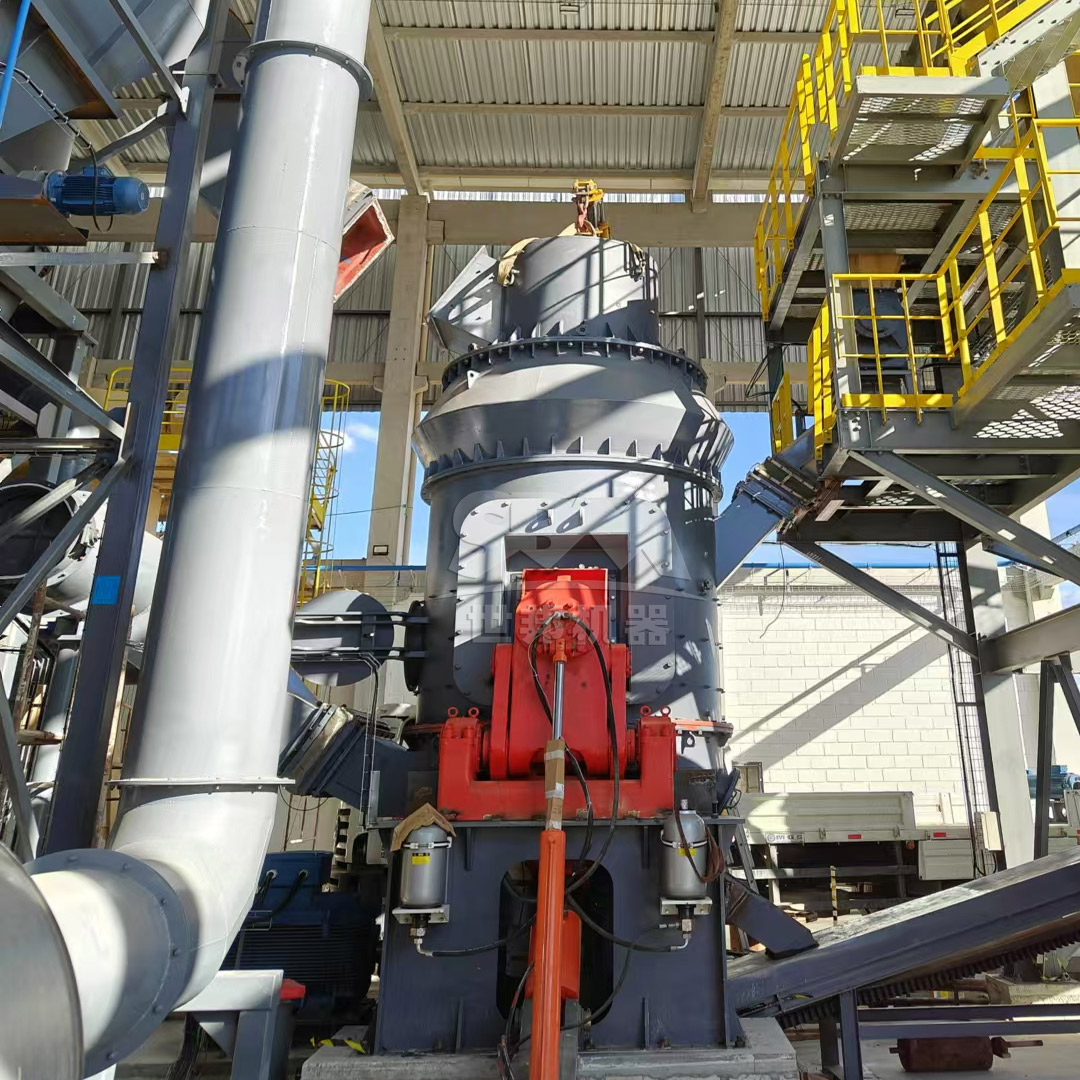
The selection of the grinding mill is the first step, but the final product’s caliber in a production line is often determined by the pre and post-processing steps. If a broader requirement for mineral grinding is considered, particularly when processing barite along with other materials in a large, integrated facility, the LM Series Vertical Roller Mill stands out for its integrated drying, grinding, and classification capabilities. Its low operating cost and high capacity (up to 250 t/h) make it an unparalleled choice for high-tonnage operations.
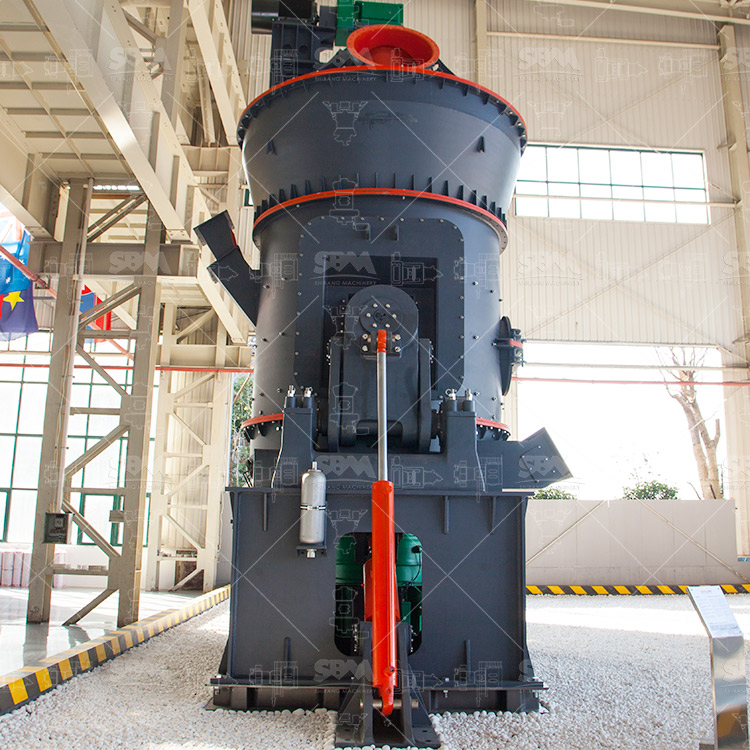
Achieving high-purity BaSO₄ is not solely the job of the mill; it is the function of the entire integrated system. The grinding machine operates within a sophisticated network of conveying, dedusting, and classification equipment. To produce an analytical reagent, the entire setup must be designed to avoid any external contamination and to maintain a closed-loop operation that minimizes material loss. Here is a breakdown of a typical configuration:
The controlled environment of these mills, especially the SCM and LM series with their negative-pressure operation, is a massive advantage. The sealed system prevents the escape of micronized BaSO₄ dust, which is not only a potential health hazard but also a source of contamination within the plant.
The precision of the final particle size is the most direct measure of the product’s quality for lab use. An inefficient classifier will allow coarse particles to contaminate the fine powder, ruining its consistency. The vertical turbine classifier used in the SCM series is revolutionary. It uses a high-speed rotating turbine to create a strong centrifugal force. The finer (lighter) particles are pulled inward to the center by the air stream and are discharged as the finished product. Coarser (heavier) particles are thrown to the outer edges by centrifugal force, falling back into the grinding zone for further reduction. This dynamic classification creates a sharp cut, meaning there is virtually no overlap in particle sizes. This ensures that when you weigh out a 1.000g sample of BaSO₄ for your experiment, you are using material with a known, consistent surface area and behavior.
Equally important in the final product purity is the dust collection system. Advanced pulse dust collectors operate by blowing high-pressure pulses of air through filter bags, dislodging accumulated dust. The efficiency of these systems, as found on our mills, exceeds international environmental standards, ensuring that the collected powder is of the highest quality. The closed-loop nature of these systems ensures that all the ground product is captured, and none is lost to the atmosphere.
| Processing Stage | Equipment/Method | Impact on AR-Grade Quality |
|---|---|---|
| Fine Grinding | SCM Series Ultrafine Mill | Uniform PSD, low contamination, micron size control (45-5µm) |
| Primary Grinding | MTW Series European Trapezium Mill | Versatile production, high throughput, consistent 30-325 mesh cut |
| Large-Scale Grinding | LM Series Vertical Roller Mill | Integrated drying/grinding, ideal for high-tonnage, low operating costs |
| Classification | Vertical Turbine & Dynamic Classifiers | Sharp particle size distribution, no coarse contamination |
| Collection | Pulse-Jet Dust Collectors | Complete product recovery, environmental compliance |
Let’s consider a specific example in the analytical laboratory. In the standard gravimetric method for determining sulfate, BaCl₂ is added to a sample, precipitating BaSO₄. The precipitate is filtered, washed, and ignited before being weighed. The accuracy of this procedure depends on the purity of the ‘unknown’ sulfate being analyzed, but the performance of the assay is compared against standards prepared from pure BaSO₄. If our barite powder used to create these standards has a particle size distribution that is too wide, a portion of the ‘standard’ powder may be too coarse to react or may contain impurities that leach out in solution. By ensuring the standard BaSO₄ powder is micronized to a tight PSD with the SCM series, the scientist is guaranteed that the reactivity and solubility profile are extraordinarily consistent.
We invite you to consider the advantages offered by our SCM Series Ultrafine Mill and MTW Series European Trapezium Mill. They represent the state-of-the-art in high-purity mineral processing, engineered to deliver the dependable, reproducible results that modern analytical chemistry demands. Their intelligent controls and robust constructions make them the definitive choice for producing the next batch of certified analytical reagents.
The production of analytical reagent grade barium sulfate is a challenging yet critical undertaking. It requires a comprehensive understanding of both chemistry and mechanical engineering. The physical processing of barite into a fine, uniform, and pure powder is the cornerstone on which the validity of countless laboratories’ work rests. The equipment that performs this task must be advanced, reliable, and specifically designed to maintain purity. The lines of grinding mills we have discussed are highly effective, but the synergy of the entire system—grinding, classifying, and collection—that defines its success.
By choosing the appropriate technology from our portfolio, you are not just buying a machine; you are investing in the integrity of your analytical results. Our commitment is to provide you with the machinery to achieve the high-purity BaSO₄ required for your most demanding applications. We understand the nuance and precision involved in lab-grade production, and our equipment is designed to meet those exacting standards, from the feed hopper to the final collection point.