Barite (barium sulfate, BaSO₄) has long been recognized as a vital industrial mineral, with applications ranging from oil and gas drilling fluids to high-density fillers in paints, plastics, and rubber. However, one of its most specialized and demanding applications is in the production of dehydrating agents. In this context, barite powder must meet exceptionally stringent purity, fineness, and consistency standards. A dehydrating agent, often used in chemical processing and natural gas dehydration, relies on the physical and chemical stability of barite to function effectively. The powder’s surface area, particle size distribution, and absence of impurities directly influence the dehydration efficiency, reaction kinetics, and overall lifespan of the agent. Consequently, the selection of appropriate barite processing equipment, particularly the grinding mill, becomes a decision of paramount strategic importance.
Producing high-purity barite powder is not merely about crushing and milling; it is a sophisticated process that demands precision engineering. The grinding stage must liberate the mineral from gangue materials without introducing metallic contamination, all while achieving the ultra-fine particle sizes required for optimal dehydration performance. This article provides a comprehensive guide to selecting the right grinding mill for high-purity barite powder, focusing on key performance criteria, technological comparisons, and industry-best practices. We will delve into the nuances of mill selection, examining types of equipment, their operational principles, and how they align with the rigorous demands of the dehydrating agent industry.
Before embarking on the equipment selection journey, it is essential to define the target specifications for the final product. The phrase “high-purity” implies a BaSO₄ content typically exceeding 97%, often reaching 99% or higher. This necessitates a grinding process that minimizes wear and tear on the mill components coming into contact with the material, as any abrasion could introduce iron or other metallic impurities into the powder. Furthermore, the fineness requirement for dehydrating agents is typically in the range of 325 mesh (45 μm) to 1250 mesh (10 μm), with some advanced formulations demanding even finer particles down to 5 μm.
The particle size distribution (PSD) must be narrow and consistent. A steep PSD curve ensures uniform reactivity and predictable behavior when the powder is used as a dehydrating agent. Irregular or overly coarse particles can lead to channeling in dehydration towers, while excessive fines may cause dusting issues and handling difficulties. Therefore, the chosen grinding mill must offer superior classification capabilities to cut oversize particles precisely. Additionally, the moisture content of the feed material and the ambient humidity during processing must be managed, as barite is relatively inert but hygroscopic impurities can affect product quality.
Choosing the right grinding mill is a multi-factorial decision that goes beyond just looking at throughput figures. Several critical parameters must be evaluated in the context of high-purity barite processing:
1. Feed Size vs. Output Fineness: The ratio of the maximum feed size to the required output fineness determines the mill’s reduction ratio. A mill with a high reduction ratio can handle larger chunks and produce finer powders in a single pass, simplifying the process flow. However, for ultra-fine grinding, a two-stage process might be necessary, where a primary crusher or coarse mill reduces the material before the ultra-fine mill takes over.
2. Capacity and Throughput: The required production capacity in tons per hour (t/h) dictates the size and scale of the mill. This must align with the overall plant design and downstream processing bottlenecks. It is essential to consider the mill’s capacity at the required fineness, not just its maximum capacity—as these two values can be significantly different.
3. Contamination Control: For high-purity applications, the wear rates of the grinding media and mill internals are of utmost importance. Mills designed with wear-resistant materials like high-chromium steel, ceramics, or specialized polymer liners are preferred. The design of the grinding rollers and rings should maximize material-on-material grinding to reduce metallic contact.
4. Energy Efficiency: Grinding is an energy-intensive process. Selecting an energy-efficient mill not only reduces operating costs but also aligns with modern sustainability goals. Technologies like bed-of-material grinding (vertical roller mills) or fluidized bed jet mills are significantly more energy-efficient than traditional tumbling ball mills.
5. Classification Precision: An integrated, high-efficiency classifier is non-negotiable for producing a consistent, narrow PSD. Modern dynamic classifiers offer precise cut points and can be adjusted on-the-fly to fine-tune the product fineness without stopping the mill.
Several types of grinding mills are commercially available, each with its own set of strengths and weaknesses when applied to high-purity barite grinding. The primary technologies include:
Ball Mills: These are the most traditional grinding machines. They operate by rotating a cylinder filled with steel balls or rods. While they are robust and capable of handling large throughputs, their energy efficiency is low, and they invariably introduce some metallic contamination from the grinding media. They are generally not the first choice for ultra-fine (below 400 mesh) high-purity barite. Their classification efficiency, if external, can be poor, leading to a wide PSD.
Jet Mills: Jet mills use high-velocity compressed air or steam to accelerate particles against each other. This provides a contamination-free grinding environment, as there is no mechanical attrition contact. They are excellent for producing ultra-fine powders (down to 2-3 μm) with a very sharp PSD. However, their principal drawbacks are high specific energy consumption (usually 2x or more compared to other mills) and lower throughput, making them cost-prohibitive for large-scale production of coarser grades like 325 mesh.
Vertical Roller Mills (VRM): VRMs operate on a bed-of-material principle. The material is ground between a rotating grinding table and stationary or floating rollers. The rollers apply pressure, crushing the material layer. This design is exceptionally energy-efficient (30-40% less than a ball mill) and can handle large capacities. VRMs also feature integrated dynamic classifiers. However, for ultra-fine grinding down to 10 μm, specialized models are required, and the contact between rollers and table can still cause some wear, though modern designs minimize this.
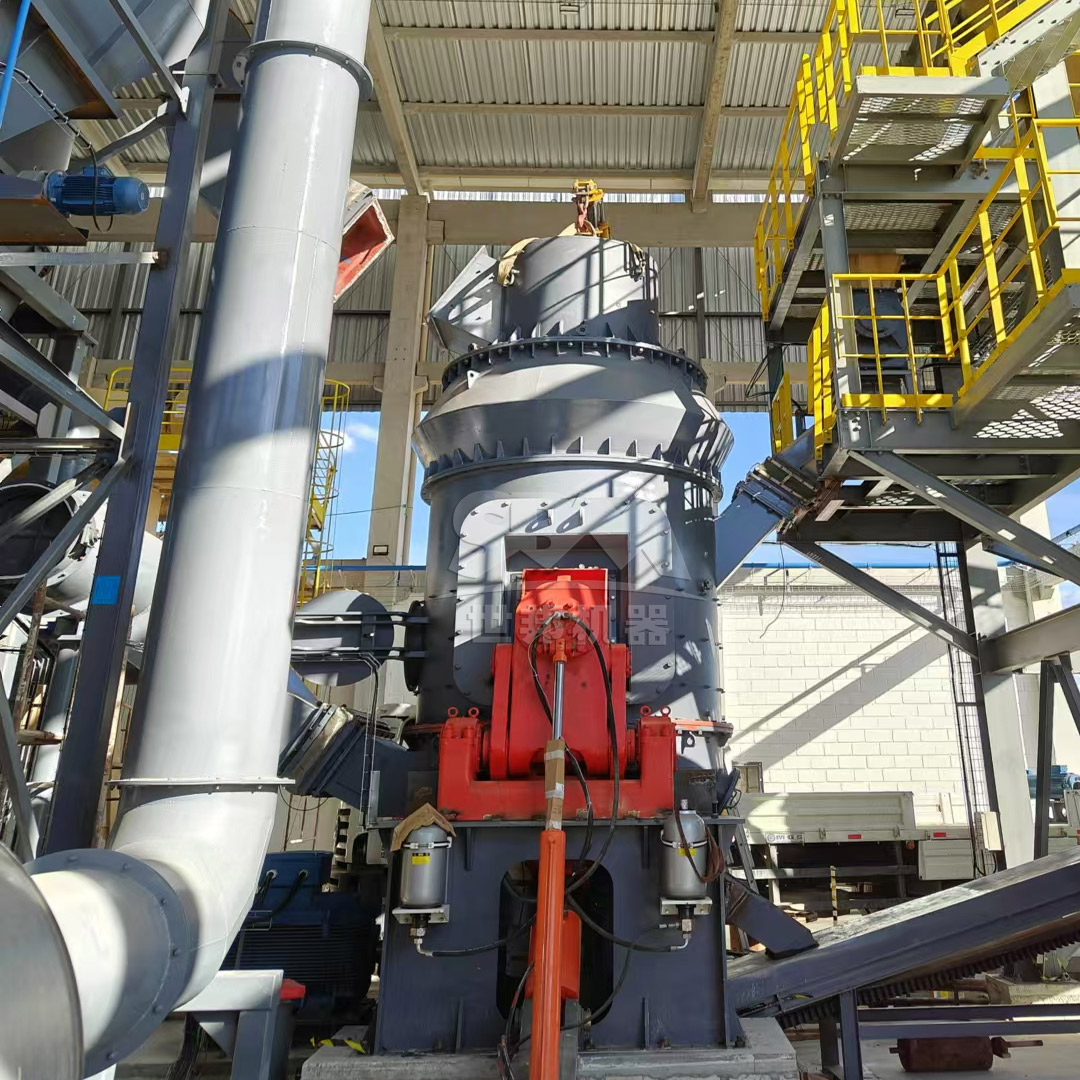
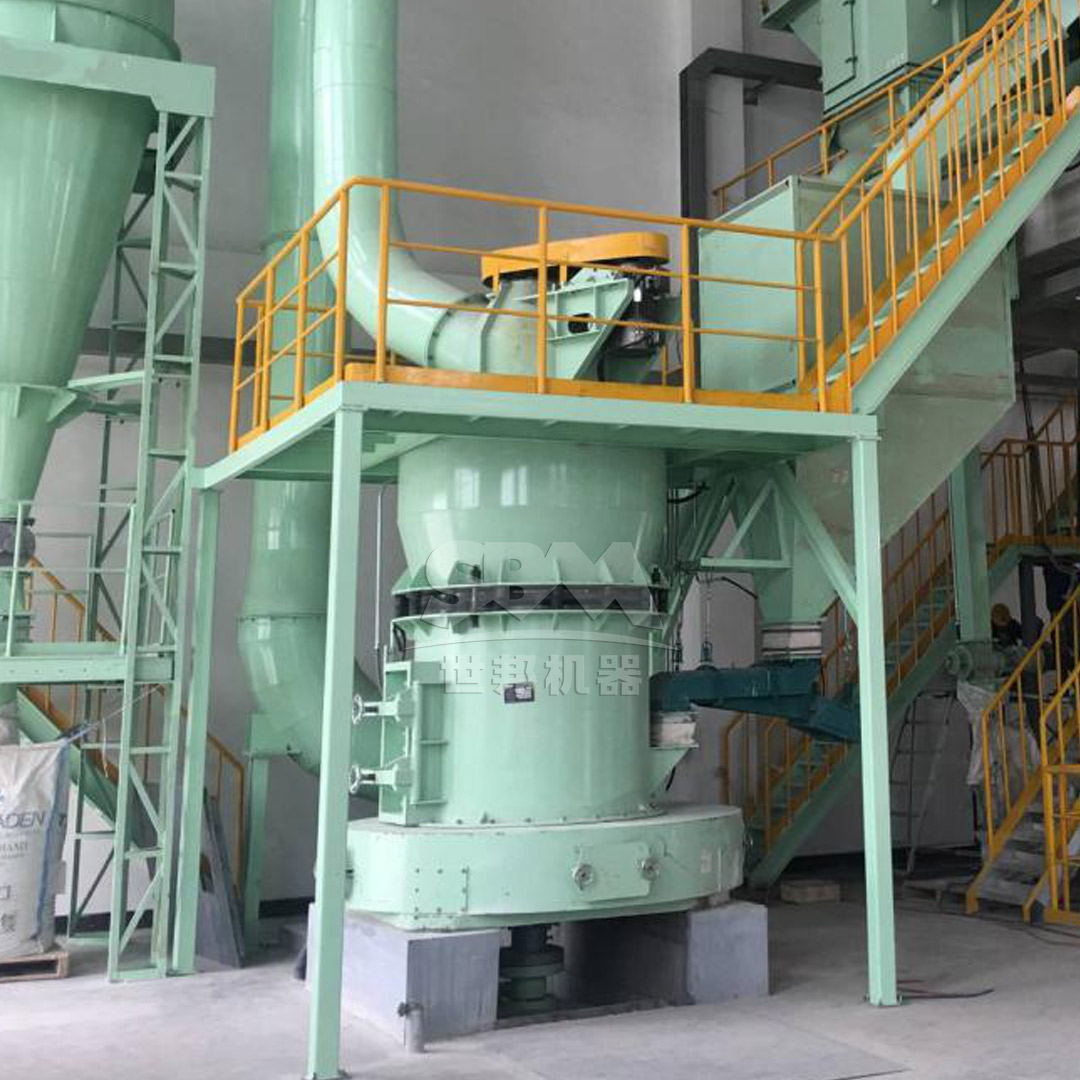
Ultrafine Vertical Roller Mills & Pendulum Mills: This category represents the modern evolution of grinding technology, specifically designed to bridge the gap between traditional VRMs (for coarse grinding 30-45 μm) and jet mills (for ultra-fine 5-10 μm). These machines combine the energy efficiency of a VRM with advanced classification systems to achieve finenesses in the range of 325-2500 mesh (45 μm down to 5 μm). They are the optimal choice for high-purity barite for dehydrating agents, offering a balance of capacity, energy efficiency, and product quality.
| Technology | Fineness Range | Energy Efficiency | Contamination Level | Integrated Classification |
|---|---|---|---|---|
| Ball Mill | 0.8mm – 74μm | Low | High | Critical (External) |
| Jet Mill | 10 – 2 μm | Very Low | None | Yes |
| Standard VRM | 325 mesh (45μm) | High | Low | Yes |
| Ultrafine VRM / Pendulum Mill | 325 – 2500 mesh (45 – 5 μm) | Very High | Very Low | Yes (High Precision) |
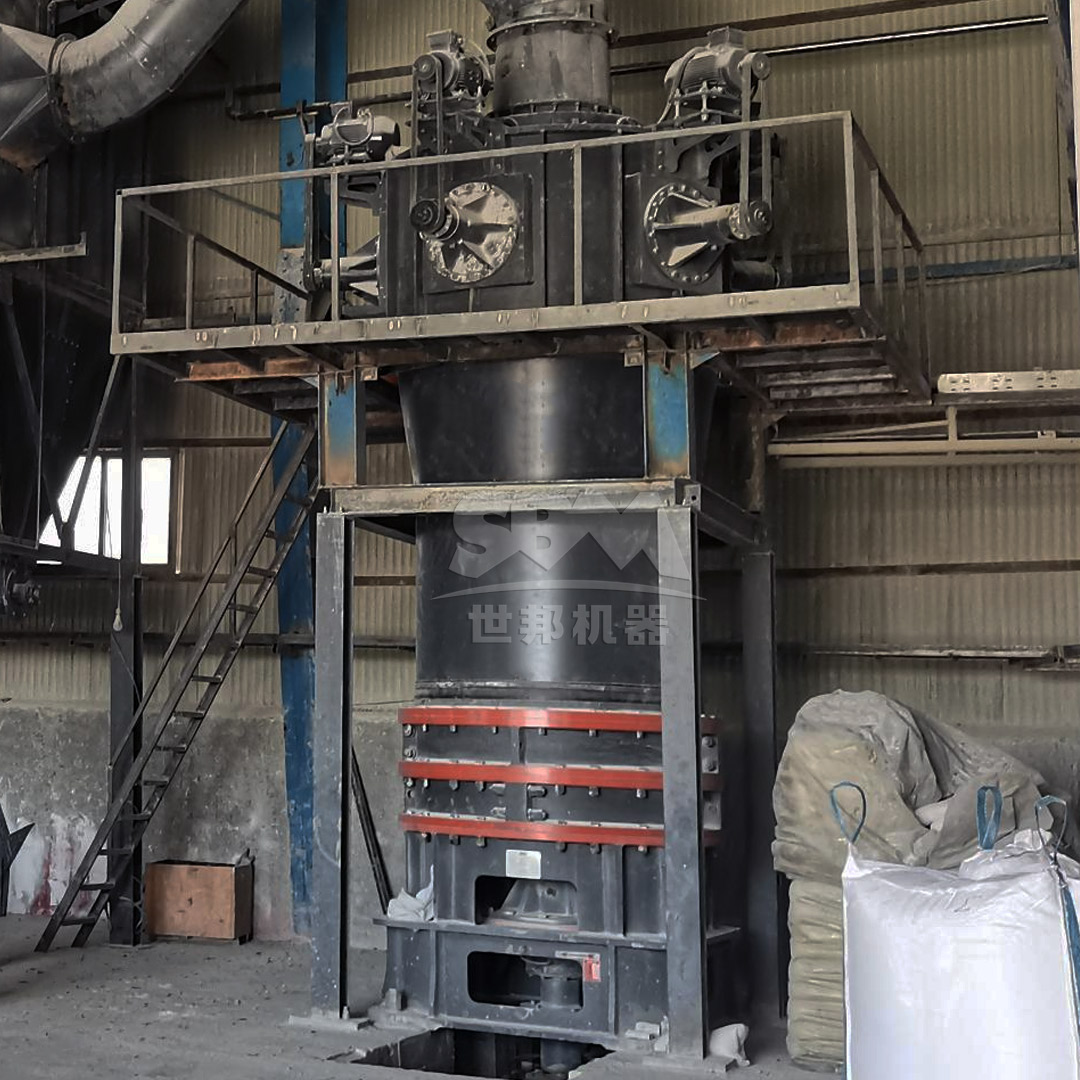
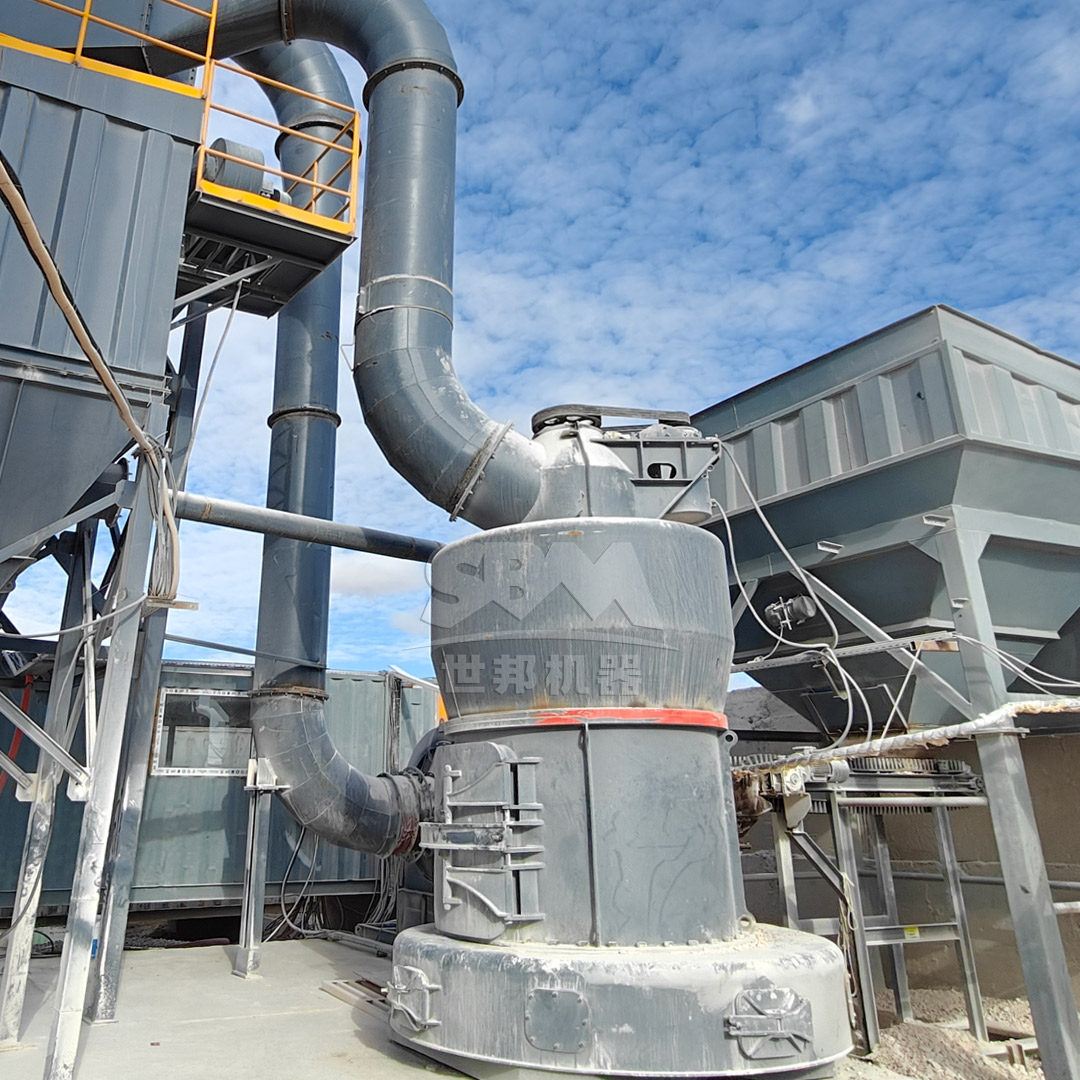
For producers targeting a fineness range of 45 μm to 5 μm (325-2500 mesh), our SCM Series Ultrafine Mill stands out as the industry benchmark. This machine was engineered to meet the exacting demands of high-purity applications like dehydrating agents. Its core technology revolves around a three-layer grinding ring and a shaftless screw grinding chamber, which ensures stable operation and optimal material dispersion. The grinding path is designed to maximize layer-by-layer grinding, creating a uniform and high-quality powder.
The SCM mill’s key competitive edge lies in its efficiency and classification precision. It is reported to have a capacity that is twice that of jet mills while consuming 30% less energy. This is achieved through an intelligent control system that provides automatic feedback on the finished product’s granularity, allowing for real-time adjustments. The vertical turbine classifier ensures a precise cut point, virtually eliminating the mixing of coarse powder into the final product, a crucial factor for maintaining a steep PSD in dehydrating agents. Furthermore, the grinding rollers and rings are made from special wear-resistant materials, which not only extends the service life several times over but also minimizes the risk of iron contamination, safeguarding the purity of the barite powder.
For those looking at bulk production, the SCM1680 model offers a massive throughput of up to 25 t/h while maintaining the fine output, making it an economical solution for large-scale plants. Its eco-friendly design, featuring pulse dust collection and soundproofing, also helps meet stringent environmental regulations.
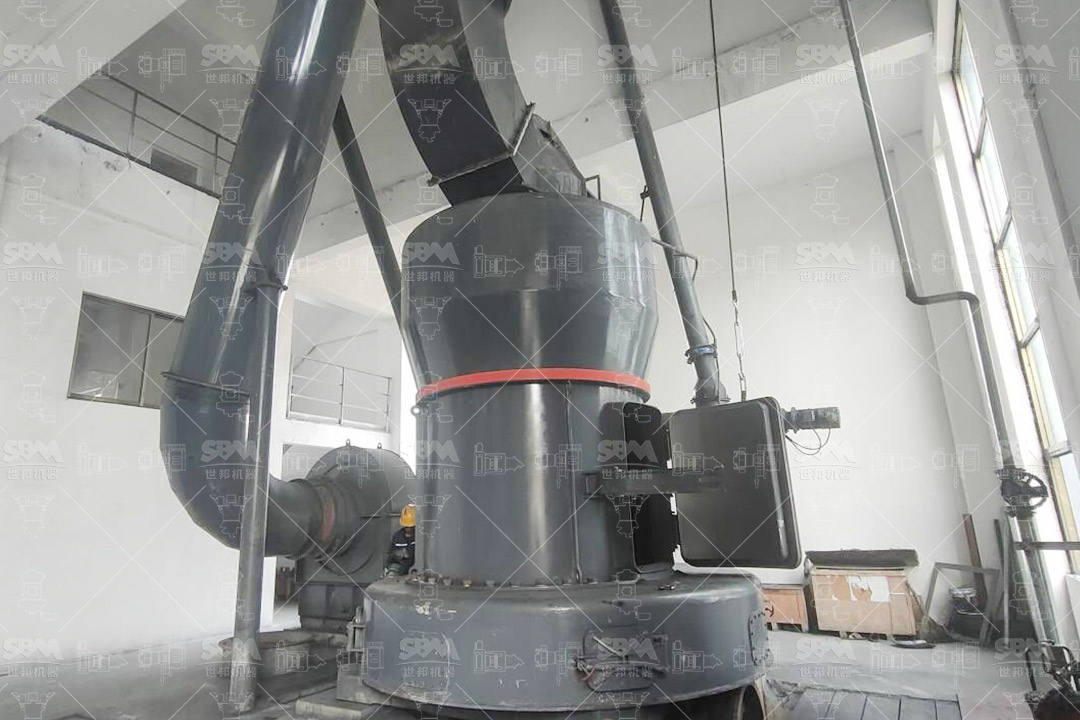
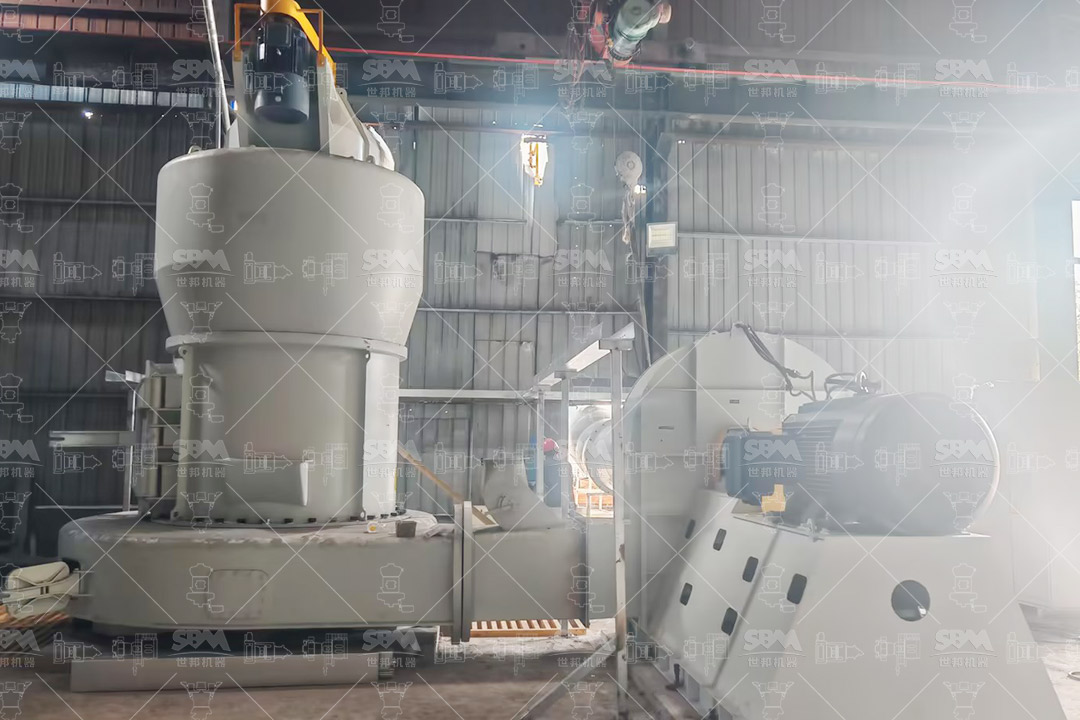
While the SCM series excels in ultra-fine grinding, a comprehensive barite processing plant often requires a primary or coarse milling stage to prepare the feed for the ultra-fine mill. If the target product is coarser, in the range of 600-45 μm (30-325 mesh), our MTW Series European Trapezium Mill is the premier choice. This mill is a workhorse, renowned for its robustness and high capacity. It is engineered with an integral bevel gear drive system that boasts a transmission efficiency of up to 98%, ensuring that energy is not wasted.
The MTW mill’s design is heavily focused on reducing maintenance and operational costs. Its anti-wear shovel design extends the life of the grinding rollers, and the optimized arc air duct reduces airflow energy loss, enhancing overall efficiency. The wear-resistant volute structure, characterized by a non-resistance flow design, improves air selection efficiency and reduces maintenance costs by 30%. With feed sizes up to 50mm and capacities ranging from 3 to 45 t/h, the MTW mill can handle substantial quantities of crude barite, efficiently grinding it down to a fine powder that can either be sold directly or sent to an SCM mill for further refinement.
In an ideal setup for high-purity barite powder production, the process often begins with a jaw crusher to reduce run-of-mine ore to below 30-50 mm. This material is then fed into an MTW Series European Trapezium Mill. Depending on market demand, the MTW mill can produce a 325 mesh product for general industrial use. For dehydrating agent applications requiring finer grades, the MTW mill can be set to produce a 100-200 mesh powder, which is then fed directly into an SCM Series Ultrafine Mill. This two-stage grinding configuration allows the producer to maximize yield and flexibility, catering to both high-volume, coarse-grind products and low-volume, high-value, ultra-fine products without excessive energy expenditure.
Choosing the right grinding mill for high-purity barite powder is a critical decision that directly impacts product quality, operational efficiency, and profitability. The market offers a spectrum of technologies, but for the specific demands of dehydrating agents—namely ultra-fine fineness, narrow particle size distribution, and minimal contamination—the modern generation of ultrafine and high-efficiency mills is the clear winner.
While jet mills offer a contamination-free path, their prohibitive energy costs make them unsuitable for large-scale production. Traditional ball mills fall short on both efficiency and purity requirements. For this reason, we strongly recommend our SCM Series Ultrafine Mill for high-precision, high-purity ultra-fine barite powder, and our MTW Series European Trapezium Mill for primary or coarser grinding duties. By integrating these machines, you can build a processing line that is not only technically superior but also economically viable, delivering the consistent quality necessary to excel in the competitive market for premium dehydrating agents.
We invite you to consult our technical team to discuss your specific raw material characteristics, throughput targets, and desired fineness parameters. Our experts can help you design a tailor-made solution that integrates seamlessly with your existing infrastructure, ensuring you achieve the highest return on your investment.