Portland cement, the most widely used construction material globally, owes its strength and versatility to a finely tuned manufacturing process. While the pyroprocessing stage—where raw materials are transformed into clinker—often garners the most attention, the final grinding and blending stages are equally critical. It is here that cement clinker, combined with gypsum (calcium sulfate dihydrate) and sometimes supplementary cementitious materials, is ground to a precise fineness to produce the high-quality Portland cement that meets modern construction standards.
The role of grinding and gypsum processing cannot be overstated. Gypsum acts as a set regulator, preventing the rapid flash setting of cement when water is added. The inter-grinding of clinker and gypsum, along with the control of particle size distribution, directly influences key cement properties such as workability, strength development, and durability. Consequently, the selection of efficient, reliable, and precise grinding equipment is a cornerstone of profitable and sustainable cement manufacturing.
This article explores the essential machinery used in the final stages of cement production, from primary clinker size reduction to ultrafine finishing, focusing on the technologies that ensure optimal performance and product quality.
Before the clinker can be finely ground, it often requires initial size reduction, especially if it is sourced from storage piles or has agglomerated during transport. While ball mills and vertical roller mills can accept clinker of up to 50mm or more, optimal mill feed size improves efficiency and reduces specific energy consumption. For applications requiring a fine primary crusher that can produce a feed size of 0-3mm, the Hammer Mill is a proven workhorse.
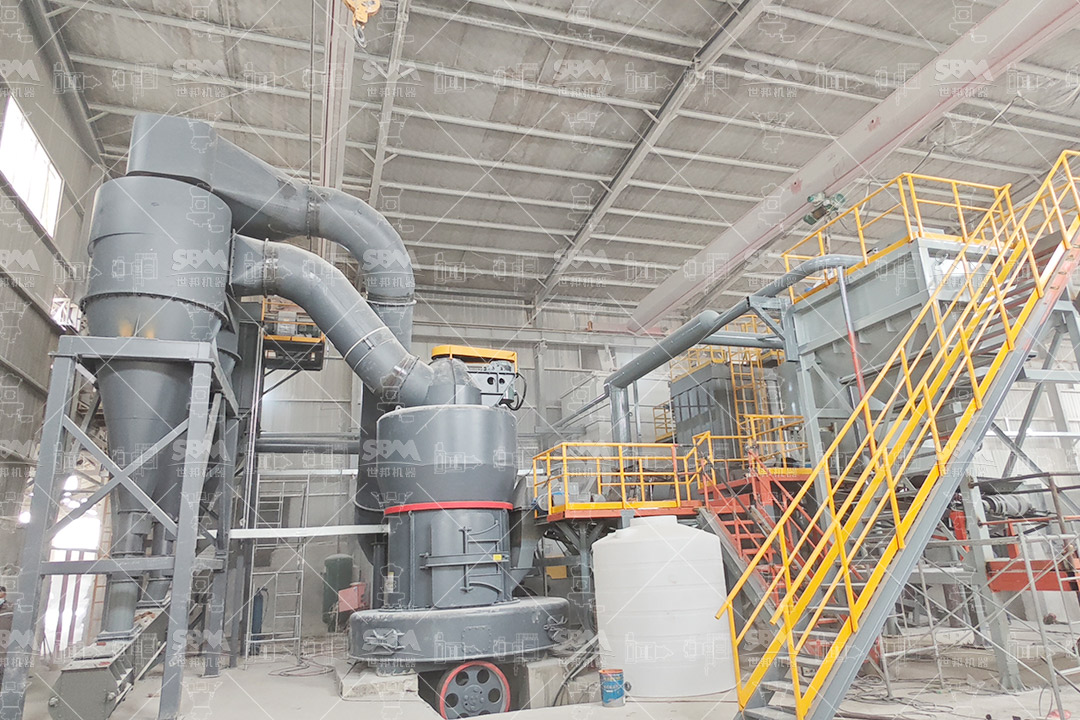
Equipped with high-speed rotating hammers, this machine crushes material through impact. Its key advantages include a high crushing ratio, robust and compact structure requiring minimal footprint, and wear-resistant high manganese steel liners that ensure a long operational life. Models like the PC4015-132 can process 40-70 tons per hour, making them suitable for integration into large-scale cement grinding plants. By ensuring a consistent and fine feed, the hammer mill significantly boosts the throughput and efficiency of downstream fine grinding mills.
The core of the grinding plant is the milling equipment. The choice of mill technology—whether a ball mill, vertical roller mill, or an ultrafine vertical mill—depends on the desired cement fineness, production capacity, and energy efficiency targets. For producing standard Portland cement (fineness of 325 mesh or less), several high-efficiency options are available.
The Ball Mill remains a staple in cement plants for both clinker and raw material grinding. It consists of a rotating horizontal cylinder partially filled with grinding media (steel balls). The cascading and cataracting motion of the balls crushes the clinker and gypsum through impact and attrition. Modern ball mills, such as the GMQY series, offer large capacities, with models like the GMQY3685 able to produce 400-450 tons per hour. They support both dry and wet grinding, are highly reliable with a low downtime rate, and offer a high crushing ratio with continuously adjustable fineness (0.074-0.8mm), ensuring flexibility for various cement types.
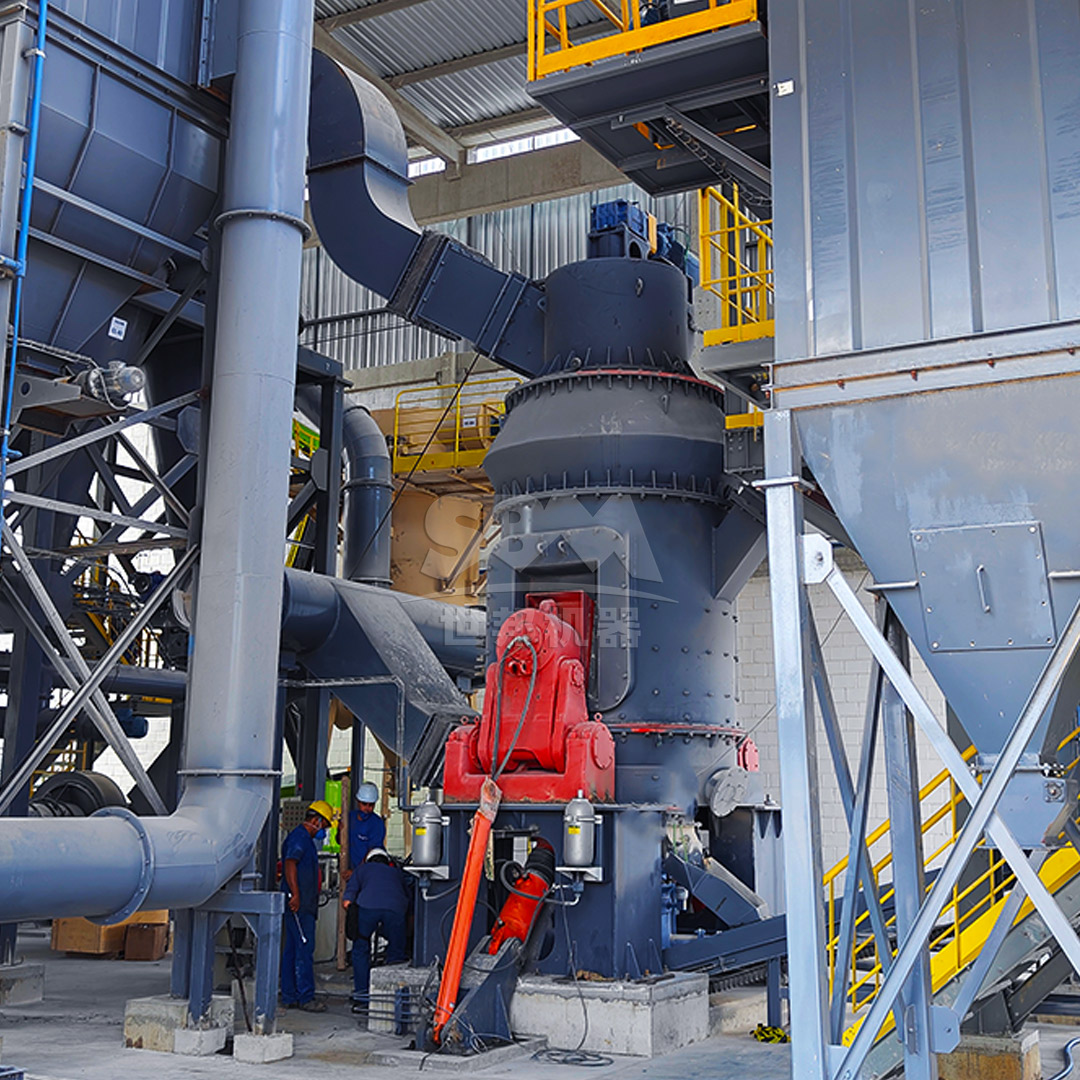
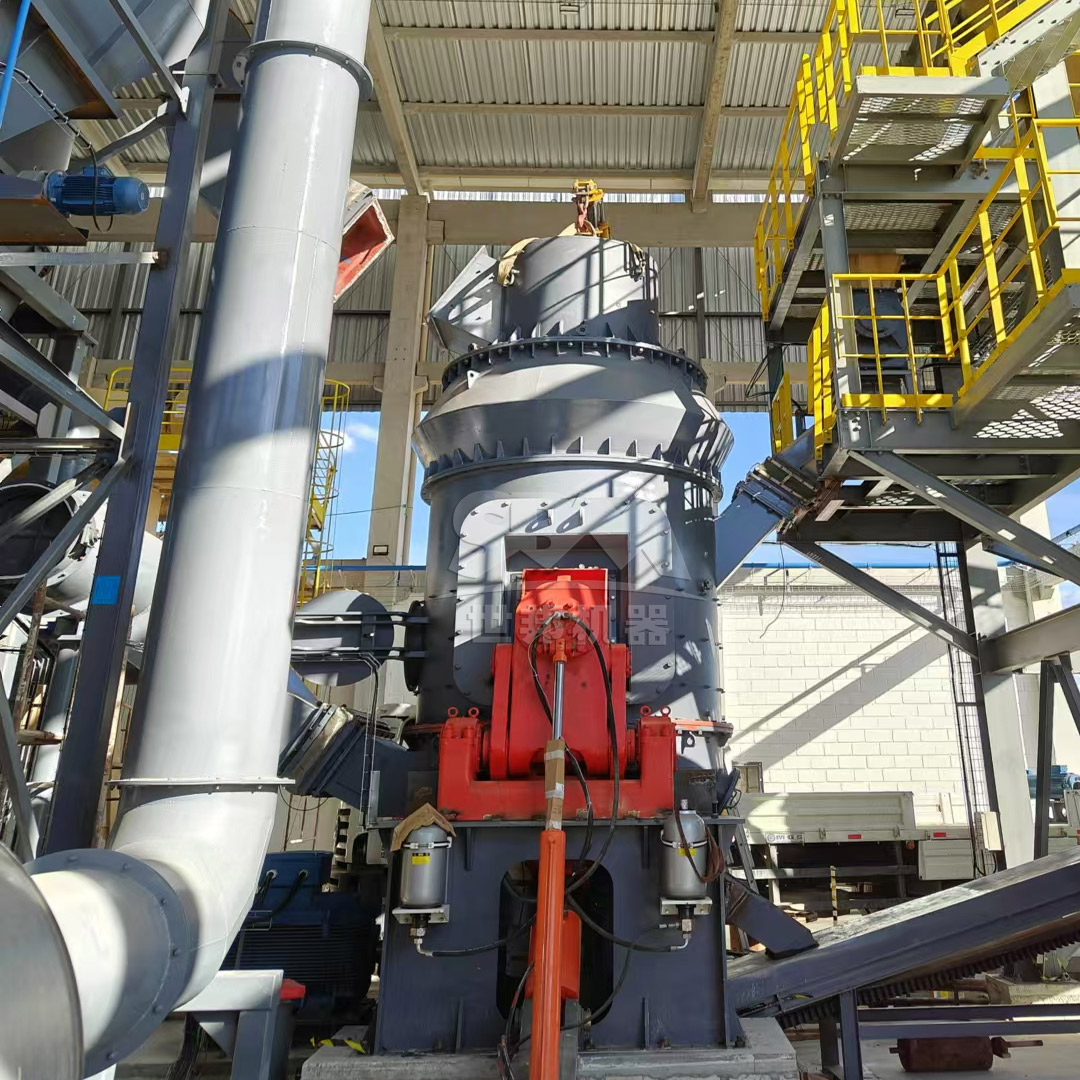
For plants targeting lower energy consumption and a smaller footprint, the LM Series Vertical Roller Mill is a premier choice. It integrates crushing, grinding, drying, and classification in one unit. The material is ground on a rotating table by hydraulically-loaded rollers, a principle that consumes 30-40% less energy than a traditional ball mill. The LM-Y Vertical Pre-grinding Roller Mill is specifically designed for cement clinker and limestone, capable of high circulation capacities of up to 1000 t/h. This pre-grinding step can increase the throughput of an existing ball mill by up to 70%, or be used in a combined grinding system. The vertical mill’s fully sealed negative-pressure operation also ensures a clean, low-noise environment.
Modern construction demands increasingly high-performance cements with enhanced early strength and impermeability. This requires the grinding of clinker to ultrafine fineness levels (325-2500 mesh). Traditional ball mills are inefficient at achieving these particle sizes. This is where the SCM Series Ultrafine Mill excels.
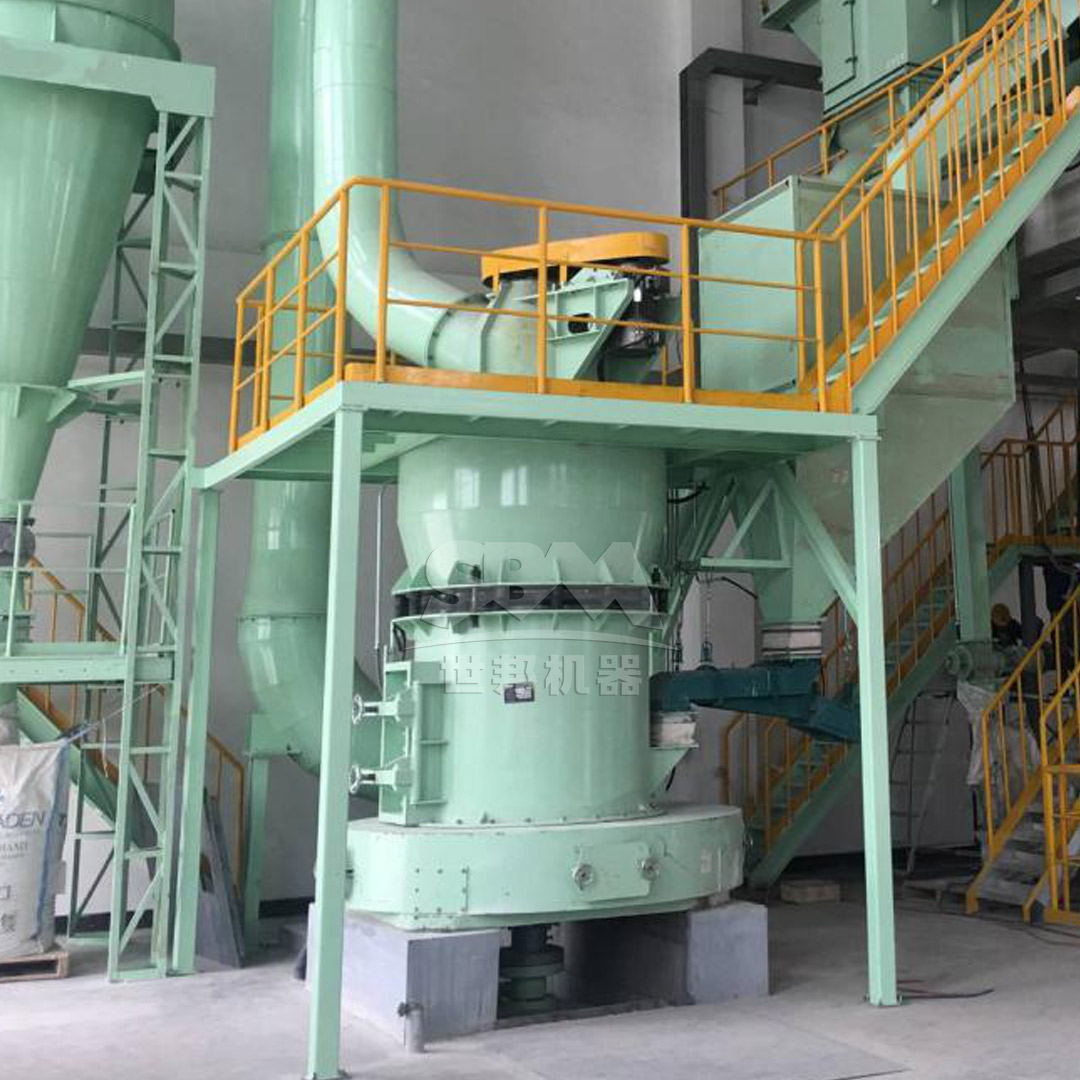
The SCM mill is engineered for the precise production of fine and ultrafine powders. It works by driving three layers of grinding rings to rotate; material is dispersed and crushed by roller pressure in a layer-by-layer process. Its key advantages include a capacity double that of jet mills with 30% lower energy consumption. A vertical turbine classifier ensures precise particle size cutting, resulting in a uniform finished product free of coarse powder mixing. The special material used for rollers and rings extends their service life several times over, guaranteeing stable operation and lower maintenance costs.
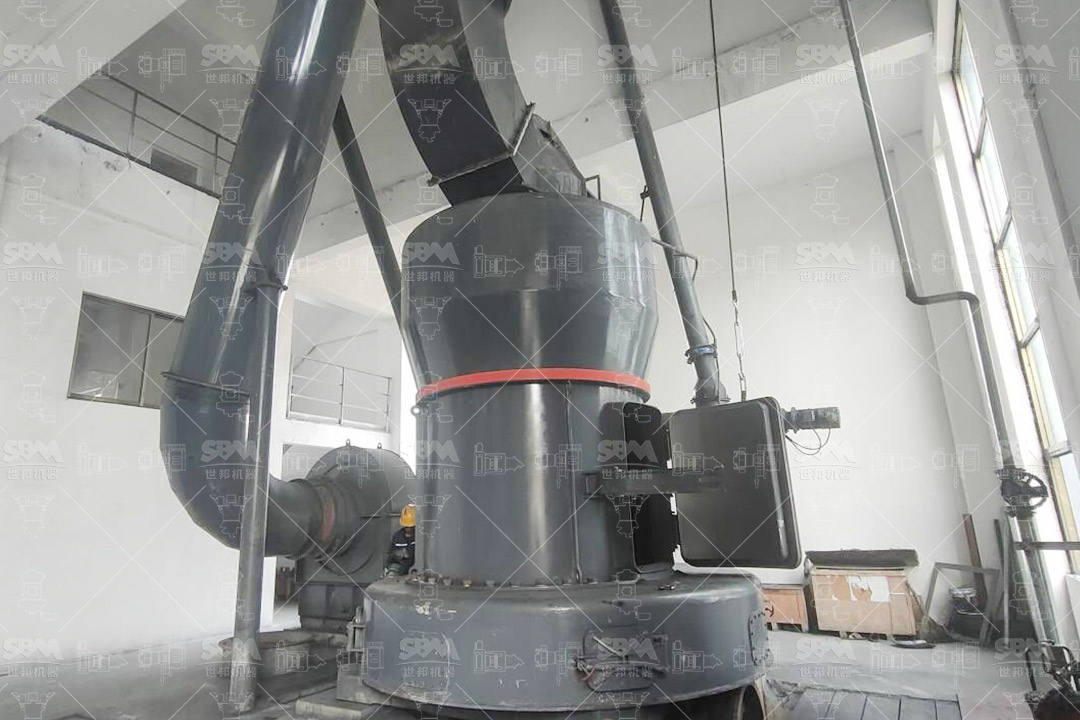
While gypsum is typically dehydrated by heat during clinker grinding, some processes may introduce materials with higher moisture content. The MTW Series European Trapezium Mill is an excellent choice for grinding materials with moisture, as it uses hot air for drying and classification. Its patented integral bevel gear drive offers transmission efficiency up to 98%, and the optimized arc air duct reduces airflow energy loss, making it an energy-saving leader for mid-range fineness (30-325 mesh).
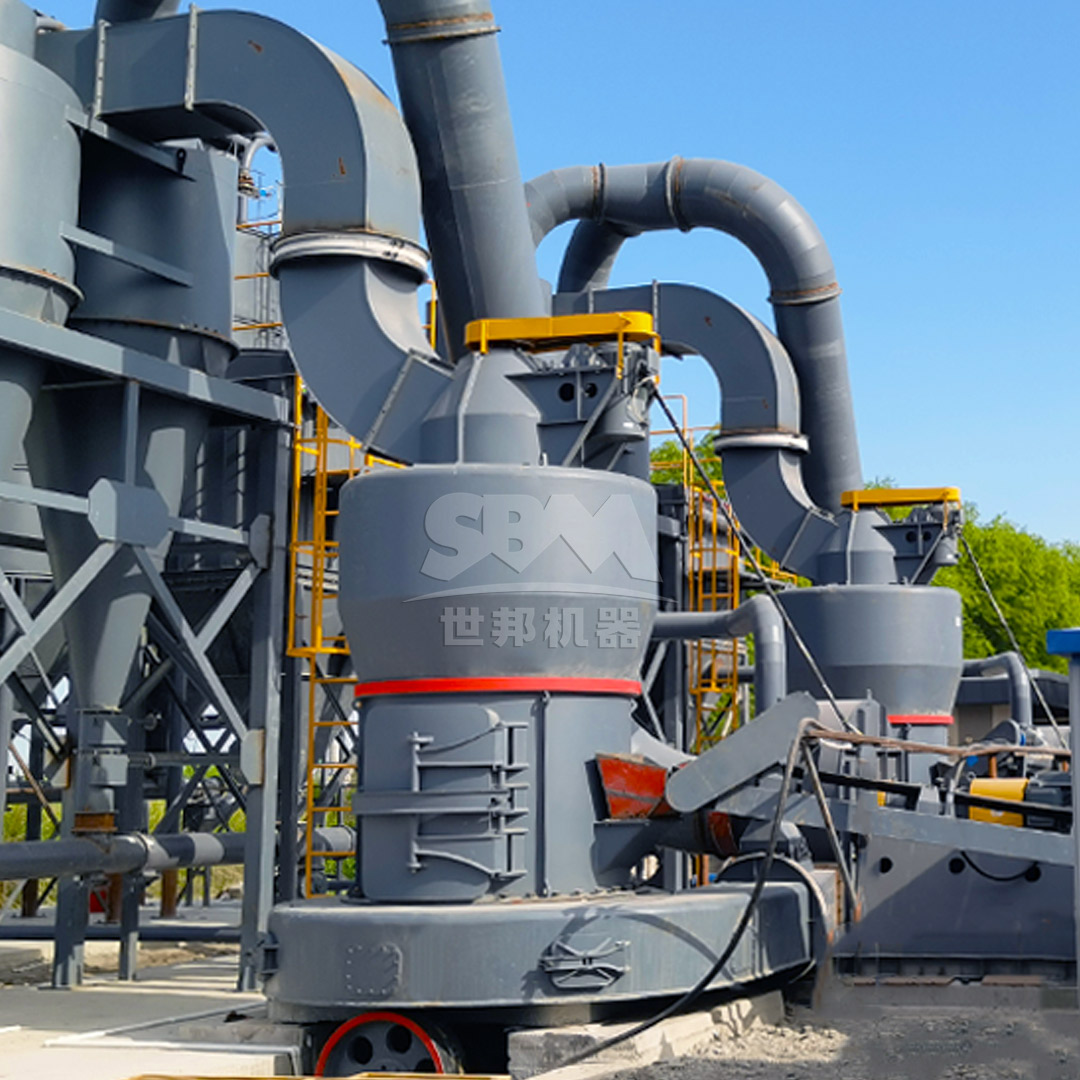
An efficient grinding system is more than just a single mill. The entire circuit, including the classifier, dust collector, and material handling, must be optimized. The primary goal is to produce a highly uniform particle size distribution. For instance, the vertical turbine classifier in the SCM ultrafine mills provides a precise cut, ensuring that no oversized particles are present in the final product, which is critical for cement strength and consistency.
To achieve the highest standards of Portland cement quality, selecting the right grinding solution is paramount. At Your Company Name, we offer a comprehensive range of mills designed to meet every challenge in cement clinker and gypsum processing.
For demanding ultrafine grinding applications, we highly recommend the SCM Series Ultrafine Mill. It is the definitive machine for producing high-specific-surface-area cement, delivering:
If your production targets require high throughput with lower energy intensity, our LM Series Vertical Roller Mill is the industry benchmark. Its integrated design simplifies the plant layout, reducing infrastructure costs by up to 40%, while delivering a robust, low-maintenance grinding solution capable of handling cement clinker and slag.
| Machine | Feed Size (mm) | Output Fineness | Capacity (t/h) | Main Power (kW) |
|---|---|---|---|---|
| SCM Series Ultrafine Mill | ≤20 | 325 – 2500 mesh | 0.5 – 25 | Up to 315 |
| MTW Series Trapezium Mill | ≤50 | 30 – 325 mesh | 3 – 45 | 55 – 280 |
| LM Series Vertical Roller Mill | ≤50 | 30 – 325 mesh | 3 – 250 | 200 – 3300 |
| Ball Mill | ≤25 | 0.074 – 0.8 mm | 0.65 – 450 | Up to 1500 |
The production of high-quality Portland cement is a sophisticated process that hinges on the efficiency and precision of grinding and gypsum processing equipment. From the primary crushing of clinker to the ultrafine fineness required for advanced applications, each piece of machinery plays a vital role in determining the final product’s quality, performance, and cost-effectiveness.
Investing in advanced mills, such as the SCM ultrafine mill or the LM vertical roller mill, enables cement manufacturers to reduce energy consumption, enhance product consistency, and meet the increasingly stringent requirements of the modern construction industry. By leveraging our expertise and proven technologies, you can ensure that your cement production line operates at peak efficiency, yielding a superior product that builds trust and infrastructure for generations.
Contact us today to discover how our grinding solutions can transform your cement processing operation.