Chemical-grade cobalt powder is a critical raw material in the production of lithium-ion batteries, hard alloys, magnetic materials, and catalysts. The purity, particle size distribution, and morphology of cobalt powder directly influence the performance of end products. As demand for high-capacity batteries and advanced materials grows, manufacturers require efficient, precise, and reliable milling equipment to produce cobalt powder with consistent quality. This article explores the key technologies, process flow, and selection criteria for chemical-grade cobalt powder production equipment, with a focus on advanced mill systems.
The production of chemical-grade cobalt powder typically involves crushing, grinding, classification, and collection stages. Each stage must be carefully controlled to achieve the desired fineness (often 325–2500 mesh / 45–5 μm) while minimizing contamination and energy consumption. Modern milling equipment integrates intelligent control systems, high-precision classifiers, and eco-friendly dust collection to meet stringent industry standards.

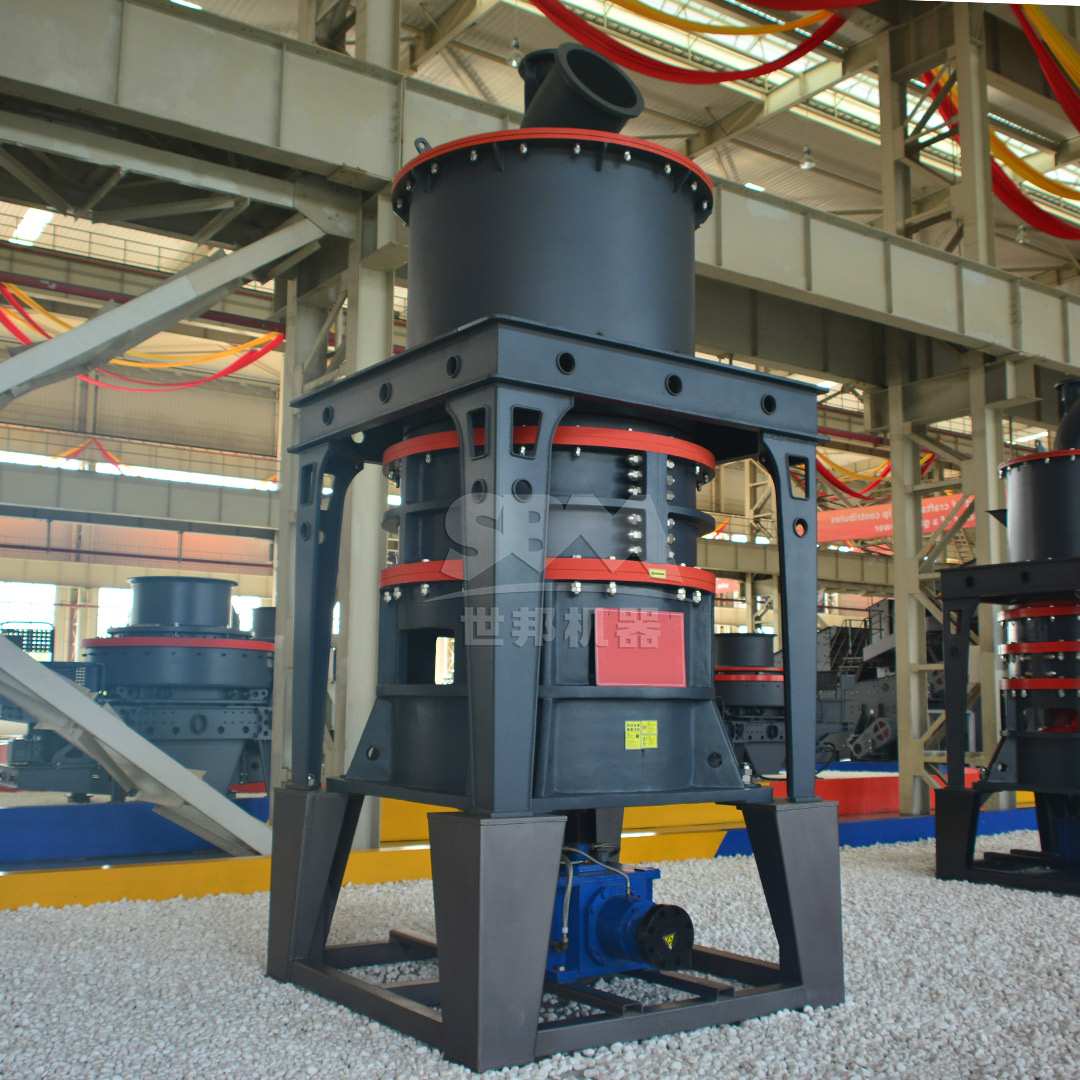
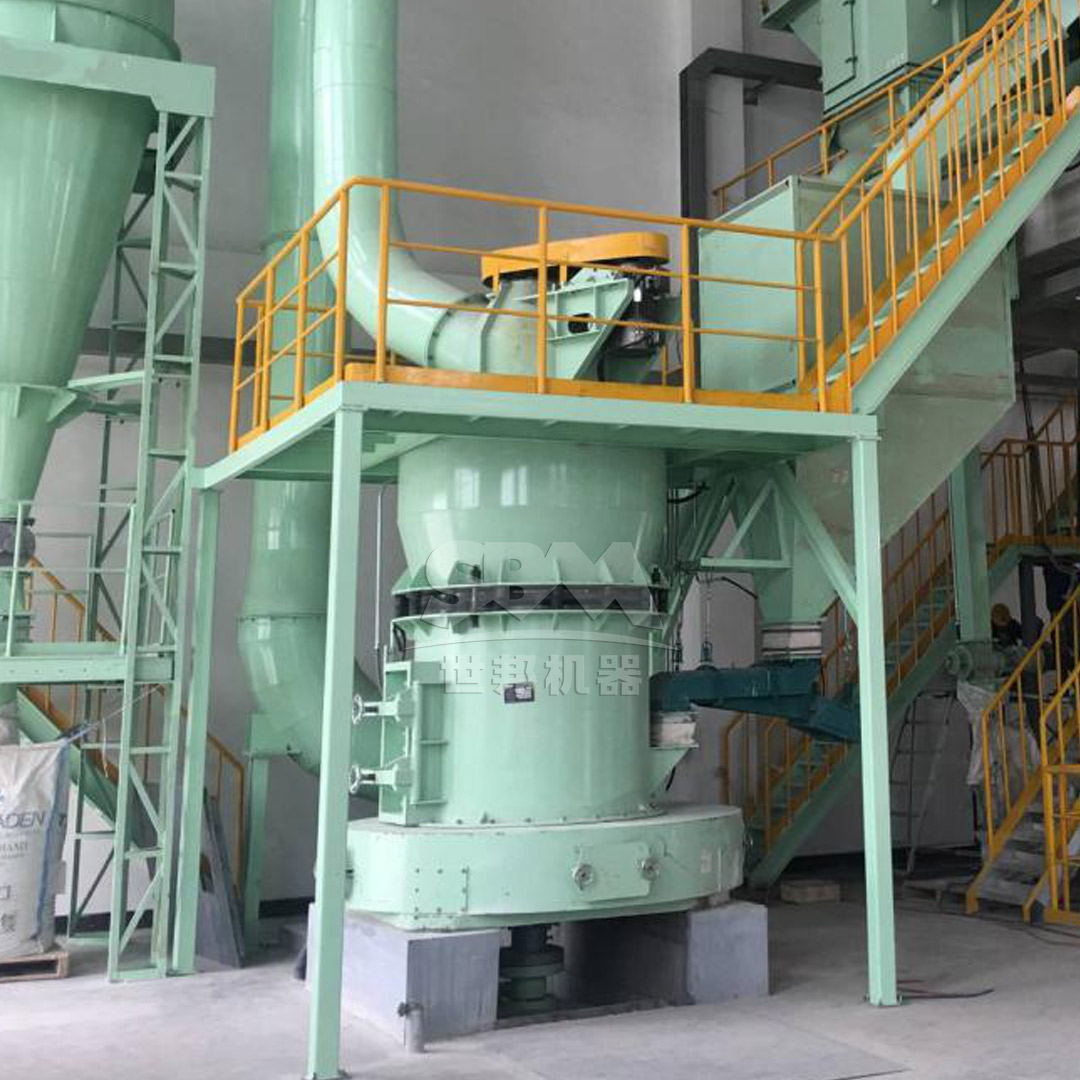
The core of any cobalt powder production line is the grinding mill. For ultra-fine grinding (45–5 μm), technologies such as vertical roller mills and ultra-fine mills are preferred. The SCM Series Ultrafine Mill employs a unique three-layer grinding ring design, where materials are dispersed by centrifugal force and crushed layer by layer between rollers and rings. This achieves a capacity up to 2 times that of jet mills while reducing energy consumption by 30%. The intelligent control system provides automatic finished product granularity feedback, ensuring stable operation.
Achieving a narrow particle size distribution without coarse powder mixing is essential for chemical-grade cobalt. Vertical turbine classifiers, as used in the SCM series, provide precise particle size cutting. This eliminates the need for secondary sieving and improves product uniformity.
Cobalt powder is abrasive, so wear-resistant materials are critical. Mills with special alloy rollers and rings, such as those in the SCM Series, extend service life several times over. Shaftless screw grinding chambers ensure stable operation even under continuous heavy loads.
Chemical-grade production must comply with strict environmental regulations. Pulse dust collection systems with efficiency exceeding international standards capture fine particles, while soundproof room designs keep noise levels below 85 dB.

A typical process flow includes the following steps:
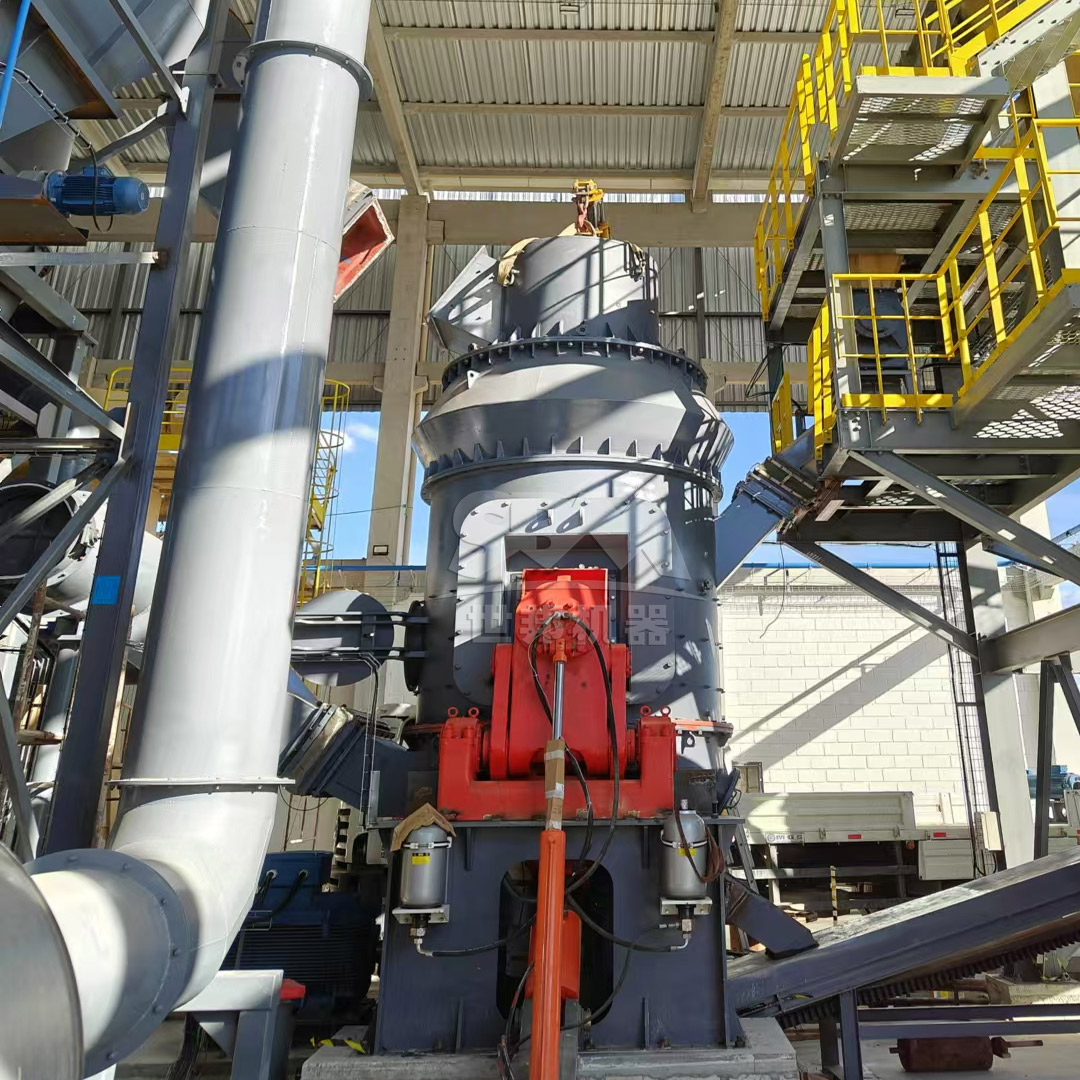
For larger capacity requirements, the LM Series Vertical Roller Mill offers an integrated design that combines crushing, grinding, and selection in one system. This reduces floor space by 50% and infrastructure costs by 40%. Its intelligent control system supports remote monitoring and real-time parameter adjustment.
| Stage | Equipment | Typical Parameters |
|---|---|---|
| Crushing | Hammer Mill | Feed: ≤40 mm, Output: 0-3 mm |
| Grinding | SCM Ultrafine Mill | Fineness: 325–2500 mesh, Capacity: 0.5-25 t/h |
| Classification | Vertical Turbine Classifier | Cut size: 5–45 μm |
| Collection | Pulse Dust Collector | Efficiency: >99.9% |
For customers seeking high-purity, ultra-fine cobalt powder with outstanding energy savings, we highly recommend the SCM Series Ultrafine Mill (45–5 μm). Its high-precision classifier ensures no coarse powder mixing, and the durable design reduces maintenance costs. For larger-scale production with integrated functionality, the LM Series Vertical Roller Mill offers capacities up to 250 t/h and a fully sealed negative pressure system that eliminates dust leakage.

Selecting the right equipment for chemical-grade cobalt powder production is a strategic decision that impacts product quality, operating costs, and environmental compliance. By leveraging advanced technologies such as intelligent grinding, high-precision classification, and eco-friendly dust collection, manufacturers can achieve consistent, high-quality output. The SCM Series Ultrafine Mill and LM Series Vertical Roller Mill represent state-of-the-art solutions that meet the demanding requirements of the cobalt powder industry.
For more detailed specifications or a customized solution, please contact our engineering team. We offer free material testing and process design services to help you achieve optimal results.