As global industries pivot toward carbon neutrality, the activated carbon sector faces a unique paradox: it produces filtration and purification solutions that reduce environmental impact, yet its own manufacturing processes can be energy-intensive. The grinding stage, which determines particle size distribution and pore structure accessibility, is arguably the most energy-demanding step in the production chain. For eco-conscious producers, selecting a sustainable grinding mill is no longer just an operational decision—it is a strategic commitment to reducing Scope 1 and Scope 2 emissions while maintaining product quality.
This article provides a comprehensive framework for evaluating activated carbon grinding equipment through a sustainability lens, examining energy efficiency, material utilization, dust management, and lifecycle durability. By integrating the latest advancements in vertical roller mill (VRM) and ultrafine grinding technologies, we demonstrate how modern machinery can achieve 30-50% energy savings compared to conventional systems, directly supporting low-carbon production goals.
Activated carbon presents specific processing challenges that directly impact equipment selection. Its high porosity (typically 500-1500 m²/g surface area) makes it lightweight and prone to aerodynamic interference, while its abrasive nature—especially when derived from coconut shell or coal—accelerates wear on conventional grinding media. Furthermore, maintaining pore integrity requires careful control of grinding temperature and shear forces; excessive heat can cause surface oxidation, reducing adsorption capacity.
These constraints mean that the ideal mill must offer:
✓ Low-speed, high-pressure grinding to minimize fines generation and protect pore structure
✓ Efficient particle size classification (typically 45-2500 mesh depending on application)
✓ Closed-loop systems that prevent product loss and dust emissions
✓ Wear-resistant components that reduce maintenance frequency and material waste
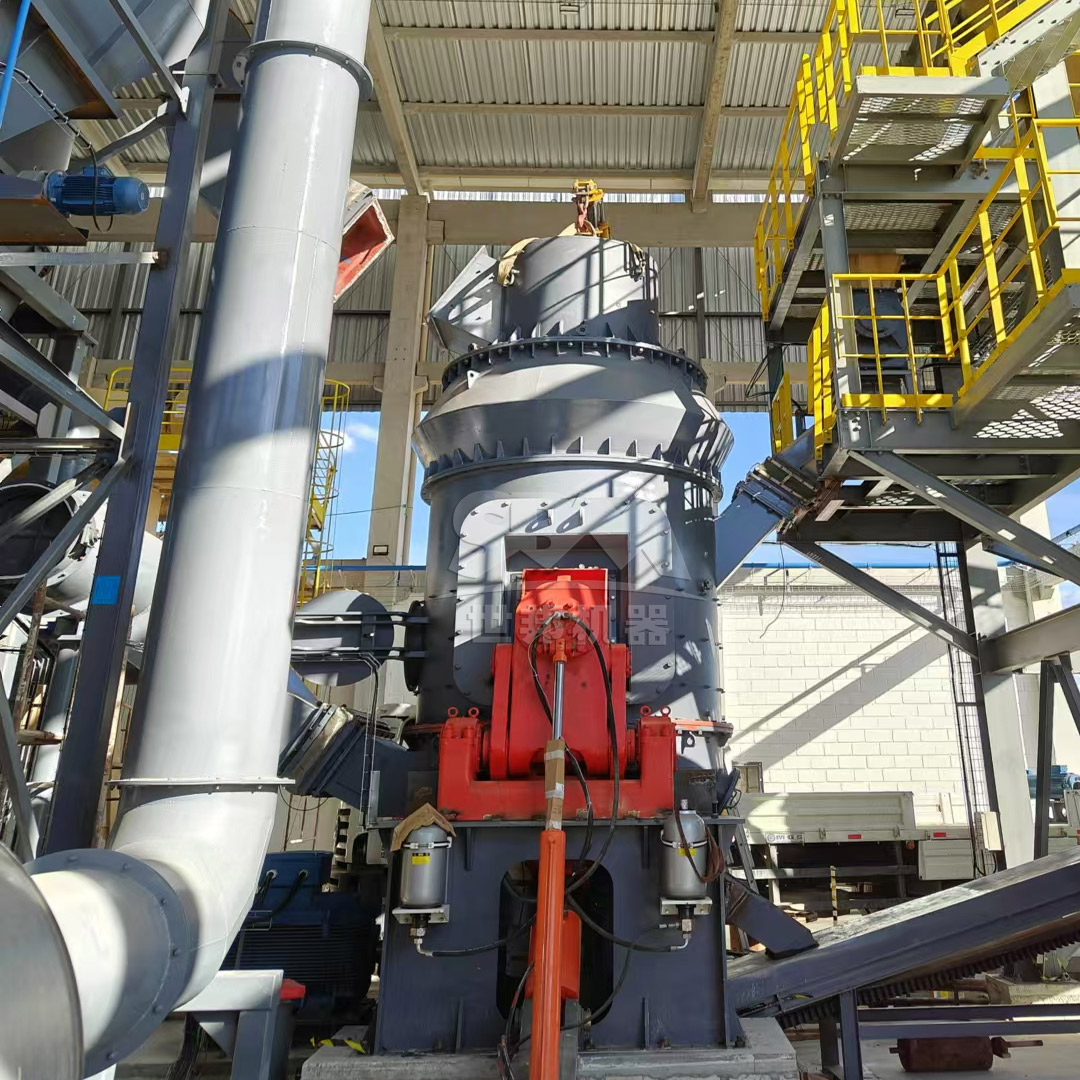
The most critical metric for low-carbon production is kilowatt-hours per ton of finished product. Traditional ball mills consume 25-35 kWh/t for fine grinding, whereas modern vertical roller mills achieve the same fineness with 17-22 kWh/t. Our LM Series Vertical Roller Mill exemplifies this efficiency, employing a bed-grinding principle where material is crushed between a rotating table and stationary rollers. This design eliminates the need for grinding media (steel balls), reducing both energy consumption and wear part replacement frequency by up to 40%.
Activated carbon dust is not only a product loss issue but also a workplace safety hazard (explosive atmosphere risk). Sustainable mills must integrate:
• Fully sealed negative pressure operation
• Pulse-jet dust collectors with filtration efficiency >99.9%
• Recycling of collected fines back into the process stream
| Emission Parameter | Conventional Mill | LM Series VRM |
|---|---|---|
| Dust Emission (mg/Nm³) | 50-80 | <20 |
| Noise Level (dB) | 95-105 | <85 |
| Product Recovery Rate | 92-95% | >99% |
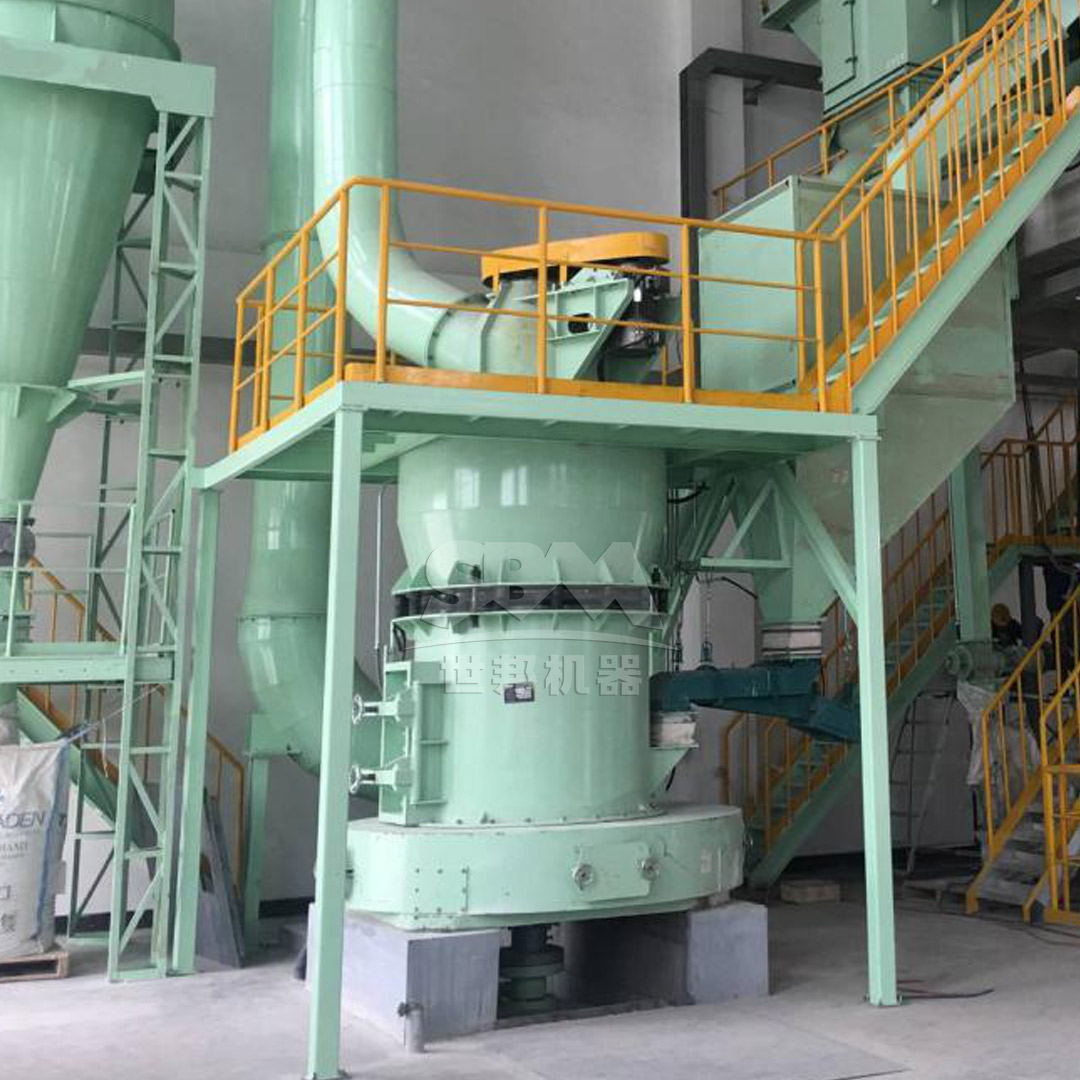
Sustainable equipment minimizes downtime and consumable waste. The SCM Series Ultrafine Mill addresses this through specially alloyed rollers and rings that extend service life 3-5 times beyond standard manganese steel components. Additionally, its shaftless screw grinding chamber design eliminates the most common failure point in traditional mills—the main shaft bearing—reducing unplanned stoppages by up to 60%.
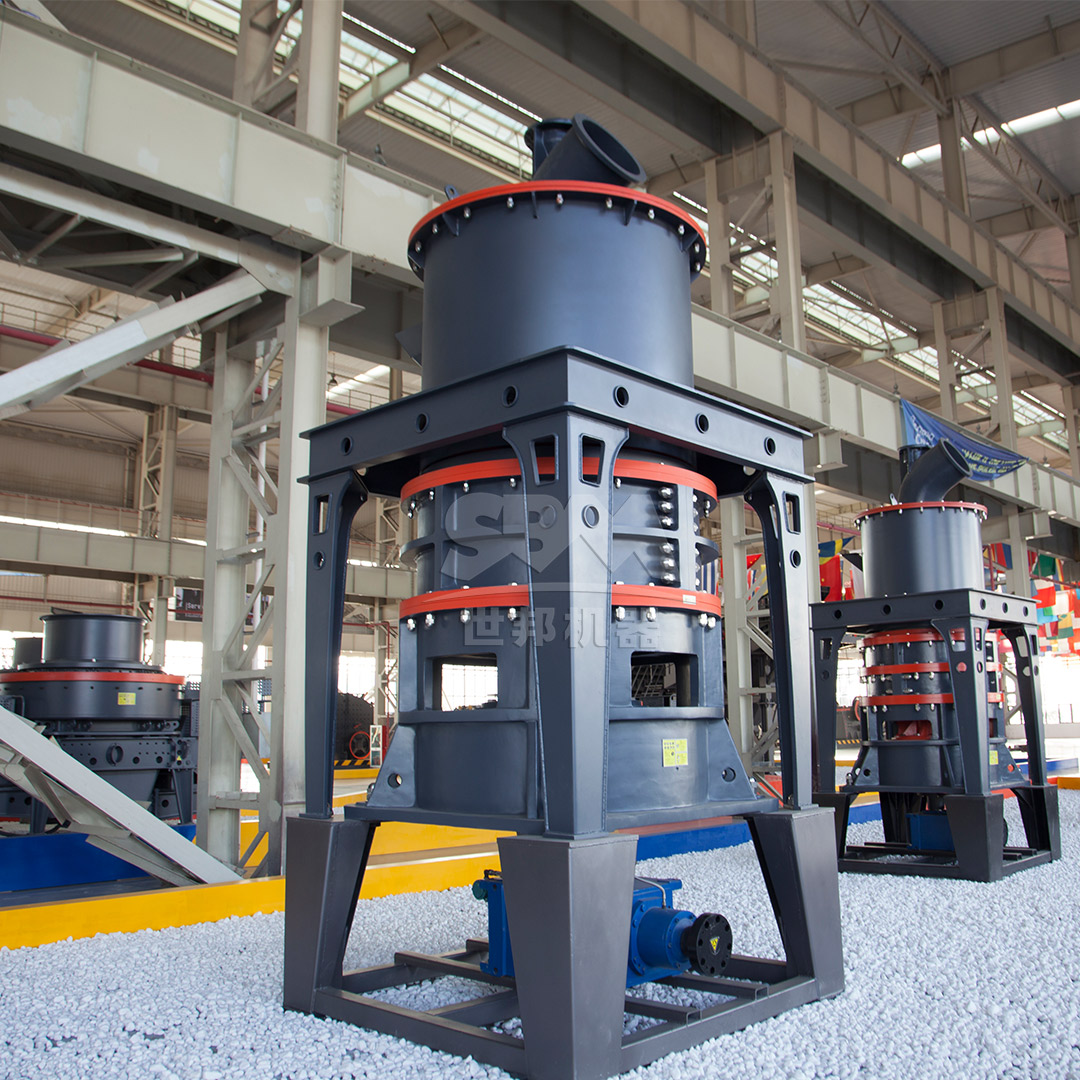
Depending on your target fineness and production capacity, different mill architectures may be optimal:
| Parameter | LM Vertical Roller Mill | SCM Ultrafine Mill |
|---|---|---|
| Output Fineness | 45-325 mesh (up to 600 mesh) | 325-2500 mesh (5-45μm) |
| Feed Size | ≤50mm | ≤20mm |
| Capacity Range | 3-250 t/h | 0.5-25 t/h |
| Energy Consumption | Lowest (bed grinding) | 30% less than jet mills |
| Best Application | Activated carbon base powder | Fine & ultrafine activated carbon |
For producers requiring both bulk processing (e.g., 10-50 t/h) and specialized fine fractions, a hybrid approach using LM for primary grinding and SCM for downstream classification/regrinding offers maximum flexibility without sacrificing energy efficiency.
Both the LM and SCM series come equipped with PLC-based automation that continuously optimizes:
• Roller pressure (adaptive to feed moisture variations)
• Classifier rotor speed (real-time fineness adjustment)
• Airflow volume (minimizing fan energy during partial loads)
This intelligent control reduces manual intervention errors and ensures operations stay in the highest efficiency envelope, cutting unnecessary energy draw by 5-8%.
The LM series’ integrated hot air circulation system can precisely control grinding chamber temperature (80-120°C) without external heat sources in most cases. For activated carbon with moisture content >15%, this feature allows simultaneous drying and grinding—eliminating the need for a separate rotary dryer, which typically consumes 30-50 kWh/t of thermal energy.
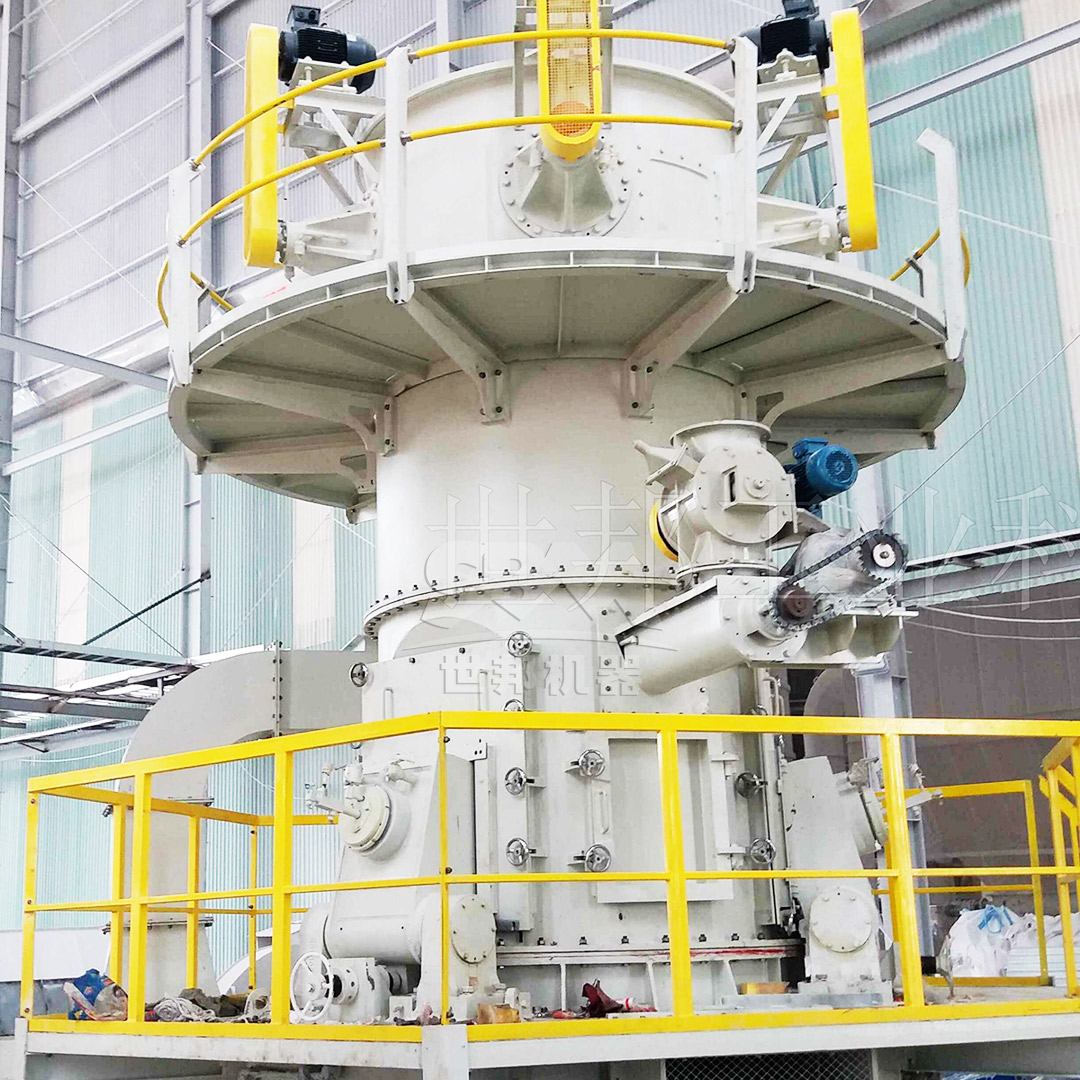
Switching from a conventional ball mill (26 kWh/t) to our LM170K (18 kWh/t) for a 20 t/h activated carbon line yields:
• Annual energy savings: 20 t/h × 8 kWh/t × 8,000 h = 1,280,000 kWh
• CO₂ reduction (at 0.5 kg CO₂/kWh grid factor): 640 tons CO₂/year
• Equivalent to removing 139 passenger vehicles from roads annually
These calculations assume continuous operation and can be further improved through pairing with the MTW Series European Trapezium Mill, which achieves 98% transmission efficiency via its integral bevel gear drive—essential for operations prioritizing both low-carbon and minimal downtime.
Selecting eco-friendly activated carbon processing equipment requires moving beyond purchase price and examining total lifecycle environmental impact. Our analysis demonstrates that:
1. Prioritize bed-grinding technology (LM Series) for base production to leverage 30-40% energy savings and 50% reduced floor space.
2. Integrate ultrafine grinding (SCM Series) only where product specifications demand <45μm particles, utilizing its precision classification to avoid over-grinding waste.
3. Demand closed-loop dust management—both our LM and SCM achieve emissions below 20mg/Nm³, exceeding most regional standards.
4. Leverage intelligent controls for real-time optimization, with our expert systems cutting auxiliary power usage by 5-10% during partial load periods.
The path to low-carbon activated carbon production is not about sacrificing throughput—it is about choosing machinery that converts every kilowatt into marketable product while protecting the very air quality that activated carbon ultimately purifies. We invite you to consult our application engineers to model the specific carbon payback period for your production scenario.