Molybdenum (Mo) is an indispensable element in modern petroleum refining. As a key component of hydrodesulfurization (HDS) and hydrodenitrogenation (HDN) catalysts, molybdenum sulfide-based catalysts are essential for removing sulfur and nitrogen compounds from crude oil fractions, enabling the production of cleaner fuels that meet increasingly stringent environmental regulations worldwide. The global demand for high-purity molybdenum compounds, particularly molybdenum trioxide (MoO3) and ammonium heptamolybdate (AHM), has grown substantially as refineries upgrade their processing capabilities and environmental compliance standards tighten.
The journey from raw molybdenum ore to catalyst-grade molybdenum products involves a series of precise processing stages, among which grinding plays a pivotal role. The particle size distribution of ground molybdenum ore directly influences the efficiency of downstream leaching, roasting, and chemical conversion processes. Selecting the right grinding mill is therefore not merely a matter of operational convenience—it is a strategic decision that impacts product quality, energy consumption, capital expenditure, and overall project economics.
Molybdenum ore, primarily in the form of molybdenite (MoS2), presents unique challenges for size reduction equipment. Key characteristics that influence grinding mill selection include:
Hardness: Molybdenite has a Mohs hardness of 1-1.5, making it relatively soft compared to many other minerals. However, the associated gangue minerals (quartz, feldspar, pyrite) may have significantly higher hardness values of 6-7, creating abrasive conditions within the mill.
Liberation Requirements: For efficient flotation and subsequent chemical processing, molybdenite must be liberated from the gangue matrix. This typically requires grinding to below 100 μm, with finer sizes (often 40-75 μm or finer) needed for catalyst-grade products.
Moisture Content: Depending on the mining method and ore storage conditions, molybdenum ore may contain varying levels of moisture that affect grinding efficiency and equipment selection.
Throughput Requirements: Molybdenum processing operations range from small-scale facilities handling a few tons per hour to large industrial complexes processing hundreds of tons per hour. The required capacity significantly influences mill type and size selection.
In a typical molybdenum ore processing flowsheet, grinding is performed in multiple stages:
Primary Grinding: Typically performed in a rod mill or SAG mill to reduce run-of-mine ore from up to 300mm to approximately 10-25mm. Sometimes this stage can be achieved with a hammer mill or jaw crusher depending on ore characteristics.
Secondary Grinding: Further size reduction to 0.5-3mm using ball mills, rod mills, or vertical roller mills.
Fine/Ultrafine Grinding: For catalyst-grade applications requiring particle sizes below 45 μm (325 mesh), specialized equipment such as ultrafine mills or classified mills is required.
The target particle size distribution is the primary determinant of mill type. For molybdenum catalyst production, the following fineness levels are typically required:
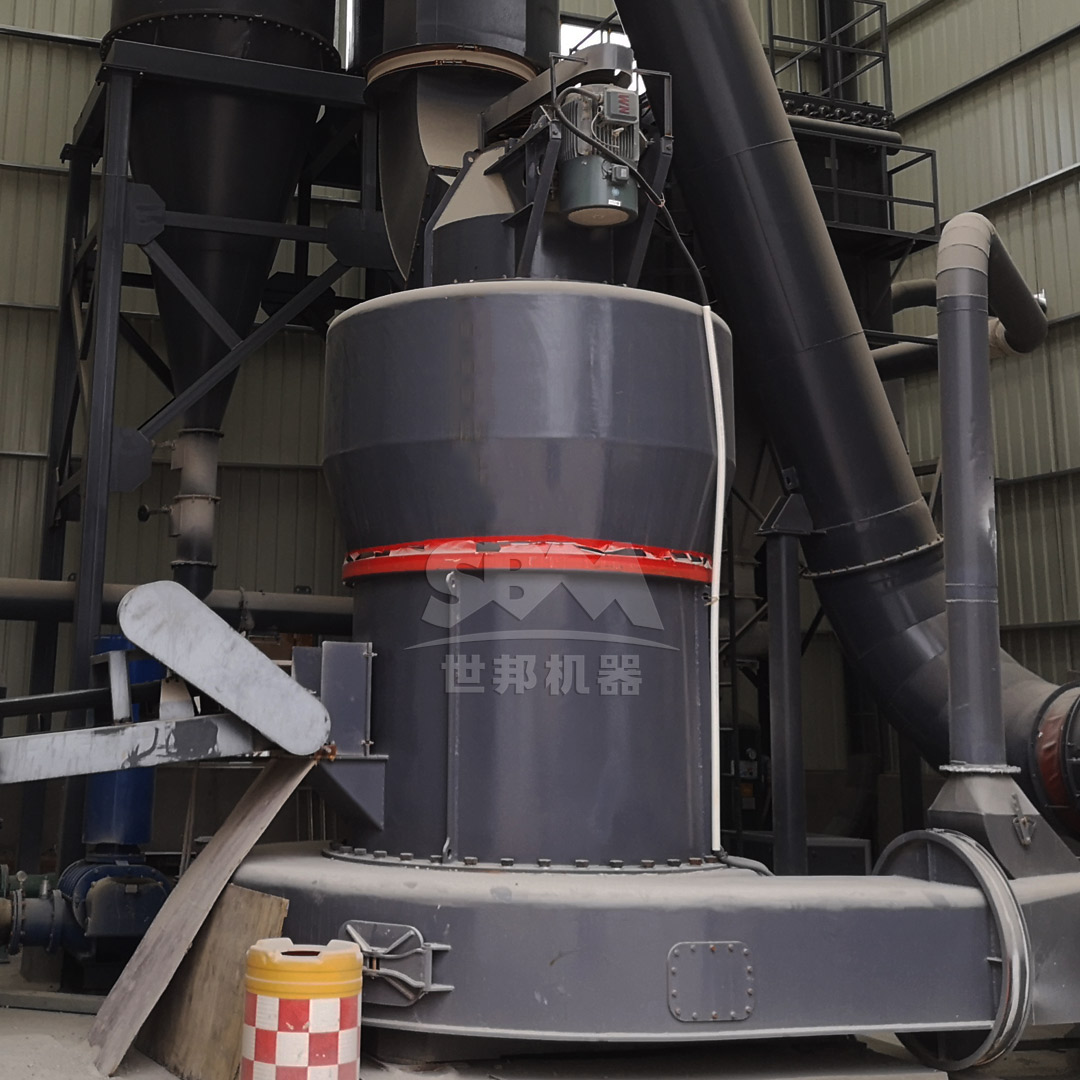
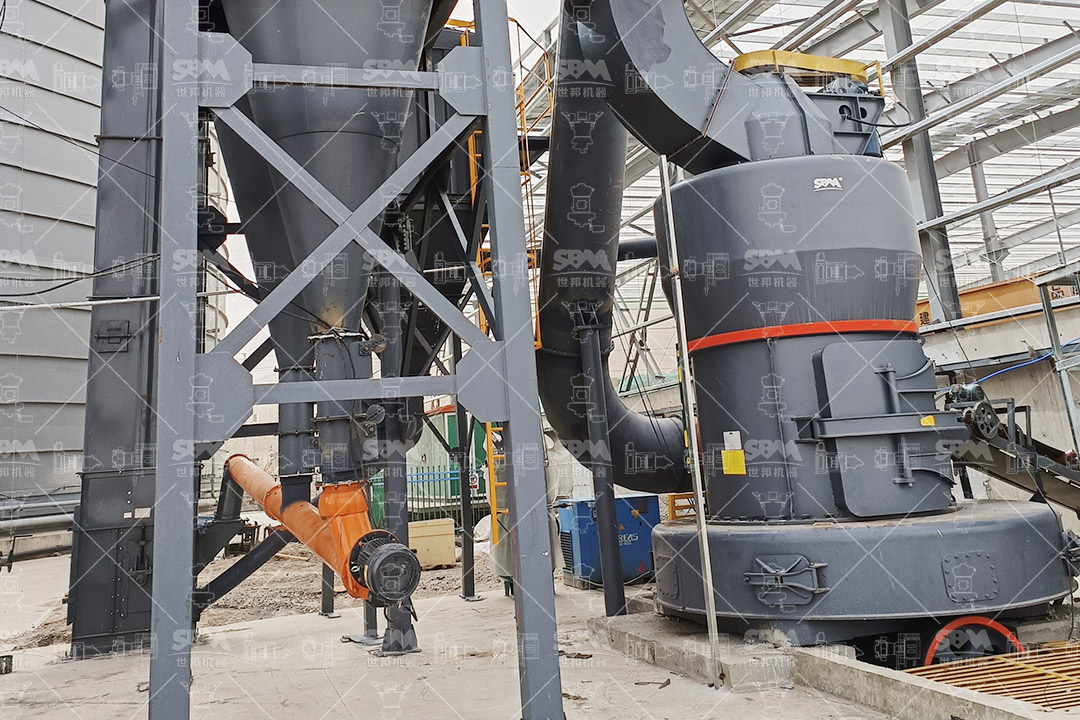
Capacity requirements vary widely based on project scale. Small-to-medium operations (1-10 t/h) may favor compact solutions like the MTW European Trapezium Mill, while large-scale operations (20-100+ t/h) benefit from the high throughput capabilities of LM Series Vertical Roller Mills.
Energy consumption represents 40-60% of total grinding costs in mineral processing operations. Vertical mill technology offers significant advantages over traditional ball mills, with 30-40% lower specific energy consumption. For molybdenum processing, where product quality is critical and operating costs must be managed carefully, energy-efficient solutions provide substantial long-term benefits.
For catalyst-grade molybdenum products, contamination from grinding media wear is a serious concern. Vertical mills with non-contact grinding principles, such as the LM and LUM series, minimize iron contamination, making them ideal choices for high-purity applications.
Molybdenum ore processing involves continuous operation, often 24/7. equipment reliability and wear part longevity directly impact productivity. Mills with modular designs and quick-change systems reduce downtime and maintenance costs.
Based on the specific requirements of molybdenum ore processing for petroleum catalysts, we recommend the following equipment solutions from our comprehensive product range.
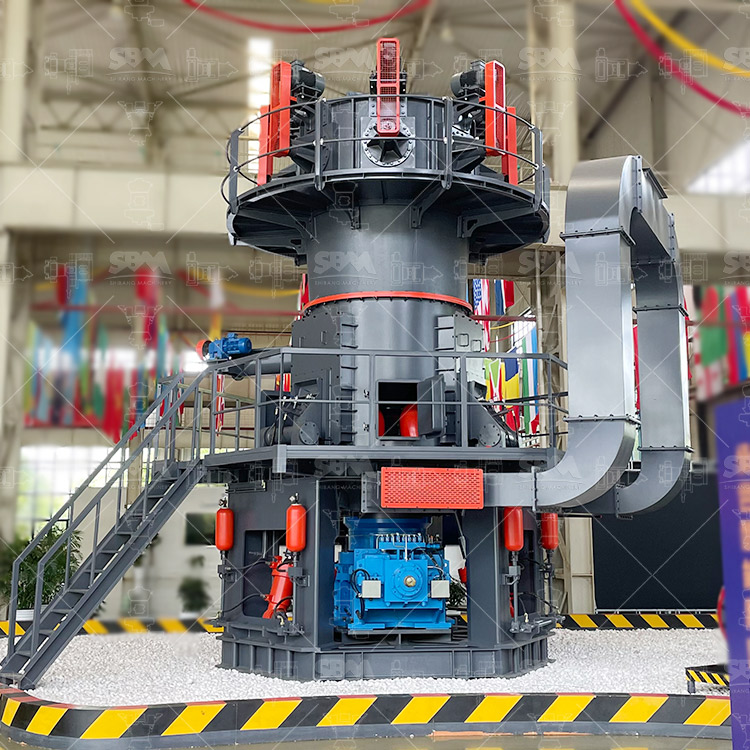
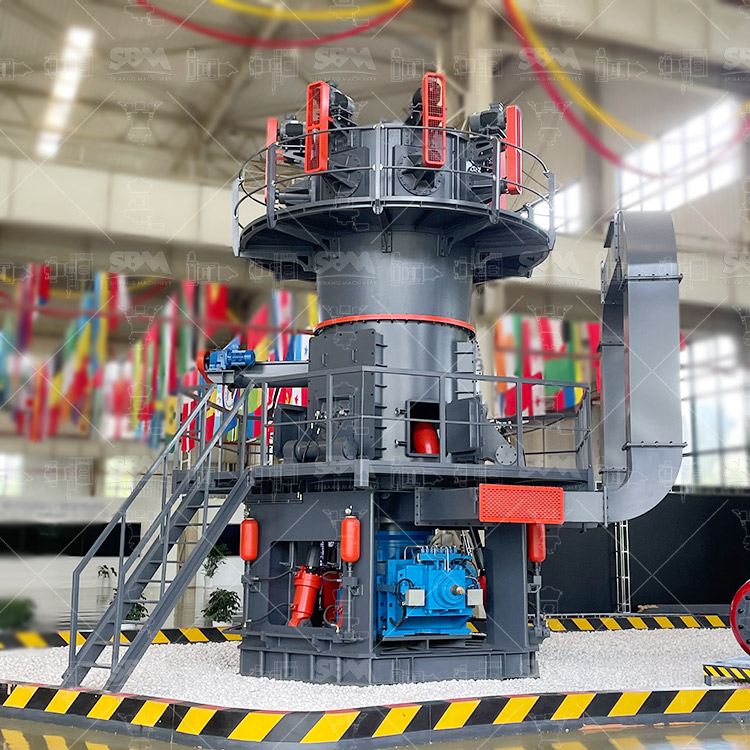
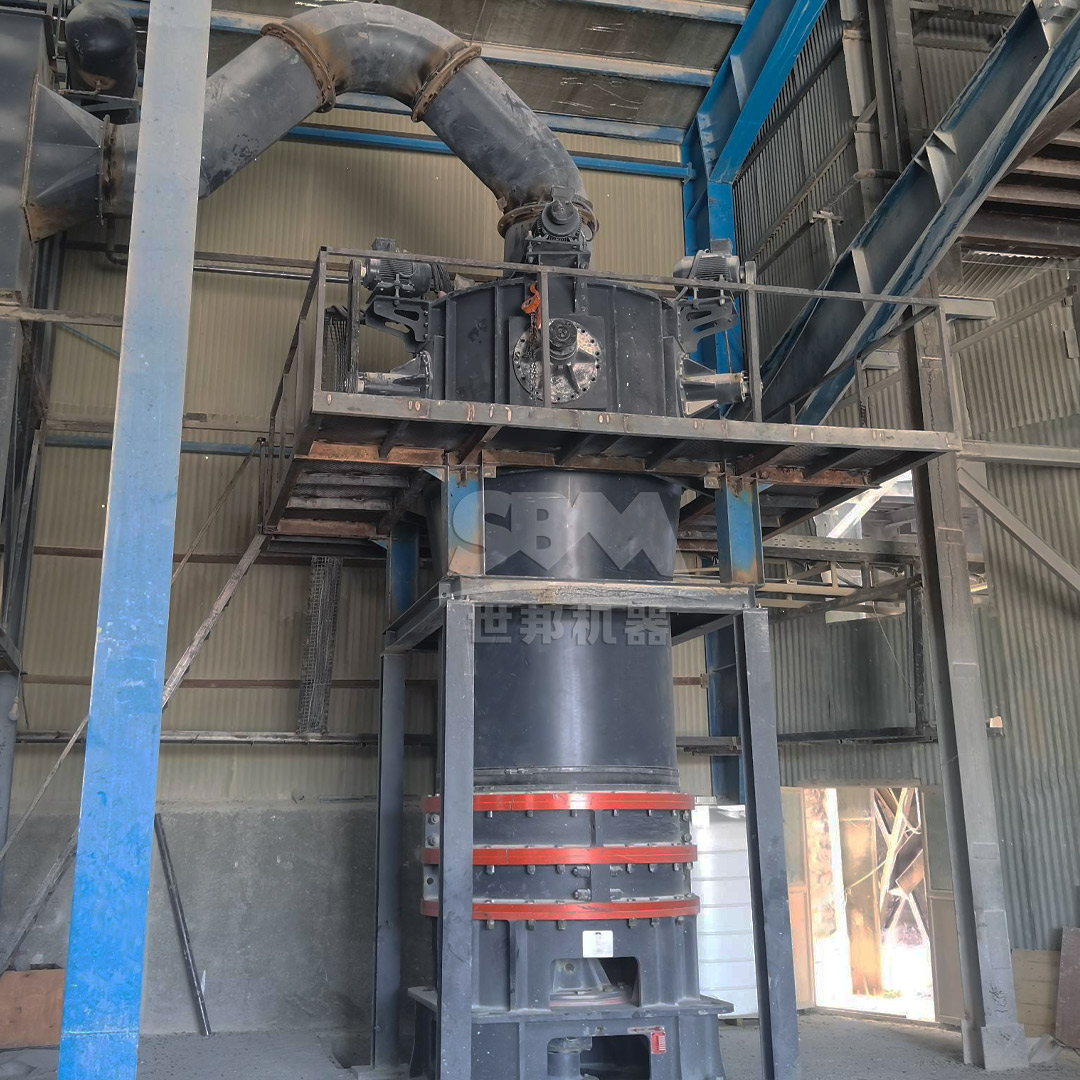
For catalyst-grade molybdenum products requiring fineness levels of 325-2500 mesh (45-5 μm), the LUM Series Ultrafine Vertical Roller Mill represents the optimal choice. This advanced equipment combines precision grinding with intelligent classification, delivering consistent product quality essential for catalyst manufacturing.
Key Advantages for Molybdenum Processing:
Available Models:
| Model | Power (kW) | Capacity (t/h) | Fineness (μm) |
|---|---|---|---|
| LUM1525 | 220-250 | 1.6-11.5 | 5-30 |
| LUM1632 | 280-315 | 2-13.5 | 5-30 |
| LUM1836 | 355-400 | 2.3-15 | 5-30 |
For operations requiring exceptional fineness (down to 2500 mesh / 5 μm) with flexible production capacity, the SCM Series Ultrafine Mill offers outstanding performance. This proven technology has been widely deployed in mineral processing applications worldwide.
Key Advantages for Molybdenum Processing:
Available Models:
| Model | Capacity (t/h) | Main Power (kW) | Feed Size (mm) | Fineness (mesh) |
|---|---|---|---|---|
| SCM800 | 0.5-4.5 | 75 | 0-20 | 325-2500 |
| SCM900 | 0.8-6.5 | 90 | 0-20 | 325-2500 |
| SCM1000 | 1.0-8.5 | 132 | 0-20 | 325-2500 |
| SCM1250 | 2.5-14 | 185 | 0-20 | 325-2500 |
| SCM1680 | 5.0-25 | 315 | 0-20 | 325-2500 |
For a complete molybdenum ore processing facility targeting petroleum catalyst production, we recommend the following equipment configuration:
Stage 1 – Primary Crushing: Jaw crusher or hammer mill to reduce ROM ore to <40mm. The PC4008-75 Hammer Mill (8-15 t/h, 75kW) is suitable for small-to-medium operations.
Stage 2 – Secondary Grinding: MTW Series European Trapezium Mill or LM Series Vertical Roller Mill for size reduction to 100-325 mesh. The MTW138Z model (6-17 t/h, 90kW main motor) offers an excellent balance of capacity and efficiency.
Stage 3 – Fine/Ultrafine Grinding: SCM Series Ultrafine Mill or LUM Series Ultrafine Vertical Roller Mill for final size reduction to 325-2500 mesh, producing catalyst-grade molybdenum powder.
Stage 4 – Classification and Collection: Integrated classification systems with pulse dust collection ensure precise product sizing and environmental compliance.
| Parameter | SCM Ultrafine Mill | LUM Vertical Mill | MTW Trapezium Mill | LM Vertical Mill |
|---|---|---|---|---|
| Feed Size (mm) | ≤20 | ≤20 | ≤50 | ≤50 |
| Fineness | 325-2500 mesh | 325-2500 mesh | 30-325 mesh | 30-325 mesh |
| Capacity (t/h) | 0.5-25 | 1.6-15 | 3-45 | 10-170 |
| Energy Saving | 30% vs jet mill | 30-40% vs ball mill | High efficiency | 30-40% vs ball mill |
| Contamination | Low | Very Low | Medium | Low |
| Best Application | Ultrafine catalyst grade | High-purity ultrafine | Medium-fine grinding | Large-scale grinding |
When evaluating grinding mill options for molybdenum catalyst production, total cost of ownership (TCO) analysis reveals significant differences among technologies:
Capital Costs: Traditional ball mill circuits typically have lower initial capital costs but require larger footprints and more auxiliary equipment. Vertical mill systems, while representing higher initial investment, offer compact layouts that can reduce civil construction and installation costs by 30-40%.
Operating Costs: Energy consumption is the dominant operating cost factor. Vertical mills and ultrafine mills consume 30-40% less energy per ton of product compared to ball mills. For a 10 t/h operation running 6,000 hours annually, this translates to savings of hundreds of thousands of dollars per year.
Wear Part Costs: Advanced materials and designs in modern vertical mills extend wear part life by 3x or more compared to traditional systems. This reduces both maintenance costs and downtime losses.
Product Quality Benefits: For catalyst applications, consistent particle size distribution directly impacts catalyst performance. The tighter particle size control achievable with classified mills reduces variance in catalyst activity, potentially commanding premium pricing for the final product.
Selecting the optimal grinding mill for molybdenum ore processing in petroleum catalyst applications requires careful consideration of multiple factors including target fineness, production capacity, contamination limits, energy efficiency, and total cost of ownership. While no single solution fits all scenarios, the trend in modern molybdenum processing clearly favors vertical mill technology for its superior energy efficiency, precise product control, and minimal contamination characteristics.
For ultrafine catalyst-grade production (325-2500 mesh), both the SCM Series Ultrafine Mill and LUM Series Ultrafine Vertical Roller Mill offer excellent performance. The choice between them depends on specific capacity requirements, available space, and capital budget constraints.
For medium-fine grinding applications (30-325 mesh), the MTW Series European Trapezium Mill and LM Series Vertical Roller Mill provide reliable, efficient solutions with proven track records in mineral processing industries worldwide.
We recommend conducting pilot-scale testing with actual ore samples to confirm equipment selection and optimize operating parameters before committing to full-scale installation. Our technical team is available to assist with test work, flowsheet design, and equipment selection tailored to your specific molybdenum processing requirements.
As global demand for cleaner fuels continues to drive investment in petroleum catalyst production, having the right grinding technology in place will be a key competitive advantage for molybdenum processors. The equipment choices made today will determine operational efficiency and product quality for decades to come.