
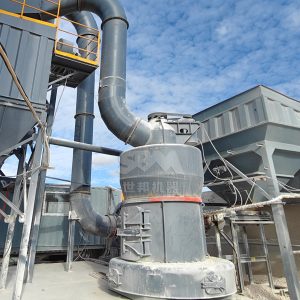
Introduction: The Growing Demand for Ultra-Fine Calcite Powder In the modern industrial landscape, calcium carbonate (CaCO₃), commonly derived from calcite, marble, or limestone, stands as one of the most versatile and widely used mineral fillers. From the production of high-grade paper, paints, and plastics to the manufacturing of sealants, adhesives, and rubber, the quality of […]
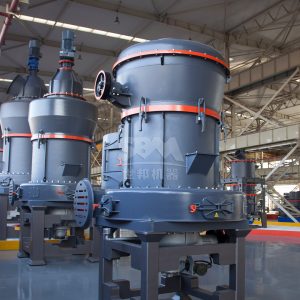
Introduction: The Growing Demand for 800 Mesh Calcite Powder Calcite, a naturally abundant calcium carbonate mineral, is a cornerstone material in industries ranging from plastics and paints to rubber and construction. In recent years, the market demand for ultra-fine calcite powder, particularly the 800 mesh (approximately 15-18 microns) specification, has surged. This ultra-fine grade acts […]
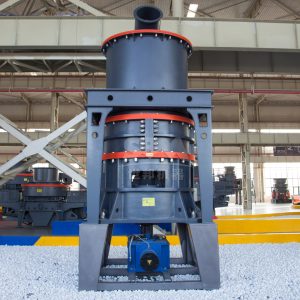
Introduction: The Demand for High-Fineness Calcite Powder In the modern industrial landscape, calcium carbonate (calcite) powder has become an indispensable raw material across a vast array of sectors, including plastics, papermaking, paints, coatings, rubber, building materials, and environmental protection. As market demands for product quality and performance continue to escalate, the requirement for finer and […]
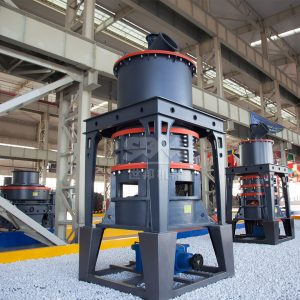
Introduction: The Significance of 325 Mesh Calcite Powder Calcite, a naturally occurring calcium carbonate (CaCO₃) mineral, is one of the most widely used industrial minerals in the world. When ground to a fine powder, particularly to 325 mesh (44 microns), it becomes a critical raw material in industries ranging from plastics and paints to construction […]
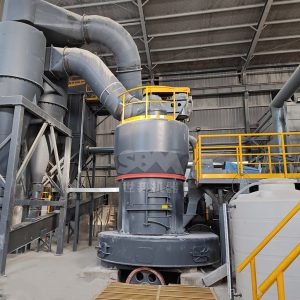
Introduction: Understanding the 200 Mesh Calcite Requirement Calcite powder, particularly at 200 mesh (approximately 74 microns), is a fundamental raw material in industries ranging from plastics and paints to construction and agriculture. Achieving consistent, high-throughput production of 200 mesh calcite powder requires more than just any grinding mill; it demands a carefully selected piece of […]
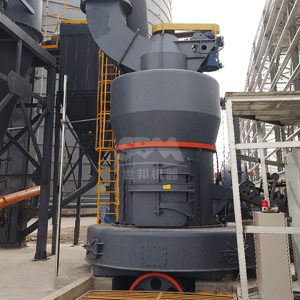
Introduction: The Critical Role of Equipment Selection in Magnesite Processing In the chemical industry, magnesite (magnesium carbonate) is a fundamental raw material used in the production of magnesium oxide, refractory materials, and various chemical compounds. The quality of the final product—whether it is used for high-purity chemical applications or industrial-grade refractories—is directly determined by the […]
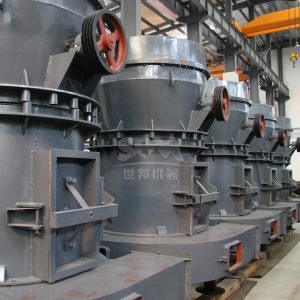
Introduction Magnesite, a naturally occurring magnesium carbonate mineral, is a critical raw material for producing high-grade refractory materials, magnesium compounds, and construction products. The quality of magnesite powder used in building materials directly impacts the performance of fireproof boards, floorings, wall panels, and thermal insulation systems. As construction standards continue to rise globally, the demand […]
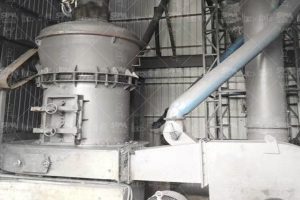
Introduction: The Critical Role of Magnesite Additives in Refractories Magnesite (MgCO₃) is a crucial raw material in the production of high-performance refractory materials. When processed into fine powders, magnesite additives enhance the thermal stability, slag resistance, and mechanical strength of refractory bricks and castables. The quality of these additives is directly determined by the grinding […]
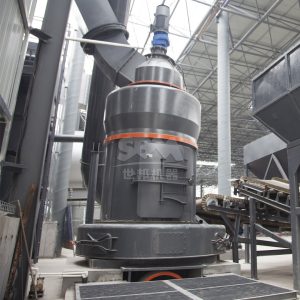
Introduction: The Critical Role of 325 Mesh Magnesite Powder Magnesite (MgCO₃) is a crucial industrial mineral, and its powdered form, particularly at 325 mesh (44 microns), serves as a fundamental raw material in diverse industries. From high-grade refractory bricks for steelmaking kilns to specialized magnesium-based cements and agricultural soil conditioners, the quality of 325 mesh […]